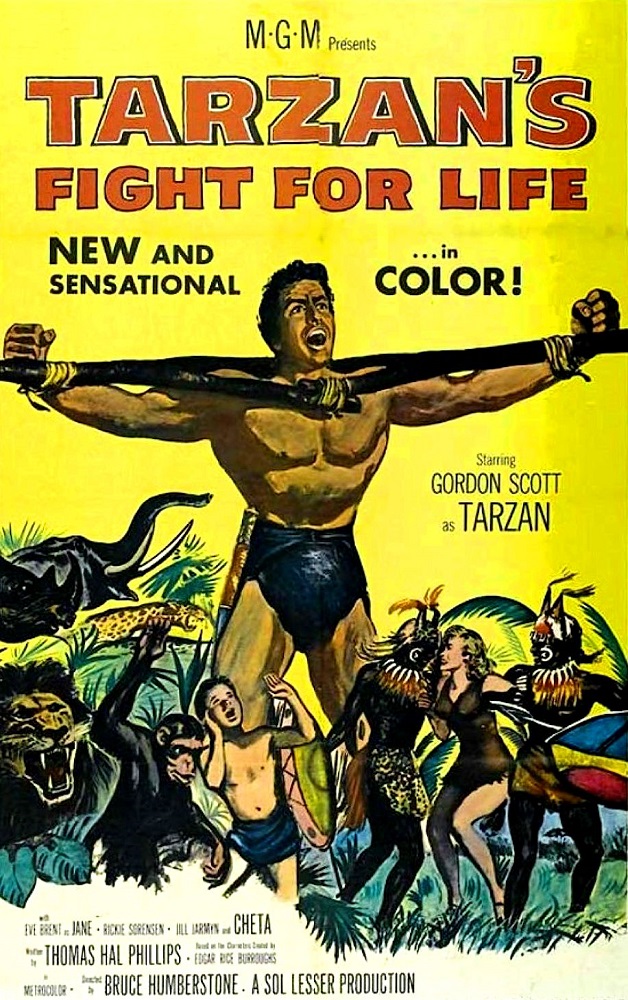
Tarzan’s Fight for Life (1958)
Jungle Hero
Third of the Gordon Scott Tarzan films, the second in colour and to be shot in real African locations
The Science Fiction Horror and Fantasy Film Review


Adventure Films are similar to Action Films but usually take place in an exotic realm (jungles, desert, lost worlds, foreign lands, fantasy and space settings). They feature quest plots where the hero(es) are in search of a treasure, attempting to rescue someone, to simply survive or find a way home. Action Films emphasise muscular heroism whereas adventure films focuses more on the realm the heroes are exploring and the often colourful characters and creatures they encounter.
Most of the films that fall into the themes of Serials, Lost Worlds, Epic Fantasy Films, Arabian Nights Fantasy, Space Opera and Planetary Adventure Films can be considered as Adventure Films. The adventure film also includes many films that take place in historical settings such as Swashbucklers.
Third of the Gordon Scott Tarzan films, the second in colour and to be shot in real African locations
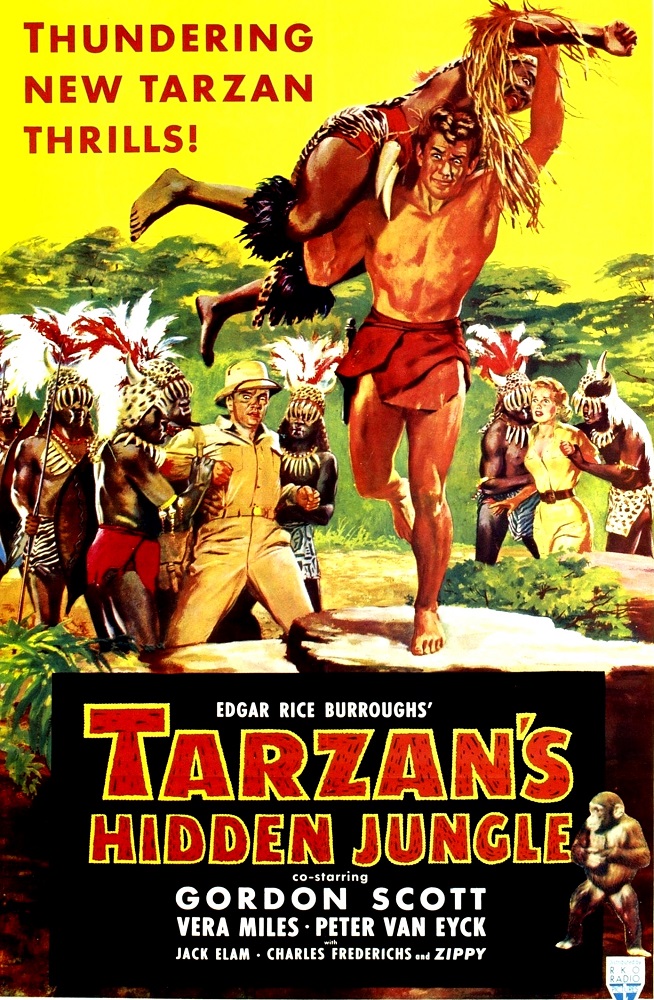
The first of the Gordon Scott Tarzan films although it does little to vary from the well-established formula of the previous eighteen entries
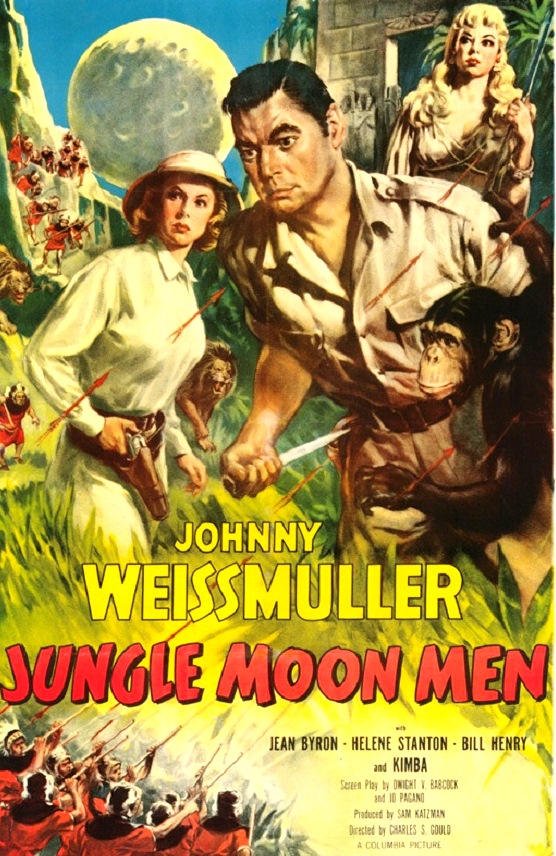
Former Tarzan star Johnny Weissmuller plays himself in a routine studio backlot jungle adventure that uncreditedly steals the plot from H. Rider Haggard’s She

Disney’s adaptation of Jules Verne’s novel is a lavishly produced period adventure. This became the definitive version of the book and inspired a string of other period-set Verne adaptations over the next decade
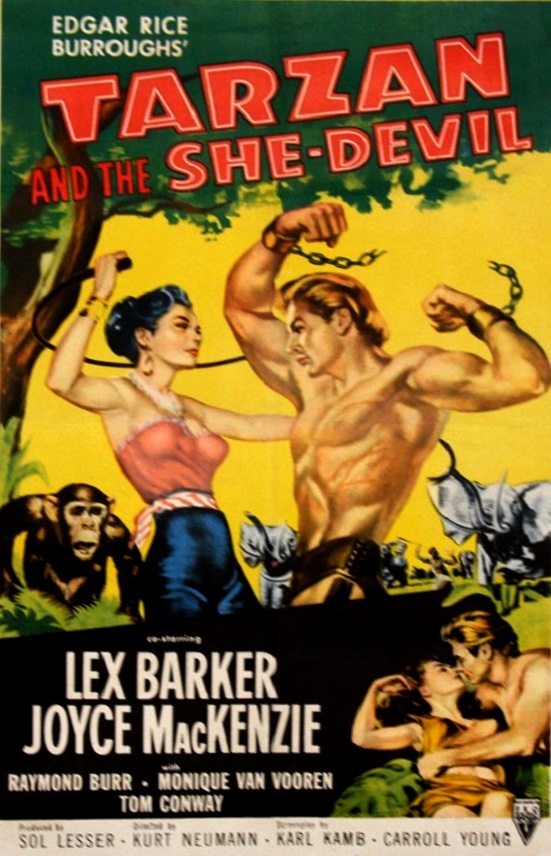
The last of the Tarzan outings featuring Lex Barker, as well as an interesting cast line-up including Raymond Burr as the villain

Burt Lancaster-starring pirate swashbuckler that announces it is not taking itself seriously and goes entertainingly over-the-top, eventually adding a series of wildly anachronistic inventions
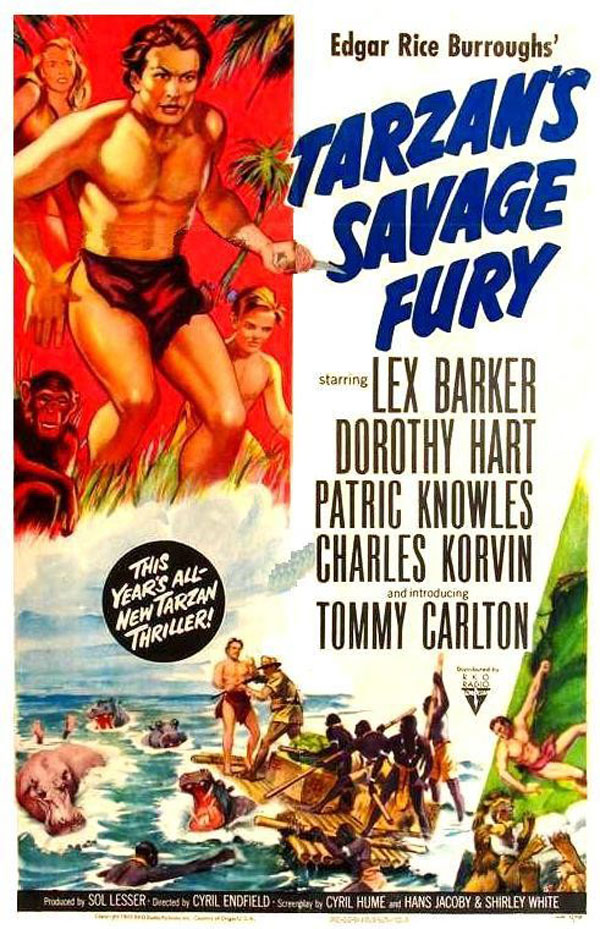
Fourth of the Lex Barker Tarzan films. Barker is less stiff in the role but this is otherwise as formulaic as they come. The distinction this has is that it is one of the few films that mention Tarzan’s origins and that it features a Communist villain
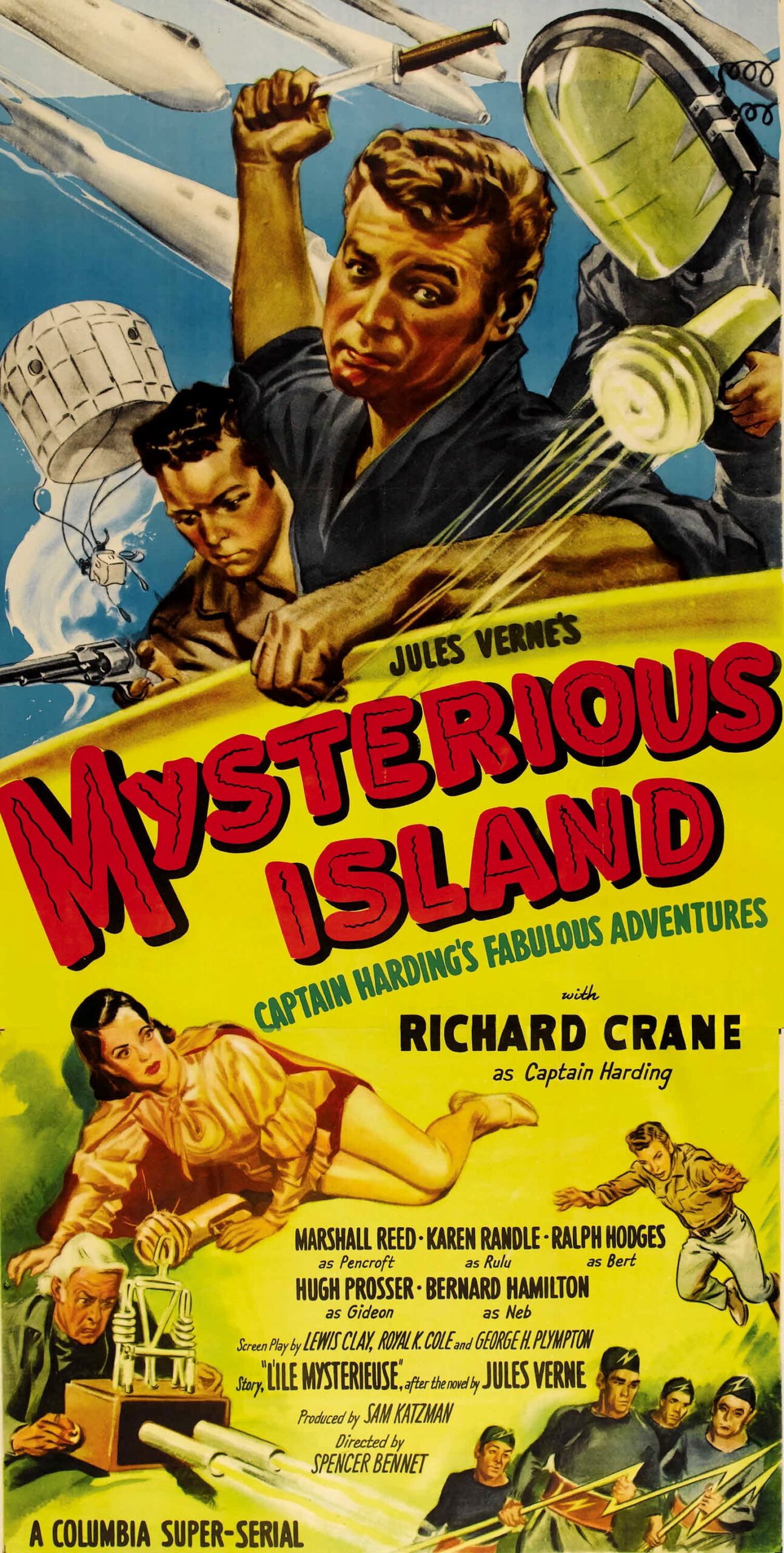
A serial adaptation of Jules Verne’s classic survival story about escapees aboard a hot-air balloon who wash up on a desert island. To the regular story, this sees fit to add hostile natives, pirates and invading aliens from Mercury
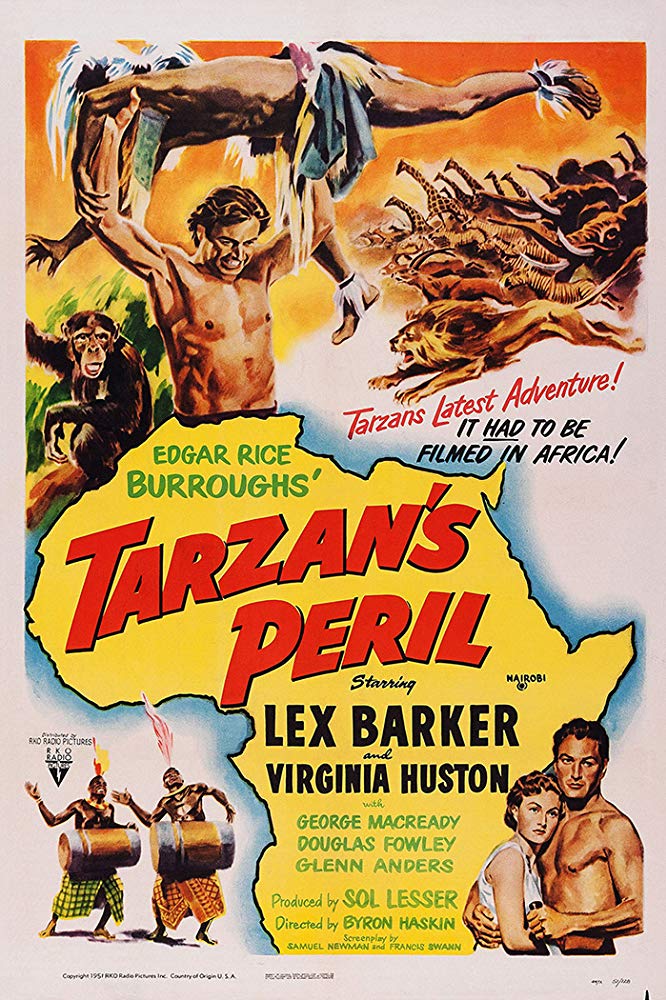
The fifteenth of the MGM/RKO Tarzan films and third starring Lex Barker. What makes this stand out is that it was the first Tarzan film to go and shoot in Africa, otherwise it follows exactly the same well-worn formula as before and has one of the worst screens Janes ever
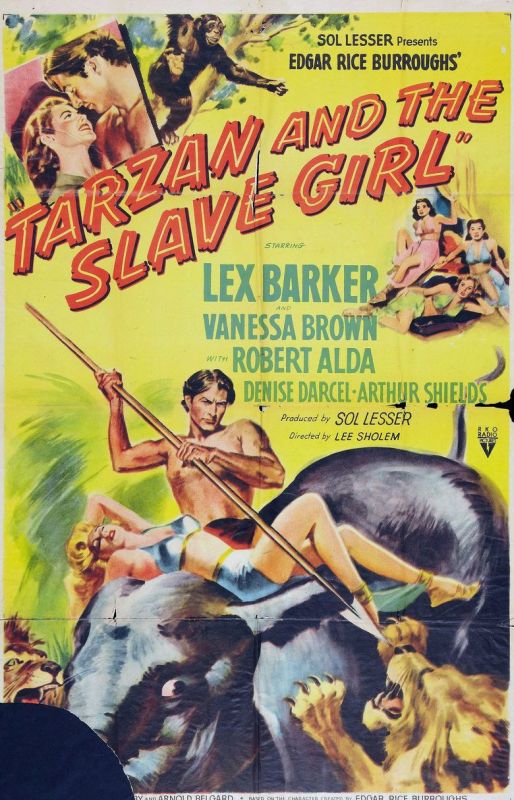
The second of Lex Barker’s Tarzan films, another traipse through the studio backlot jungle sets and well-worn formula – lost cities, mysterious tribes, Jane abducted, Cheeta comic relief antics – with little to distinguish it
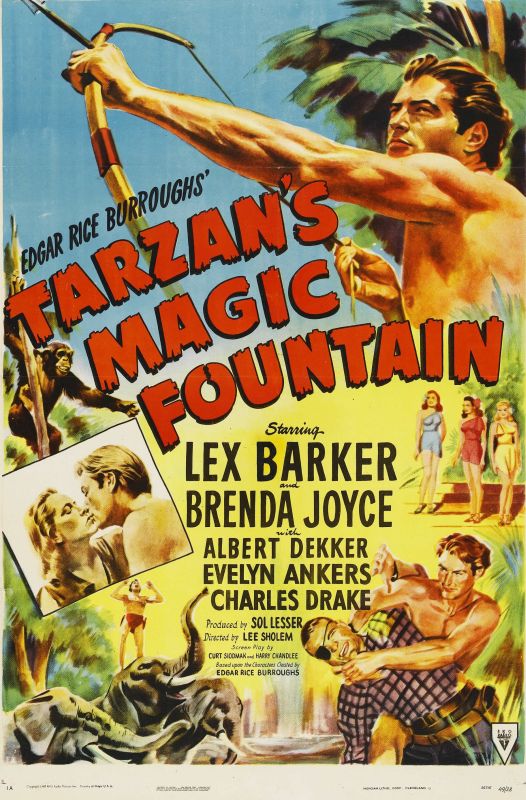
The first Tarzan film after Johnny Weissmuller’s departure and replacement by a blank Lex Barker, although in all other ways is still the same tired formula. One of the few Tarzan films of the era to employ fantastic plot devices (a Fountain of Youth) but seems to have little idea what to do with it

Part of the fad during the 1940s for swashbuckling Arabian Nights adventures, this tells the story of Aladdin and is more embracing of the fantasy elements than most of the other films of this period
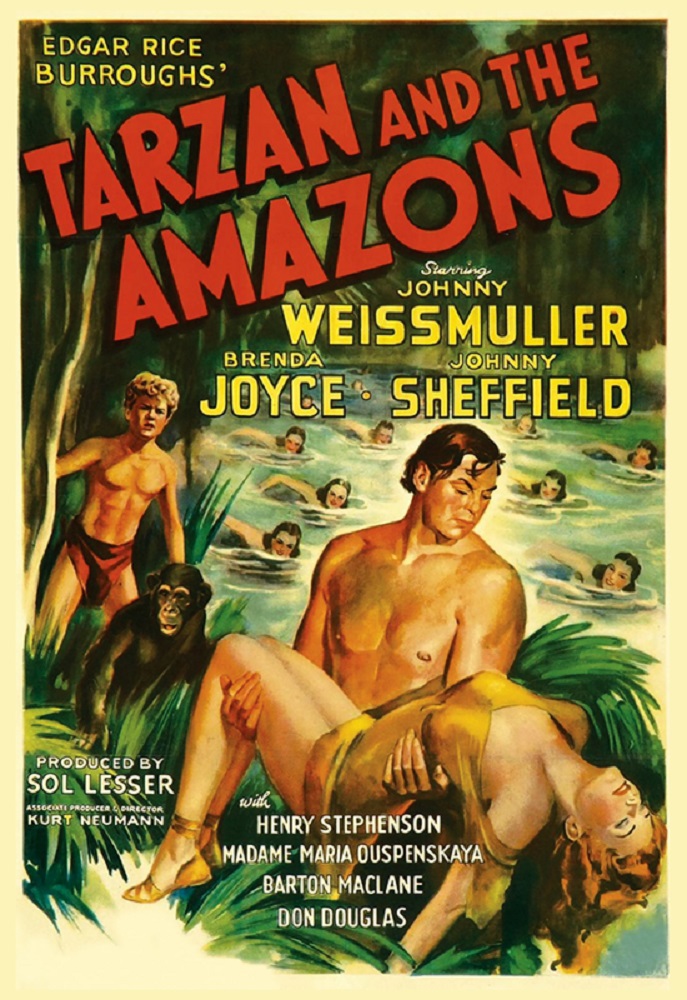
The ninth of the Johnny Weissmuller Tarzan films. All but the first two Weissmuller films slip into the utterly banal and formulaic. The novelty this time is Tarzan encountering a city inhabited all by all women
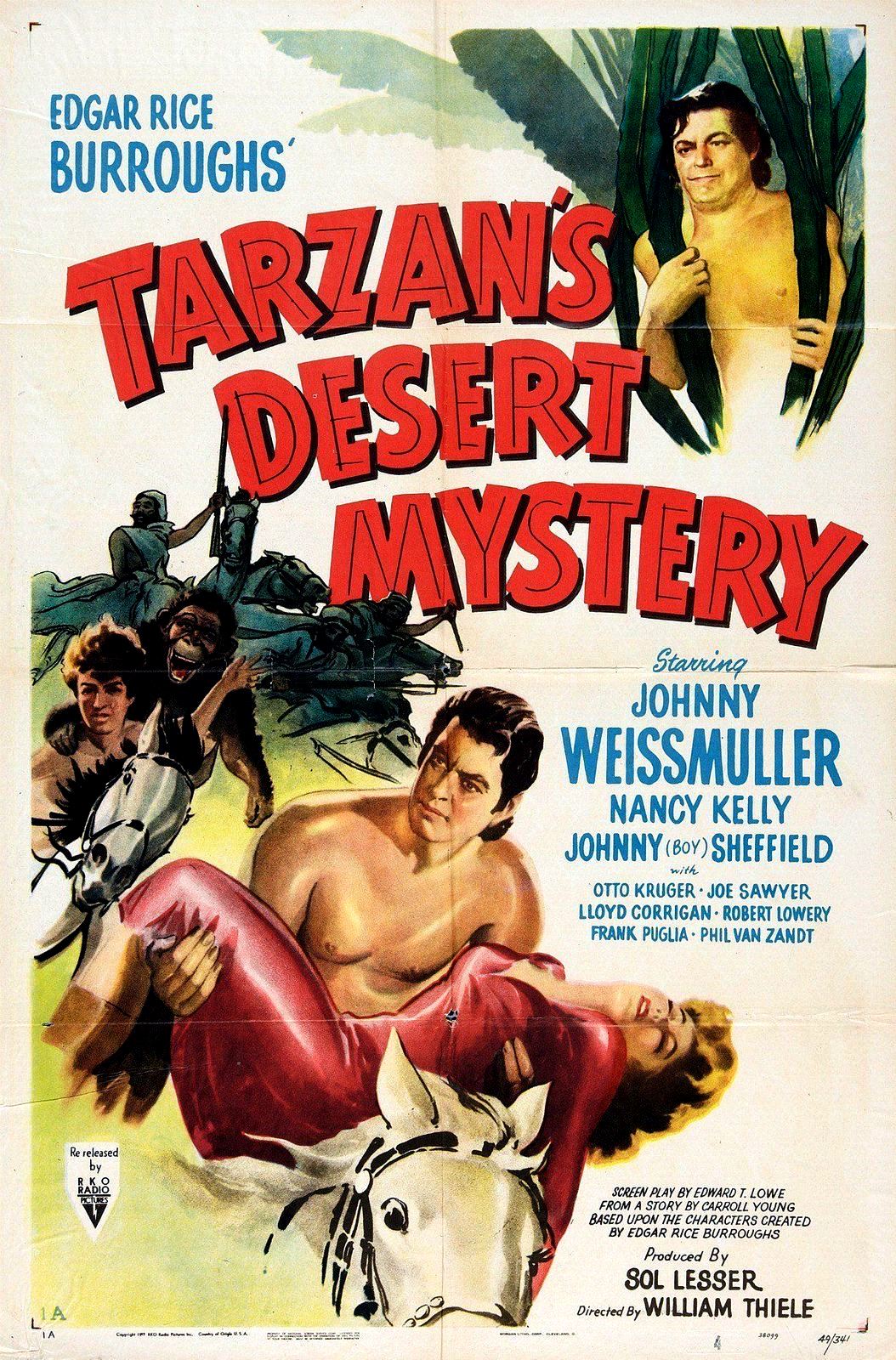
The eight of the Johnny Weissmuller Tarzan films. The same formula as before but in a desire for novelty the action is relocated to North Africa

Serial adaptation of the famous comic-strip superhero. One of the better serial comic-book adaptations, featuring some great cliffhangers and maintaining great faith to the comic-strip original
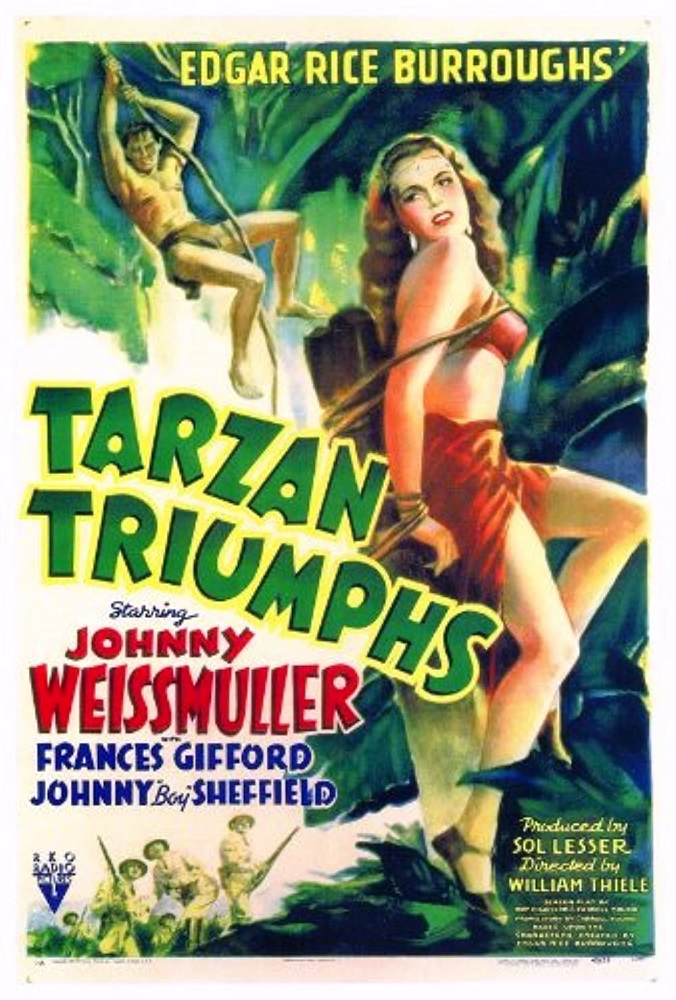
The seventh of the Johnny Weissmuller Tarzan films made as a work of Wartime propaganda where Tarzan faces Nazis
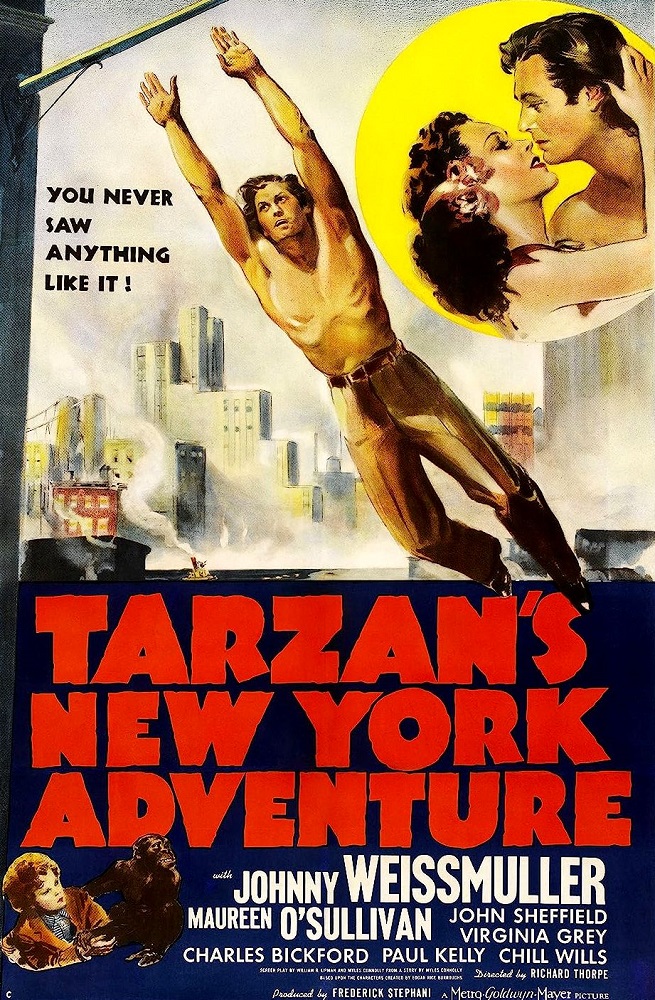
Sixth of the Johnny Weissmuller Tarzan films, this takes Tarzan out of the jungle to civilisation and is mostly played for comedy
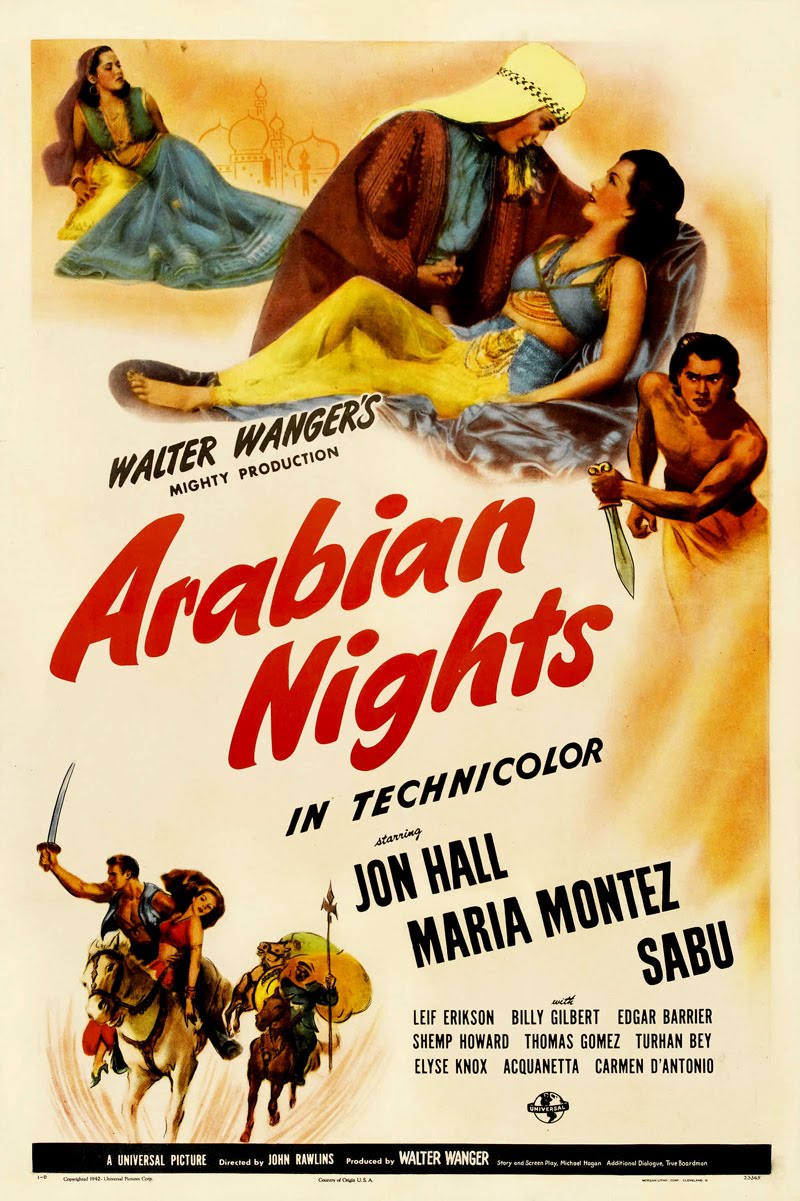
A Hollywood version of the Arabian Nights that throws out the story’s unique narrative structure and substitutes the colourful spectacle of the swashbuckling adventure. With Shemp Howard as Sinbad!
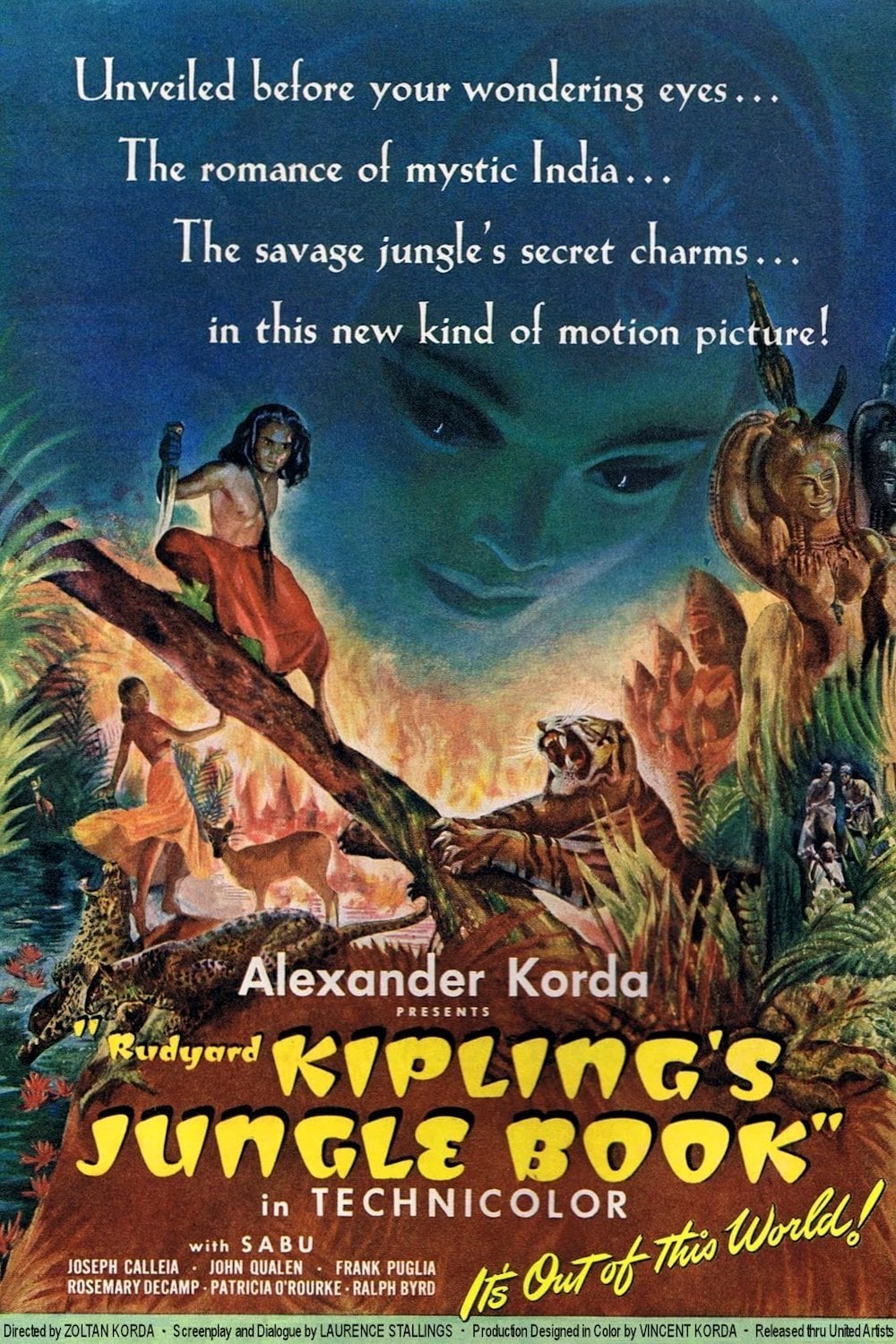
Lush and beautifully produced live-action adaptation of Rudyard Kipling’s Mowgli stories. In comparison to the studio backlot Tarzan films of the era, this is in colour, builds entire jungle sets and even goes on location in India
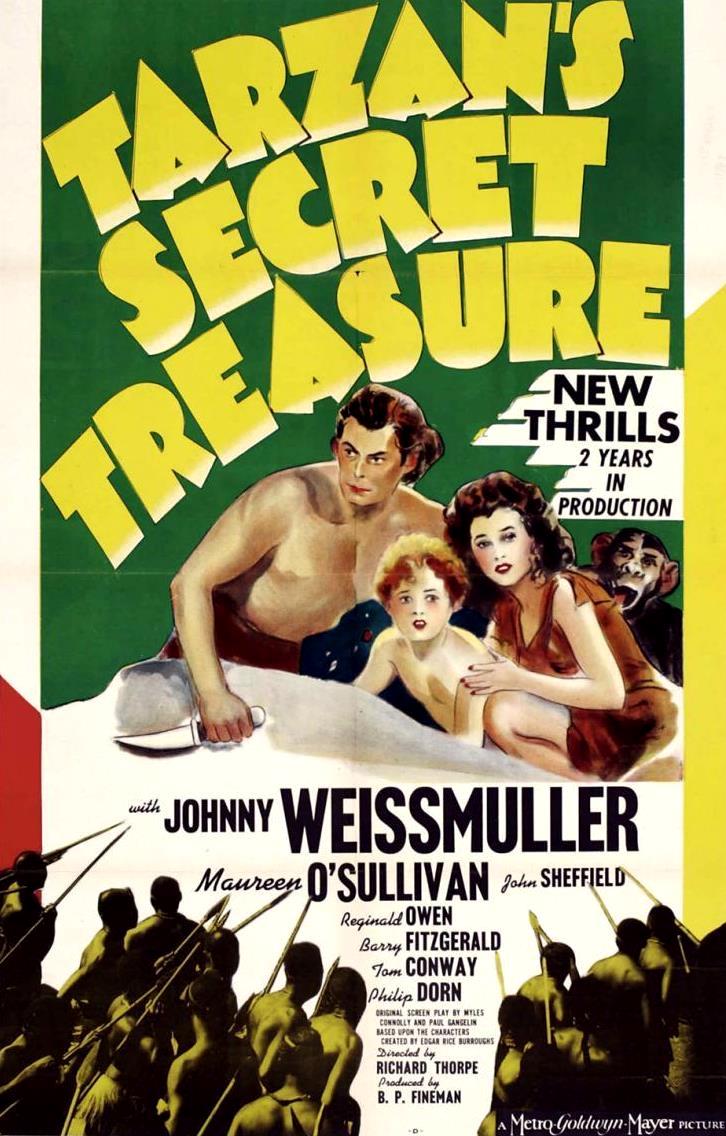
Fifth of the Johnny Weissmuller Tarzan films and a thoroughly ordinary run through of the by now well-established formula of the series
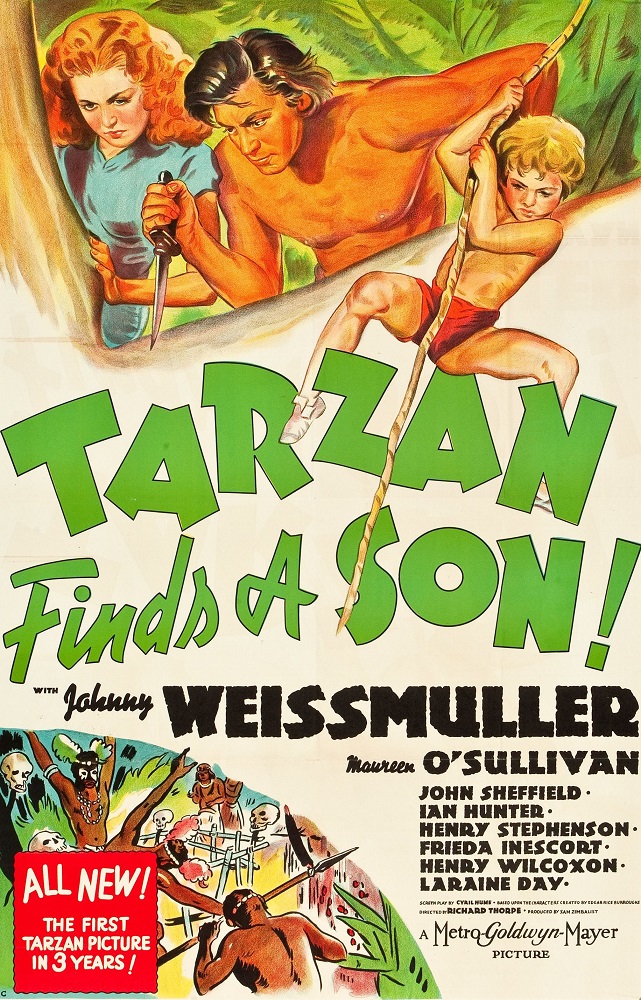
Fourth of the Johnny Weissmuller Tarzan films, the point where John Sheffield’s Boy enters the series because the Hays Code required that Jane could not get pregnant
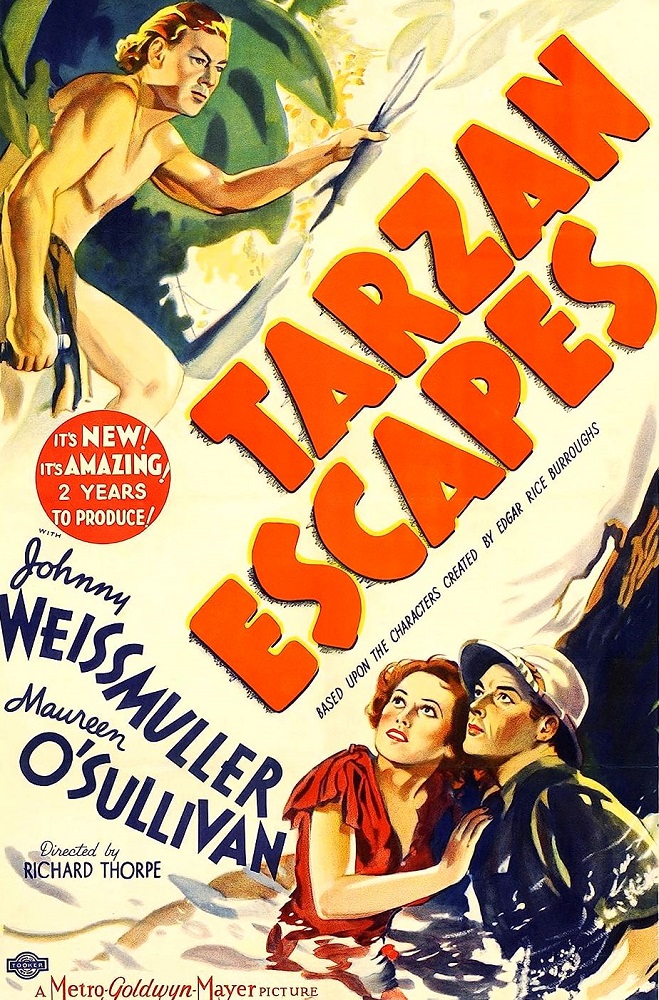
Third of the Johnny Weissmuller Tarzan films, the point where the formula of the series started to kick in

One of a spate of films featuring flyer heroes that were popular in the era. Adapted from a comic-book created by an actual World War I flying ace, this is a thirteen chapter serial but proves rather crudely made today
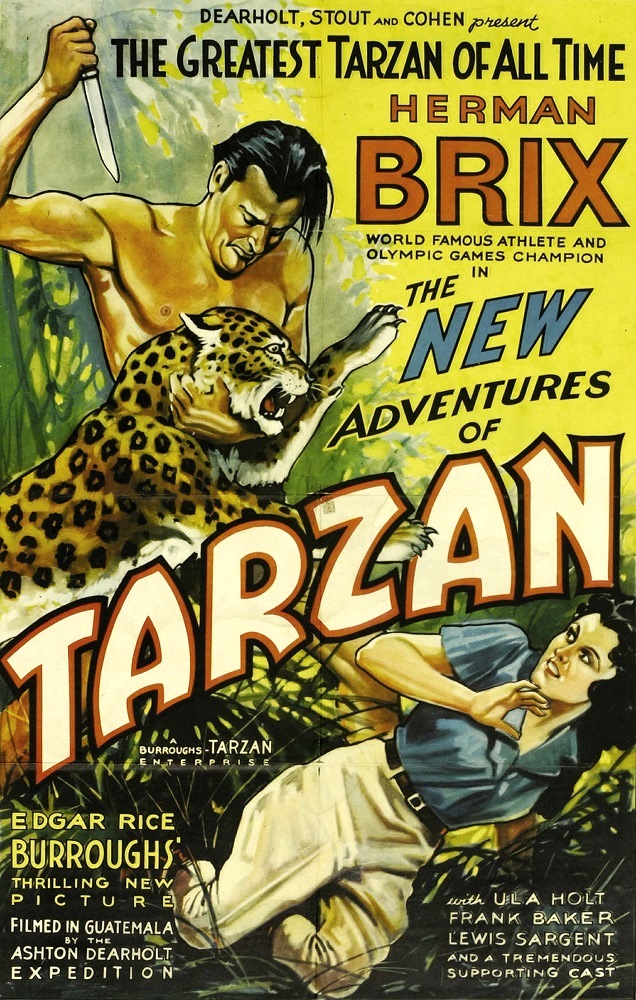
A serial Tarzan adventure that stood outside the regular Johnny Weissmuller films. A producer formed a business partnership with Edgar Rice Burroughs and went to Guatemala to shoot

The second and very best of the Johnny Weissmuller Tarzan films, this has an incredible sense of adventure and even a surprising eroticism for the era
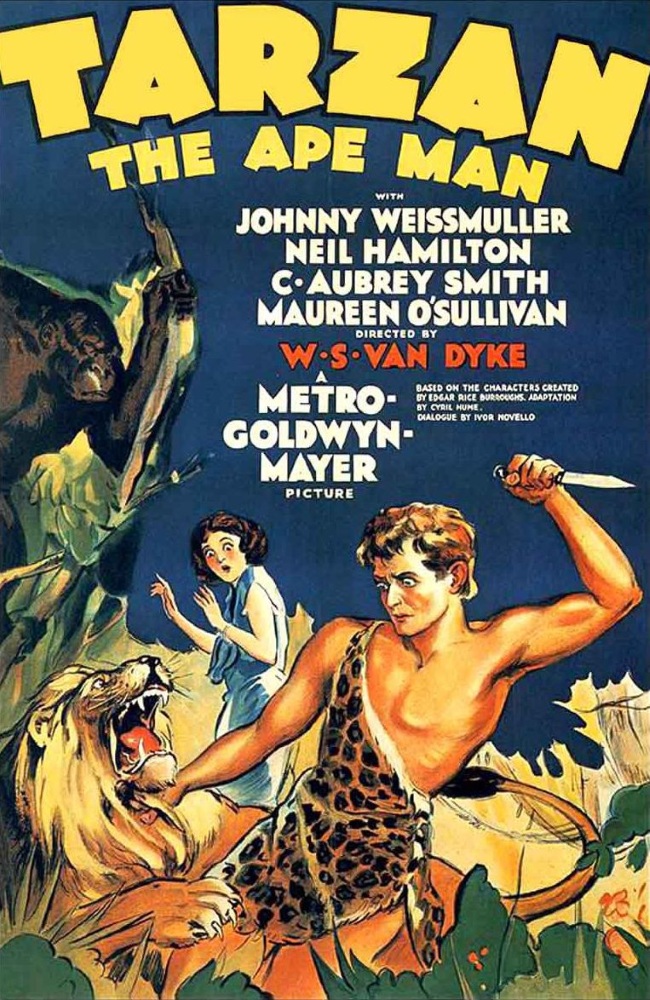
The first of the Johnny Weissmuller films and where the cinematic Tarzan was essentially formed. The film changes Edgar Rice Burroughs conception in many ways but is a superbly exciting adventure in its own right, while the Tarzan/Jane romance is played with an oddball sweetness
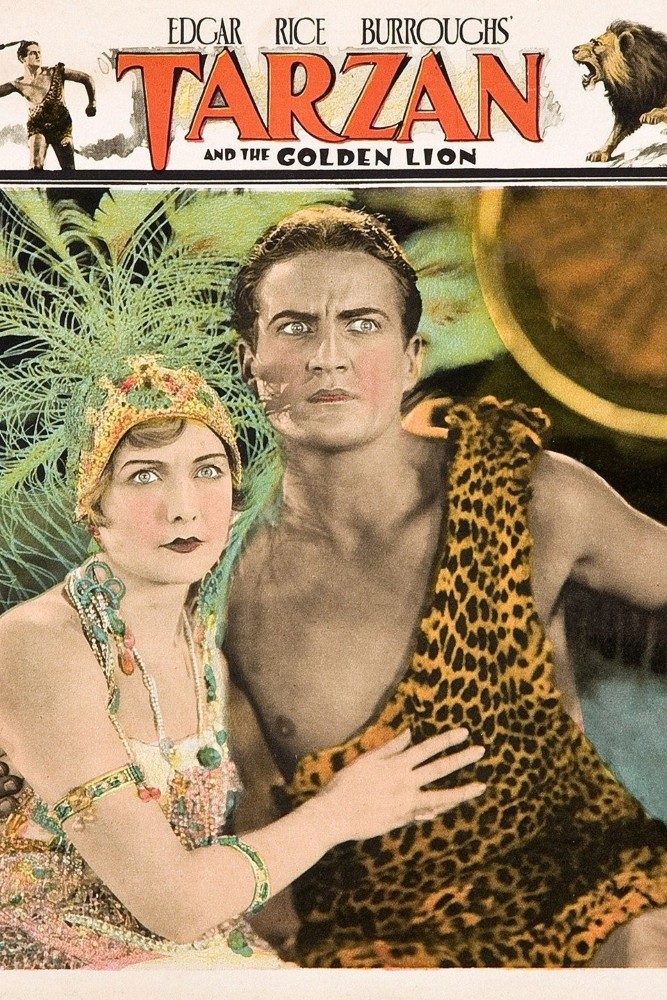
One of several silent movie versions of Tarzan, featuring the actor who was Edgar Rice Burroughs’ personal choice for the role
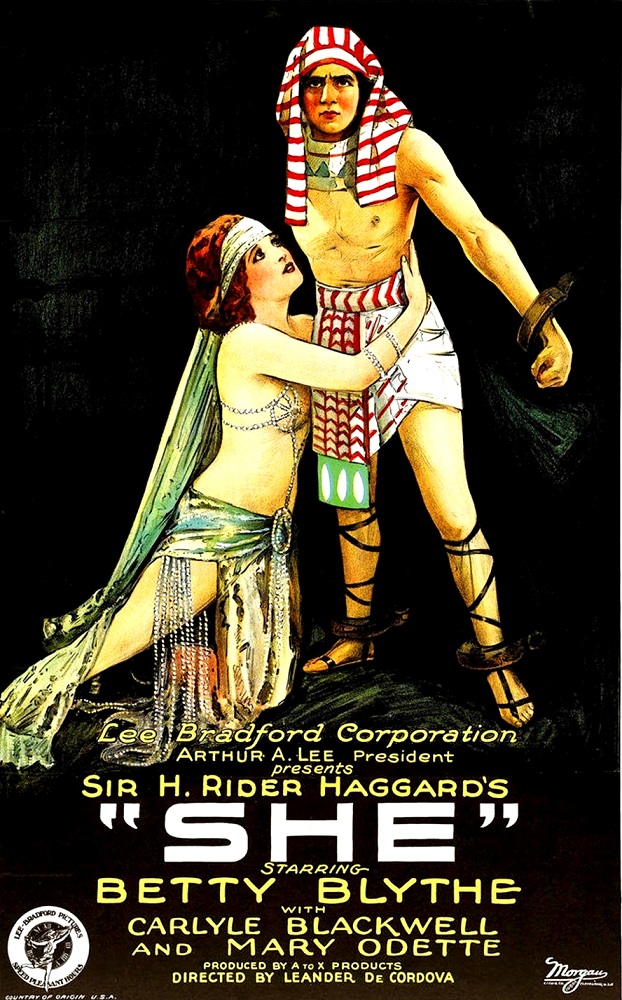
The most lavish of the silent screen adaptations of H. Rider Haggard’s classic, multiply filmed adventure novel about the discovery of a lost city ruled over by an immortal queen
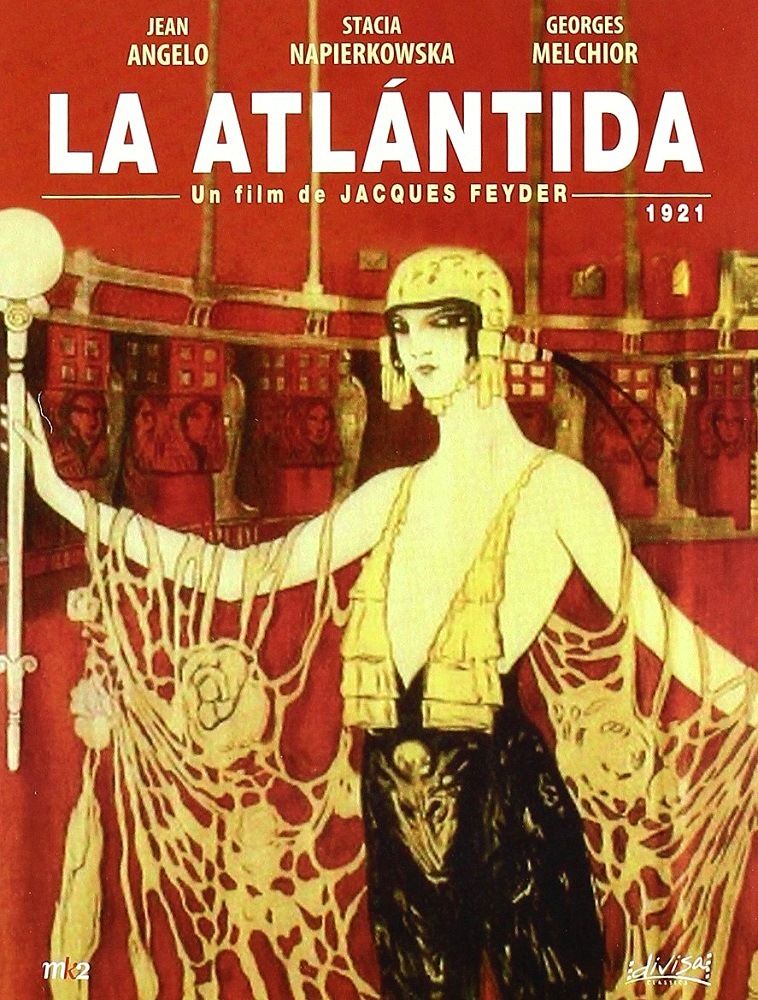
The first and best film version of a classic story about an expedition finding the city ruled by an immortal queen in the desert. This was shot in the real locations and comes with a stunning sense of expansiveness
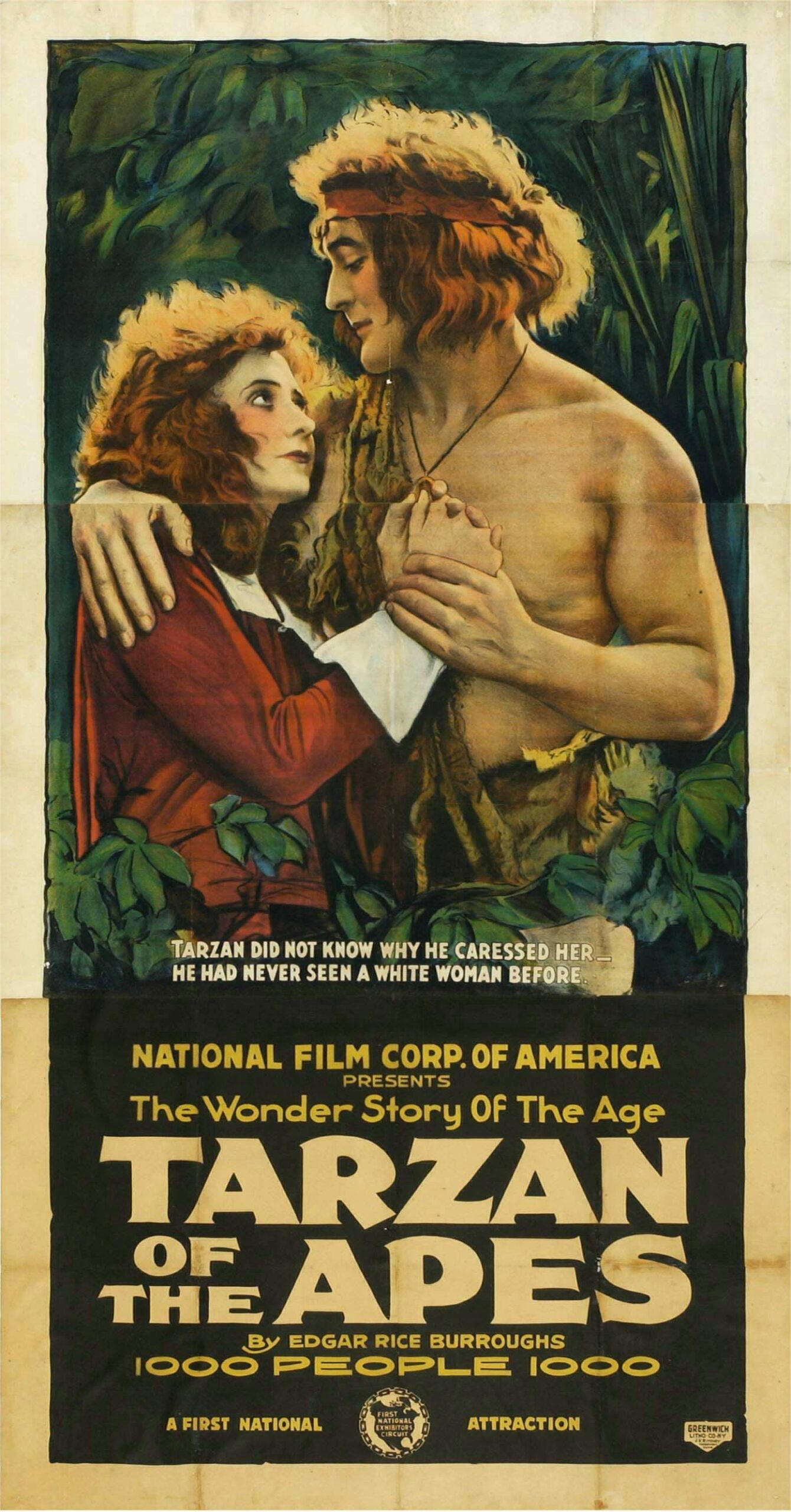
The very first Tarzan film, the silent version starring Elmo Lincoln. Although limited by the technology of the time, this is the most faithful to Edgar Rice Burroughs novel of all the film versions and was made before all the cliches set in