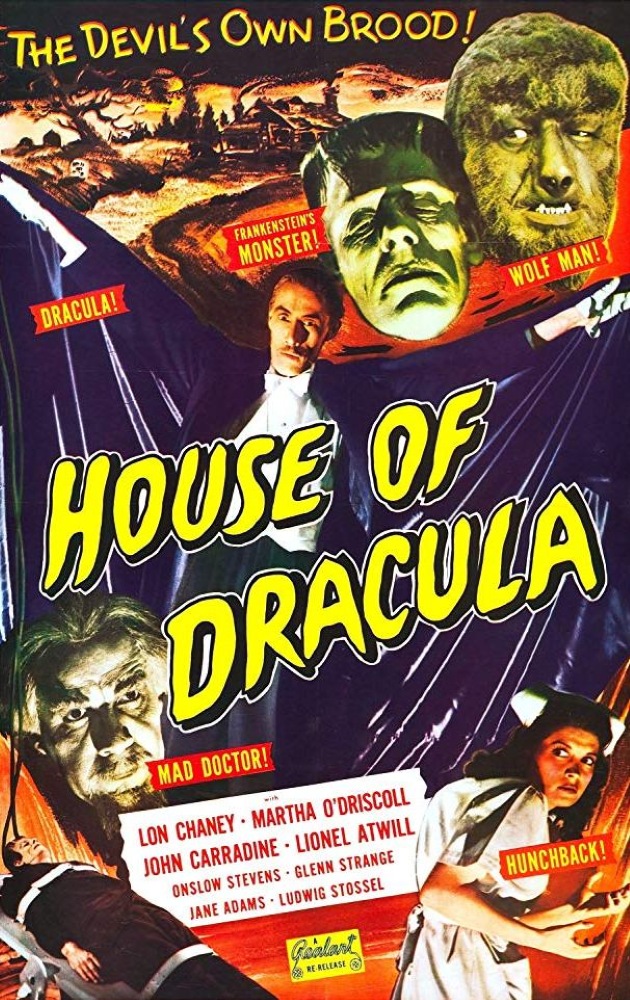
House of Dracula (1945)
The third of Universal’s monster bashes, a successor to the previous House of Frankenstein. These Universal crossovers felt contrived in their reasons to bring the monsters together but this works better than the others
The Science Fiction Horror and Fantasy Film Review
The third of Universal’s monster bashes, a successor to the previous House of Frankenstein. These Universal crossovers felt contrived in their reasons to bring the monsters together but this works better than the others
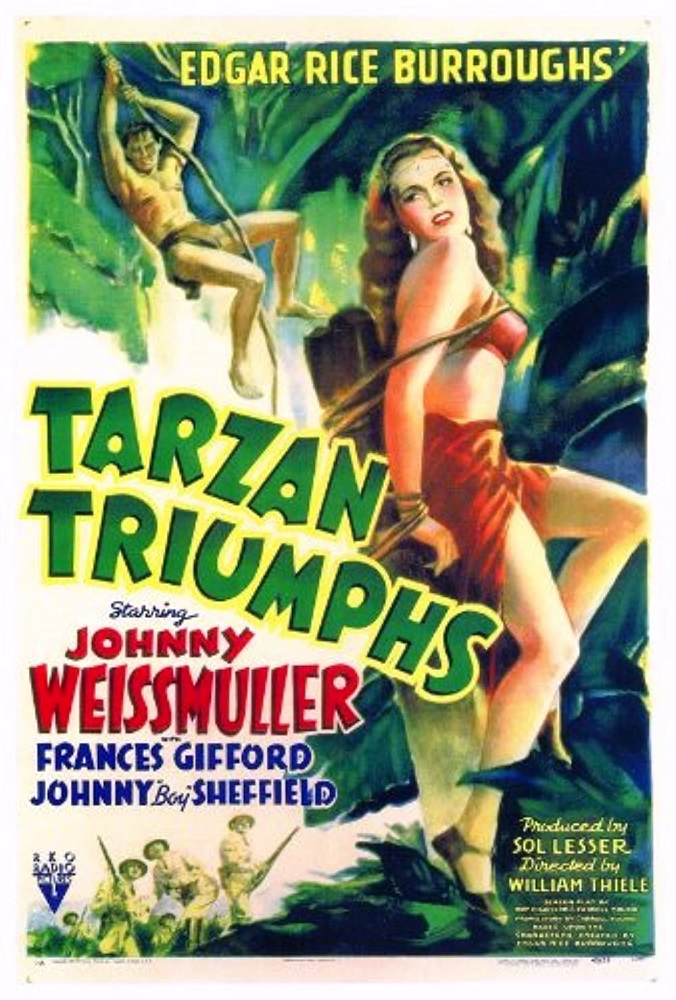
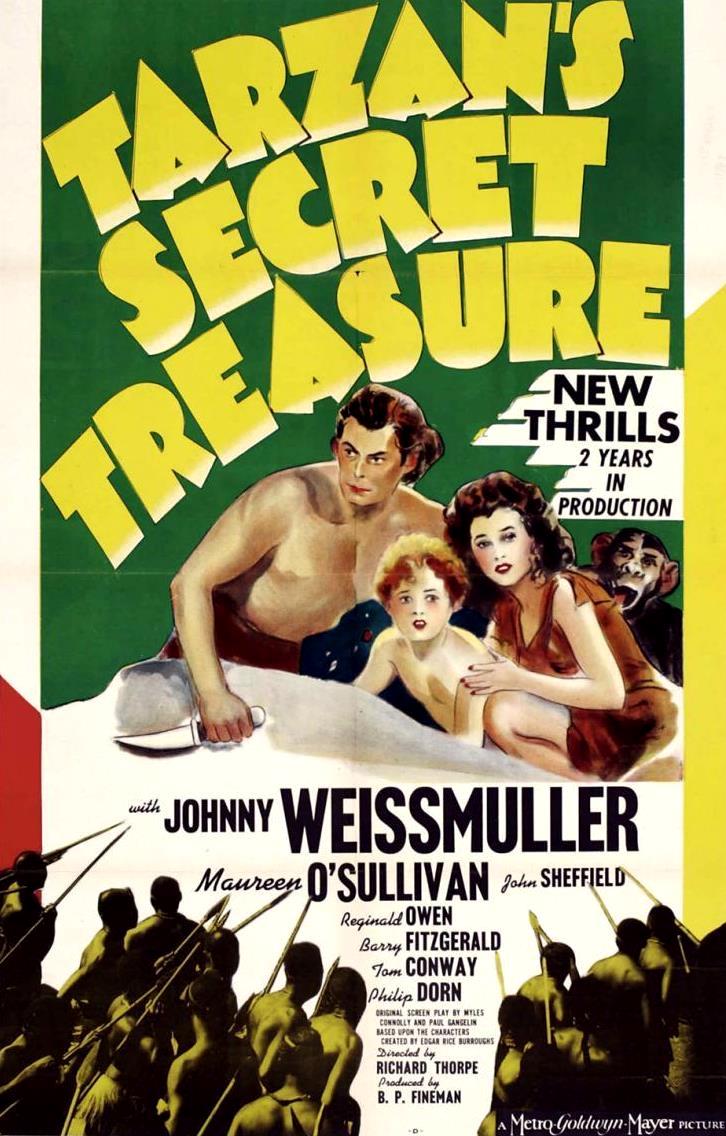
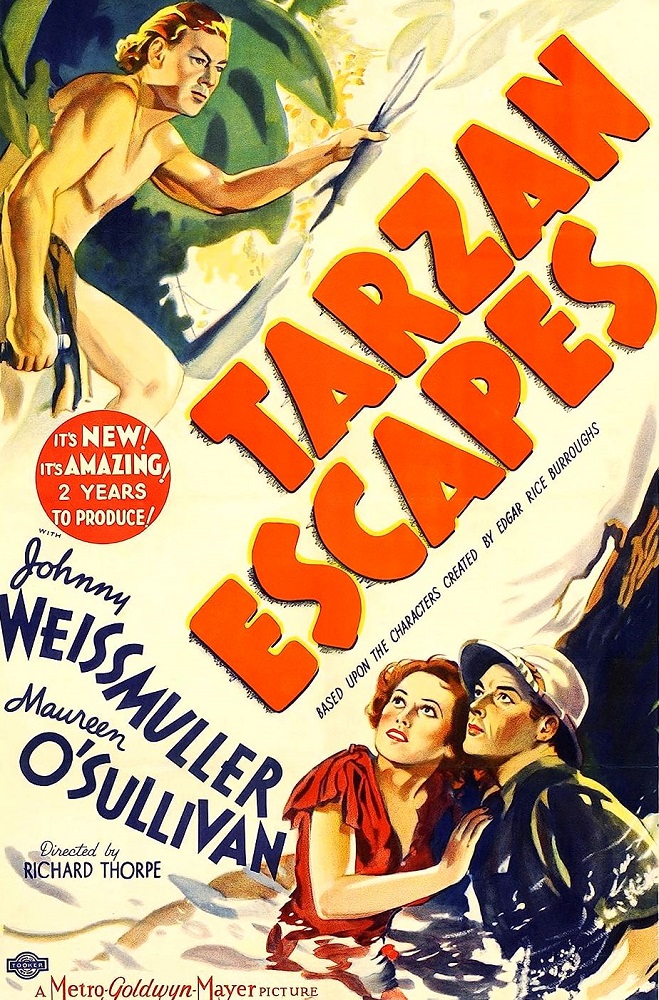
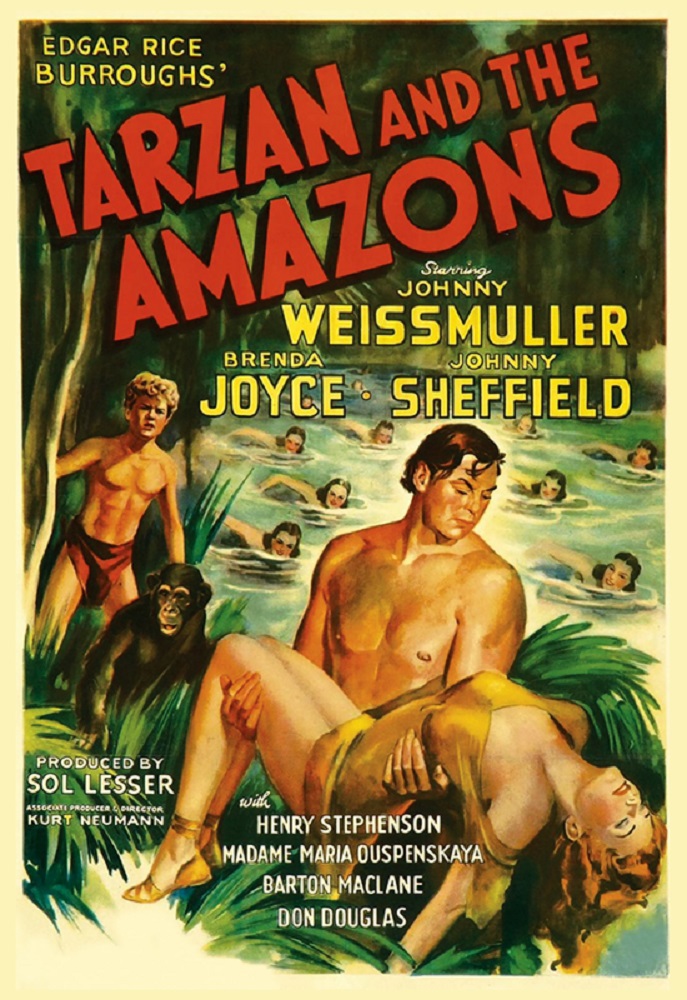
The ninth of the Johnny Weissmuller Tarzan films. All but the first two Weissmuller films slip into the utterly banal and formulaic. The novelty this time is Tarzan encountering a city inhabited all by all women
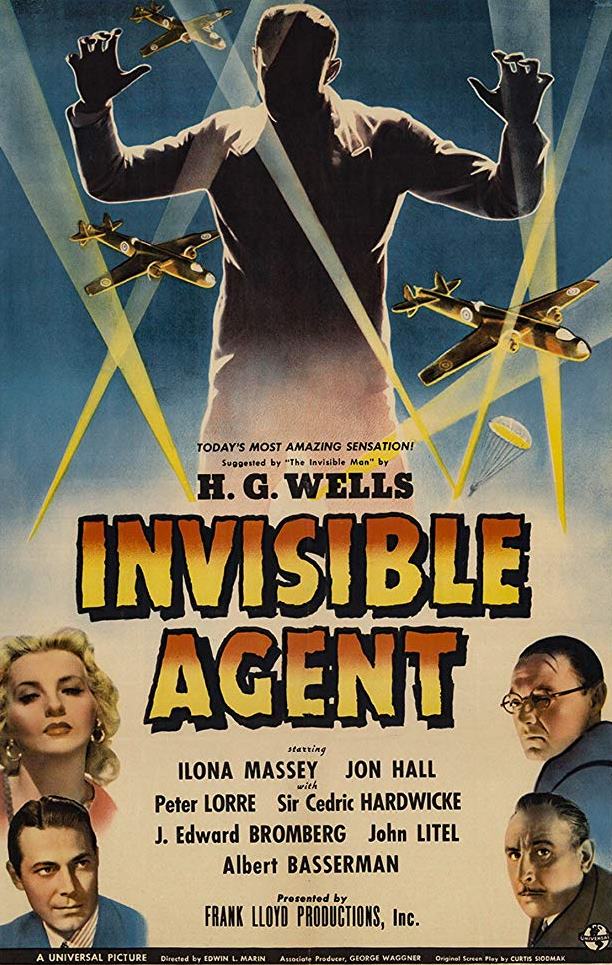
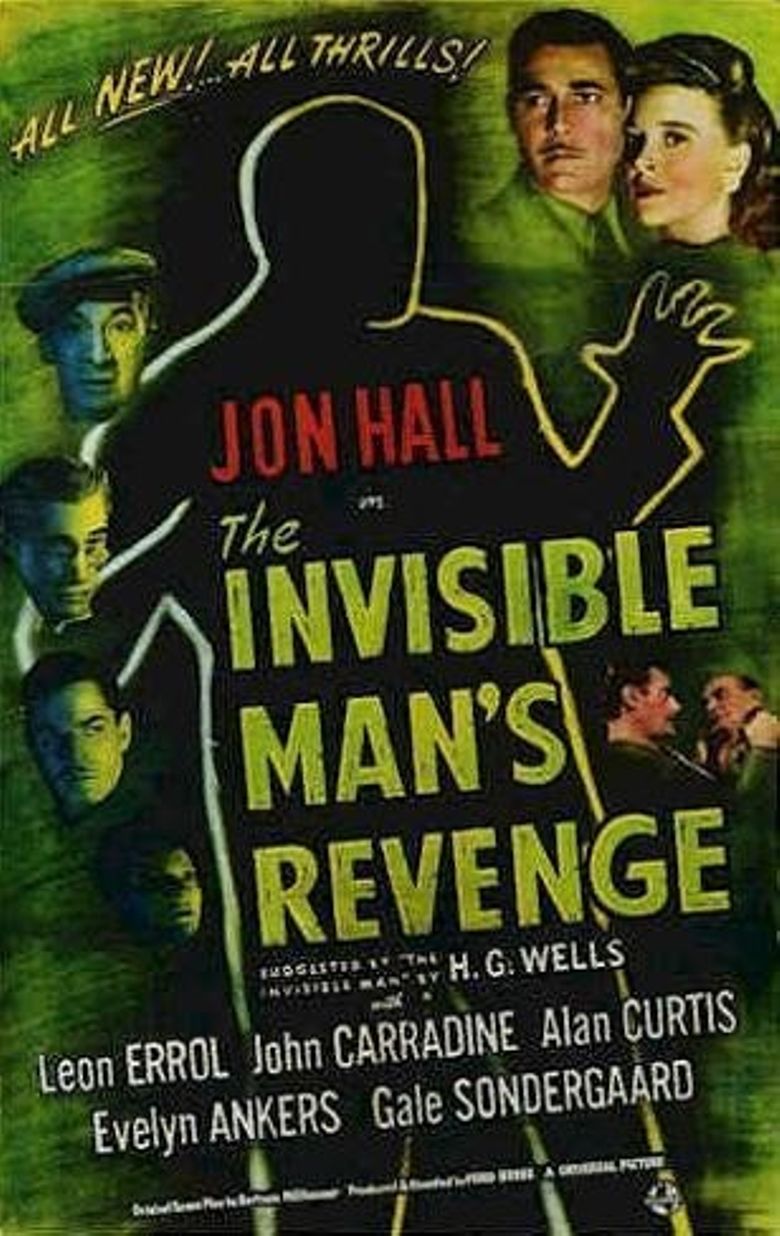
The fourth and last of Universal’s Invisible Man sequels (aside from their outing with Abbott and Costello). Like the preceding ones, this is likeably good humoured and with decent effects for the era
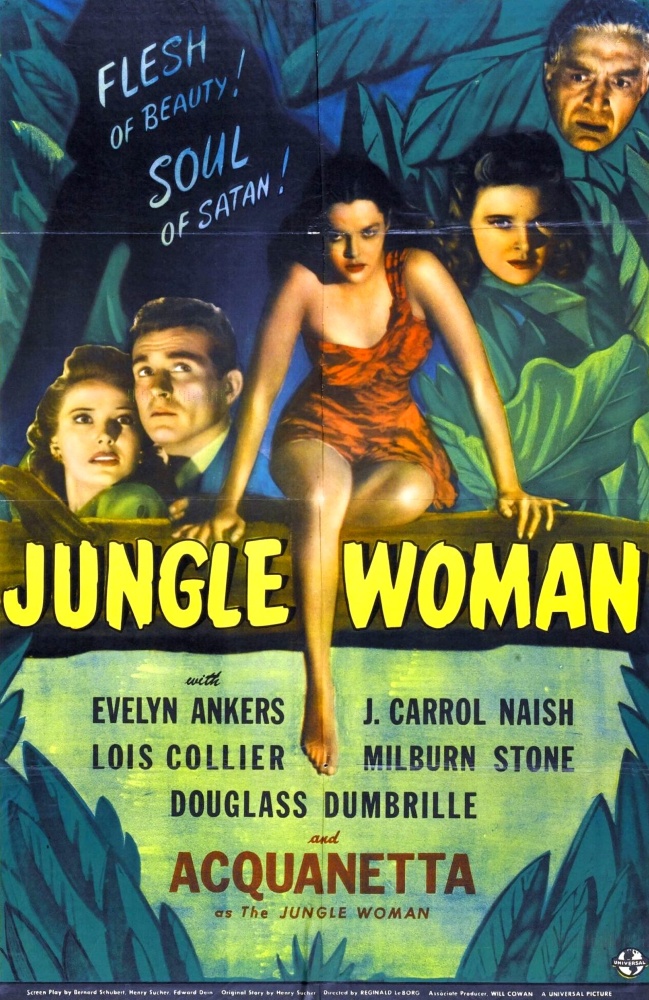
The second of Universal’s trilogy that began with Captive Wild Woman, starring the exotic Acquanetta as a woman who transforms into an ape. Mostly routine
The second of Universal’s team-ups of their in-house monsters and superior to the first of these, Frankenstein Meets the Wolf Man. Despite some imaginative moments, the script has a stitched-together improbability
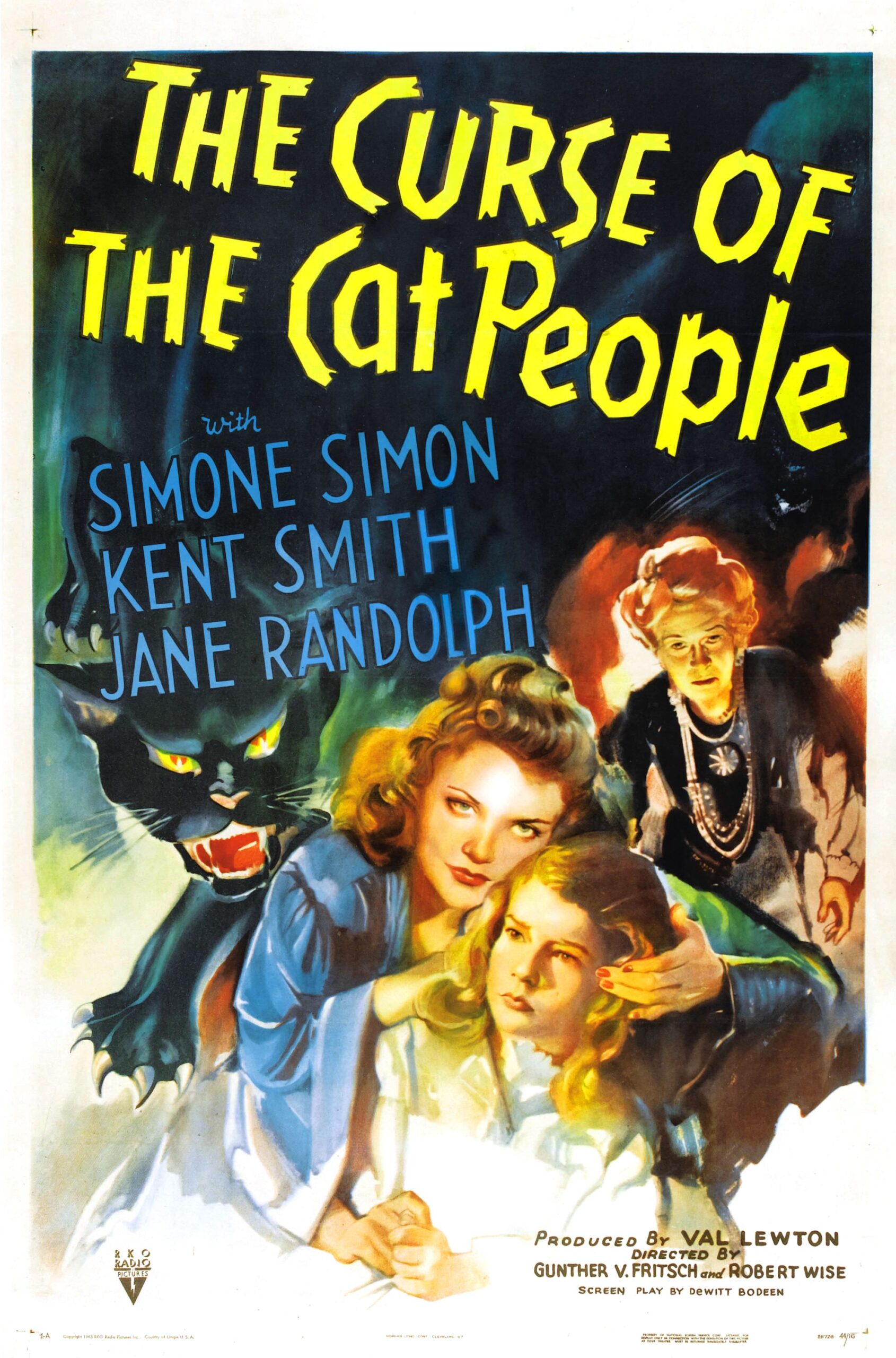
One of the classic horror films from producer Val Lewton. The studio gave Lewton orders to make a sequel to his first hit Cat People but he confounded this by making an entirely different film about invisible playmates that has no cat people
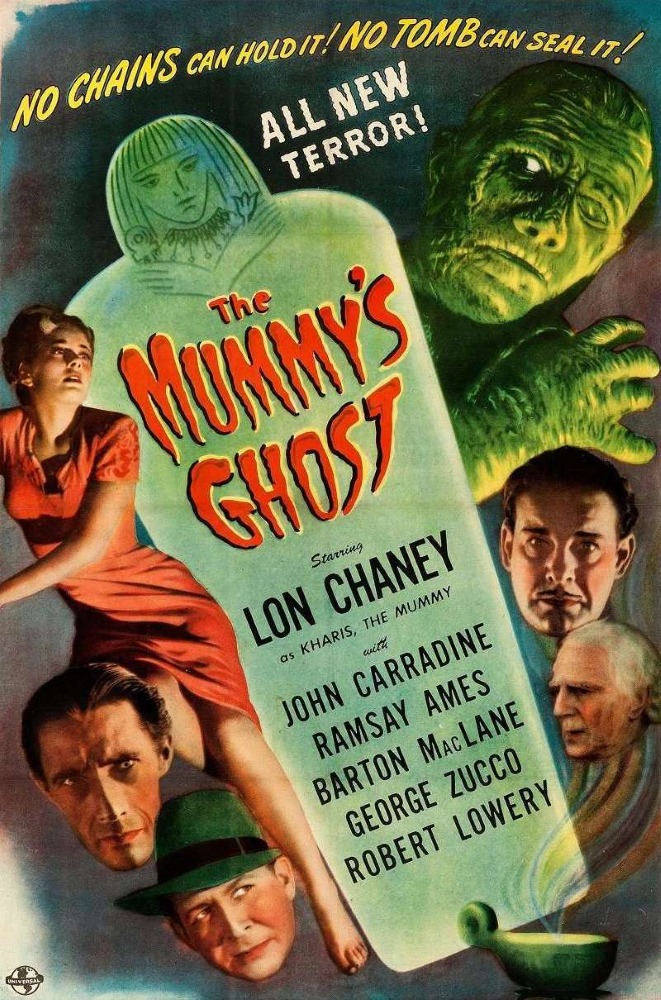
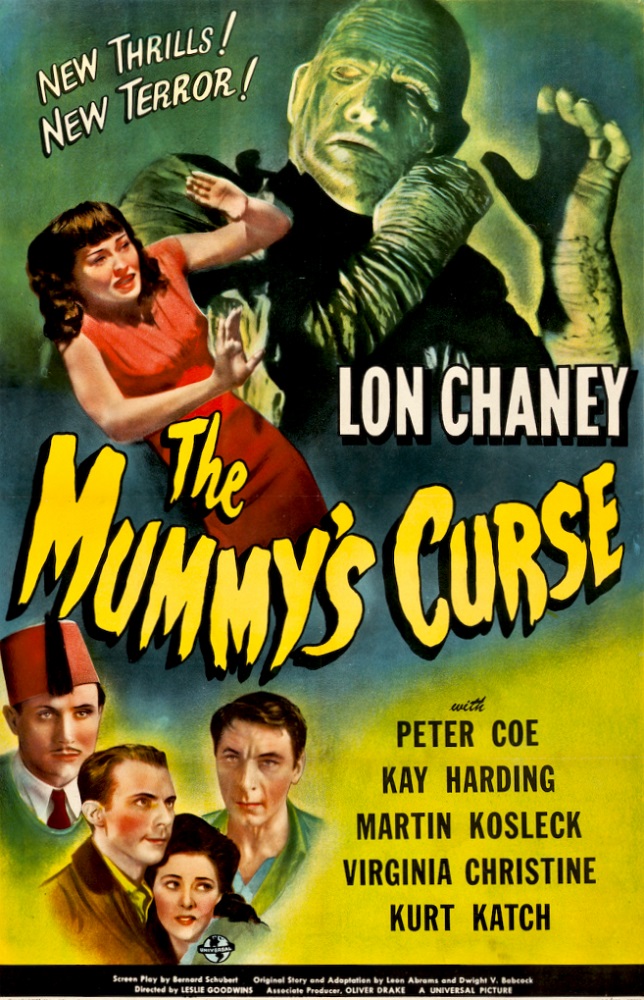
This was the fourth and second to last of Universal’s Mummy films with Lon Chaney Jr in the role of Kharis. By now the series has been reduced to a well-worn formula
This was the fourth and final of Universal’s Mummy films starring Lon Chaney Jr. However, by this point the series had become trapped in a series of repetitive plot moves
The first film in which Universal teamed-up their in-house monsters, leading to several other monster bashes throughout the decade. For all that, this fails to make any interesting use of the title set-up
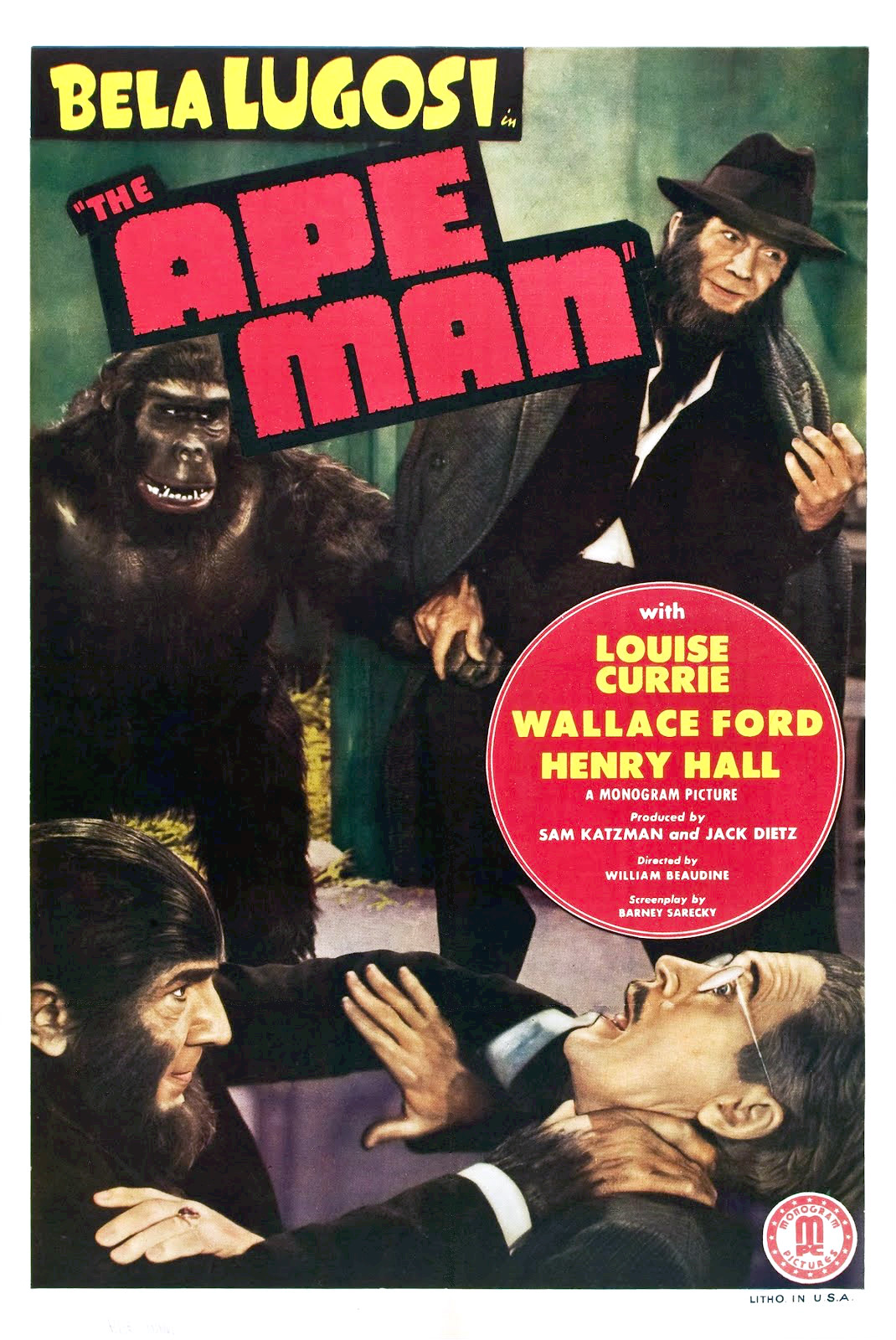
Poverty row cheapie with Bela Lugosi as a mad scientist transformed into an ape-man by an experiment who goes hunting victims for the spinal fluids he needs joined by his pet gorilla
Batman’s first screen appearance in a fifteen-chapter serial. This is a dull, impoverished adaptation, which sees Batman and Robin rewritten in the service of the US government fighting a Japanese invasion force
Not long after RKO had a hit with Cat People, Universal responded with this in which the exotically beautiful Acquanetta turns into a gorilla (actually vice versa). The Jungle Woman went on to appear in two sequels
The third of Universal’s Dracula films in which Dracula travels to Louisiana in search of a wife. A flabby Lon Chaney Jr makes a poor replacement for Bela Lugosi, while the script seems improbably stitched together – despite the title, the film features Dracula, not his son
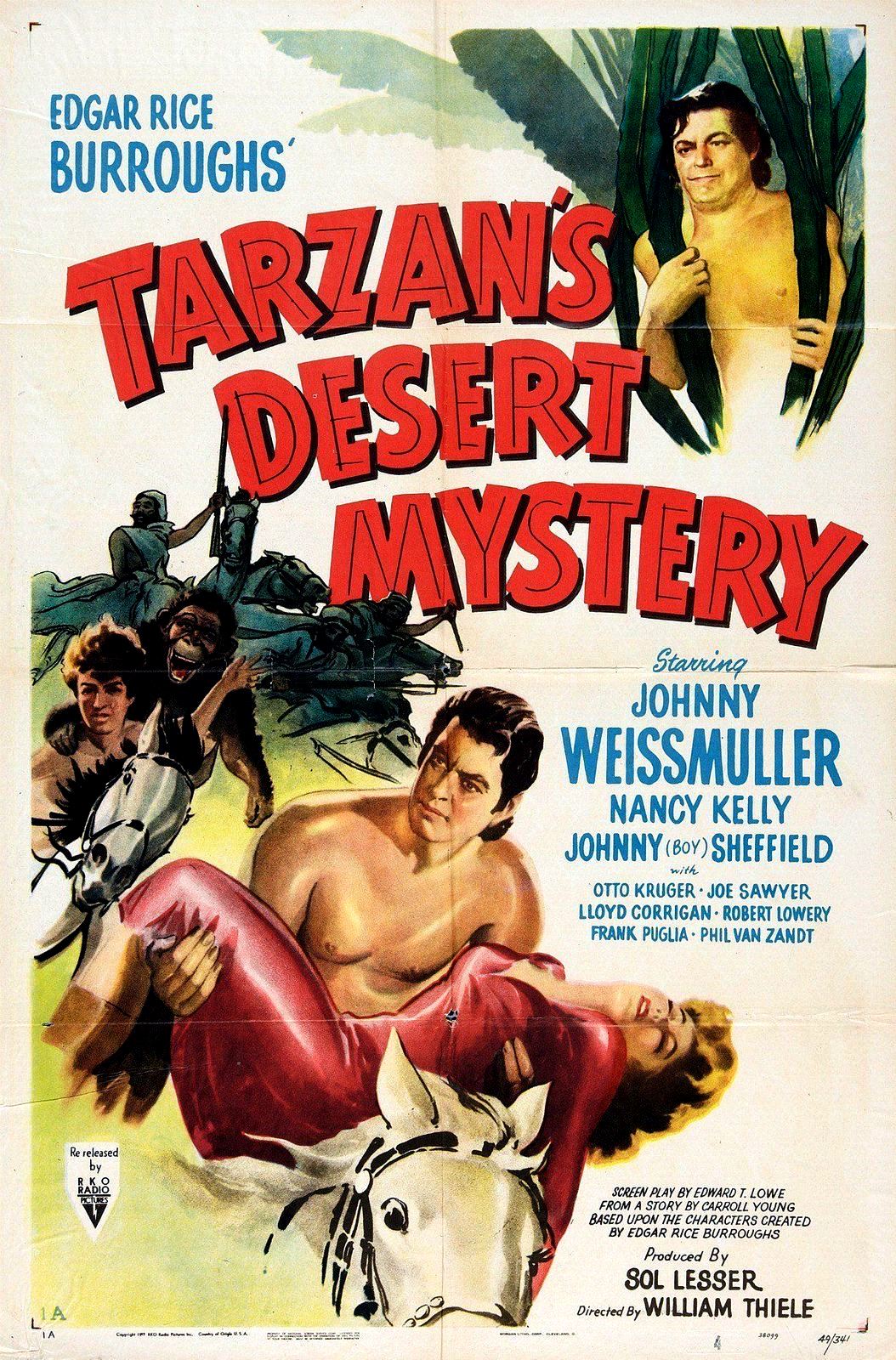
The eight of the Johnny Weissmuller Tarzan films. The same formula as before but in a desire for novelty the action is relocated to North Africa
The seventh of the Johnny Weissmuller Tarzan films made as a work of Wartime propaganda where Tarzan faces Nazis
In the fourth entry in Universal’s series of Invisible Man films, particularly in the effects department. here, made just after Pearl Harbor, The Invisible Man now becomes a spy fighting Nazi and Japanese villains
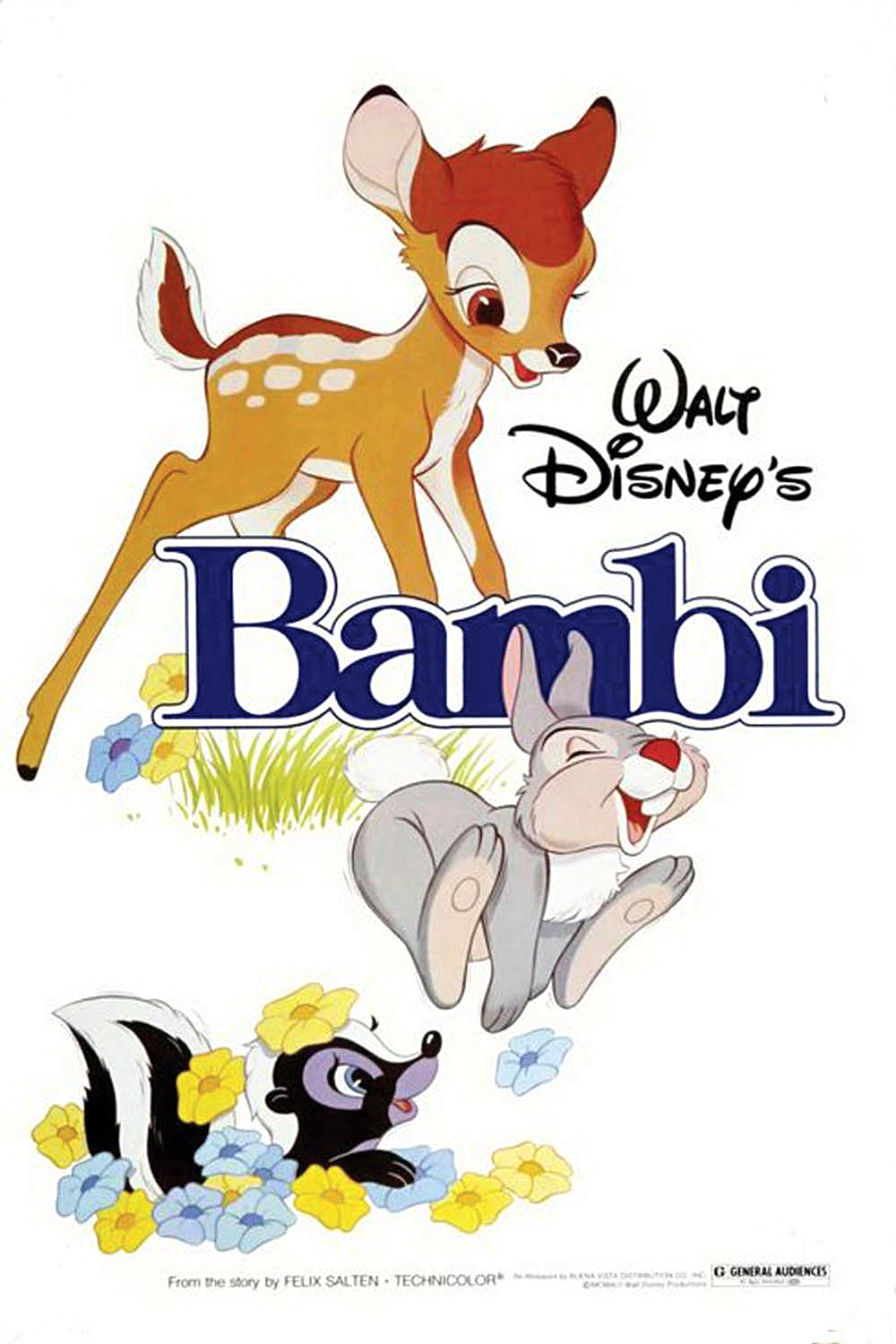
One of the unquestionable classics from Disney’s Golden Age of animation between 1939 and 1942. This is an absolute delight for its unalloyed innocence and tragically affecting emotions
The third of Universal’s Mummy films where Lon Chaney Jr inherits the role of Kharis
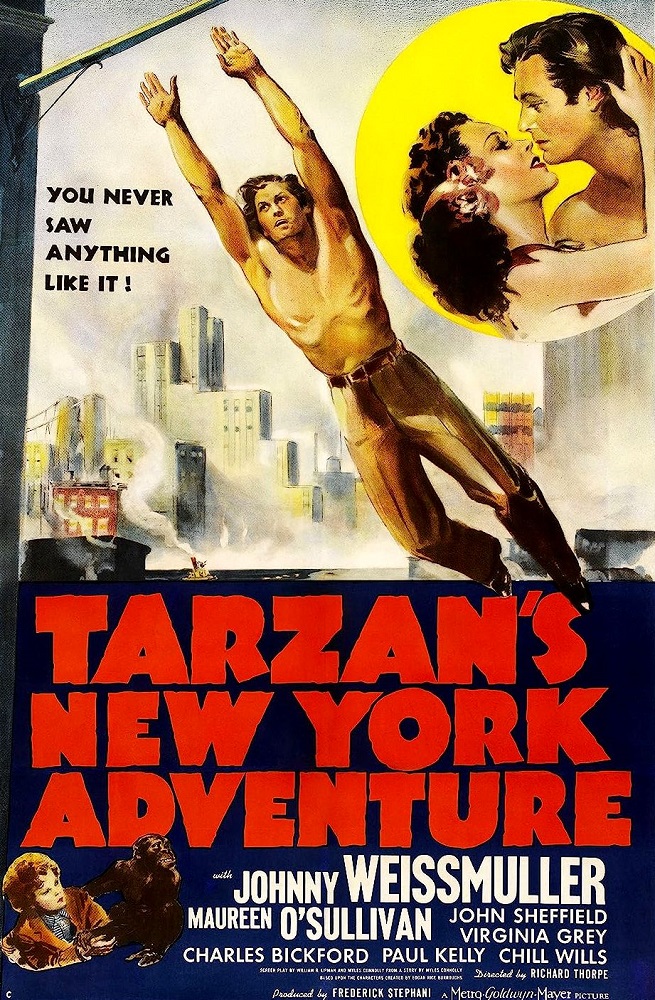
Sixth of the Johnny Weissmuller Tarzan films, this takes Tarzan out of the jungle to civilisation and is mostly played for comedy
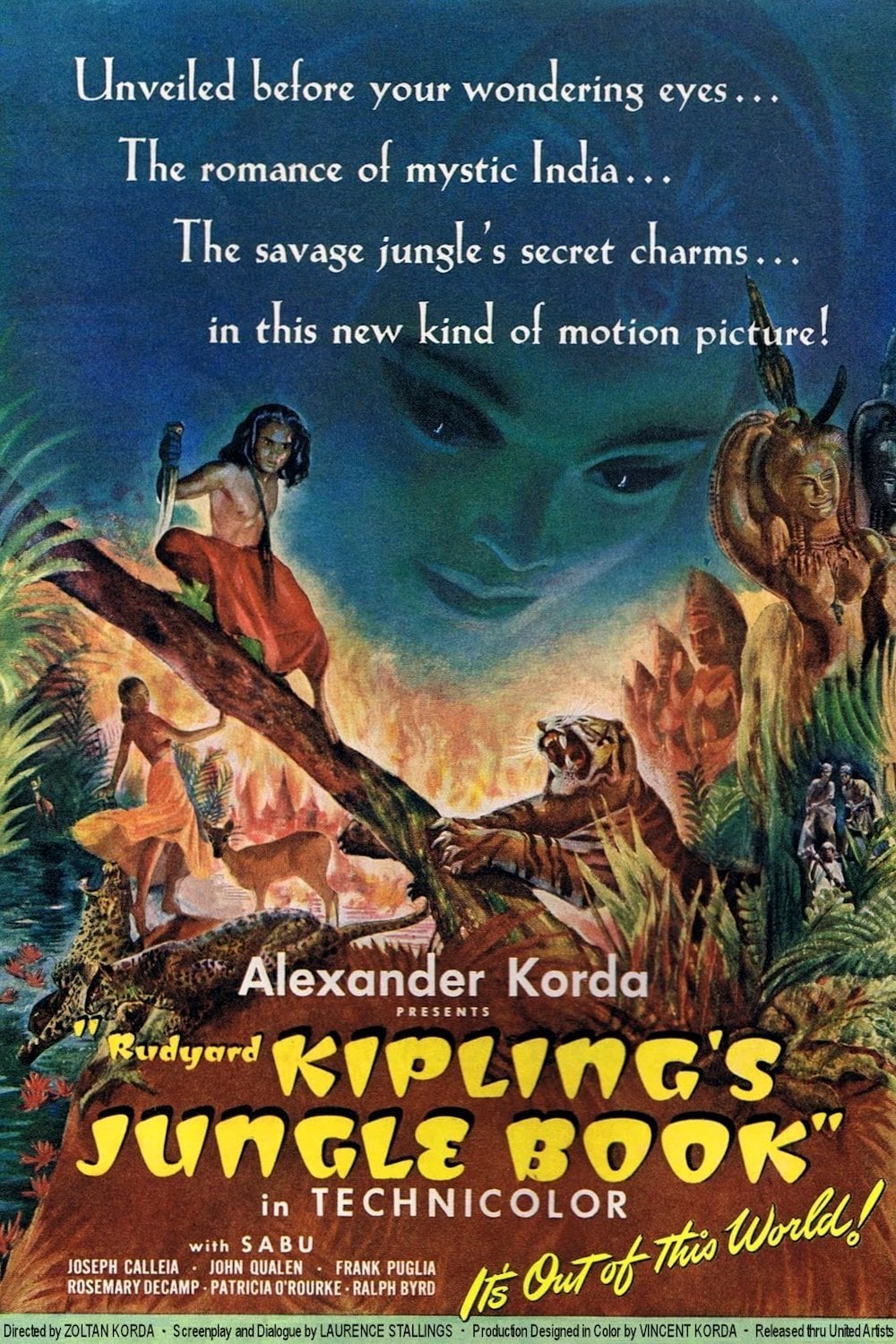
Lush and beautifully produced live-action adaptation of Rudyard Kipling’s Mowgli stories. In comparison to the studio backlot Tarzan films of the era, this is in colour, builds entire jungle sets and even goes on location in India
Val Lewton’s classic work of psychological ambiguity about a woman who believes she is turning into a panther. Lewton’s ingenuity was to leave the actuality of the monster one that was merely suggested
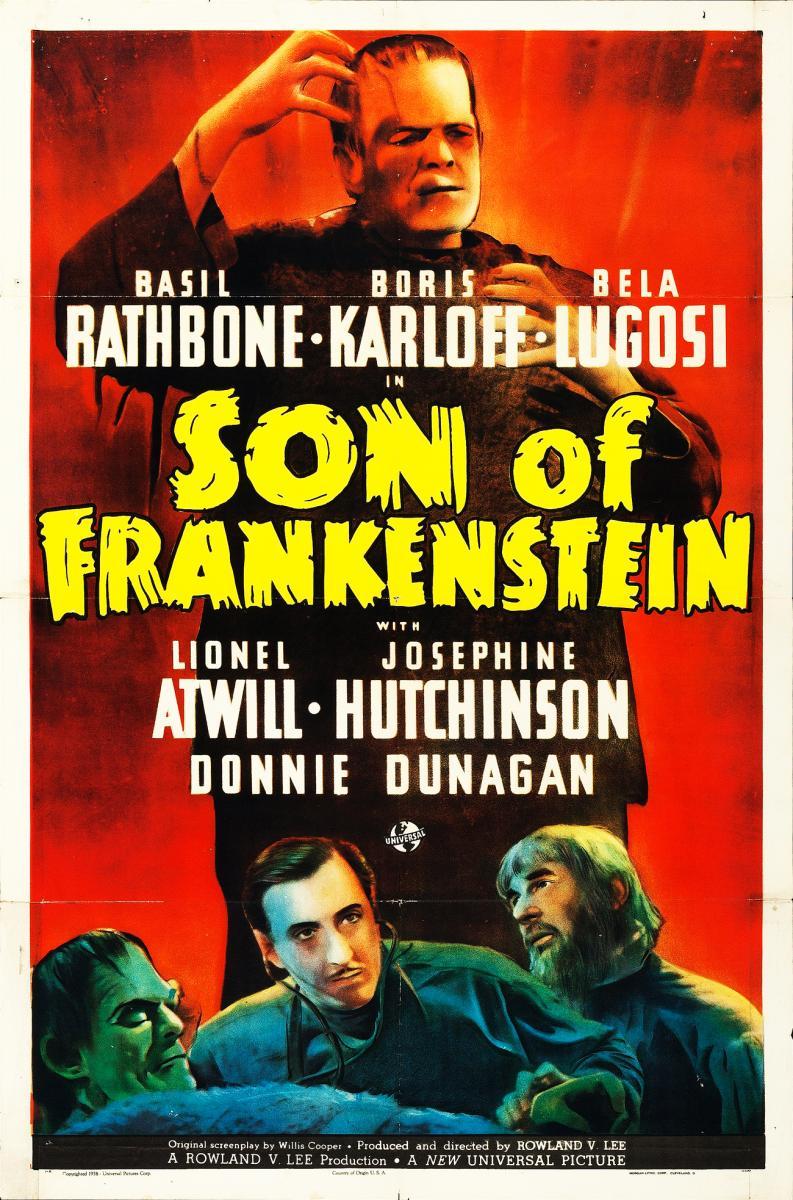
The fourth of Universal’s Frankenstein films where Lon Chaney Jr inherits the role of the monster and makes it into a stumbling brute that lacks the pathos of Boris Karloff. The plot recycles what has now become the cliches of the series
Fifth of the Johnny Weissmuller Tarzan films and a thoroughly ordinary run through of the by now well-established formula of the series
Second sequel to Topper , the screwball light fantasy comedy about a dull man who is driven crazy by ghosts only he can see. This throws everything into an Old Dark House setting but proves there is still a good deal of droll, nonsensical humour to be found in the formula
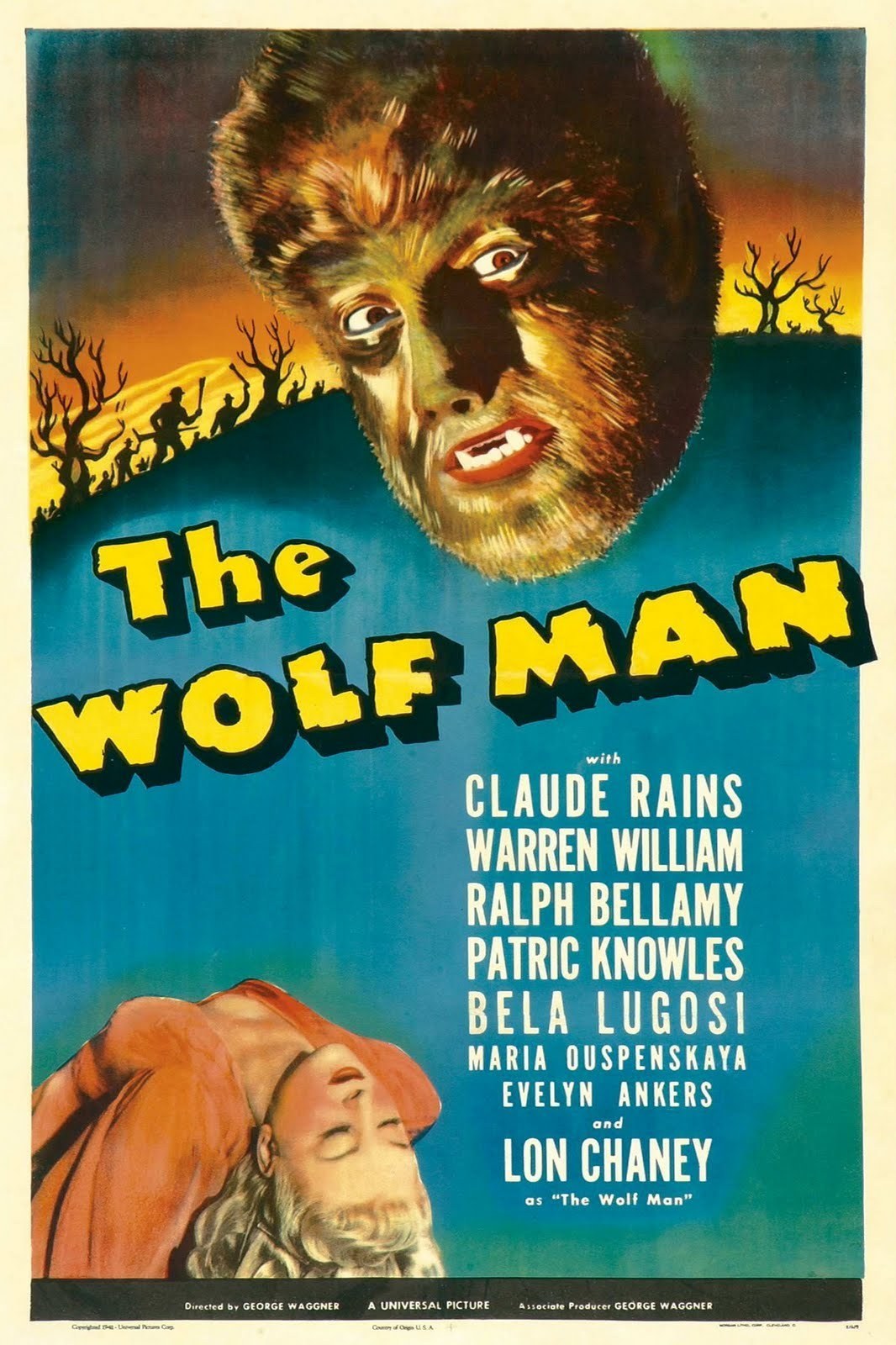
Although it wasn’t the first werewolf film, this is the one the created all the mythology of the werewolf film – full moons, silver bullets etc – while the wolfman went on to join the pantheon of Universal Famous Monsters.
The first and best of Universal’s Mummy sequels with Tom Tyler in the role, this achieves modest atmosphere
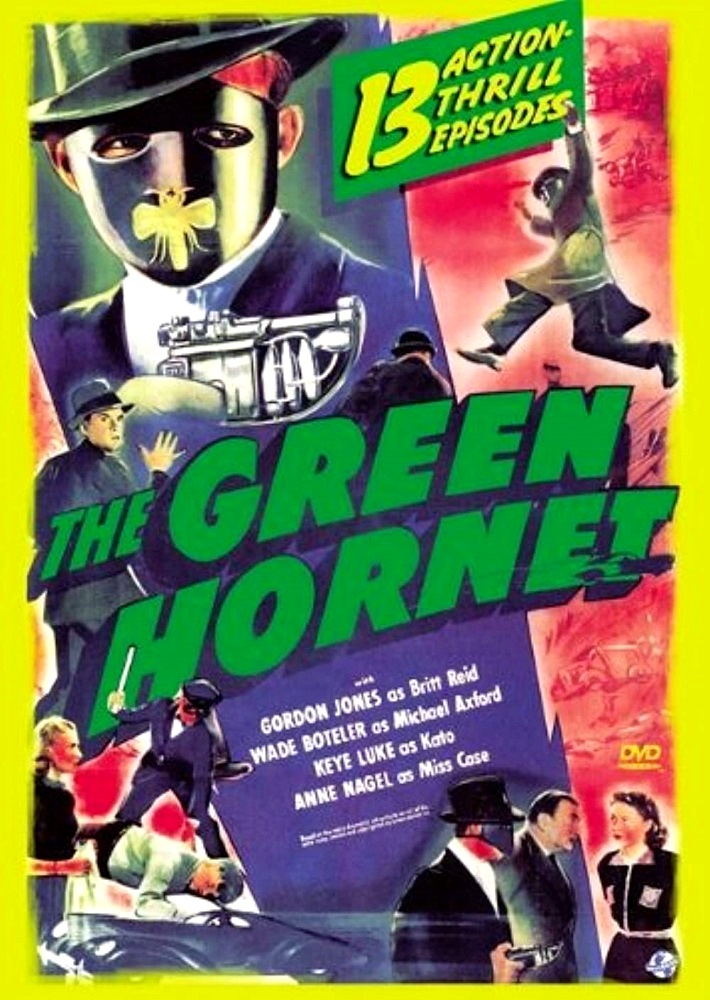
The first screen appearance of the masked superhero The Green Hornet in a thirteen-chapter serial that was adapted from a popular radio series. Later remade as a tv series and feature film.
The best animated film Disney ever made, created as a work of art with animation set to classical music. The segments vary between abstraction, comic eccentricity and evocations of nightmare. The results are magical.
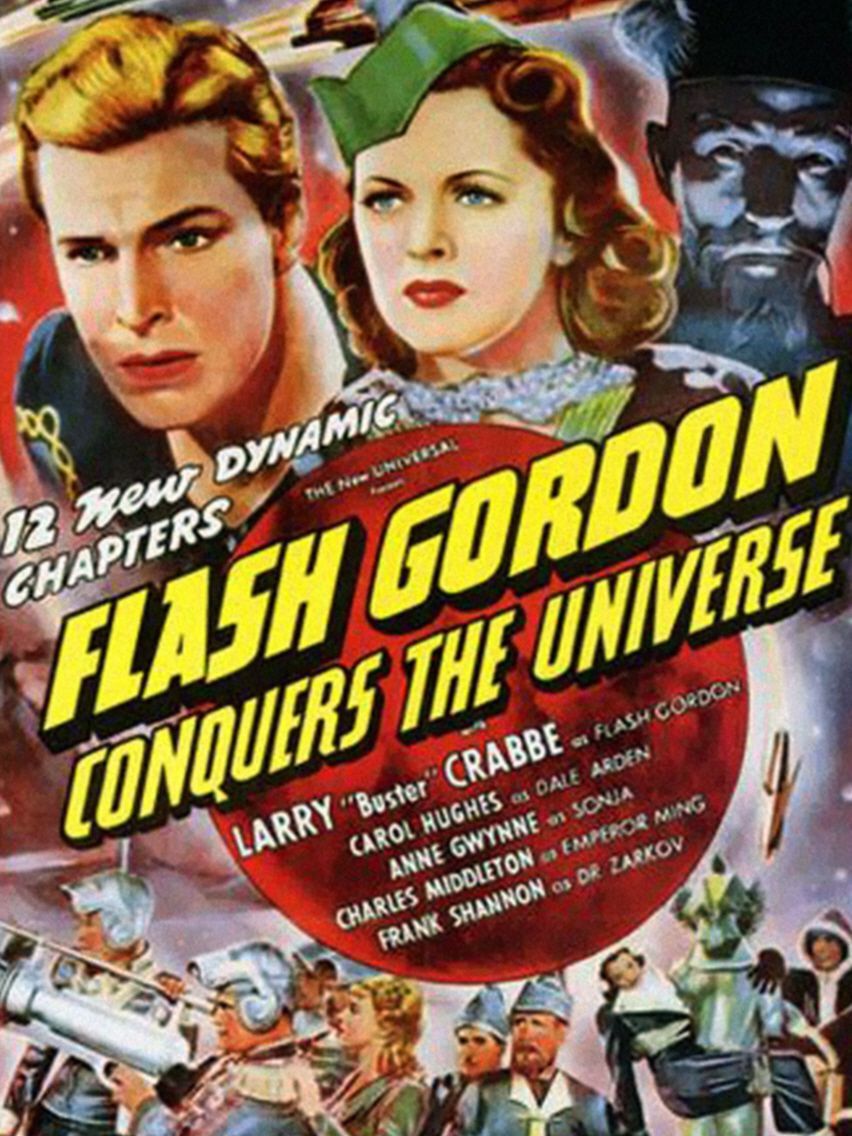
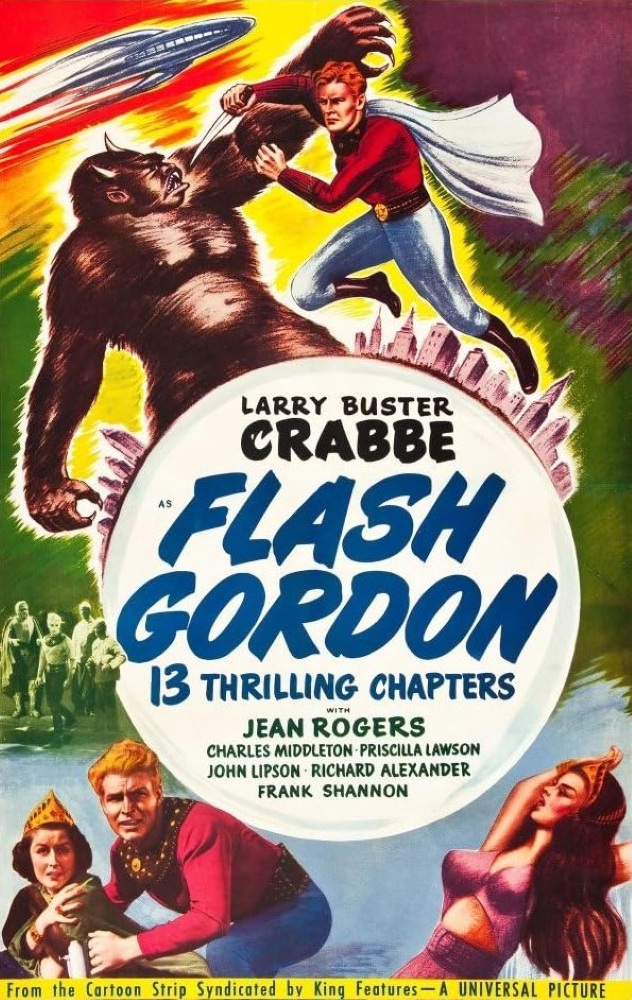
The third of the Flash Gordon serials, not quite at the heights of the previous two but with a colour and exoticism that was head and shoulders above the other serials of the era
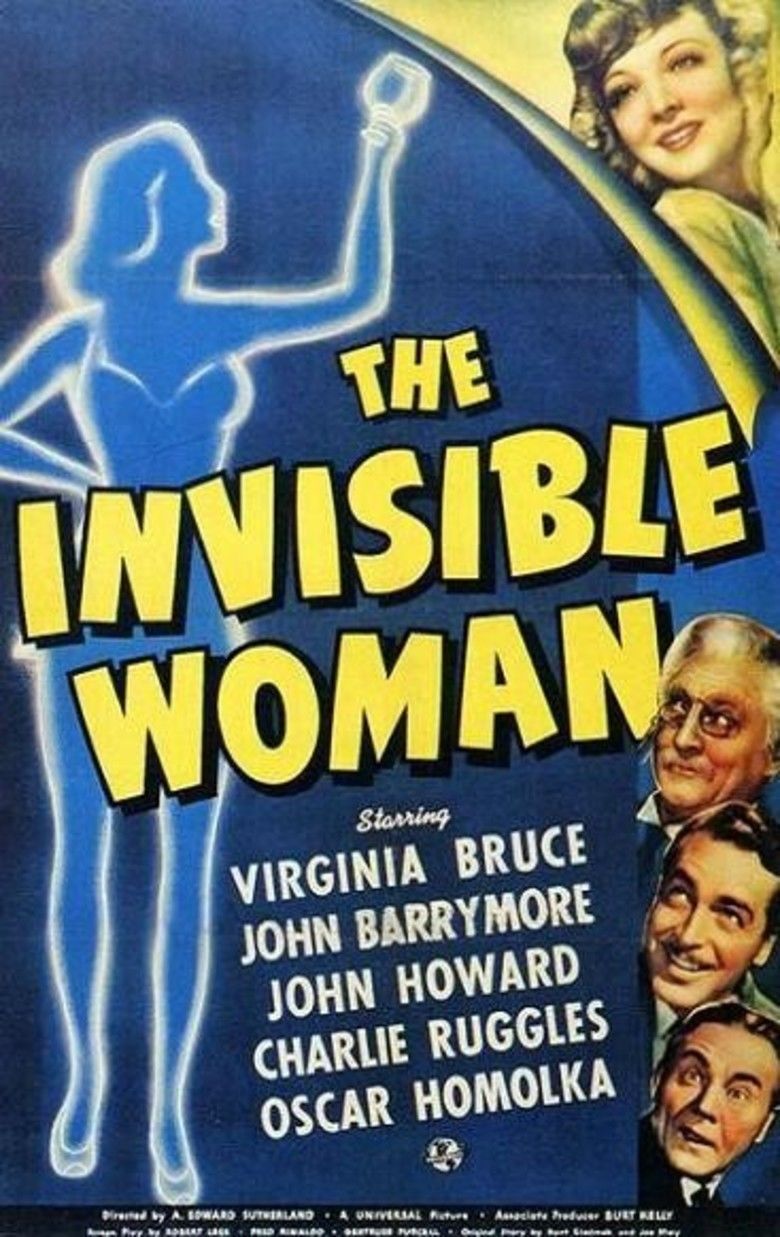
Third entry in Universal’s Invisible Man series. Though less recognised, The Invisible Man series had a level of creativity higher than Universal’s other monster series. This one plays everything for broad comedy
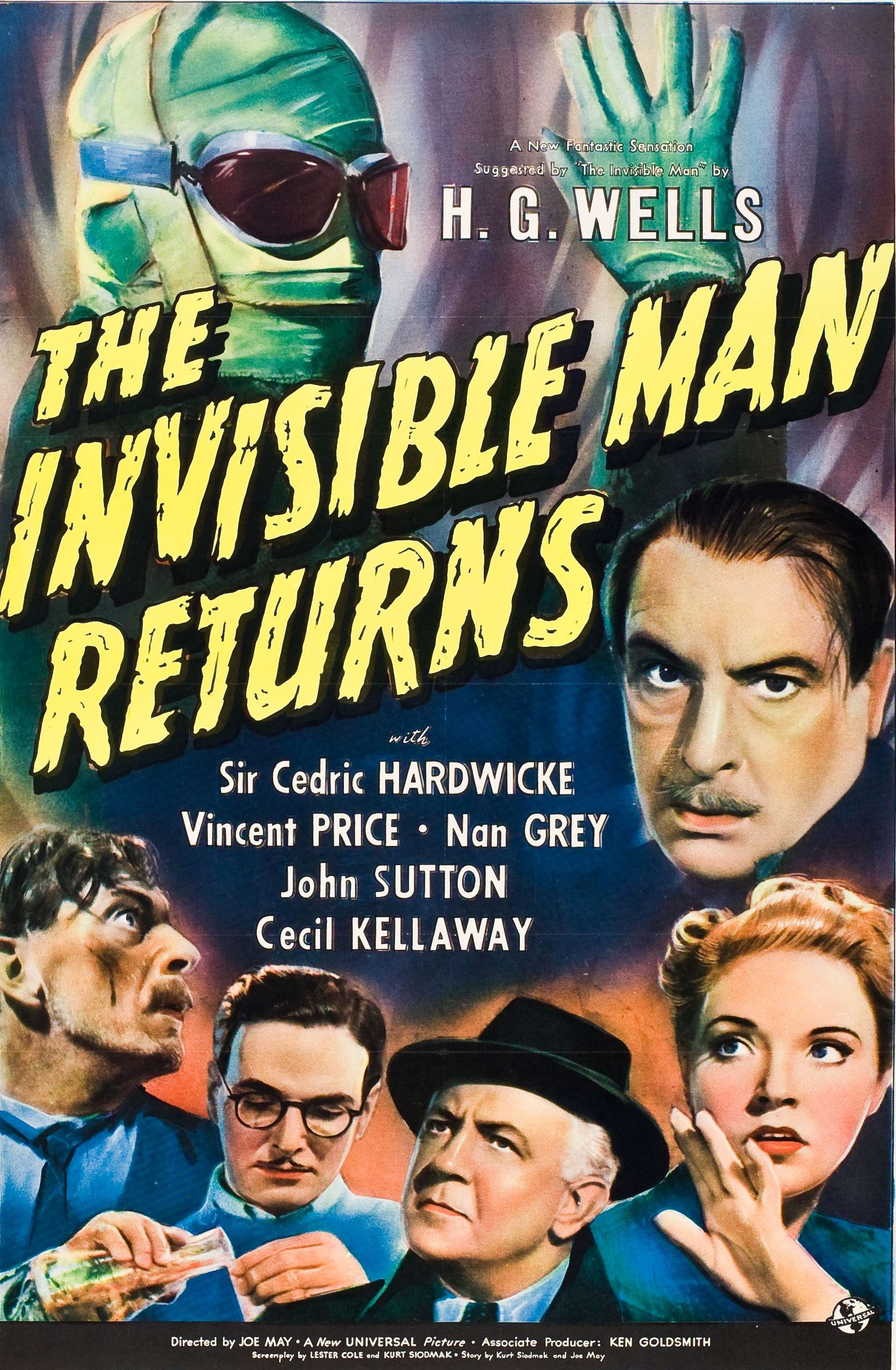
The second of Universal’s Invisible Man films with Vincent Price inheriting the title role. Not quite as sublimely droll as James Whale’s original, this still has some amusing comic moment and good effects
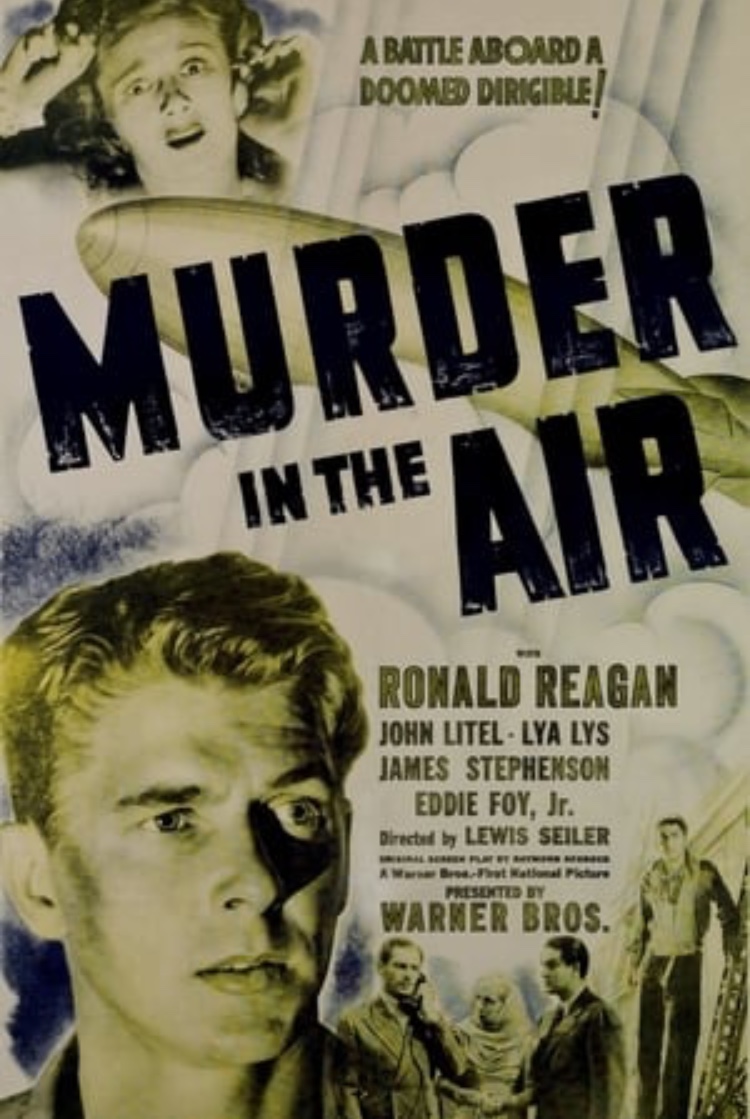
The only Ronald Reagan film that will ever be reviewed on this site. An air adventure story typical to the era where Reagan pays a treasury agent who tries to bust a fifth column of agents trying to steal a raygun
Not a sequel to Doctor X despite the title, The main footnote this has is that it stars Humphrey Bogart as a vampire lab assistant. Halfway reasonable despite a bad reputation.
The third of Universal’s Frankenstein films, the last to feature Boris Karloff as the monster and the last good entry before the sequels became formulaic. Shot with the clear influence of German Expressionism, this is filled with memorable characters and some great performances
An indisputable classic fantasy … a gorgeous sparkling fantasy that made full use of Technicolor in an era dominated by black-and-white and is told in such bold and earnestly heartfelt tones that it becomes the nearest we have to a piece of genuine American mythology
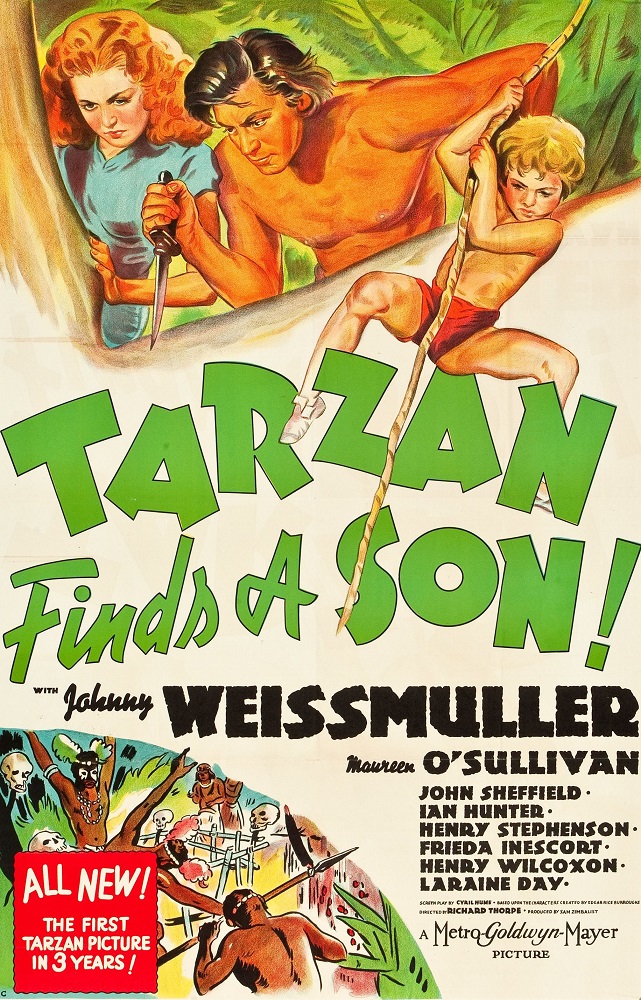
Fourth of the Johnny Weissmuller Tarzan films, the point where John Sheffield’s Boy enters the series because the Hays Code required that Jane could not get pregnant
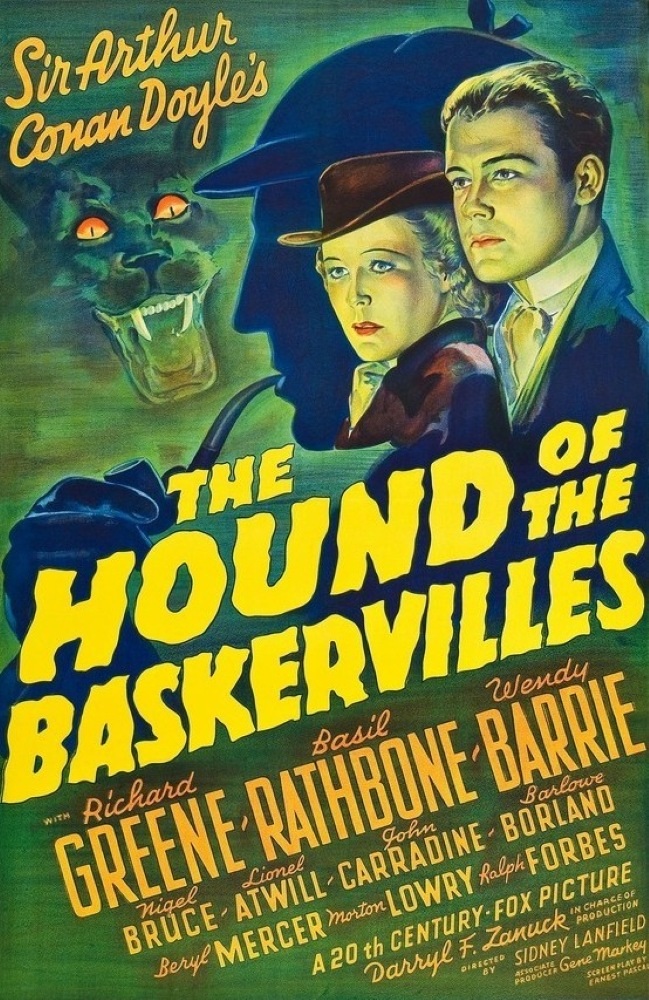
The first in a series of Sherlock Holmes films starring Basil Rathbone, who became the definitive Holmes for many years, and a reasonable adaptation of the Arthur Conan Doyle novel
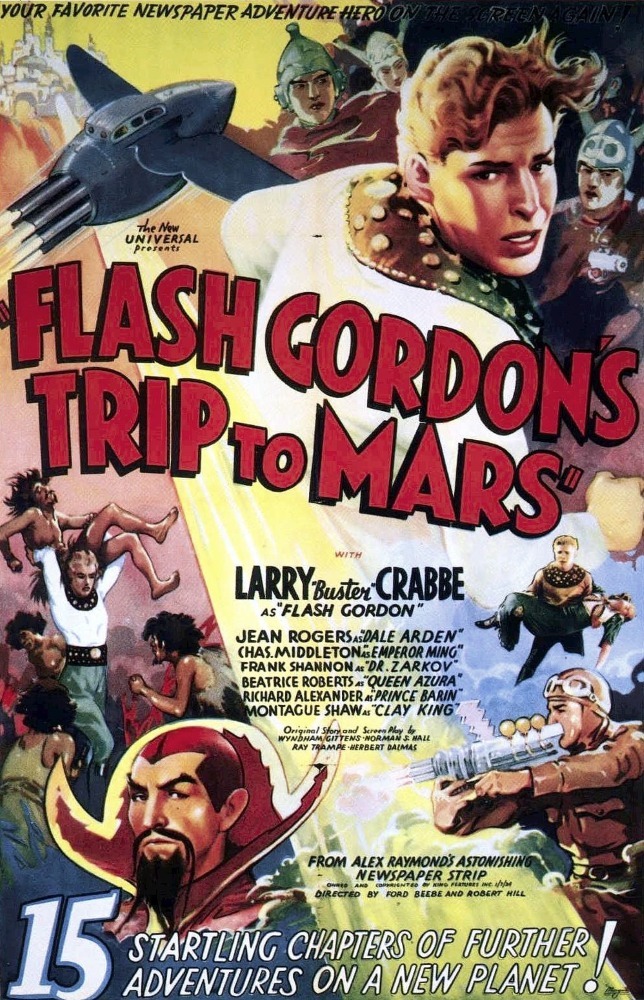
The second of the Flash Gordon serials, which relocates action to Mars following the popularity of Orson Welles’ War of the Worlds broadcast. The film has a wonderful imagination that far outshines the tattiness of usual serial production values
One of a series of Hollywood films based on popular British adventurer hero Bulldog Drummond. This throws Drummond into the midst of a plot to obtain a raygun
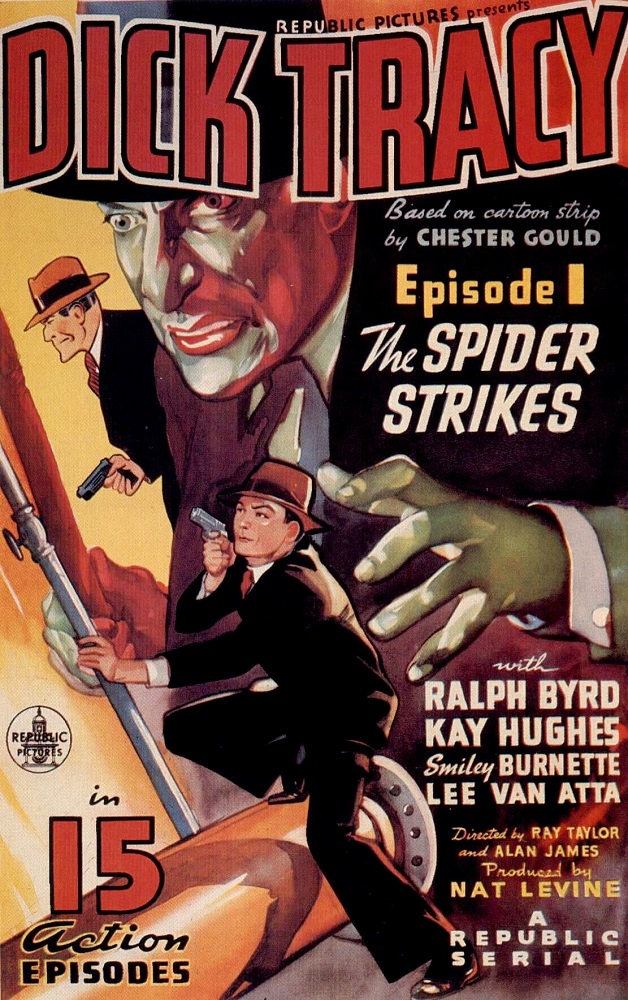
This is a standout serial based on the famous comic-book detective, featuring some of the best of all serial cliffhangers and action set-pieces, not to mention wonderfully creative super-science inventions
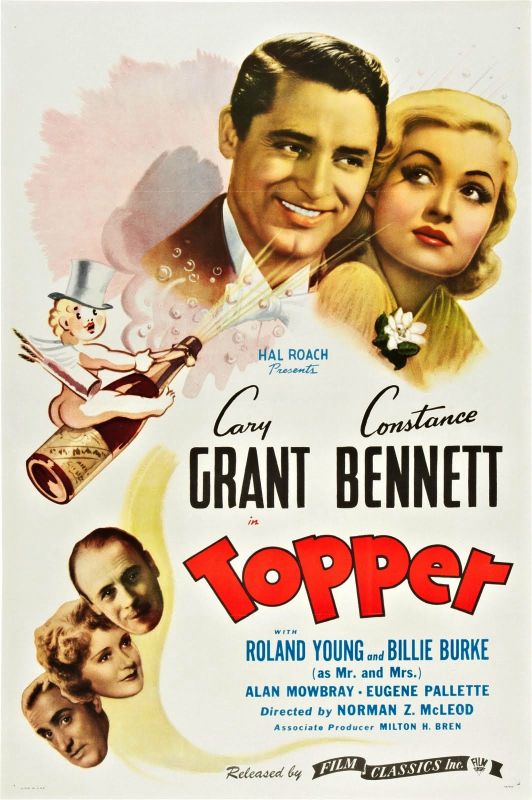
A deliriously frothy screwball comedy starring Cary Grant and Constance Bennett as two socialites killed in a crash who then haunt the car’s new owner. Several sequels followed.
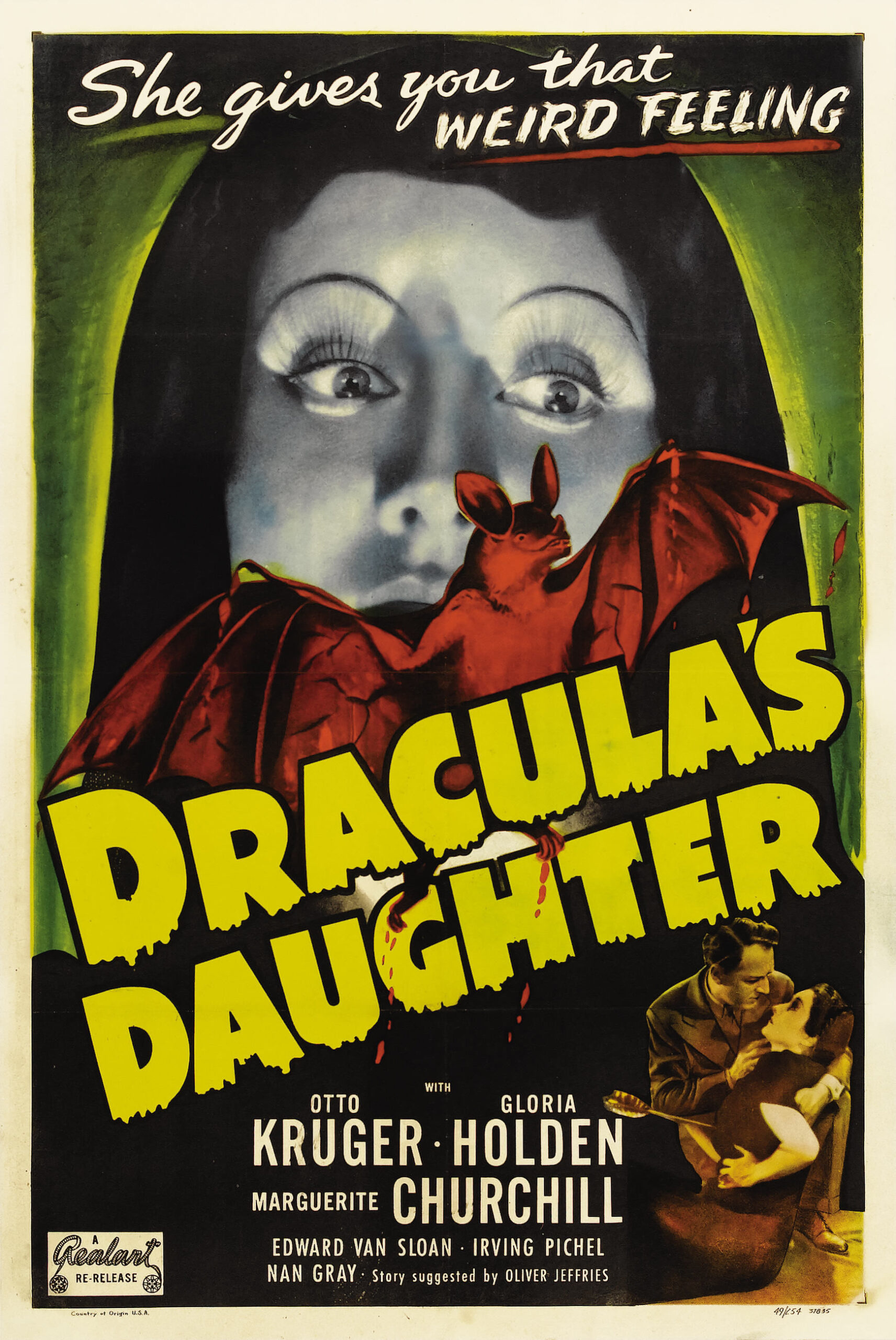
The first of the sequels to Universal’s Dracula this time without Bela Lugosi. A much better film in every way. creating a fine sense of atmosphere. Arguably the first lesbian vampire film.
Third of the Johnny Weissmuller Tarzan films, the point where the formula of the series started to kick in
The original and greatest of all SF serial adventures and a huge influence on George Lucas. Despite the primitive effects, this still has a marvellously rousing imagination that stands up today. Two serial sequels followed
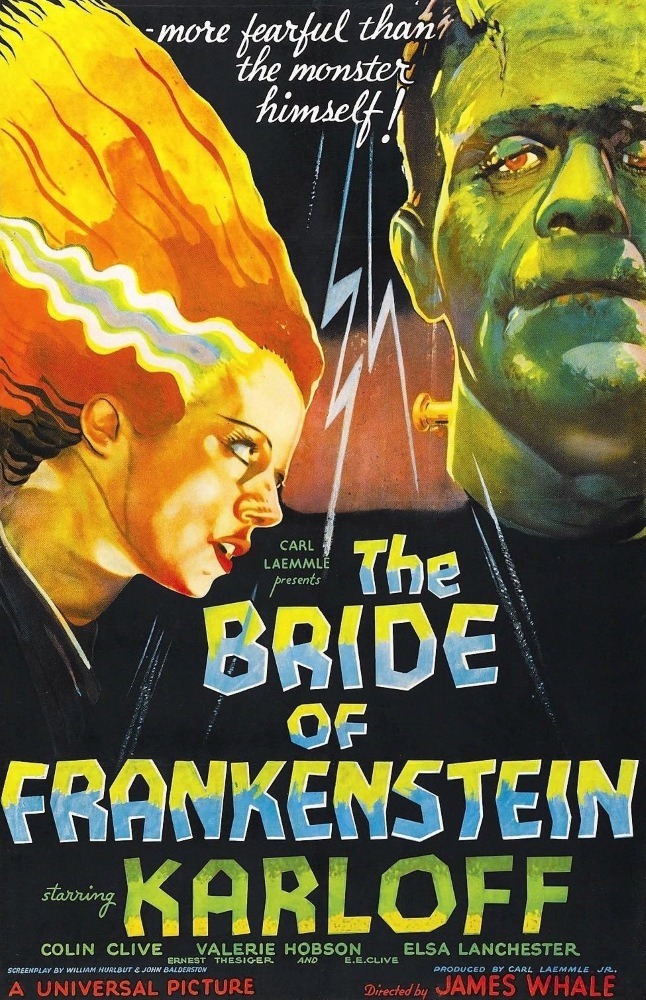
The first sequel to the 1931 Boris Karloff Frankenstein, which many prefer to the original. Director James Whale comes into his element and provides a whole other level of droll humour that the first film did not have
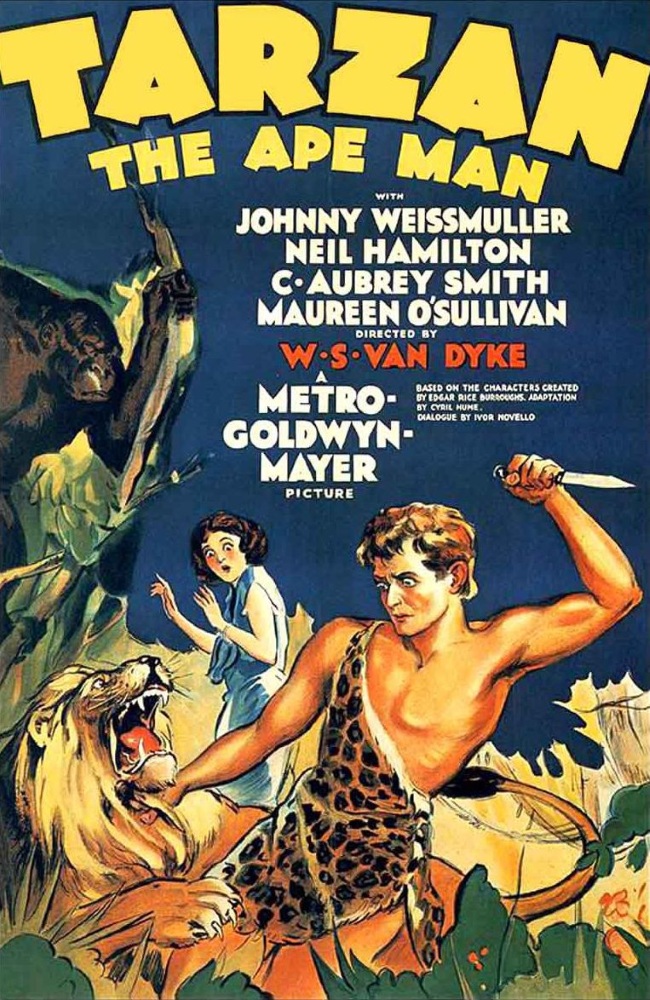
The second and very best of the Johnny Weissmuller Tarzan films, this has an incredible sense of adventure and even a surprising eroticism for the era
The 1933 King Kong is a landmark classic Yhis sequel was quickly produced soon after its success,. While the original created a monster movie fairytale, this plays everything for maximum cuteness – it is essentially King Kong mounted as a children’s film
Universal’s adaptation of the H.G. Wells novel that becomes a droll masterpiece in the hands of James Whale and with effects that still hold up today. Followed by a series of sequels
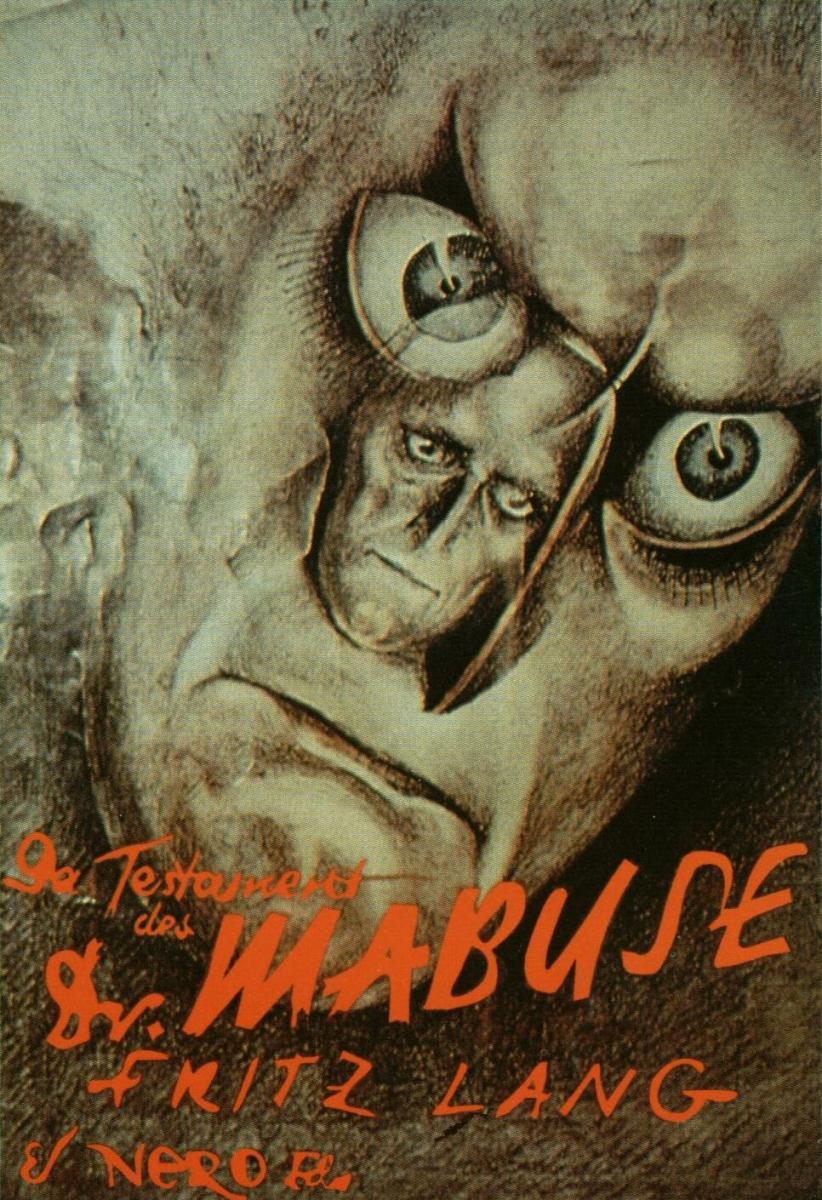
The second of Fritz Lang;s films about the criminal mastermind Dr Mabuse, which was banned under the Nazi regime and forced Lang to flee the country. Not quite the equal of its predecessor, Lang is still on fine form and makes an exciting crime melodrama
Perhaps the greatest of all monster movies, one that has attained iconic status. A masterpiece of stop-motion animation, it imbues Kong with character and attains a delicate fairytale-like atmosphere
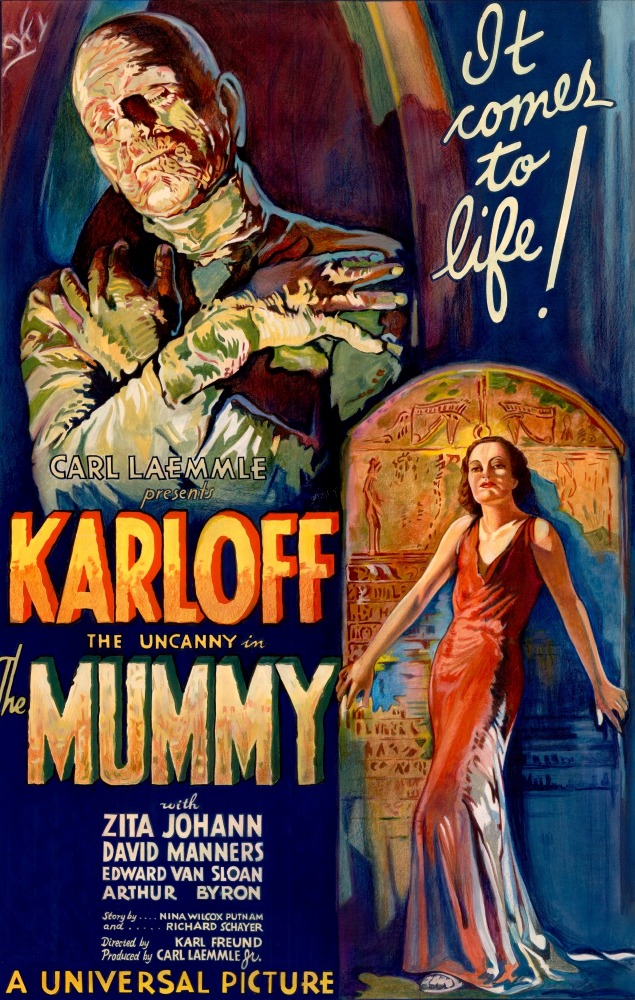
The original mummy film starring Boris Karloff. Unlike the sequels where the mummy became a slow, shuffling creature, this is a subtle classic with haunted mood.
The first of the Johnny Weissmuller films and where the cinematic Tarzan was essentially formed. The film changes Edgar Rice Burroughs conception in many ways but is a superbly exciting adventure in its own right, while the Tarzan/Jane romance is played with an oddball sweetness
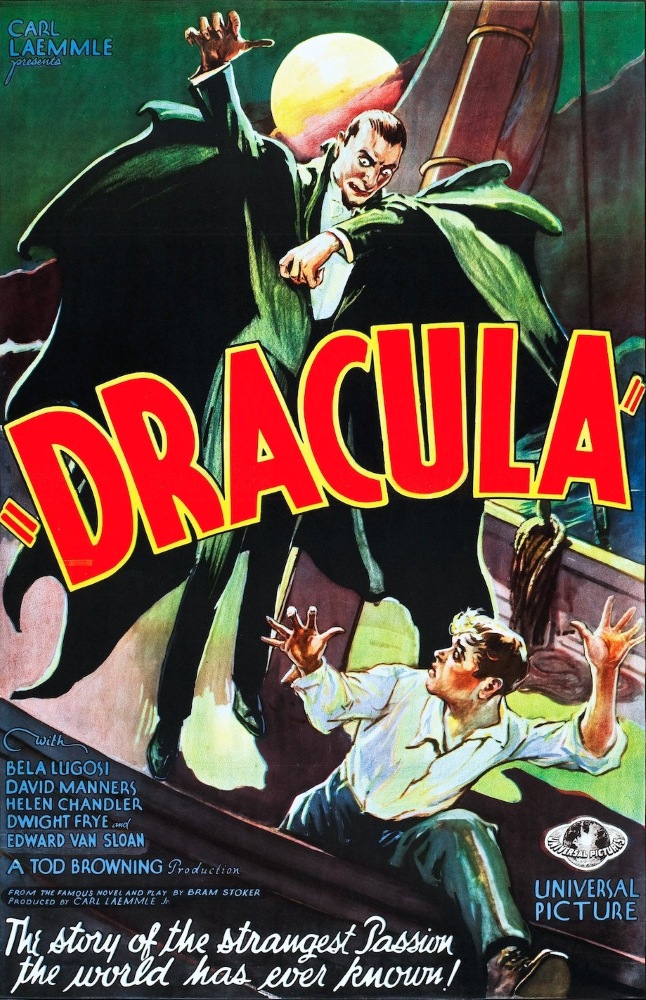
The classic adaptation of the Bram Stoker novel that made Bela Lugosi into a horror icon and created the image of the vampire in dinner-suit and with East European accent. For all its stature, it is a dull and talky film and Lugosi is overwrought
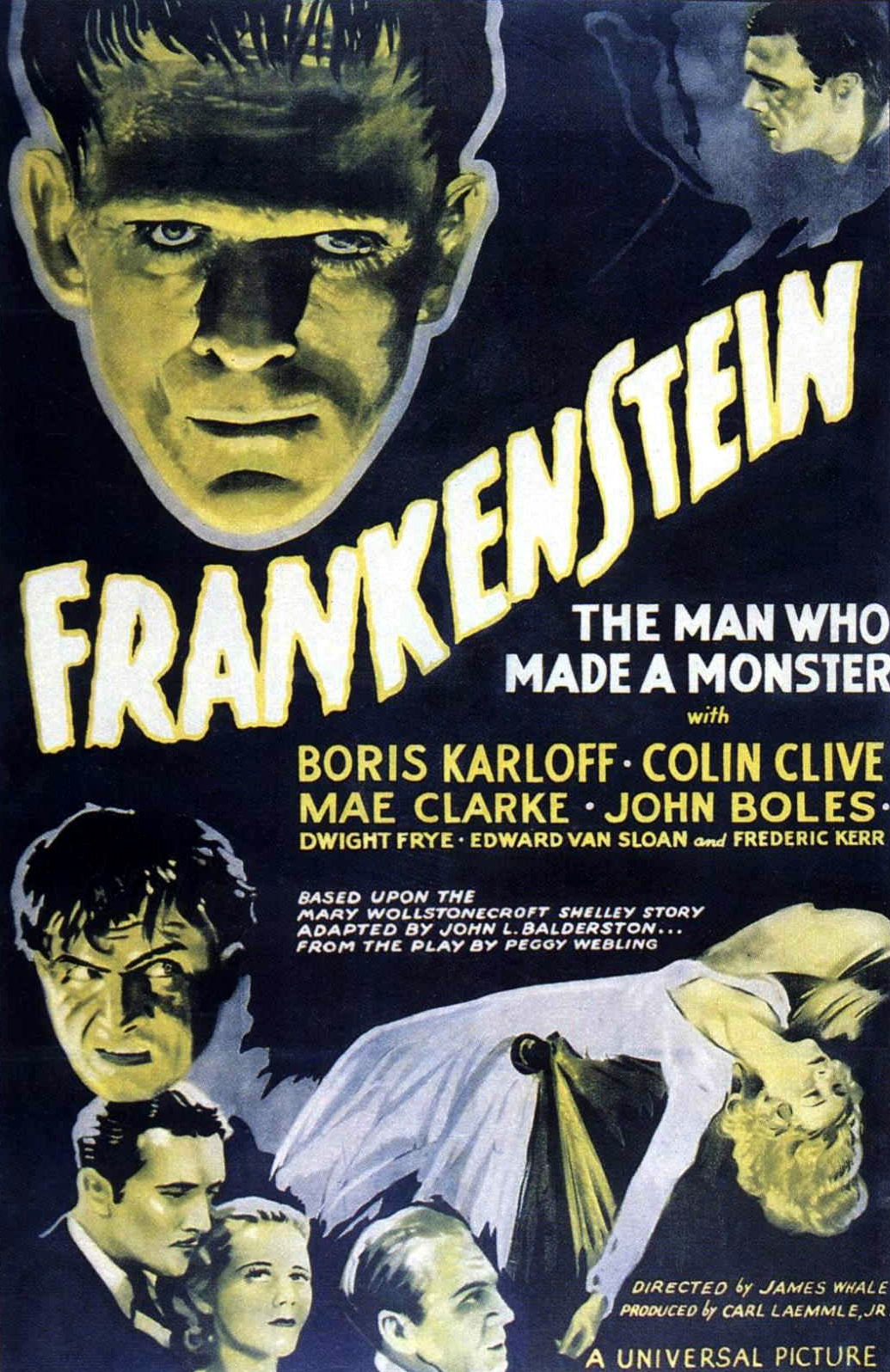
The classic version of Mary Shelley’s tale that left the indelible image of Boris Karloff as the dull monster with bolts in its neck. Director James Whale draws on German Expressionist designs to create one of the landmark classics of the genre
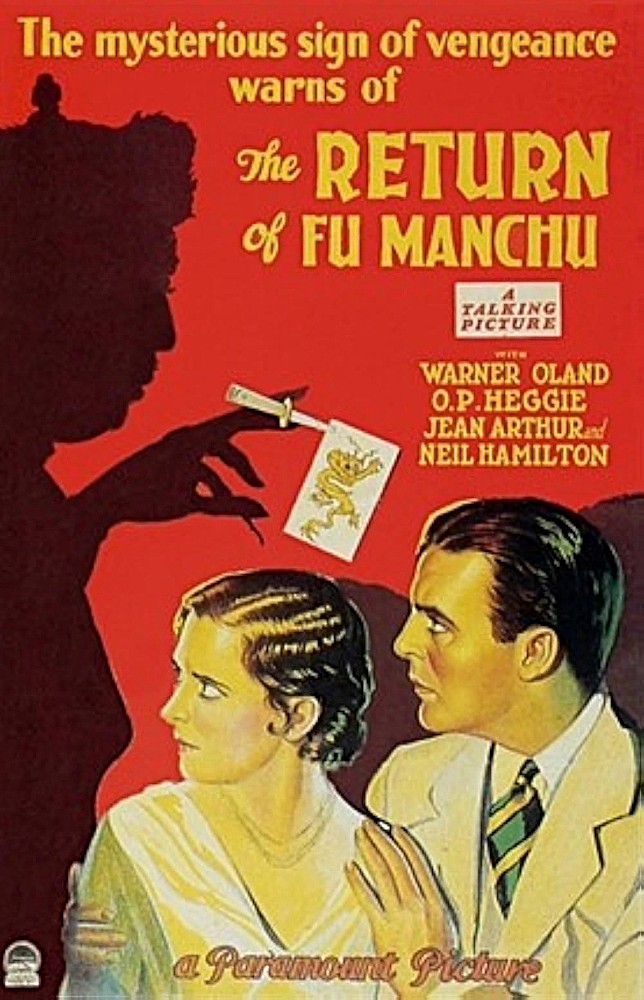
The second of the films made about the Chinese super-villain Fu Manchu, the first made in sound. This is where the film series started to find itself, turning in some superlative thrills and a wonderful battle of wits between hero and villain. Pulp thrills at their best
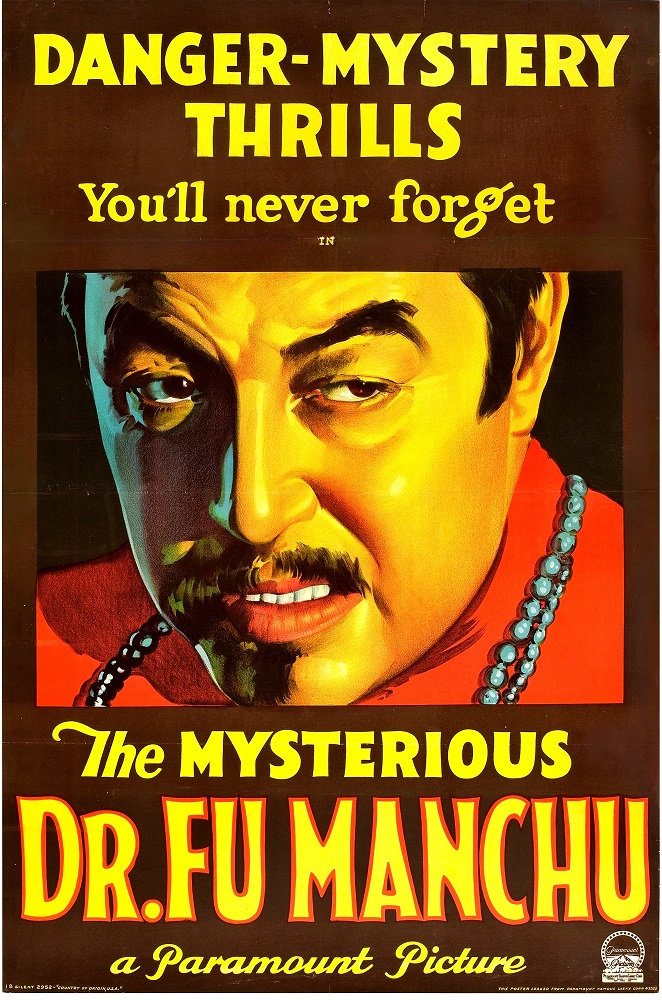
The first film appearance of one of the great super-villains of pulp fiction. This was a silent film version with Warner Oland cast in the title role, making a rolypoly Fu Mancu in contrast to some of the other great actors in the part
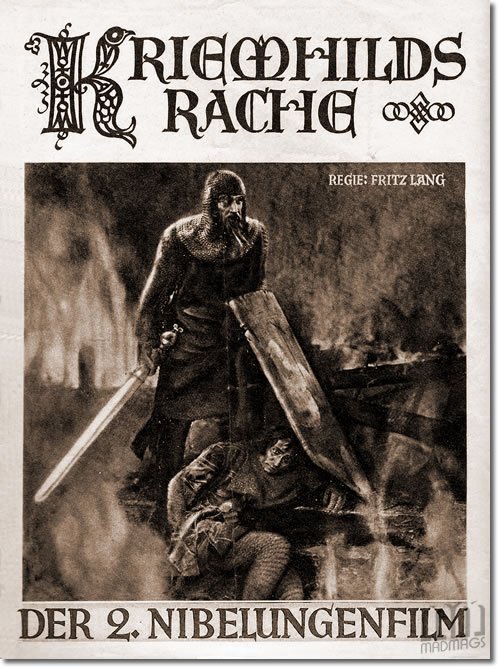
The second part of Die Niebelungen, Fritz Lang’s silent film about the Germanic hero Siegfried in which Siegfried’s widow Kriemhild takes an epic revenge for the murder of her husband
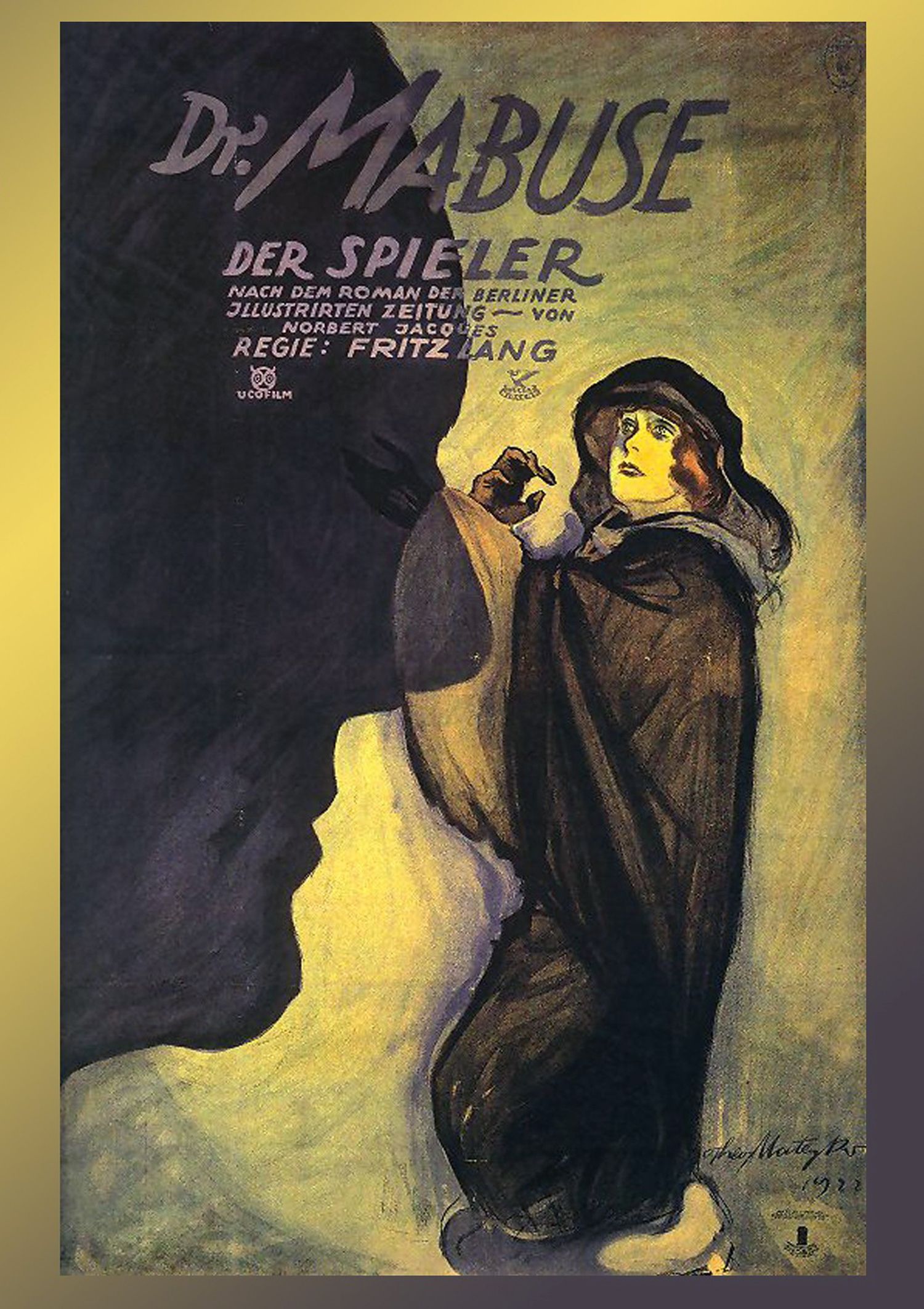
Dr Mabuse is one of the great villains of cinema. Fritz Lang was one of the greatest directors of the silent era and his first Mabuse film is extraordinary where Lang indulges in visual tricks that still look sensational today
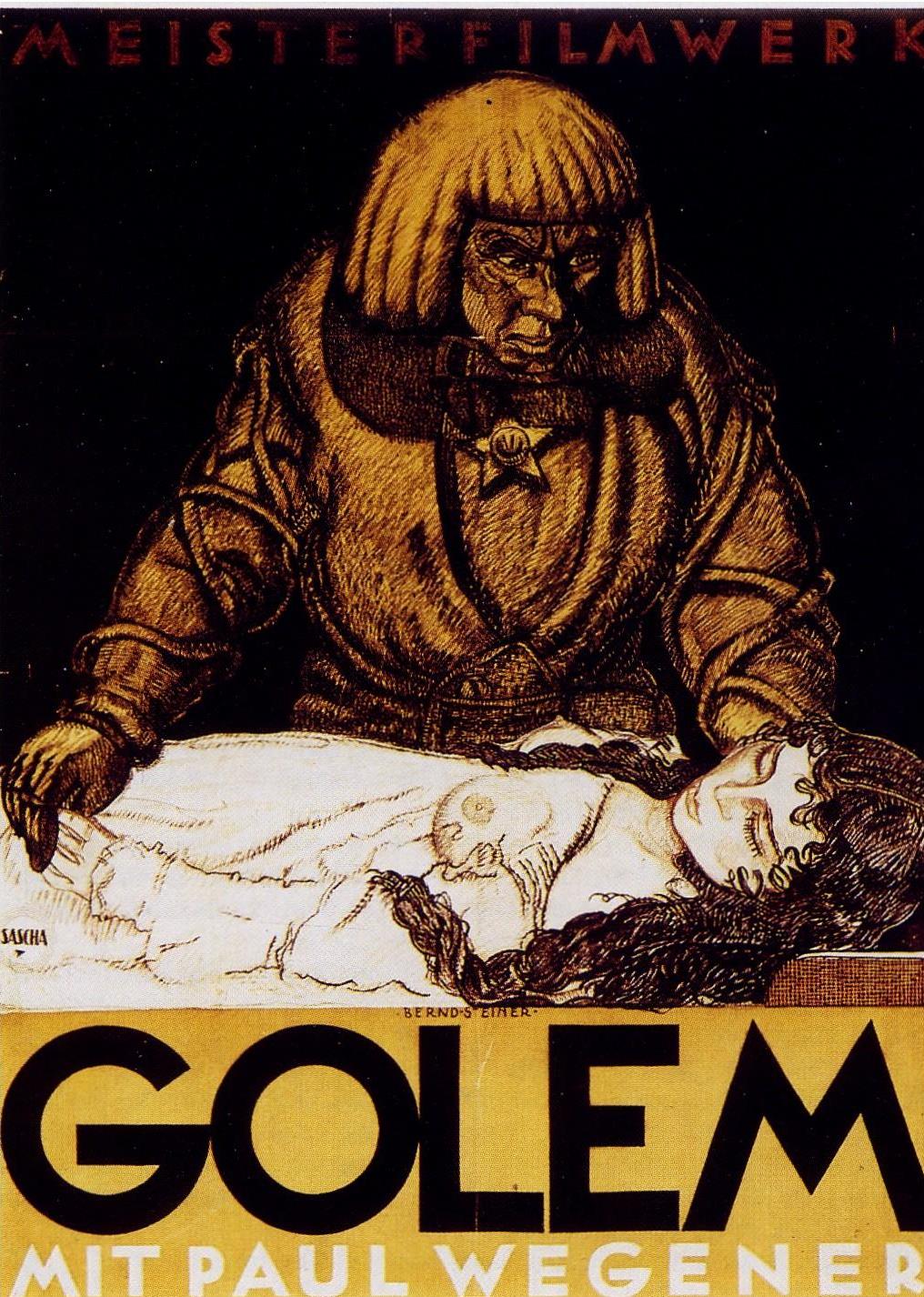
Classic silent film from the German Expressionist period in which a rabbi brings to life a creature made of clay (played by Paul Wegener), which then proceeds to go amok