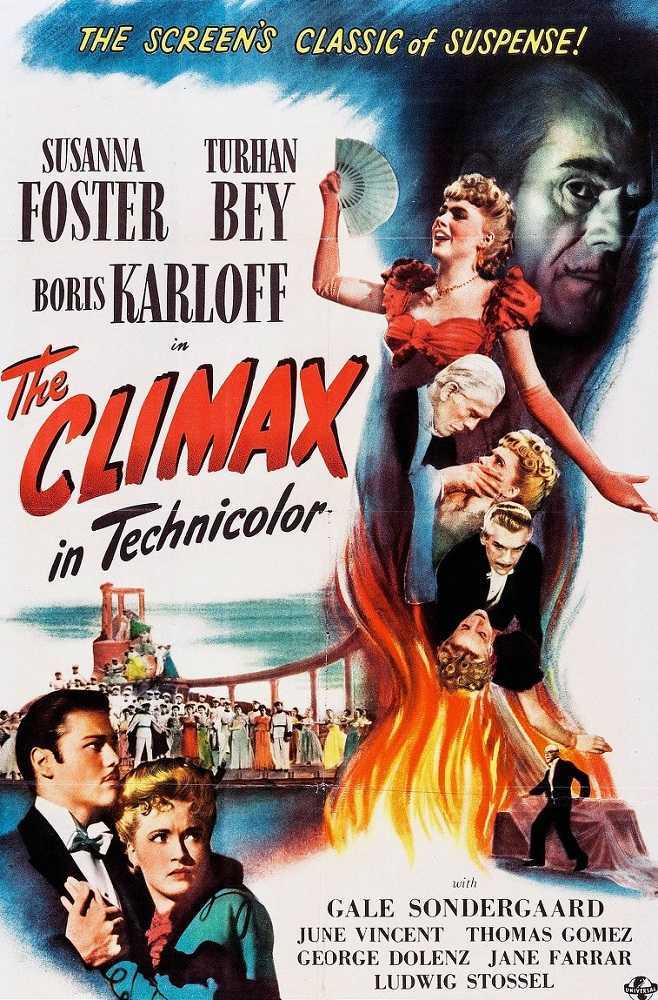
The Climax (1944)
Made to exploit leftover sets from the 1943 Phantom of the Opera, this is a magnificent colour production that has Boris Karloff as an obsessive surgeon who fixates on a beautiful young opera singer
The Science Fiction Horror and Fantasy Film Review
Hypnotism is the existing ability of one person (a hypnotist) to place another in a trance-like state. Various means are used to achieve this from patterns of light, a pendulum, being asked to stare into the hypnotist’s eyes and the ever reliable fob watch on a chain. A hypnotic state resembles sleep but where the subject is alert and extremely susceptible to commands. In such a state, the hypnotised subject can be given orders, made to believe something is happening or recall a memory before being brought out of the trance. At the end of a session, they can be told to forget what happened or commands can be implanted to be triggered at a later point.
Hypnotism is often regarded as a form of Mind Control. In genre works, Super-Villains are often outfitted with great abilities to control the minds of others and get people to unquestioningly follow their orders. There are also a number of films featuring sinister hypnotists using their abilities to nefarious purpose.
Another use of hypnotism is in stories of Reincarnation where people are regressed to where they can supposedly recall details of their previous lives. This emerged from a real world account – see The Search for Bridey Murphy (1956) – after which a fascination with past lives regression bled over into a number of genre films. Hypnotism is also used as a tool to help people recall accounts of Alien Abduction.
Made to exploit leftover sets from the 1943 Phantom of the Opera, this is a magnificent colour production that has Boris Karloff as an obsessive surgeon who fixates on a beautiful young opera singer
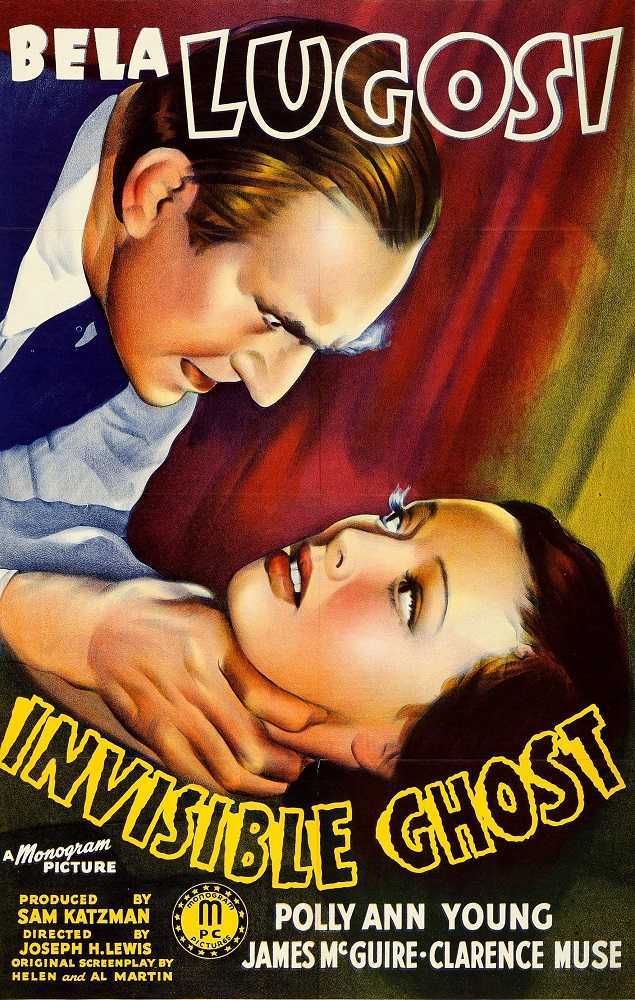
A low-budget cheapie starring Bela Lugosi as a widower who goes into a trance and starts killing women after having visions of his late wife’s ghost
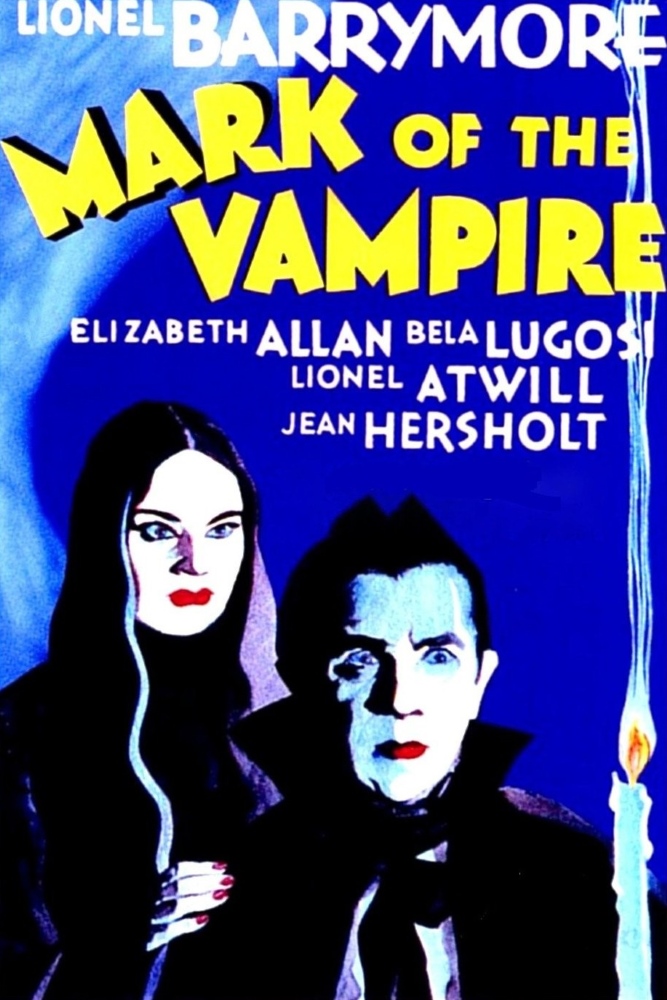
Dracula director Tod Browning reteams with Bela Lugosi in a remake of the silent London After Midnight. A vampire film that has much atmosphere but is ruined by a ridiculous ending
Lionel Atwill and Fay Wray star in a film about a mad scientist conducting a series of vampire bat killings. A minor but watchable entry in the Golden Age of Horror.
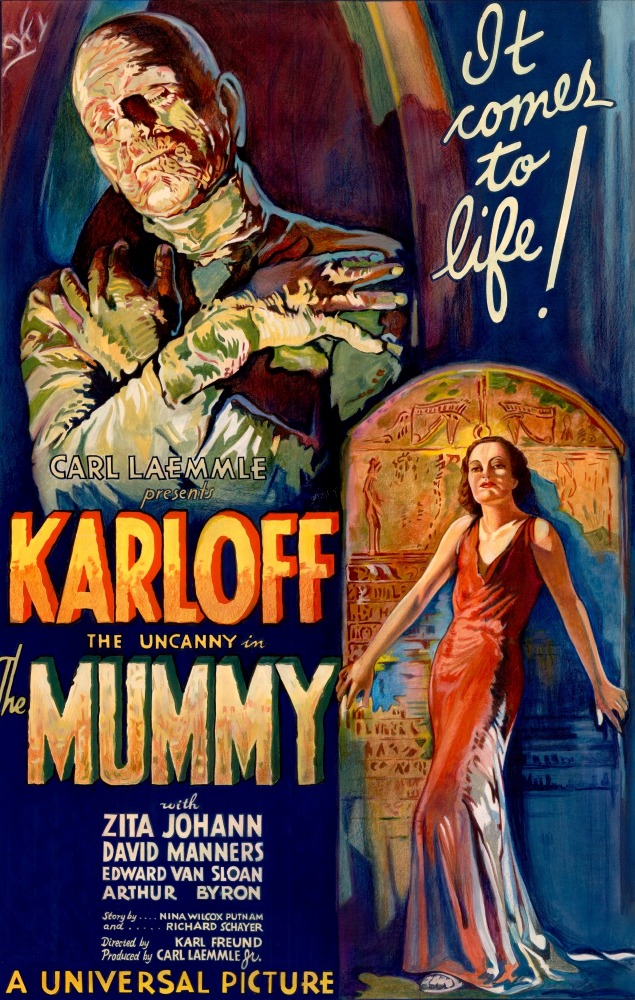
The original mummy film starring Boris Karloff. Unlike the sequels where the mummy became a slow, shuffling creature, this is a subtle classic with haunted mood.
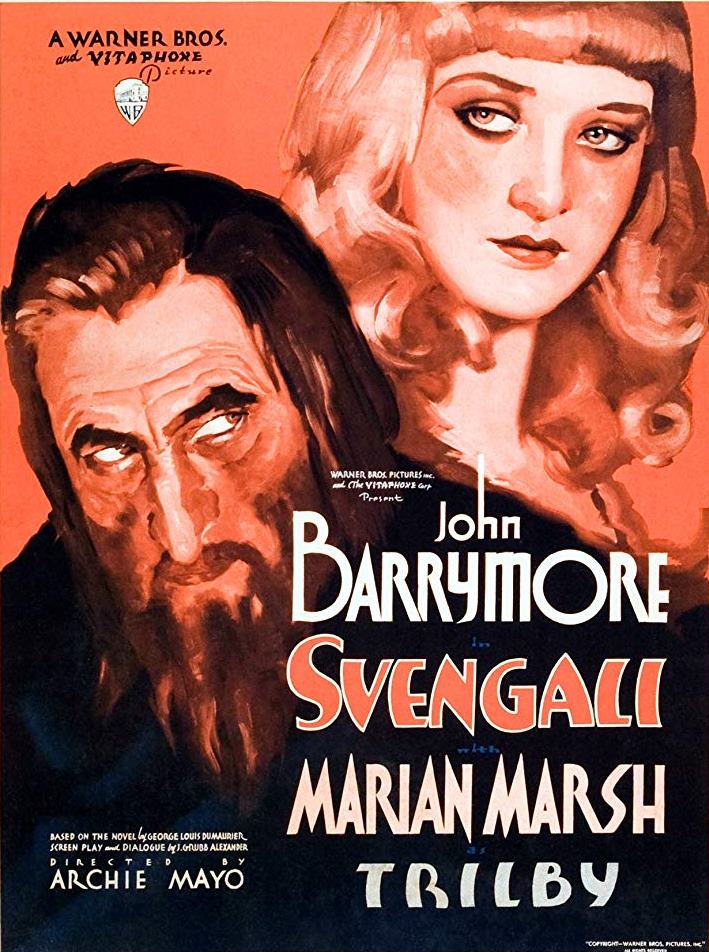
Classic from the Golden Age of Horror with John Barrymore as a malevolent hypnotist who places a young model under his control. he film’s design scheme draws heavily from German Expressionism and comes with some amazingly inventive directorial effects
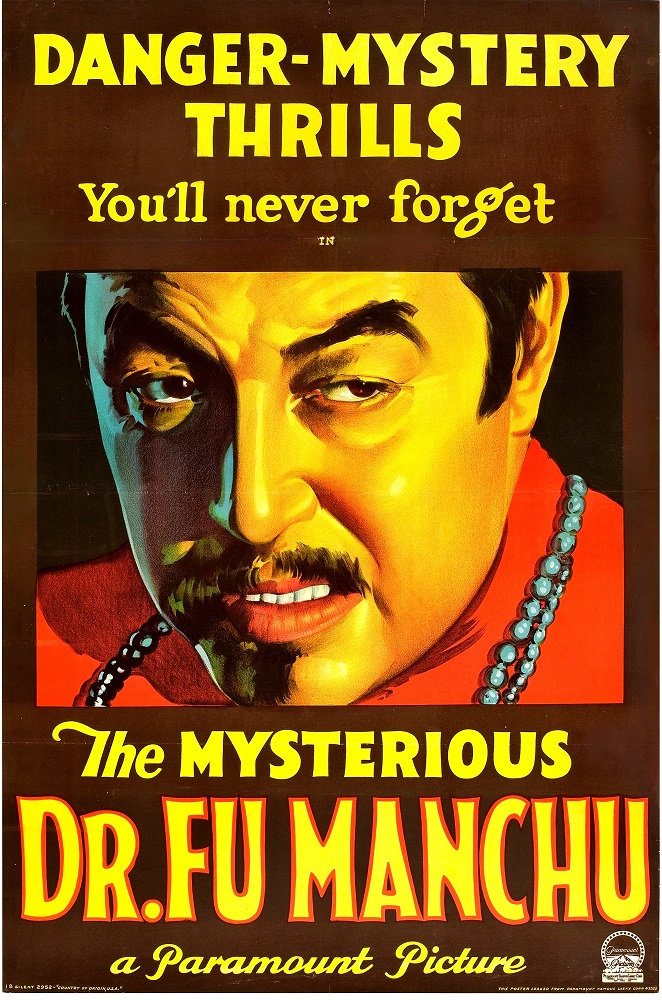
The first film appearance of one of the great super-villains of pulp fiction. This was a silent film version with Warner Oland cast in the title role, making a rolypoly Fu Mancu in contrast to some of the other great actors in the part
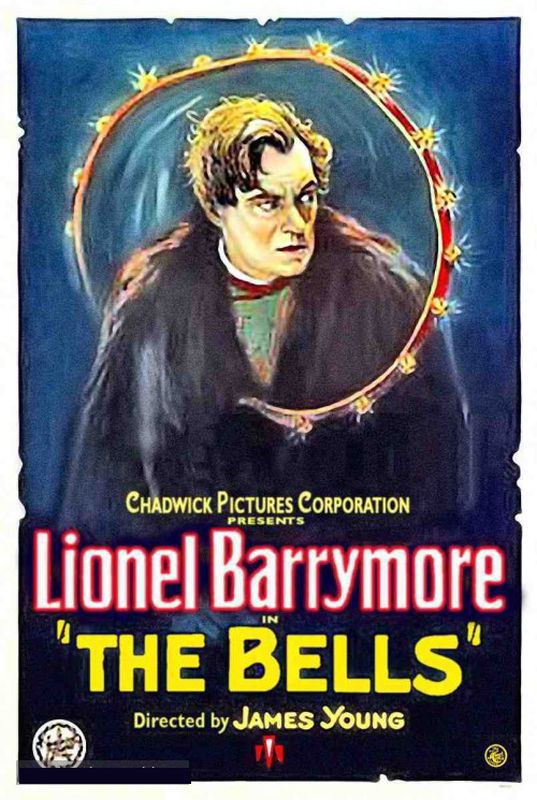
Classic silent movie about a murderer haunted by his guilty conscience. The film’s simplistic morality is rather hard to swallow today but the film is richly directed for its era and creates some wonderfully theatrical effects
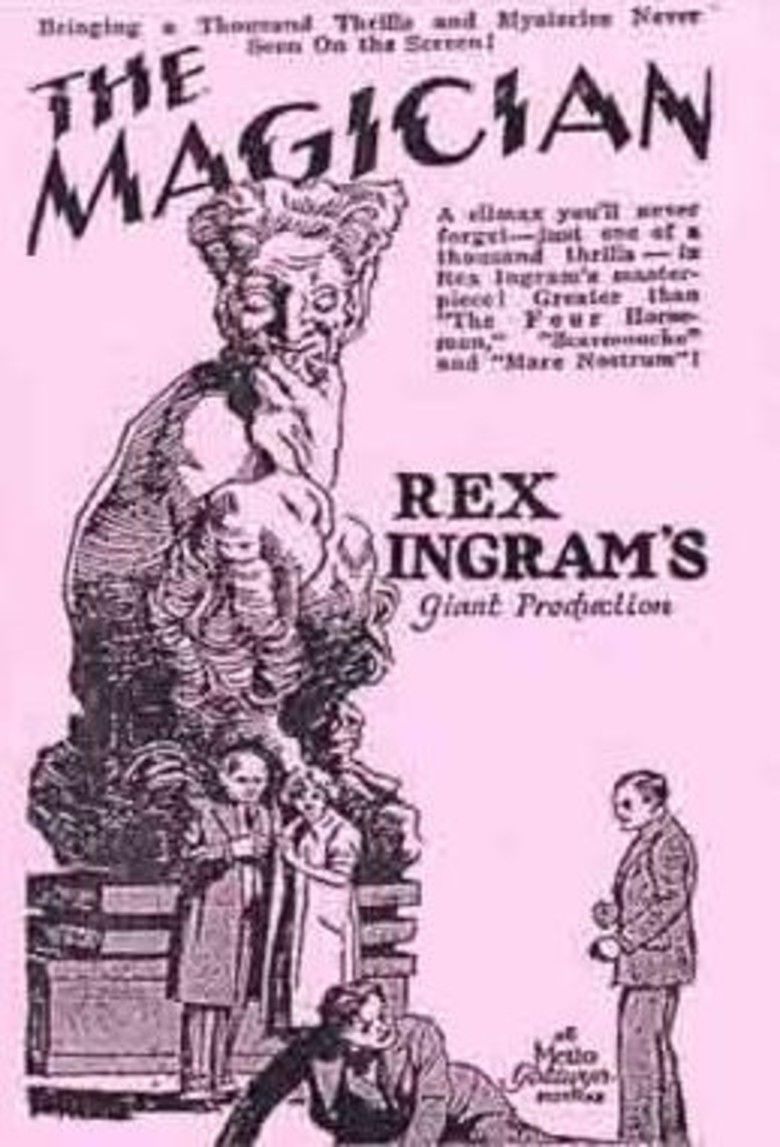
Considered a lost classic of silent cinema for many years, this is a film loosely based on occultist Alesiter Crowley and was considered a daring work that delved into taboo areas
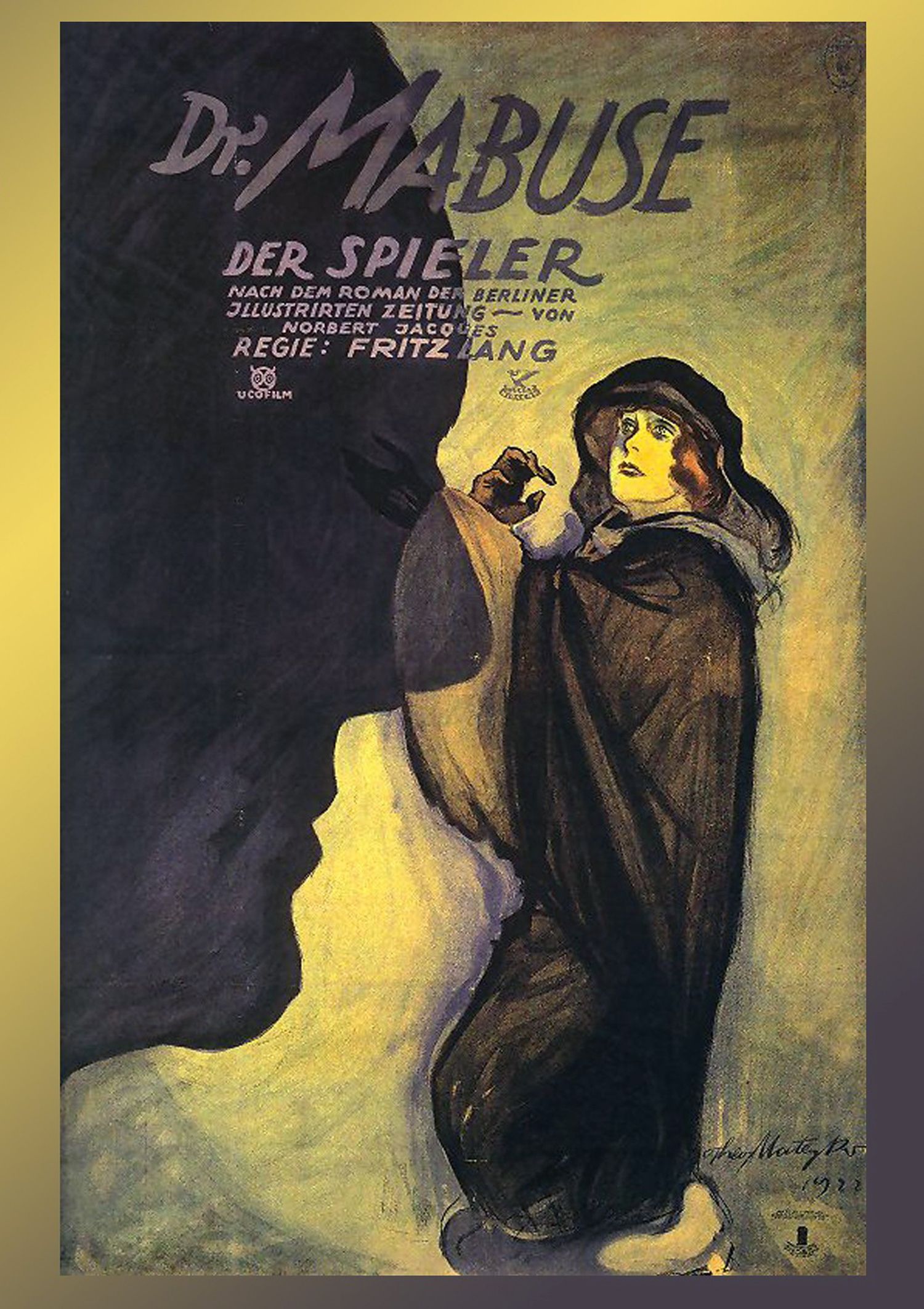
Dr Mabuse is one of the great villains of cinema. Fritz Lang was one of the greatest directors of the silent era and his first Mabuse film is extraordinary where Lang indulges in visual tricks that still look sensational today
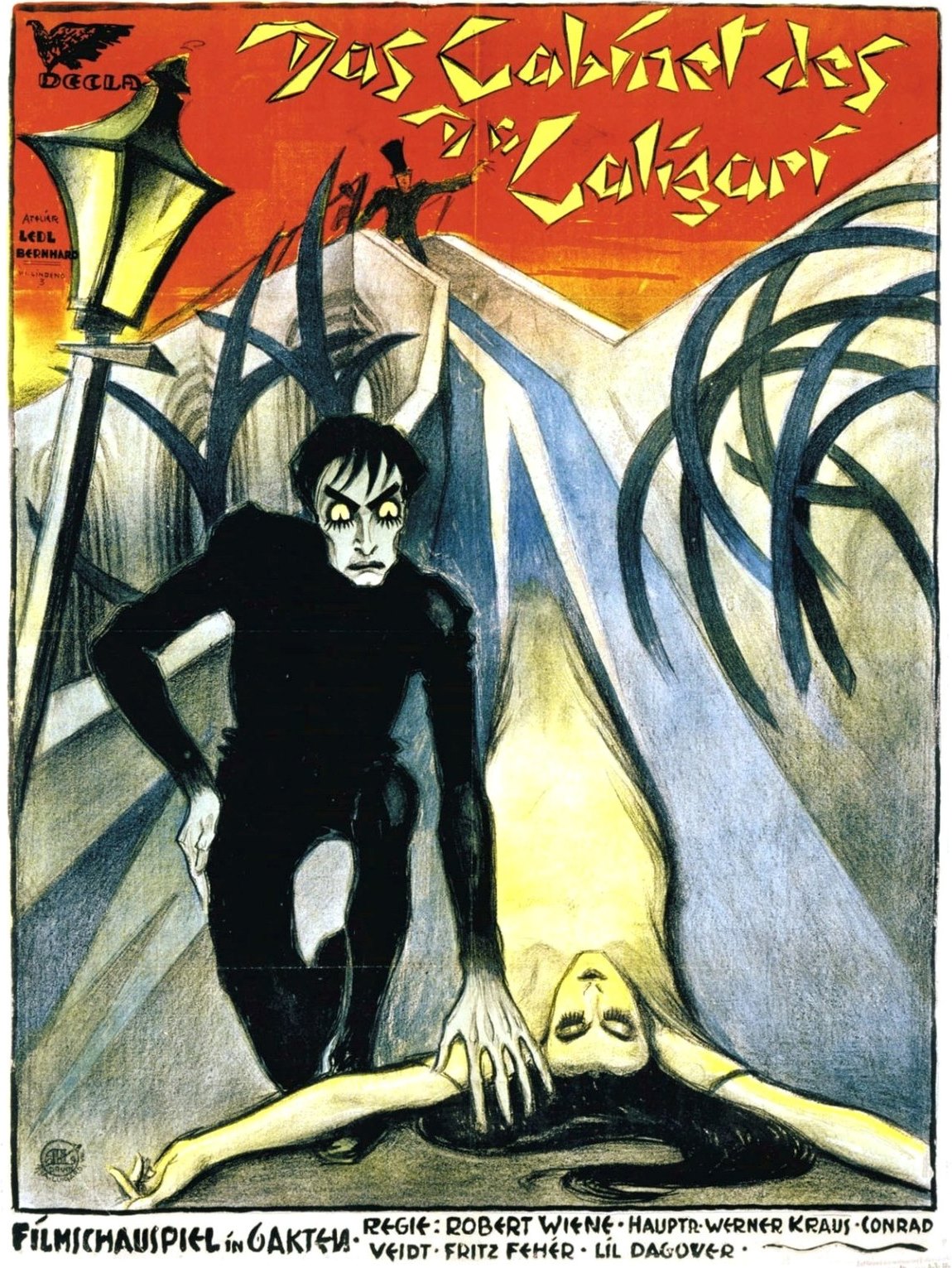
Classic film that was groundbreaking for its designs – all distorted and angular sets, exaggerated shadows – that became defined as German Expressionism and its tale of a sinister hypnotist