Phone (2002)
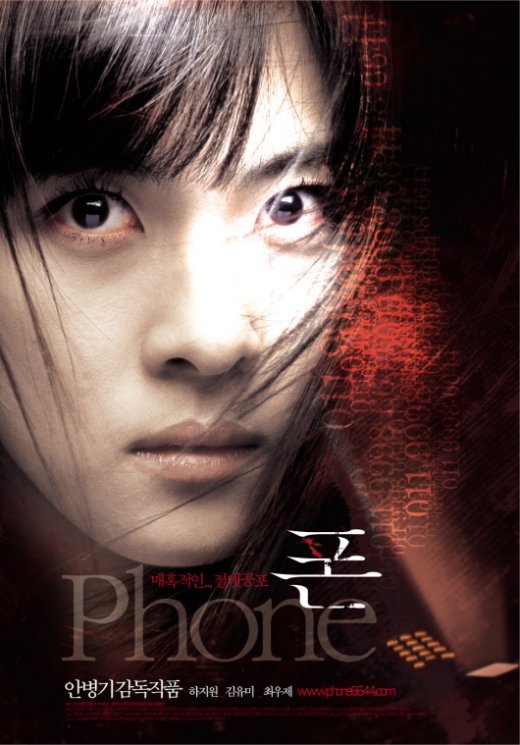
Korean Ghost Story/Haunted Phone Calls
South Korean jump aboard the Ringu phenomenon about a series of haunted phone calls that works well through a clever ending
The Science Fiction Horror and Fantasy Film Review

Asian horror is an umbrella term that refers to horror films that come from the Asian region, principally Hong Kong, South Korea, Thailand, China, the Philippines, Singapore and most of all from Japan.
Asian horror will often feature themes from Eastern religion such as reincarnation, luck, the importance of written prayers and offerings, as opposed to Western horror, which frequently turns to Christian imagery. Many Asian horror films have adapted Western horror tropes like the possession, vampire and zombie film to their own uses.
This covers everything from the traditional Japanese kaidan eiga (ghost story) to modern variants such as the huge success enjoyed by Ring (1998) and Ju-on: The Grudge (2003). Variants of these proliferated throughout Japan and the Asian region in the 2000s, earning nicknames such as the J-horror (Japanese horror) and K-horror (South Korean horror) film, before undergoing a series of English-language remakes.
Also included here is the phenomenon of the Gonzo Japanese Splatter Film featuring bizarre mutations and bio-mechanoid transformation, copious splatter and over-the-top moves. The kaiju eiga (Japanese monster movie) is featured under the theme Japanese Monster Movies.
South Korean jump aboard the Ringu phenomenon about a series of haunted phone calls that works well through a clever ending
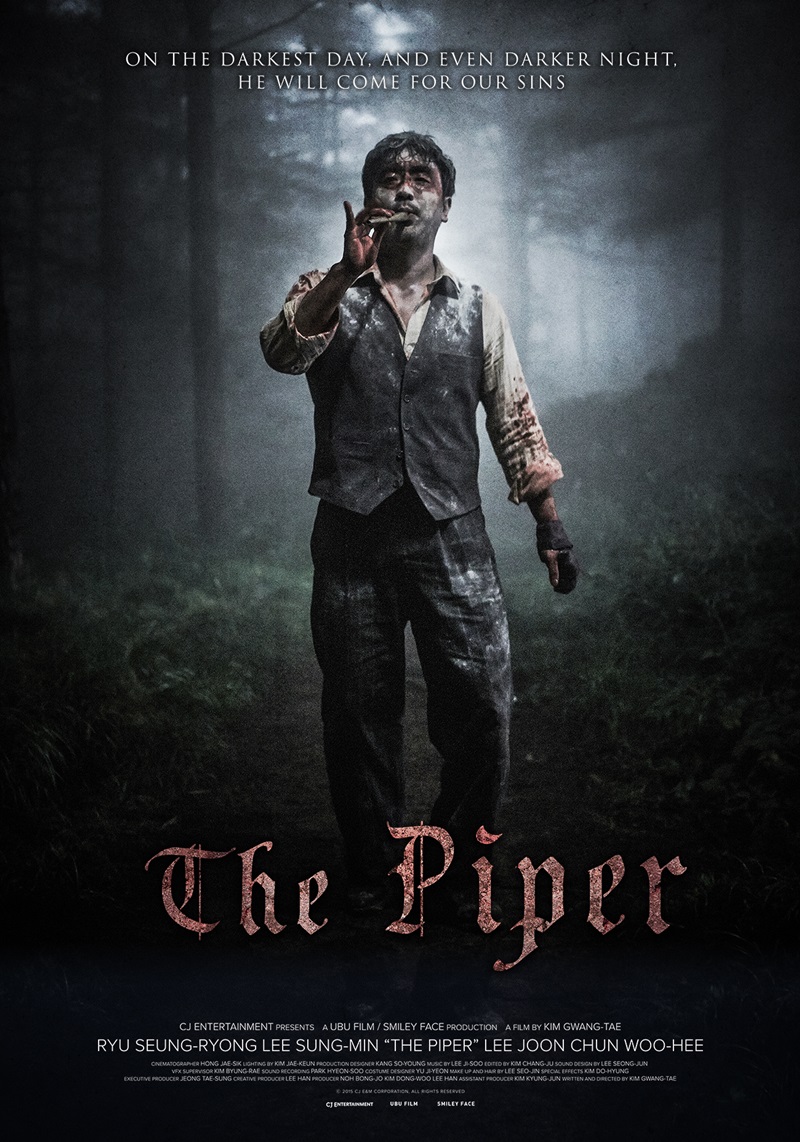
A Korean retelling of the fairytale The Pied Piper of Hamelin that in mid-film suddenly morphs from a standard telling into an incredibly grim horror film. The results are really quite striking, not to mention pulled off with considerable assurance
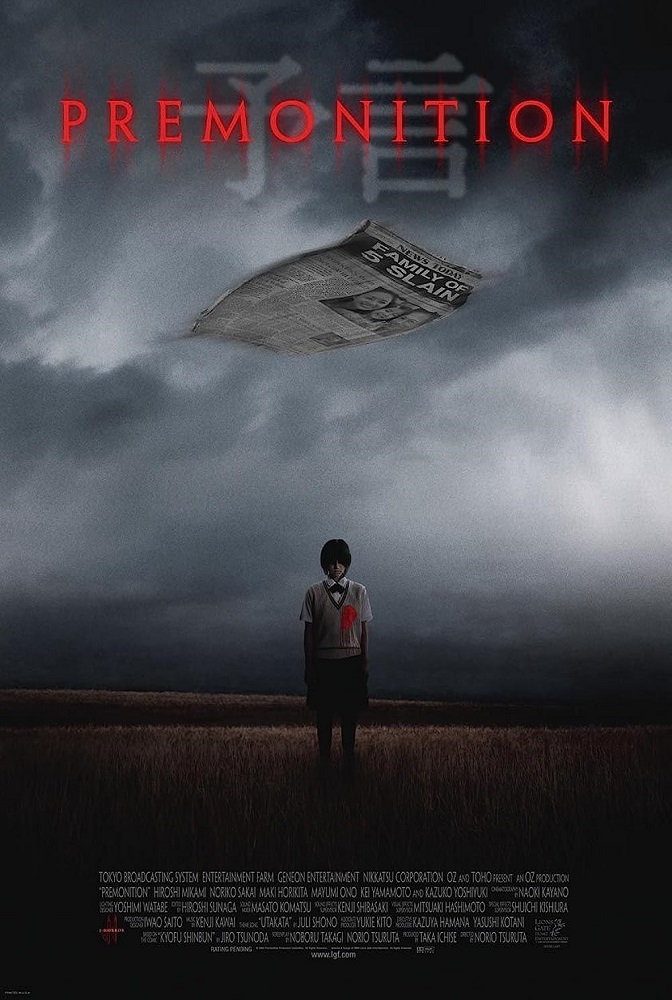
Japanese horror film about a professor who receives newspaper headlines that predict deaths before they occur

From Japan’s Kiyoshi Kurosawa, a ghost story that creates an incredibly haunted atmosphere. As with most of Kurosawa’s work, dazzling ideas sit alongside a murky and impenetrable plot where you are baffled trying to make sense of what is happening
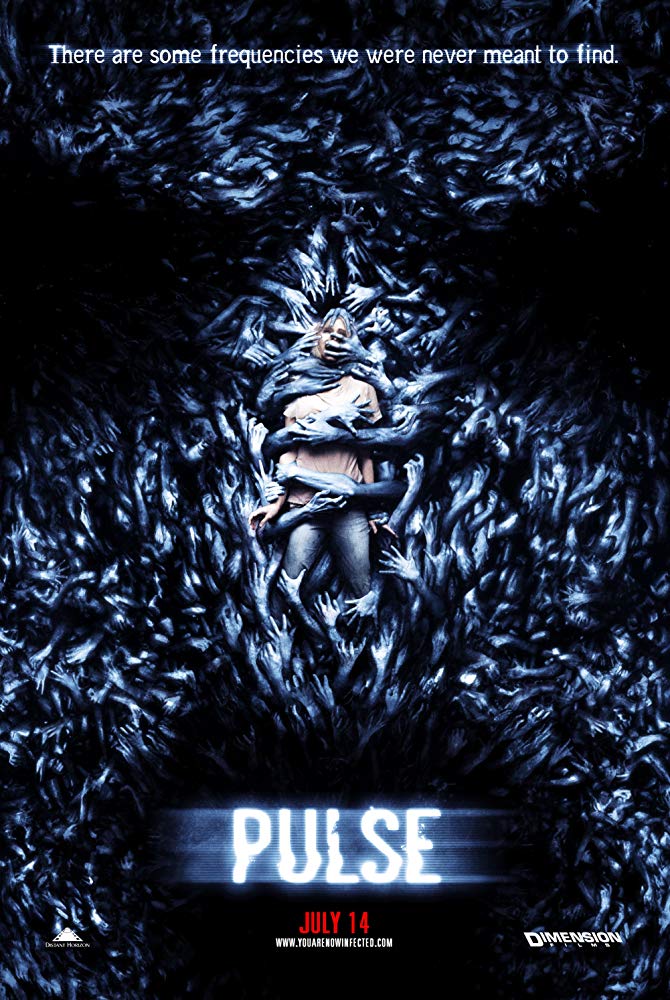
As part of the mid-00s fad for English-language remakes of Japanese horror films, Kiyoshi Kuroawa’s unfathomable but undeniably creepy internet horror is reworked as a standard teen film

Anthology of tales adapted from Japanese horror writer Edogawa Rampo. The various directors push the stories into an admirably perverse and disturbed space

A Japanese-made variant on the oft-used Groundhog Day timeloop theme. This pushes well into horror movie territory with a group of teenagers trapped in a typical school day and facing a monster figure pursuing them
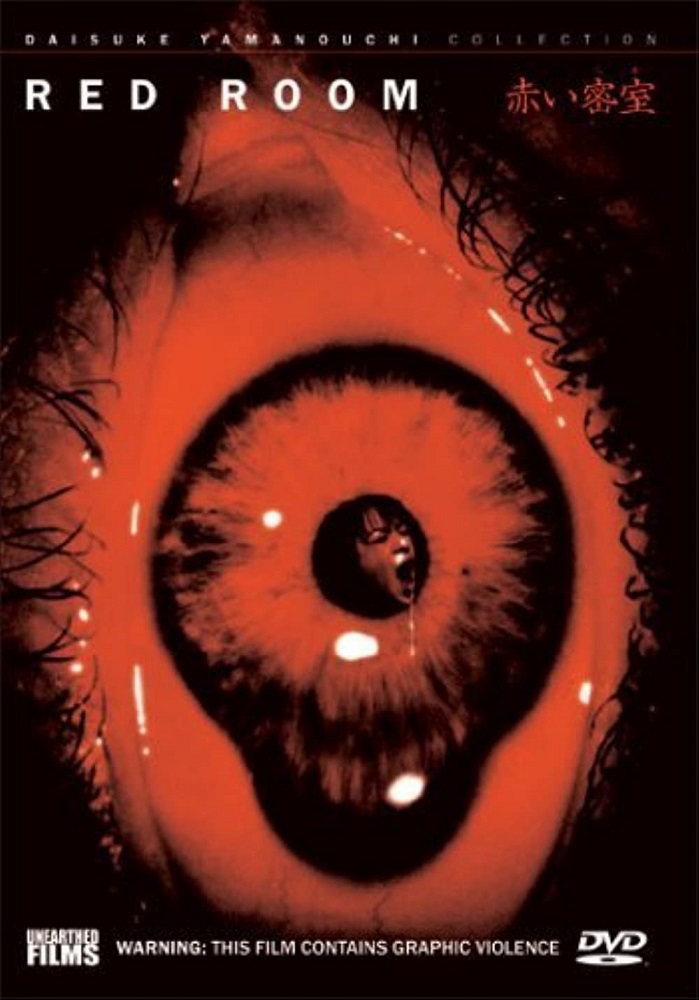
Extremely twisted Japanese film that plays out like a conceptual mix of Saw and Fear Factor (even though it predates either) wherein contestants are locked in a room and get to challenge each other to engage in more and more extreme acts against the other
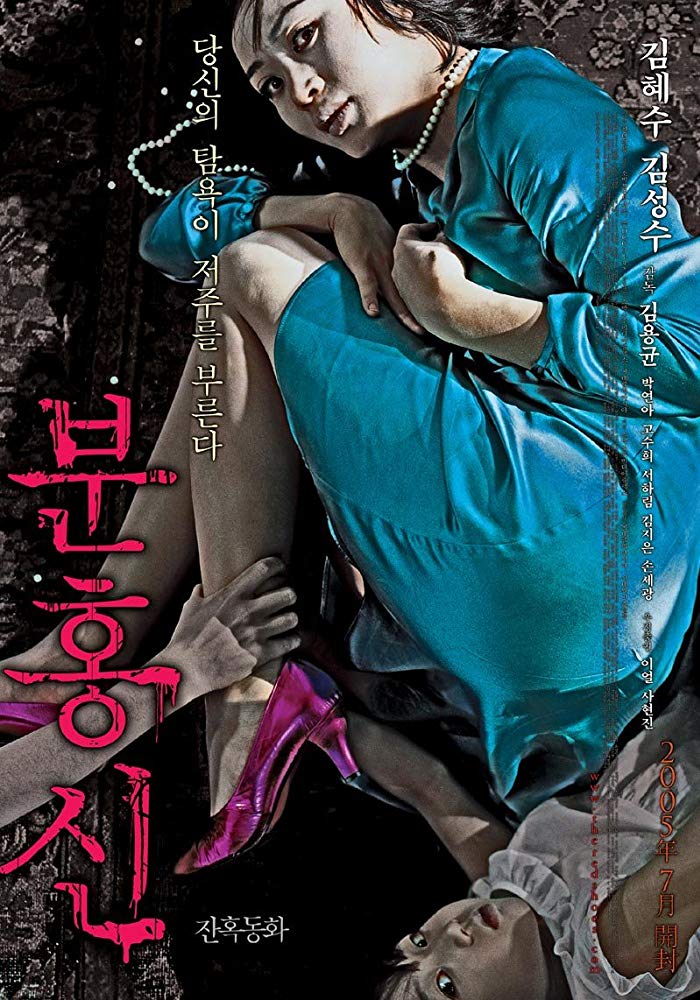
South Korean horror film about a pair of high-heeled shoes that take over their owner. Some okay jumps in a standard K-horror ghost story
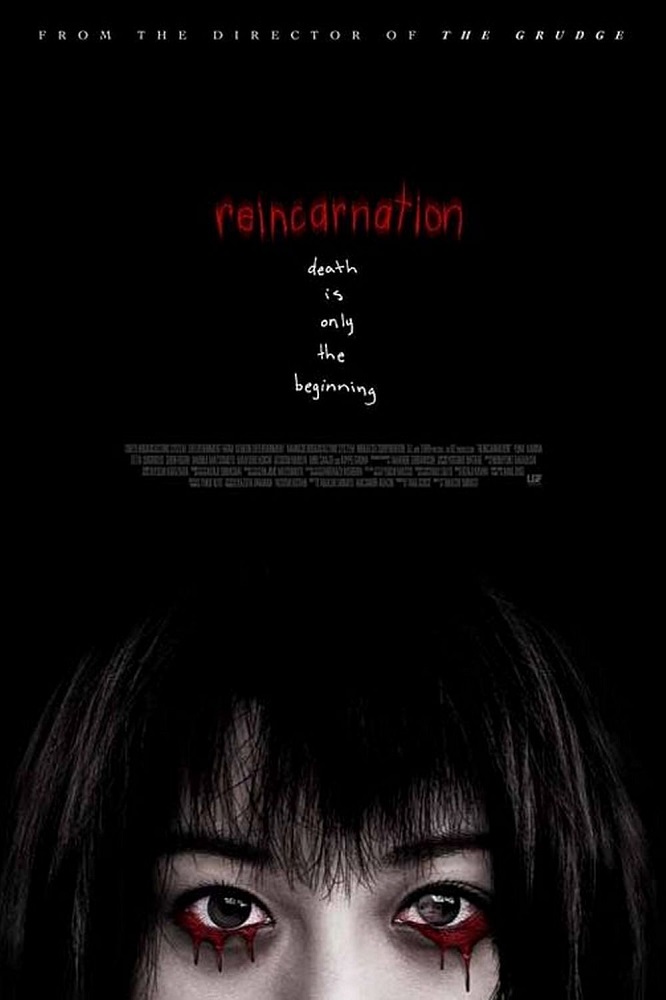
Takashi Shimizu, creator of the Ju-on/The Grudge series, makes a film about an actress who becomes haunted after taking a role based on a true-life murder
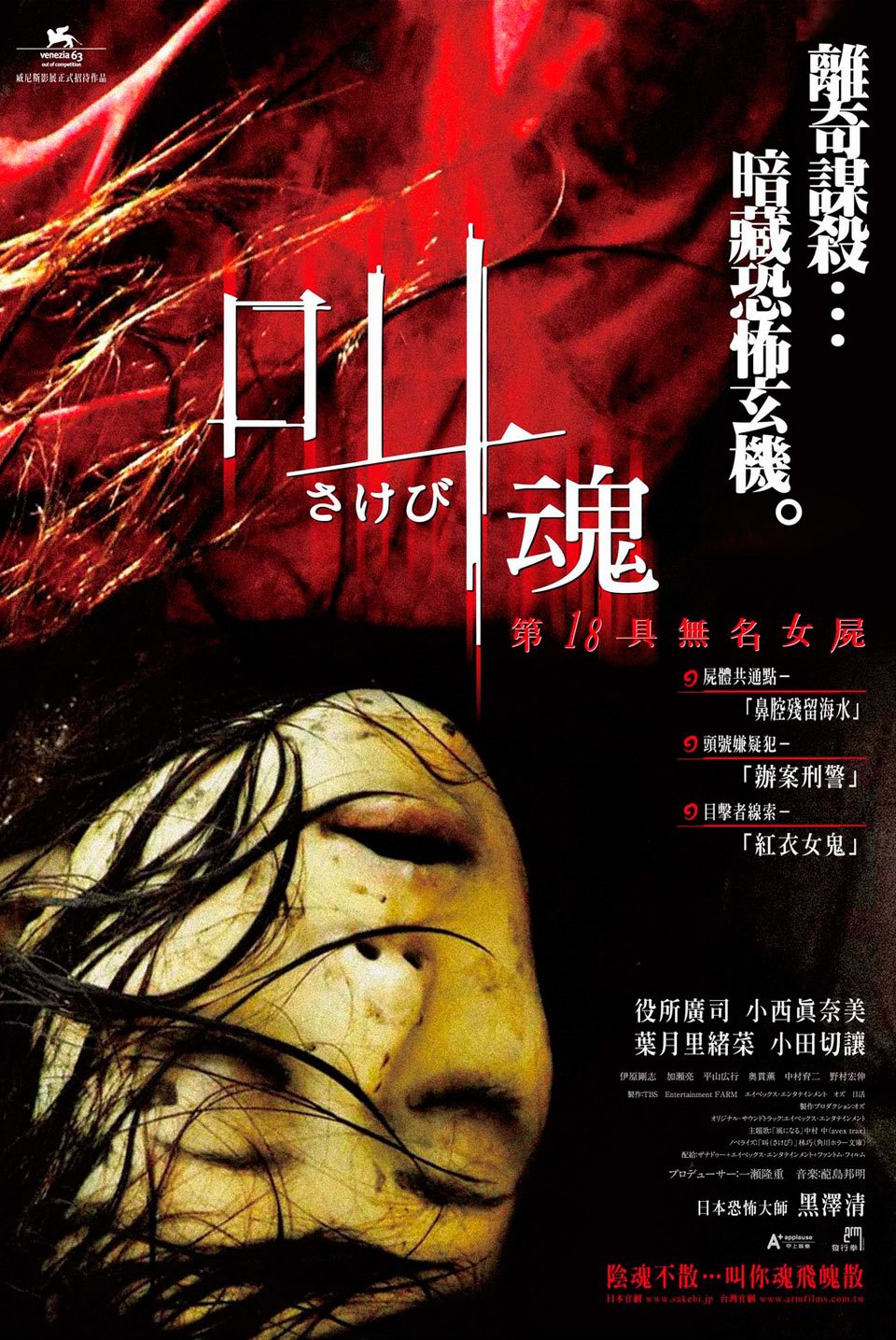
Kiyoshi Kurosawa attempts to give the J-horrors of Ring and The Grudge a run for their money and creates an intensely haunted film. As with much of Kurosawa’s films, this also comes with a deeply unfathomable plot
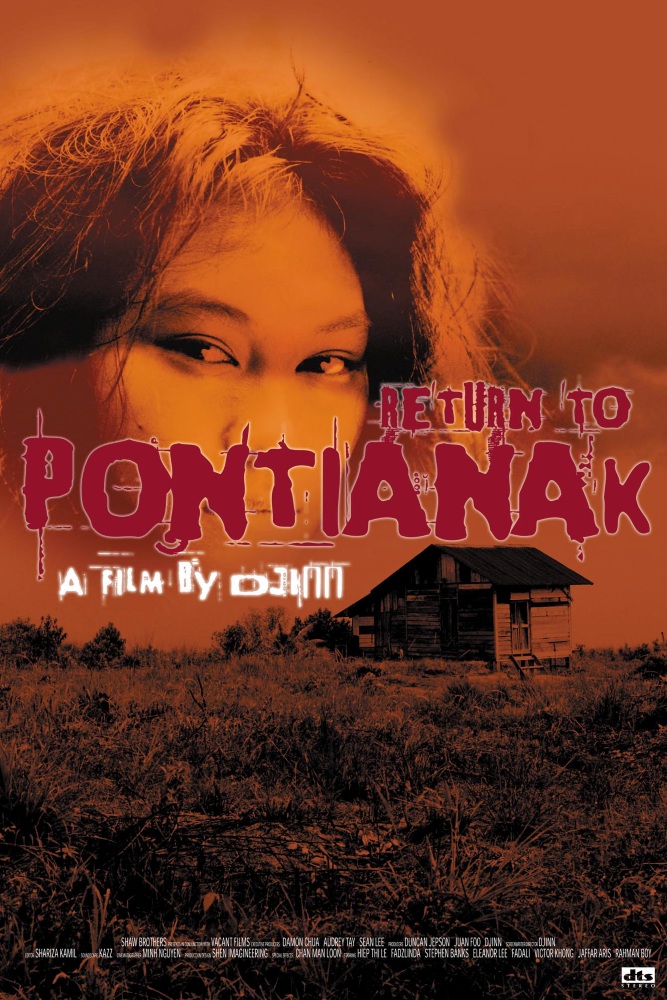
Singaporean film about tourists experienced haunted spirits in the jungle, this owes much to The Blair Witch Project
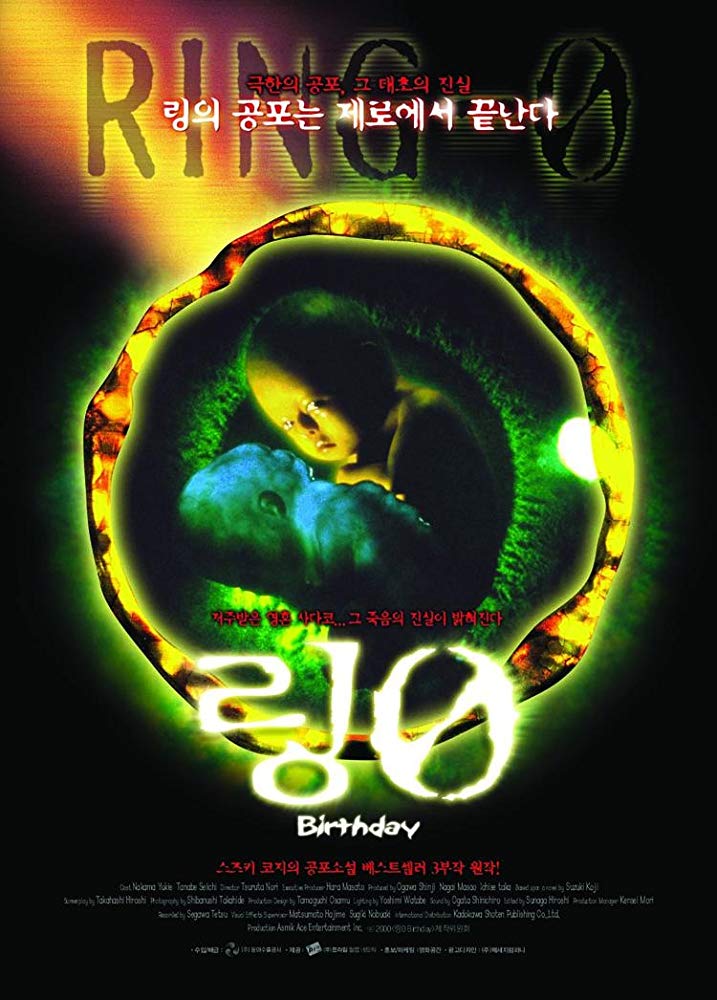
The third of the Japanese Ringu/Ring films. A new director means a different approach but what also becomes apparent is that the original was never intended as a series and the attempts to further draw it out result in a confusing mishmash of ideas
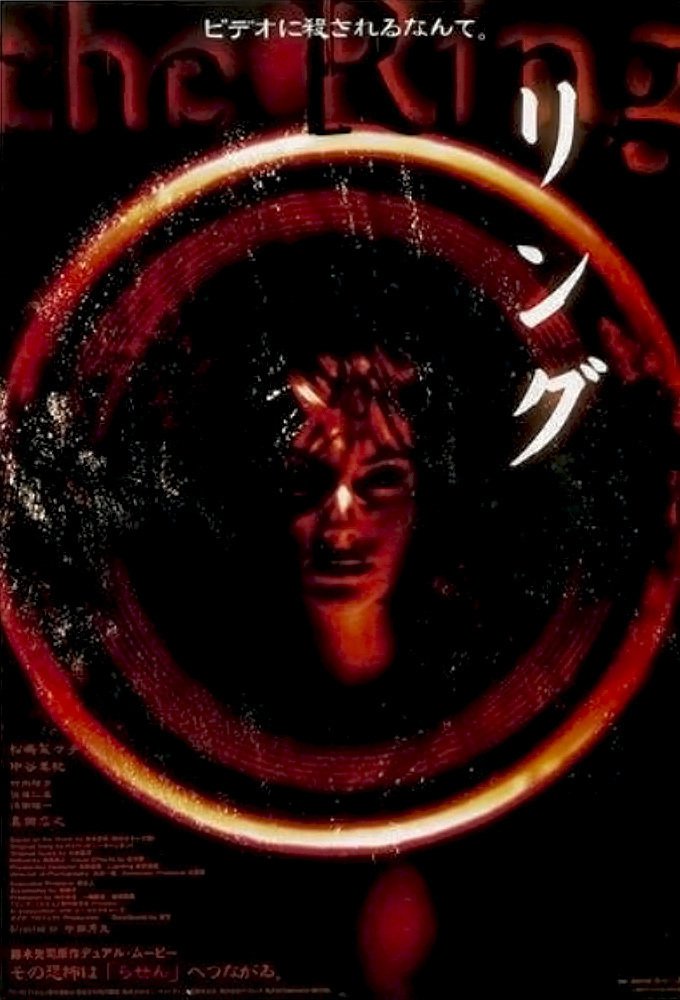
Kaidan eiga (Japanese ghost story) that was a huge hit, spawning several sequels and an English-language remake, plus a horde of imitators. For all its reputation, the film is often crude, nevertheless does evince an eerie atmosphere
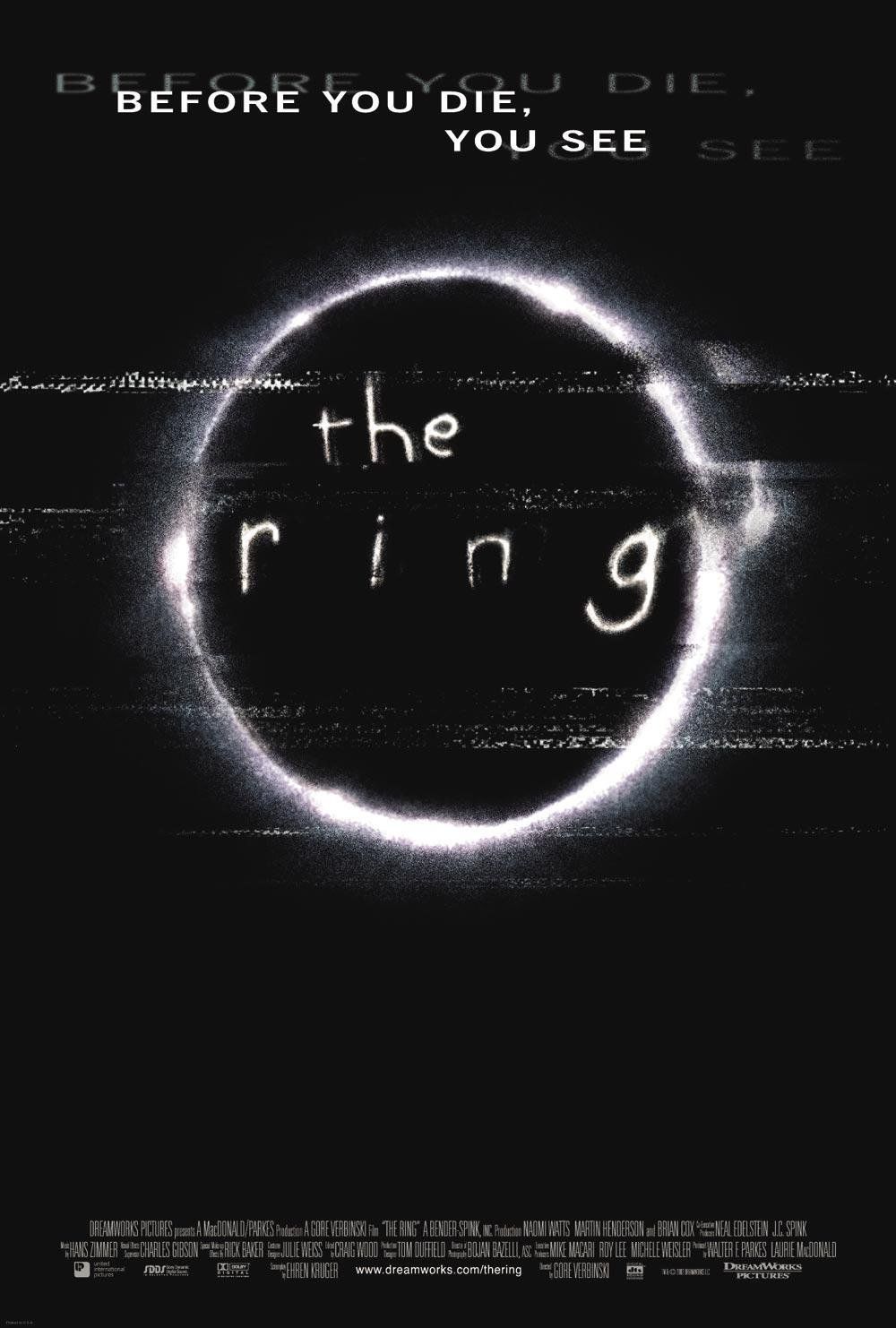
This is the English-language version of the Japanese horror Ring and actually a much better and far spookier film, where the new script gives the story more depth

The second of the Japanese Ring/Ringu films where director Hideo Nakata improves over the original with a series of eerie scares if a frequently incomprehensible mishmash of story ideas
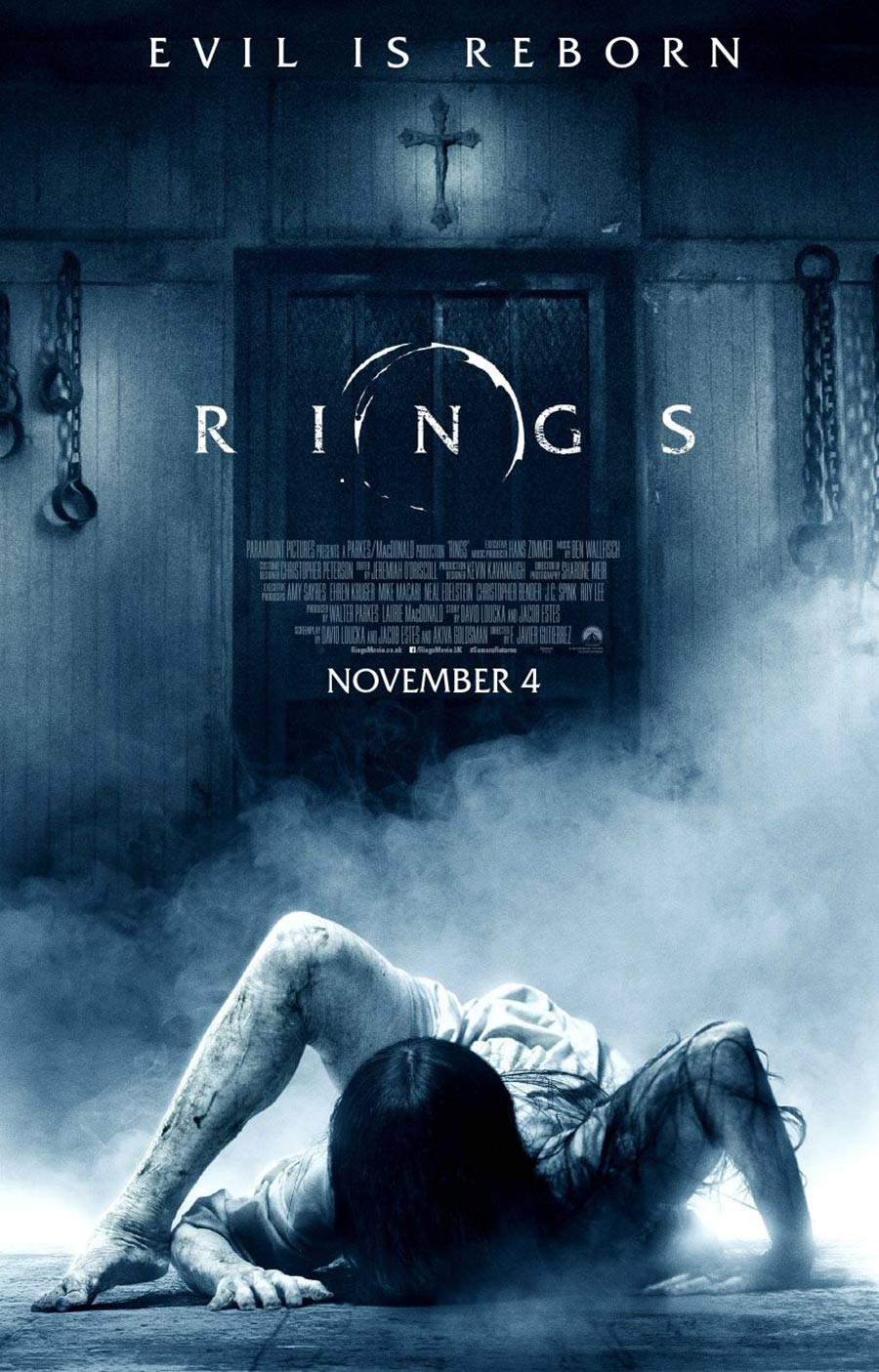
The question you ask going in is after seven Japanese films and a tv series, a Korean film and two previous English-language films, what is left for filmmakers to wring out a third American The Ring film? The answer seems to be not much – just a rehash of the basics for the 18-25 crowd

This was the eighth of the Ring films. This is made as a sequel to the earlier Sadako 3D, the worst of the Japanese series, although is actually a better film

The original Ring was a classic, an eerie ghost story that was a success that spawned a series of copies right around the Asian region. Here the Ring cycle has been rebooted in a heavy letdown that abandons all of the creepy atmospherics of the original for a series of pop-up CGI effects

The thirteenth film in the Ring/Ringu franchise. The question is whether the return of original director Hideo Nakata to the franchise can revitalise the series

The two most popular Japanese horror franchises come together to fight it out. Both series work on the provision of intensely uncanny effect but brought together the result is diluted at best
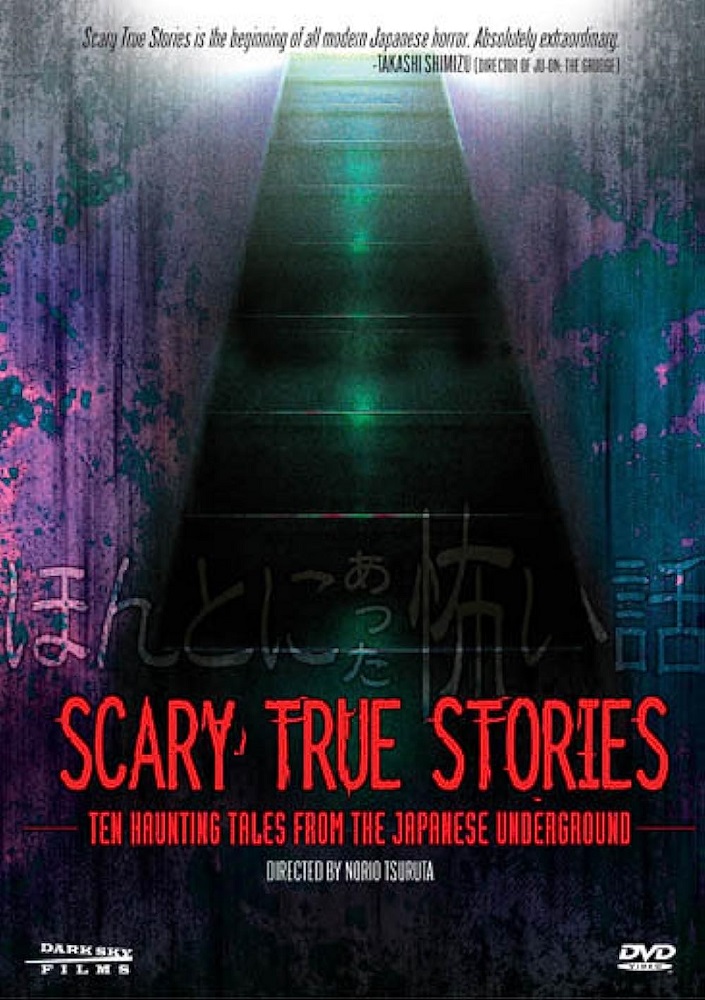
A trio of Japanese tv movies that retell supposedly true life ghost stories
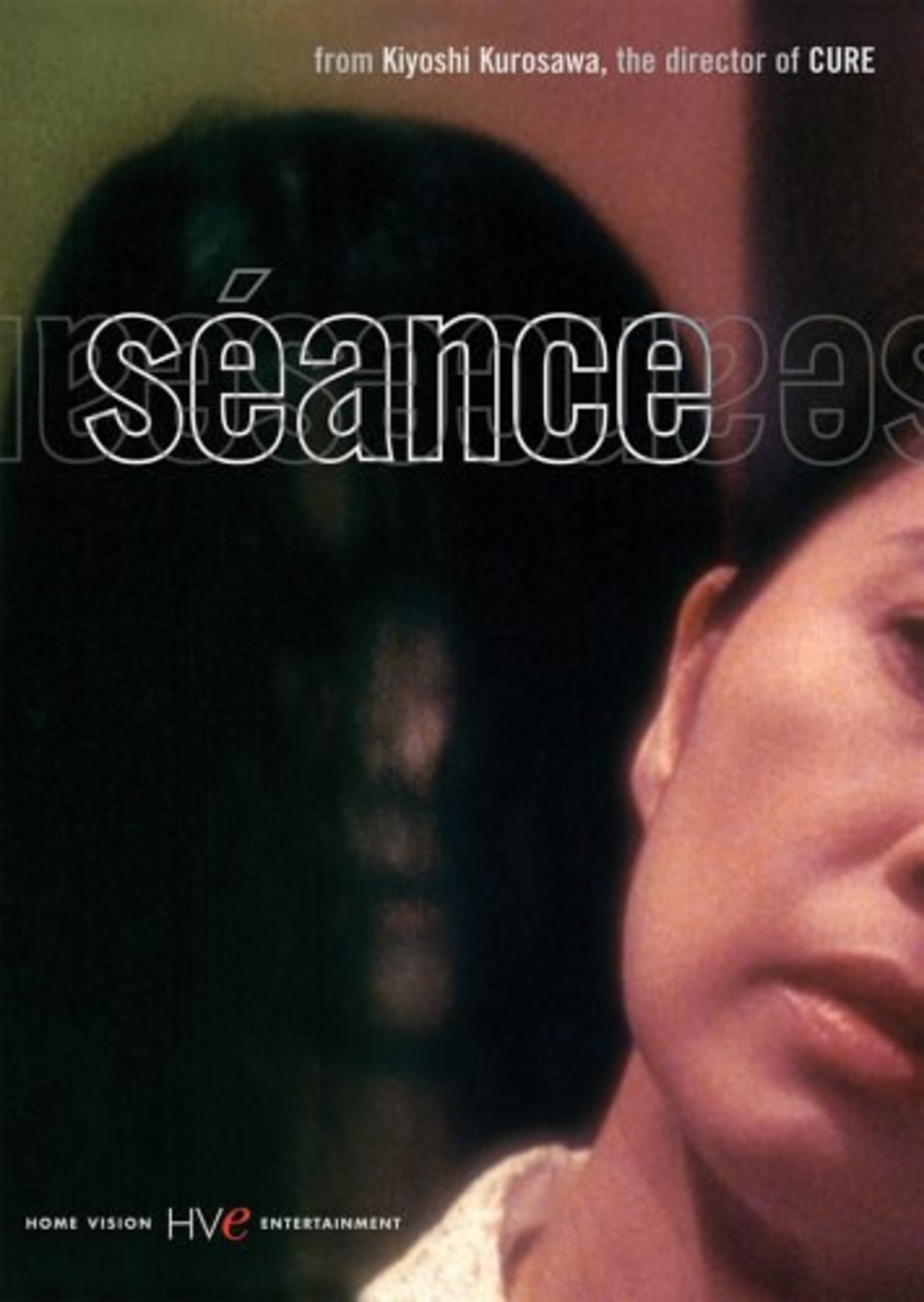
Japan’s Kiyoshi Kurosawa conducts a remake of the British thriller Seance on a Wet Afternoon. Where the original was a mundane film that depicted a kidnap scheme involving a fake medium, Kurosawa builds this out as an actual ghost story

South Korean monster movie set that only rehashes the cliches set down by Alien/Aliens. On the plus side, the CGI monster looks great and there are some particularly imaginative set-pieces with it but the film is at best only a rehash of Deepstar Six on an oil rig
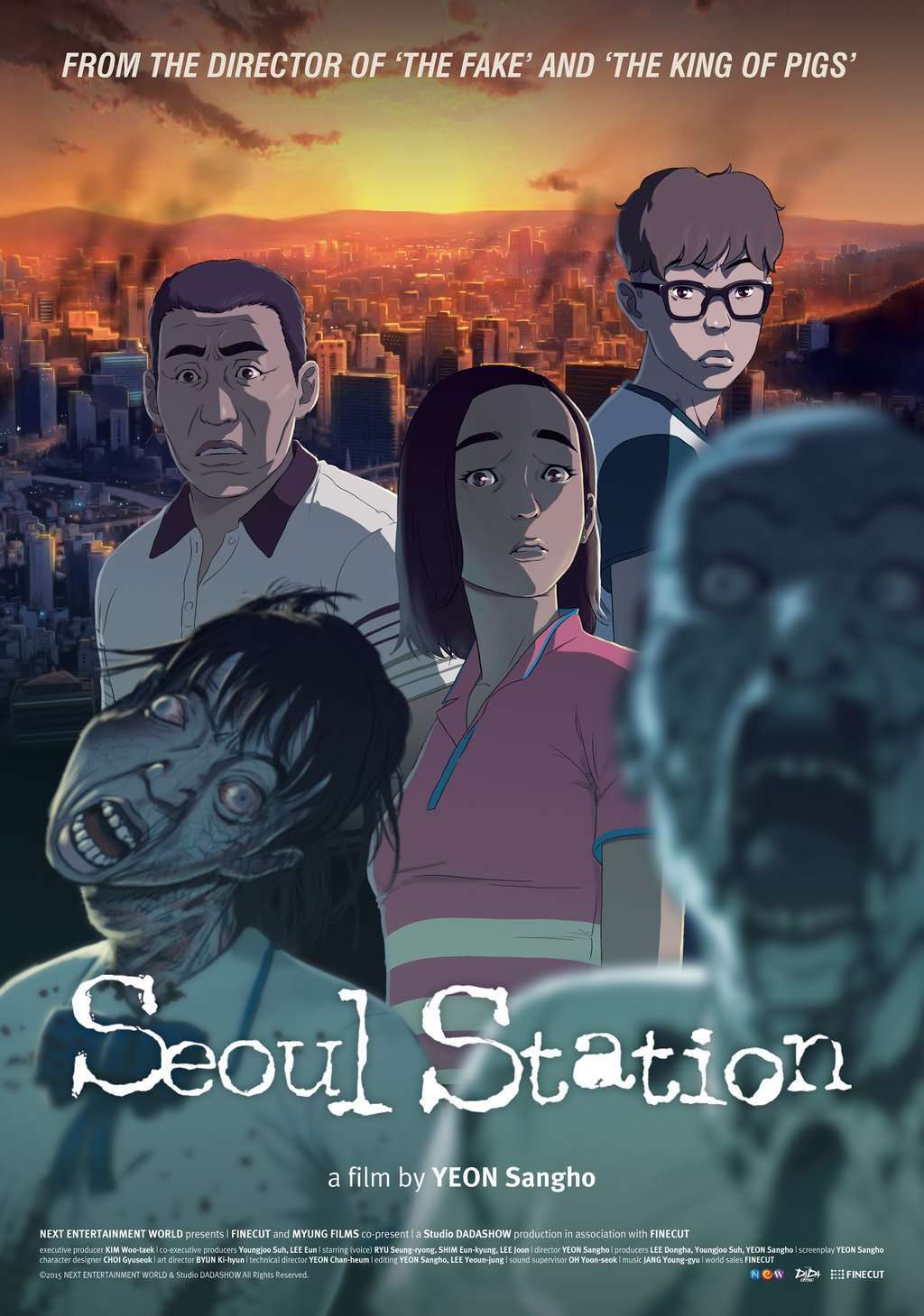
Train to Busan was a massive breakout hit from South Korear. Overlooked in the buzz was this animated prequel from the same director released at the same time. The zombie film and animation are an uneasy mix but this works well, if not with the same kick as Train to Busan
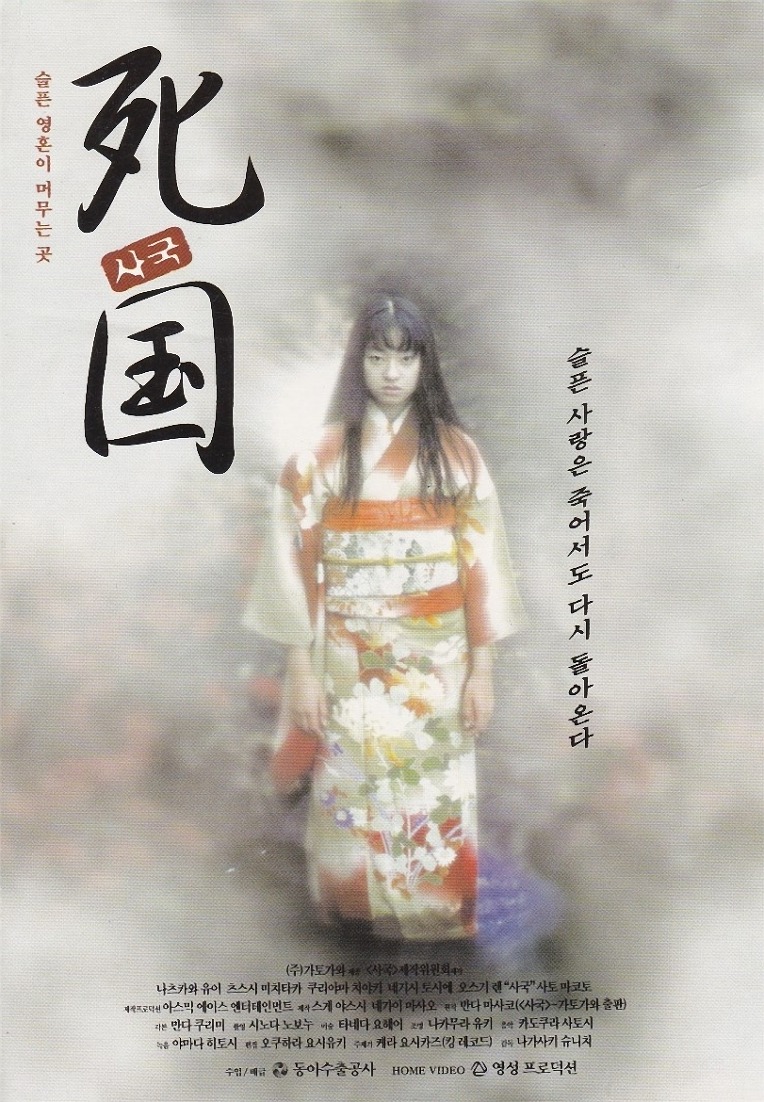
Spookily effective Japanese ghost story about a mother’s pilgrimage around a series of shrines to raise her daughter’s spirit from the dead
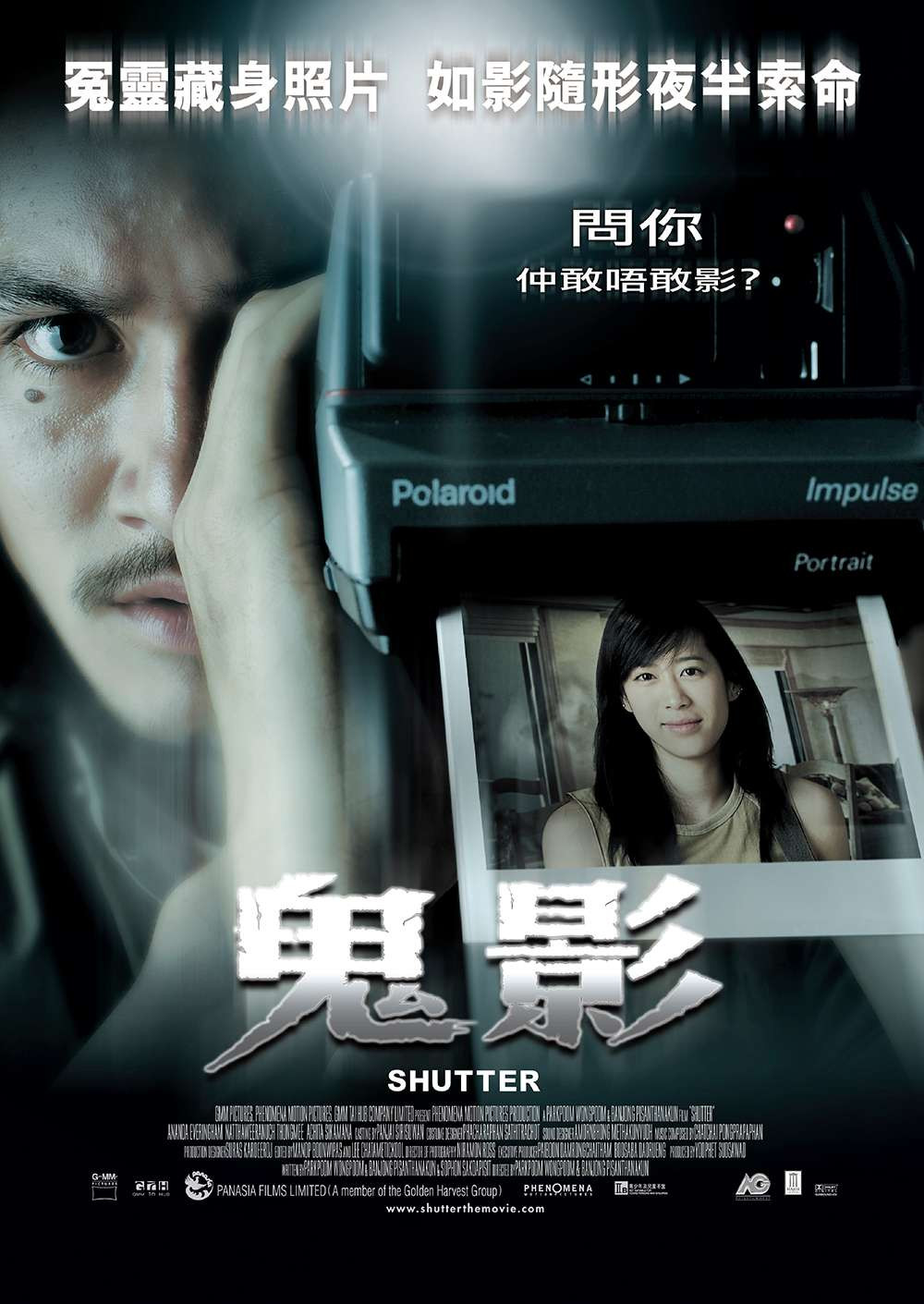
A Thai ghost story that later underwent a lesser Hollywood remake, this generates quite a degree of atmosphere in the story of a photographer who is haunted by a ghost girl who appears out of his photographs
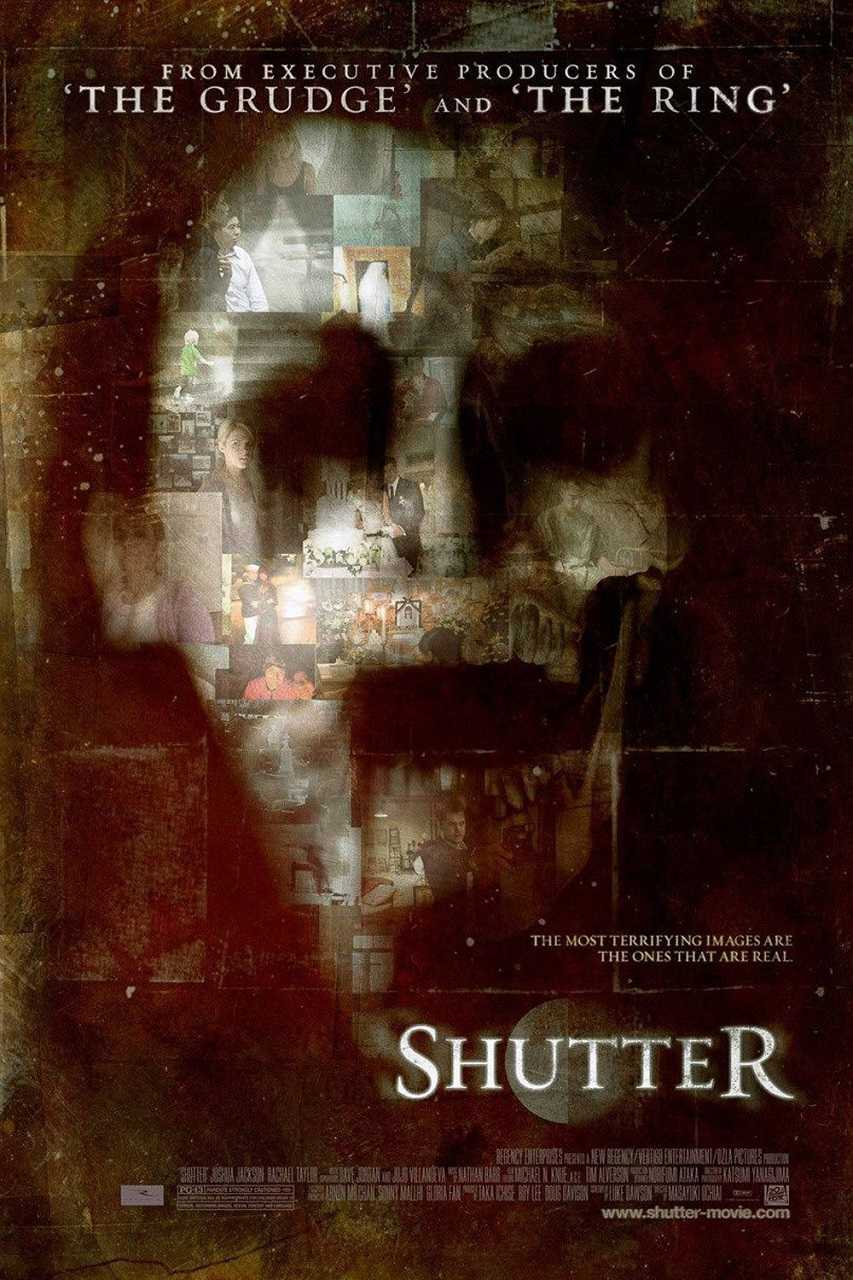
An English-language remake of a Thai horror film about haunted photographs. Another by-the-numbers remake that is a pale shadow of its original
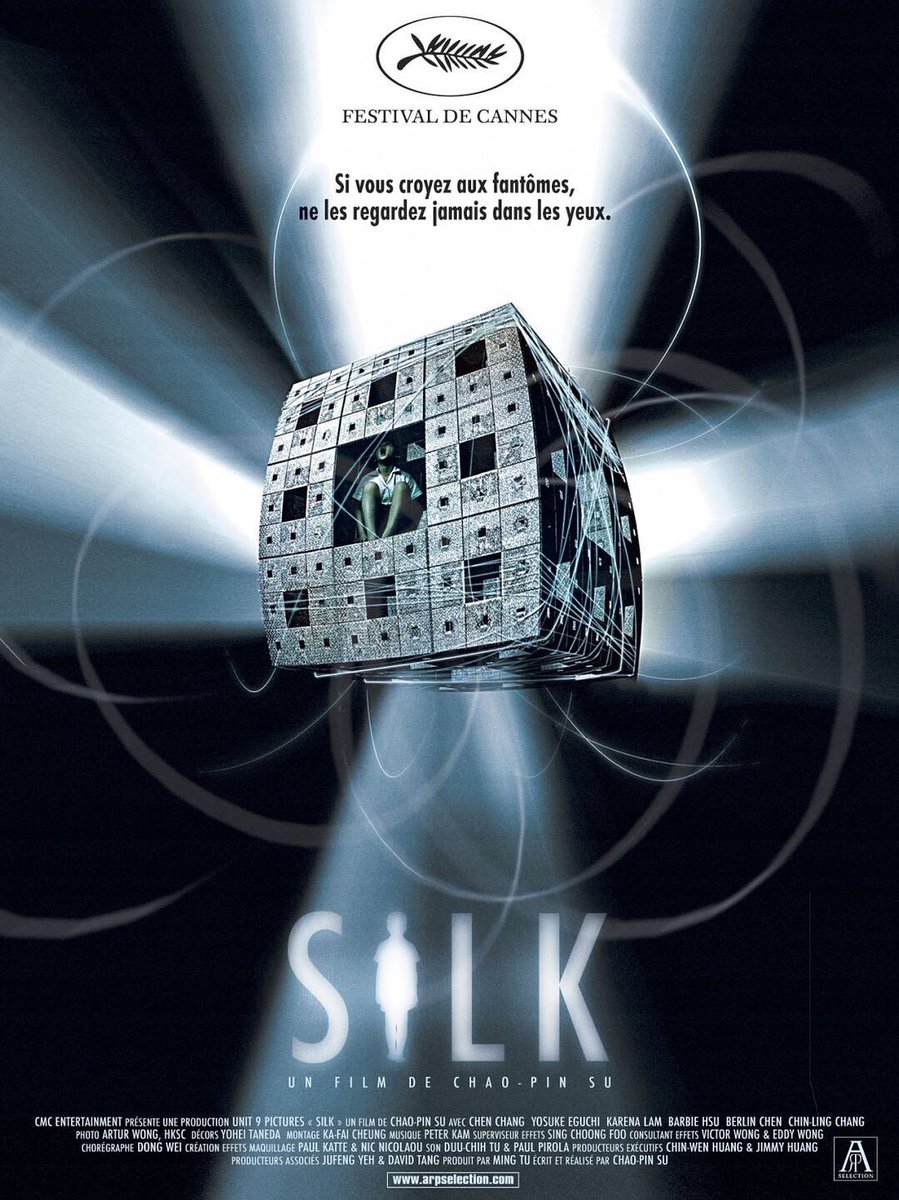
Fascinating and original Taiwanese film about scientists investigating a haunted house and employing various methods to trap the ghosts
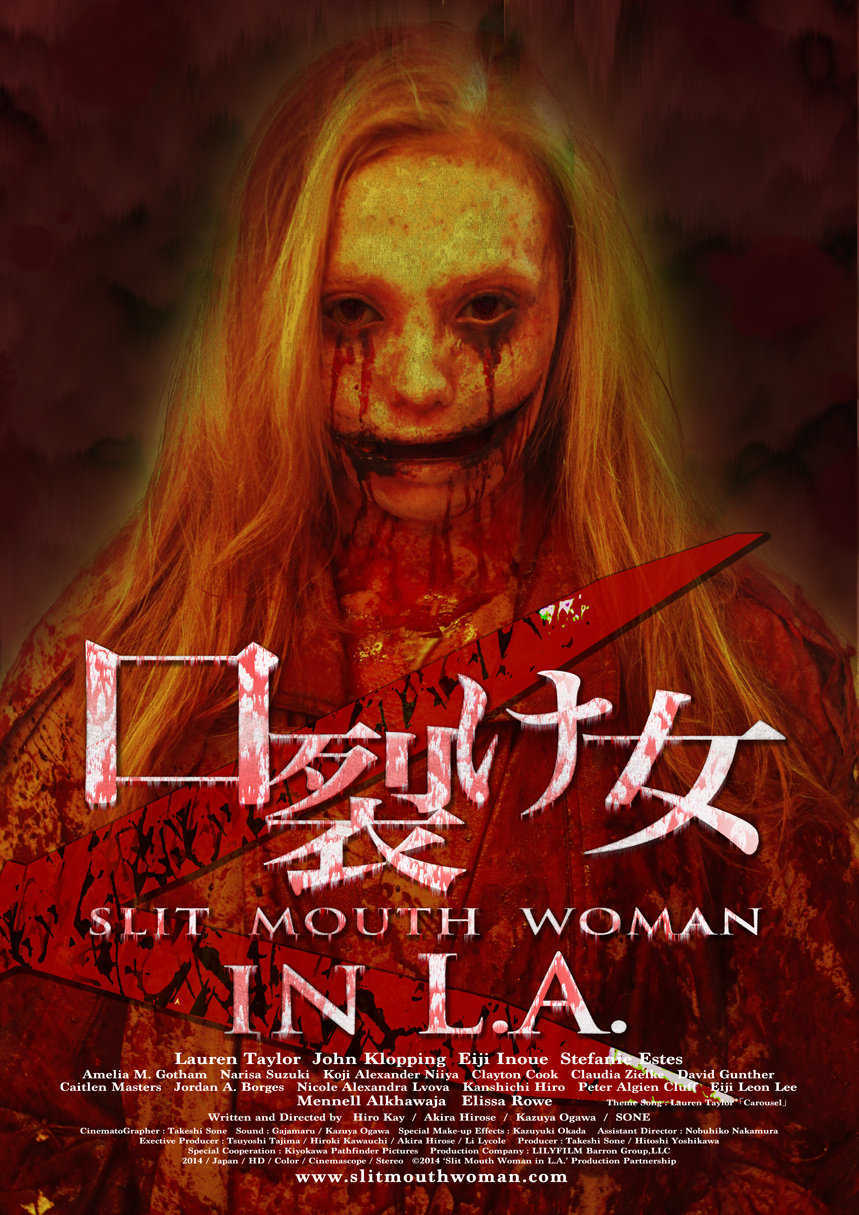
Another version of the popular figure from Japanese urban legend, which has appeared in a number of films. This is an anthology where four Japanese directors have come to L.A. to shoot a series of strictly average short horror tales, not all of which feature the Slit Mouth Woman
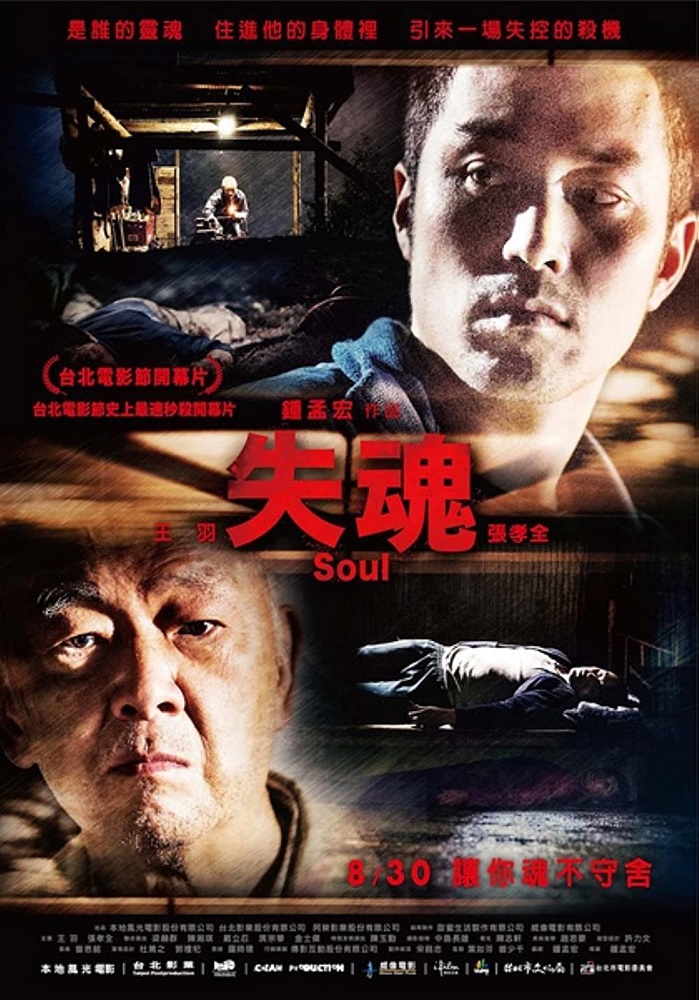
Taiwanese horror film about an elderly man who finds another soul is inhabiting his son’s body. A very different sort of possession story. While the horror element peters out in its third act, the film creates a very mysterious atmosphere and a series of tight thriller tensions and complications
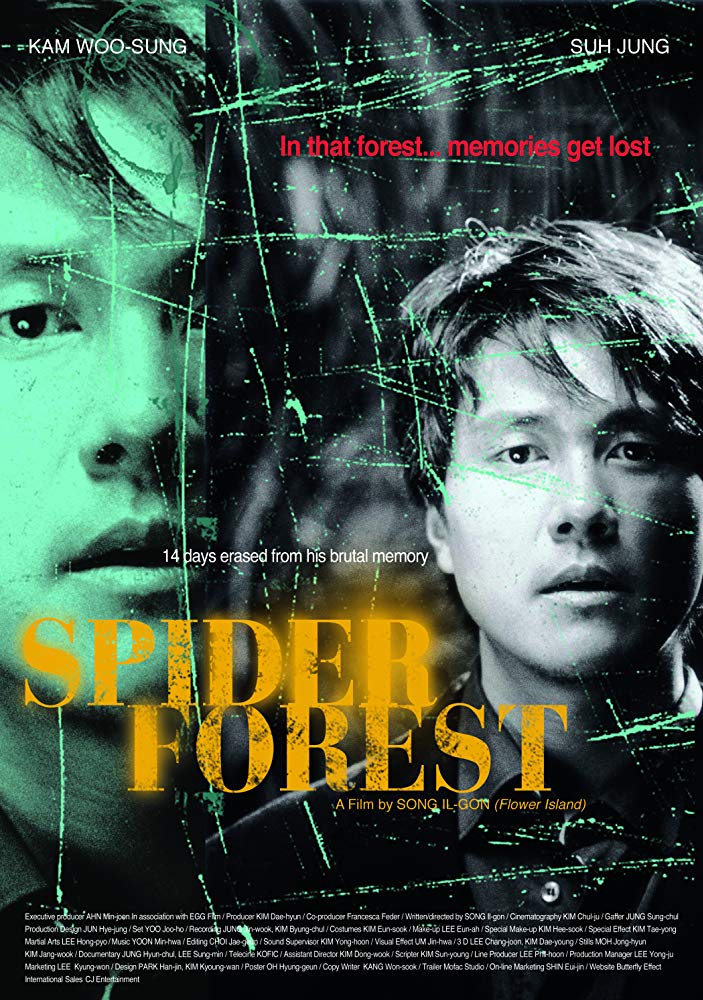
South Korean horror film that feels like The Sixth Sense crossed with the enigmatic games of Don’t Look Now. The film takes place in a cryptically baffling mandala of dreams, hallucinations and possible deathdream that eventually proves rather absorbing
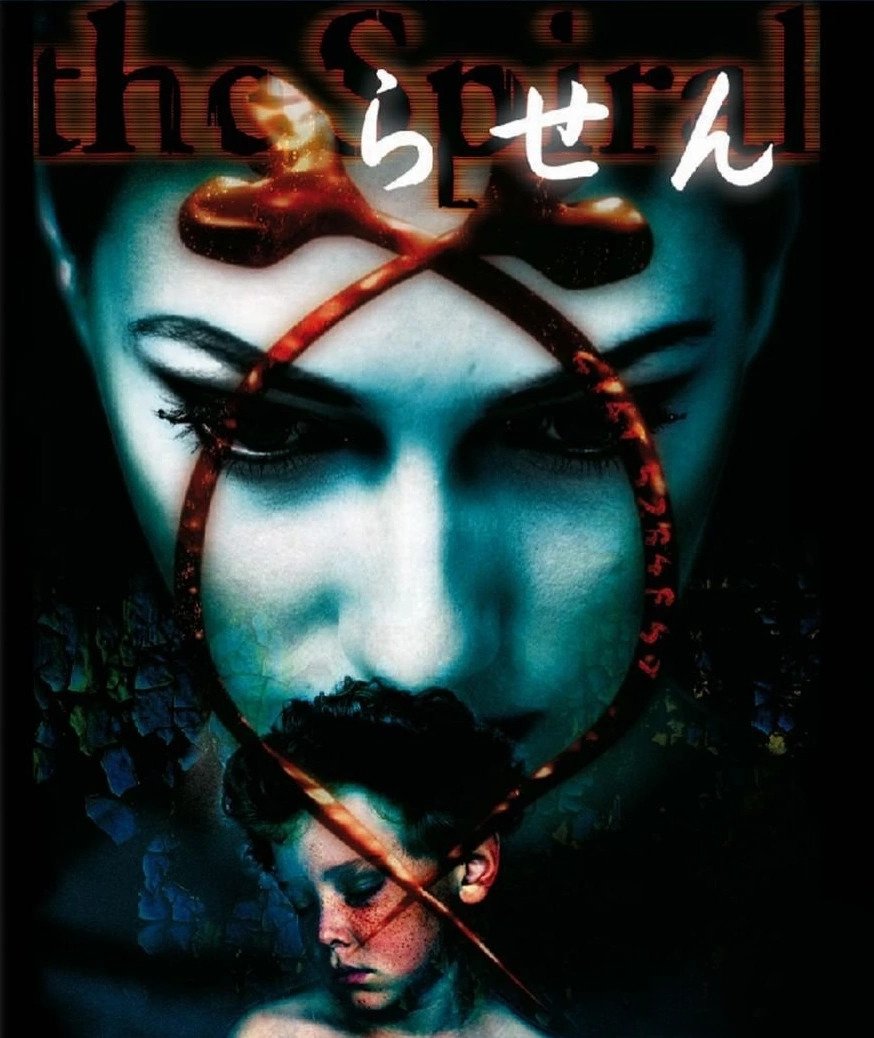
The black sheep among the Japanese Ringu films. A sequel released the same time as the first film, this lacks the other’s uncanny atmosphere and was ignored
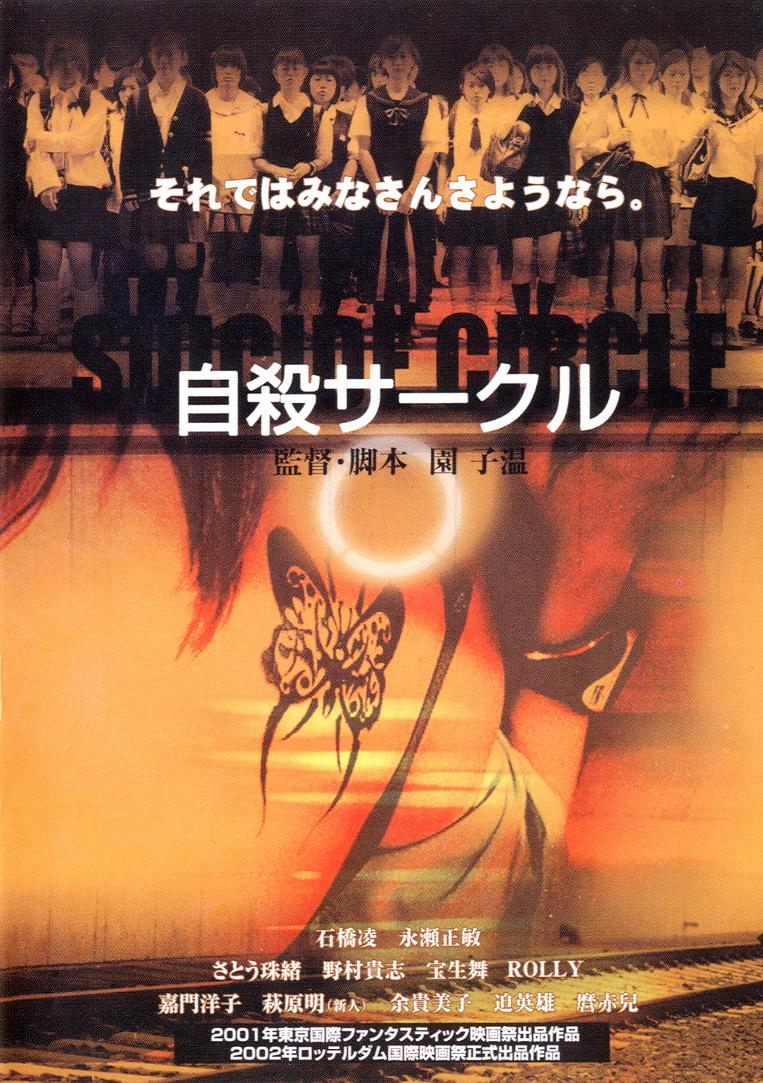
Japanese horror film that launched the name of Shion Sono and is attention grabbing but proves an unfathomable mix of mass suicides, mysterious websites that predict deaths and a pop band seemingly controlling it all
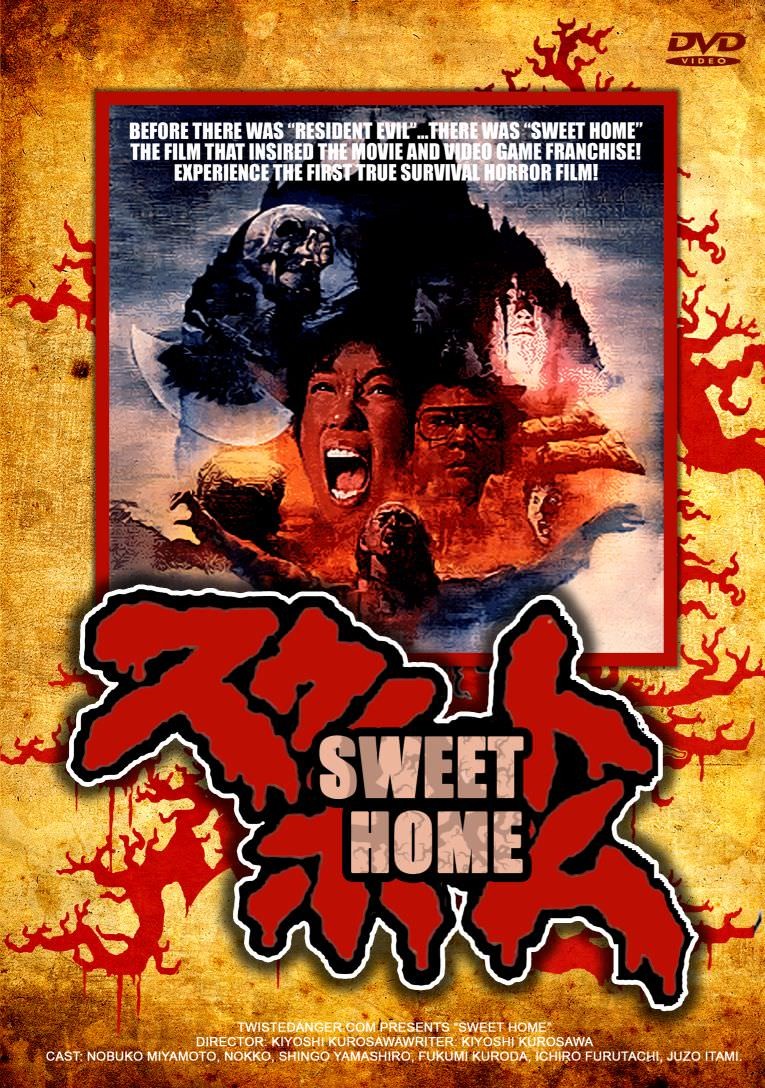
Japan’s Kiyoshi Kurosawa has developed a reputation for his intensely uncanny and deeply unfathomable horror films. This is one of his earlier works, a much more straightforward haunted house film that in its more bizarre moments attains the whacked-out dementia of the cult Japanese film House

A South Korean ghost story that achieves quite a degree of spookiness, albeit influenced by the Japanese Ring phenomenon, although things fall apart at a confusing twist ending
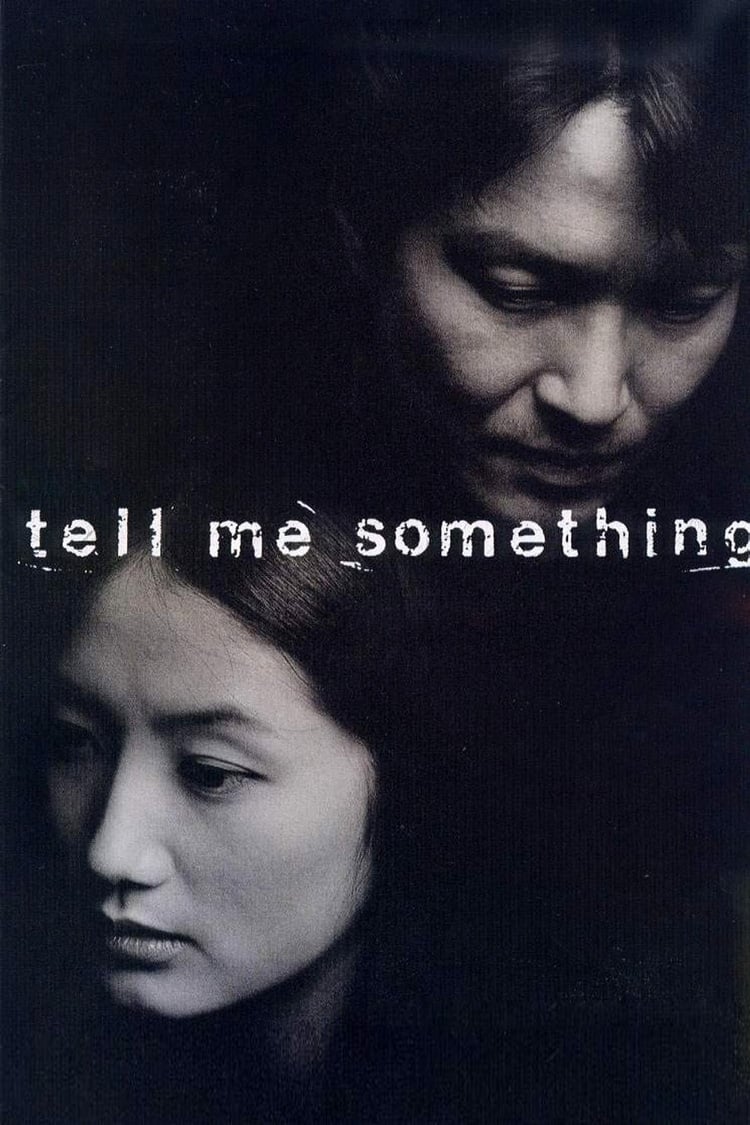
Essentially a South Korean version of Se7en with police tracking a killer dumping severed body parts around the city, all of which lead to a mystery woman
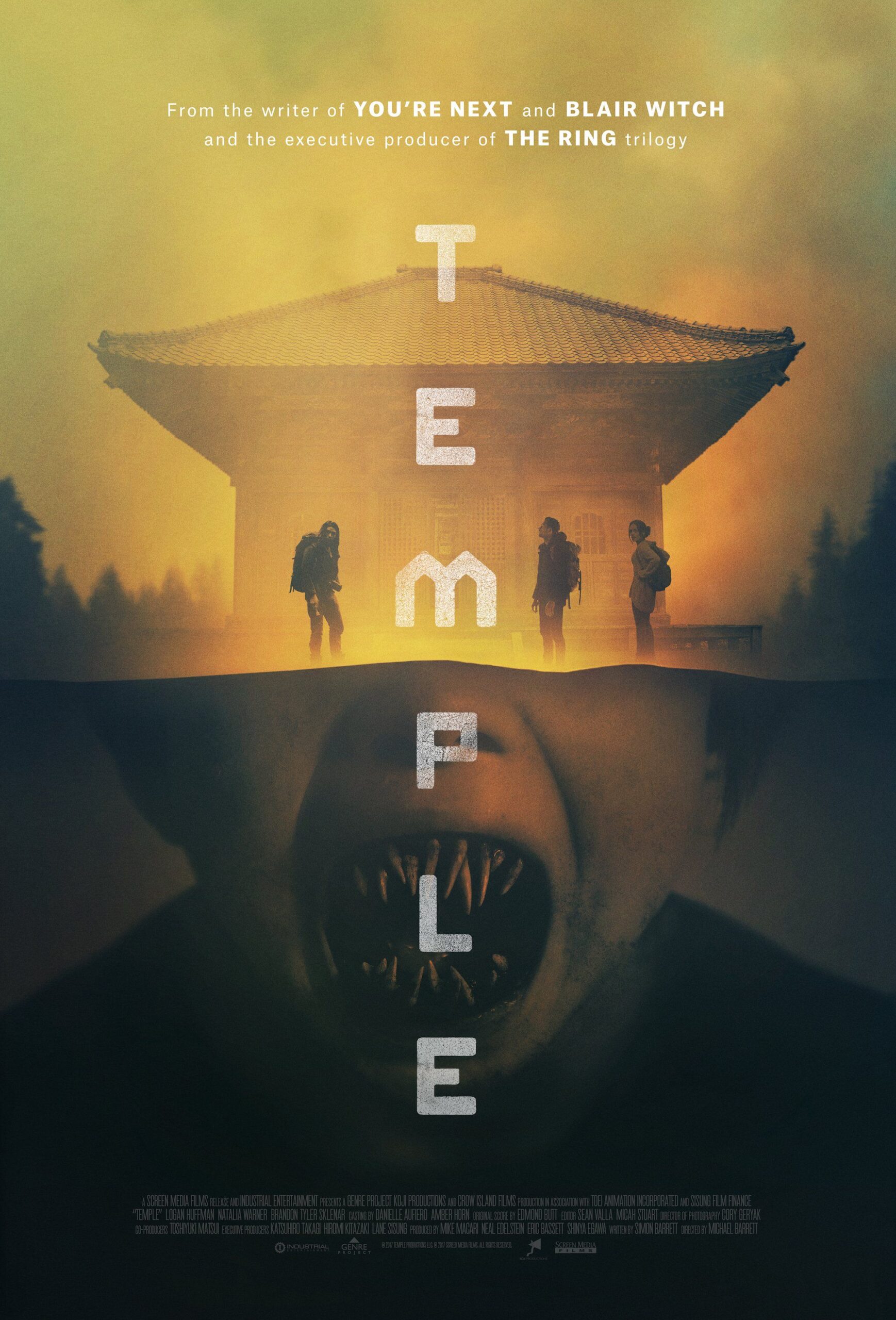
The kaidan eiga or Japanese ghost story has a fine tradition on screen and there are some excellent films. The Western-made Japanese ghost story is a far less successful prospect. This is one effort concerning three tourists who travel to a haunted Japanese temple
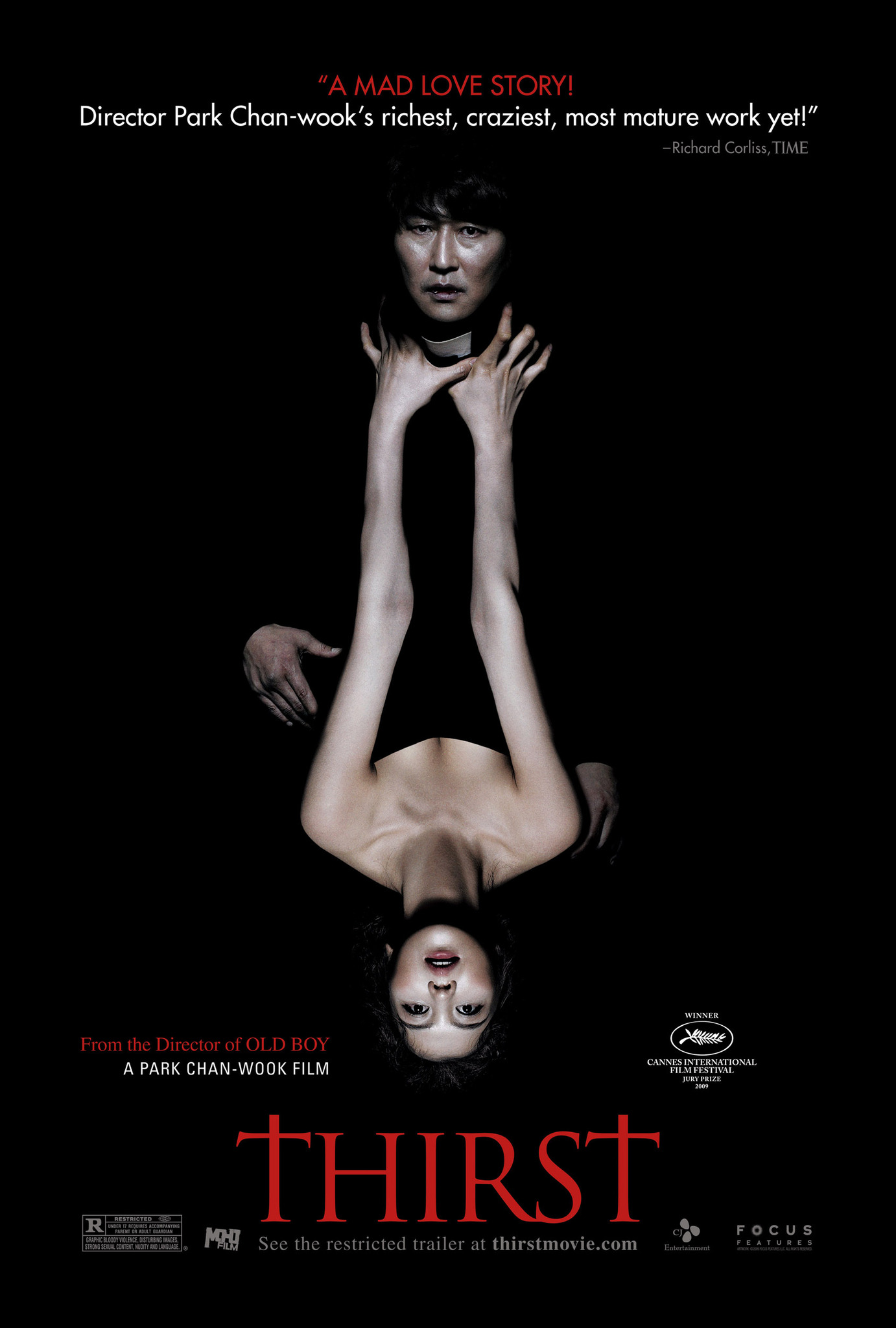
Park Chan-wook film in which he rewrites the French literary classic Therese Raquin with the addition of a vampire priest with most effective results
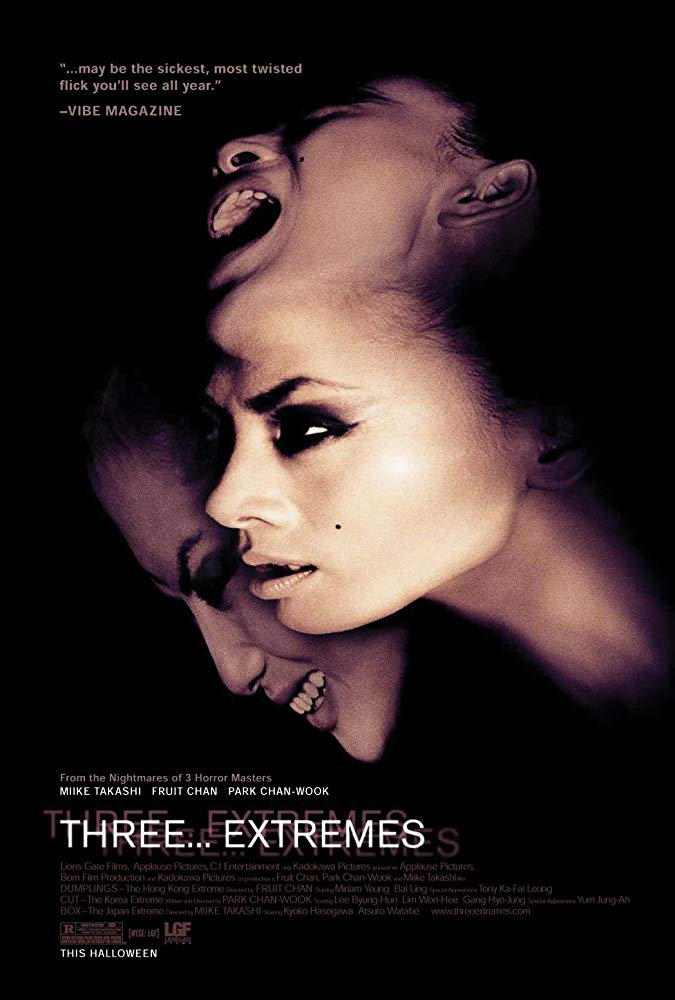
Standout horror anthology designed to highlight episodes from three Asian directors – Hong Kong’s Fruit Chan, South Korea’s Park Chan-wook and Japan’s Takashi Miike – all of whom are on top form

A horror anthology featuring episodes from three Asian directors originally titled Three. The better known Three … Extremes was a sequel whereupon this was retitled and re-released as Three Extremes II
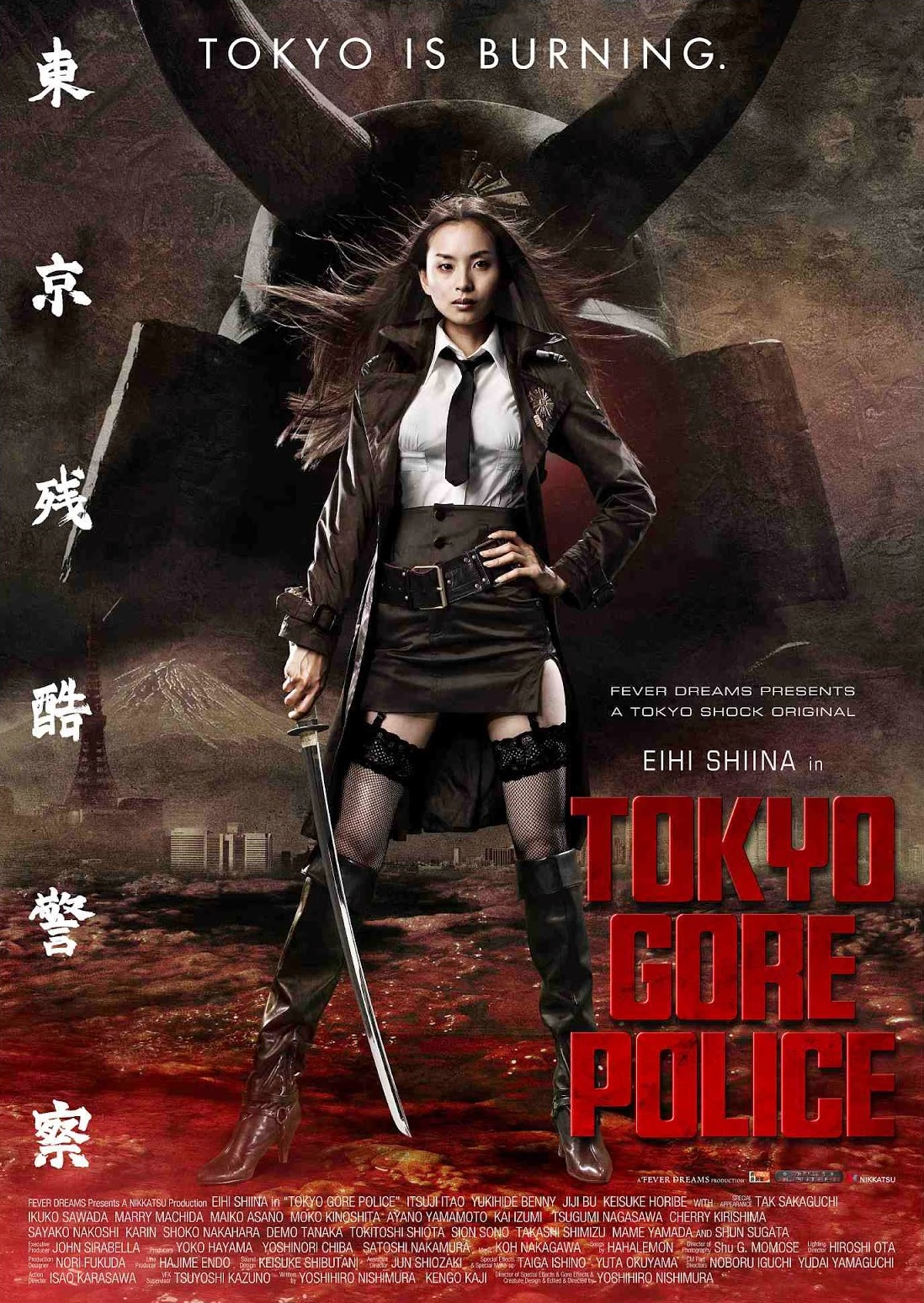
One among the 00s spate of gonzo Japanese splatter films. The film exists as a series of outlandishly over-the-top and absurdly entertaining splatter and bizarrely cartoonish bio-mechanoid transformation
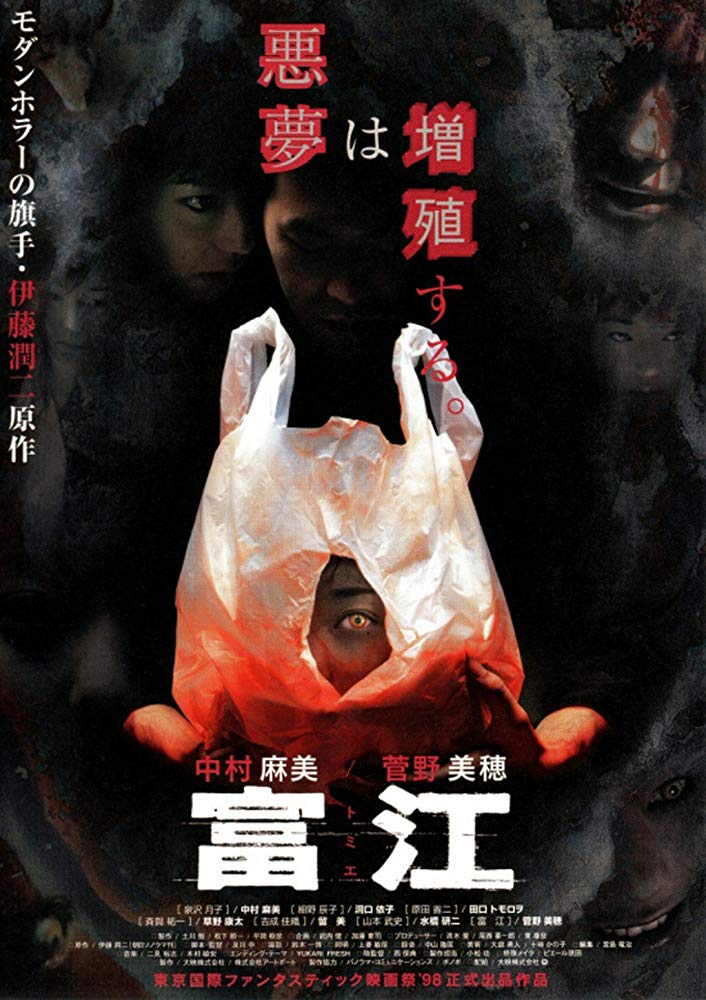
Another Japanese horror film that stands heavily in the shadow of Ringu. Directed without much style and often uninteresting to the point of being dull, it is hard to tell from this that you are watching a film that inspired eight sequels
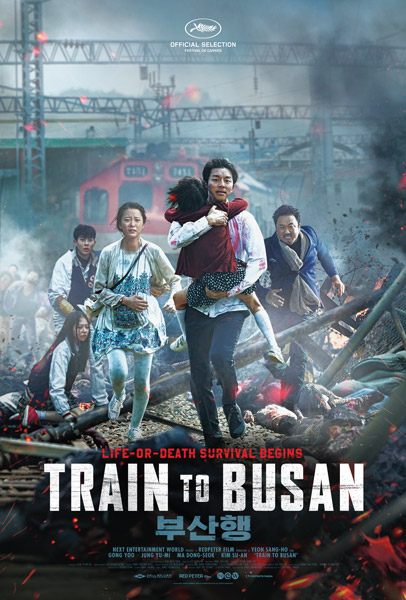
The zombie film has become an overworked vein in the last few years. This South Korean film does nothing to reinvent it, just contains the drama aboard a train but manages to create a grippingly intense epic of the genre

Classic Japanese kaidan eiga (or ghost story). Made not long after Akira Kurosawa’s new realism in Japanese cinema, this comes with a superb formalism as it slowly moves over into the supernatural

One of the spate of South Korean ghost stories that came out in 2000s. While made with undeniable directorial style, the two hour running time drags and the plot is often unclear what is happening

The Hollywood remake of the South Korean ghost story A Tale of Two Sisters that waters down and reduces the effectiveness of the original to generic shocks
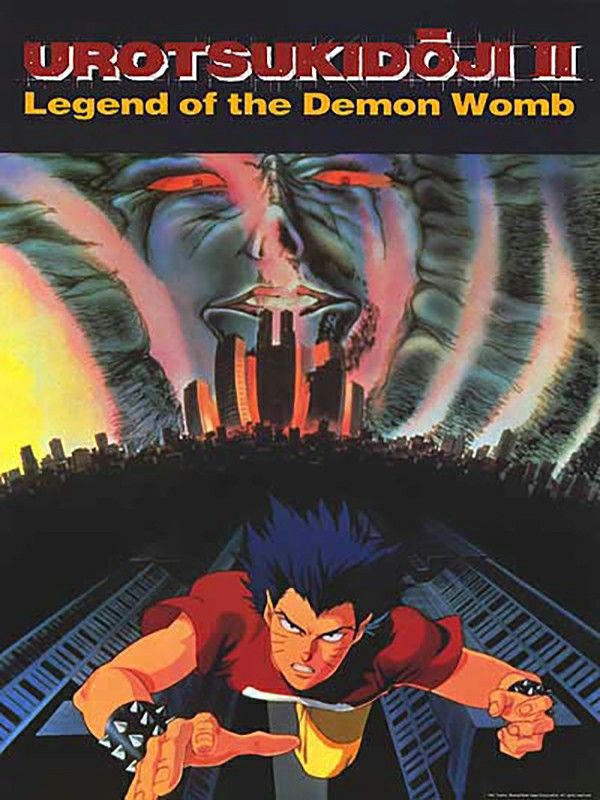
The first of two OVA sequels to the anime classic Legend of the Overfiend, this lacks the perverse imagery of the original
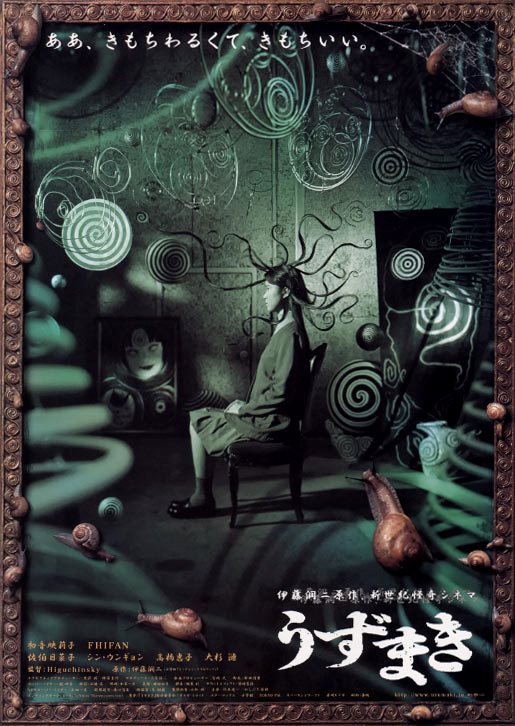
Surreal Japanese horror film in which the world is taken over by spiral patterns. A strange and trippy film.

Rather drab and cheap Japanese horror film about a disfigured actress who returns to life as a hairy vampire creature to exact vengeance. Not without its schlocky appeals, the hairy vampire bride looks more funny than threatening

Completely insane Japanese film that wades in gore while playing everything up at a level of demented cartoonish absurdity. Possibly the most delirious movie-watching fun it is possible to have

Cult anime about a monosyllabic vampire hunter moving across a hallucinatory post-apocalyptic dispatching mutants and vampires

Yoshiaki Kawajiri, director of Ninja Scroll and Wicked City, steps in to make a sequel(?)/reboot(?) to the cult 1985 anime with visually enthralling regard
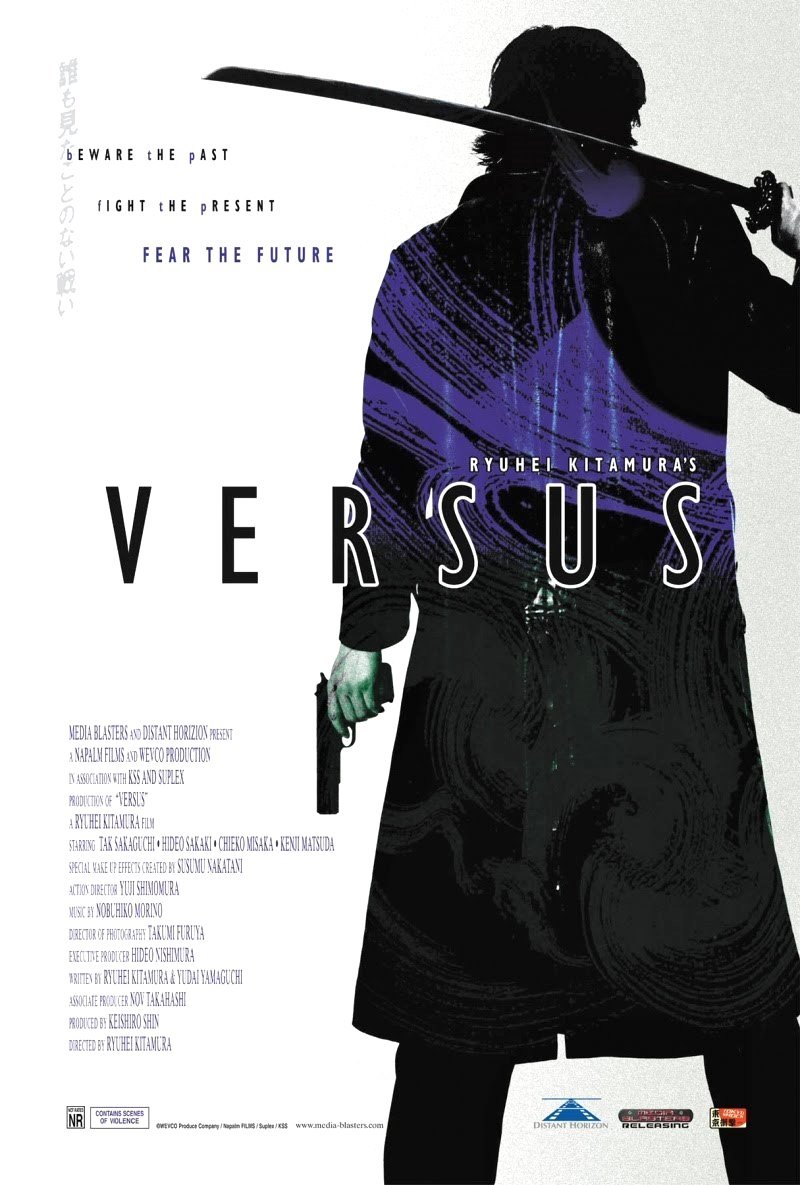
The directorial debut of Ryuhei Kitamura. A film premised on the idea of mashing the John Woo-styled gangster film up with the gore-drenched George Romero zombie film.

South Korean horror film that generates a more than effectively creepy atmosphere. The downside is that you reached the end of the show with no clear idea what is going on and why things are happening
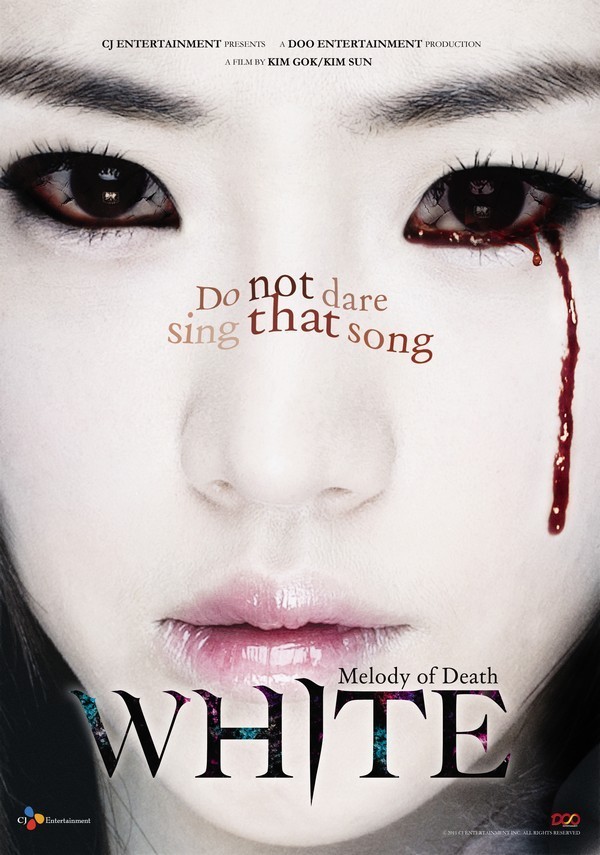
Another South Korean copy of Ring with haunted pop songs instead of tv broadcasts. This offers interesting insight into the K-pop phenomenon but nothing particularly standout in the way of scares
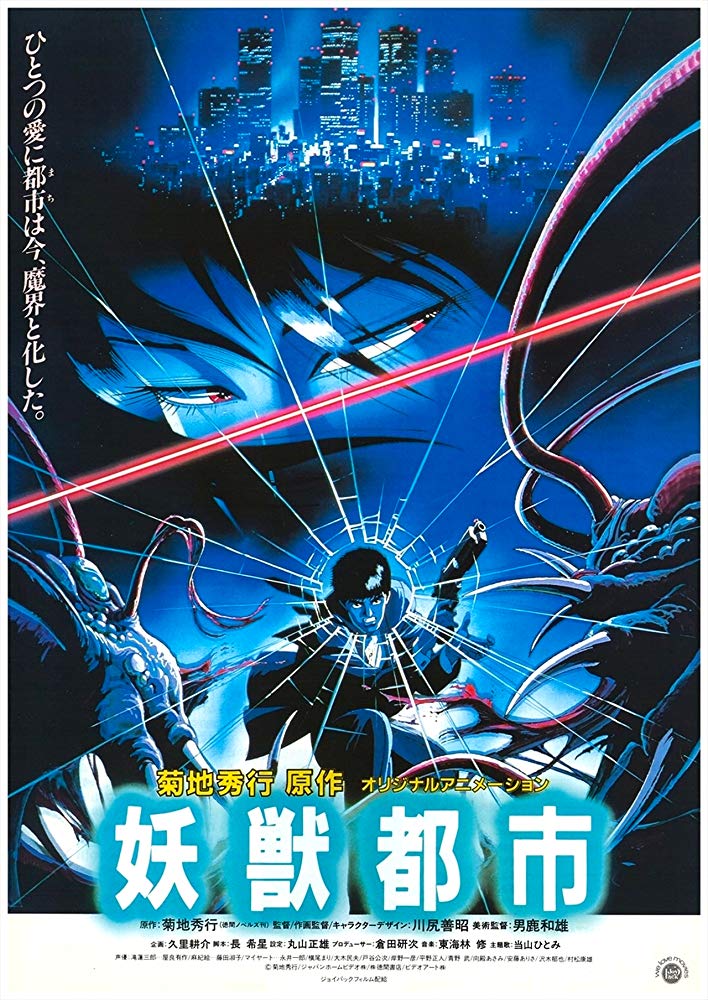
Anime from Yoshiaki Kawajiri about a war with a demon dimension that falls halfway between H.P. Lovecraft and a hard-boiled detective thriller and brims over wit fascinatingly pathological sexual imagery
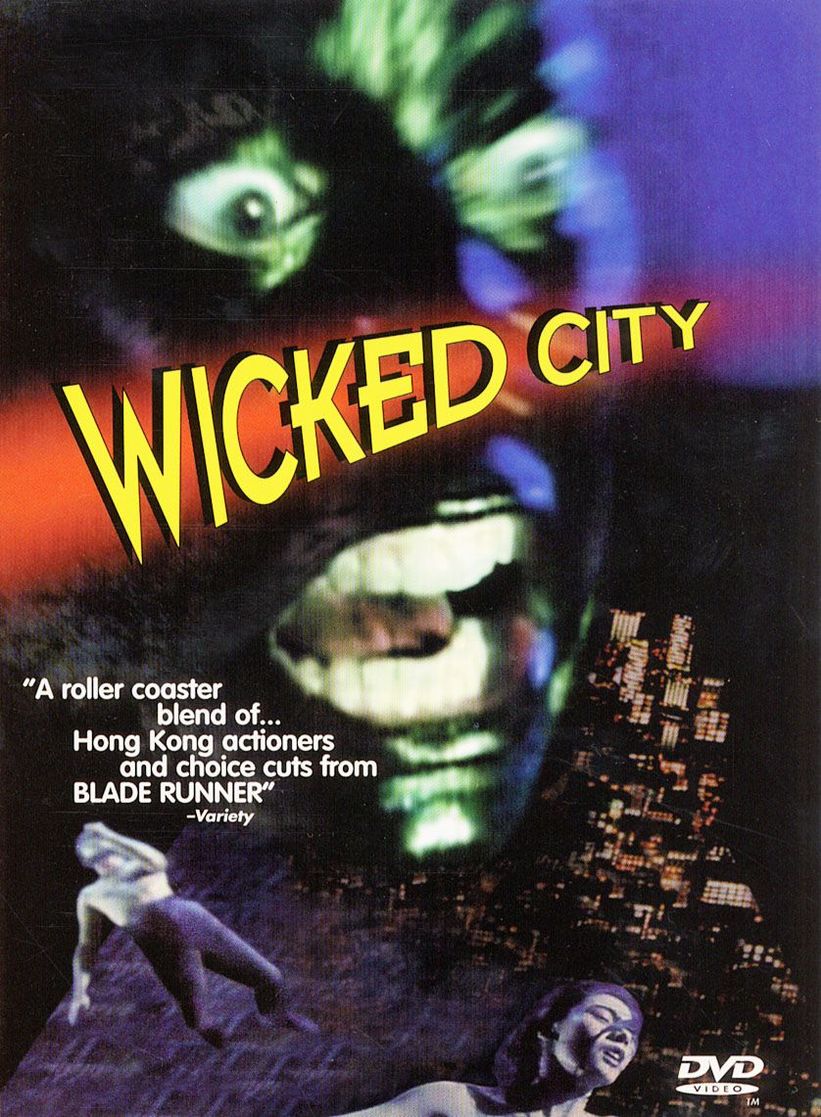
Live-action version of a manga that was previously made as an anime. This Hong Kong-made version is the lesser, lacking the perverse sexual imagery of the anime. It does feature the wildly fantastical action scenes typical to HK fantasy of this era but this has been conducted on a low-budget and looks rubbery (*)
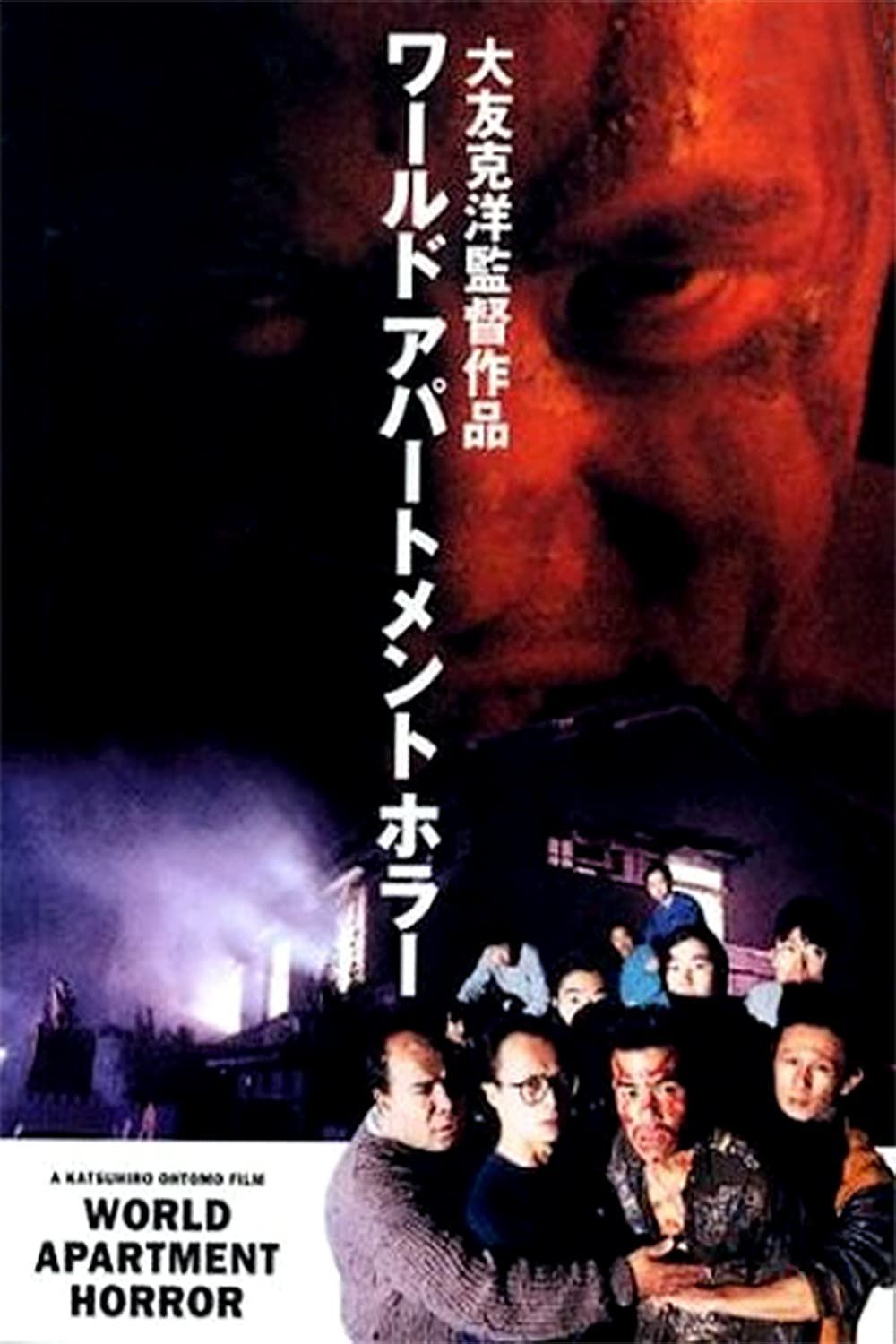
After making the groundbreaking anime Akira, Katsuhiro Otomo then chose to direct this oddity – a live-action comedy about a frustrated Yakuza enforcer trying to evict an apartment of foreigners that turns into a horror film in its last third
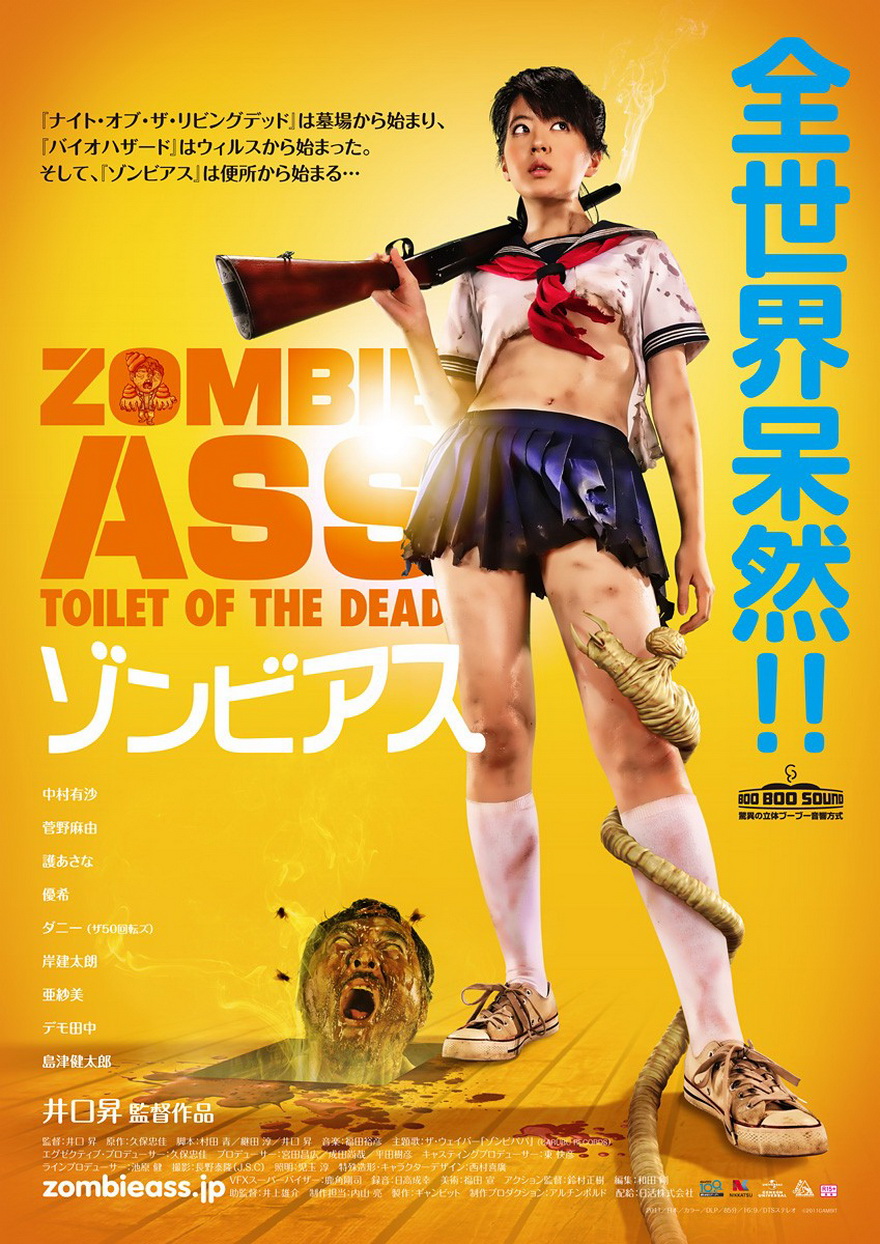
Completely insane gonzo Japanese horror that feels like it is made by a mad scat fetishist involving parasites that emerge out of people’s asses. The film is driven by its outrageously perverse imagery but for all that is haphazard and incoherent when it comes to explanatory rationale

A rather charming South Korean comedy about a family who try to exploit the commercial aspects of having a tame zombie