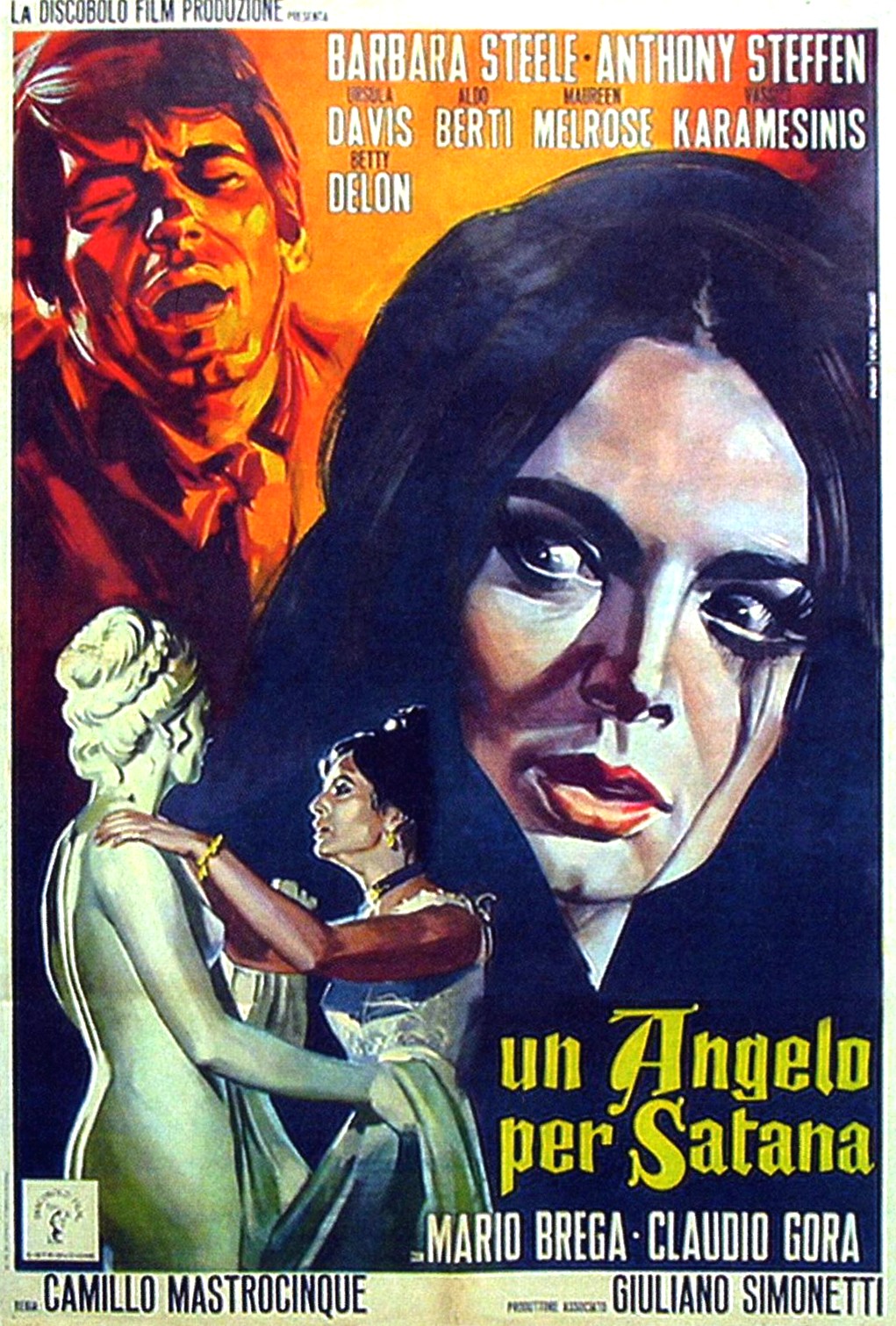
An Angel for Satan (1966)
A small masterpiece of 1960s Italian Gothic cinema. Exquisitely moody black-and-white photography with Barbara Steele as the ideal of a Gothic dominatrix twisting men around her finger and setting a town against itself
The Science Fiction Horror and Fantasy Film Review
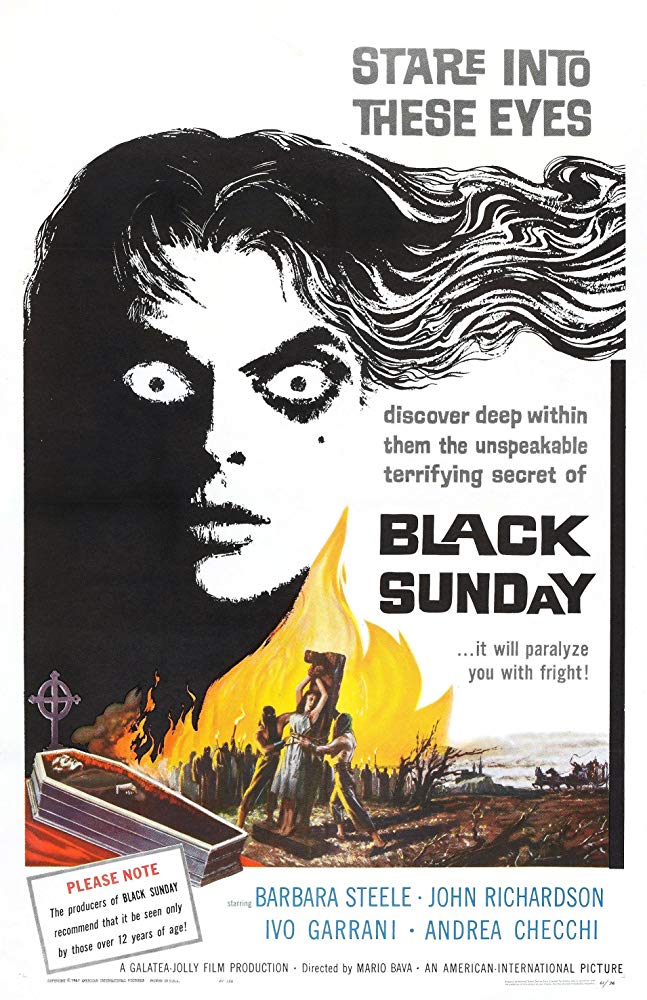
Continental Gothic is a term applied to films that emerged Europe, principally from Italy, during the 1960s and into the 1970s. The genre was kicked into high gear with Mario Bava’s extraordinarily moody and stylish Black Sunday (1960), the most influential work of the genre (although it was not the first).
The films of the Continental Gothic cycle drew undeniable influence from Hammer Films and Roger Corman’s Edgar Allan Poe adaptations around the same time. The Italian films created their own unique style almost always shot in moody black-and-white, featuring supernatural retributions and resurrected witches, all taking place in beautiful decaying castles and old mansions. Many of the films also featured British actress Barbara Steele whose haunting wide-eyed beauty became an indispensable fixture of the genre.
There were other efforts from other countries, including France, Germany and in particular Spain. These often imitated Corman and the Hammer Films, including a number of Poe adaptations and several Hammer-like vampire films. The opening up of censorship standards in the late 1960s saw greater permissiveness on screen and these films featured far more erotic content than English-language counterparts, most notedly when it came to the series of lesbian vampire films during the early 70s.
A small masterpiece of 1960s Italian Gothic cinema. Exquisitely moody black-and-white photography with Barbara Steele as the ideal of a Gothic dominatrix twisting men around her finger and setting a town against itself
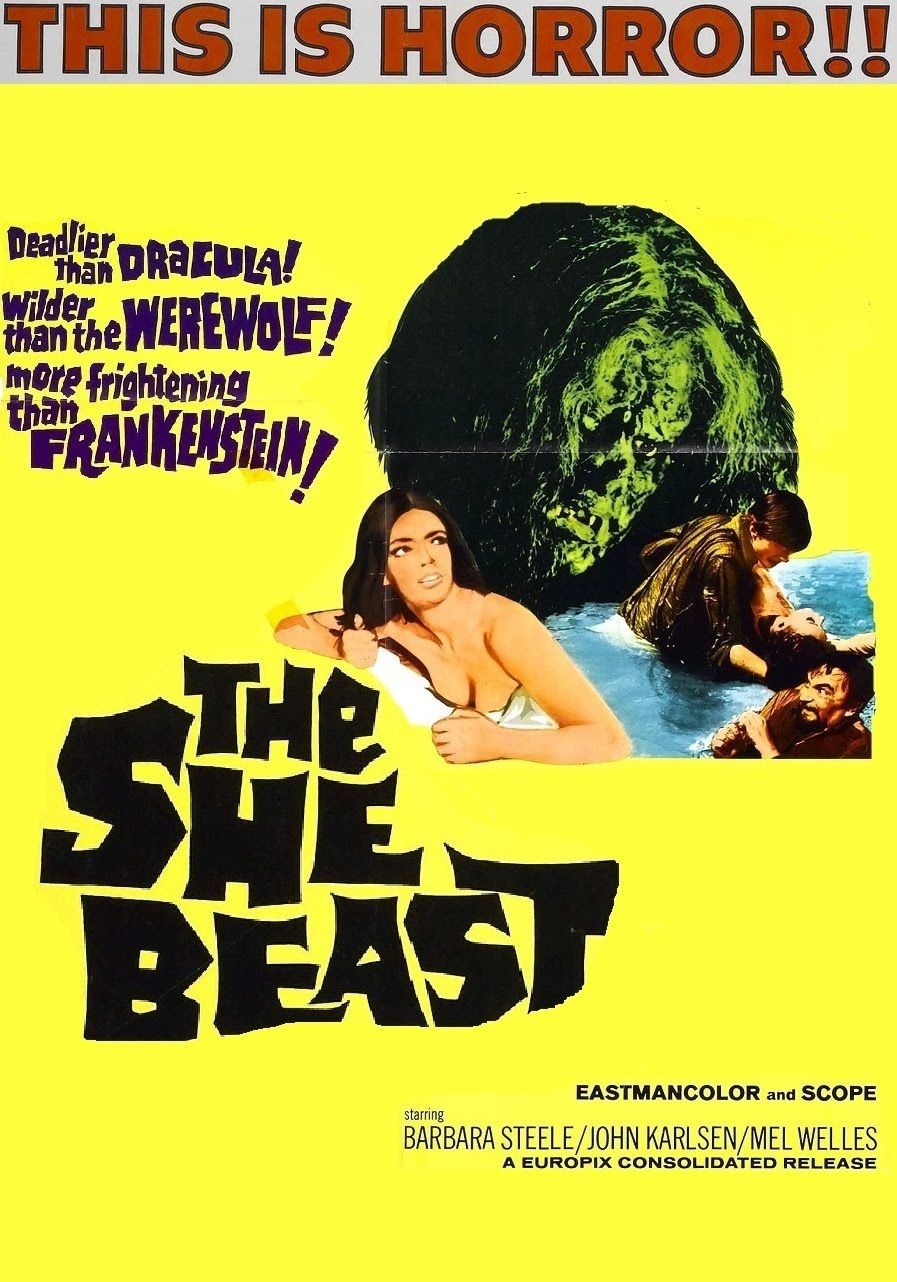
Despite the possibilities set up by the title, this features no vampires nor atomic monsters but is an Italian film influenced by Eyes Without a Face about a mad surgeon trying to restore a woman’s disfigured face
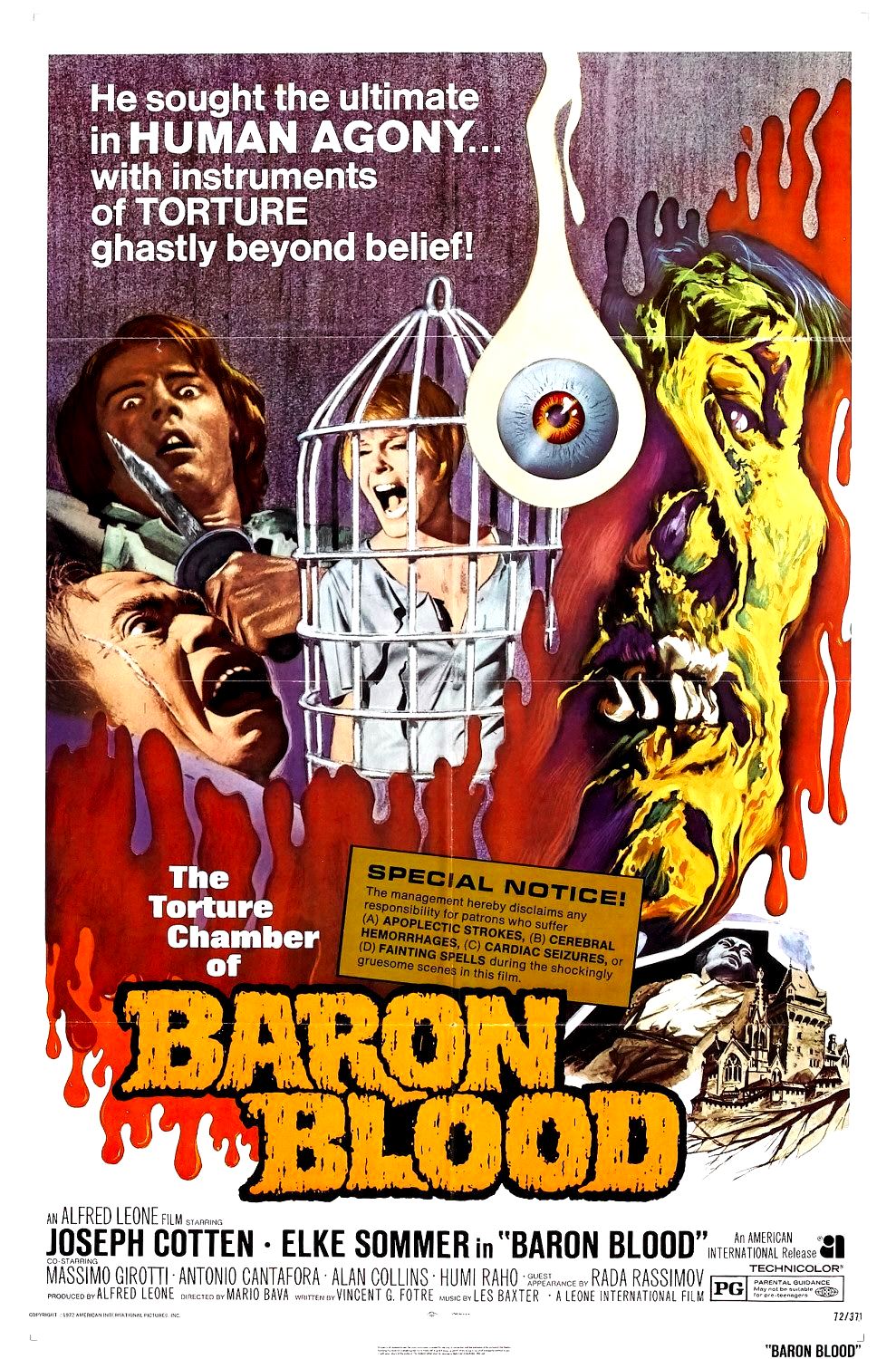
Mario Bava essentially created Italian Gothic cinema and returns to it again here in the story of a sadistic nobleman who is resurrected and begins killing people anew
Classic work that defined the Italian Gothic cycle of the 1960s and turned Barbara Steele into a cult actress. Mario Bava shoots vivid, incredibly atmospheric scenes in black-and-white in ways that no other director does
One of the entries from the Italian Gothic cycle featuring a big decaying castle, lurking disfigured figures, sinister hypnotists and moodily atmospheric black-and-white photography
Influenced by the classic Eyes Without a Face, this is a work of French Gothic about an aristocrat trying to find the right woman to use her face for his disfigured wife
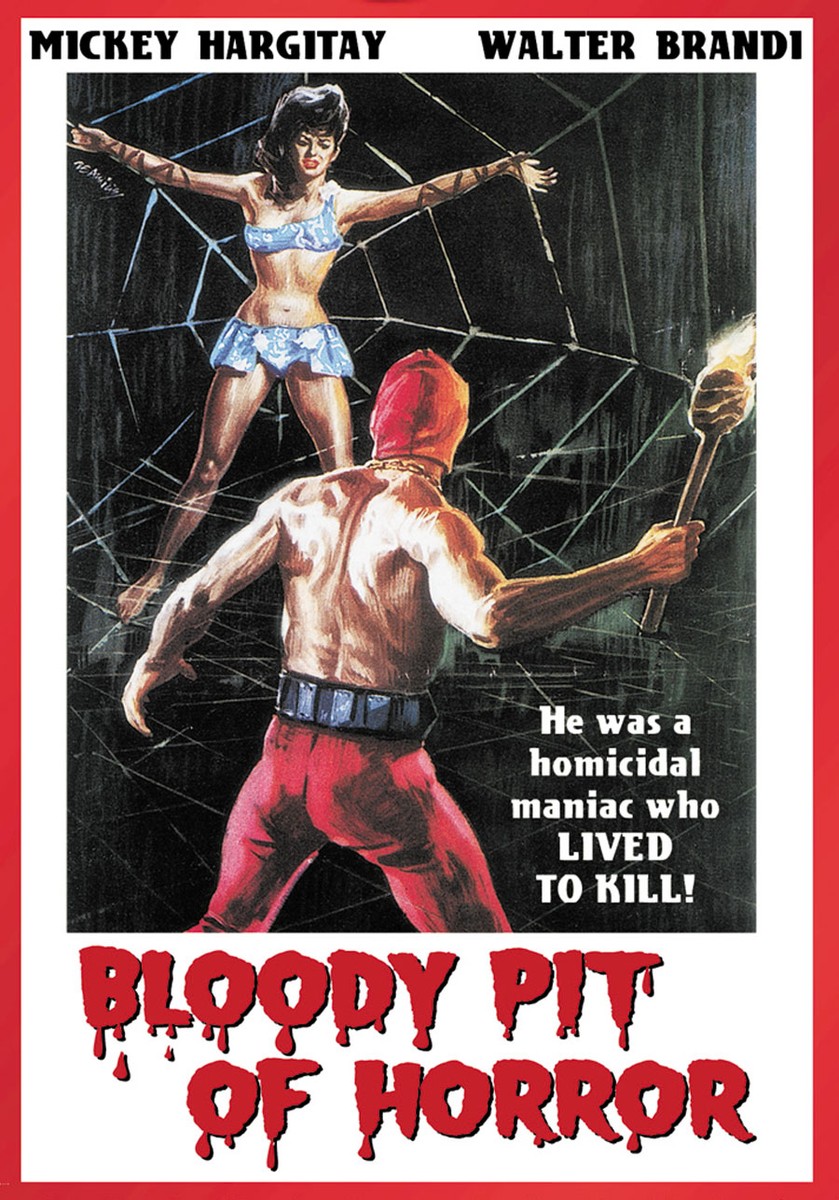
Not a Marquis de Sade adaptation as this was sold as but an Italian giallo film. Mickey Hargitay (aka Mr Jayne Mansfield) has a ball as a mad bodybuilder aristocrat in red tights devising entertainingly lurid tortures.
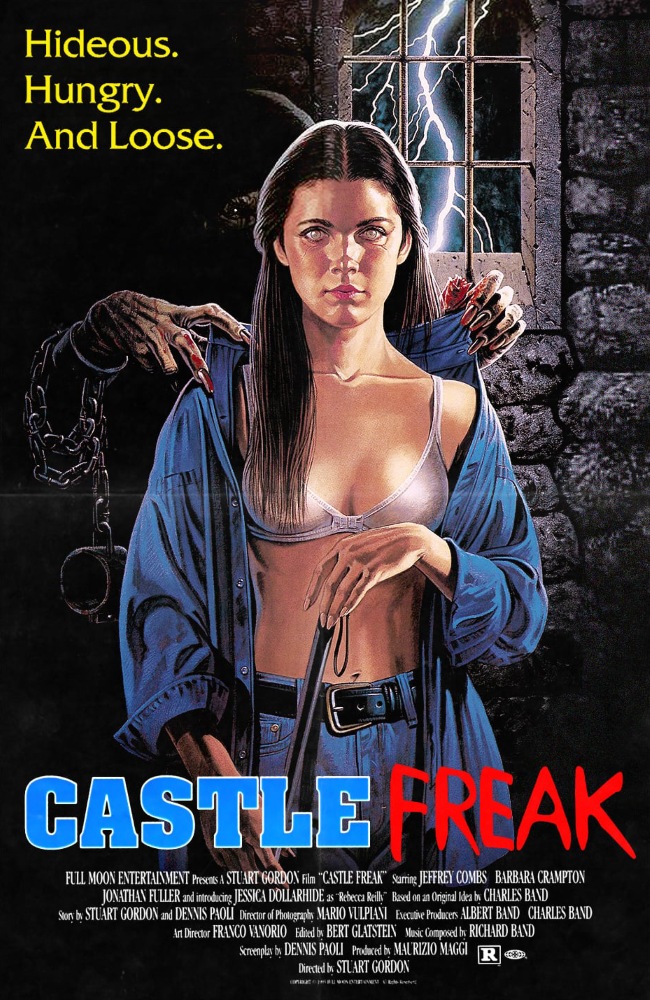
Stuart Gordon had a cult hit with Re-Animator and much of the rest of his career felt like his attempting to repeat that. Here he re-teams with many of the Re-Animator personnel for what is essentially a rehash of a 1960s Italian Gothic film
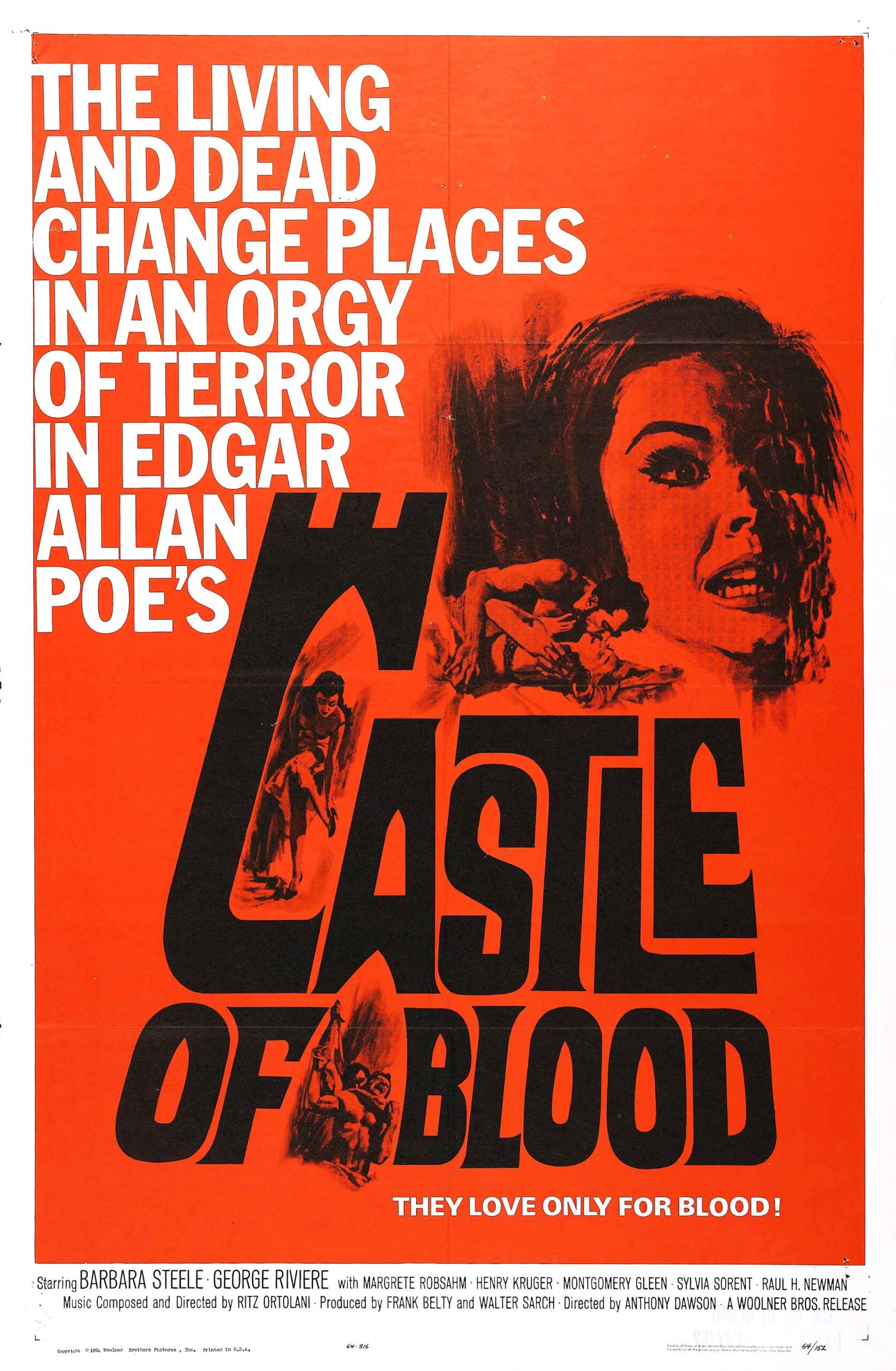
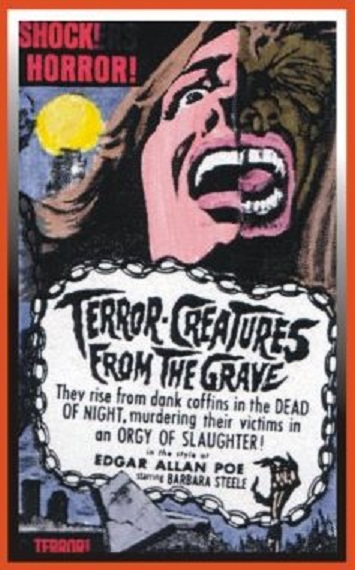
Classic work of 1960s Italian Gothic cinema. Director Antonio Margheriti rises above himself to create a vividly spooky atmosphere, while at the centre of the show is the haunted otherworldly looks of Barbara Steele
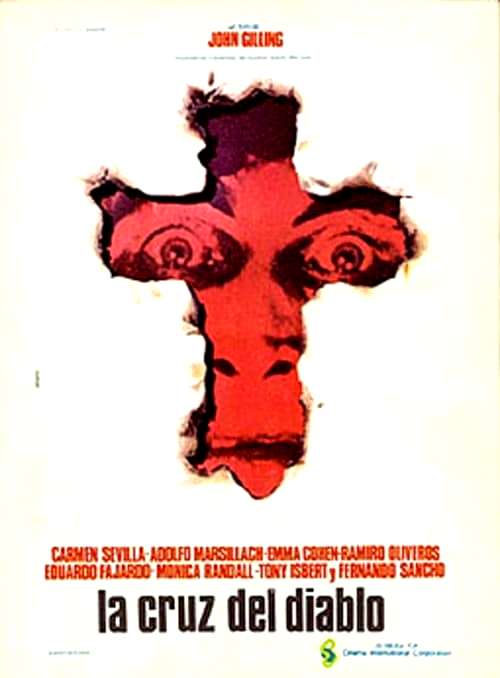
The little-seen final film from Hammer director John Gilling, an Anglo-horror styled work about resurrected Knights Templar
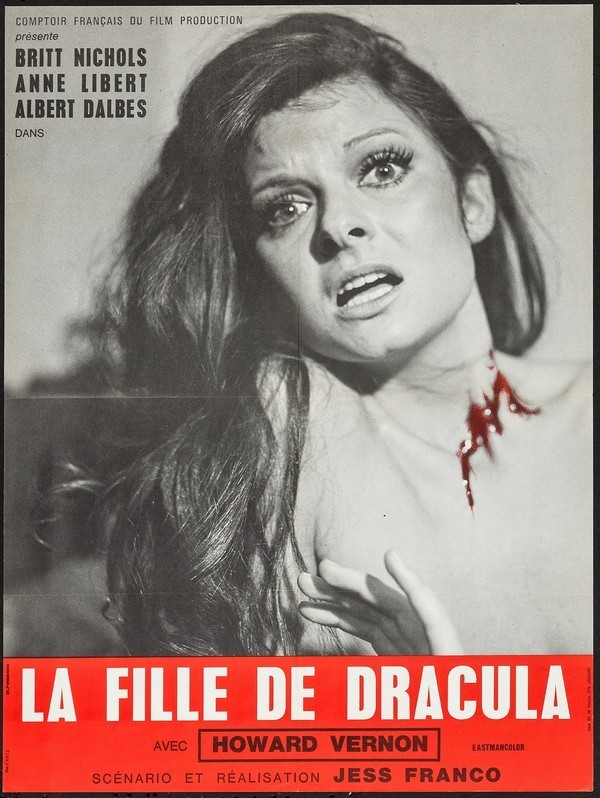
Prolific exploitation director Jess Franco makes an entry in the early 1970s fad for lesbian vampire films. This has more softcore erotic content than other entries, although the Dracula part of the title is a misnomer
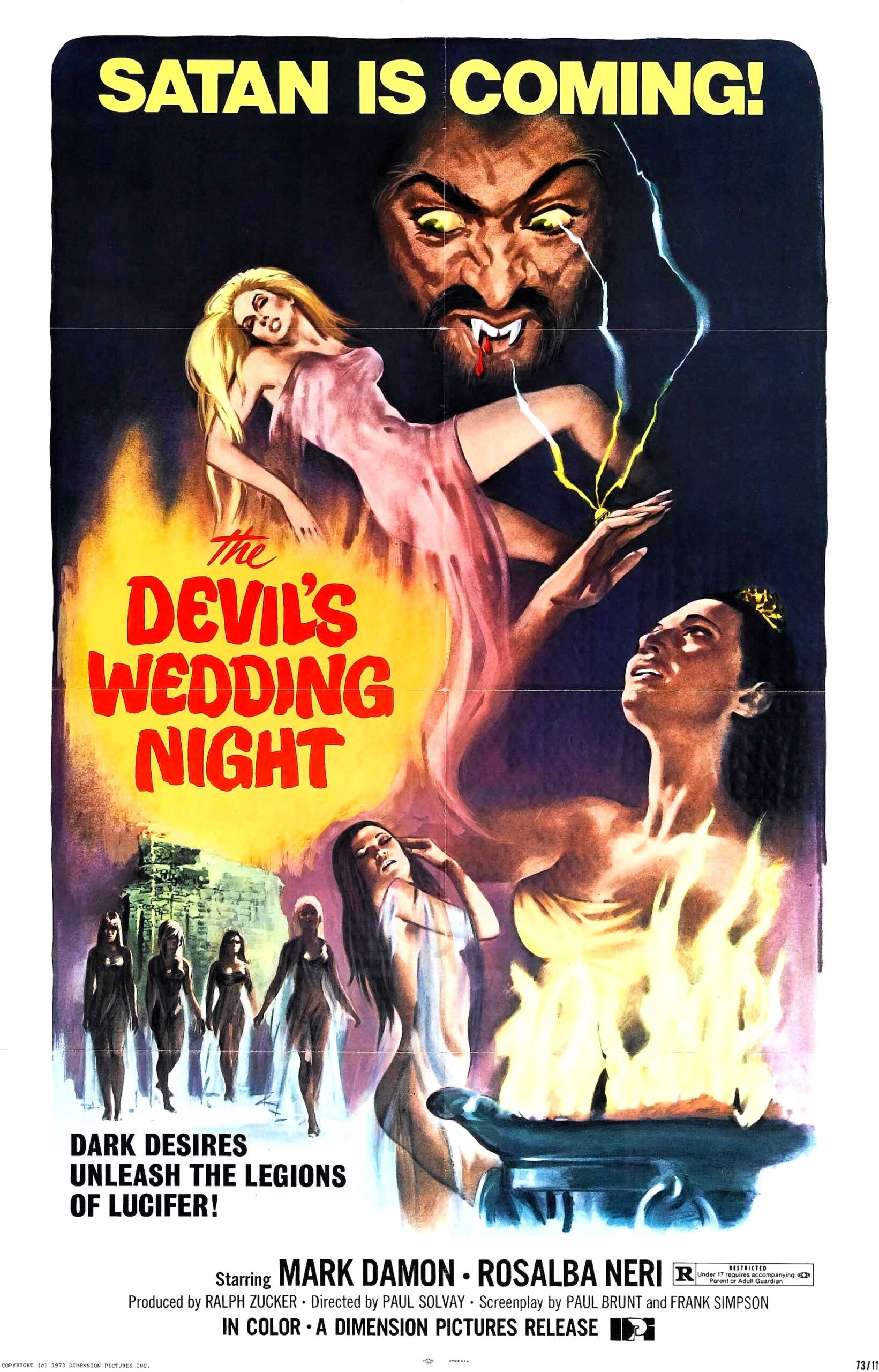
One of the numerous European erotic vampire films made during the early 70s. This came out not long after The Exorcist and so the vampire countess is accompanied by a coven of Devil worshippers
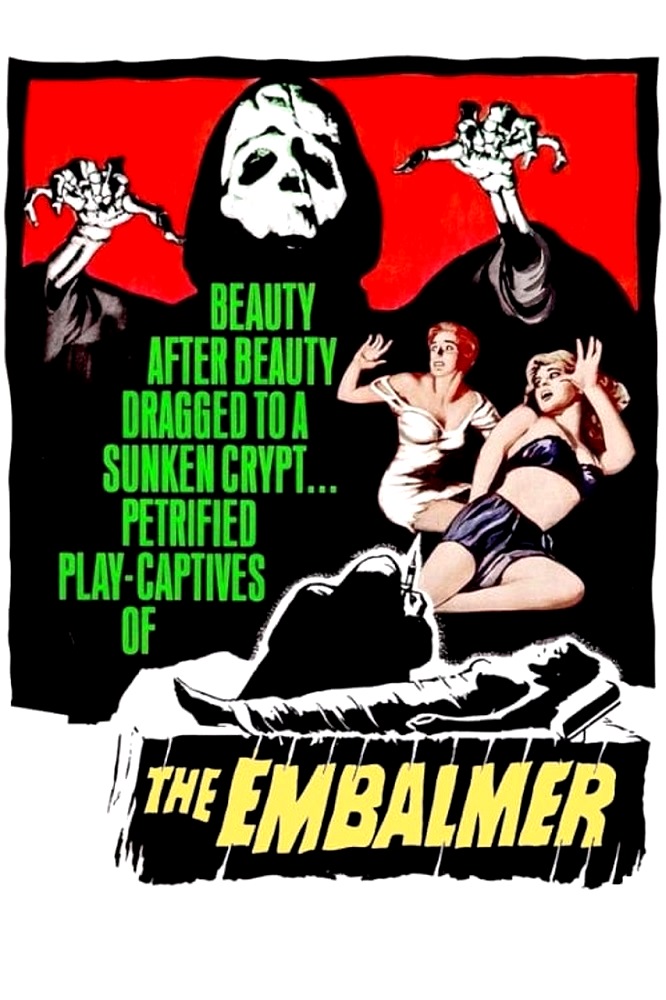
Early variation on the giallo film with a frogman abducting people from the canals of Venice and then preserving their bodies as statues
The first film from Spanish director Amando de Ossorio, later known for the Blind Dead series. A Euro vampire film starring Anita Ekberg, this proves dreary on all counts
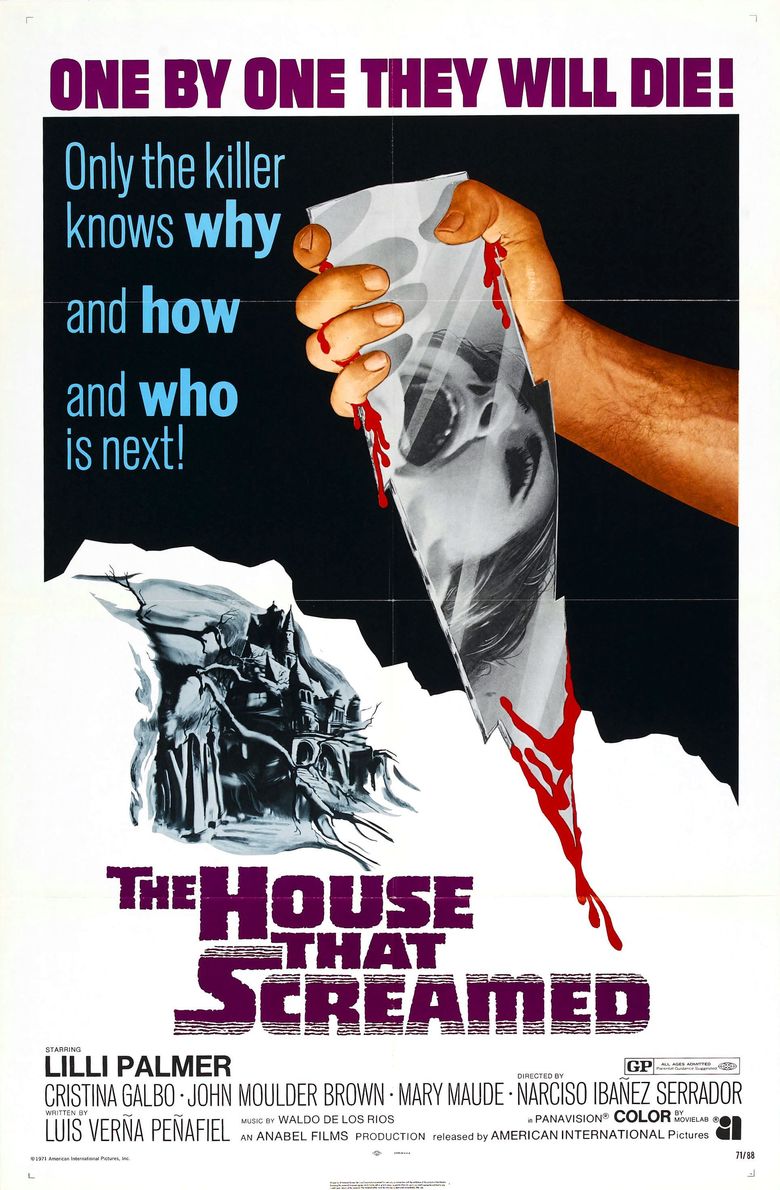
From the almost unknown Narciso Ibañez Serrador, this is essentially a giallo thriller made with the lush sensibilities of a Hammer film. Set in a girl’s boarding school, this substantially prefigures Suspiria
Cult Italian directer Mario Bava returns to the Gothic of his highly influential Black Sunday in this atmosphere-laden film about a ghost child haunting a small village
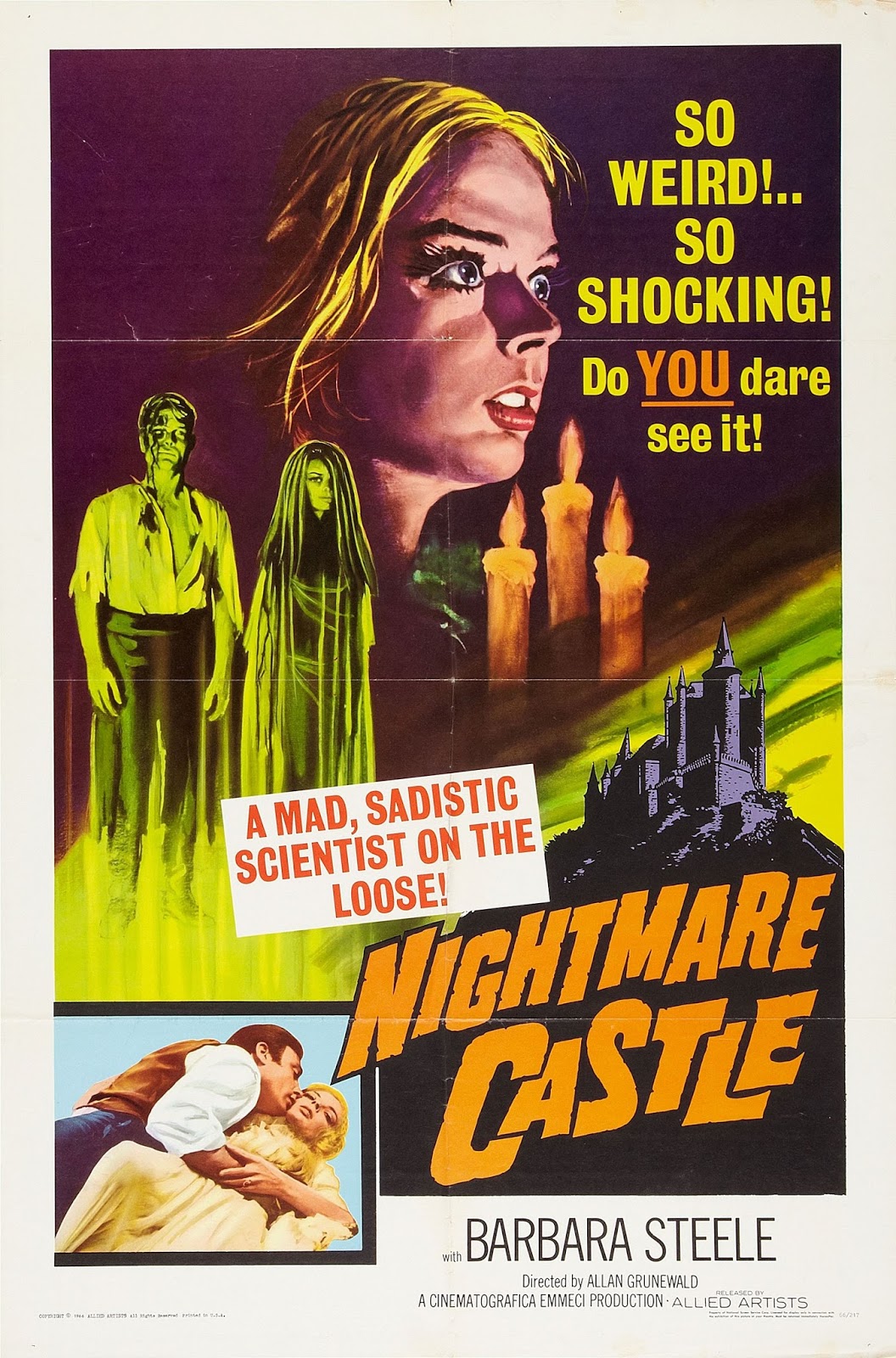
One of the films from the Italian Gothic cycle of the 1960s, Released fairly soon into the cycle when the tropes were not set in place, it draws strong influence from Hammer Films and goes off at a strange tangent that is one part House of Wax, another part resurrection experiments
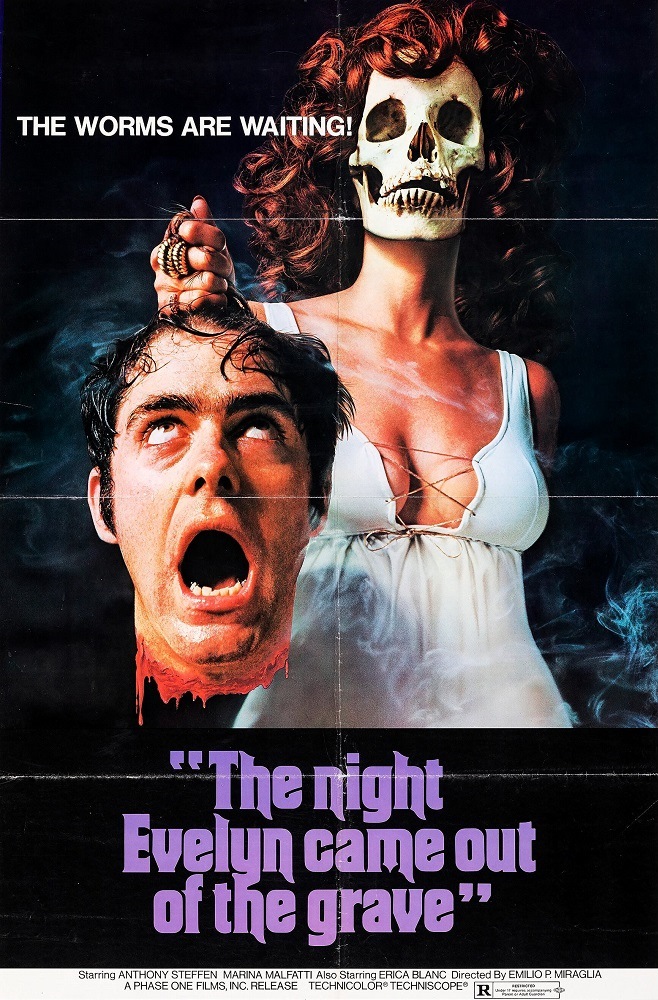
A giallo film with Anthony Steffen as an aristocrat who likes to pick up red-haired girls and kill them in the dungeon in his villa, who then becomes haunted by the ghost of his late wife
Classic work of the 1960s Italian Gothic cycle featuring Barbara Steele, shot in beautifully brooding black-and-white and with a remarkable sadomasochistic undertow
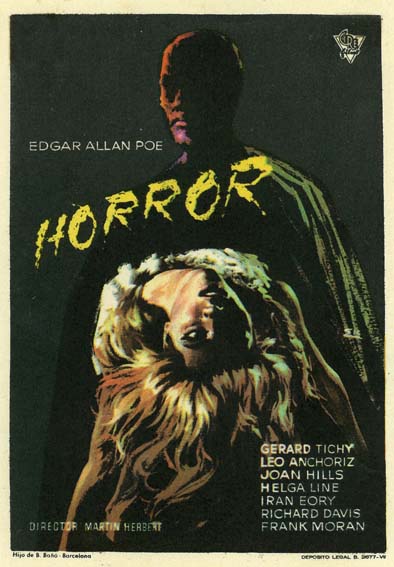
The first film from Witchfinder General director Michael Reeves. A blatant copy of Mario Bava’s i>Black Sunday that is done in by its cheapness, a lack of anything interesting happening and mismatched comedy elements
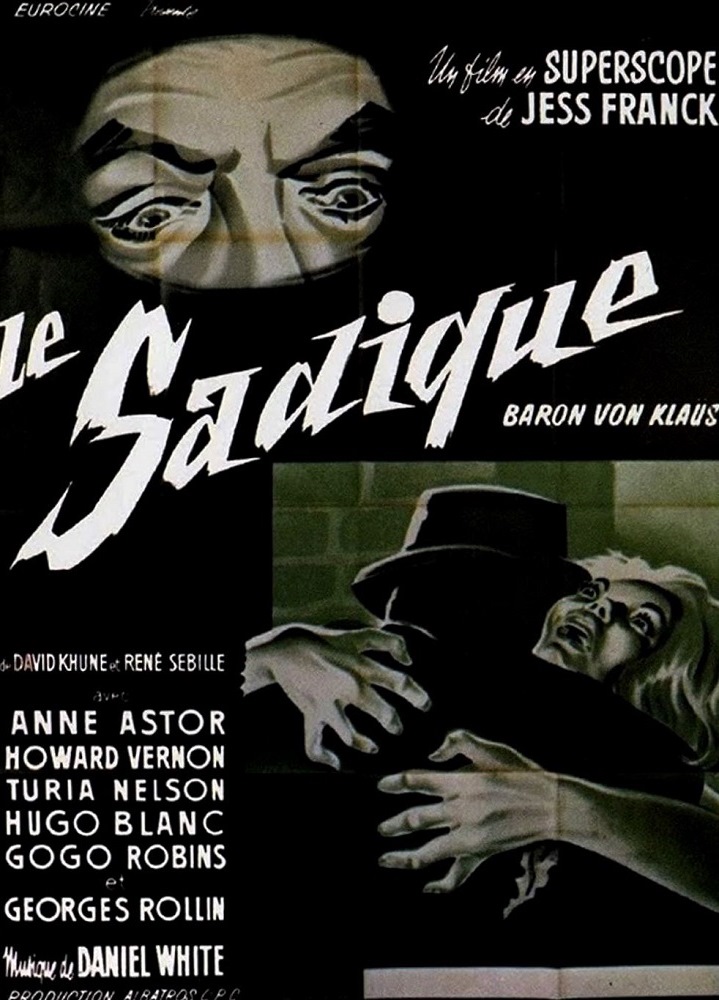
An early film from prolific exploitation director Jess Franco, one that comes with some beautifully Gothic photography in its tale of a hooded killer
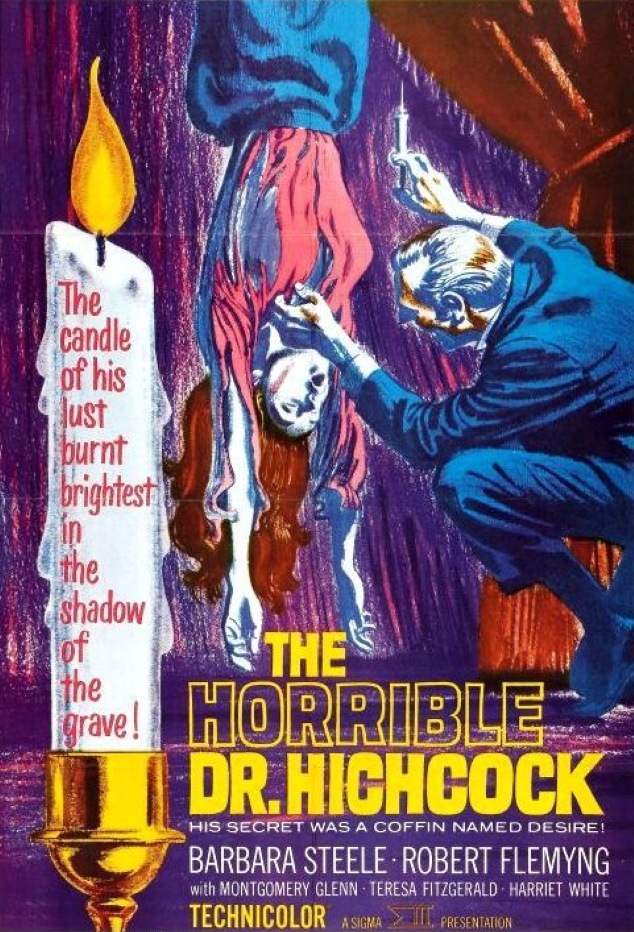
A work of brooding Italian Gothic, a loose sequel to The Terror of Dr Hichcock. Featuring oodles of atmosphere and the genre’s indisputable queen Barbara Steele as a wife haunted by a dead husband
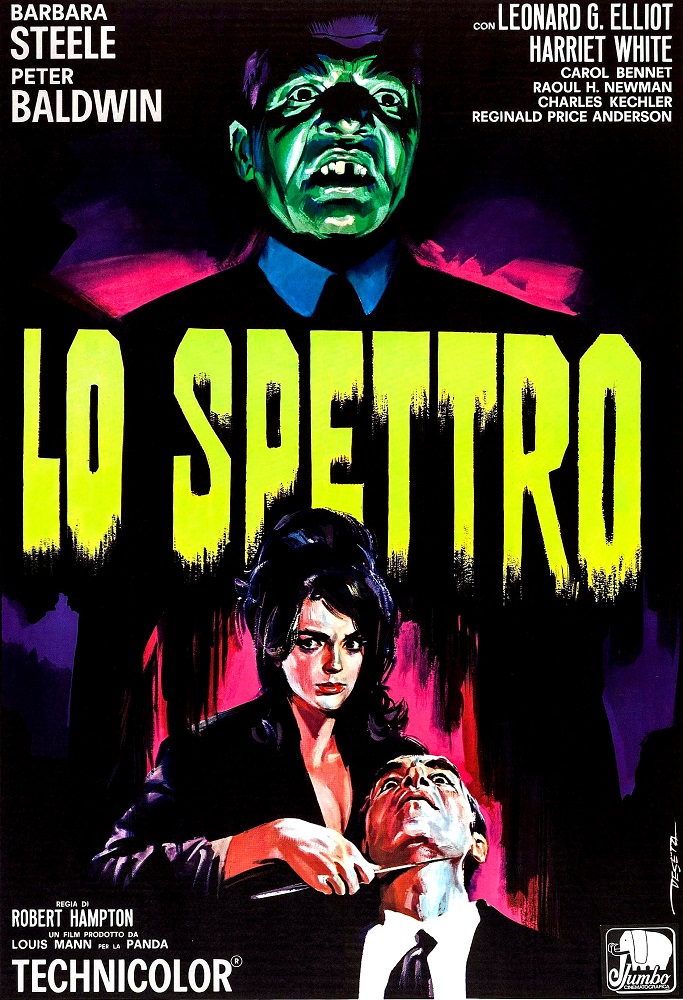
An entry in the Italian Gothic cycle featuring the great Barbara Steele, This comes with superbly eerie black-and-white mood but proves slow-paced when it comes to its supernatural retribution plot. It even manages to waste Steele in a nothing role.
Influential if possibly overrated work in the Italian Gothic cycle of the 1960s. There’s the haunted figure of Barbara Steele and rich atmosphere, even if the plot doesn’t make much sense
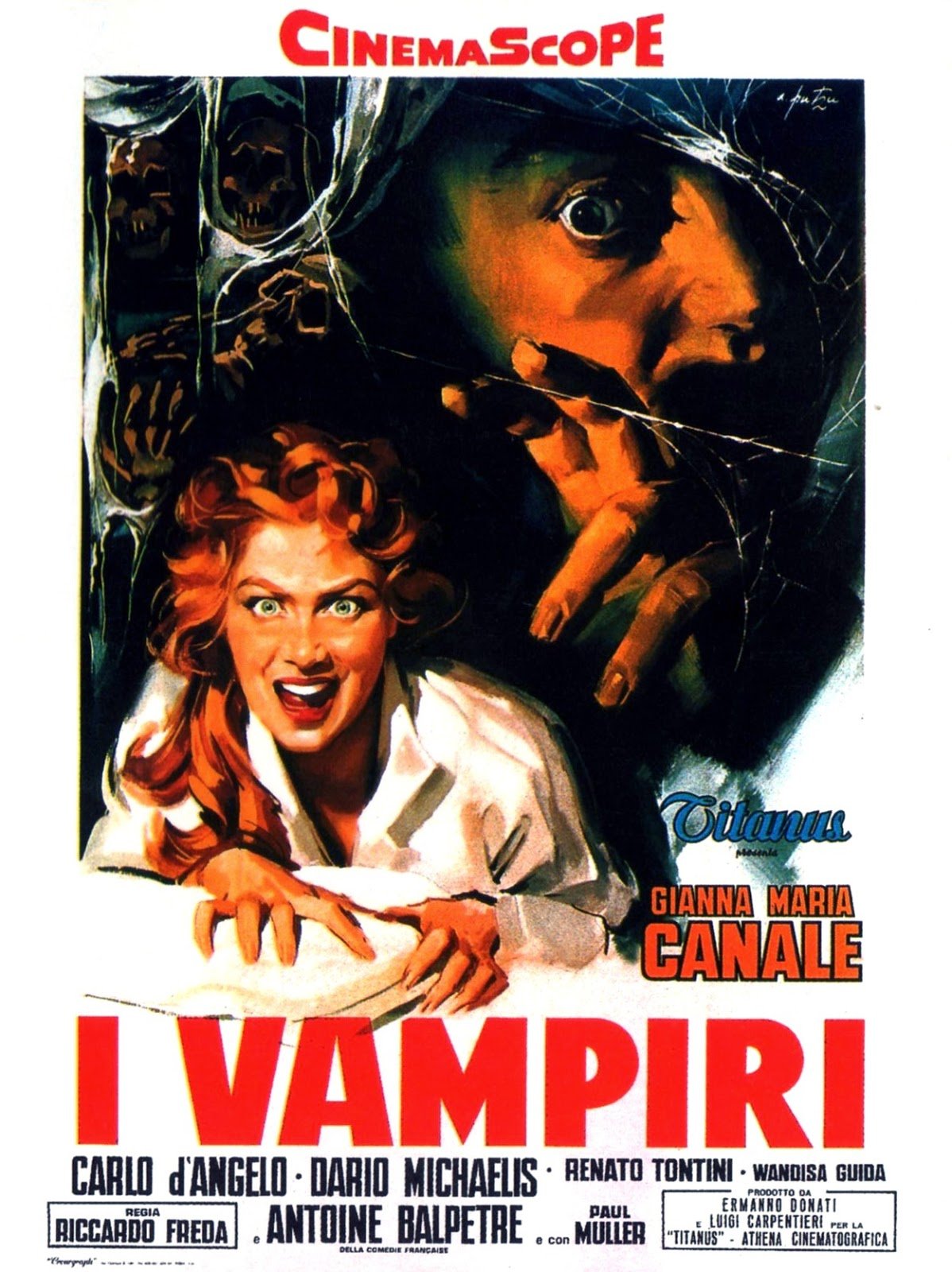
The Italian Gothic cycle of the 1960s was filled with works of amazing visual flair – this is where it started. Although this is more a 1940s mad scientist film, it comes with all the decaying old castles and beautifully moody b&w lighting
A fine example of the Italian Gothic cycle of the 1960s that overruns the screen with brooding Gothic dungeons, visually stunning colour schemes, a mad nobleman and Christopher Lee as a sinister manservant