
Crew
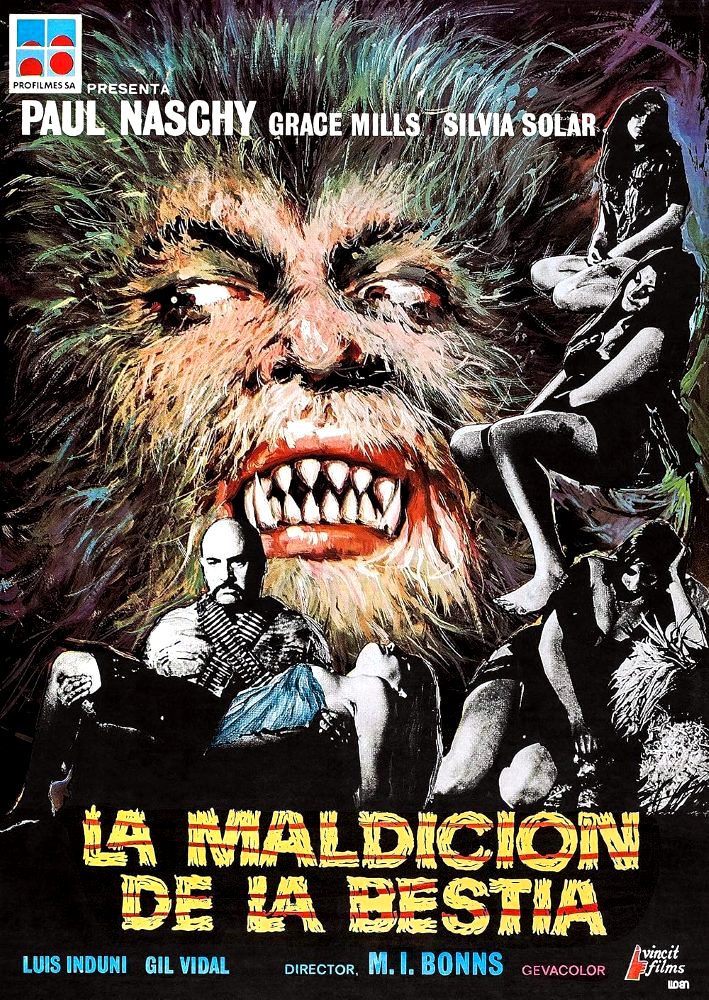
Director – M.I. Bonns [Miguel Iglesias], Screenplay – Jacinto Molina, Photography – Tomas Pladevall, Music – Cam Espana. S.A., Special Effects – Alfredo Segoviano, Makeup – Manolia G. Fraile & Adolfo Ponte, Set Design – Alfonso de Lucas. Production Company – Profilmes, S.A..
Cast
Paul Naschy (Waldemar Daninsky), Grace Mills (Sylvia Lacombe), Castillo Escalona (Professor Lacombe), Gil Vidal (Larry Talbot), Luis Induni (Sekhar Khan), Silvia Solar (Wandisa), Indio Gonzalez (Tiger Passan), Juan Velilla (Norman), Veronica Miriel (Melody), Ventura Oller (Ralph), Victor Israel (Joel)
Plot
In London, Waldemar Daninsky visits his old friend Professor Lacombe and agrees to join his expedition to Kathmandu after a previous expedition in search of the Yeti went missing. In Kathmandu, Waldemar wants to go up to the Karakorum Pass. The sherpas regard the area as inhabited by demons and refuse to go in the current weather, but Waldemar locates a guide to take him. The others at base camp become concerned when he fails to return. Abandoned, Waldemar finds a cave and is taken in by two sisters who want him as a lover. However, he sees they are demonic figures who eat human flesh. He kills them and flees, not before he is bitten. Under the full moon, Waldemar transforms into a werewolf. Meanwhile, the professor, his daughter Sylvia and others have been abducted by the bandit leader Sekhar Khan.
Paul Naschy (1934–2009), born Jacinto Molina, was a Spanish actor who specialised in horror. He was also writer of many of his films and later became a director. Although Naschy played most of the classic horror roles during his career, his signature role of the werewolf Waldemar Daninsky in a series of films beginning with Frankenstein’s Bloody Terror (1968). The Werewolf and the Yeti was the seventh film in the series. The other films include Dracula vs. Frankenstein (1970), The Werewolf vs the Vampire Woman (1971), The Fury of the Wolfman (1972), Dr Jekyll and the Wolfman (1972), Curse of the Devil (1973), Return of the Wolfman/The Craving (1980), The Beast and the Magic Sword (1983) and Licanthropus (1996).
One of the frustrations of the Waldemar Daninsky films is that they are the longest running and most numerous werewolf series on screens and yet, while they feature the same character, all of them are standalone works in terms of continuity and bear no relation to any of the other sequels. Every single film has to begin with a completely different character of Waldemar Daninsky, not connected to any of the others, receiving the bite and becoming a werewolf all over again. The Fury of the Wolfman also has a plot where Daninsky becomes the wolfman after encountering the Yeti but is not related to the Yeti that appears here.
For novelty’s sake, Naschy started to mix his werewolf character up with other monsters, resulting in Dracula vs. Frankenstein, The Werewolf vs the Vampire Women and Dr Jekyll and the Wolfman. This also allowed Naschy to tap into his love of playing and/or paying homage to the Famous Monsters. The Werewolf and the Yeti would be the last of these crossover films and pits Daninsky against The Yeti. It is a rather lame crossover as the Yeti only appears in the last few minutes of the film and the fight is an utterly negligible one that is directed with indifferent interest.
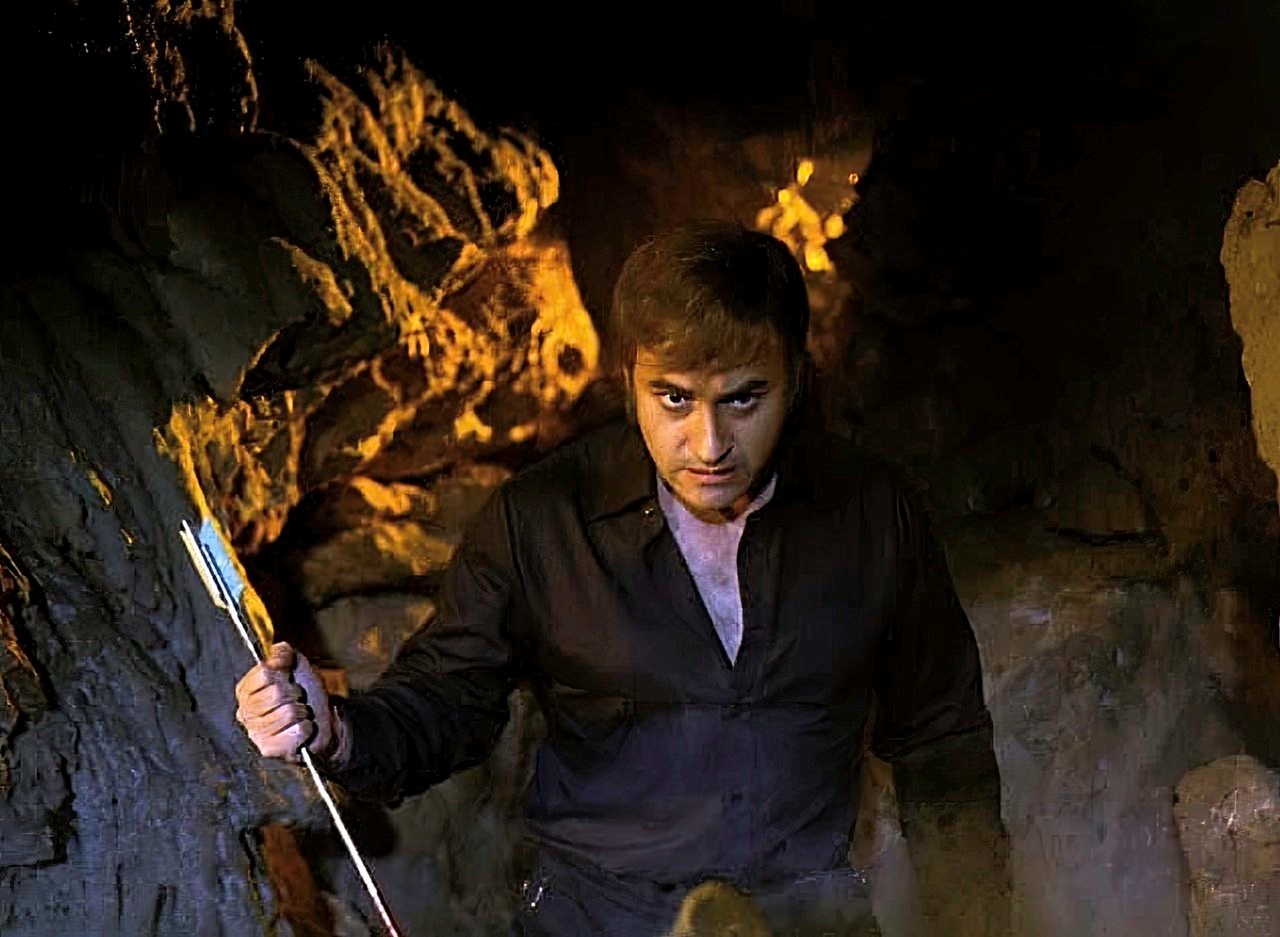
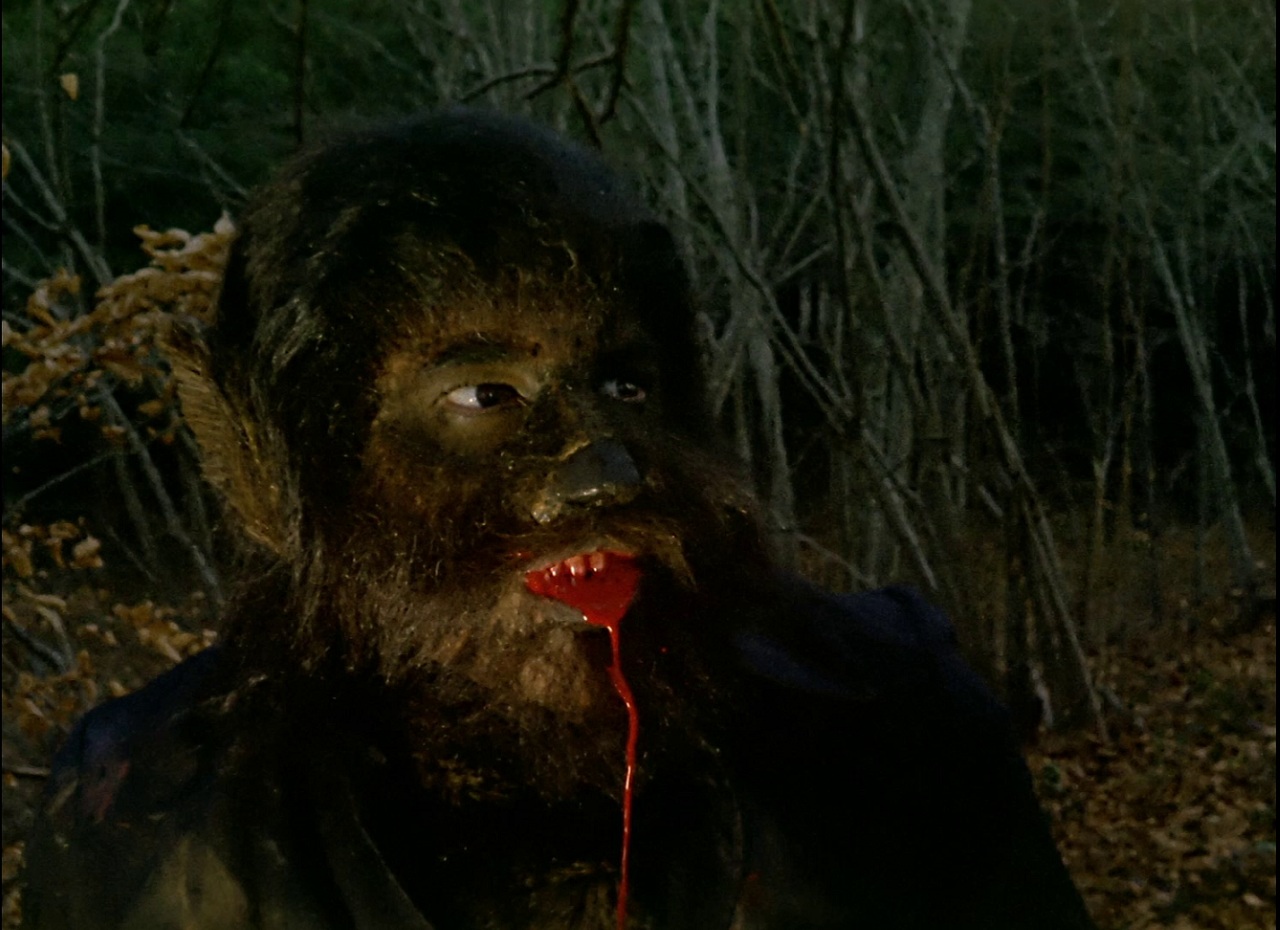
The Werewolf and the Yeti is fairly much the same film that Naschy had been making in the series for the past decade. The werewolf transformation is represented by the same tatty lap dissolves, although what must be said is that the makeup on the werewolf has improved. The plot is no more complex than lots of running around on a mountainside in Kathmandu (which in reality never travels any further than location shooting in the Pyrenees). Naschy gets naked with most of the women in the cast at various points, which seems to be the film pandering more towards what was expected in exploitation cinema in the 1970s. There is no real depth or sophistication to the plot beyond all of this.
Director M.I. Bonns, better known as Miguel Iglesias or Miguel Iglesias Bonns (1915-2012), had a career as a director between the 1940s and late 1980s, mostly making Spanish dramas and crime films. His other works of genre interest are the psychic thriller Presage (1970), Tarzan and the Jungle Mystery (1973) and two films about a female Tarzan with The Jungle Goddess (1974) and Kilma, Queen of the Amazons (1976).
Trailer here