Time Under Fire (1997)
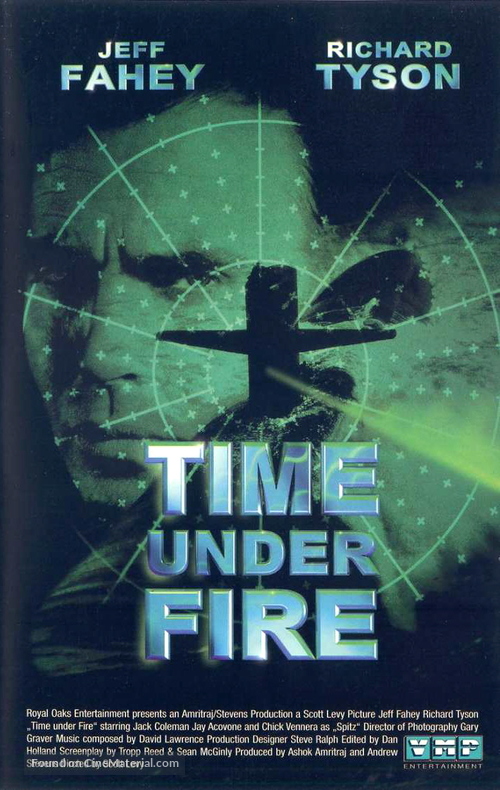
Unimaginative time travel/action film that plays out like
The Science Fiction Horror and Fantasy Film Review
The dystopia is a term created to mean the opposite of a utopia. The term utopia was coined after the novel Utopia (1516) by Thomas More in which he sought to imagine the best possible society. By contrast, the dystopia imagines the worst possible society.
The most famous utopias in literary fiction are the world of authoritarian control in George Orwell’s Nineteen Eighty-Four (1949) and Aldous Huxley’s Brave New World (1932) where people are preselected from birth to fulfil roles in society.
Dystopia are almost always seen as authoritarian, as having security forces that stamp out any form of ideological dissent. A frequent plot in a dystopian film is of a world where lovers are struggling to escape to freedom from a world where their relationship is forbidden.
Many screen dystopias are modelled on real world models such as Nazi Germany from which they borrow images of charismatic leaders and armies of stormtroopers. Equally popular are dystopias where individuality is crushed or narcotised, or where the society is run by an Artificial Intelligence. A more recent development is the dystopia of constant digital surveillance.
A dystopia is a projection of its author/creator – a world where a feared aspect of present-day society is taken to nightmare extremes. The ideology can run all the way from Aldous Huxley’s distaste of the hedonistic society in Brave New World to Ray Bradbury’s fear of the loss of imagination and literacy in Fahrenheit 451 (1953), of the youth revolution in Logan’s Run (1976), of Political Correctness taking over in Demolition Man (1993) or of American democracy supplanted by socialism in Ayn Rand’s Atlas Shrugged (1957). The original Star Trek (1966-9) is known for creating straw dystopian societies of the week for Captain Kirk to demolish.
The heyday of the screen dystopia was in the 1960s and 70s. By the 1980s, the dystopia had been supplanted by the Action Movie where the ideological nightmares of earlier works were replaced by generic authoritarian societies for the action hero, a man of hard-won individualism, to struggle against. Equally the rise of Cyberpunk and assorted dark futures have seen the ideological dystopia supplanted by a more ambiguous world that is extension of the present, although there still continue to be a number of examples of dystopian works.
Unimaginative time travel/action film that plays out like
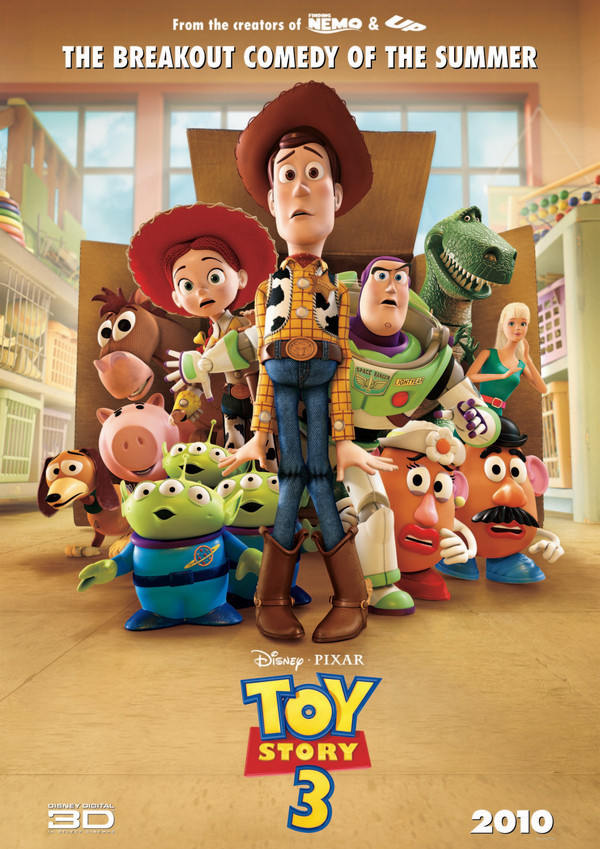
After such high standards with the previous two films, there is considerable onus on Pixar when it comes to this third entry nevertheless they manage to wring some strong and effective new twists on the familiar
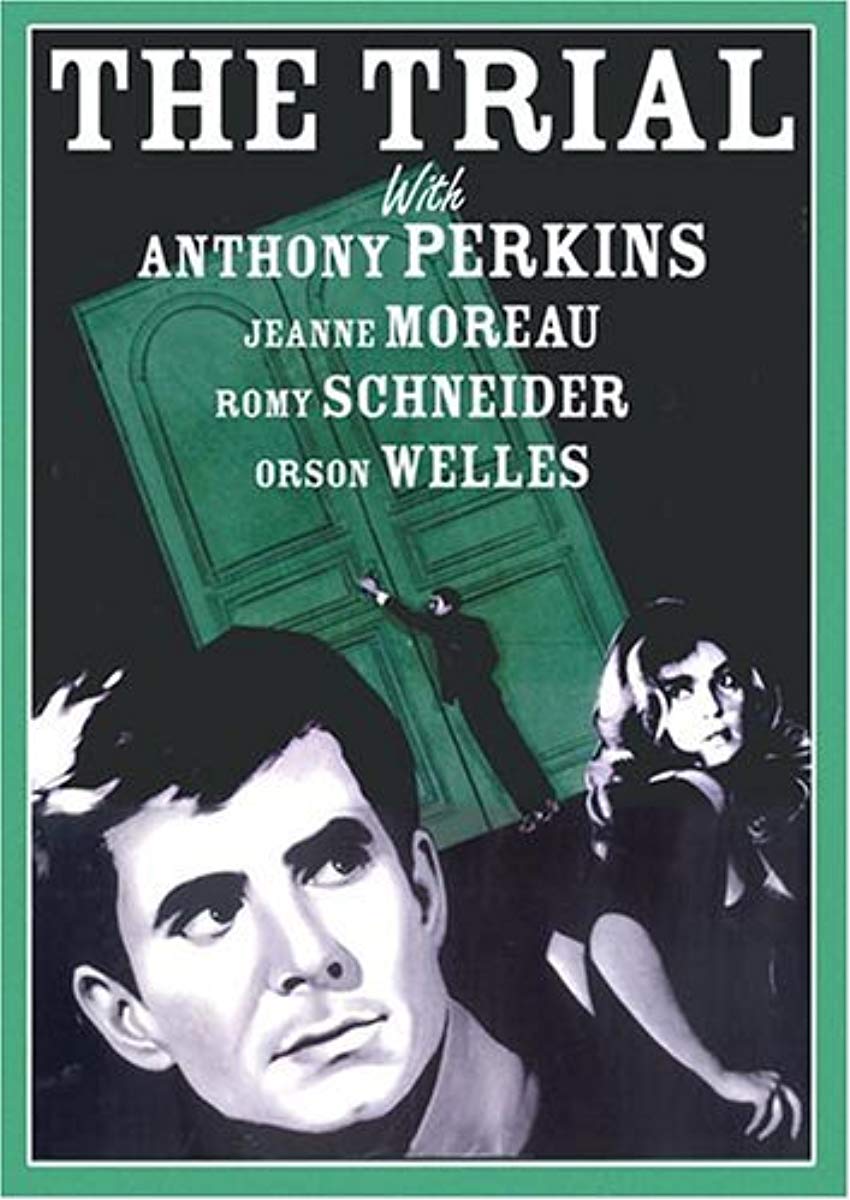
Orson Welles’s adaptation of the Frank Kafka novel about a man caught in a nightmare bureaucracy is one of the most visually stunning black-and-white films ever shot
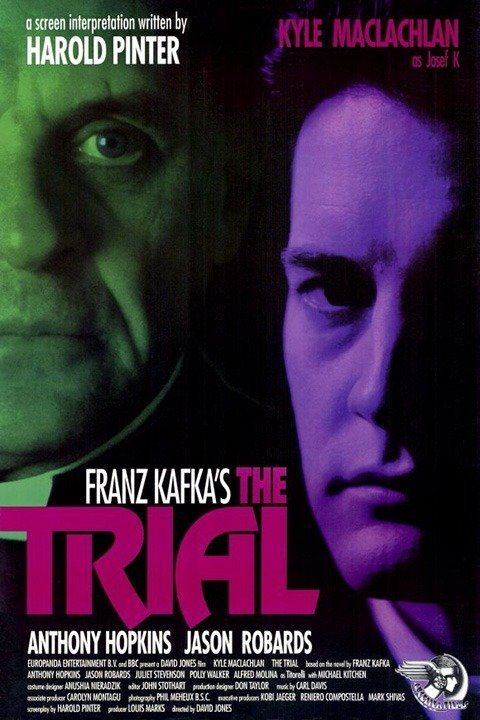
All-star adaptation of the Franz Kafka novel that gets a far better sense of the book’s black ironies than the previous Orson Welles version
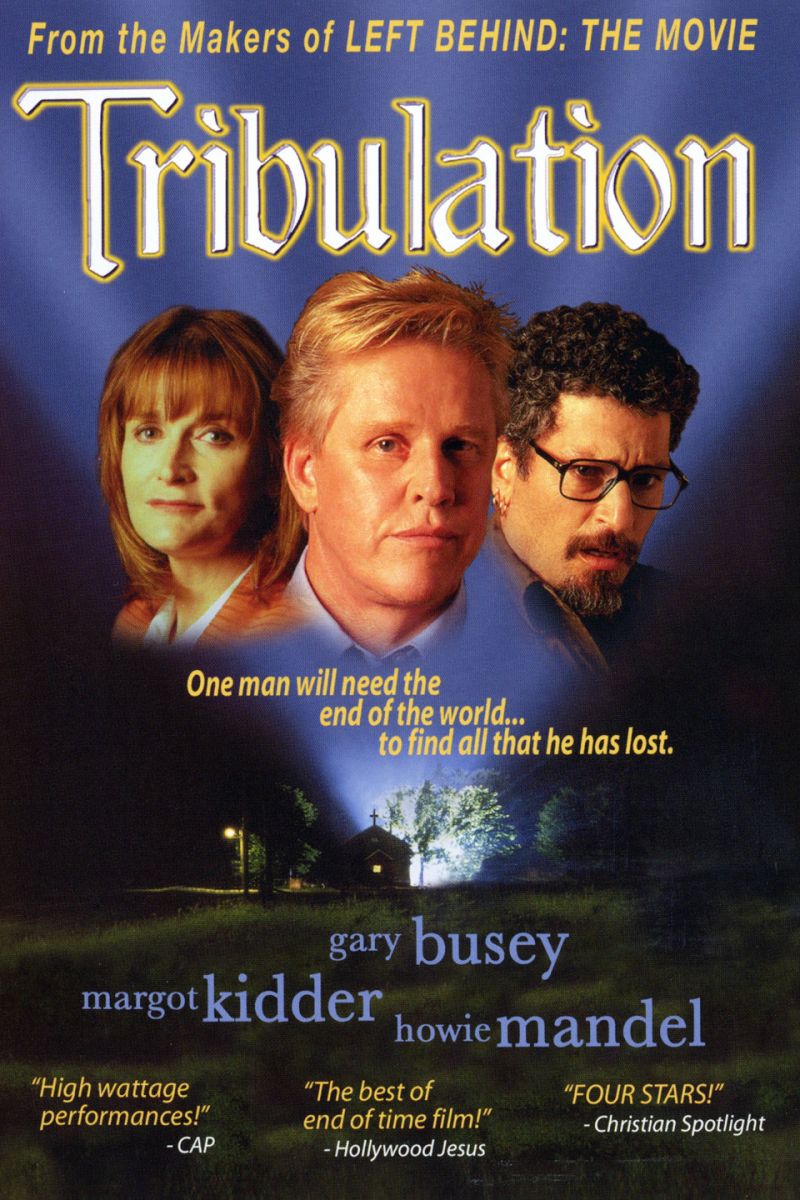
The third in a series of Biblical End Times films withGary Busey as a decent cop who wakes up in a future ruled by the Anti-Christ. The heavy-handed slinging of Bible verses makes this hard-going for anyone who is not a believer, while the conspiratorial tone frequently verges on nuttiness
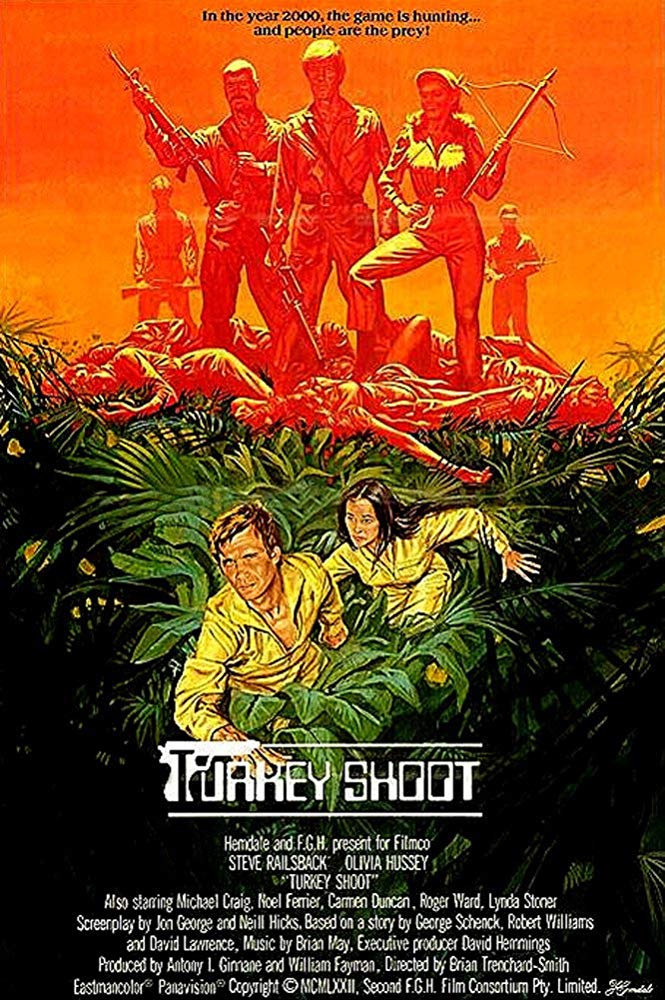
Ridiculous, splatter-heavy Australian-made film about a prison camp where prisoners are offered their freedom in a run while pursued by armed hunters
Milla Jovovich is a part of a vampire rebel underground in a dystopian future. A film filled with incredible design schemes and action scenes that are as spectacular as they are ridiculously improbable
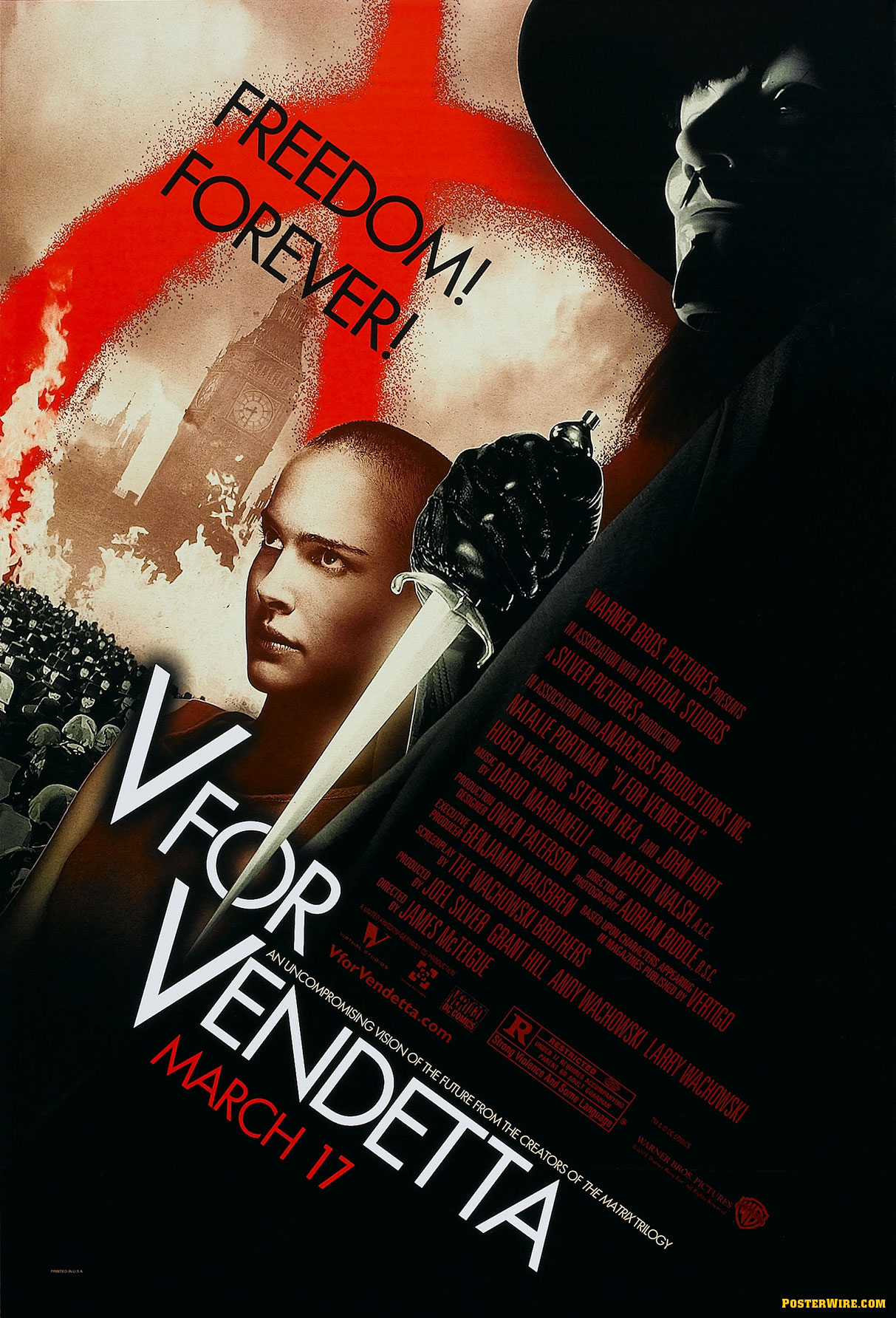
Adaptation of the Alan Moore graphic novel with a script from The Wachowskis. Moore’s repudiation aside, this is a fine and literate work that retells the story of an anarchist trickster and potently politicises it for the era of the George W. Bush.
Film made to celebrate the millennium where a totalitarian government creates a wall that divides Belgium along linguistic lines
Not an adaptation of the H.G. Wells novel but a biting satire made in Poland during Soviet occupation about how the pretext of an alien invasion is used to create an authoritarian regime and the way media is used to control the masses. A film more potent today than when it was made
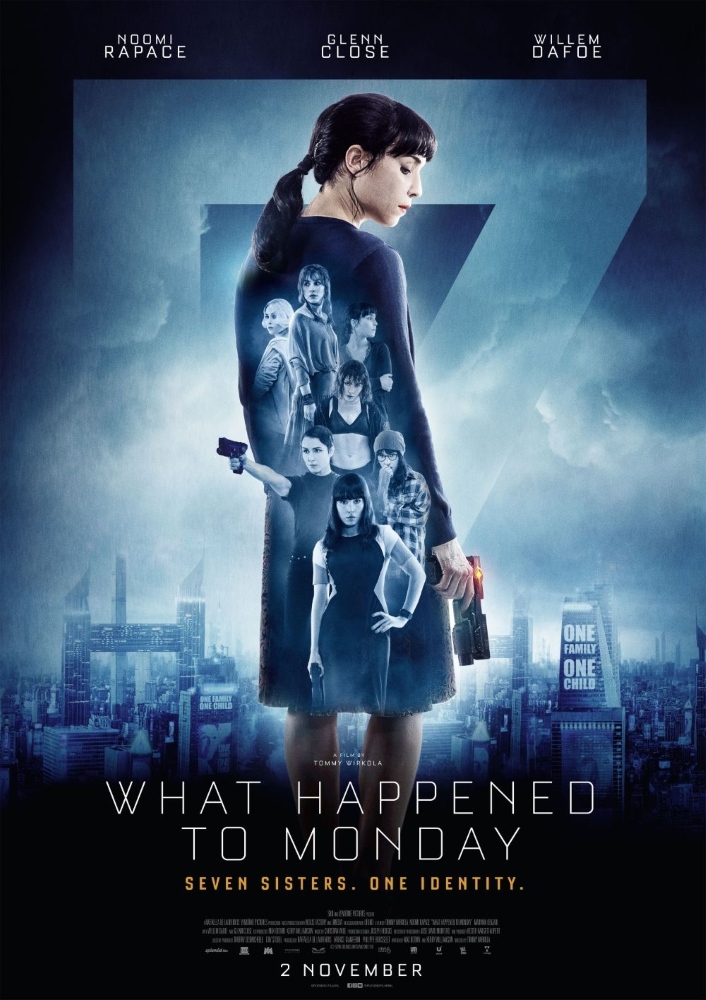
From Tommy Wirkola, director of Dead Snow and Hansel and Gretel: Witch Hunters, a film where Noomi Rapace plays seven identical sisters hiding their existence in an overpopulated dystopian future, A film where neither the scenario nor the central characters end up convincing in any way
An acclaimed semi-autobiographical novel about a childhood growing up under Soviet rule is filmed translated to a near-future dystopian setting
SF film set in a future that is so overpopulated that childbirth is treated as an executable crime. Although sometimes naive in its speculations, this creates a dystopian scenario that imaginatively turns many familiar aspects of the present on their head
Most science-fiction films lack worthy ideas, this is one that contrarily suffers from too many and collapses under the weight of its pretensions to profundity
This is Terry Gilliam largely going back to revisit Brazil, albeit having been updated to the 2010s and the era of the internet. A renaissance of many Gilliam themes, nevertheless this feels like one of his slighter works