Freddy’s Dead: The Final Nightmare (1991)
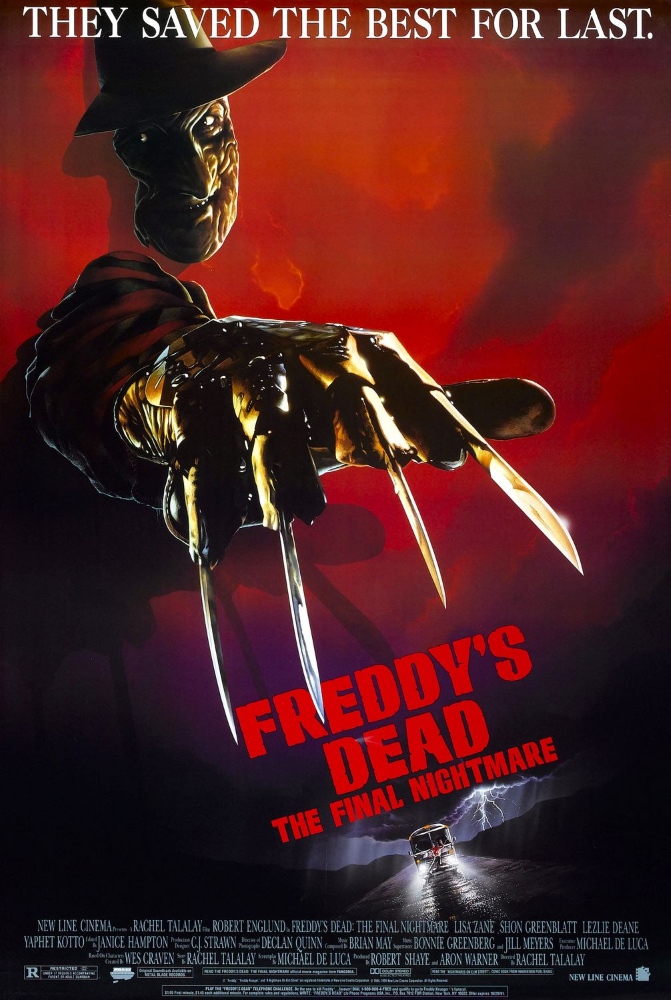
The sixth of the A Nightmare on Elm Street films, sold with the gimmick of a 3D release. New director Rachel Talaly refuses to take the material seriously and turns the show into an absurd cartoon
The Science Fiction Horror and Fantasy Film Review
The sixth of the A Nightmare on Elm Street films, sold with the gimmick of a 3D release. New director Rachel Talaly refuses to take the material seriously and turns the show into an absurd cartoon
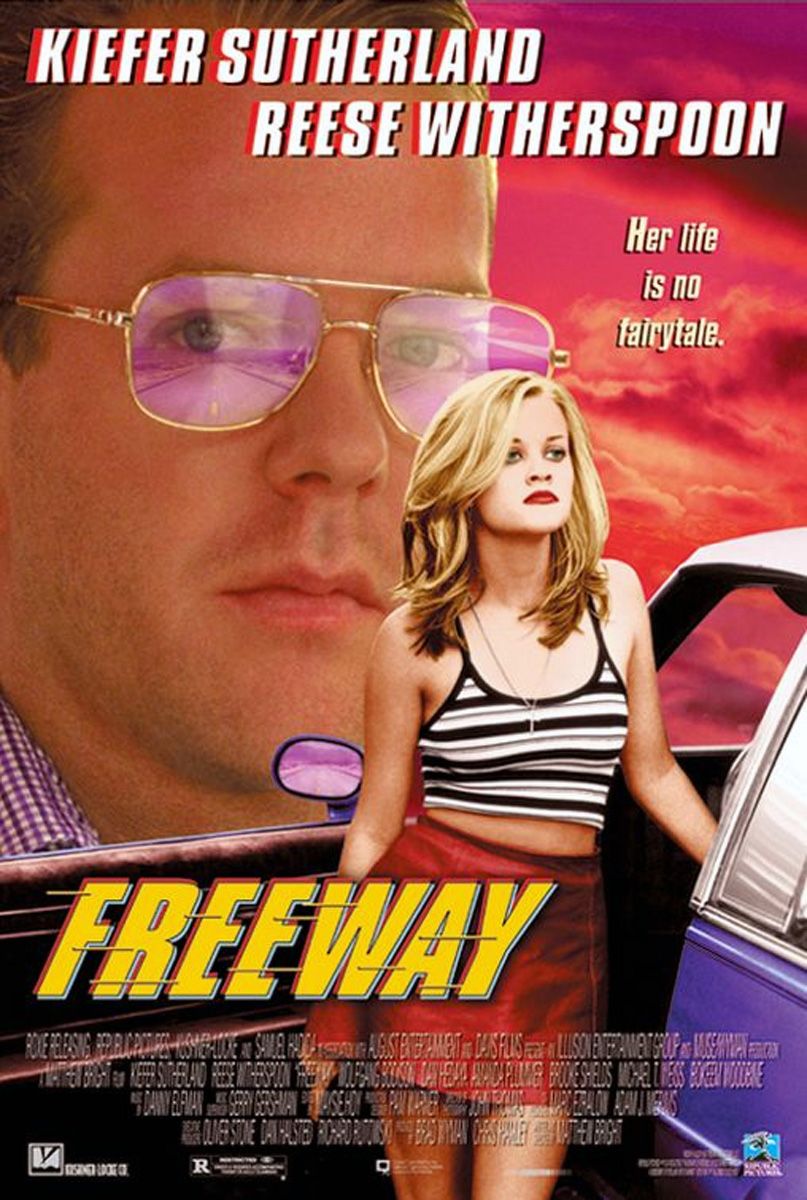
Matthew Bright’s extraordinary modernisation/trashing of Little Red Riding Hood who becomes Reese Witherspoon’s juvenile delinquent who goes hitchhiking and is targeted by serial killer Kiefer Sutherland
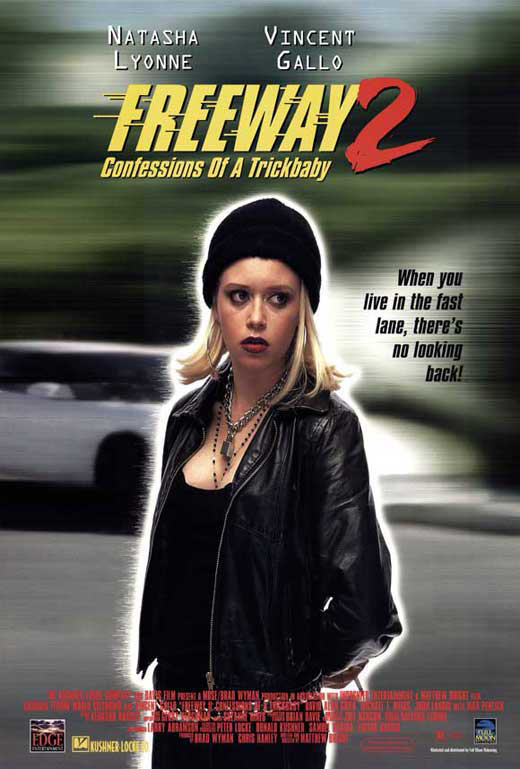
Matthew Bright’s even better sequel to Freeway where he conducts an outrageous and quite brilliant modernisation of Hansel and Gretel now recast with two juvenile delinquents on the run
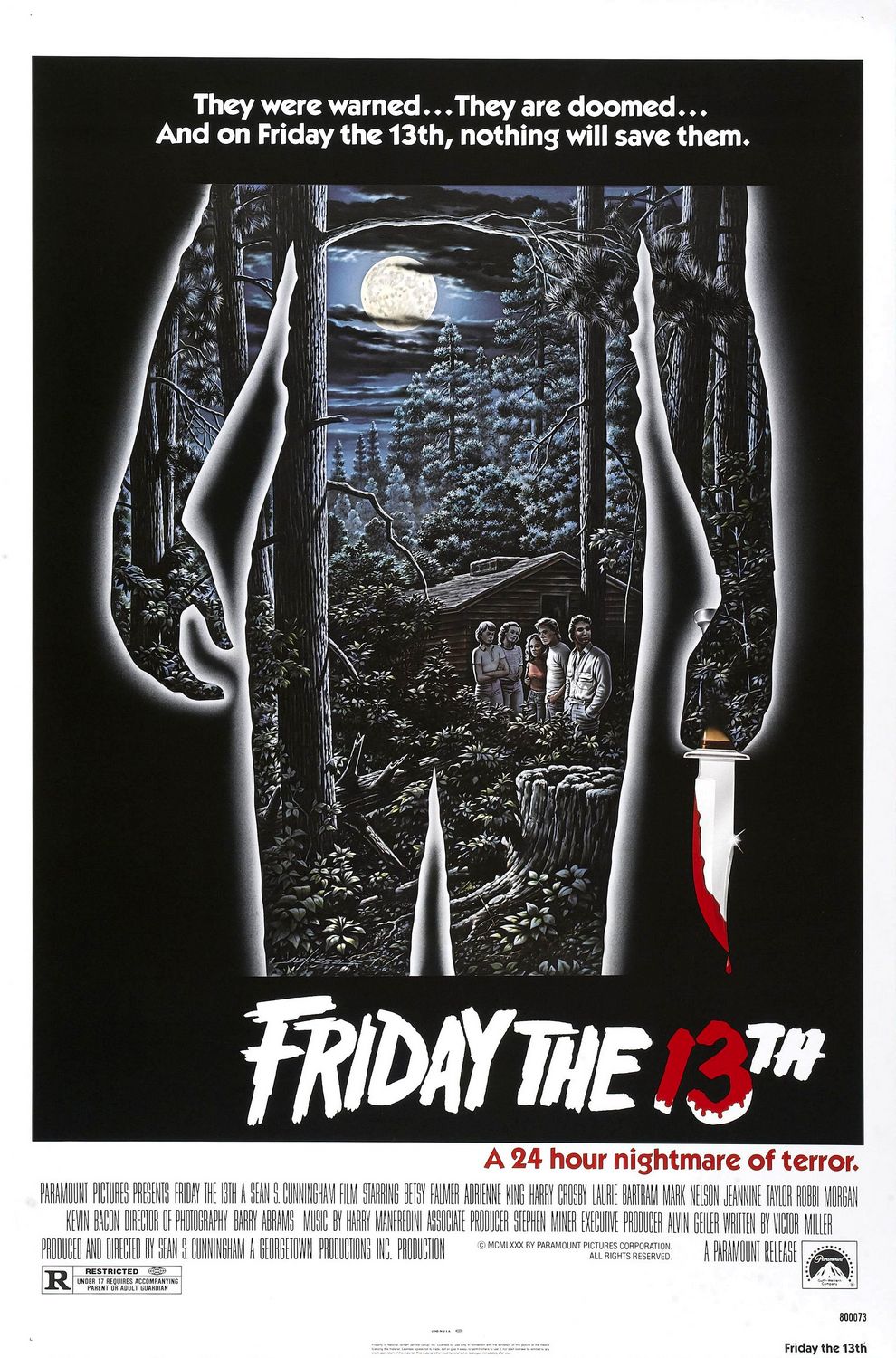
A copy of John Carpenter’s Halloween that proved a big success and spawned a long-running series of sequels. Both films created the slasher film, which came to overrun horror in the 1980s, although this is a cruder film than Halloween
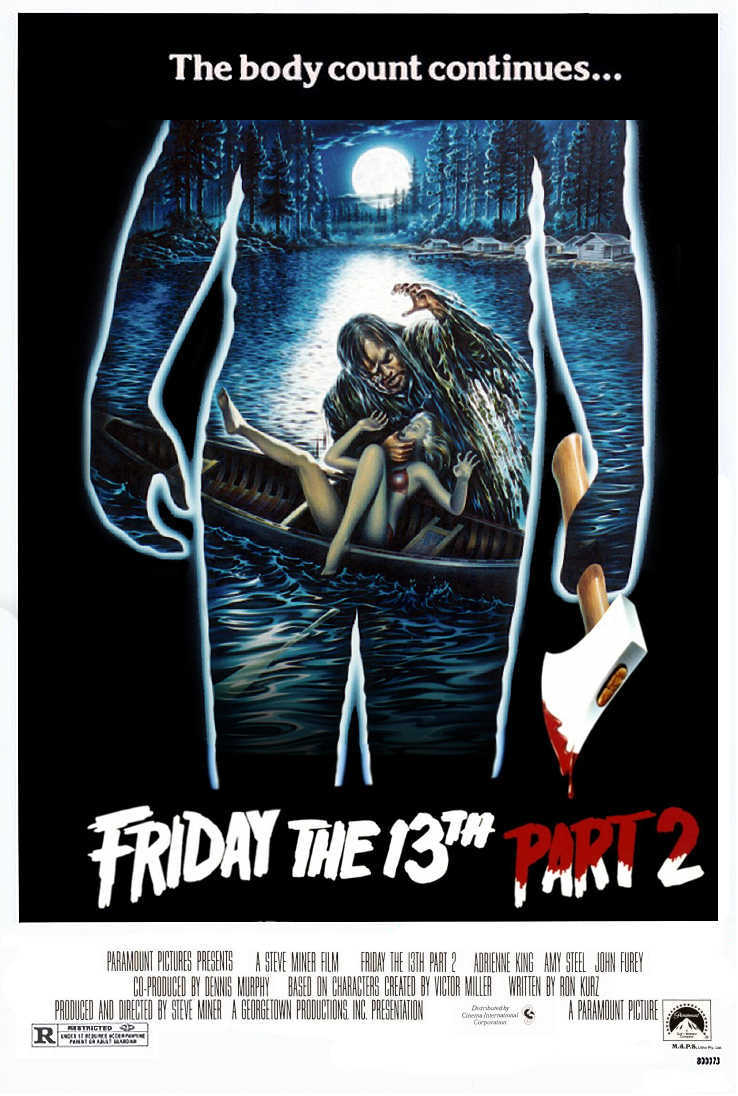
The second of the Friday the 13th films. This was the point where the formula of the series slipped into place and Jason emerges to become an invincible killing machine
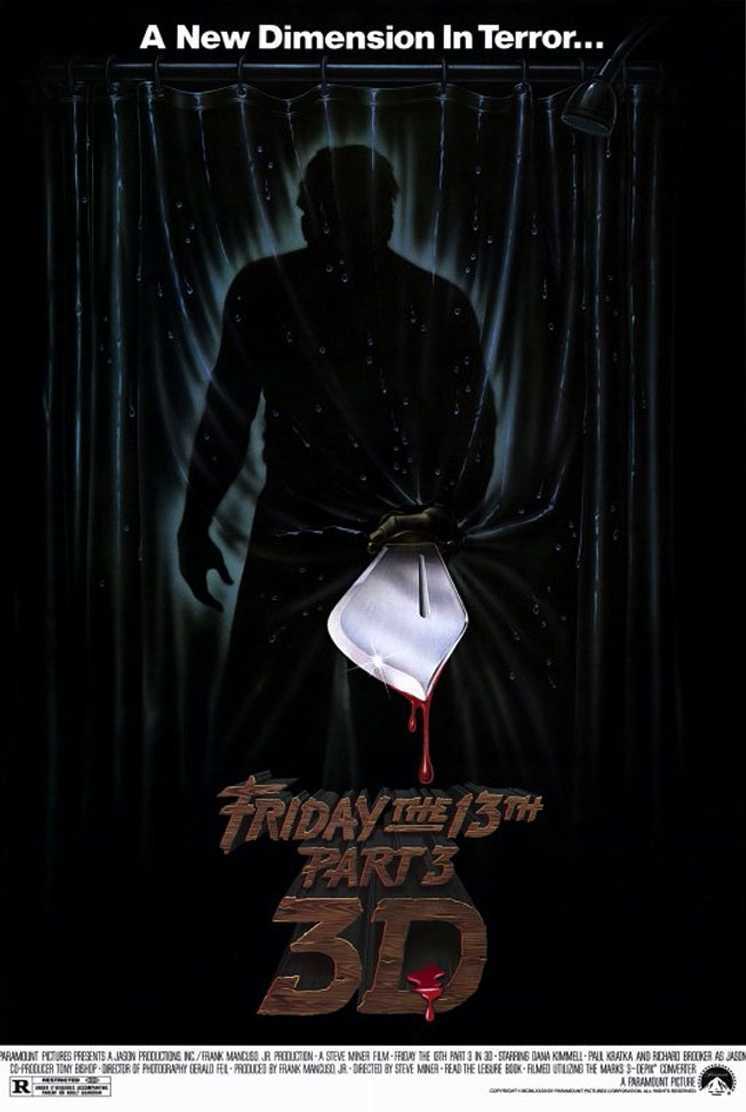
Third of the Friday the 13th films, shot in the brief fad for 3D films in the early 80s. This is also the one where Jason adopts his trademark hockey mask
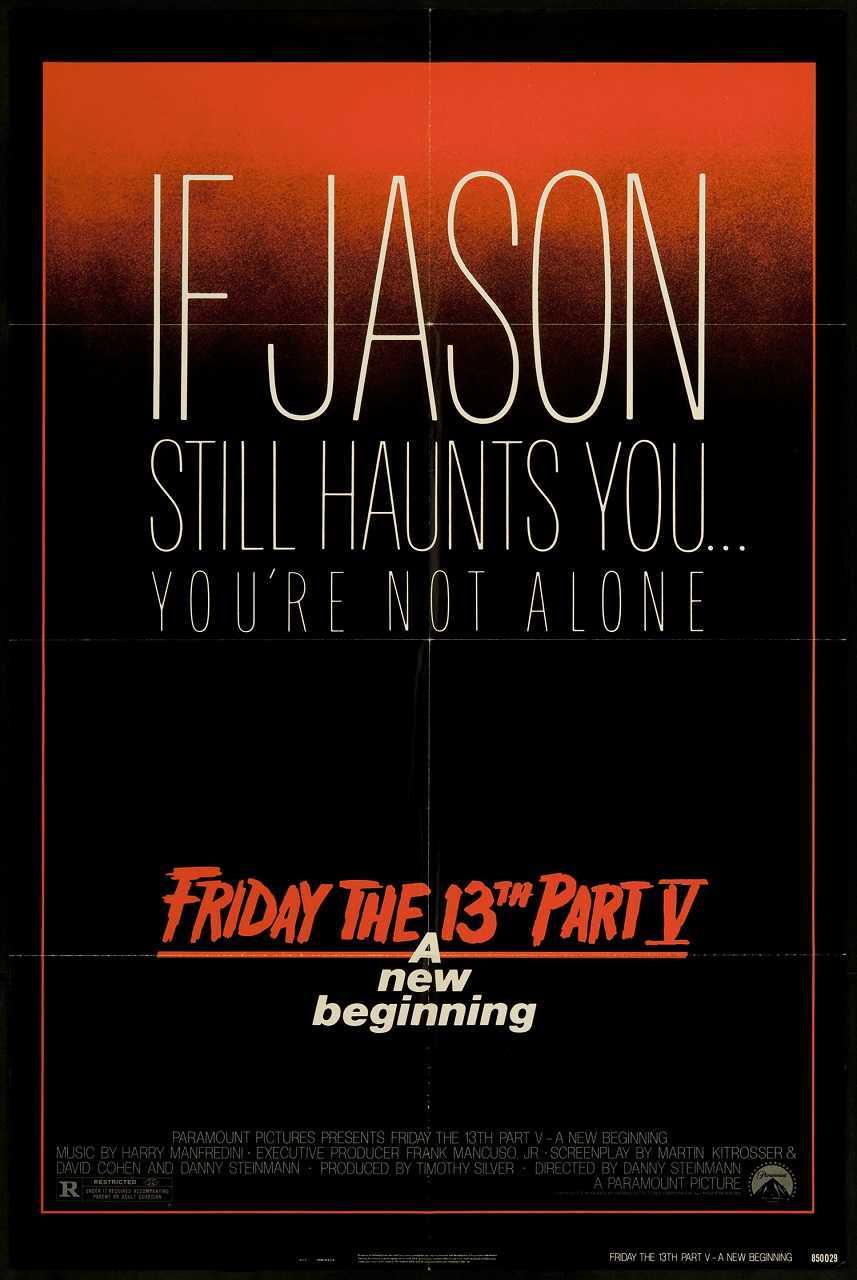
The fifth and arguably the worst of the Friday the 13th films. Jason is resurrected and engaged in much butchering, before an end reveals it was someone else altogether
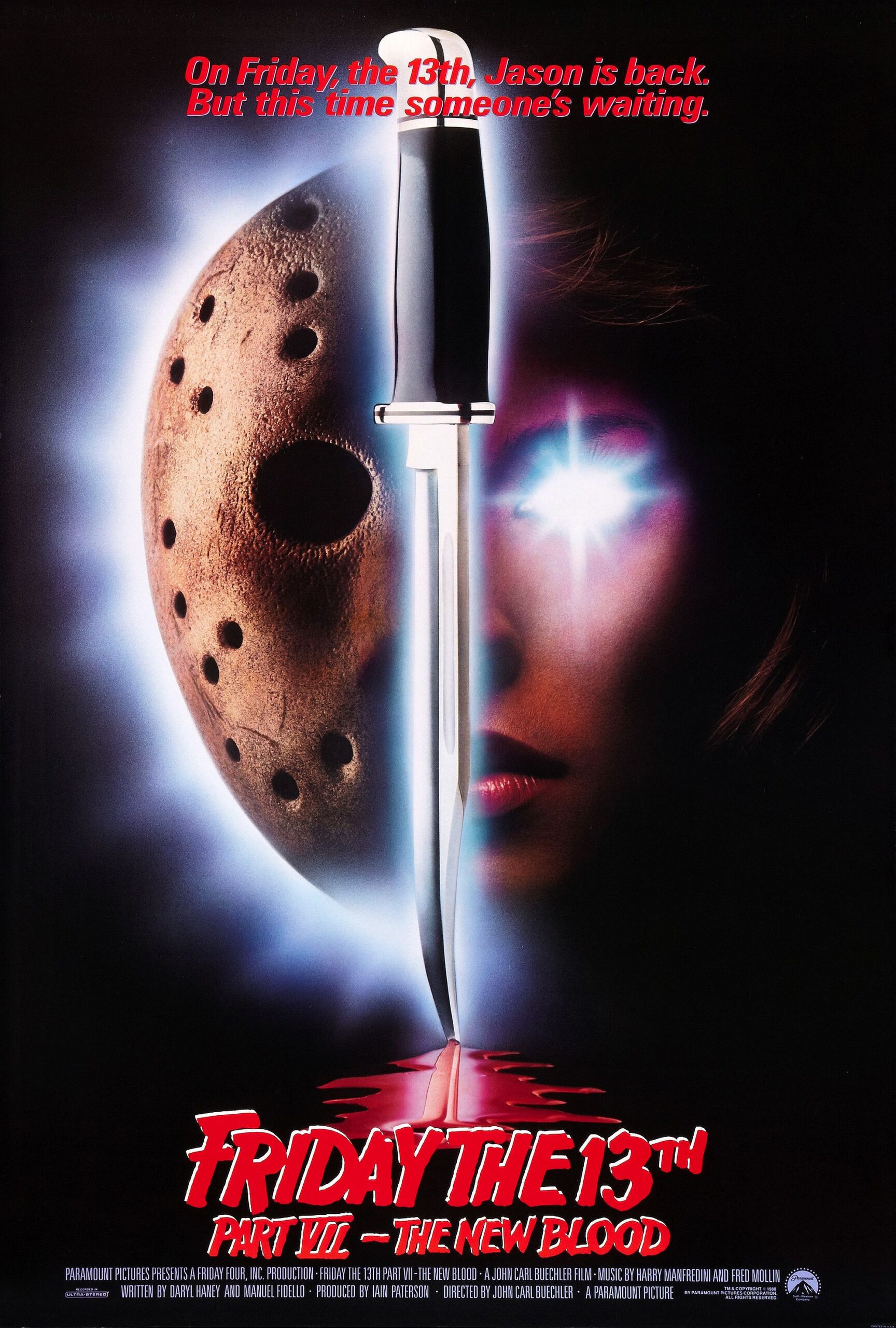
The seventh of the Friday the 13th films, this tries to add some novelty with a heroine who has psychic powers but is mostly the same thing as before
The eighth of the Friday the 13th films that offers the novelty of taking a revived Jason to New York City. Actually, one of the better entries in the series, which plays his encounters with New York locals for some amusement
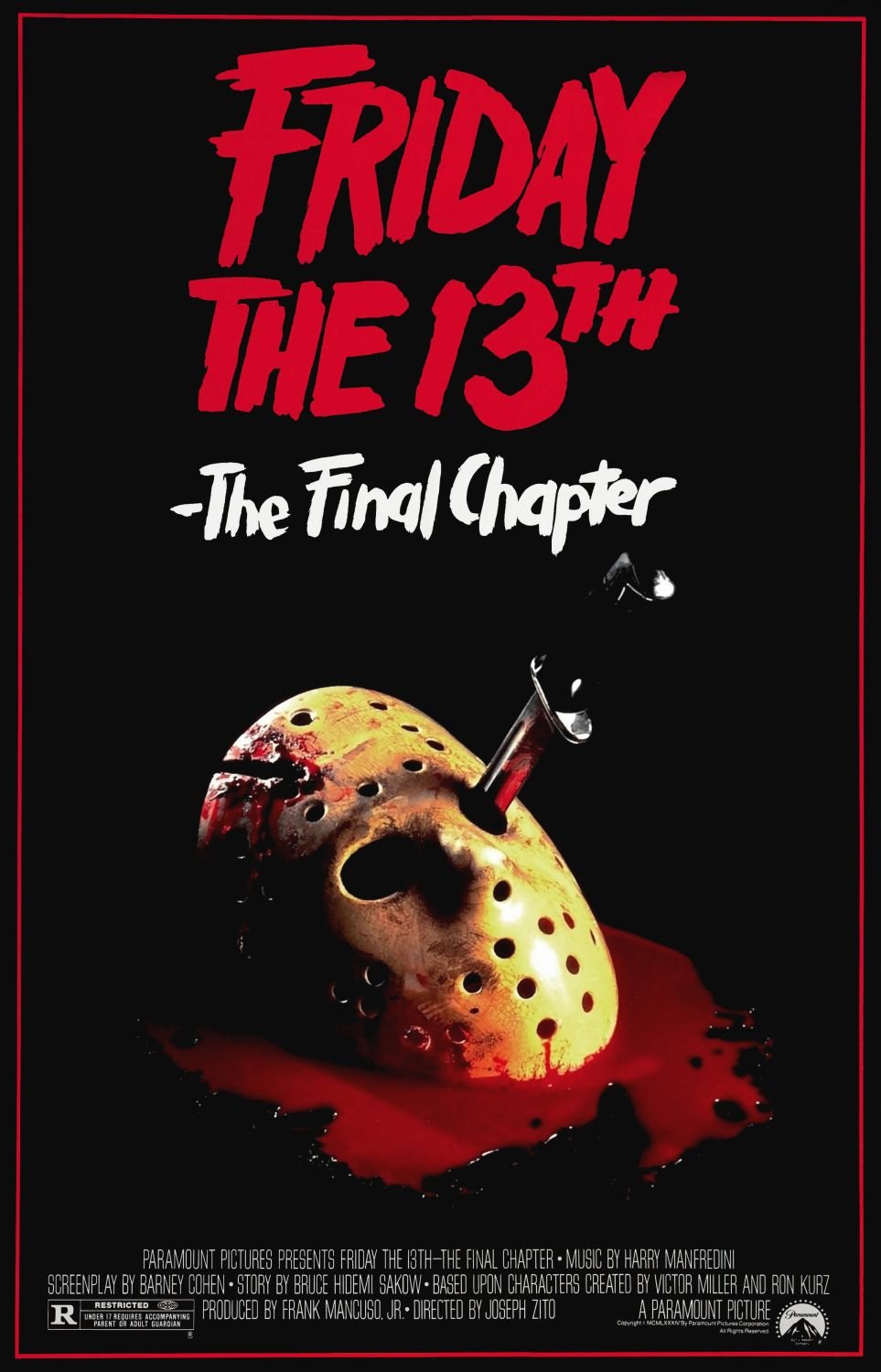
The fourth Friday the 13th film, called the final chapter in an effort to kill the series off, only to be such a success this was rescinded in the next film. Joseph Zito directs with more style than usual
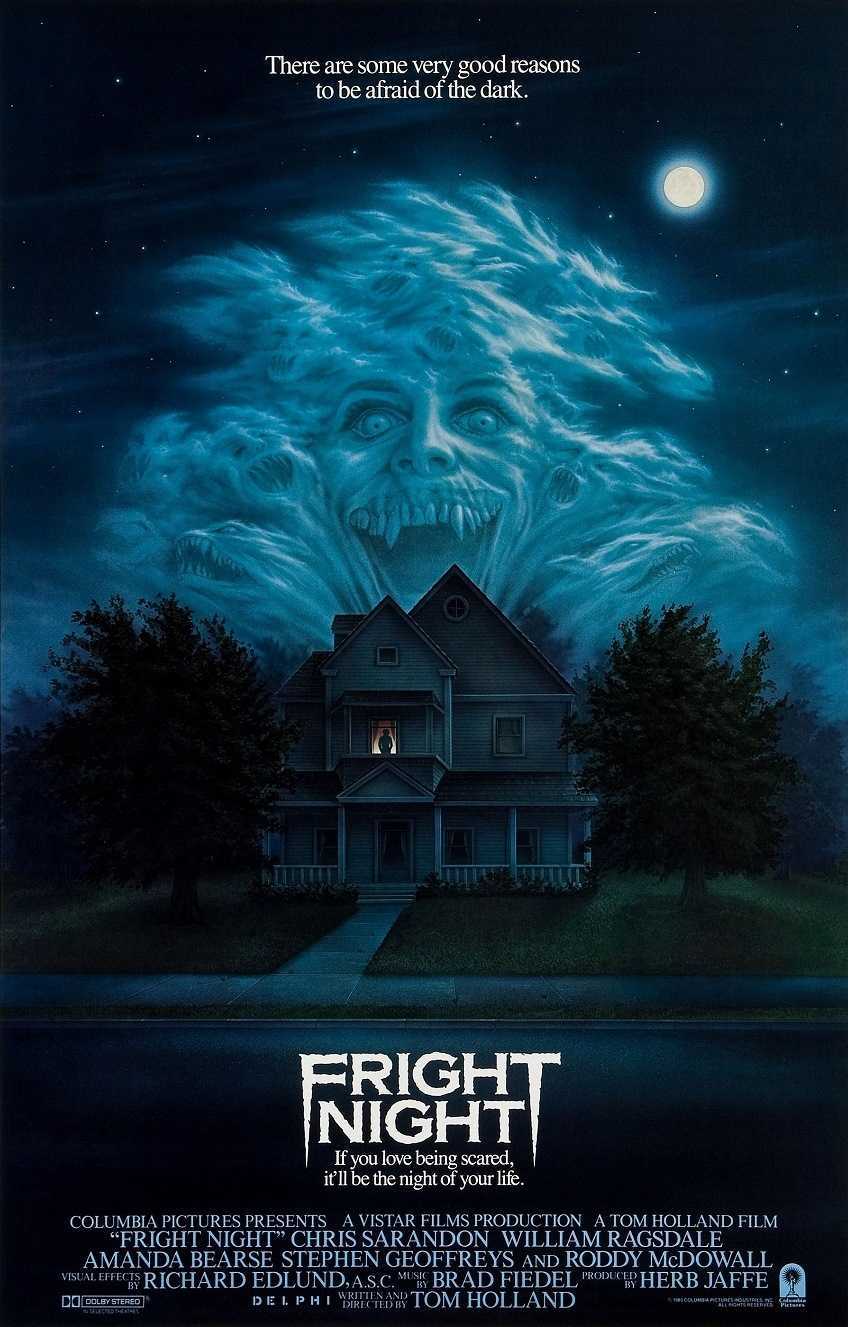
Slick well made film that successfully transplants the vampire to modern suburbia. Made with a top-drawer arsenal of effects, including taking a leaf from An American Werewolf in London and showing a detailed man into bat transformation
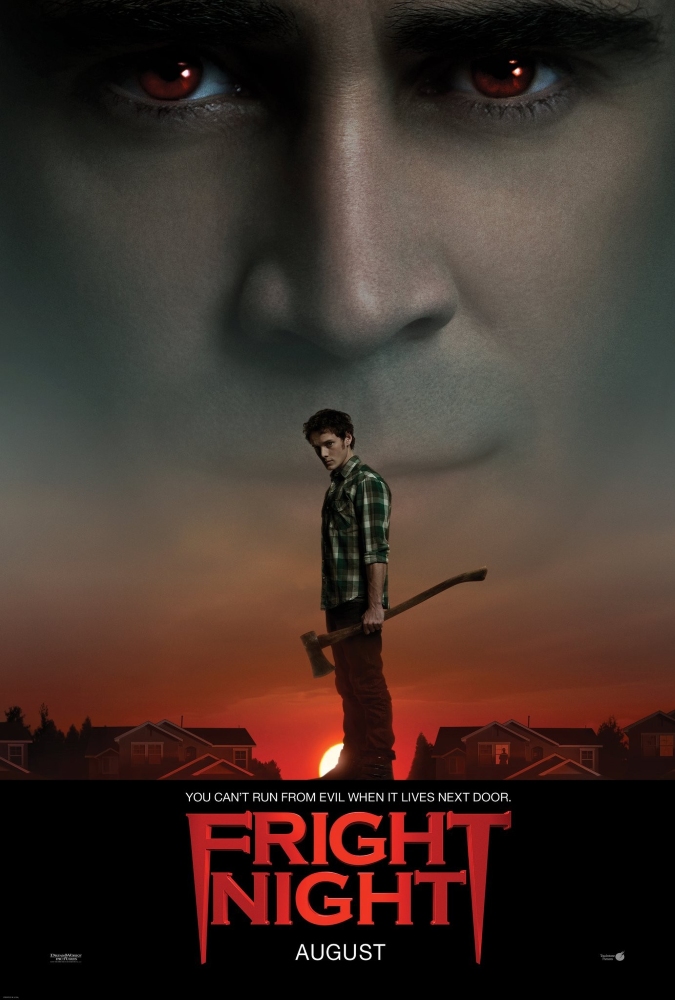
Another 1980s horror remake that resurrects and changes the original to little purpose. This fails to understand that what was original in 1985 lacks much when placed alongside contemporary vampire films
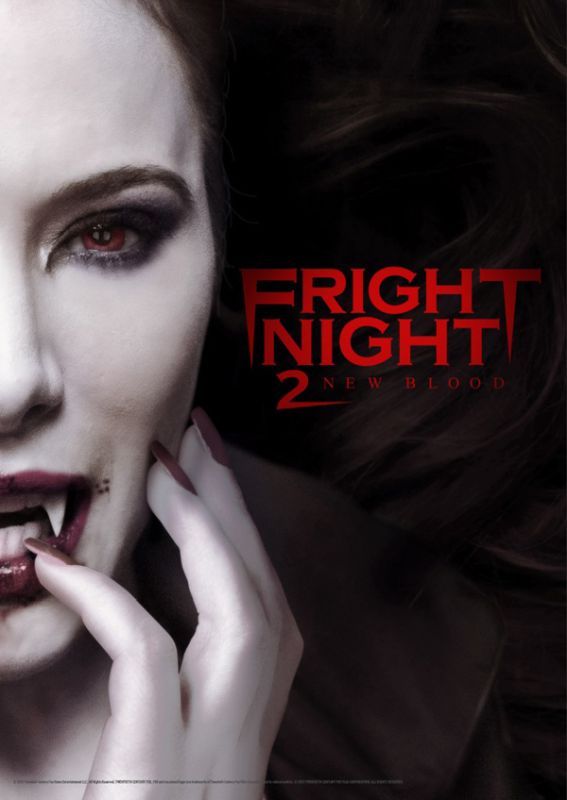
Supposedly a sequel to the 2011 Fright Night remake but more a loose reworking of the original. This conducts some novel variations such as making Jerry Dandridge into a woman, but is also one of the worst directed horror films in some time
Sequel to Fright Night, this basically rehashes what went before but introduces Jerry Dandridge’s sister. This does come with the benefit of some way-out stylistic effects from director Tommy Lee Wallace
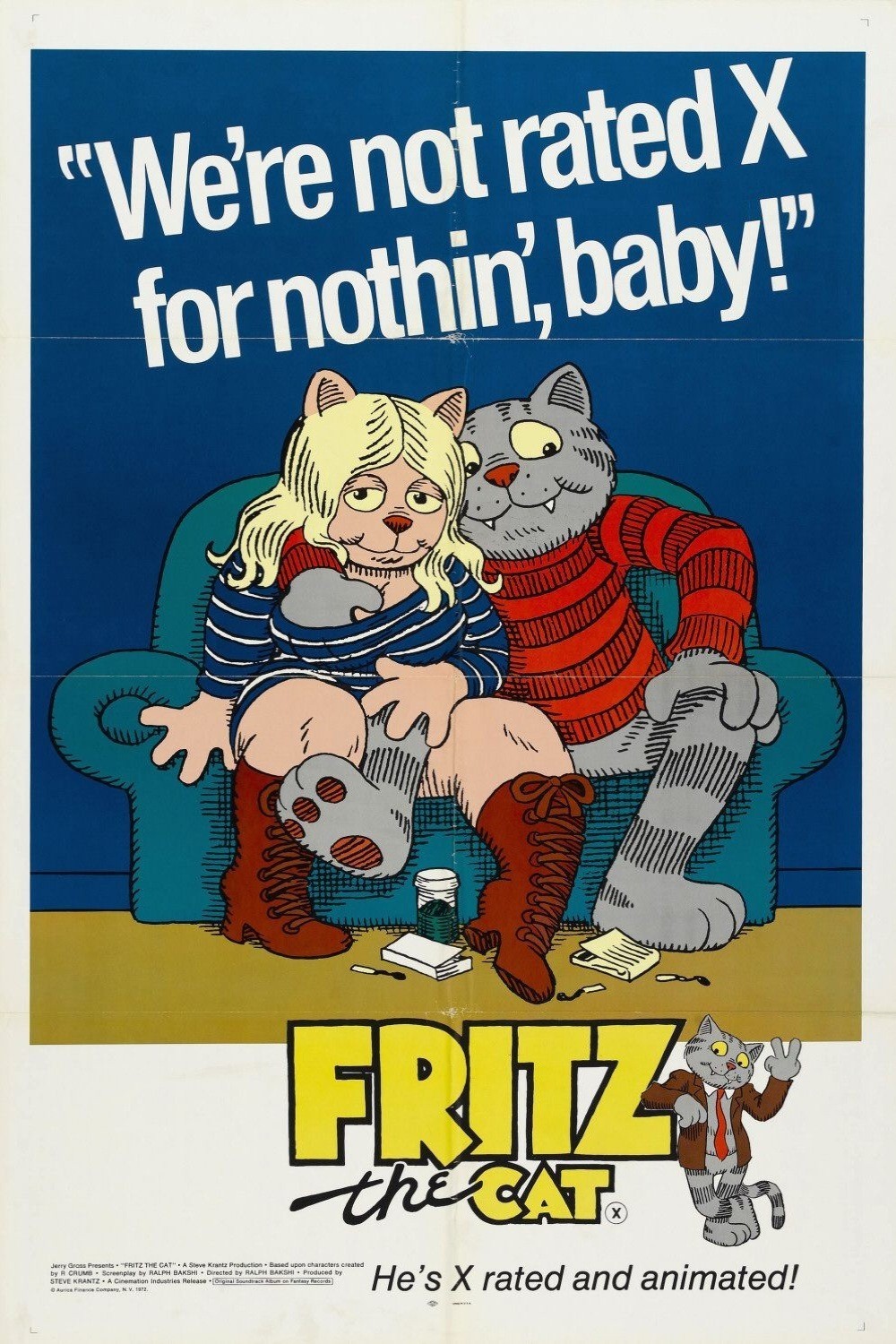
The first X-rated animated film. Ralph Bakshi’s first film, taken from Robert Crumb’s cartoons, this is hilariously raunchy as the titular talking cat takes a strung-out but often sharply politicised journey through 1960s counter-culture
Robert Rodriguez and Quentin Tarantino combine forces on a film that begins as a getaway thriller and then abruptly morphs into a vampire film. This has a smart edginess to it but the vampire scenes have not dated well
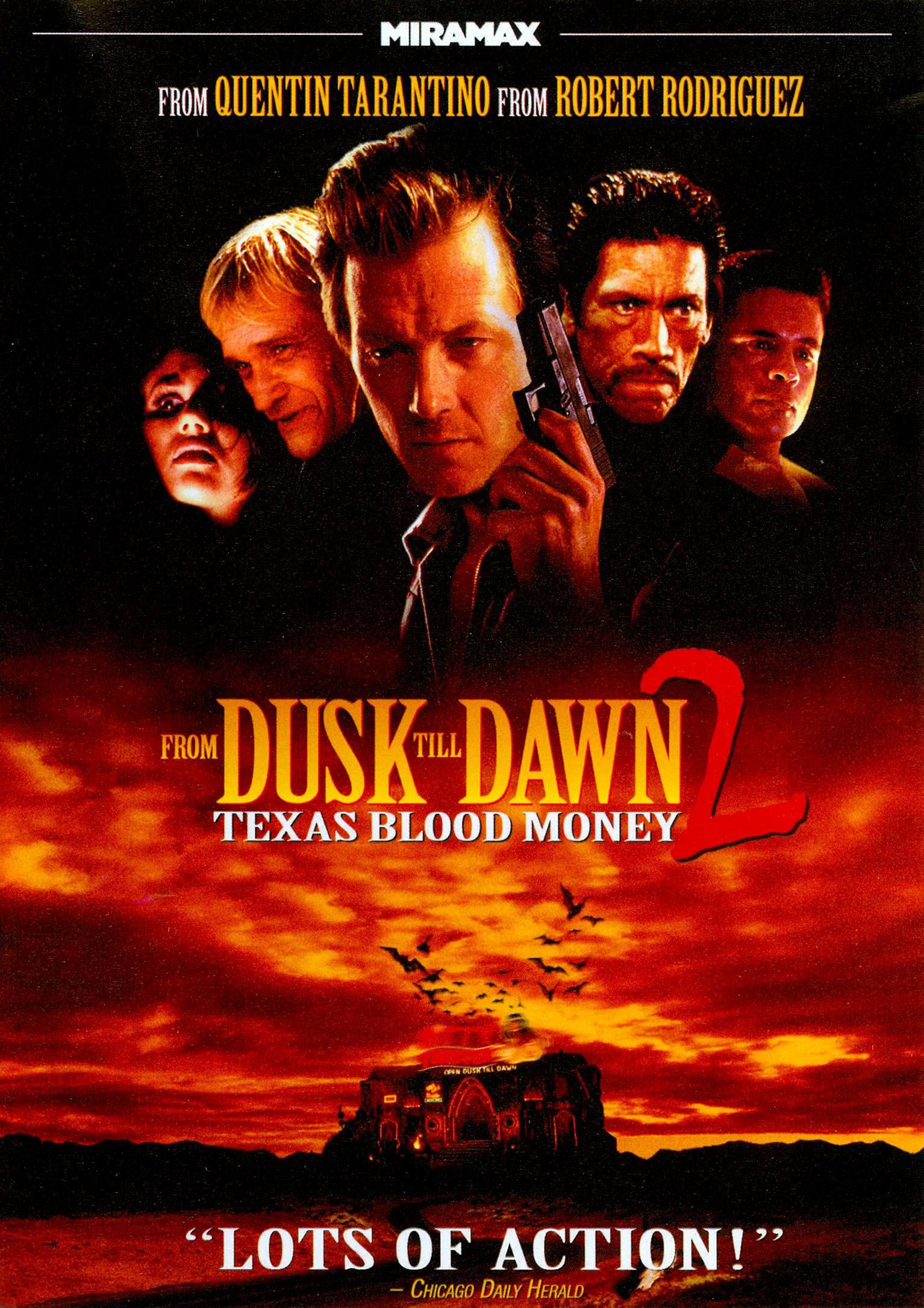
The first of two video-released sequels to From Dusk Till Dawn, this spins the premise to have a group of robbers at siege from police inside a bank vault as they are attacked by vampires
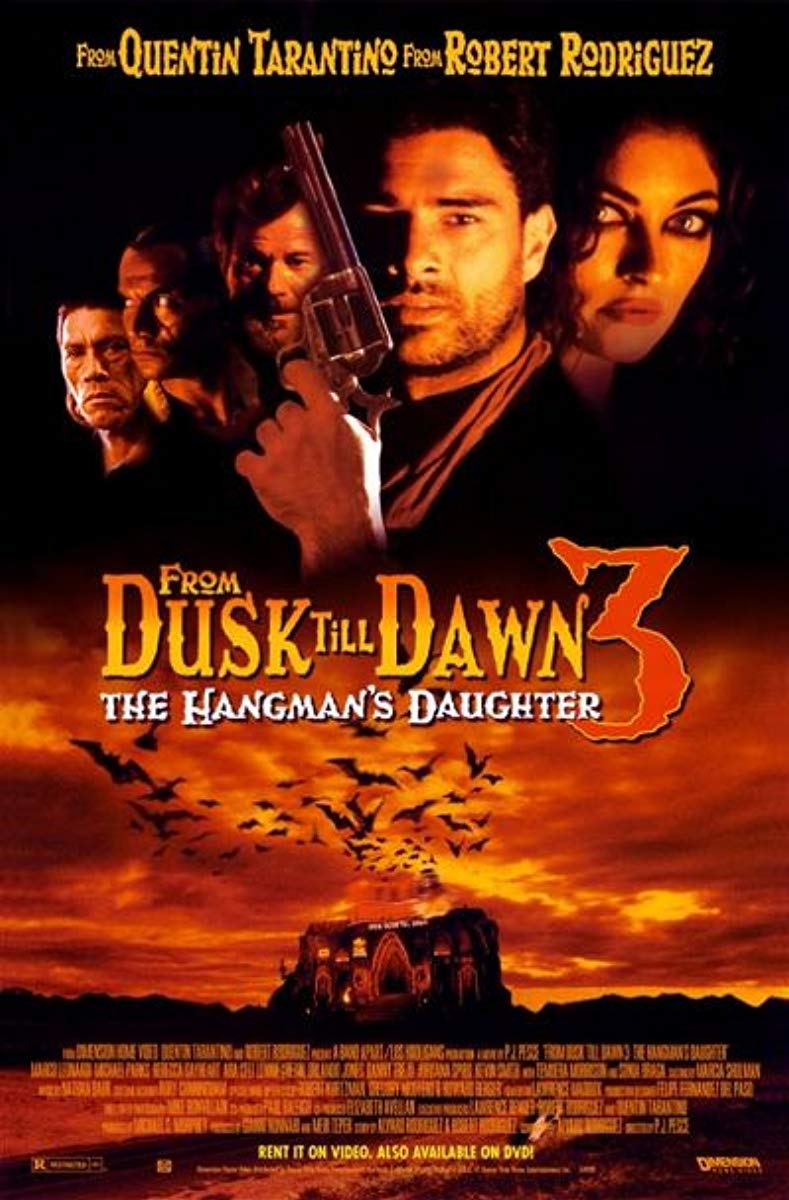
The second and best of the From Dusk Till Dawn sequels. This takes the story back and retells it in a Western setting where it offers some clever twists on the original
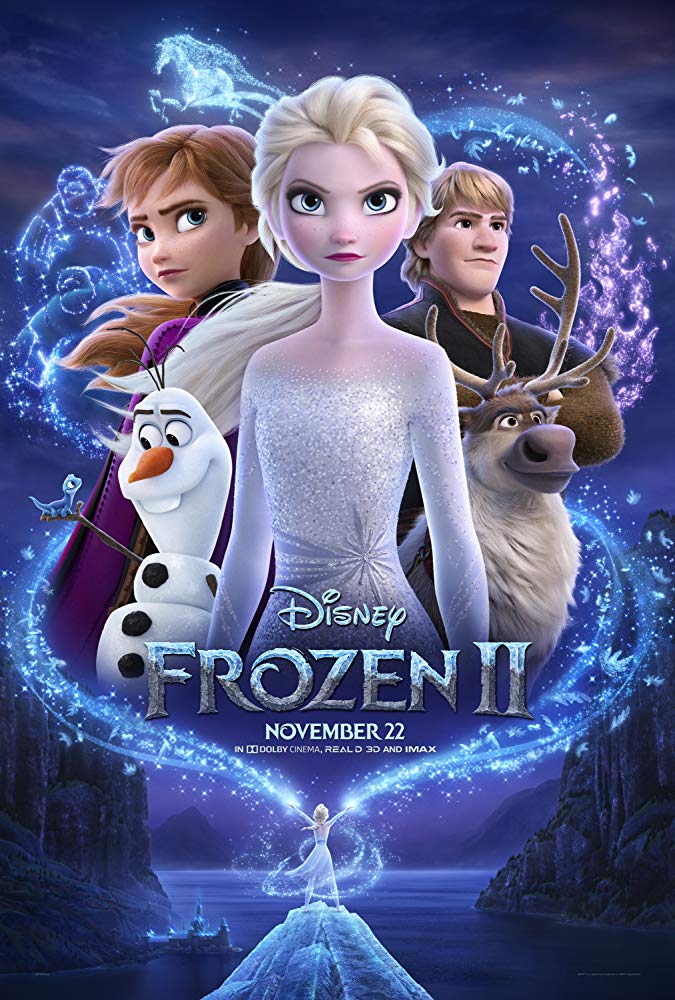
Frozen was the most successful animated film of all time. It also felt the most formulaic and least inspired Disney film of the 2000s. As part of Disney’s new business policy of recycling everything, this is a sequel.
Live-action adaptation of the popular manga and anime series. Despite having a reasonable budget thrown at it and treating the source material with fathfulness, this looks awkward on the screen
The concluding chapter of the trilogy of live-action Fullmetal Alchemist films, this follows the manga’s storyline closely and brings the series to an epic conclusion
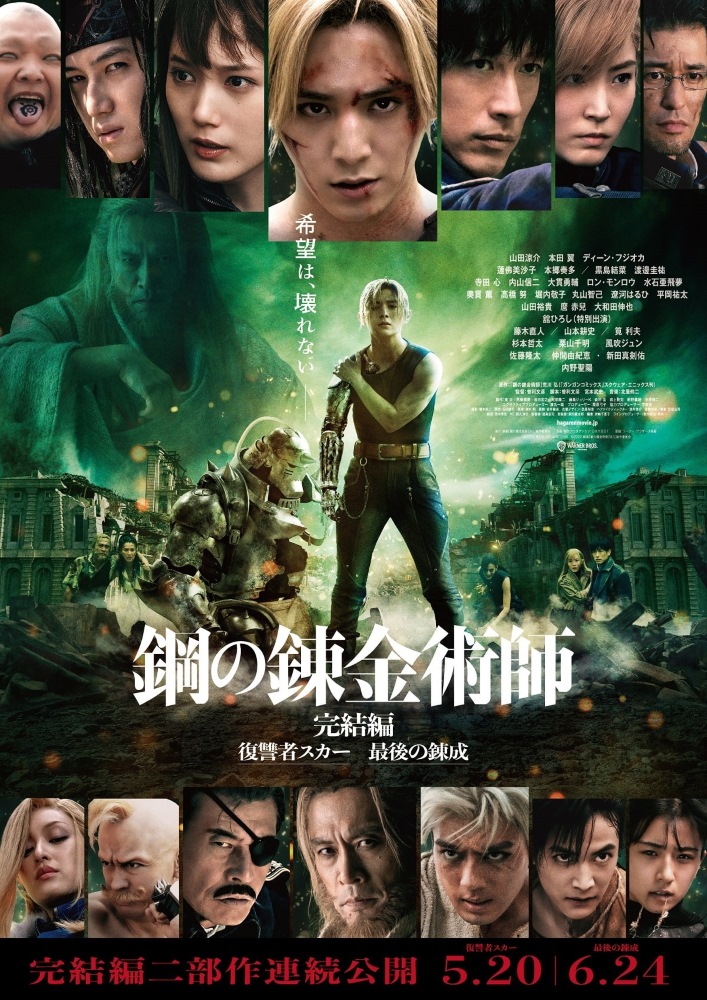
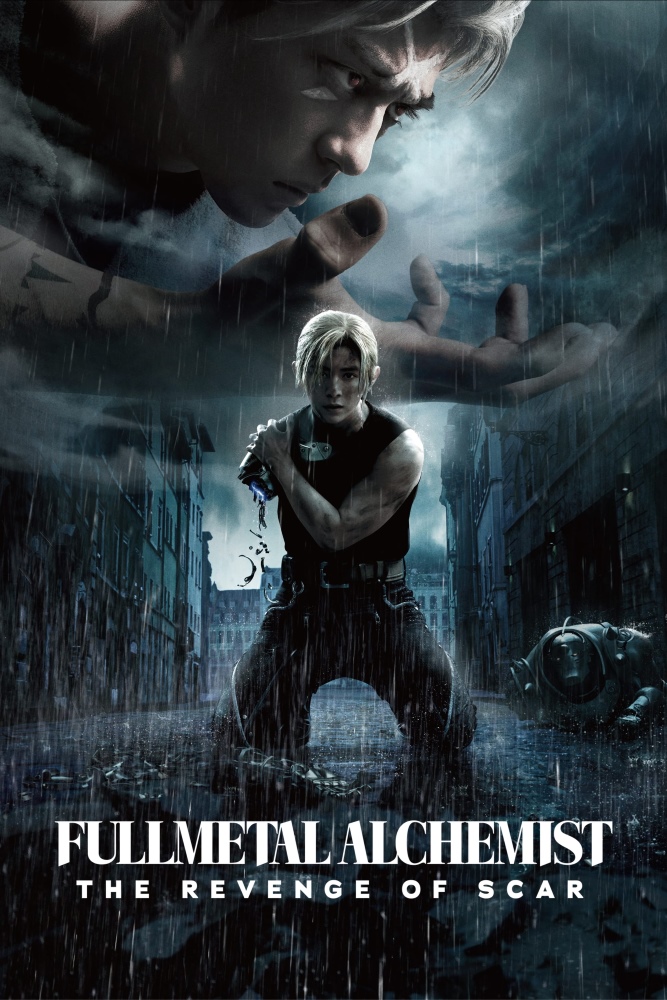
The first of two sequels to the live-action Fullmetal Alchemist. The first felt uninspired but this and the third film expand the saga and its storyline out with considerable depth
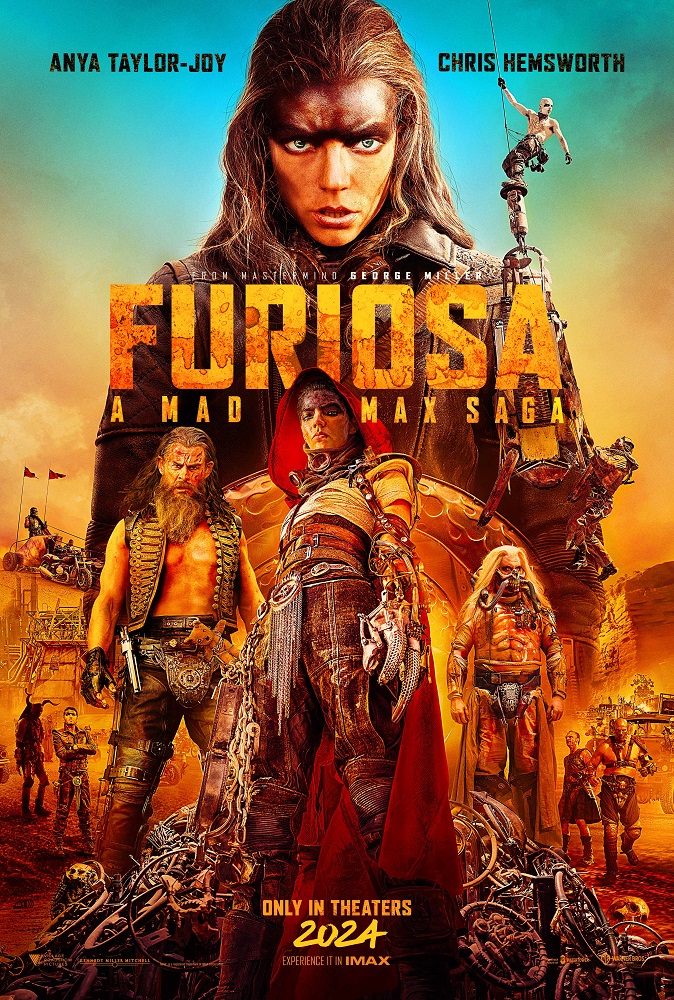
45 years on, George Miller returns with a fifth entry in his Mad Max saga, a prequel to Fury Road. As to be expected from Miller, this an exhilarating action piece and makes a welcome return to his post-apocalyptic junkyard world
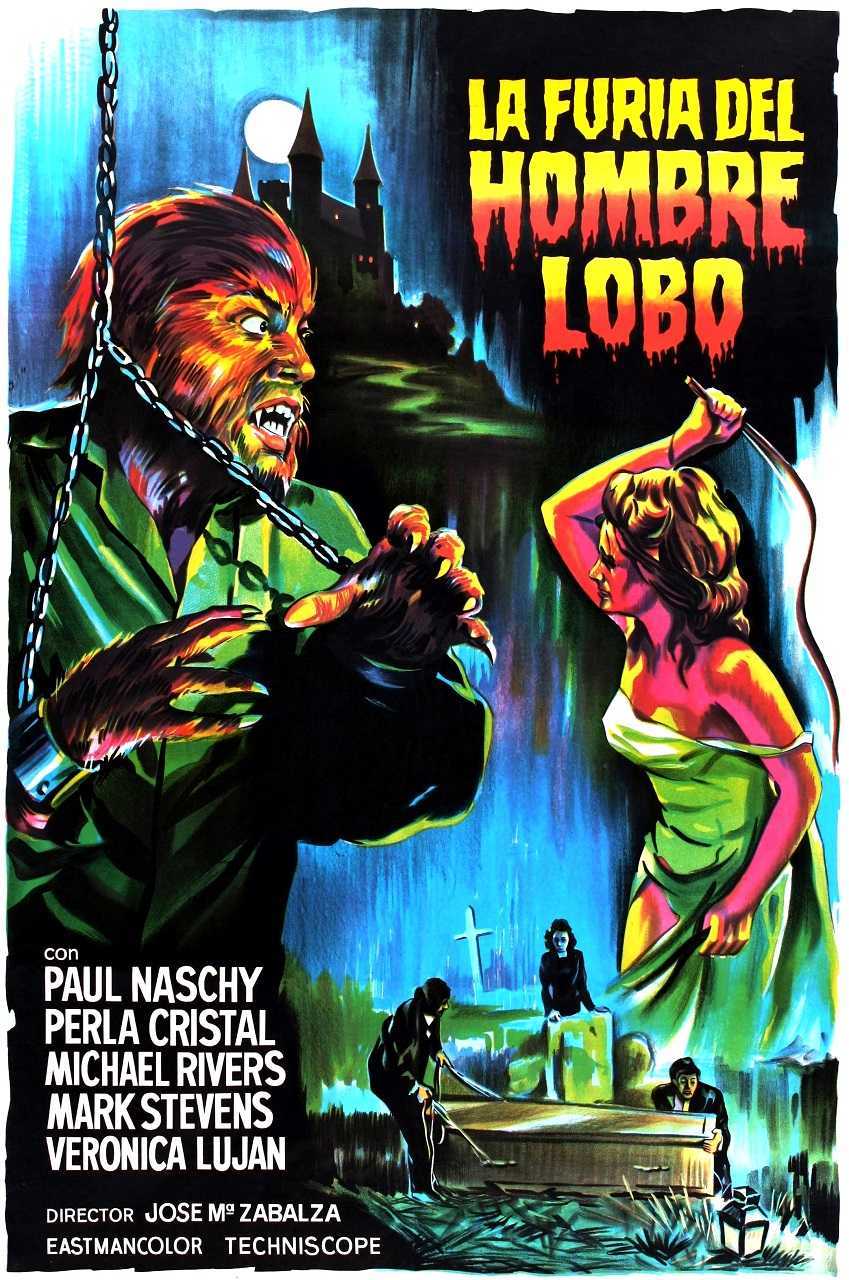
This was the fourth (or maybe the fifth) of the Spanish films in the popular series about the wolfman Waldemar Daninsky starring Paul Naschy. Also one of the shabbiest of the series.
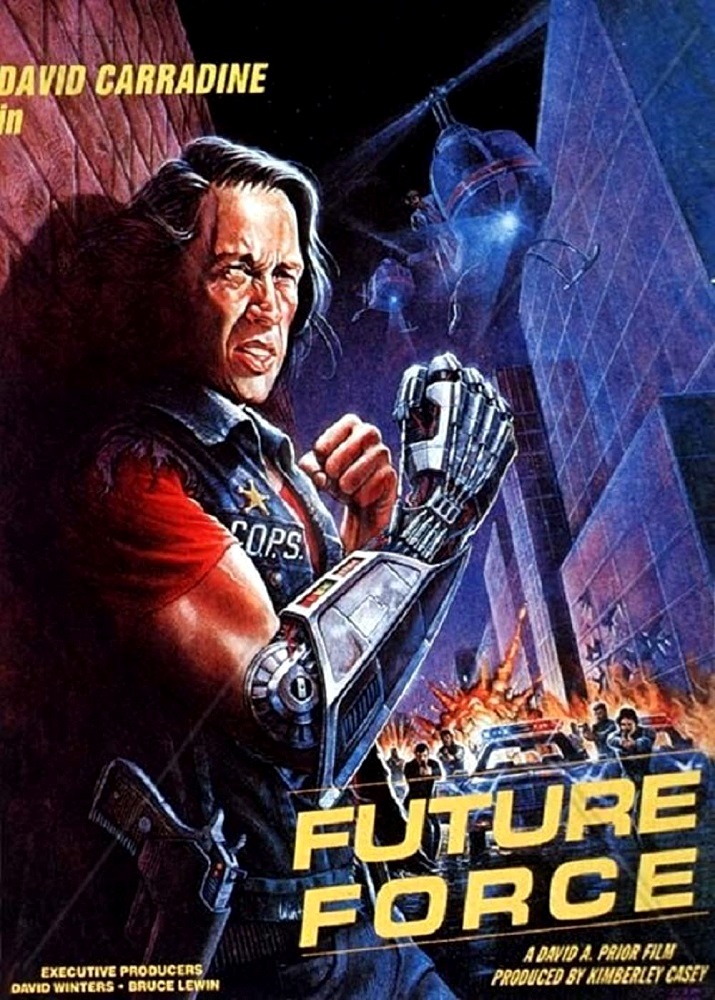
1990s VHS SF/action with David Carradine as a future cyborg bounty hunter on the run with a wrongly convicted girl while hunted by his own side
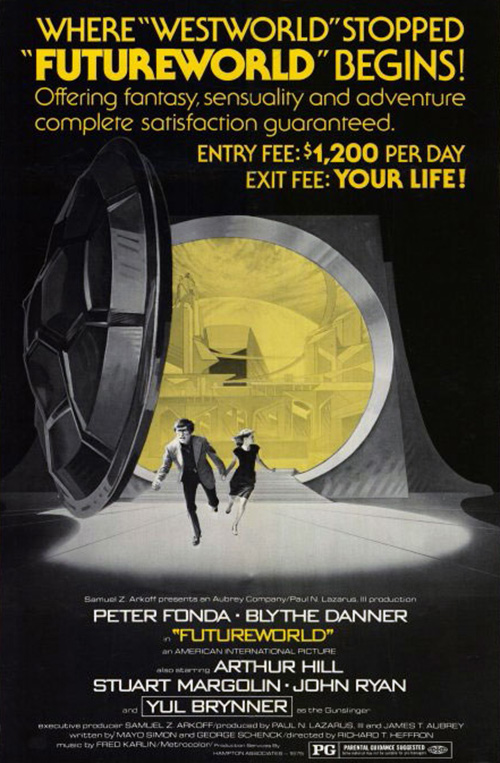
A sequel to the original Westworld. Here the cleverness of Michael Crichton’s film is rehashed as a B movie plot about the amusement park now hosting android takeover conspiracies
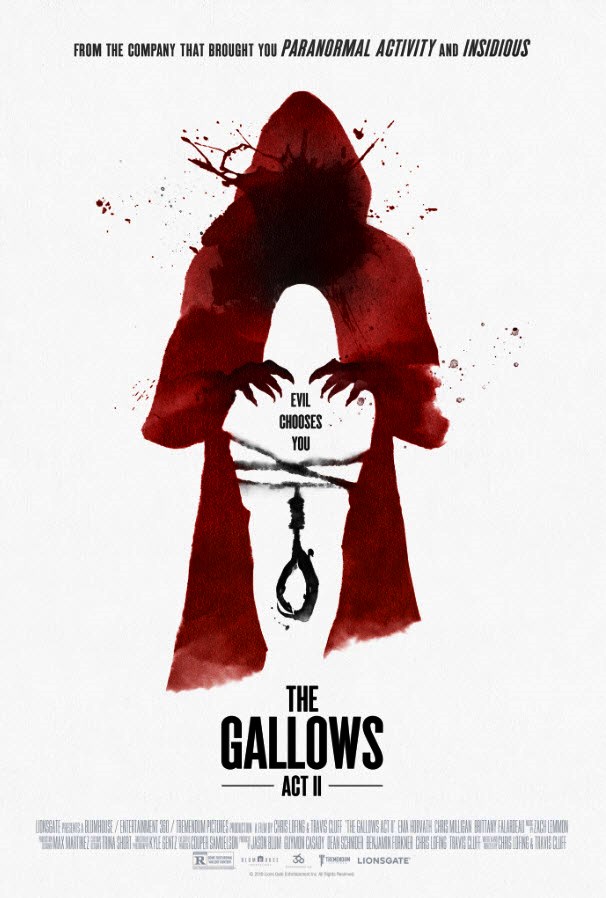
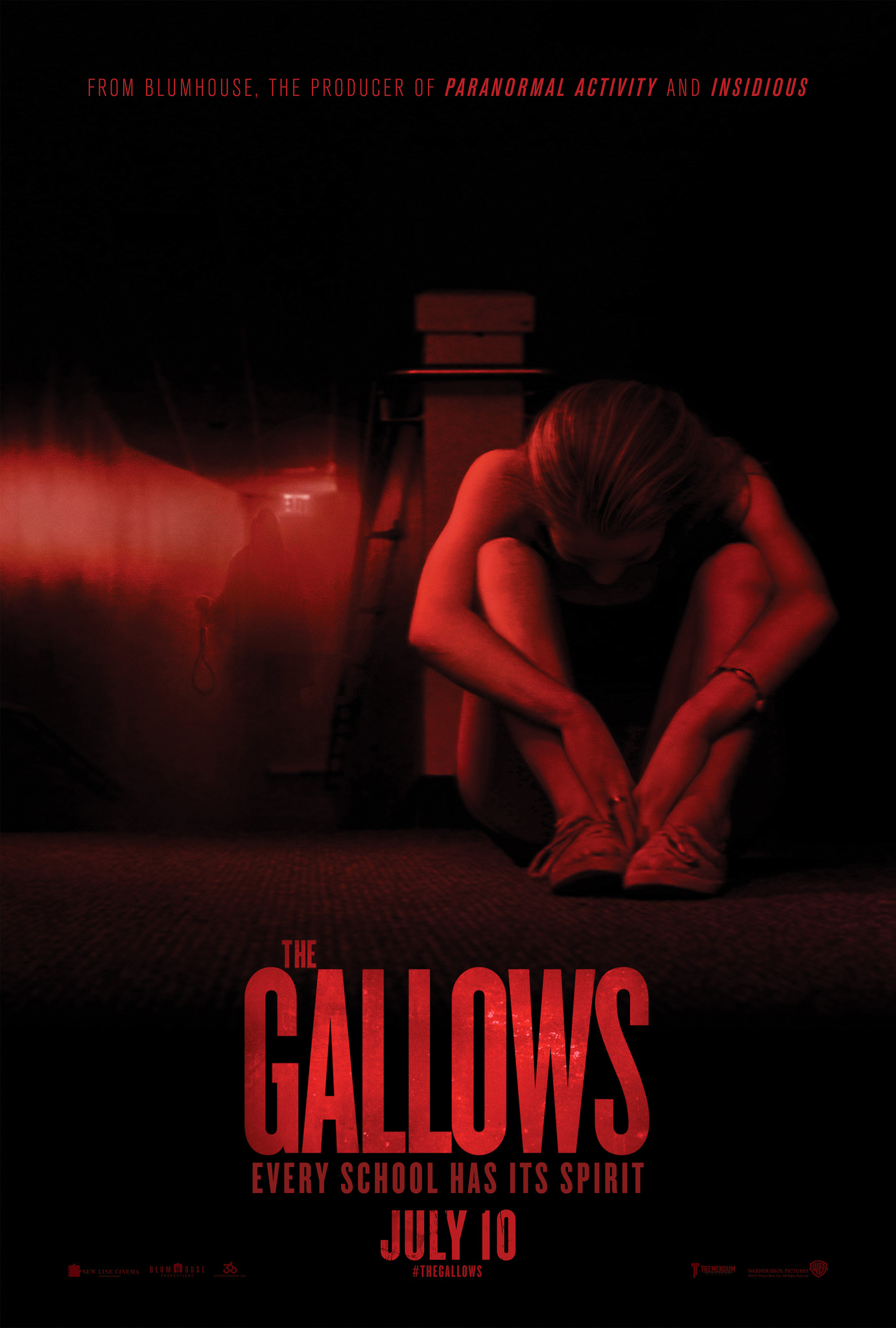
Though this received a reasonably high-profile release from Blumhouse, it transpires as no more than a Found Footage film about the haunting of a high-school play
The Gallows was a Found Footage film about a haunted high school play. Blumhouse have yet to have a success to which they are not willing to spin out a sequel
Shusuke Kaneko did extraordinary things in revitalising the Japanese monster movie in the 1990s with his trilogy of Gamera films. This was the second of them, usually seen as the weakest of the trilogy
An extraordinary reworking of the Japanese kaiju series with stunning CGI effects sequences. This set a new standard and is among the best of the modern Japanese monster movies
Possibly the worst Kaiju film ever made – produced by a bankrupt studio in order to recoup losses and cheaply slung together by rehashing footage from the other Gamera films
Here Shusuke Kaneko revived the Gamera series of the 1960s/70s with a series of stunning effects. The result promptly set a new standard for the Japanese monster movie
The 1960s Gamera films were always a copy of the Godzilla films, aimed at a more juvenile level and with crappier effects. This was the second of them, somewhat better produced than the others and taking proceedings seriously
The third of Daiei’s 1960s Gamera films, this takes the series back into children’s movie territory. Some moments of goofy silliness and variable effects ensue in a likeable enough combination
The fifth of the 1960s Gamera films. This comes with inane plotting, sub-par effects and silly monster fight scenes, even a plot stolen from Fantastic Voyage about a submarine journey into the monster’s body
This was the seventh of the 1960s Gamera films and one of the worst of the series. By now, the film is pitched entirely to juvenile audiences, while the effects are pitiful
This was made as a copy of the Godzilla films by rival studio Daiei. This proved sufficiently successful that it too spawned a long-running series of sequels and monster bashes
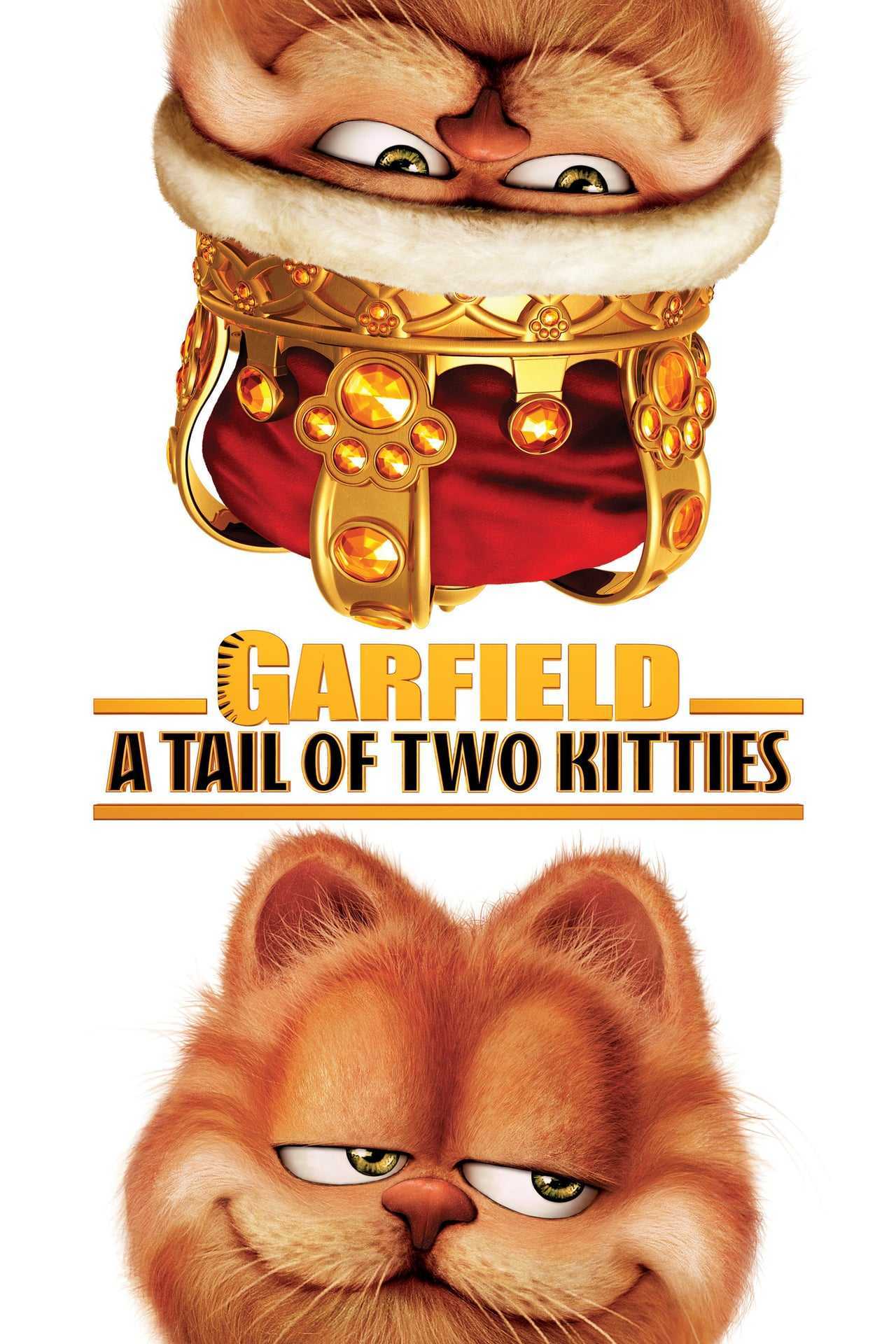
Where the first live-action Garfield film approximated the original comic-strip and its focus on a cat delivering sarcastic lines, this sequel pitches everything down to the level of an inane children’s film
Big screen version of the massively popular Garfield comic-strips in live-action with a CGI talking Garfield. Here Garfield has been tacked onto a plot that feels assembled from every other talking animals film
Animated film spun off from the Garfield comic-strips in which Garfield emerges out into the real world. A cute premise that the film fails to develop
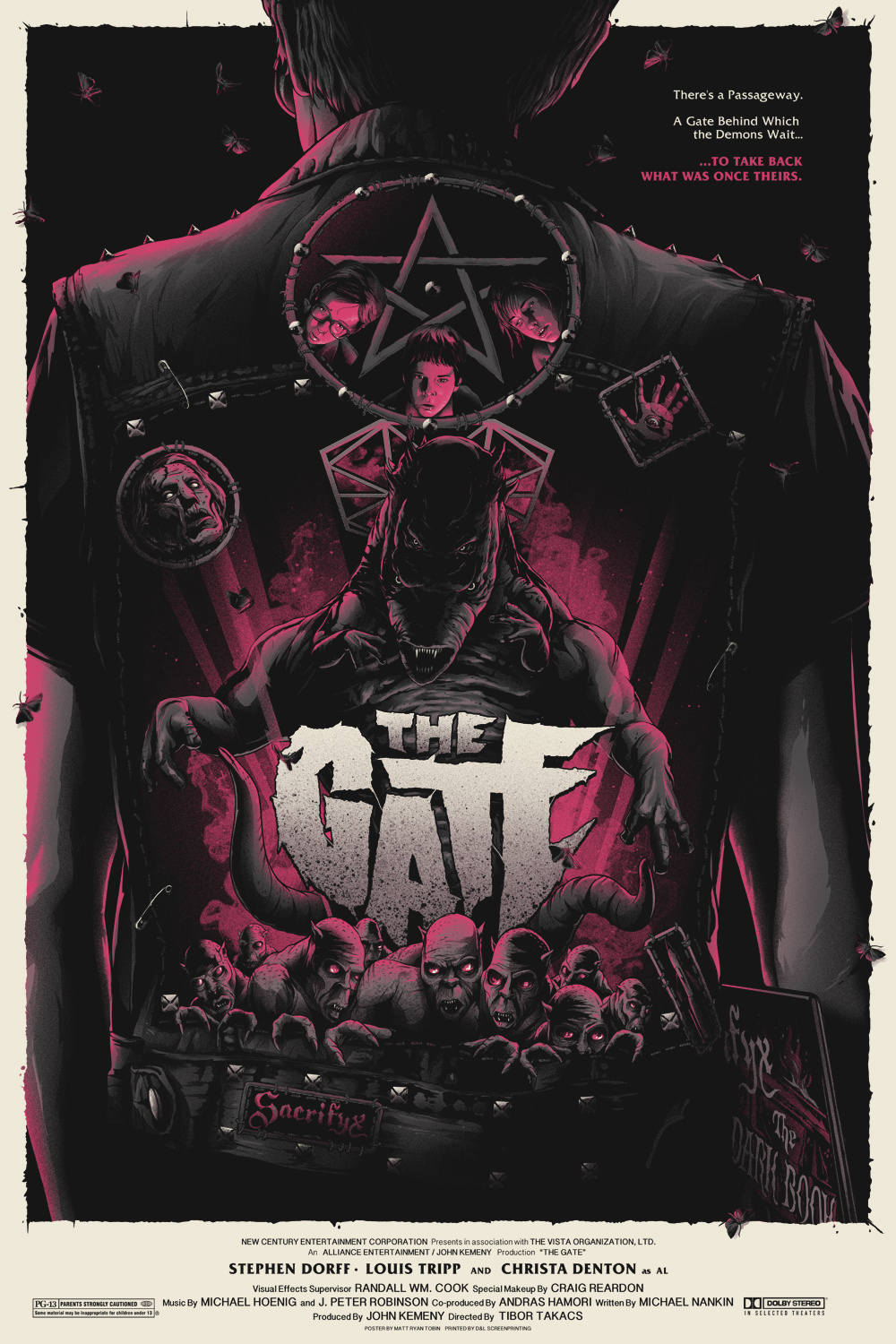
Modest horror film of the 1980s where kids inadvertently open a demonic gateway. Like a juvenile version of Poltergeist, this comes with the bonus of some fairly good effects
A superior sequel to the modest The Gate. This borrows from H.P. Lovecraft and delves into the area of cursed wishes that turn on the wisher, all with imaginative results
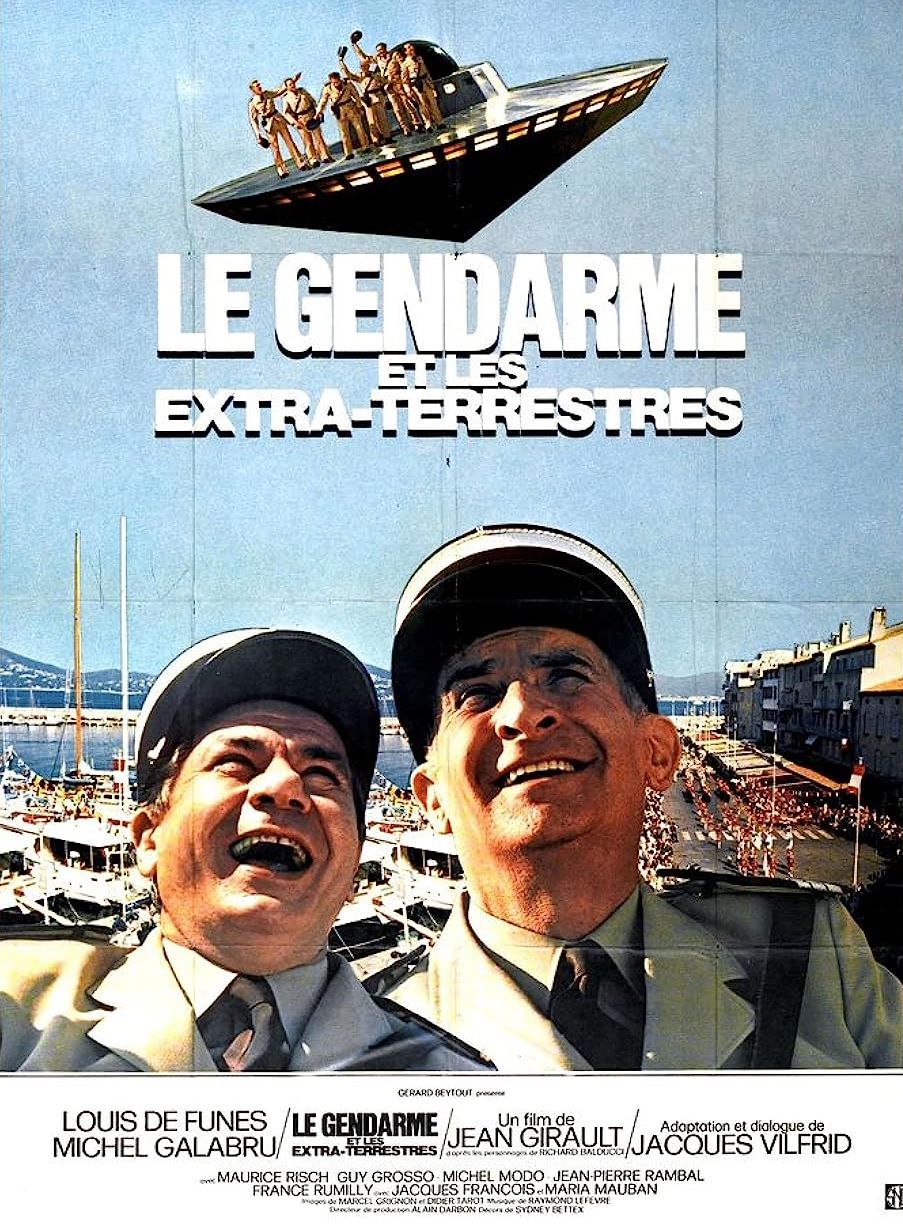
An entry in a popular series of French slapstick comedies with Louis de Funes as a comic gendarme. In this, the series sole genre entry, he goes up against alien visitors
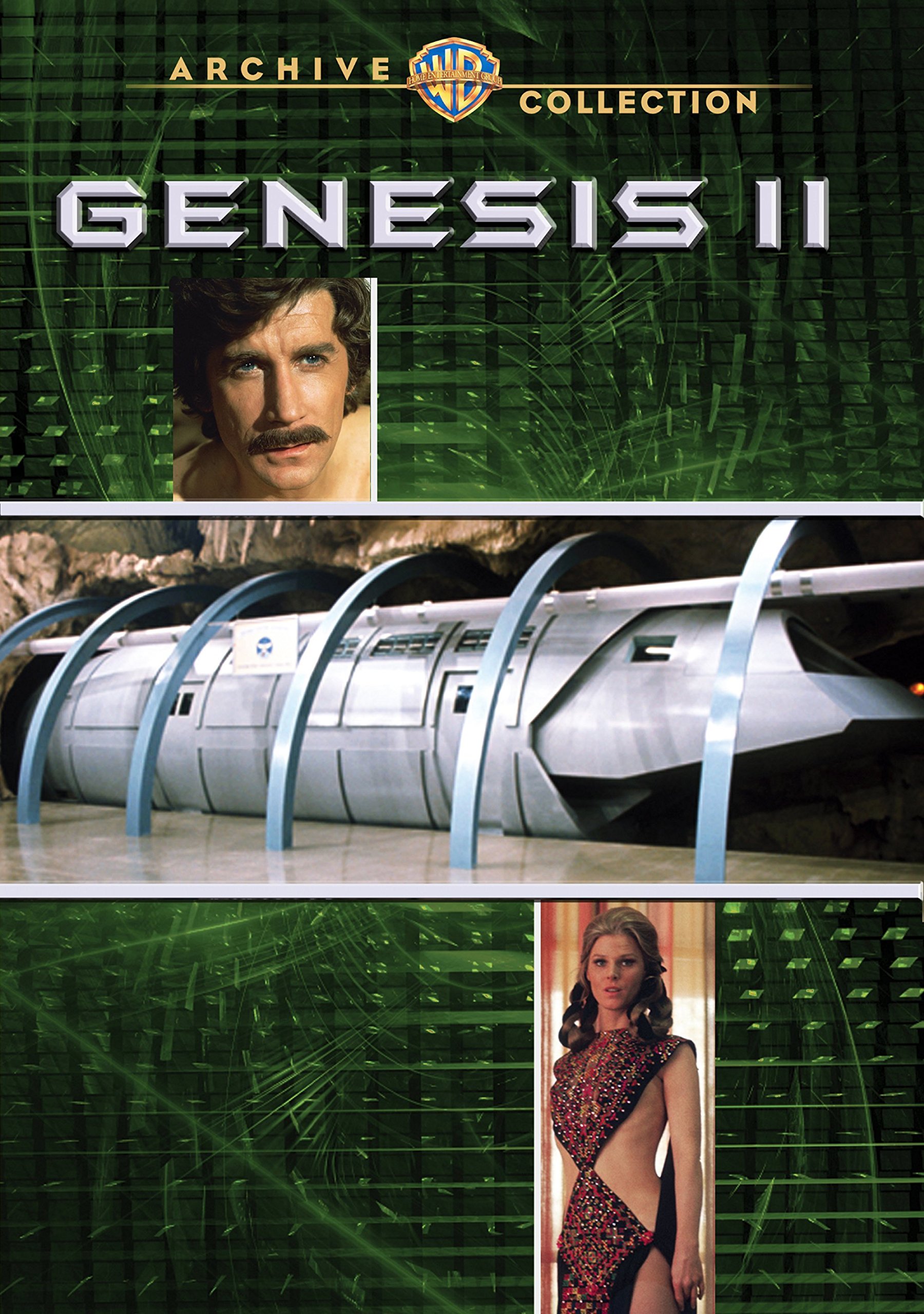
An unsold Gene Roddenberry tv pilot that is a fascinating almost-ran. Roddenberry rehashes Star Trek by way of Buck Rogers in a post-holocaust setting. This could have made for a worthwhile series
The fifth Godzilla film, the point where Godzilla becomes a good guy joining Mothra and Rodan to battle Ghidrah. The best Godzilla film from this period with the effects team operating at the peak of their game
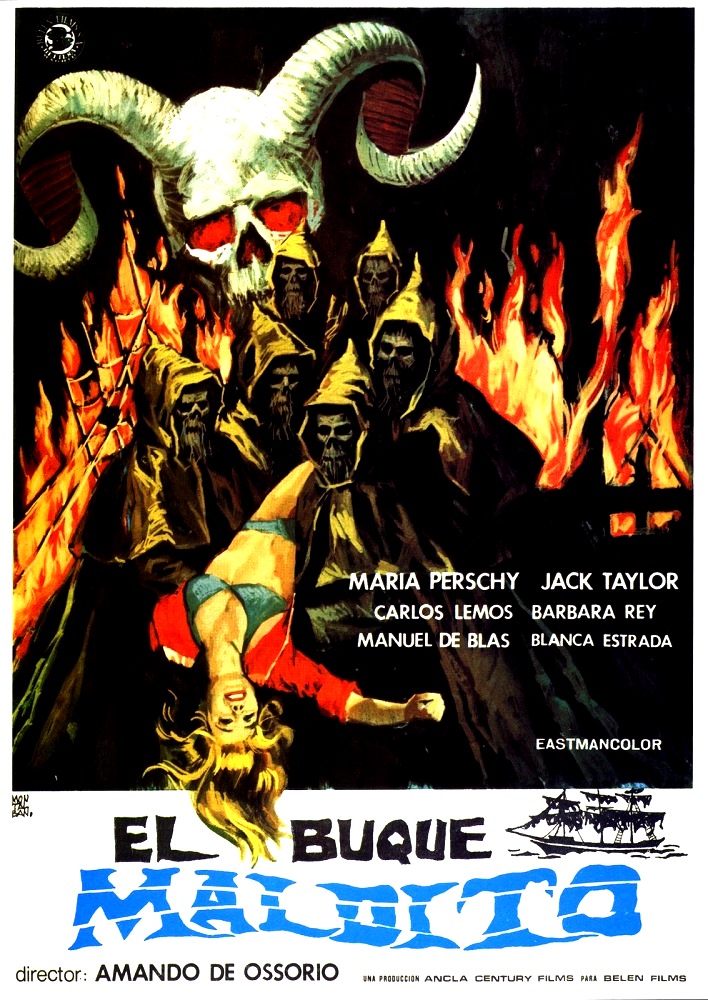
The third of the Blind Dead films about the zombies of blind Knights Templar. This is set aboard a ghost ship at sea and is said to have later influenced John Carpenter’s The Fog
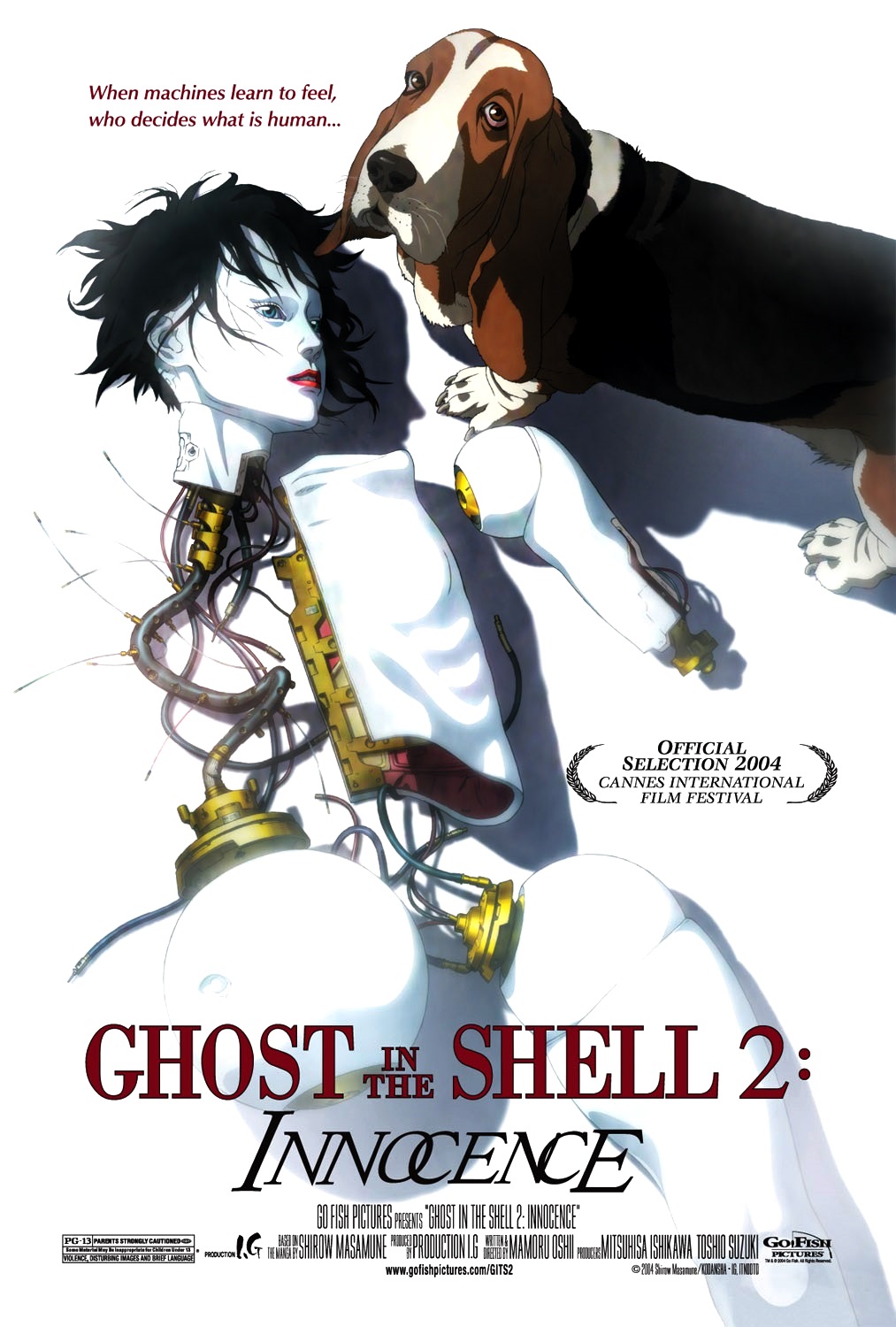
Mamoru Oshii’s follow-up to Ghost in the Shell where he makes a work that pushes both an artistic envelope at the same time as taking his philosophical fascination with the Cyberpunk world to a stunning level
Classic anime from Mamoru Oshii, a Cyberpunk work with a heroine who is a cyborg special forces officer, a work that delves deeply into the philosophical questions of what is human and what is machine
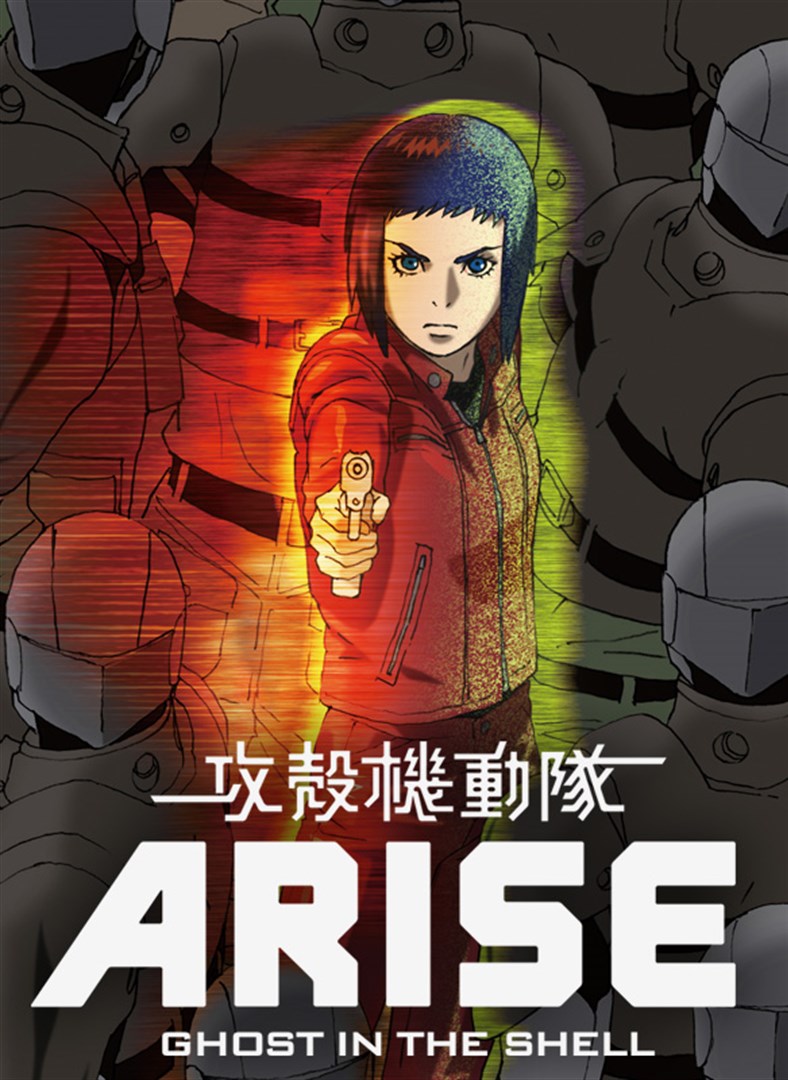
Reboot of the Ghost in the Shell series in a quartet of prequel stories. This funnels the essence of Cyberpunk superbly, creating a dazzling world with cyborgised security services fighting terrorists hacking people’s brains
Another anime film in the Ghost in the Shell franchise. This was the fifth episode of the Ghost in the Shell: Arise reboot series that received a theatrical release
The fourth of Universal’s Frankenstein films where Lon Chaney Jr inherits the role of the monster and makes it into a stumbling brute that lacks the pathos of Boris Karloff. The plot recycles what has now become the cliches of the series
Film adaptation of Marvel Comics’ demon superhero emerges as better than it had the right to be. The risibility of the image of a motorcycle-riding demon hero is made to work through some vivid and way-out effects
Ridiculous sequel to the Marvel Comics adaptation with an indifferently written script assembled from cliches, forgettable action scenes and Nicolas Cage giving one of his silliest performances in ages
An overrated classic that is nevertheless an undeniable fixture of 1980s pop culture. Overlong, it is largely carried through Bill Murray’s lazy sarcasm and the sterling work from the visual effects team
A weak follow-up to the hit original that essentially killed off any further Ghostbusters sequels. Most of the the cast are back but the plot and proceedings feel like a walk-through for all involved.
Sequel to Ghostbusters that was far better received than the 2016 reboot, giving us a new generation of ghostbusters. This succeeds largely by playing the nostalgia card for all it can
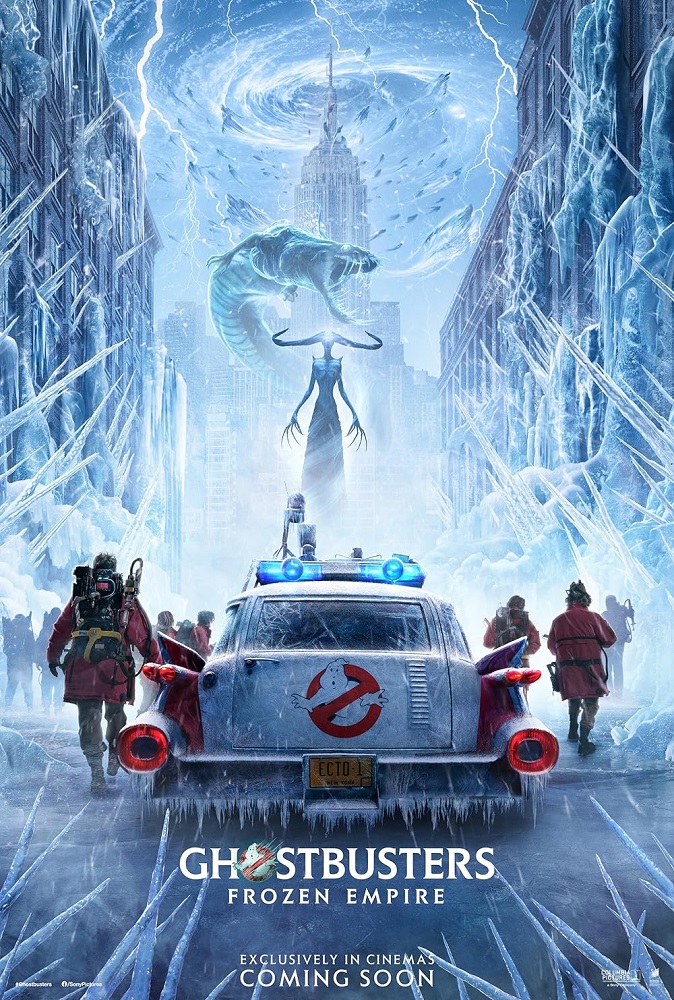
Follow-up to Ghostbusters: Afterlife, reuniting that film’s mix of new and classic cast. However, this becomes a plotting juggle that is often straining to find somewhere to include everyone
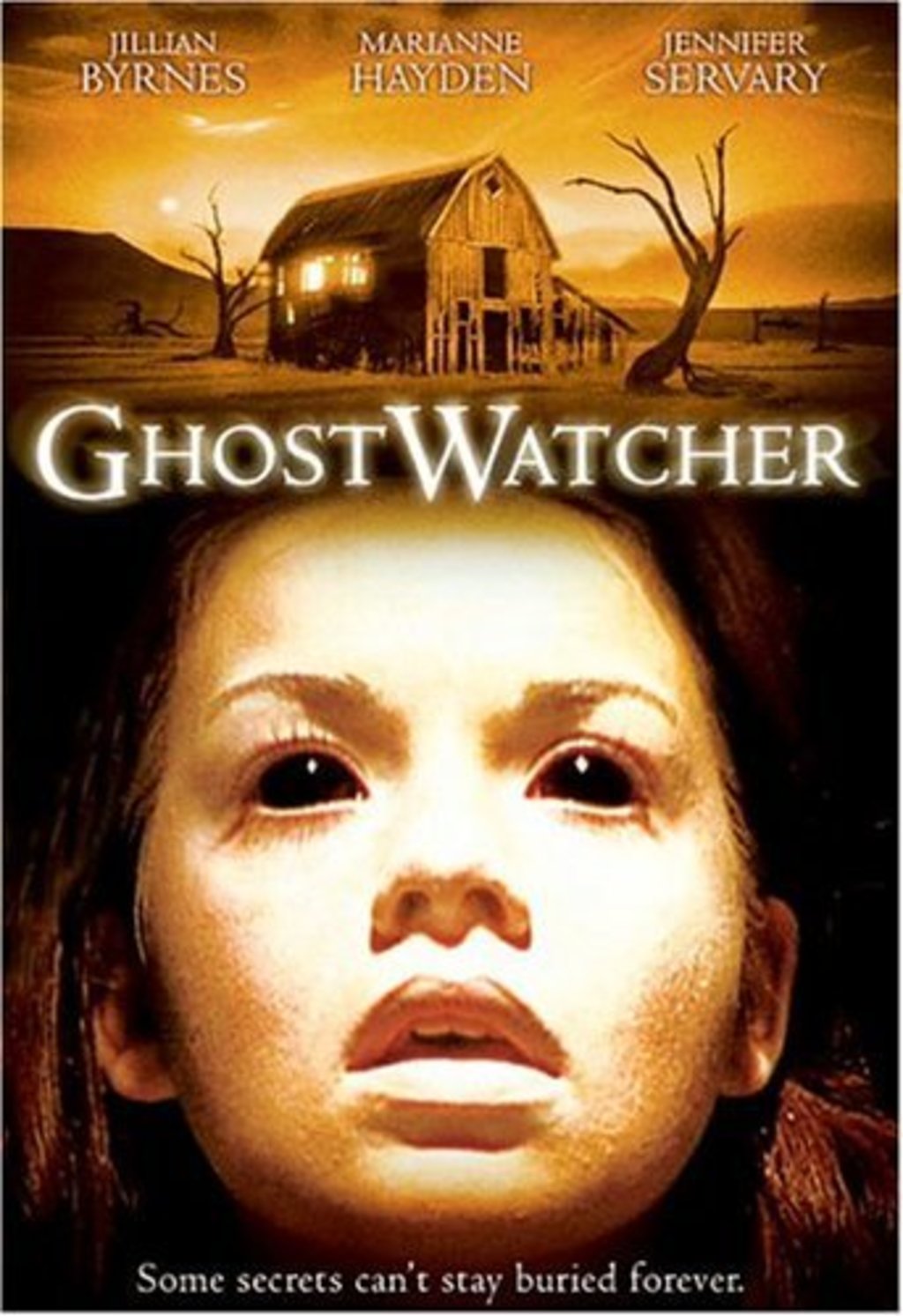
A B-budget horror film about an agoraphobic woman who is unable to go over of her apartment who then finds that it is haunted by a ghost
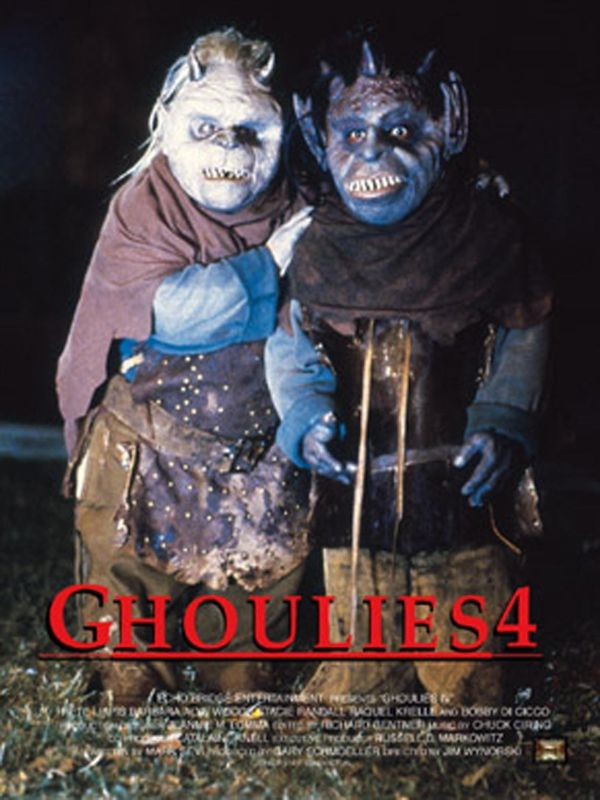
The fourth and final of the Ghoulies films. This one comes from B-budget hack Jim Wynorski who seems to not be taking any of the show seriously
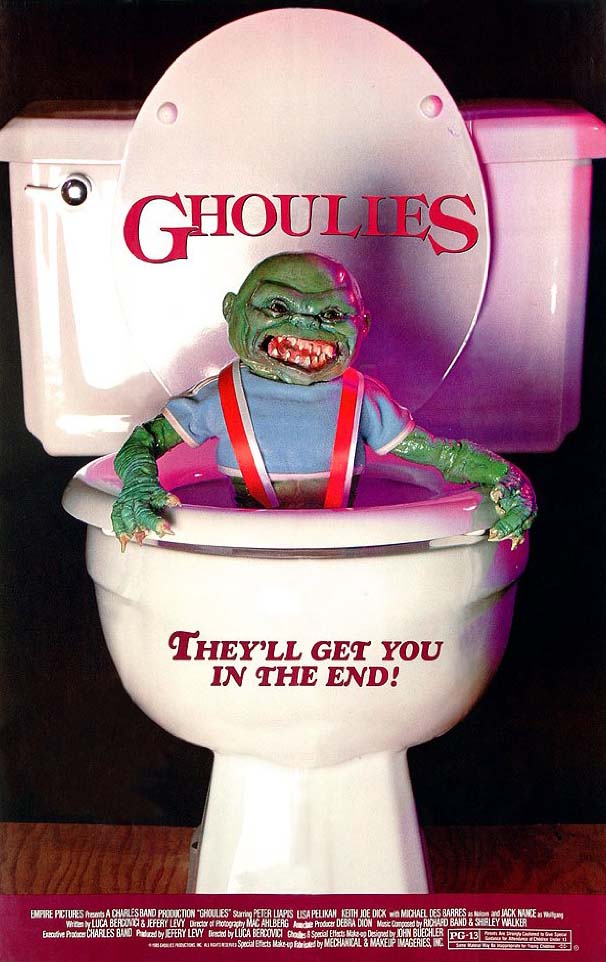
A copy of Gremlins produced by Charles Band’s Empire, featuring much slime and cheap-looking creatures. A surprise hit on video shelves; three sequels followed.
You can’t complain that this is not exactly what you expect it to be – two hours of cartoonish action during which the brain singularly fails to engage. This is less unapologetic about being a military fantasy than the first film
Stephen Sommers make a film based on the popular action toy line. Barring one exhilarating sequence in the middle, this consists of lots of sound and CGI fury amounting to very little at all
Witty, wryly sarcastic modern take on the werewolf film where two teenage sister become affected – sort of like a remake of I Was a Teenage Werewolf by way of Ghost World. Two sequels followed.
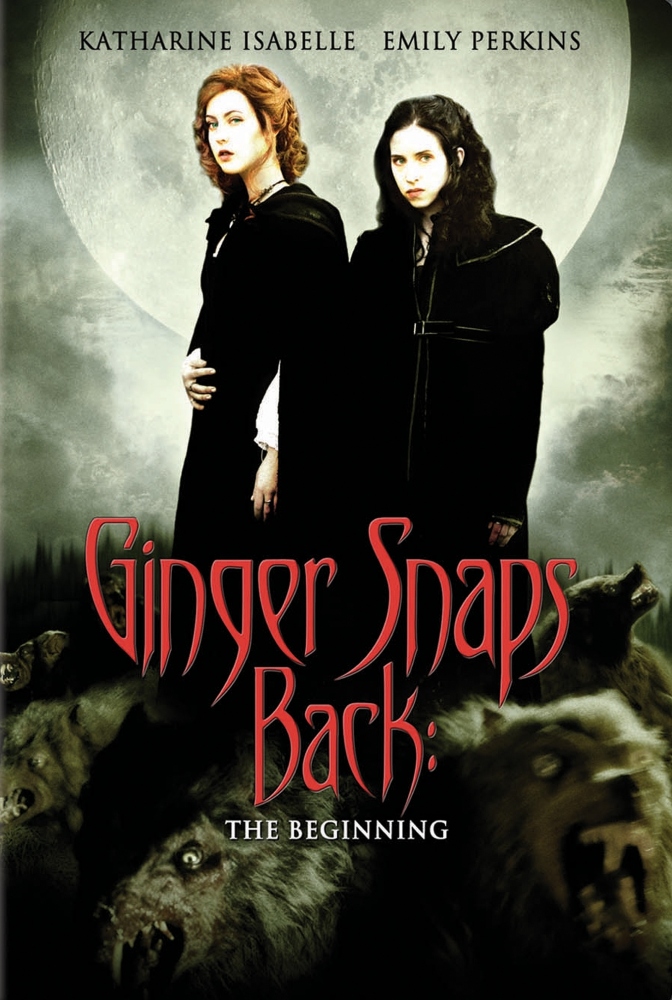
Third of the Ginger Snaps films, a prequel set during the pioneer era with Emily Perkins and Katharine Isabelle again as sisters taking refuge at a fort under attack by werewolves. The scene-setting and atmosphere of foreboding is superlative
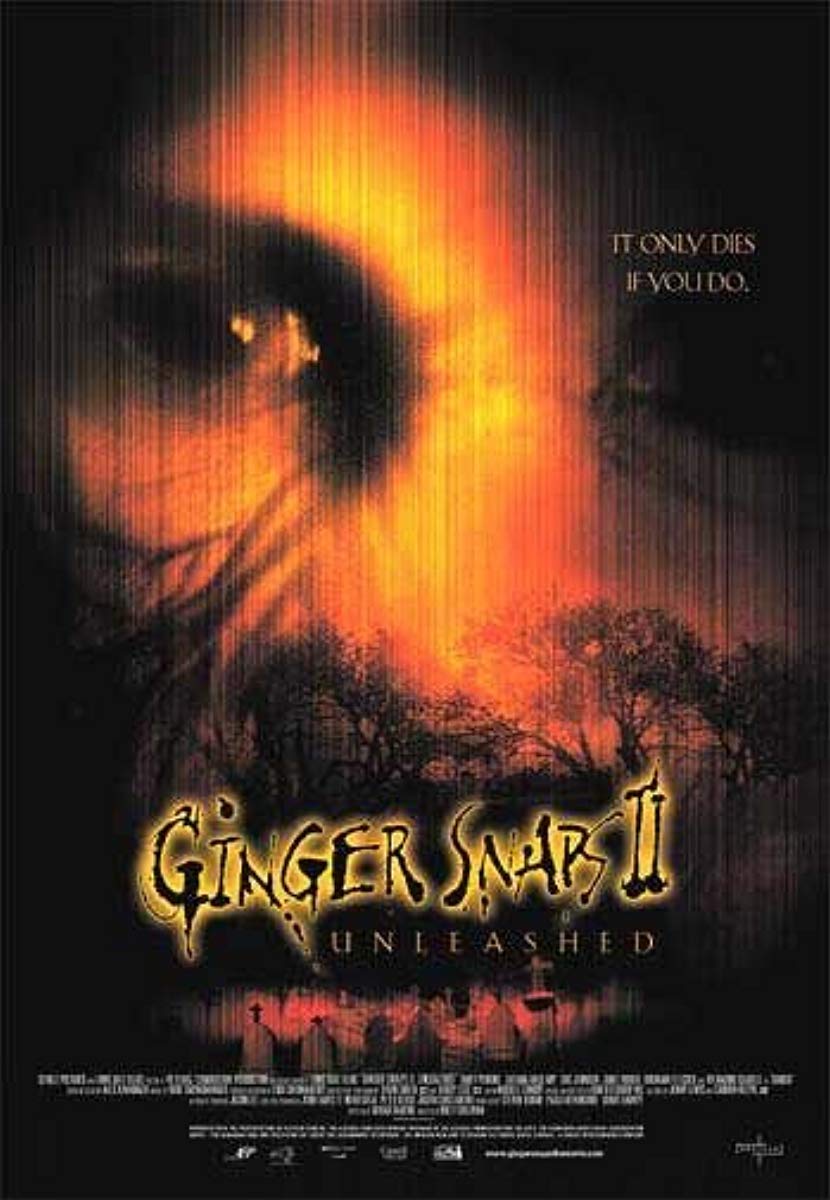
The first of two sequels to the Canadian werewolf film. This takes place with the surviving sister placed in a rehab facility and is the best of the trilogy, even better than the first film was in its writing and characters
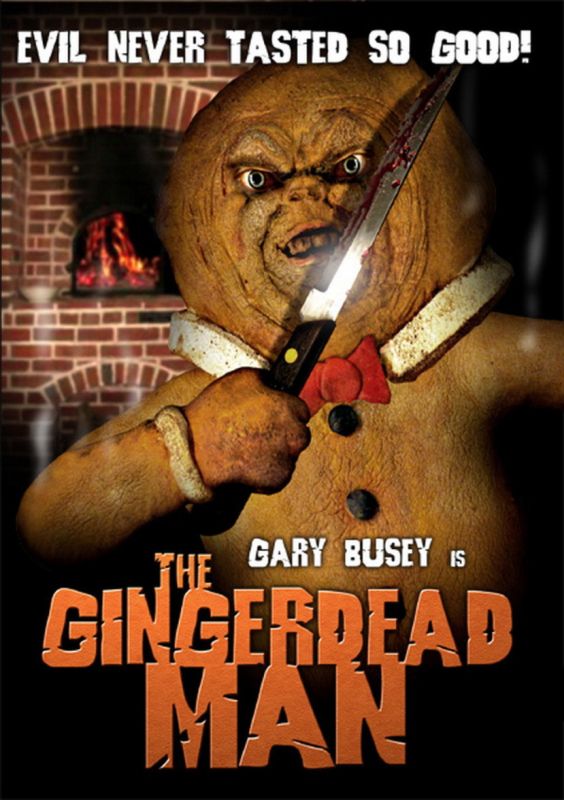
One of the most ridiculous title creature to ever inspire a horror franchise – a possessed gingerbread man. From low-budget producer Charles Band, this rips off the Chucky series but with baked goods instead of a doll
Sequel to Full Moon’s The Gingerdead Man, this one has been made as an hilariously meta-fictional self-parody, spoofing Full Moon Studios and their films
Strong and dramatically absorbing Swedish thriller featuring one of the most original and provocative heroines on screen in some time. A word of mouth hit that later underwent a lesser English-language remake
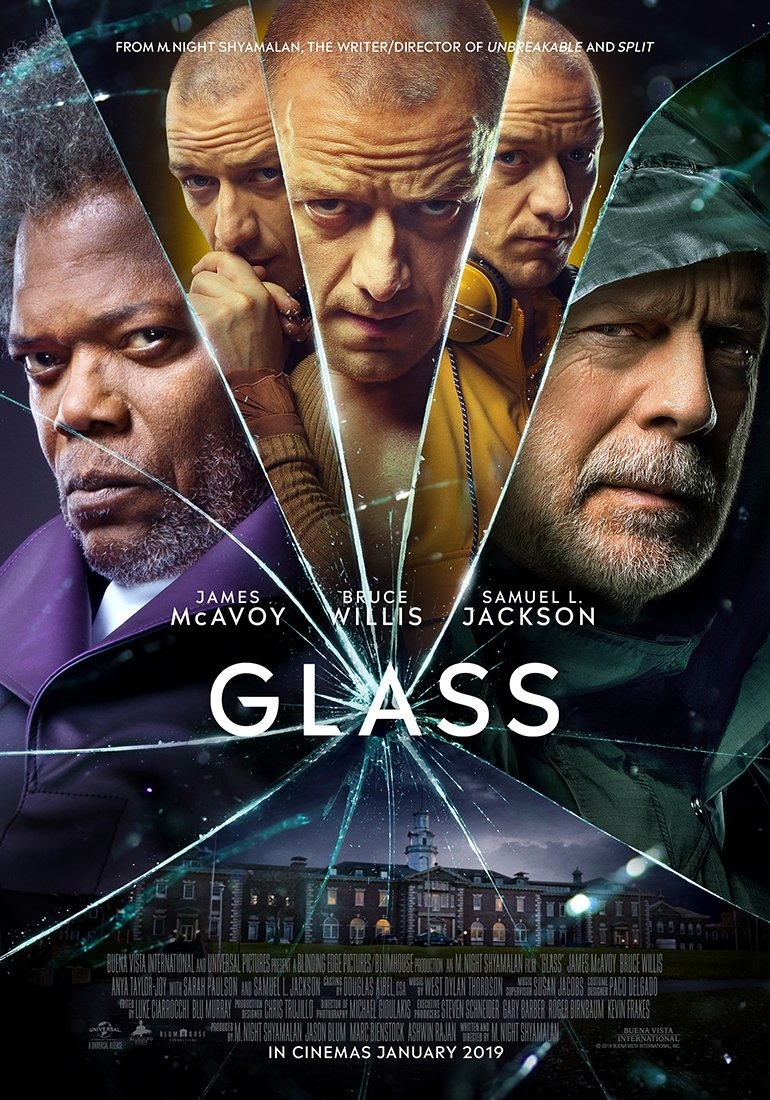
Unbreakable was M. Night Shyamalan’s everyday superhero film. Here he merges the characters from Unbreakable and Split to create his own shared universe. This could in effect be the kitchen sink version of The Avengers
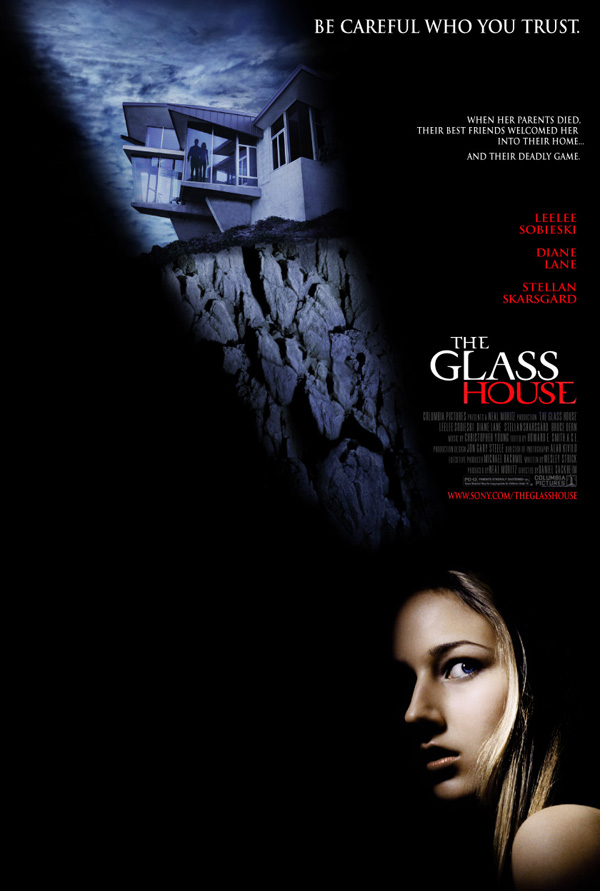
A modest and reasonably effective psycho-thriller about a brother and sister who are adopted after the death of their parents only to find their step-parents have sinister intent
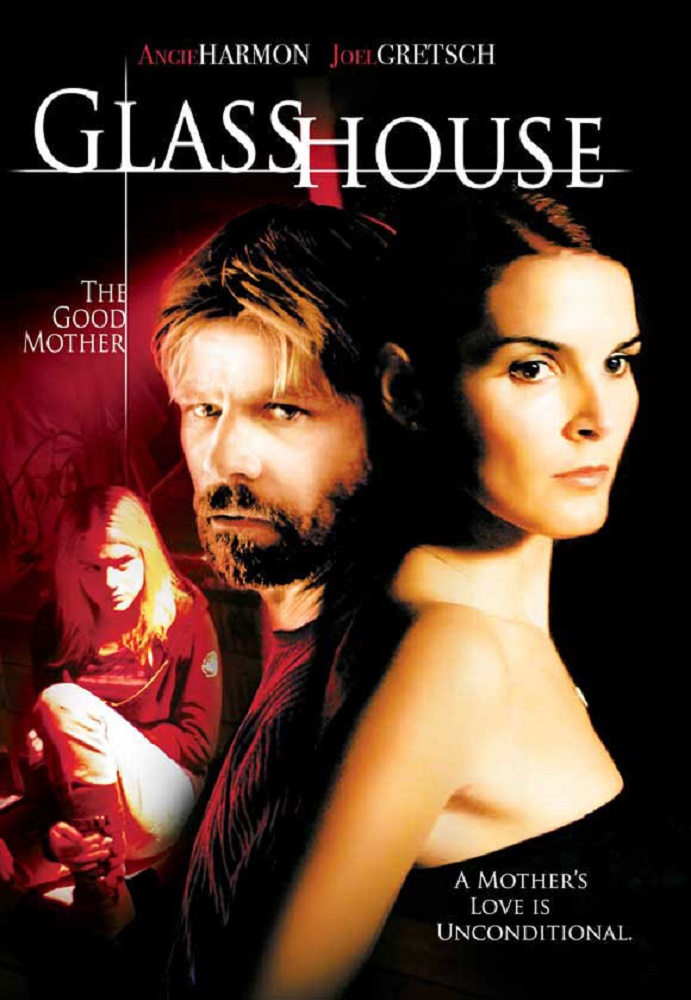
A sequel to The Glass House, this time with different cast or orphaned kids and different evil step-parents. This has the bland feel of a tv movie
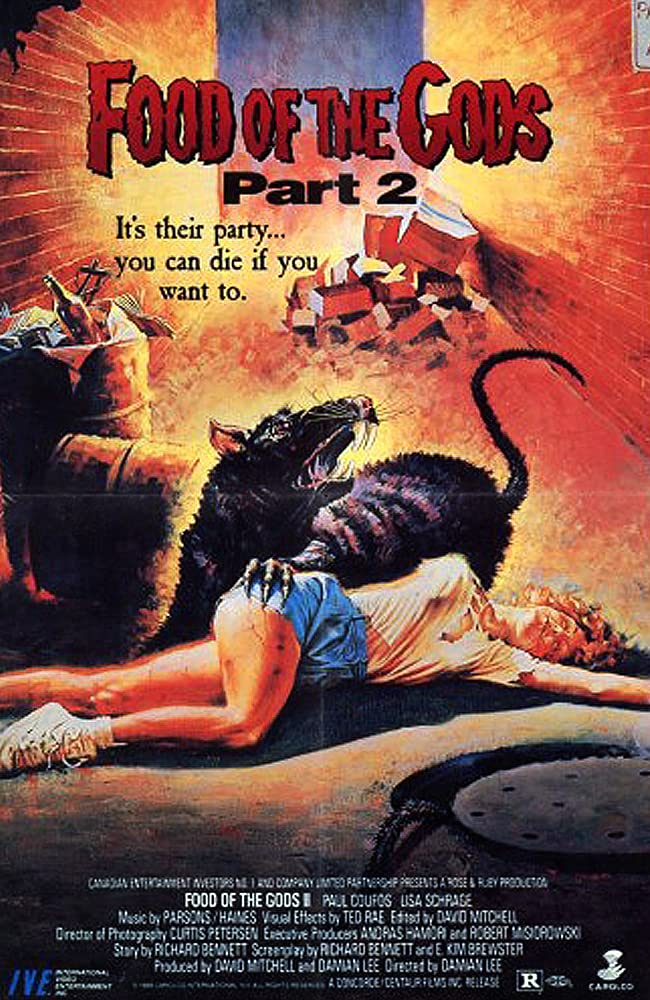
An incredibly bad Canadian-made sequel to Food of the Gods about a scientist who devises a growth hormone that accidentally creates a horde of giant rats
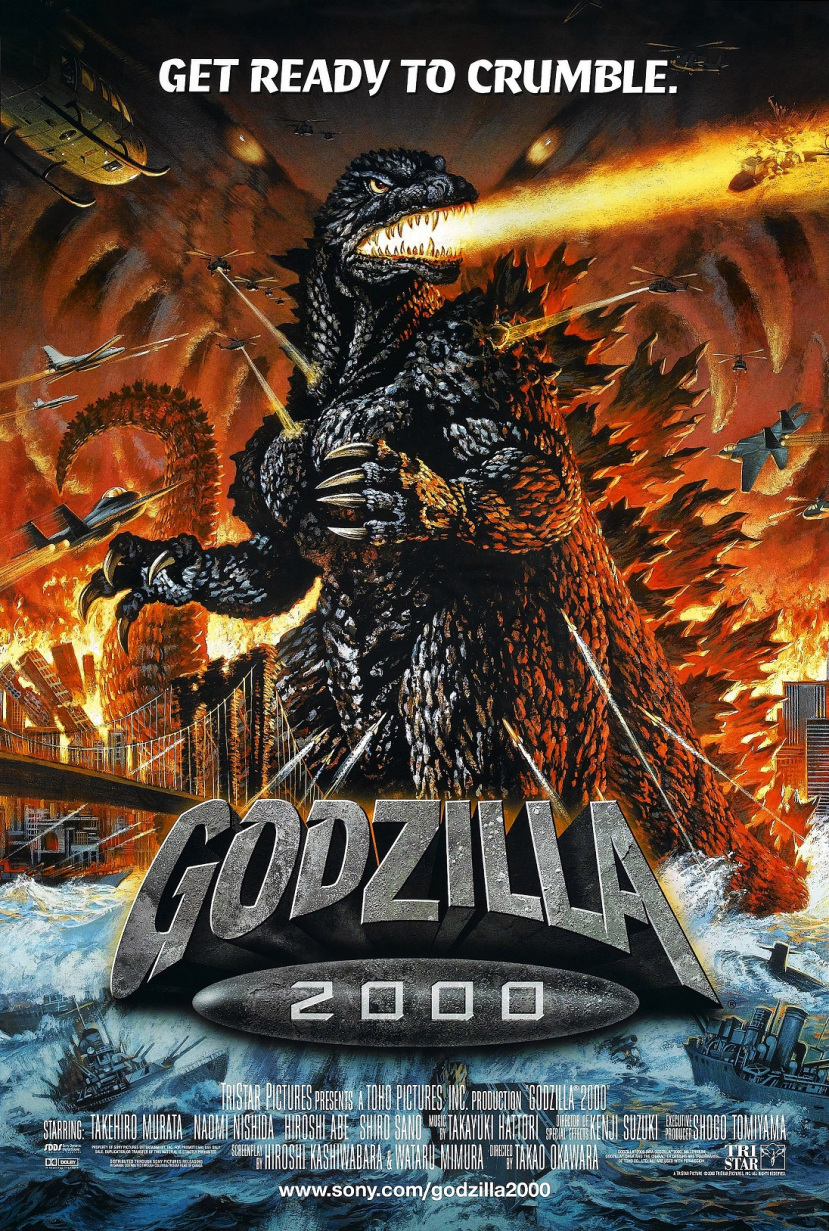
Reboot of the Godzilla series that forgets about all the sequels and acts as a direct follow-up to the original film. This uses top drawer effects technology of the era to create Godzilla as the fearsome creation he originally was
The 23rd Godzilla film where the effects were at such a peak for the genre that this became the first Godzilla film to be given a US theatrical release in fifteen years
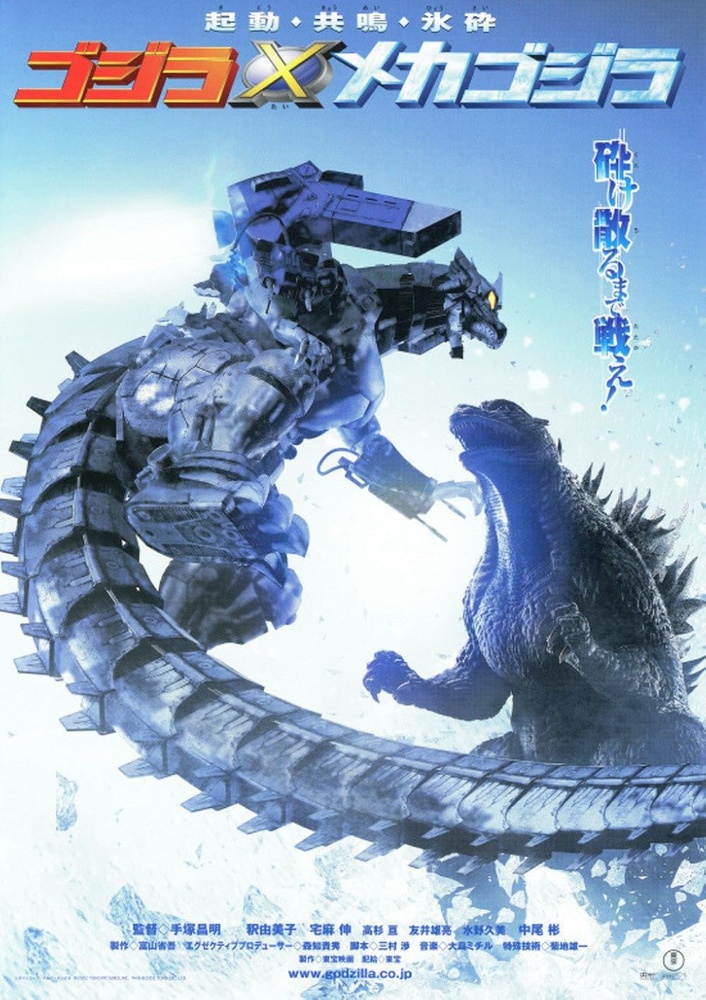
The 26th Japanese Godzilla film, the fourth pitting him against Mechagodzilla. After a slow first hour, the film delivers all the exhilarating mass destruction sequences we expect of it as the monsters go head to head
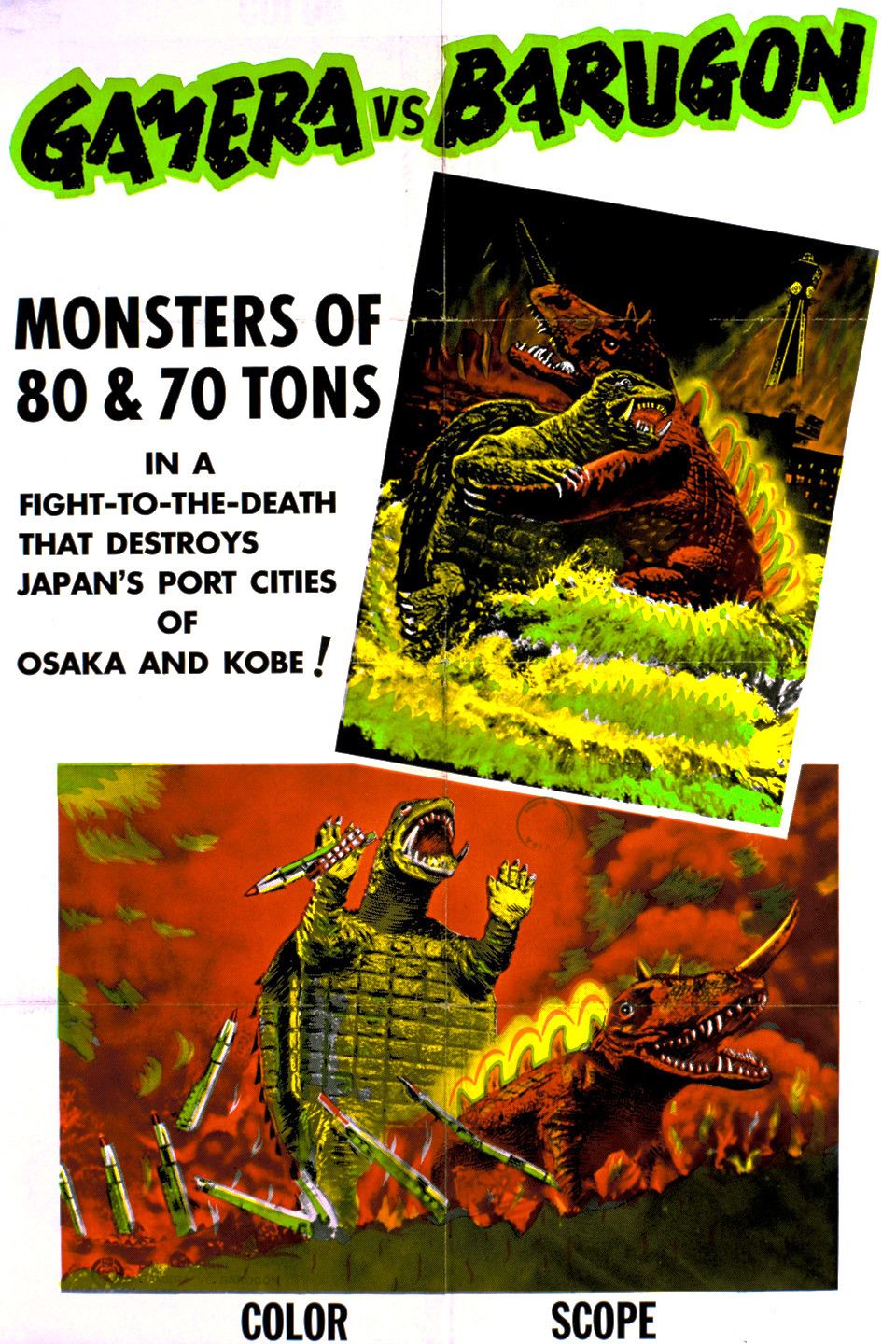
The 19th Godzilla film, part of the 1990s revival where the series started to employ modern animatronics. This revives Mothra in quite beautiful ways and mounts to a rousing monster battle
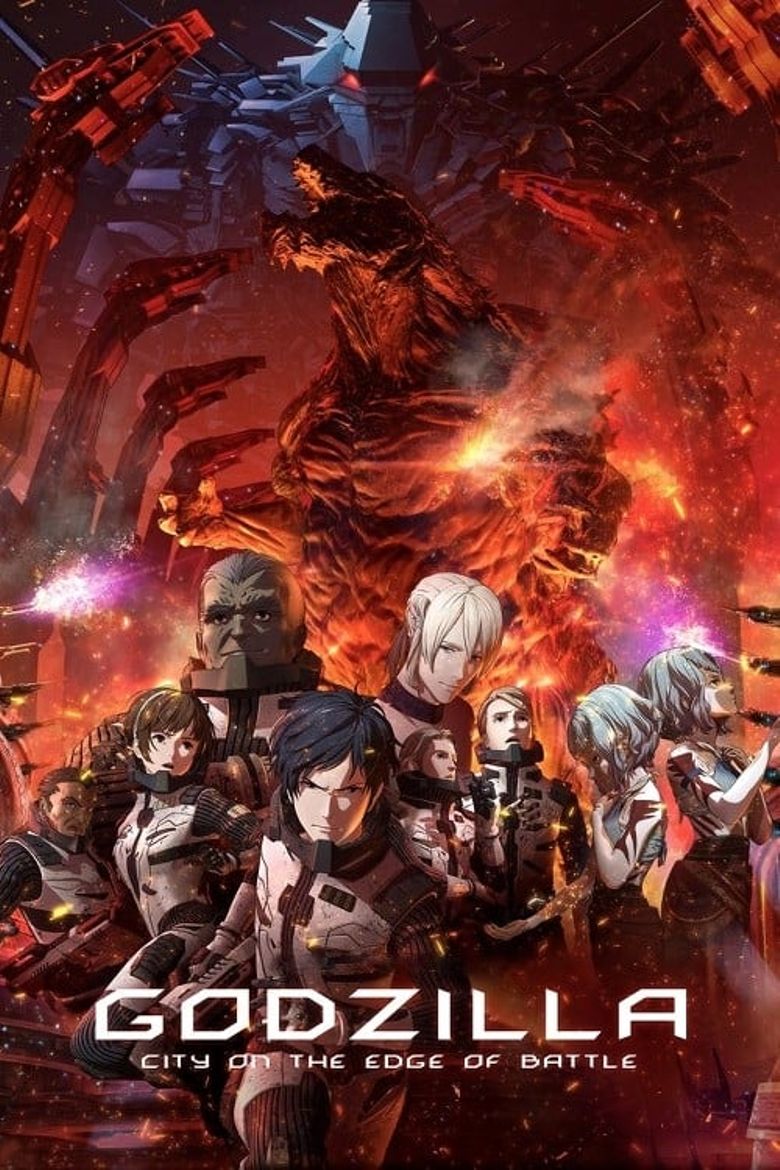
The second of the anime Godzilla films and much more successful than its predecessor. The reconceptions of some of the classic monsters has a dazzling ambitiousness while Godzilla has all the ferocity it should have had in the first film
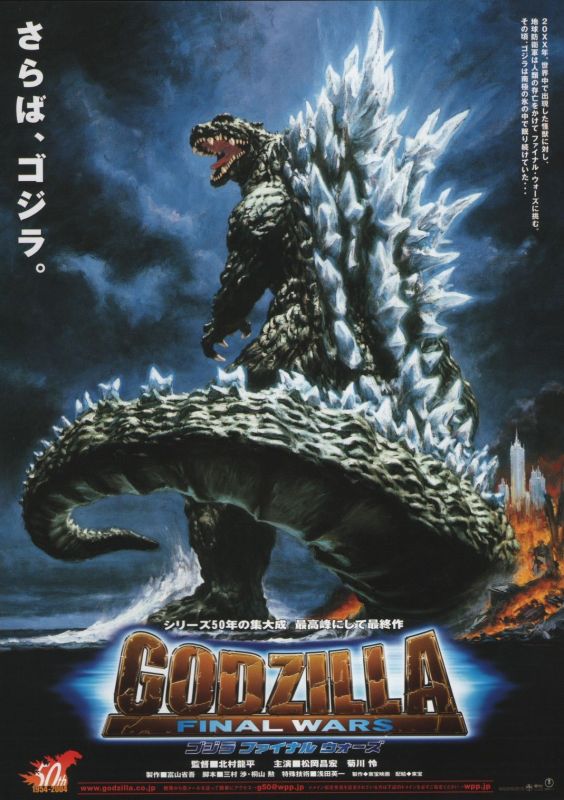
The 28th Godzilla film, made for the series fiftieth anniversary and bringing every monster ever created by Toho together for a massive battle. The results are immensely satisfying
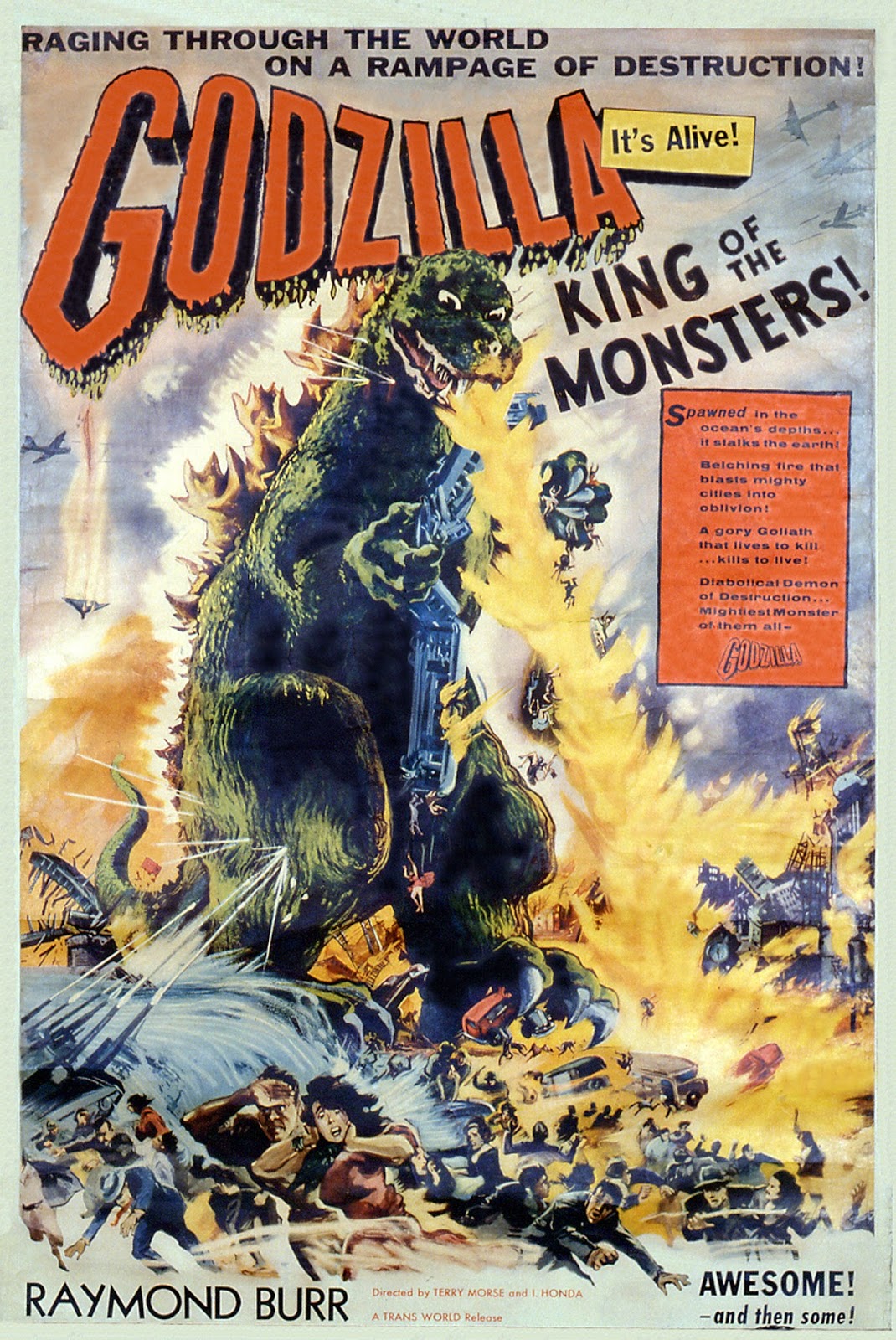
The very first Godzilla film. Essentially a copy of The Beast from 20,000 Fathoms, it has incredibly stark effect despite the primitiveness of the effects. In it you can see Japanese nation struggling to expiate the pain of the Atomic Bomb.
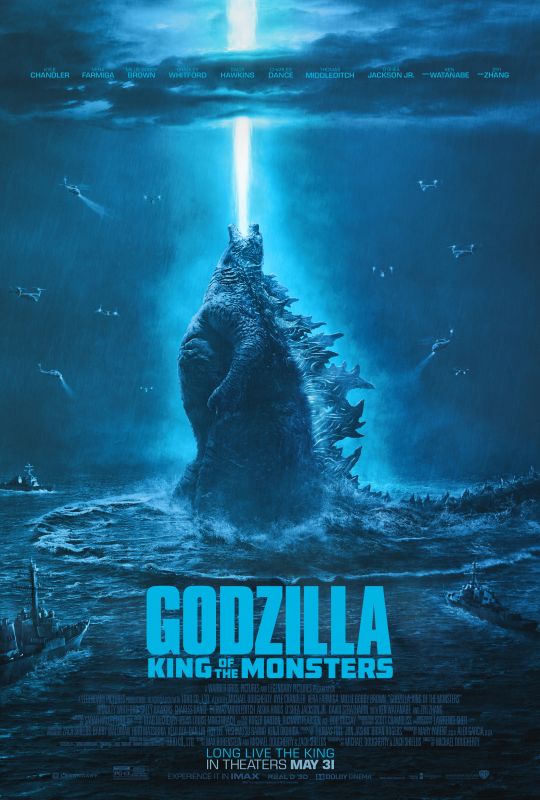
Follow-up to the 2014 US-made Godzilla. This introduces other monsters from the Japanese series and tries to create a shared universe. But when the film is all massively-scaled mass destruction, it seems hard to root for the monsters
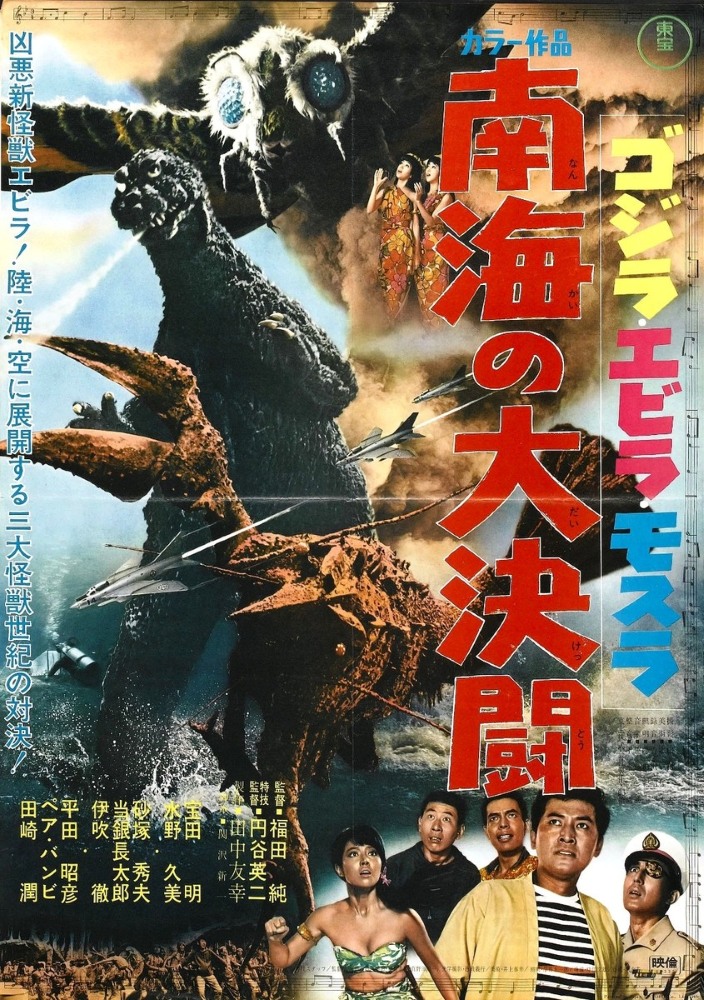
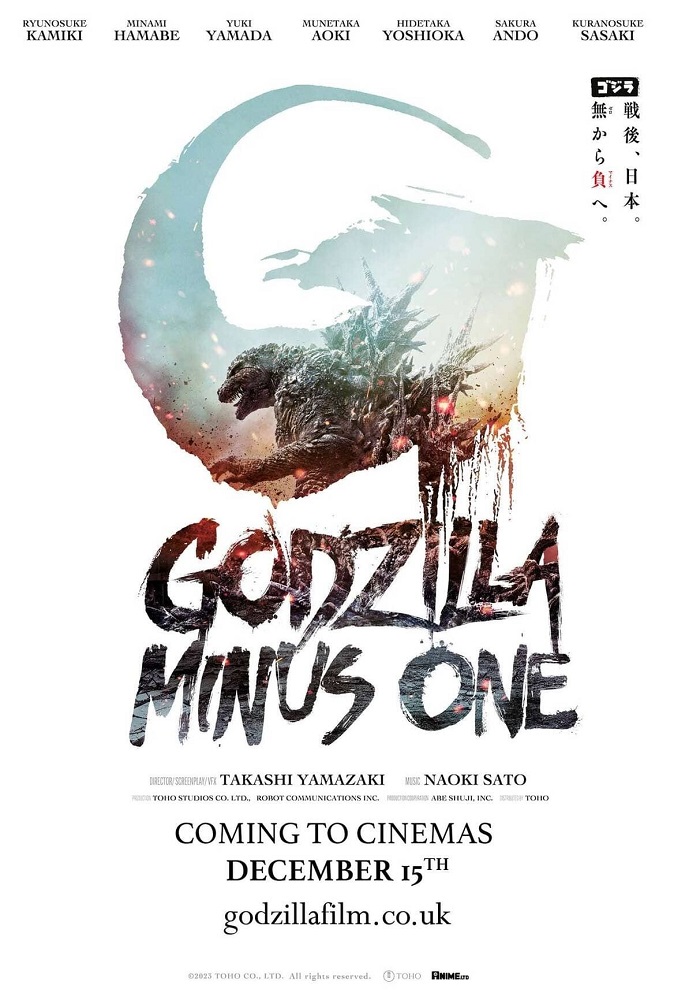
The 33rd Japanese Godzilla film and the one to receive the greatest acclaim of any in the series so far, including the Academy Award for Best Visual Effects. This takes the series back to the beginnings
The 25th Godzilla film which employs director Shusuke Kaneko who had done amazing things reviving the Gamera franchise. Kaneko doesn’t quite deliver the epic expected of him but does produce an amazing effects spectacle
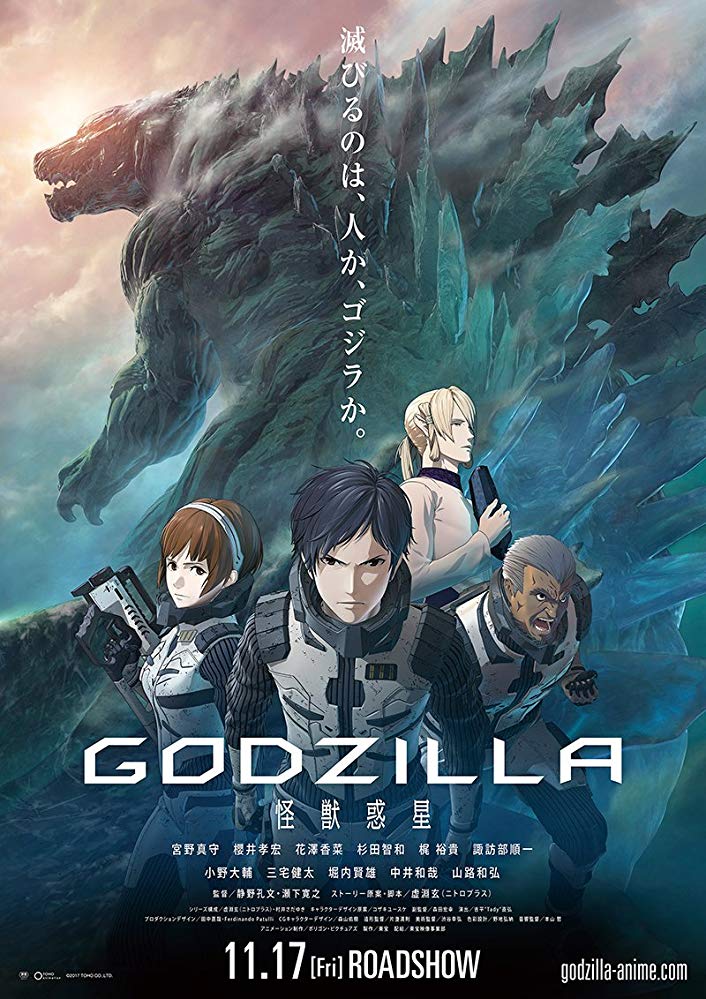
The 30th Japanese Godzilla film, this is the first anime Godzilla film and the first in a trilogy. More disappointingly, it is more a space opera and planetary adventure than it is ever a Godzilla film
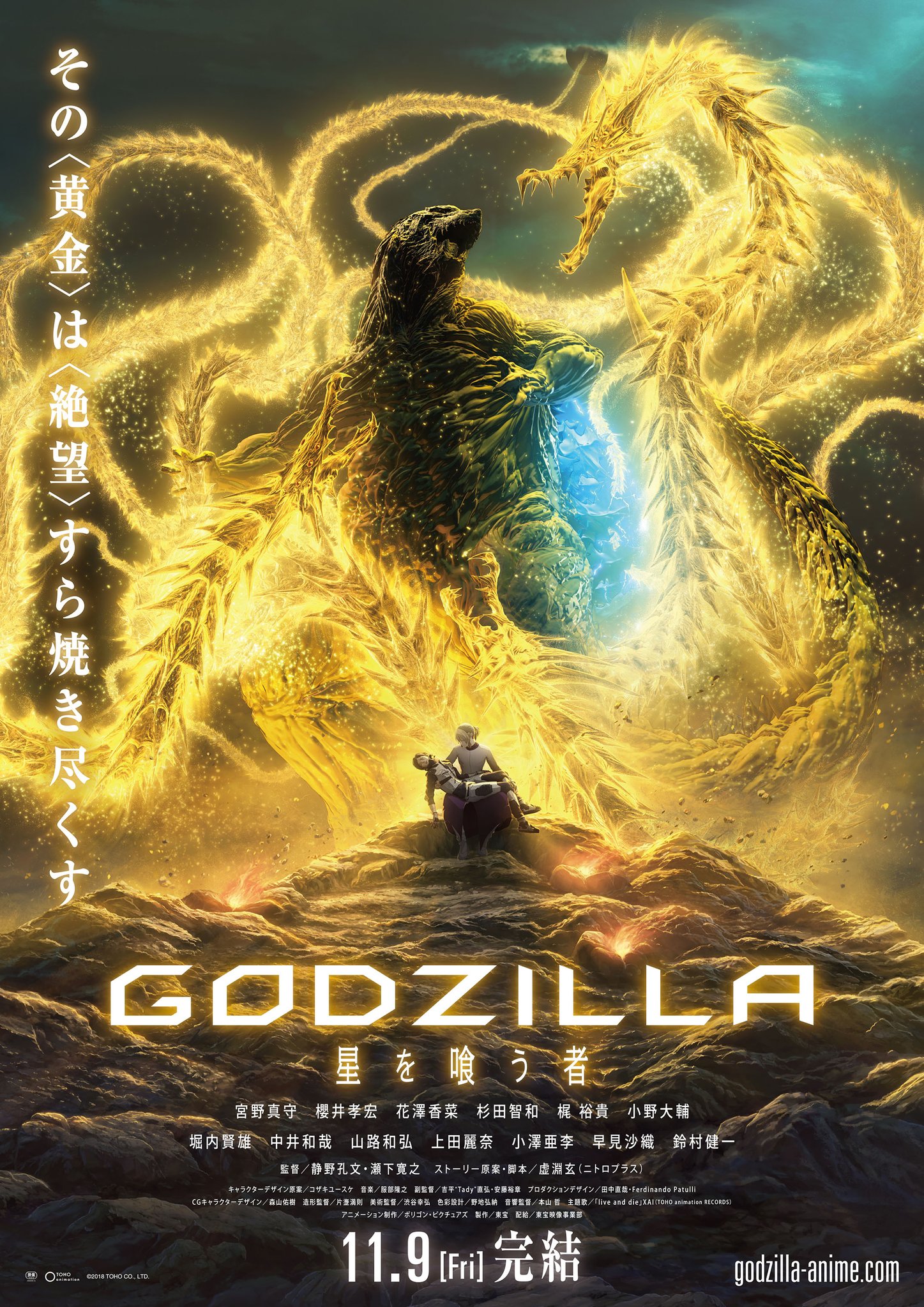
The concluding chapter in the trilogy of Godzilla anime films. This reintroduces two familiar monsters but takes a long time to build to the monster bash we have come to see
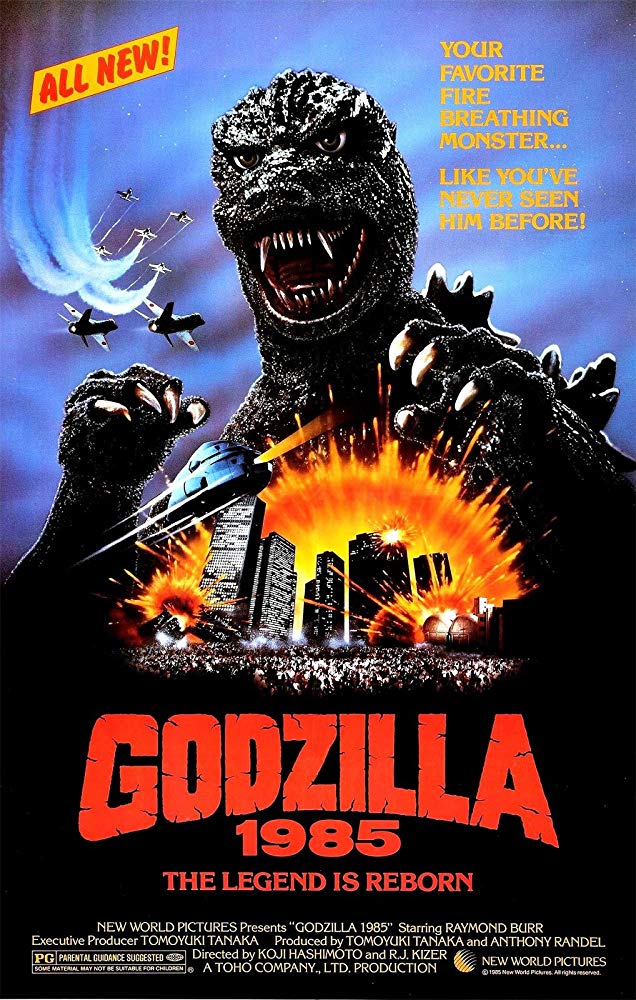
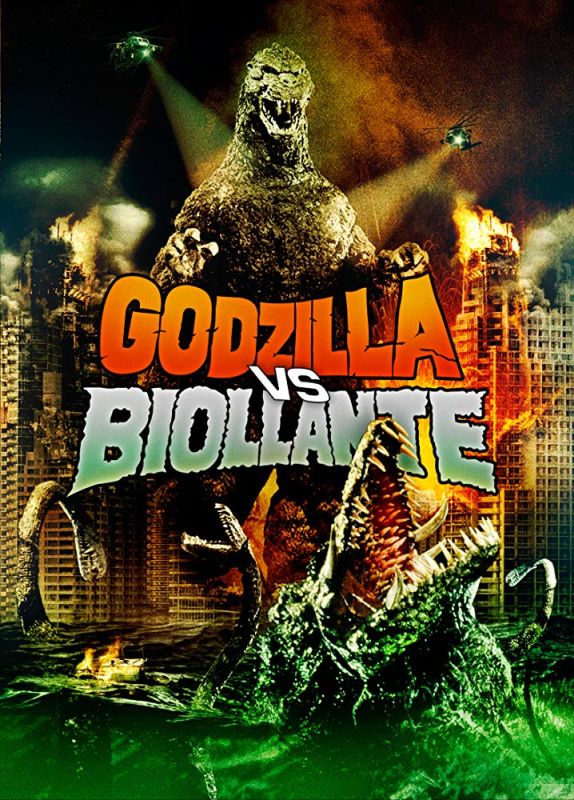
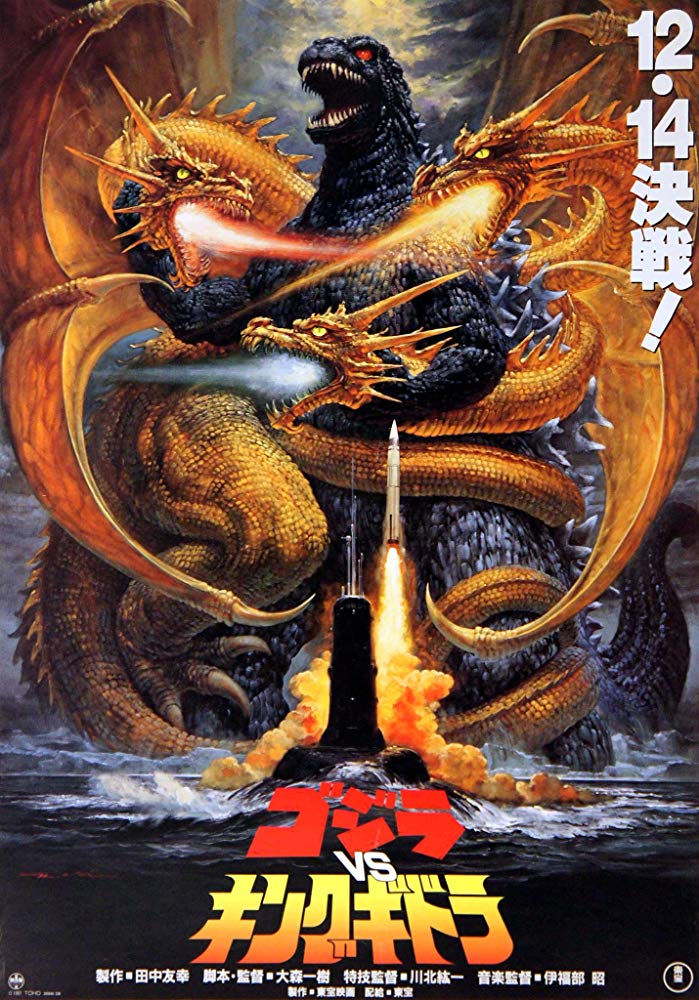
The 17th Godzilla film and the second of the modern era where Toho started to employ top drawer effects. Toho created a new nemesis, the plant monster Biollante, although this was not popular with the public
The twelfth Godzilla film. Under director Jun Fukuda, a juvenile inanity had by now come to dominate the series by this point. The special effects, often recycled from previous films, are very cheesy
The eighteenth Godzilla film and one of the best of the modern era. This has the most conceptually audacious plot of any Godzilla film and overflows with wild ideas involving time travel and changing the timeline
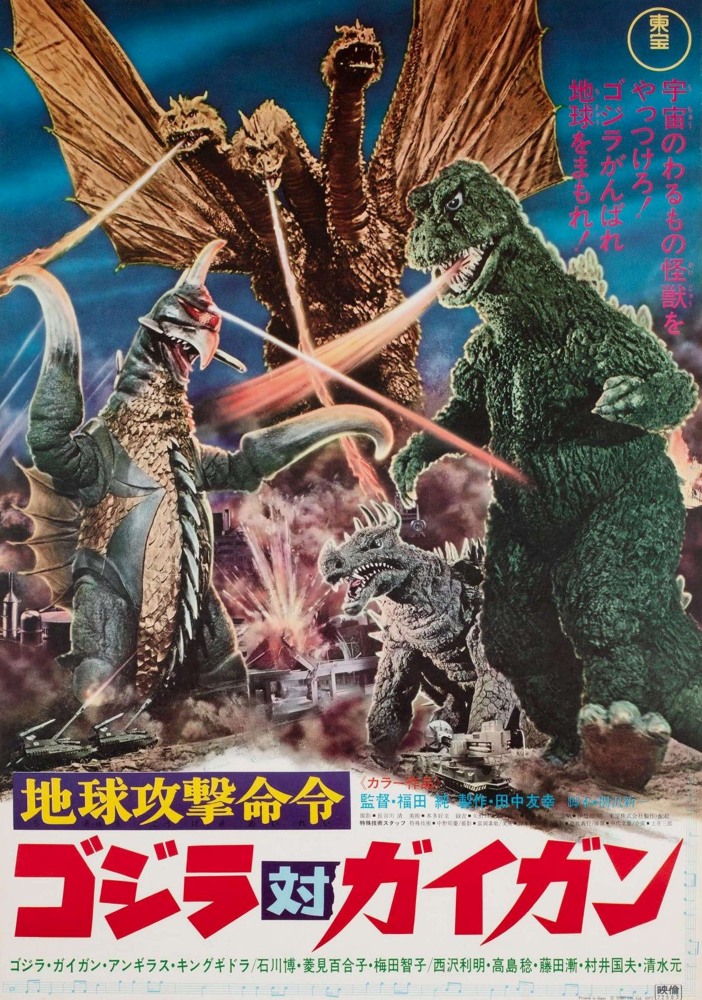
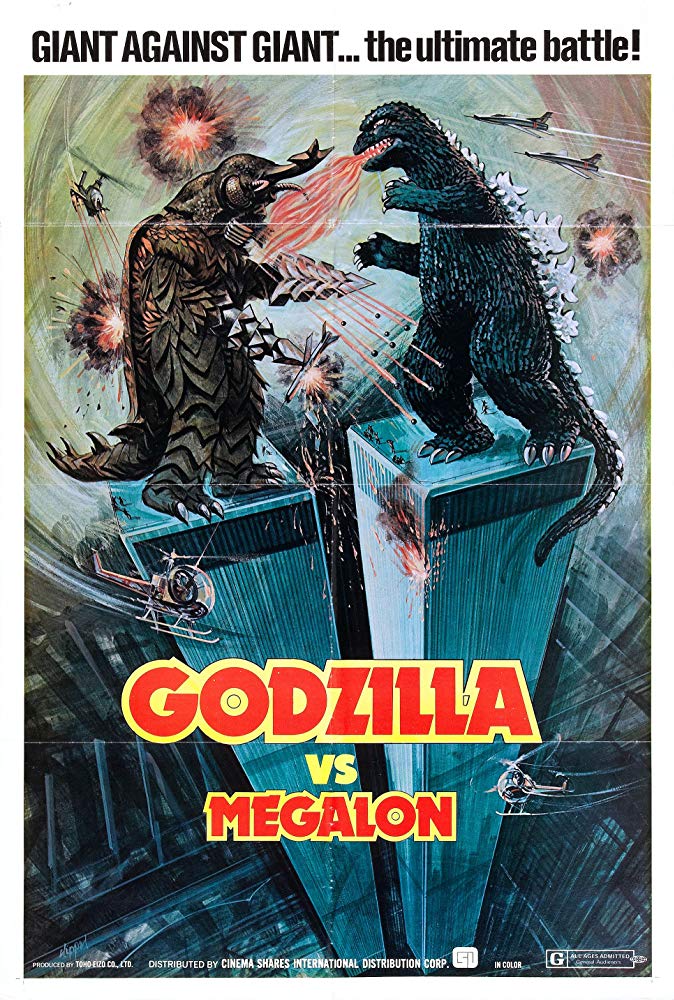
One of fantastic cinema’s great titles bouts is a spectacular effects show. At the same time, it also has one of the single most ridiculous script I have ever come across in the entire time I have been running this site
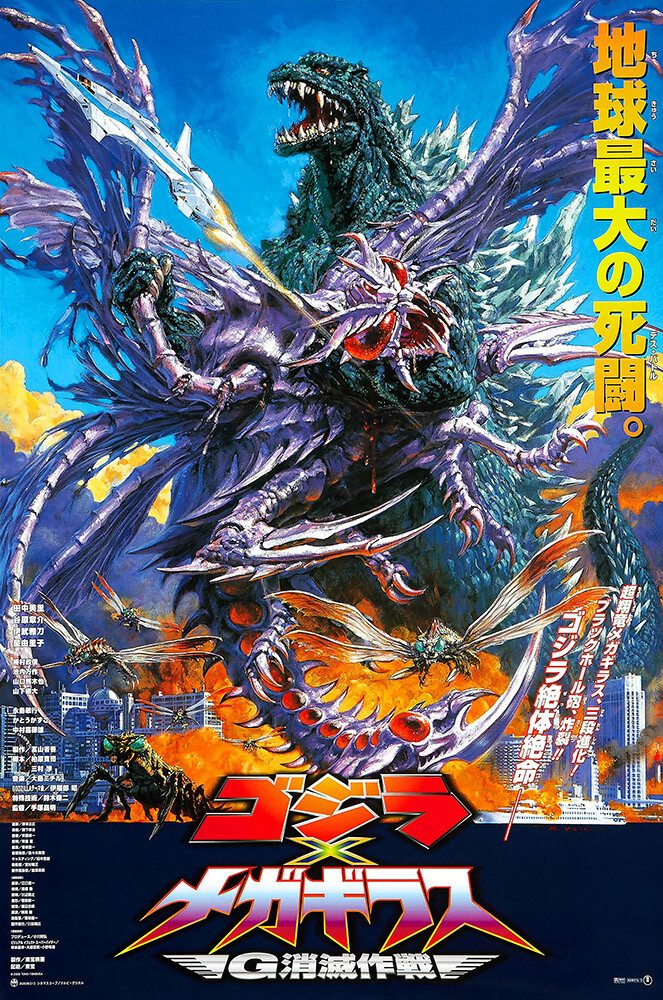
The 24th Godzilla film where Godzilla faces a giant prehistoric dragonfly. While the modern Godzilla films have readily adopted CGI and animatronics, the effects here are much more variable
The thirteenth Godzilla film and a point that the series was no longer taking itself seriously. On the other hand, this is something that actually works in the films favour to create a sublime silliness
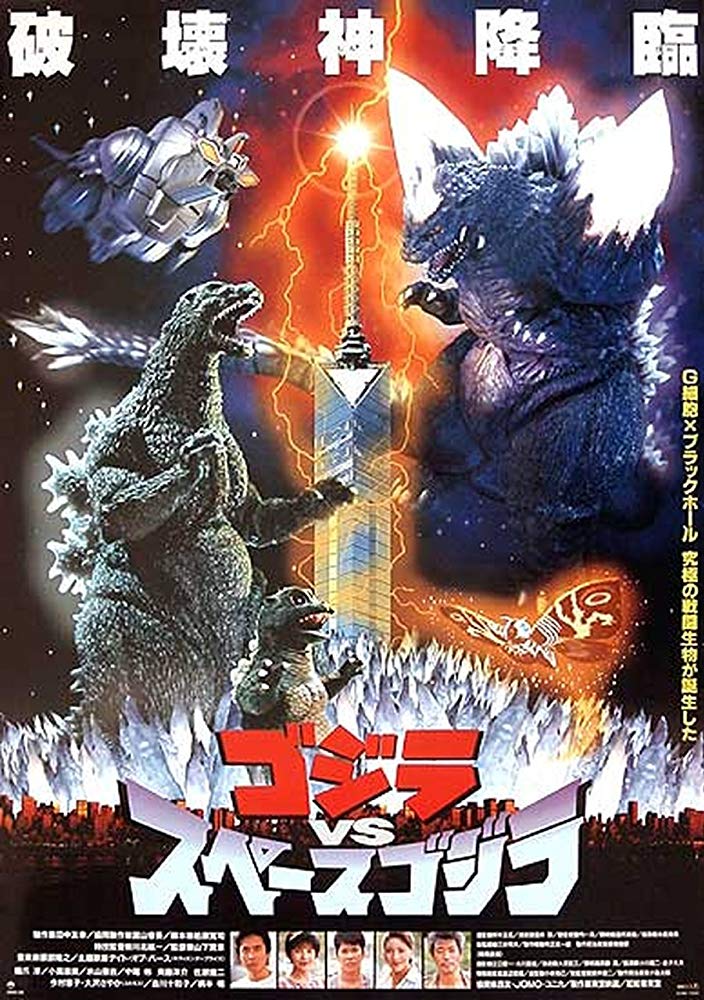
Space Godzilla is one the strangest nemeses to turn up in these kaiju films – a blue counterpart of the Big G with a giant glowing mass of crystal on its shoulders. One of the more routine entries in the modern Godzilla series
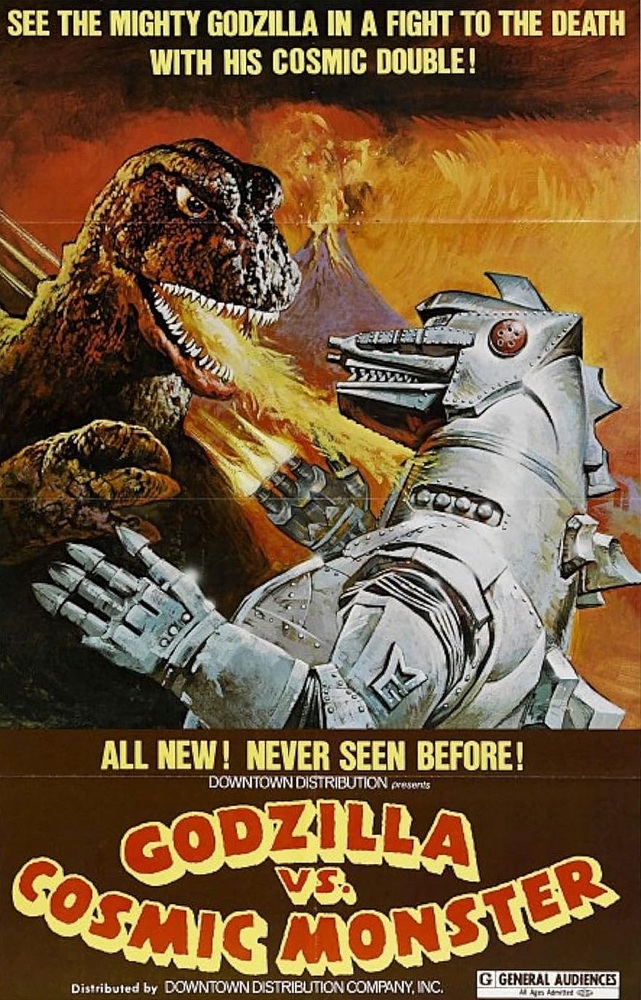
The fourteenth Godzilla film, noted for the introduction of Mecha-Godzilla, a robot copy of Godzilla that became a recurring nemesis. By this point in the series, the effects and quality of production had become very shabby
The sixth Godzilla film and the point where the series started to become silly and juvenile in its focus. A weak entry featuring some of the shabbiest effects of this era.
The eleventh Godzilla in which Godzilla faces the pollution monster Hedorah. For some reason, this gets a listing in The Fifty Worst Movies of All Time, but there are far worse entries in the series
The fourth Godzilla film, the first in which Godzilla battled another Toho monster, namely Mothra. Colourfully enjoyable and taking itself more seriously than many of the entries that would follow
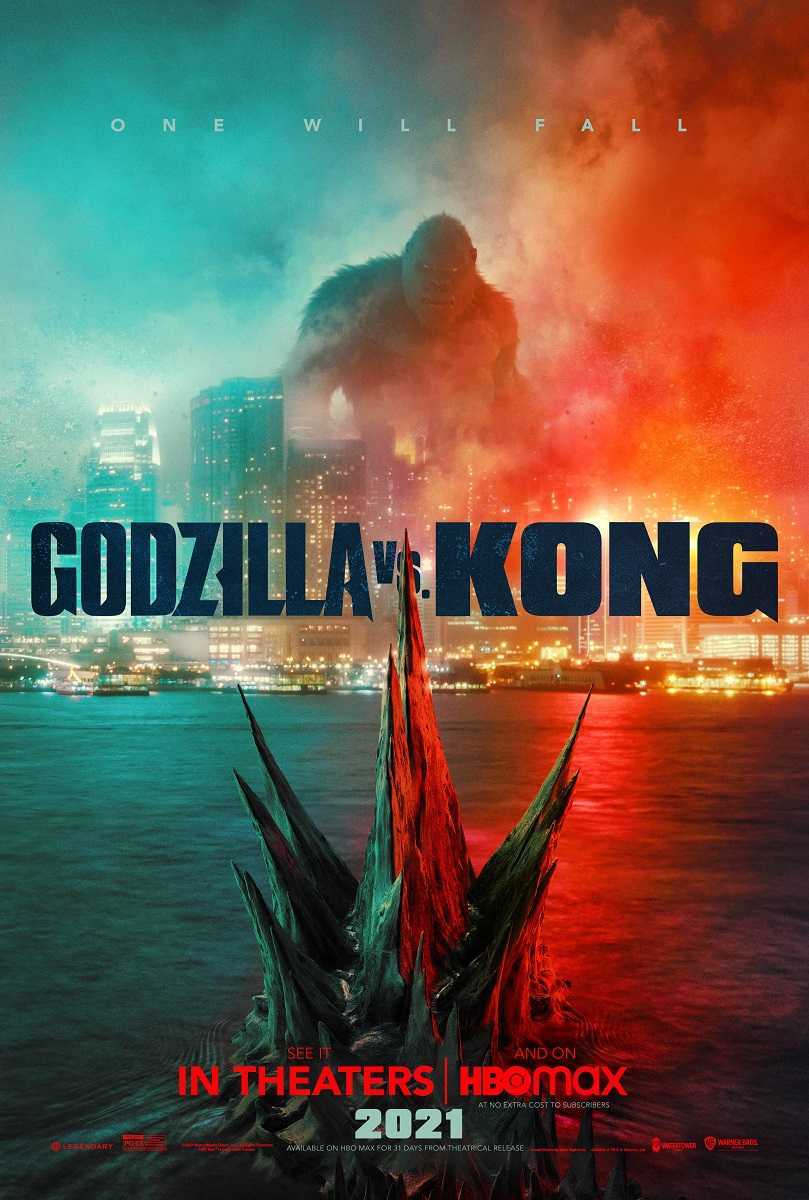
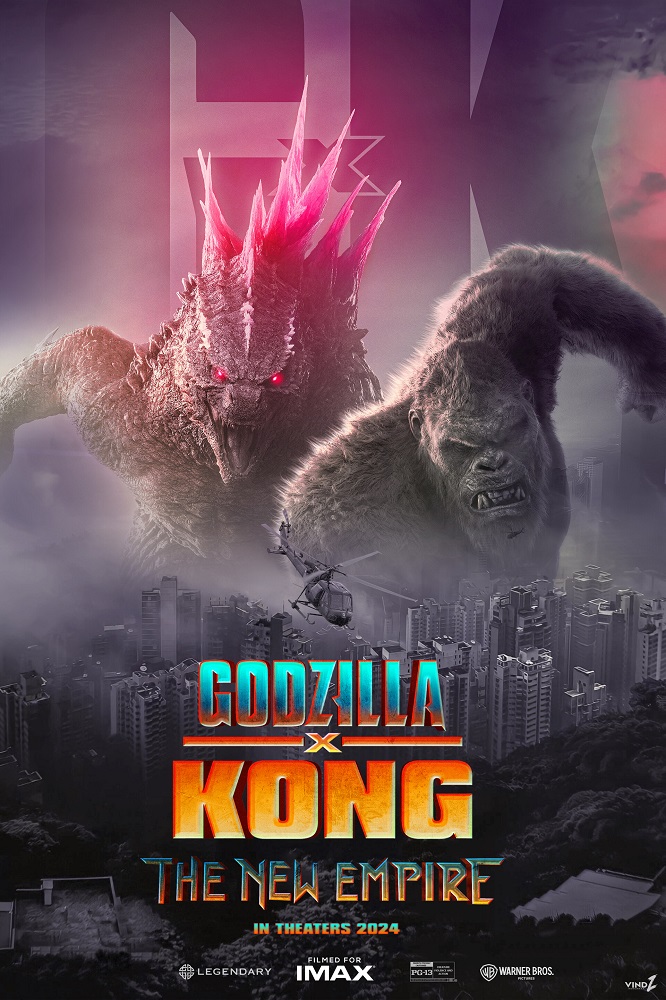
A follow-up to Godzilla vs Kong, this tries to offer more of the same but suffers another ridiculous script. This ended up being overshadowed by the acclaim that the Japanese-made Godzilla: Minus One received
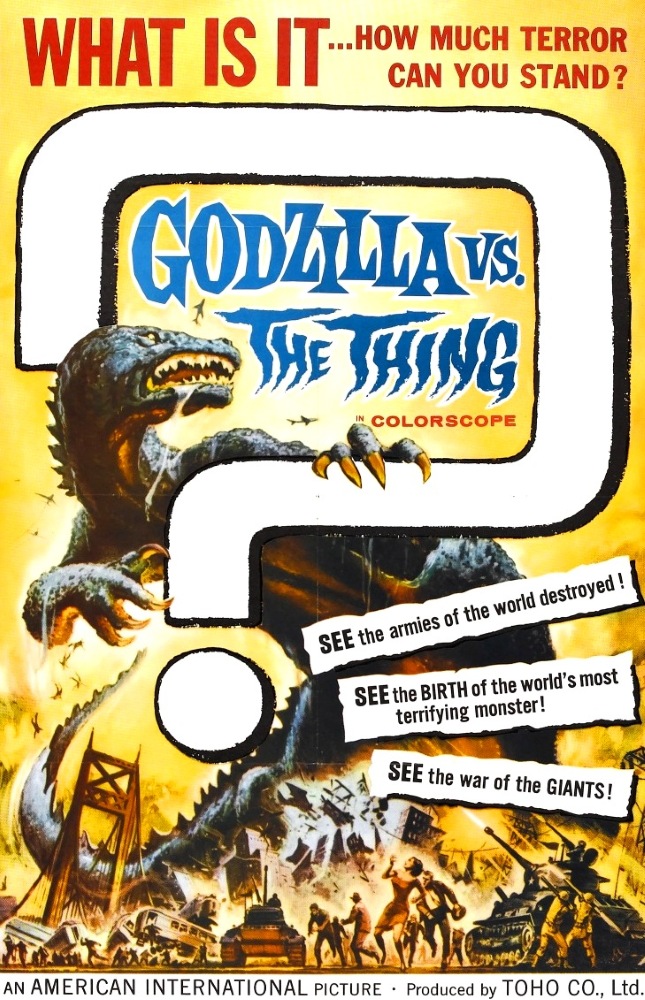
The tenth Godzilla film and a low point of the series with the focus now going on the slapstick pratfalls of Godzilla’s son. Many special effects scenes are recycled from previous entries.
Underrated 1950s SF film, a murder mystery as the equipment at a space research laboratory tries to kill people. Contains the first ever depiction of a computer virus
The second of Ray Harryhausen’s Sinbad films, an Arabian Nights adventure. Made as a vehicle for Harryhausen’s stop-motion effects, which are stunning. Everything about the film is classic
The 17th James Bond film, the first featuring Pierce Brosnan who gives a dazzlingly ruthless performance. The series is rebooted and takes the opportunity to reconstruct the mythos in terms of modern politics in ways that often take you aback