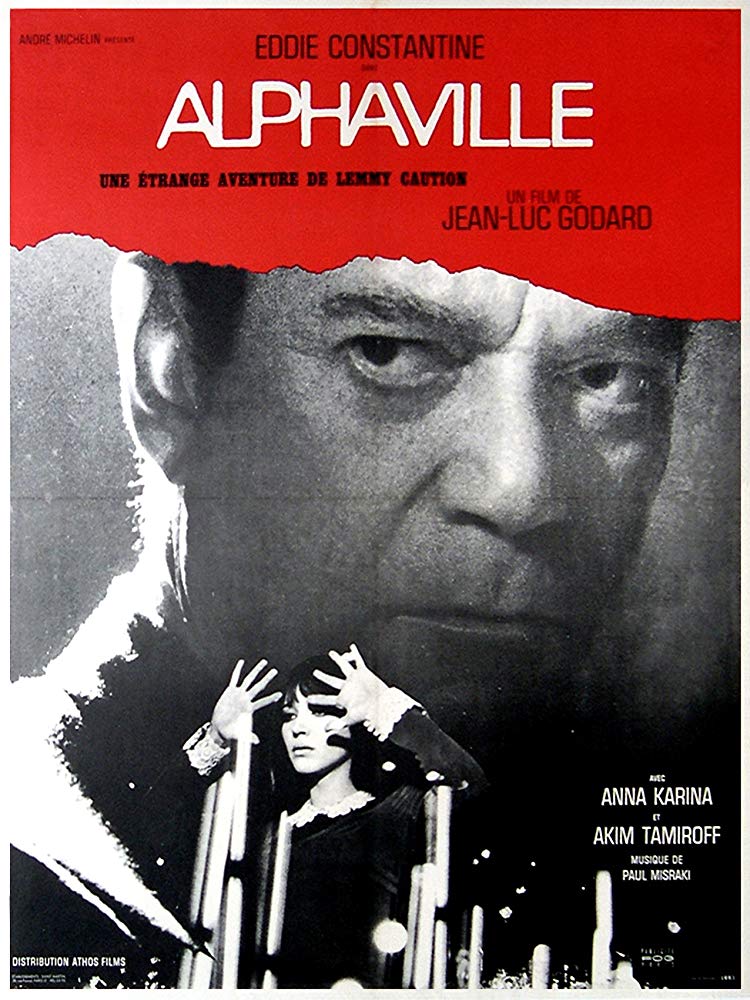
Alphaville (1965)
Surrealistic cinematic joke from French New Wave director Jean-Luc Godard that mashes up film noir and SF where hard-boiled detective travels to another planet represented by contemporary Paris
The Science Fiction Horror and Fantasy Film Review
The New Wave (or the Nouvelle Vague) was an artistic movement that emerged in French Cinema in the late 1950s and lasted through until the 1970s (although its influence can still be felt for some years after that). There is debate as to which work was the first but the movement was solidified by the success of Jean-Luc Godard’s Breathless (1960).
The New Wave movement emerged out of a group of critics attached to the magazine Cahiers du Cinema who later went on to direct films – Claude Chabrol, Jean-Luc Godard, Eric Rohmer, Jacques Rivette and Francois Truffaut – as well as other directors such as Chris Marker and Alain Resnais.
The French New Wave rejected the Hollywood model and encouraged experimentalism. Narrative became diffuse and non-linear; there are not the well-lit studio bound camera set-ups of Hollywood films but often handheld and ragged shots. New Wave films encouraged Left Wing Politics (frequently Marxist) along with a good deal of philosophical discourse, which has a tendency towards the pretentious.
In genre material, French New Wave has a fascination with time and memory and the blurring of the two (sometimes in actual Time Travel plots), while almost all of the works listed have frequent Surrealist content.
Surrealistic cinematic joke from French New Wave director Jean-Luc Godard that mashes up film noir and SF where hard-boiled detective travels to another planet represented by contemporary Paris
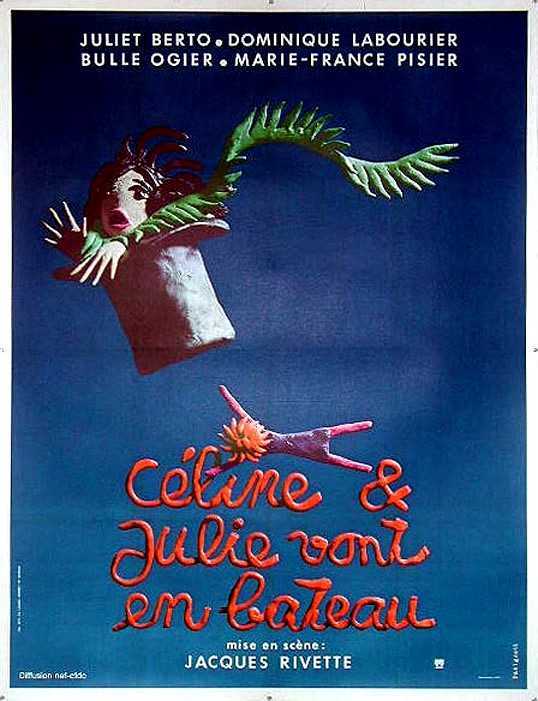
Louis Malle’s one and only venture into the French New Wave – a baffling work set around social collapse as a young girl wanders a farmhouse encountering unicorns, talking animals and various surreal happenings
Vastly over-praised French New Wave film that is a ghost story of sorts. Three hours plus of tediously protracted happenings that don’t seem to be about anything at all
French New Wave SF film from director Alain Resnais about a time machine. The idea of a protagonist travelling at random through his own memory is predictive of Kurt Vonnegut’s Slaughterhouse Five
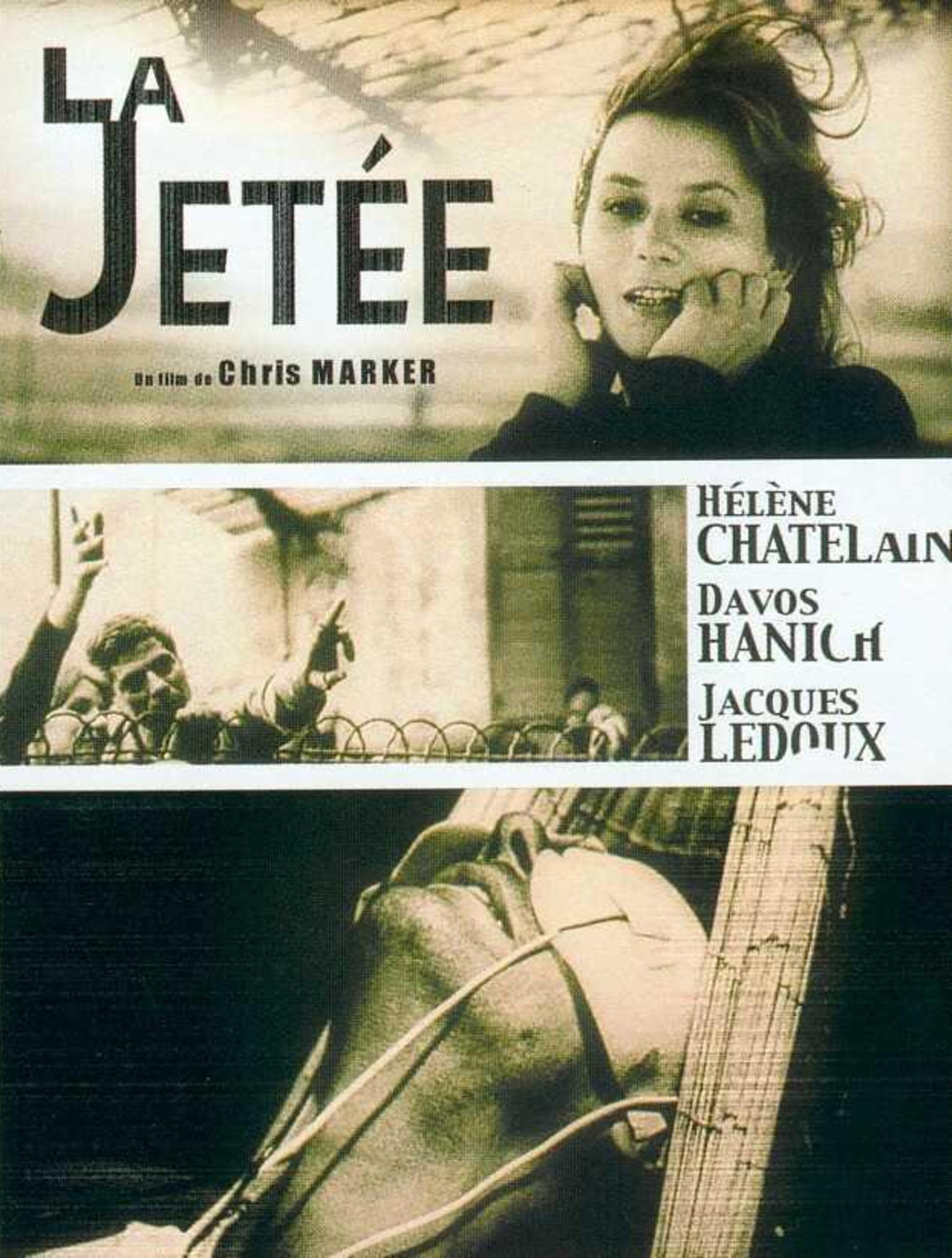
Chris Marker’s celebrated 28 minute time paradox film, an experimental work that was made at the height of the French New Wave. This later became the basis of Terry Gilliam’s Twelve Monkeys
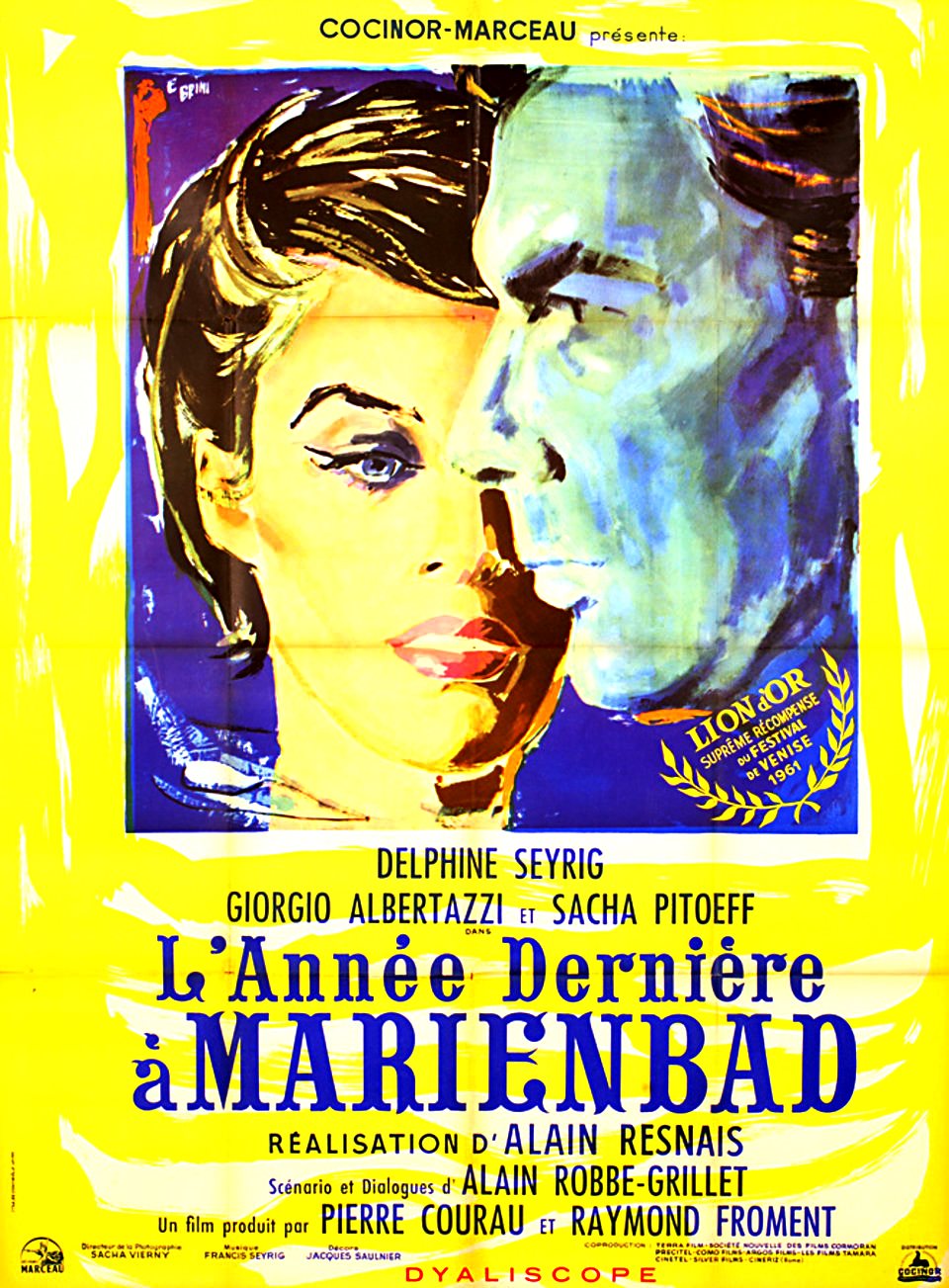
An extraordinary work from the French New Wave filled with incredible visuals as lovers drift through an ornate hotel where memory and time itself seems to shift
From Eric Rohmer, a director of the French New Wave, an adaptation of stories from the Arthurian legends, made in a decidedly eccentric style
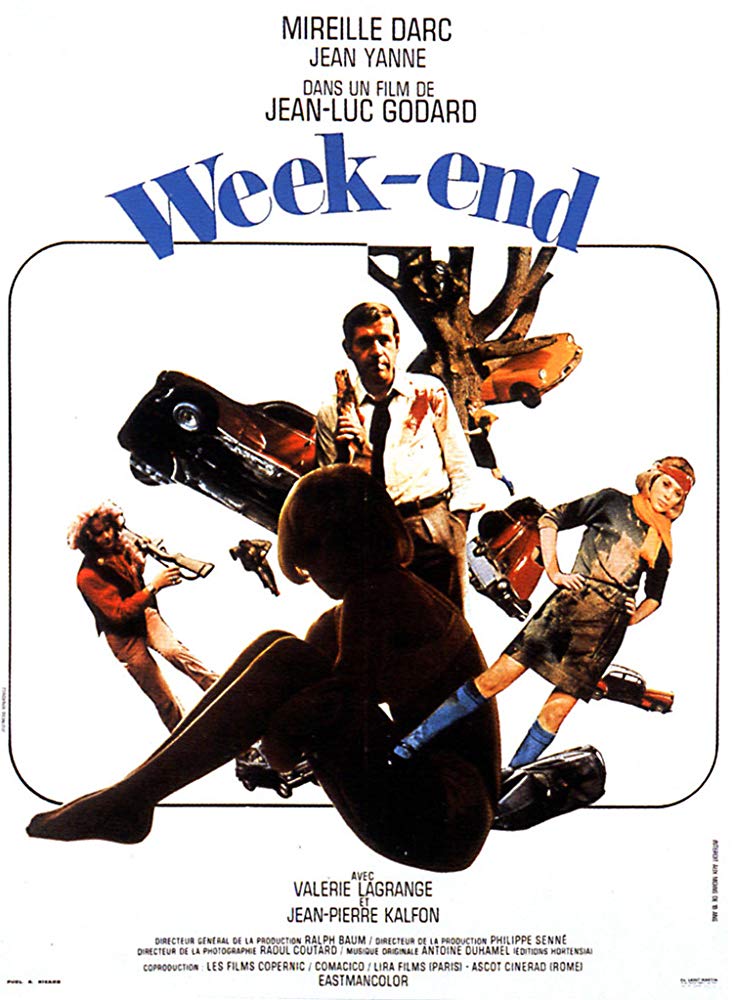
Jean-Luc Godard’s classic of the French New Wave where a couple’s journey into the countryside for the weekend becomes increasingly more surreal and anarchic