The Virgin of Nuremberg (1963)
A fine example of the Italian Gothic cycle of the 1960s that overruns the screen with brooding Gothic dungeons, visually stunning colour schemes, a mad nobleman and Christopher Lee as a sinister manservant
The Science Fiction Horror and Fantasy Film Review
Italian Cinema has been with us since fairly much the beginnings of cinema itself. The first major wave that can be considered a purely Italian one was the neo-realist movement of the 1940s/50s that featured films shot away from studio confines often using non-professional actors. None of this concerns us here but this did bring to attention names like Federico Fellini.
The first major wave of Italian genre films was the Peplum cycle, colloquially known as the Sword and Sandal film, that began with the international success of Hercules (1958). There were numerous Hercules, Samson, Ulysses and Goliath films, as well as the original Italian creation of Maciste, produced throughout the 1960s, all featuring a series of brawny muscle-builders as various mythological heroes in a series of mostly mundane quasi-historical adventures.
The late 1950s gave birth to the Italian horror film, which gained its own identity with Mario Bava’s Black Sunday (1960), an incredibly moody black-and-white work that spawned its own genre of Gothic films – for which see Continental Gothic. Mario Bava also created the Giallo film that focused on garish colour schemes, sado-sexual elements and extravagant deaths, all wound an improbably contorted psycho-thriller plot.
The 1960s saw Italy spawning a massive industry of exploitation films copying Hollywood models, including the Space Opera and Spy Film. Some of these copies – in particular the Italian Western colloquially called the Spaghetti Western – became their own genre.
The 1970s brought the notorious Italian cannibal film and various other works that sought to push on-screen sadism, torture and dismemberment to perhaps the greatest extreme it has ever been. Many of these works were banned around the world.
The late 1970s brought the occult giallo with Dario Argento’s Suspiria (1977), which used the same extravagant deaths but with supernatural and occult focuses. The 1990s saw Italy readily copying the success of George Romero’s zombie films in a series of gore-drenched efforts. The same period also saw a number of low-budget copies of Mad Max 2 (1981), along with assorted Action Films.
The Italian exploitation genre largely died away by the mid-1990s. Sporadic genre works have been produced since but nowhere near the prolific output the came out during the heyday between the 1960s-80s.
A fine example of the Italian Gothic cycle of the 1960s that overruns the screen with brooding Gothic dungeons, visually stunning colour schemes, a mad nobleman and Christopher Lee as a sinister manservant
Head-scratchingly strange Italian film that seems made as a crosshatch of 1970s Devil Child films and Close Encounters of the Third Kind. Makes no sense in terms of story but worth watching for the bizarreness of its imagery
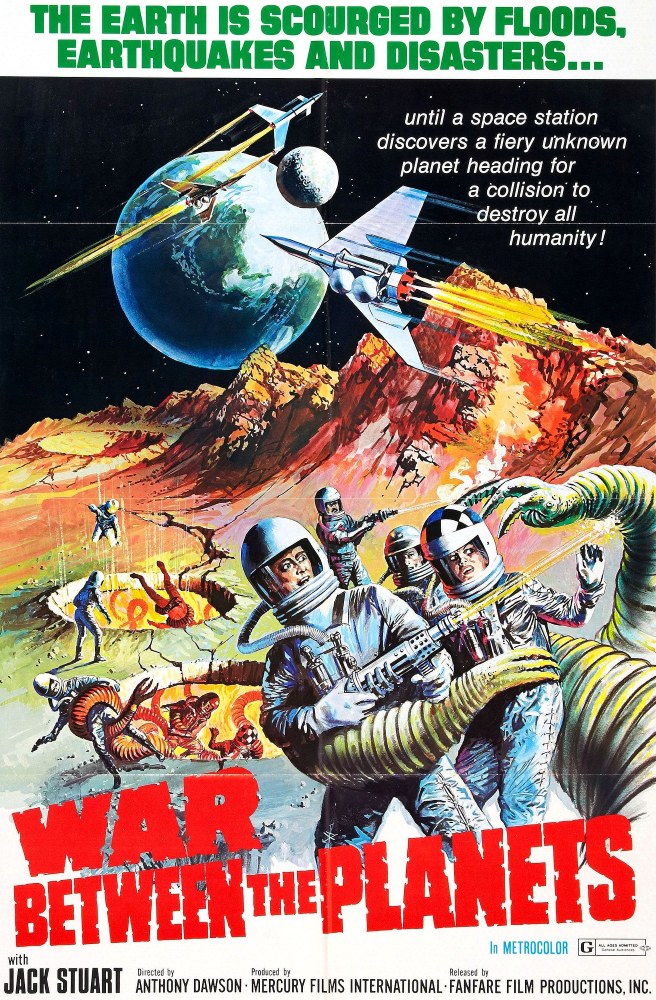
One of the various Italian space operas of the 1960s from director Antonio Margheriti. This has a certain colourful ambition despite frequently being let down by cheap effects
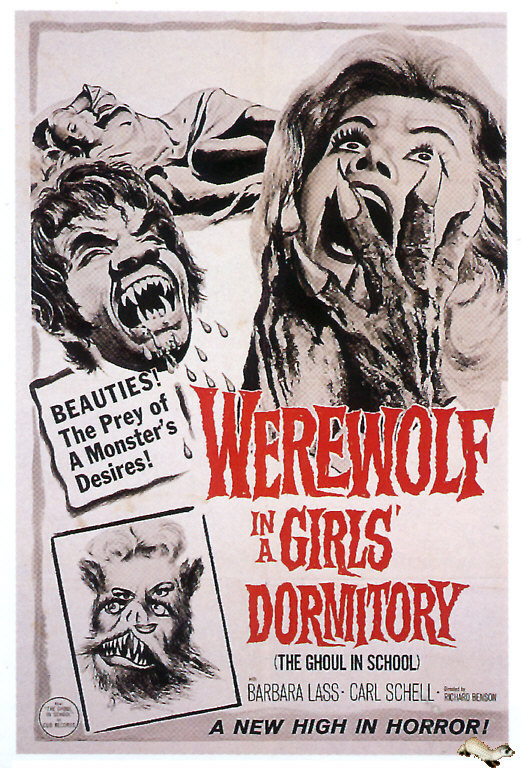
Despite one of the great exploitation titles of all time, this collapses into a dreary dullness the moment one actually sits down to watch it
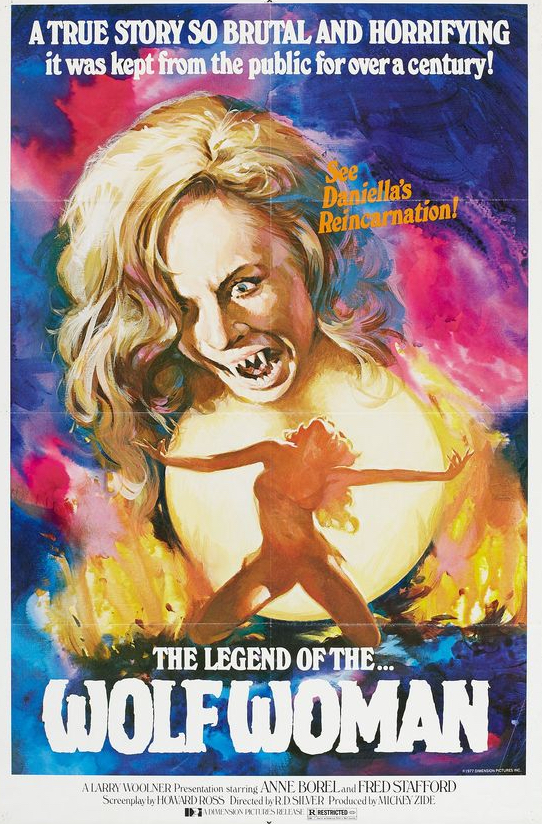
A classic from 70s Euro trash cinema. The title is misleading as this is not about a female werewolf but more akin to Cat People about a disturbed woman who thinks she has turned into a werewolf at the thought of sex
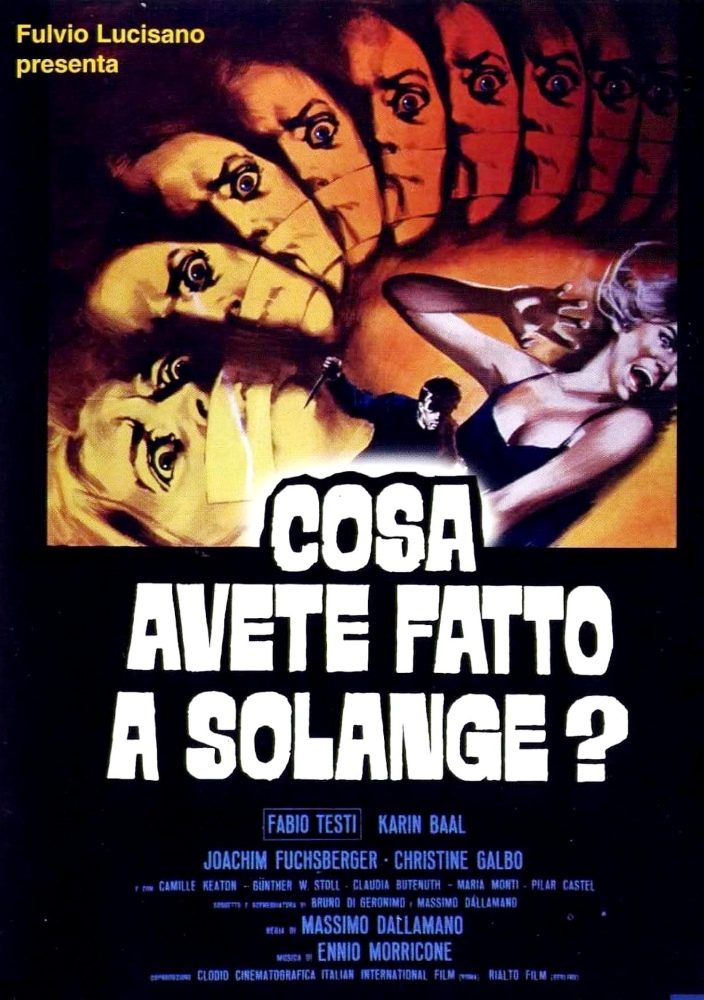
One of the standout entries in the giallo film and certainly one of the best plotted of the genre, concerning a series of murders at a Catholic girls school
One of the cheap Italian space operas of the 1960s from Antonio Margheriti. This has a certain colourful absurdity amid the mostly dull happenings and B-budget effects
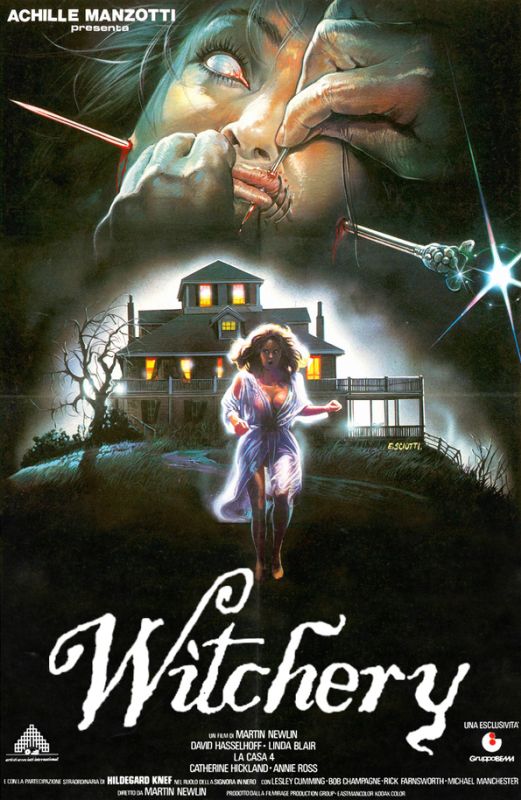
Italian horror film featuring David Hasselhoff and Linda Blair that has little going for it bar some imaginatively gruesome deaths
Italian cheapie that has become regarded as a bad movie classic. This starts out as a Conan the Barbarian ripoff before, in a twist lifted from Teenage Caveman, we learn we are in a post-apocalyptic future
Acclaimed classic of 1980s Italian horror where a mysterious typewriter ribbon leads a writer in search of zones where the dead can return to life
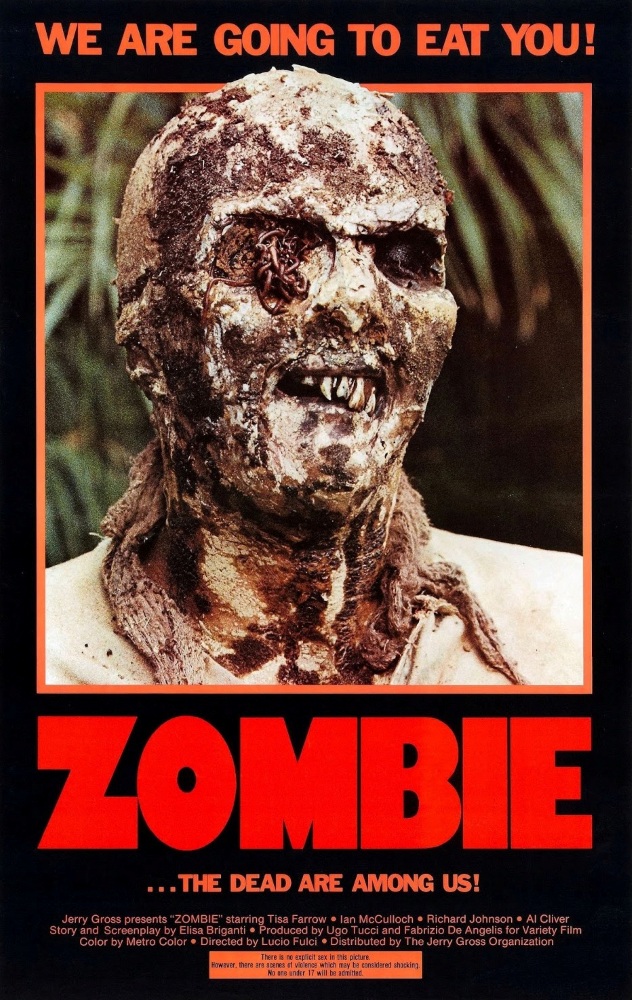
Italian film conceived as a quickie copy of George Romero’s Dawn of the Dead with the focus on gore scenes. This made the name of cult Italian splatter director Luci Fulci.
One of the most extreme films among the early 1980s fad for Italian zombie films, which it also manages to merge with the Italian cannibal film. Beyond the provision of gore effects, there is not much else to the film