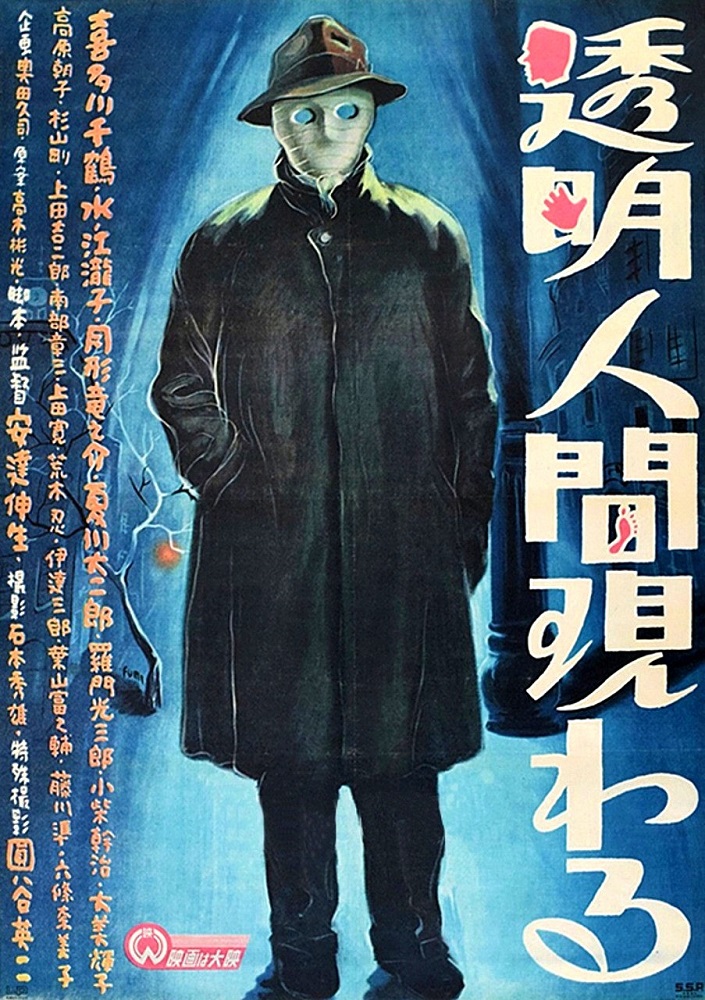
The Invisible Man Appears (1949)
An obscure and little-seen but fascinating Japanese copy of The Invisible Man films wherein a scientist becomes an invisible man after taking his formula. Let down by weak effects.
The Science Fiction Horror and Fantasy Film Review
Any story that has a hero or heroine usually has a villain of some type. There are many memorable examples of these but not all villains are Super-Villains. Super-Villains are regular villains turned up to 15 on the dial.
Super-Villains are not just criminal masterminds but are criminal geniuses. They will frequently run empires of crime, plan world domination plots, harness Advanced Weaponry and secrets of super-science or even are Mad Scientists. They can have Hypnotism and Mind Control abilities and in Superhero Films they almost invariably have superpowers. They will often wear a costume or hide their identity behind a mask and in comic-book are often known by some motif or take a title. They are sometimes disfigured or mutated and driven by a desire for Revenge.
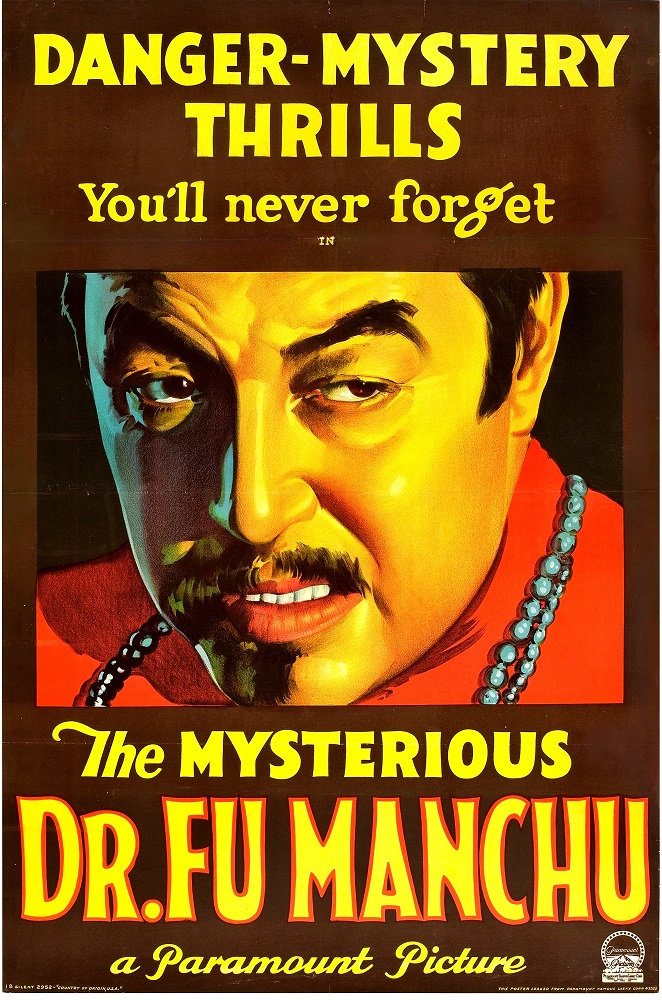
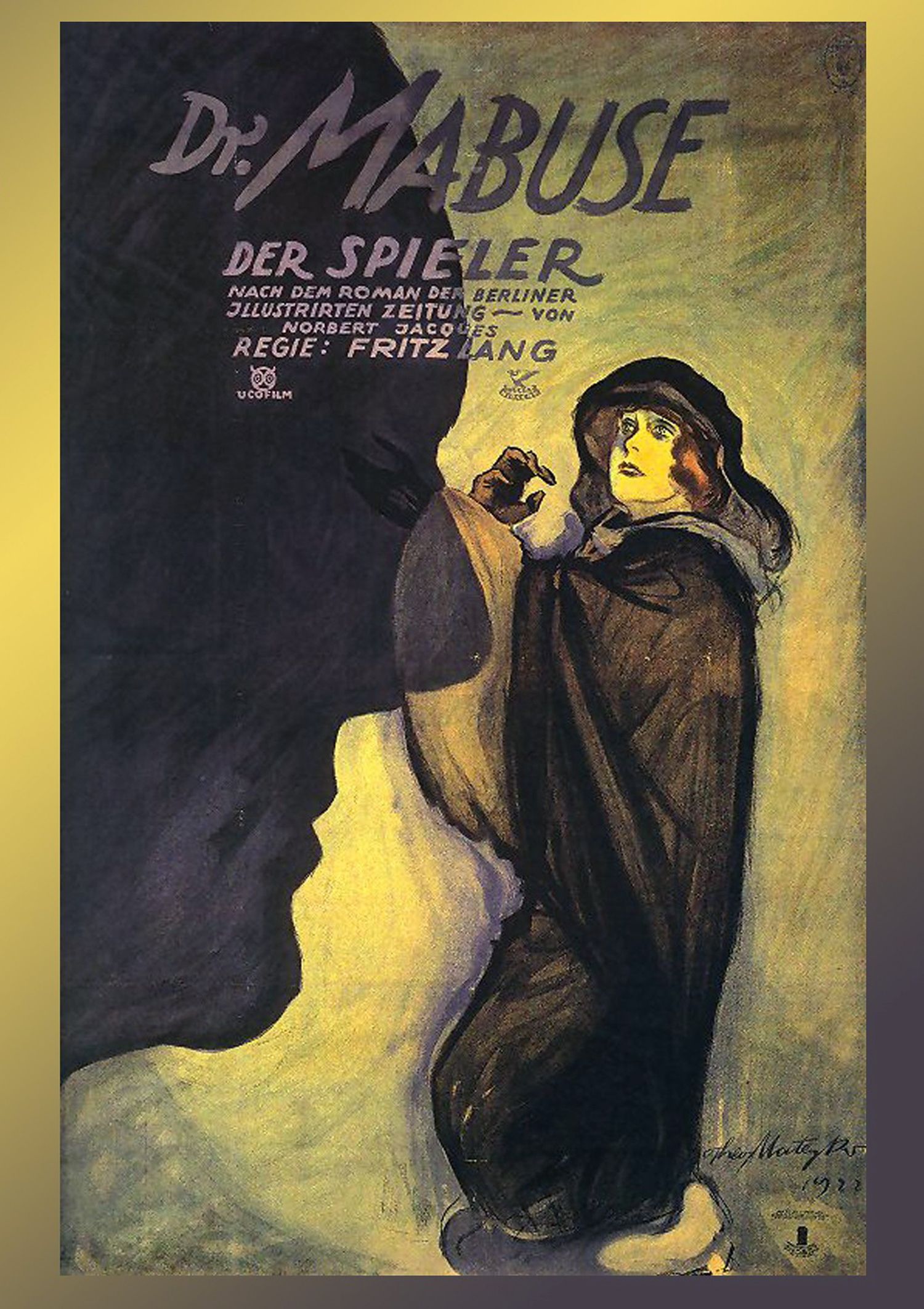
The first Super-Villain was Professor Moriarty in the Sherlock Holmes stories. Pulp fiction was alive with evil masterminds like the Chinese super-villain Fu Manchu or silent cinema’s Dr Mabuse. More exotic super-villains featuring some costuming quirk or facial deformity appeared in the Dick Tracy comic-books and this idea was taken up soon after by the Batman comic-book to memorable effect. The comic-book has taken to the super-villain like no other and created a lengthy line of super-powered villains
Super-villains sporadically appeared in the Serials of the 1930s and 40s and in the superhero tv series of the 1950s, although most of these were just mundane criminals. The first major screen super-villains were the nemeses fought by James Bond in the Spy Films of the 1960s and the colourful pantheon of over-acting guest stars on tv’s Batman (1966-8).
The comic-book super-villain gained strength with the maturation of the superhero film in the 1970s and 80s and have regularly appeared on screen since. By the 2000s and 10s, we had even seen a number of films devoted to the villains alone with The Joker, Cat Woman, Harley Quinn and Venom all getting standalone works. There have even been works about super-villain teams like Suicide Squad, not to mention spoof efforts like the Despicable Me films.
An obscure and little-seen but fascinating Japanese copy of The Invisible Man films wherein a scientist becomes an invisible man after taking his formula. Let down by weak effects.
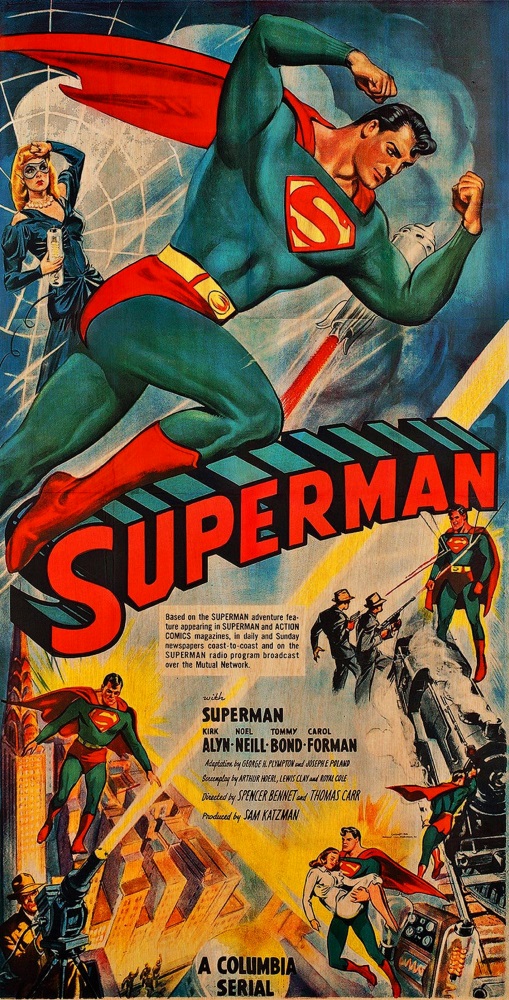
A 15 chapter serial that marks the very first live-action screen appearance of Superman. The superheroics and effects are painfully primitive today (where Superman flying is represented by animation) but the serial gets many aspects of the comic-book down right
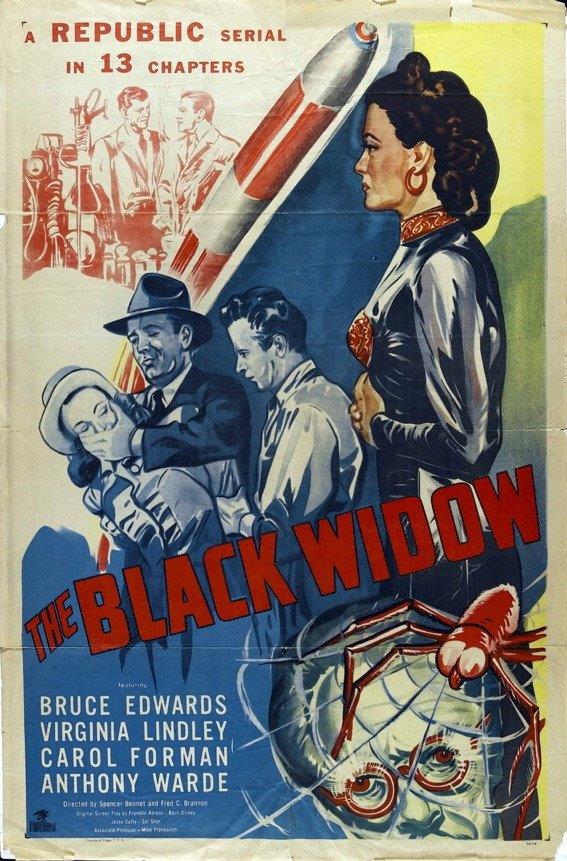
A rather dull fifteen-chapter serial about the efforts a detective who sets out to stop Sombra, an Asian spy intent on stealing US atomic rocket secrets
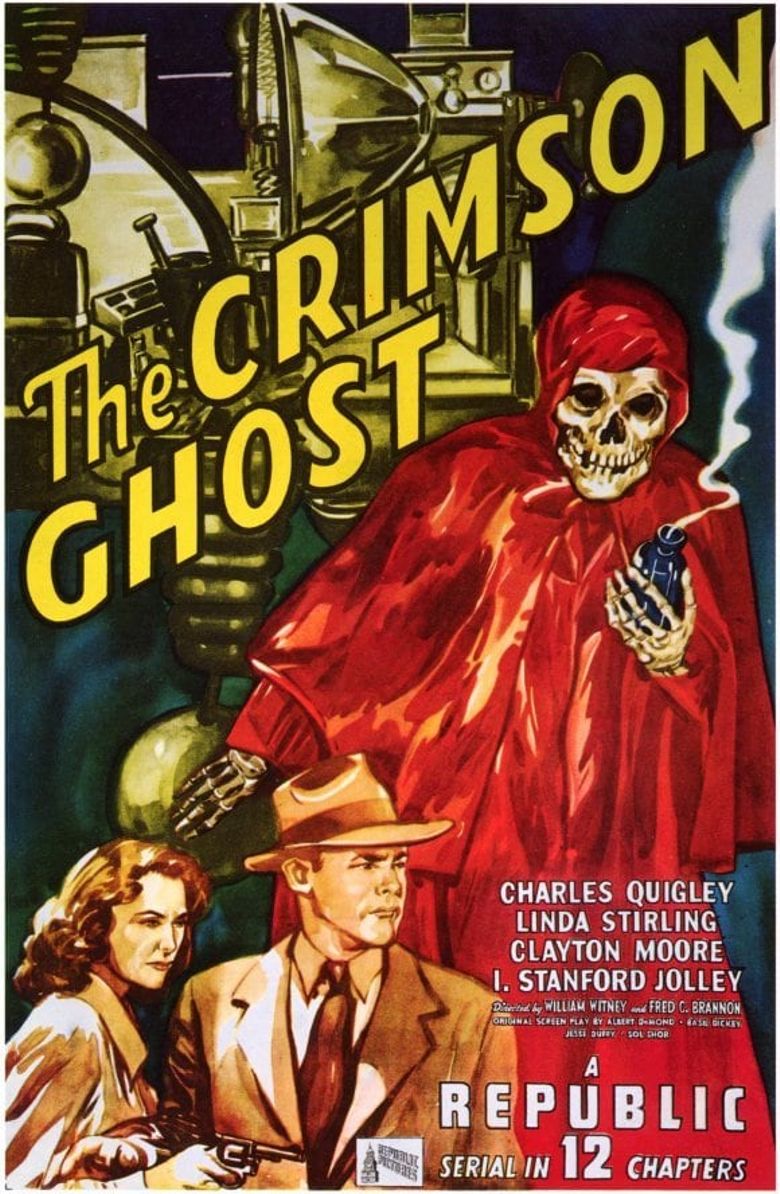
A rather dull twelve-chapter serial in which a criminologist tries to stop the titular criminal mastermind tries to steal a device that can block electrical transmissions
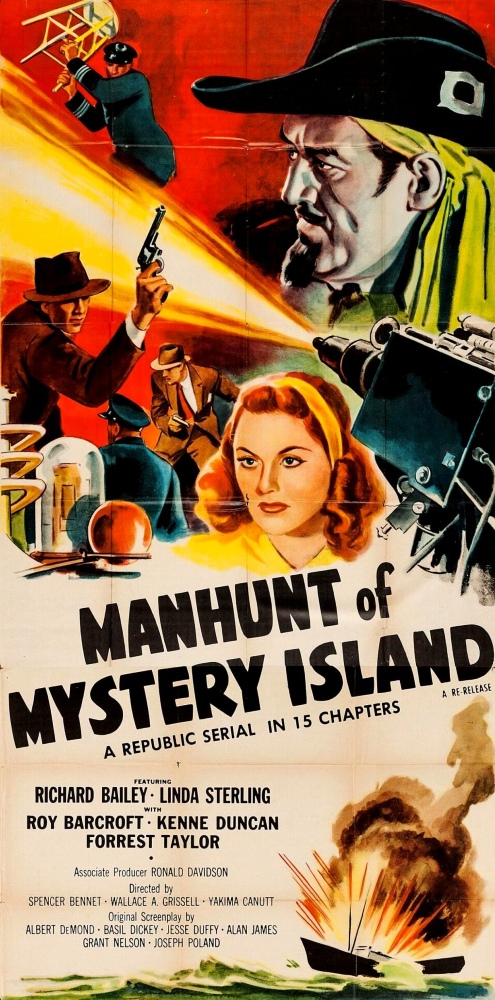
A fifteen chapter serial about a villain who uses an atomic device to transform into a dead pirate captain. Filled with some wonderfully exciting action set-pieces and cliffhangers
Captain America’s first screen appearance was this 15 chapter serial, although about the only common element with the comic is the costume. On the plus side, the action and cliffhangers are good, while Lionel Atwill chews scenery in grand style as the villain
Batman’s first screen appearance in a fifteen-chapter serial. This is a dull, impoverished adaptation, which sees Batman and Robin rewritten in the service of the US government fighting a Japanese invasion force
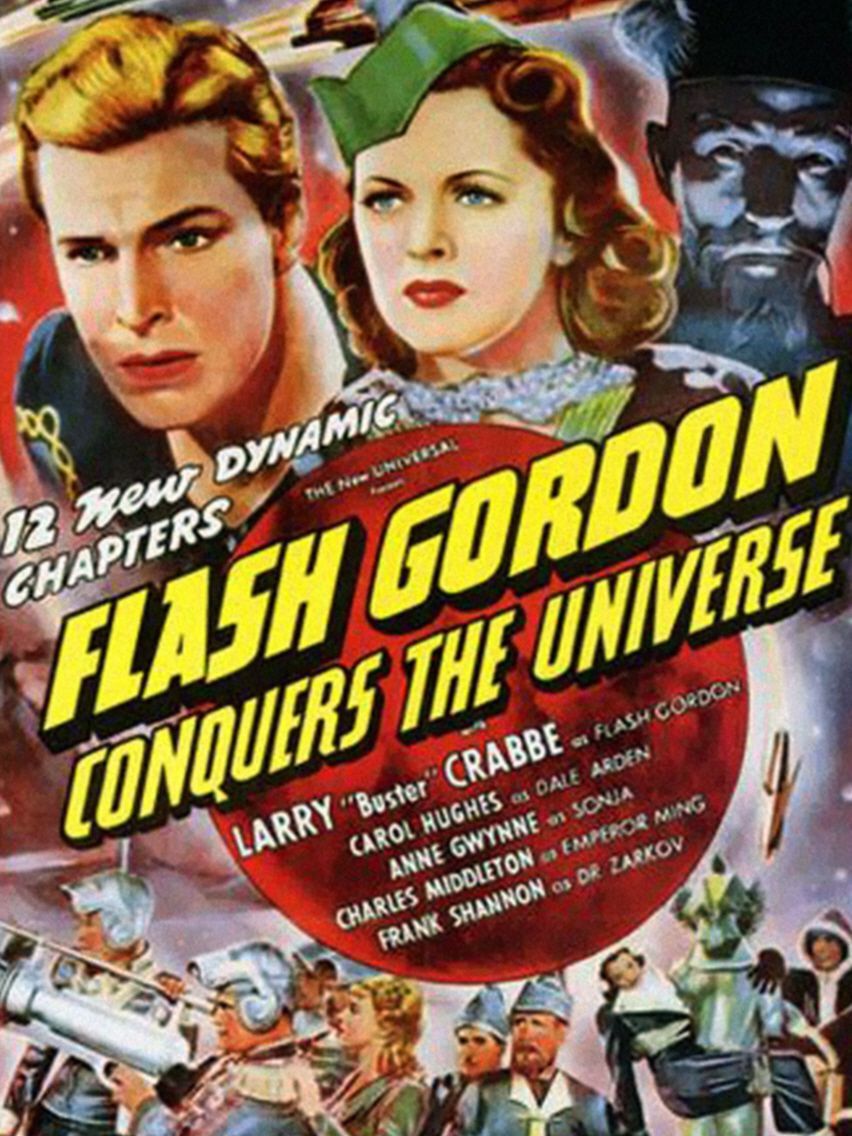
The third of the Flash Gordon serials, not quite at the heights of the previous two but with a colour and exoticism that was head and shoulders above the other serials of the era
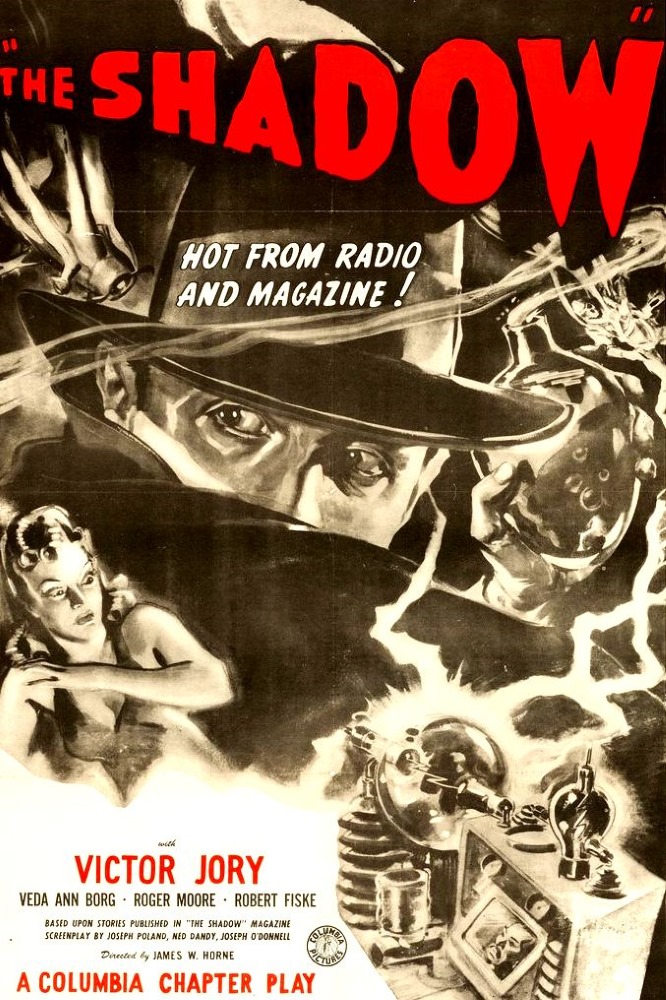
A serial adaptation of the popular radio superhero, which gets the look of the character perfect but drops all his mystical powers
The first screen appearance of the famous newspaper comic-strip stage magician superhero in a serial adaptation that strips out all his illusion-casting abilities and reduces him to a mundane crimefighter
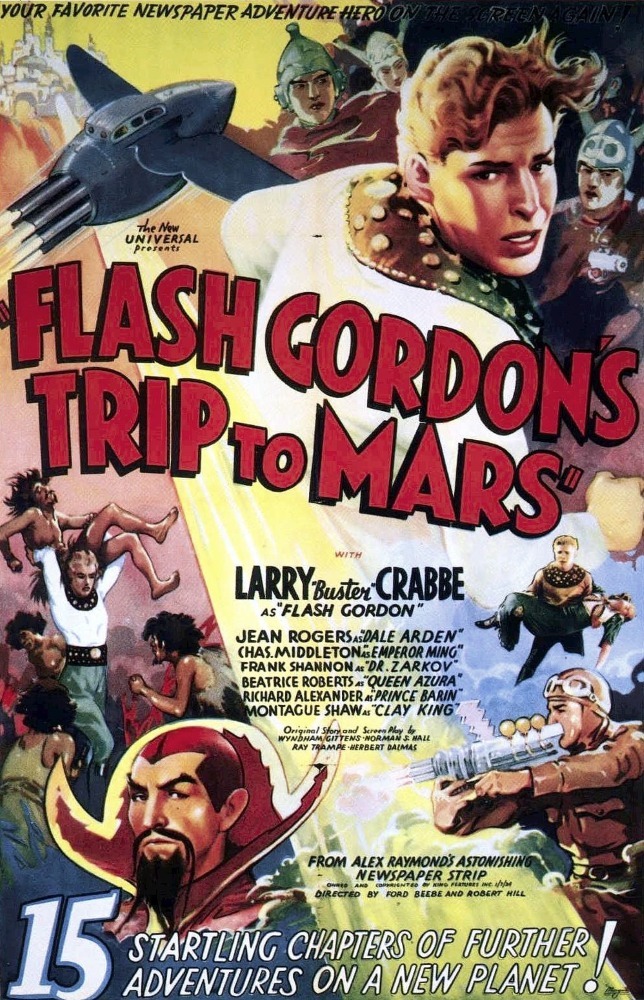
The second of the Flash Gordon serials, which relocates action to Mars following the popularity of Orson Welles’ War of the Worlds broadcast. The film has a wonderful imagination that far outshines the tattiness of usual serial production values
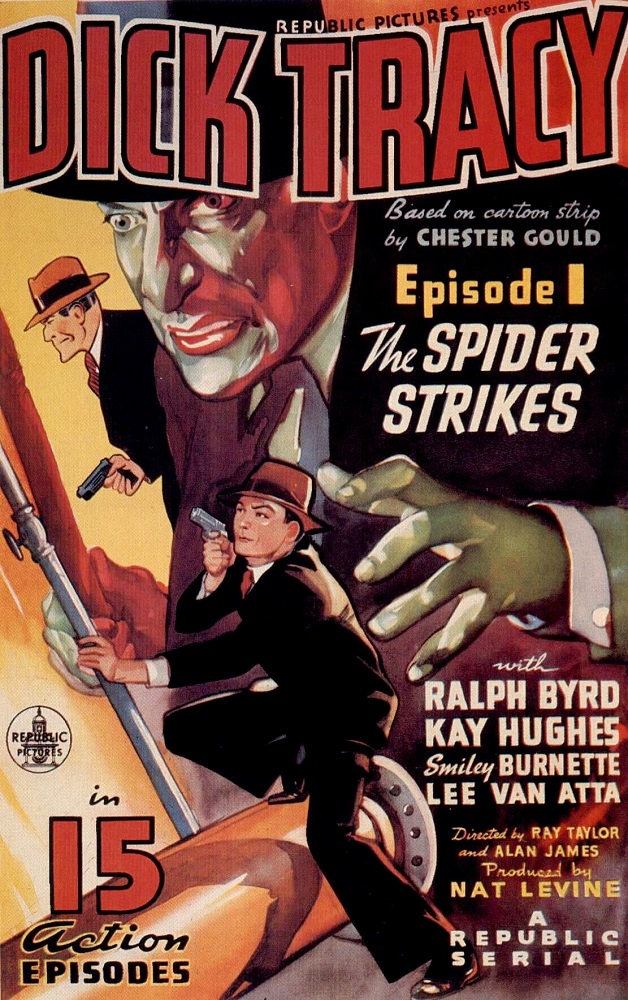
This is a standout serial based on the famous comic-book detective, featuring some of the best of all serial cliffhangers and action set-pieces, not to mention wonderfully creative super-science inventions
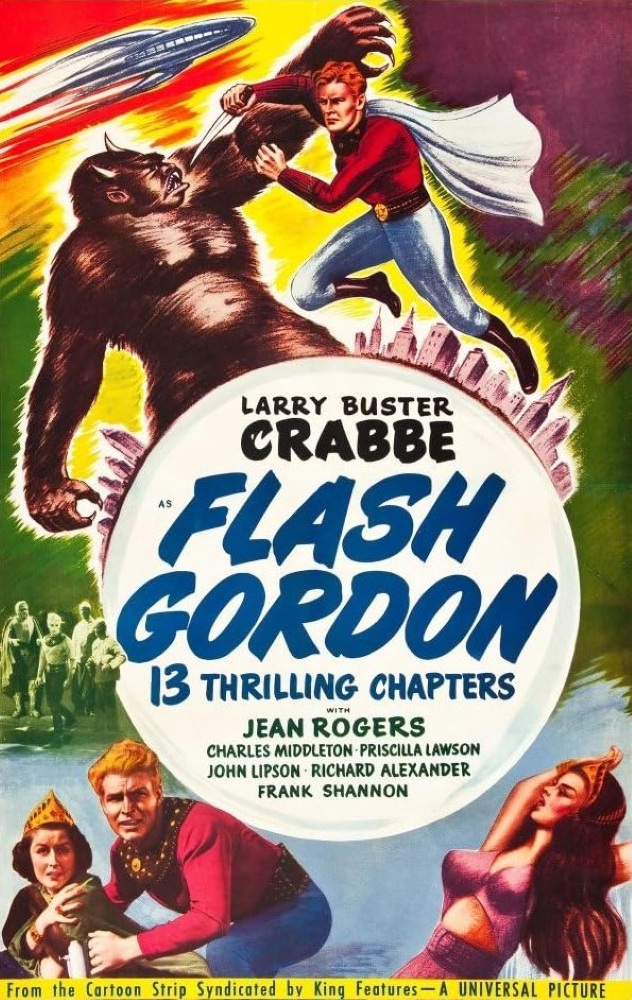
The original and greatest of all SF serial adventures and a huge influence on George Lucas. Despite the primitive effects, this still has a marvellously rousing imagination that stands up today. Two serial sequels followed
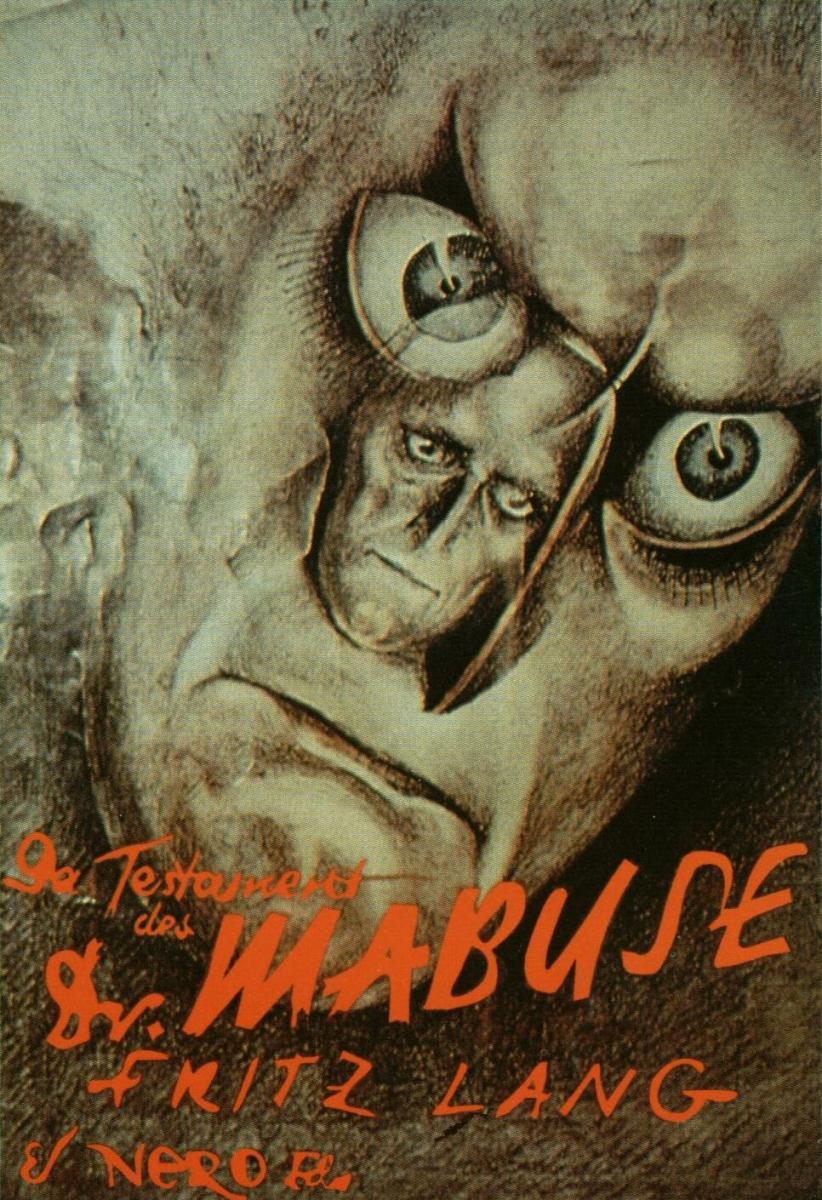
The second of Fritz Lang;s films about the criminal mastermind Dr Mabuse, which was banned under the Nazi regime and forced Lang to flee the country. Not quite the equal of its predecessor, Lang is still on fine form and makes an exciting crime melodrama
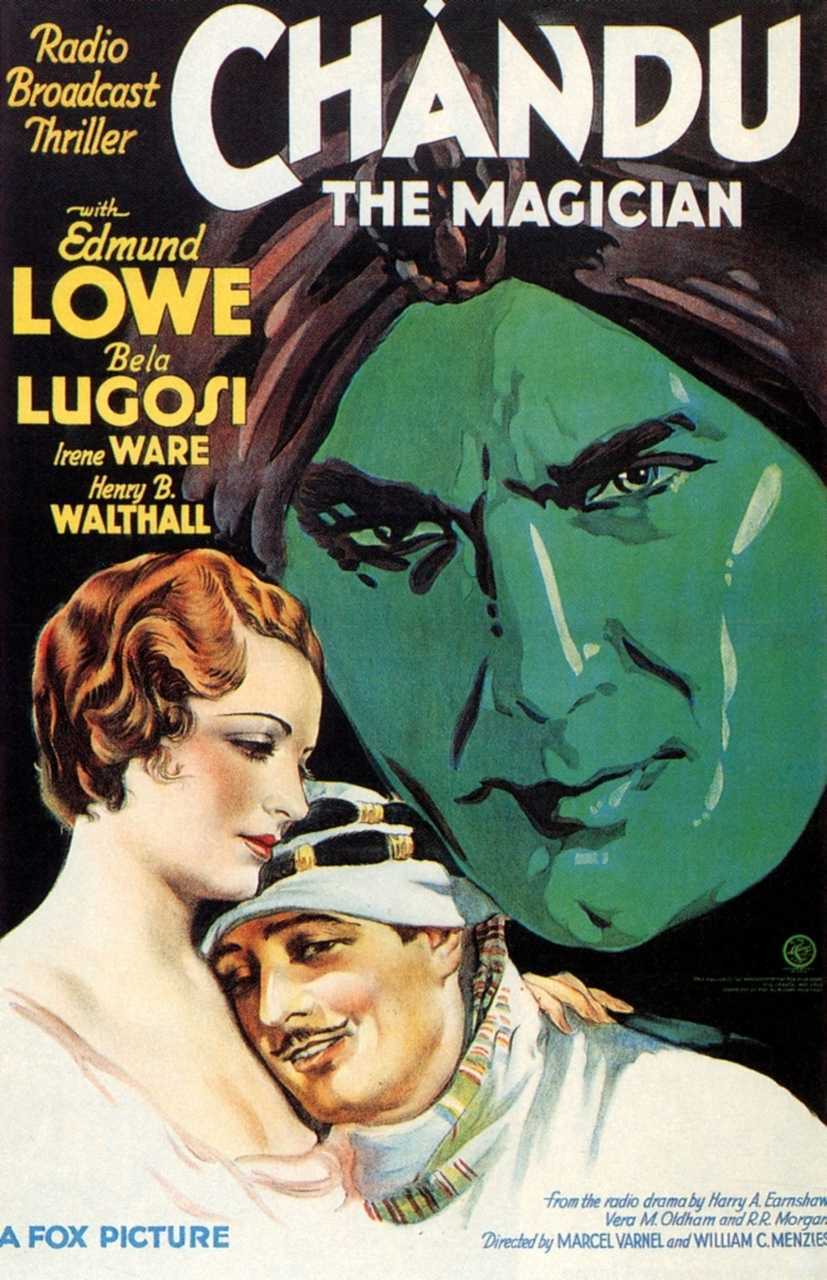
The film adaptation of a popular radio series about a Westerner who has trained in the Eastern mystic arts and uses his powers to create illusions in the fight against crime. One of the first screen superheroes.
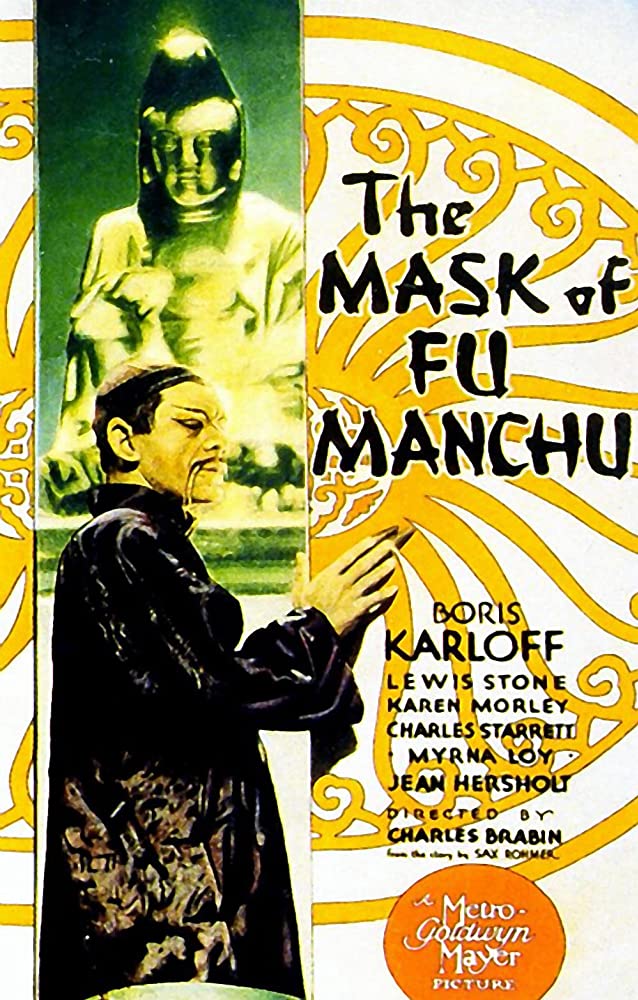
Boris Karloff plays the super-villain Fu Manchu, giving a performance of calculating evil in a film of great pulp thrillers
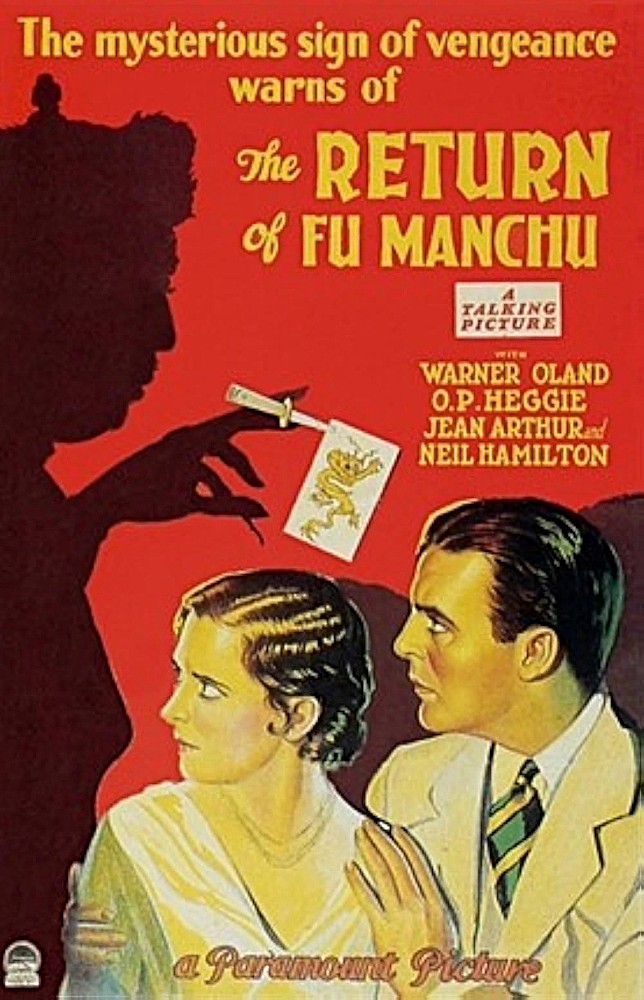
The second of the films made about the Chinese super-villain Fu Manchu, the first made in sound. This is where the film series started to find itself, turning in some superlative thrills and a wonderful battle of wits between hero and villain. Pulp thrills at their best
The first film appearance of one of the great super-villains of pulp fiction. This was a silent film version with Warner Oland cast in the title role, making a rolypoly Fu Mancu in contrast to some of the other great actors in the part
Dr Mabuse is one of the great villains of cinema. Fritz Lang was one of the greatest directors of the silent era and his first Mabuse film is extraordinary where Lang indulges in visual tricks that still look sensational today