A View to a Kill (1985)
The final outing as James Bond for a visibly aging Roger Moore, the fourteenth Bond film all told. One of the more anonymous among the giant unserious cartoon shows the Moore Bond films became
The Science Fiction Horror and Fantasy Film Review
Any story that has a hero or heroine usually has a villain of some type. There are many memorable examples of these but not all villains are Super-Villains. Super-Villains are regular villains turned up to 15 on the dial.
Super-Villains are not just criminal masterminds but are criminal geniuses. They will frequently run empires of crime, plan world domination plots, harness Advanced Weaponry and secrets of super-science or even are Mad Scientists. They can have Hypnotism and Mind Control abilities and in Superhero Films they almost invariably have superpowers. They will often wear a costume or hide their identity behind a mask and in comic-book are often known by some motif or take a title. They are sometimes disfigured or mutated and driven by a desire for Revenge.
The first Super-Villain was Professor Moriarty in the Sherlock Holmes stories. Pulp fiction was alive with evil masterminds like the Chinese super-villain Fu Manchu or silent cinema’s Dr Mabuse. More exotic super-villains featuring some costuming quirk or facial deformity appeared in the Dick Tracy comic-books and this idea was taken up soon after by the Batman comic-book to memorable effect. The comic-book has taken to the super-villain like no other and created a lengthy line of super-powered villains
Super-villains sporadically appeared in the Serials of the 1930s and 40s and in the superhero tv series of the 1950s, although most of these were just mundane criminals. The first major screen super-villains were the nemeses fought by James Bond in the Spy Films of the 1960s and the colourful pantheon of over-acting guest stars on tv’s Batman (1966-8).
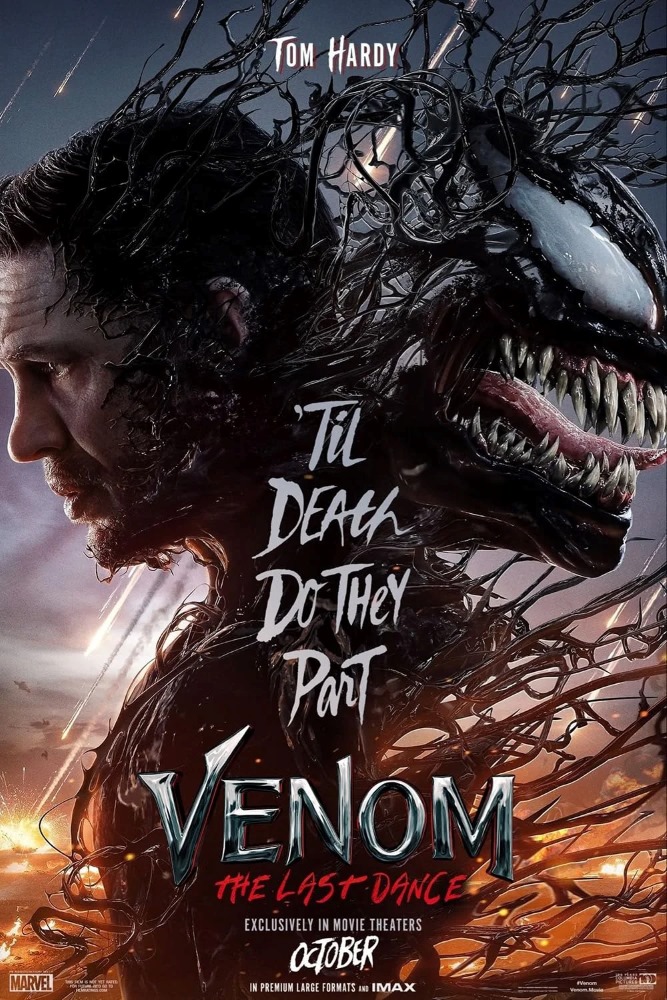
The comic-book super-villain gained strength with the maturation of the superhero film in the 1970s and 80s and have regularly appeared on screen since. By the 2000s and 10s, we had even seen a number of films devoted to the villains alone with The Joker, Cat Woman, Harley Quinn and Venom all getting standalone works. There have even been works about super-villain teams like Suicide Squad, not to mention spoof efforts like the Despicable Me films.
The final outing as James Bond for a visibly aging Roger Moore, the fourteenth Bond film all told. One of the more anonymous among the giant unserious cartoon shows the Moore Bond films became
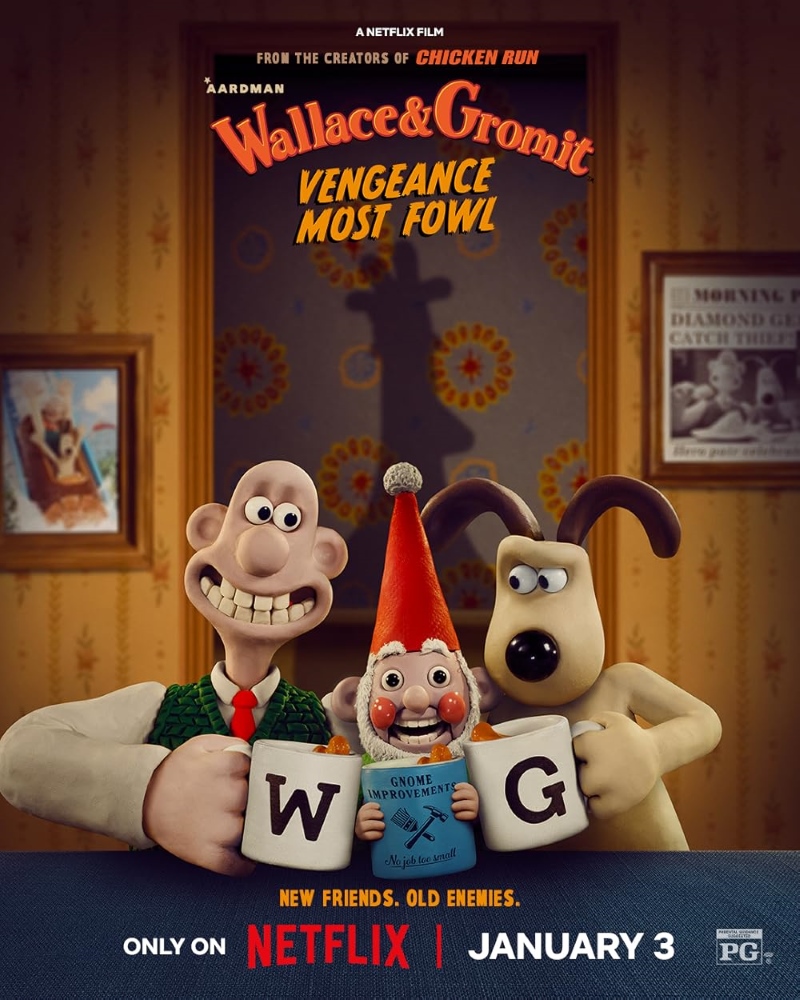
Aardman Animation give Wallace and Gromit their second film outing
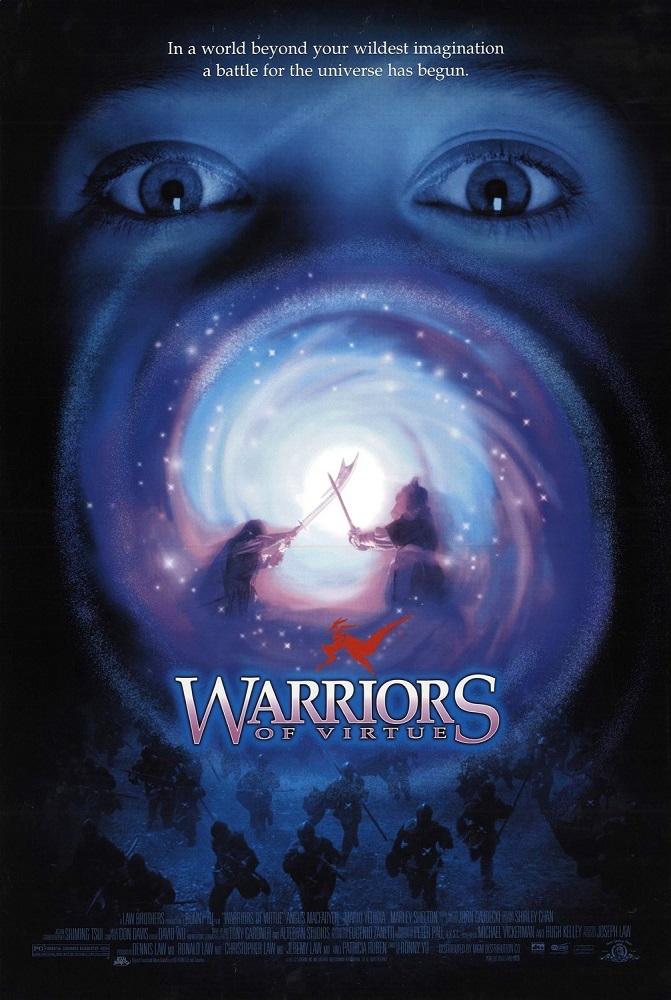
Fantasy film set in a magical otherworld defended by martial arts wielding kangaroos
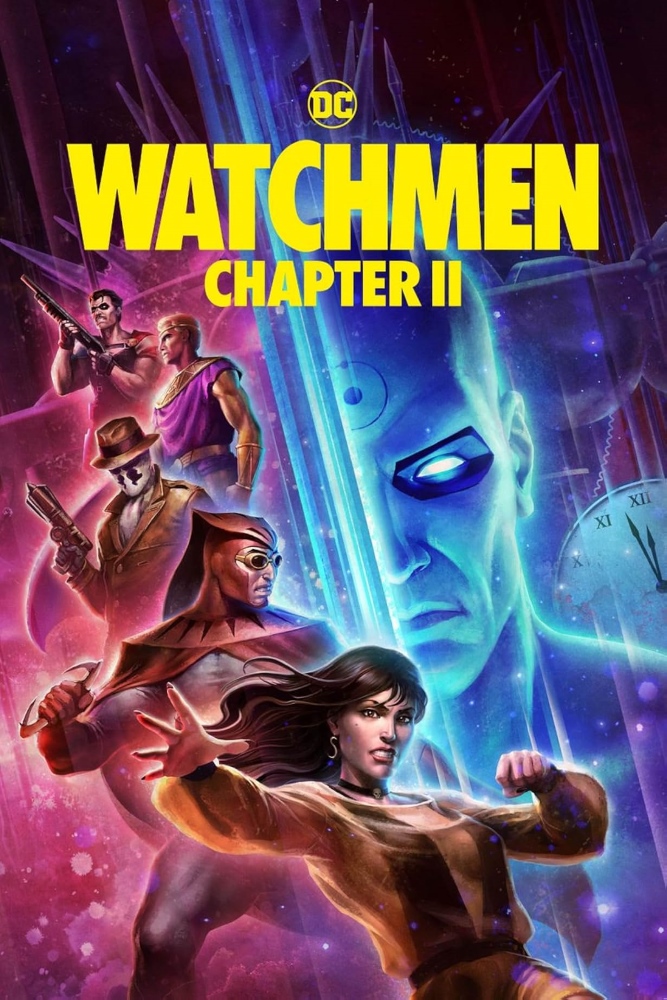
The second part of DC Universe Animated Original Movies’ adaptation of Alan Moore’s classic graphic novel, the most faithful screen adaptation yet
The big screen remake of the 1960s Western/spy mashup tv series is transformed into an overblown and painfully unfunny Will Smith vehicle that loudly signals it is taking none of itself seriously
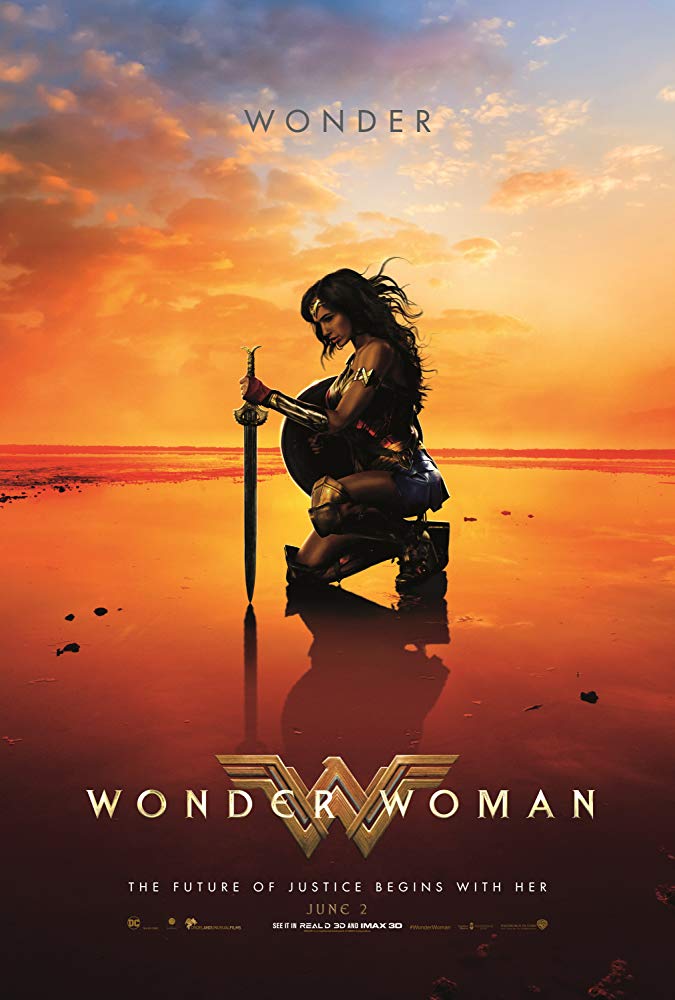
After three films of mixed success, DC Comics finally get their Cinematic Universe right. Director Patty Jenkins blows all of the others away with a series of exhilarating action sequences that have an entire audience cheering
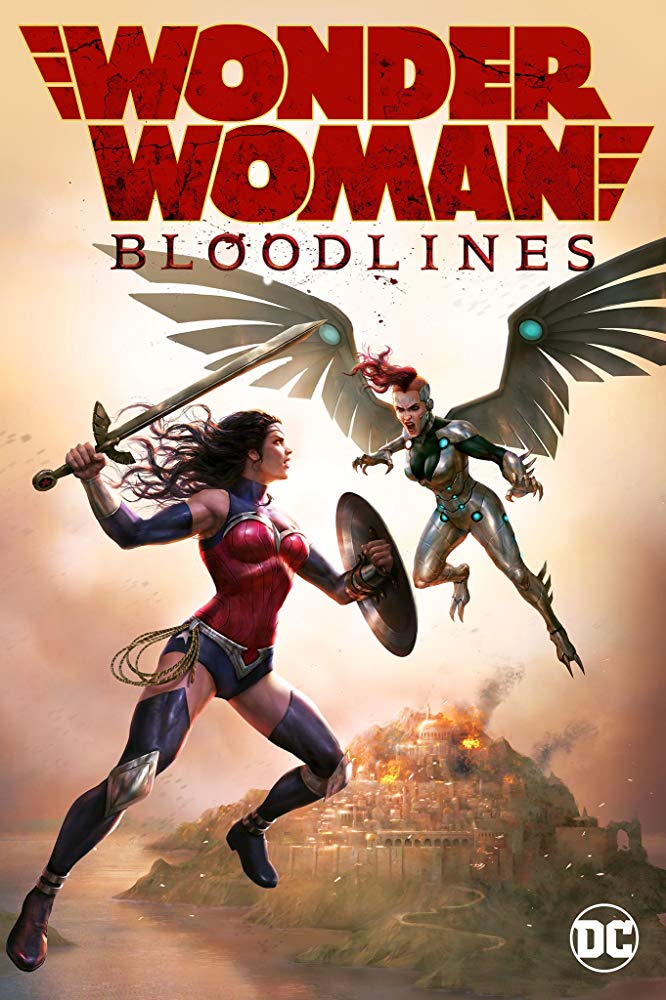
The second of the DC Universe Animated Original Movies made as a standalone entry for Wonder Woman, clearly building on the success of the Gal Gadot film
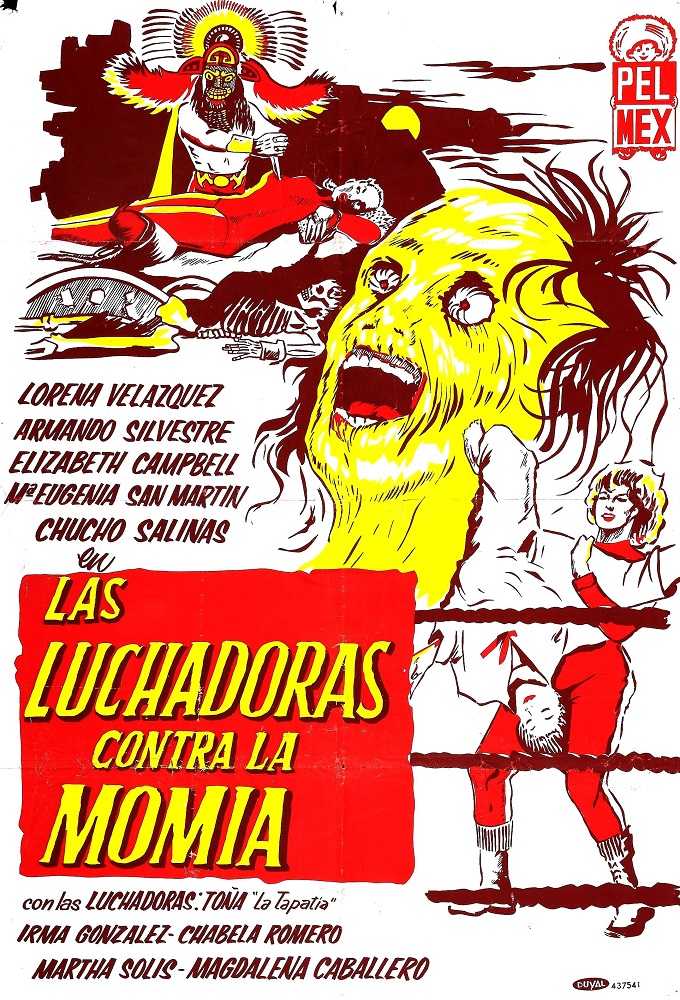
This is surely one of the great exploitation titles of all time. Another Mexican wrestling superhero film where a duo of woman wrestlers take on the Aztec Mummy from another Mexican horror series
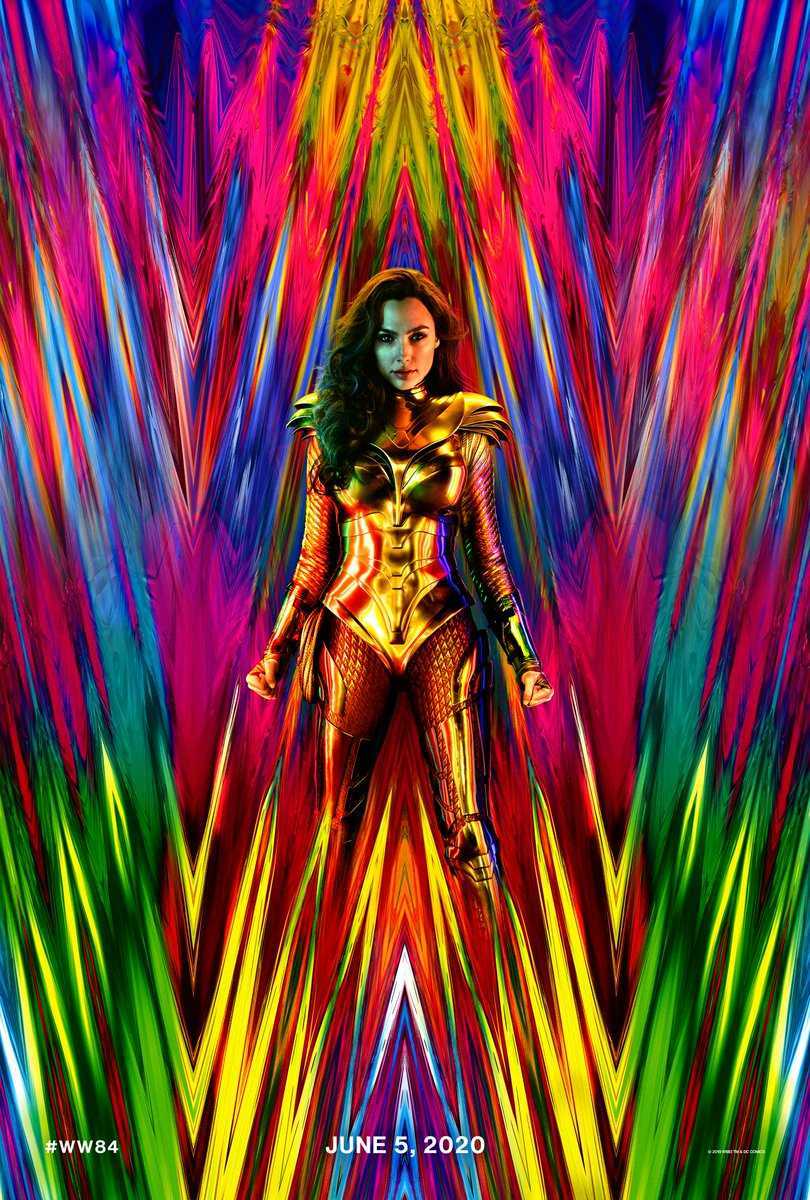
The much-anticipated sequel to the Gal Gadot starring Wonder Woman is a highly divided success, partly due to an inane plot centred around a magic wishing stone
An X-Men origin story that serves as the occasion to recast the series with younger actors. This works far better than the previous two films, integrating the characters in a strong story, although is quiet at the superheroic action
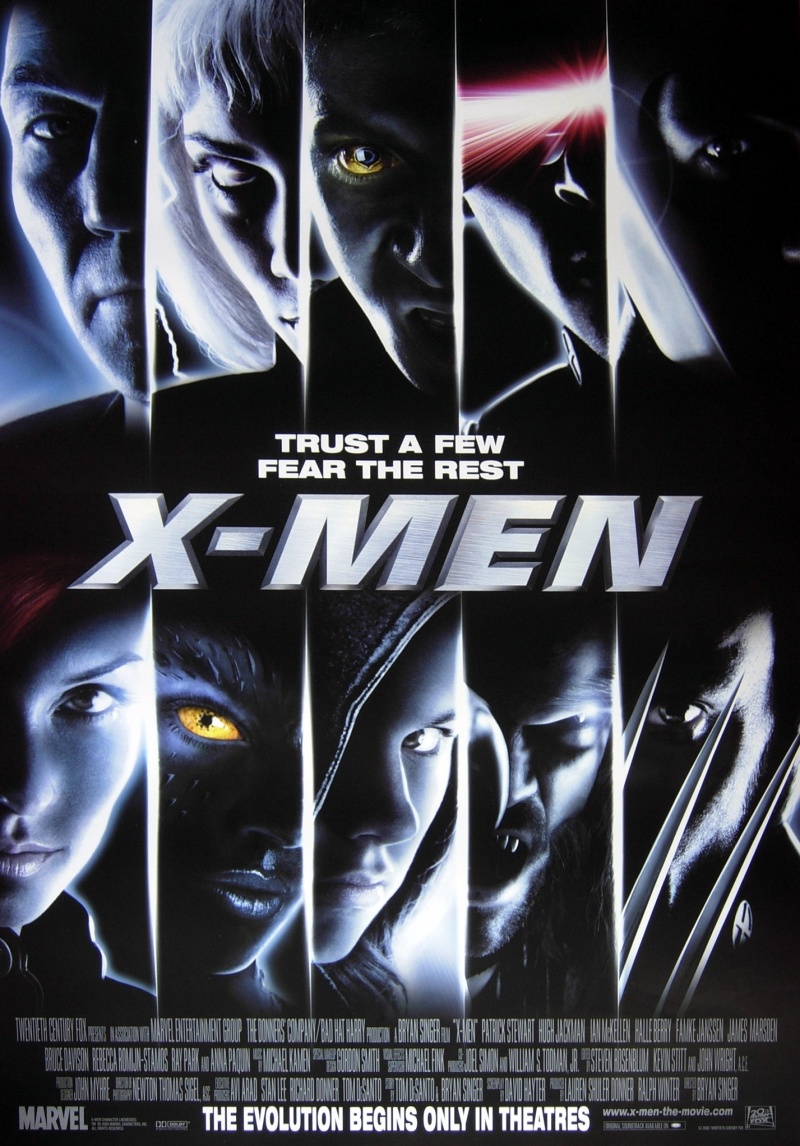
Bryan Singer’s dynamic and exciting adaptation of the Marvel Comic title fairly much kicked off the massive fad for Marvel superheroes in the 00s/10s. This was also the film that mad Hugh Jackman into an international superstar.
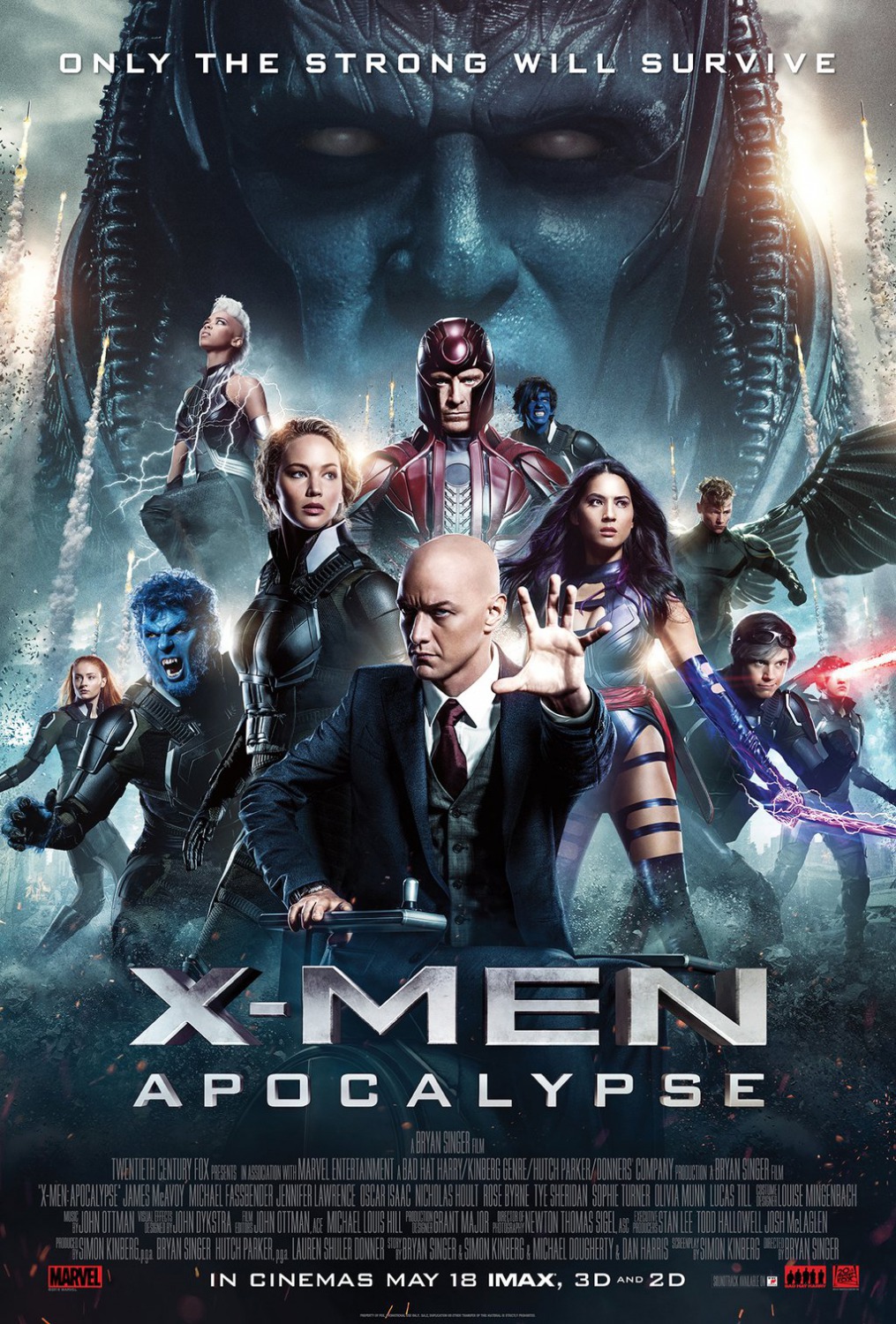
The seventh X-Men chapter arrives with a certain ennui. Bryan Singer creates some epic scenes but the sprawling ensemble and the series’ ragged continuity makes it hard to invest in the characters, while the new villain looks like a B movie wizard and the mass destruction climax comes surprisingly by the book
It is nice to see Bryan Singer regain his form after several years lull. The plot is nothing world-shattering but it is nice to see a character-driven X-Men, while Singer delivers the superheroics with a cheer-out loud elan that most of the sequels missed by a wide margin
After the disaster of X-Men: The Last Stand, the decision was made to give a whole film over to the series’s most popular character, Hugh Jackman’s Wolverine, and to go with a prequel that told his origin story. Largely a film that exists as a series of superheroic action scenes
Brett Ratner inherits the X-Men franchise from Bryan Singer for the third film in the series and promptly killed it off (after this point everything became prequels featuring Young X-Men). Ratner’s handling of the superheroic action lacks Singer’s exhilaration or any affinity for the characters
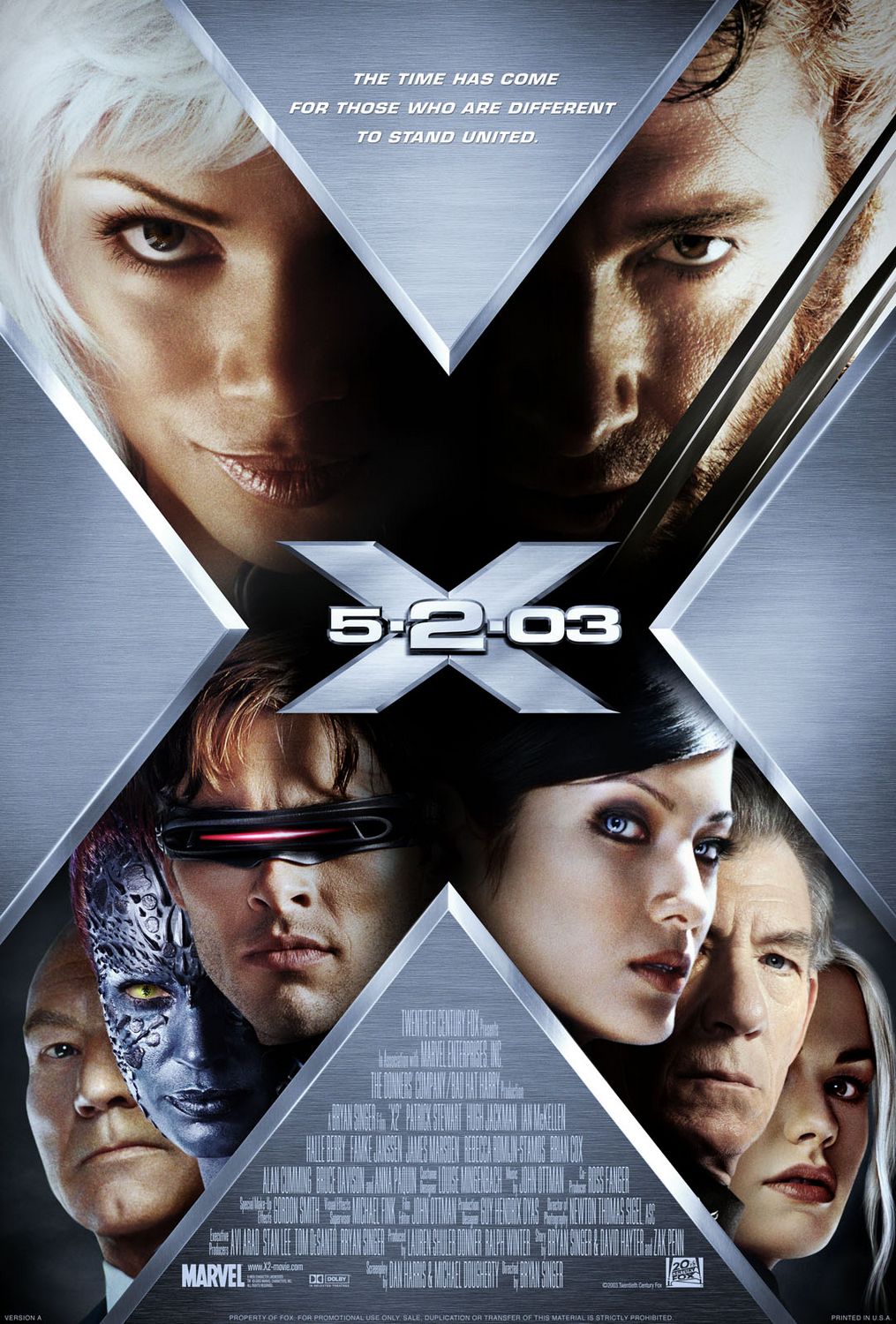
Bryan Singer’s immediate sequel to X-Men, this ups the number of new mutant characters, although only sporadically manages to kick in with the spectacular superheroic action sequences the first film had
The fifth James Bond film takes the series to Japan. New director Lewis Gilbert is determined to outdo what has come before in terms of the spectacular, especially WITH the construction of the massive volcano set
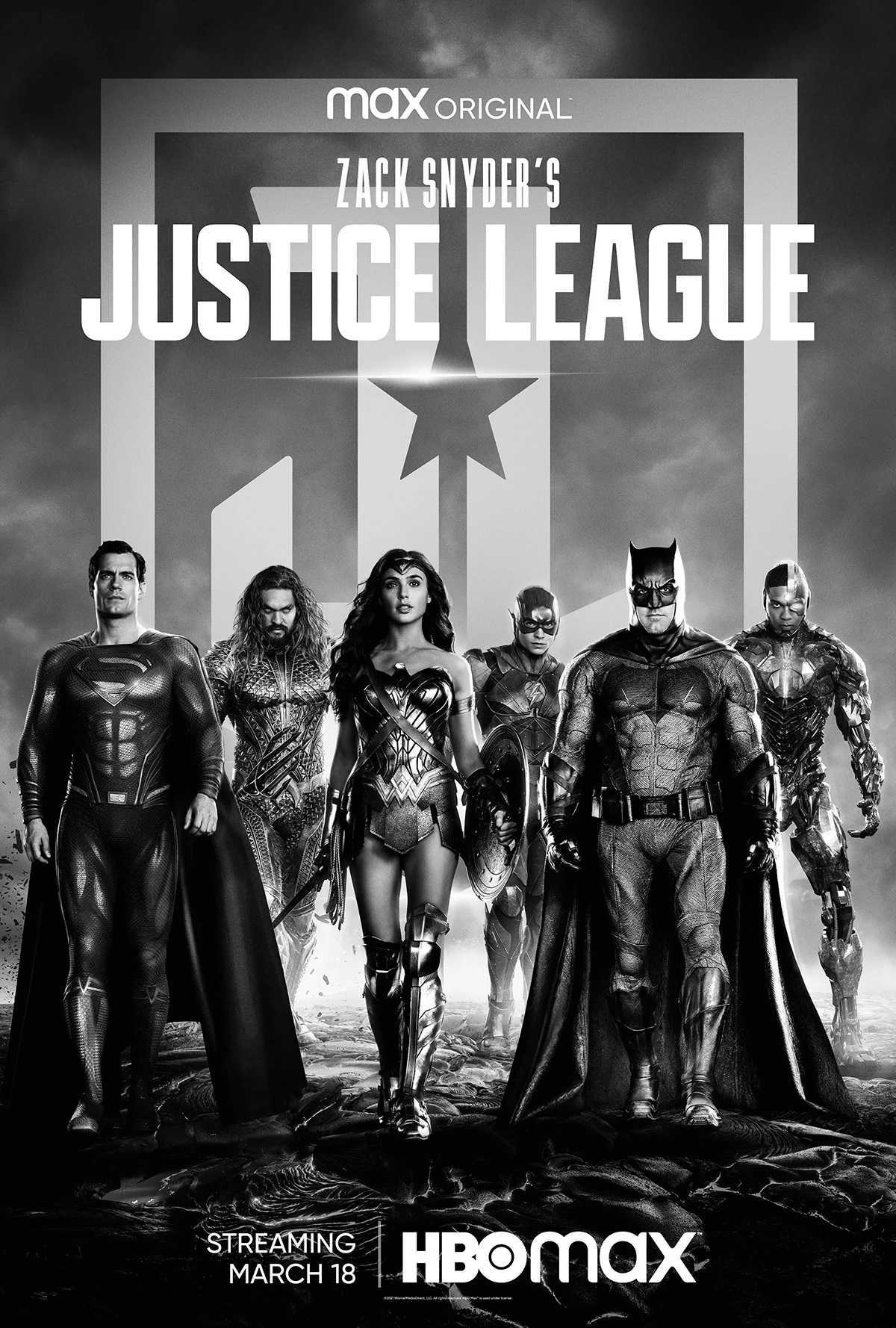
Zack Snyder’s original cut of Justice League is a magnificent work that restores much character depth and story. I would far rather watch this than any of the recent MCU films
Takashi Miike makes a sequel to his earlier superhero film filled with his typically eccentric touches