Wu Dang (2012)
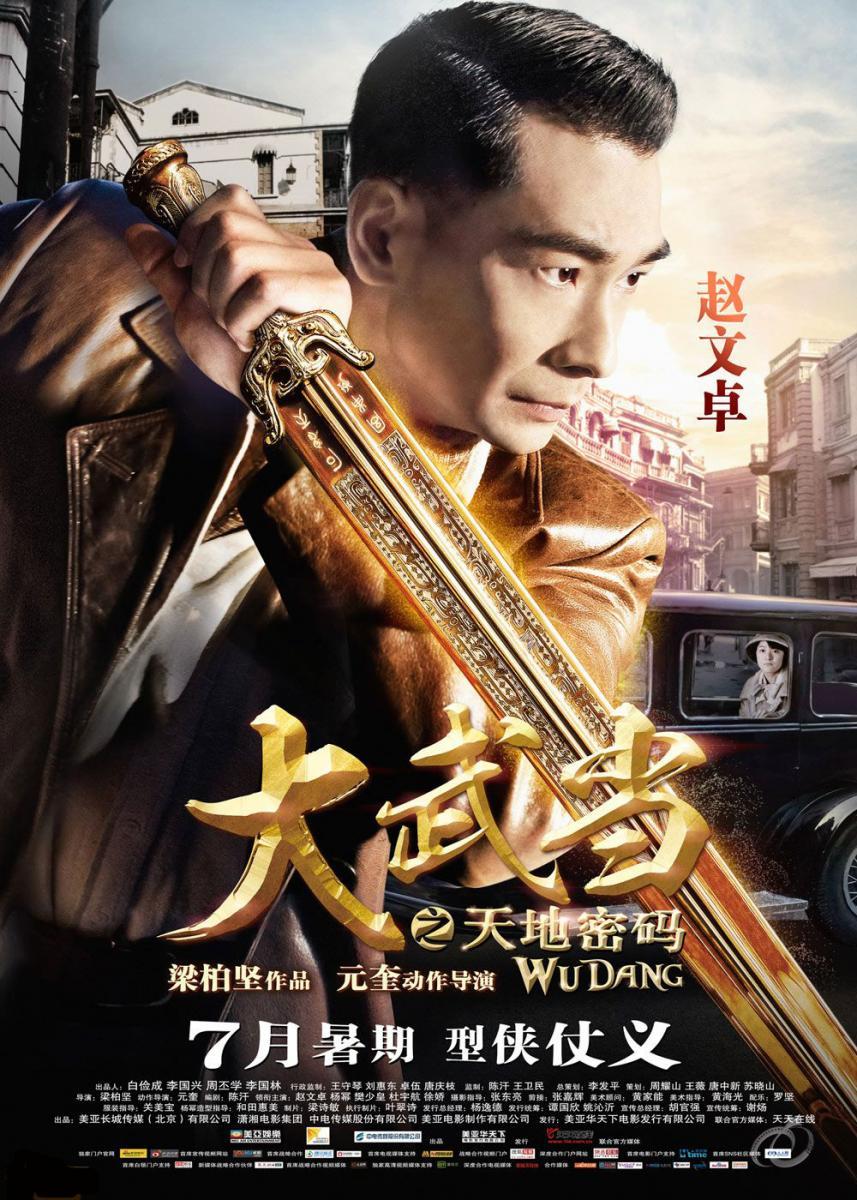
Martial Arts/Wu Xia Fantasy
Martial Arts/Wu Xia fantasy with various people involved in a competition while hunting for a fabled sword
The Science Fiction Horror and Fantasy Film Review


Wu Xia refers to a form of Chinese fantasy. The term translates as ‘martial heroes’ and dates back hundreds of years in folk tradition, although the more popular variation emerged in fiction in the 1920s. The term swordplay is deceptive as not all Wu Xia films feature sword wielders.
Wu Xia was popularised on film in the Hong Kong Cinema of the 1960s by director King Hu who imported moves from Peking Opera. The films featured swordsmen and women usually in stylised historical settings. Fantastical elements sometimes entered these in terms of the moves but most were mundane tales. Into the 1970s, swordplay films were occluded by the rise of the Martial Arts film.
The popularisation of Wu Xia came with Zu: Warriors of the Magic Mountain (1983) and the international success of the extraordinary A Chinese Ghost Story (1987). Mr Vampire (1985) and sequels brought a specifically comedic spin.
These blended traditional swordplay with elements of Eastern religion like written prayers, reincarnation, luck, gods and demons, not to forget hopping vampires. In the adoption of stuntwork of the era, martial moves became flamboyantly acrobatic with combatants flying through the air, running up and around walls, bouncing off trees, exchanging blows while twirling in mid-air and the like.
Traditional Wu Xia cinema died away at the end of the 1990s with the handover of Hong Kong back to China. It did however see a revival again in the 2000s with the international success of Crouching Tiger, Hidden Dragon (2000), which popularised Wu Xia for Western audiences. This was followed by a series of lush Chinese-produced films that make extraordinary use of costuming, sets, stuntwork and the employment of CGI.
Hollywood has made disappointingly fitful attempts to appropriate or homage Wu Xia.
Martial Arts/Wu Xia fantasy with various people involved in a competition while hunting for a fabled sword

A Chinese-made Wu Xia film with an exquisitely polished blend of CGI and visuals. This rather intriguingly operates as a blend of Wu Xia and murder mystery
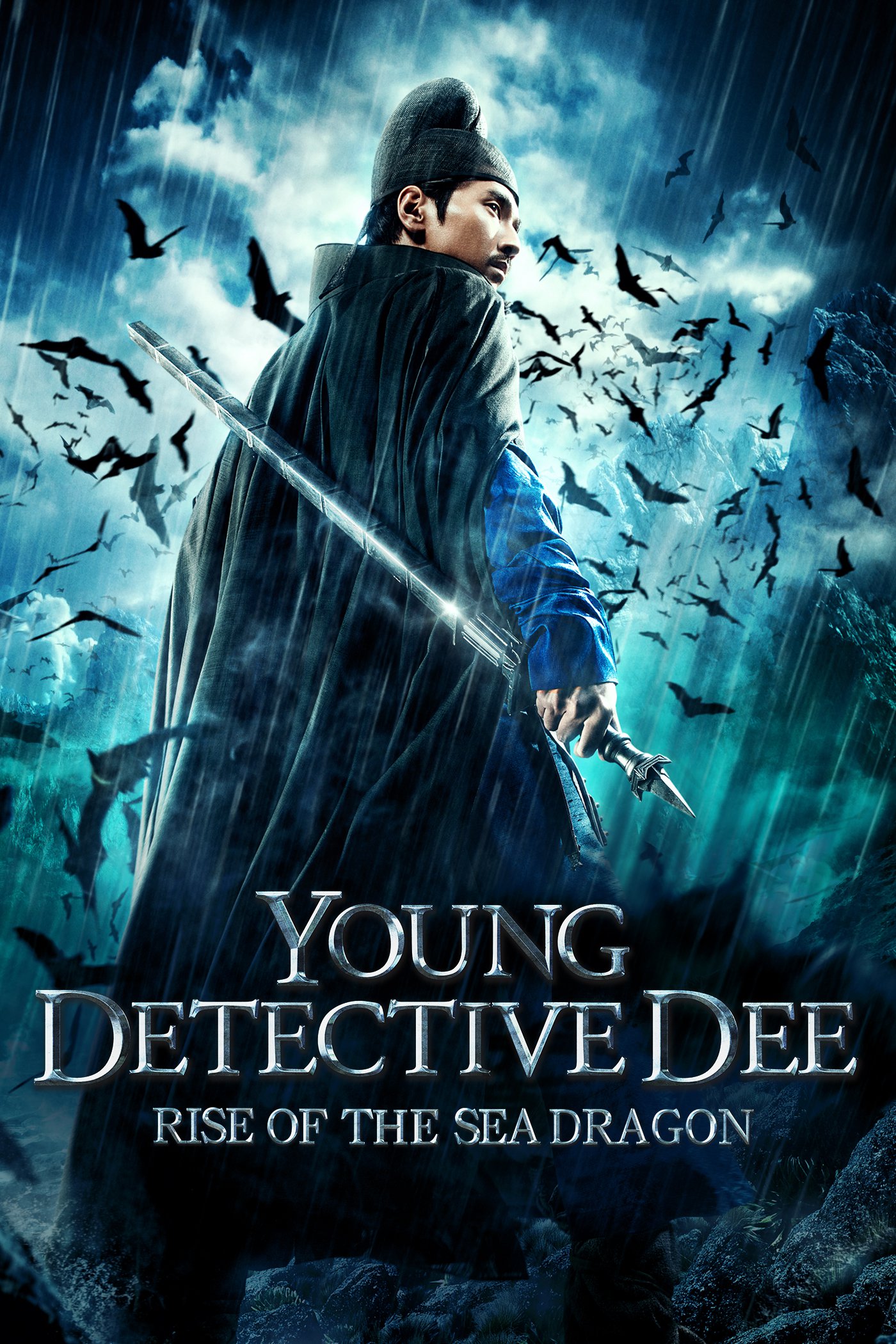
Tsui Hark delivers a prequel to his 2010 Detective Dee film. This takes the character back far more to his original nature as a Chinese equivalent of Sherlock Holmes. That is if you can imagine Sherlock Holmes taking place as a flying swordsman film filled with sea monsters and wildly fantastic martial combat scenes (*)

Lush, visually extravagant Chinese-made Wu Xia film, shot with an epic widescreen eye that looks amazing. It falls down somewhat when the two leads become replaced by CGI and only look like the avatars from a videogame

Tsui Hark’s follow-up to Zu: Warriors from the Magic Mountain the film that popularised Wu Xia cinema. The point where Tsui discovered CGI and latches onto it to do more than just show flying swordsmen but create an exquisitely dreamy world of pure fantastique imagination
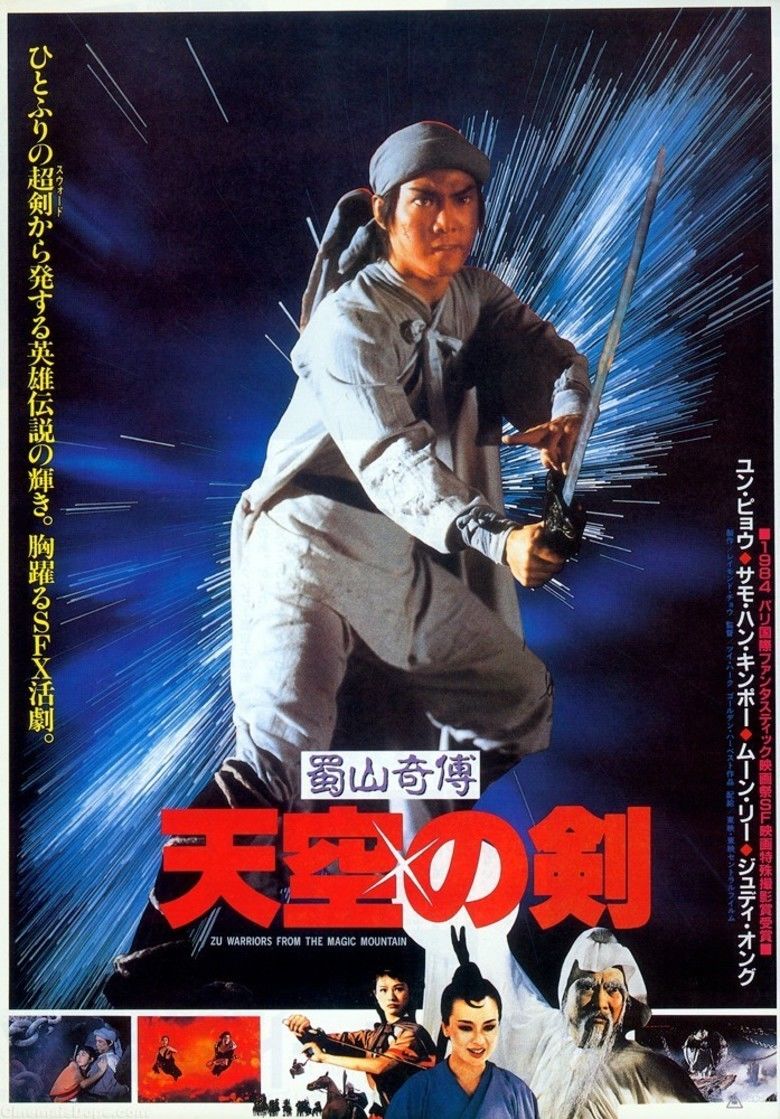
The modern beginnings of Wu Xia and the flying swordsman film. Tsui Hark creates a totally nutso film filled with wild martial arts battles with demonic forces. The results are out of this world