

Crew
Director – Peter Collinson, Screenplay – John Peacock, Producer – Michael Carreras, Photography – Brian Probyn, Music – Roland Shaw, Makeup – George Blackler, Art Direction – Scott MacGregor. Production Company – Hammer Films.
Cast
Rita Tushingham (Brenda Thompson), Shane Briant (Peter Clive), Clare Kelly (Margo Thompson), James Bolam (Joey), Katya Wyeth (Caroline), Annie Ross (Lisa), Tom Bell (Jimmy)
Plot
Brenda Thompson leaves home in Liverpool, telling her mother that she is pregnant (although has made this up) and is looking for a man who will look after both her and the child. She arrives in Earl’s Court in London where she gets a job in a fashionable clothing store and finds a room to rent with one of the girls. On the street she bumps into Peter Clive. Later she is out walking Peter calling for a dog. She comes across but instead takes it home. The next day, she goes to the address on the collar to return the dog, although Peter is aware of what she did. She says she did it because she wanted to meet him. He asks her to move in and she confesses that she wants him to give her a baby. What she does not know is that Peter is a psychopathic killer.
Hammer Films made a big splash on the horror scene with the dual hits of The Curse of Frankenstein (1957) and Dracula/The Horror of Dracula (1958). Their success throughout the 1950s and 60s led to a string of Dracula and Frankenstein sequels, as well as their reviving assorted other classic monsters and original works. This inspired a new wave of British horror. These films are listed under Anglo-Horror Films.
A mere couple of years after Hammer’s emergence onto the wider, the horror genre was turned on its head by Alfred Hitchcock’s Psycho (1960). This spawned a series of copycat Psycho-Thrillers for the next decade and beyond. Hammer leapt aboard the fad and produced a series of mostly black-and-white shot psycho-thrillers of their own with A Taste of Fear/Scream of Fear (1961), Paranoiac (1962), Maniac (1963), Nightmare (1964), Hysteria (1964), The Fanatic/Die, Die, My Darling (1965), The Nanny (1965), Crescendo (1970) and Fear in the Night (1972).
By 1972, US cinema had gravitated to creating the Psycho Film, divorcing Psycho and its ilk of contrived psycho-thriller plotting and rationales and showing psychos as sweaty, disturbed and twitchy figures capable of great depravity as in the likes of The Manipulator (1971), I Dismember Mama (1972), The Last House on the Left (1972), The Mad Bomber (1972), Daddy’s Deadly Darling/Pigs (1973), The Love Butcher (1975), The Killer Inside Me (1976) and The Driller Killer (1979), among others.
Straight on Till Morning was Hammer’s one and only venture into the Psycho Film. It is a very different work to anything they had made before. The location shooting amid a busy and bustling contemporary Earl’s Court area of London or the opening on rows of dreary flat blocks in Liverpool is a world away from the artificial set-bound 19th Century look of their Dracula and Frankenstein films. Even the shot-in-colour look and the focus on the piercingly handsome but cold-blooded Shane Briant is also a world away from the psycho-thrillers they were making around the time.
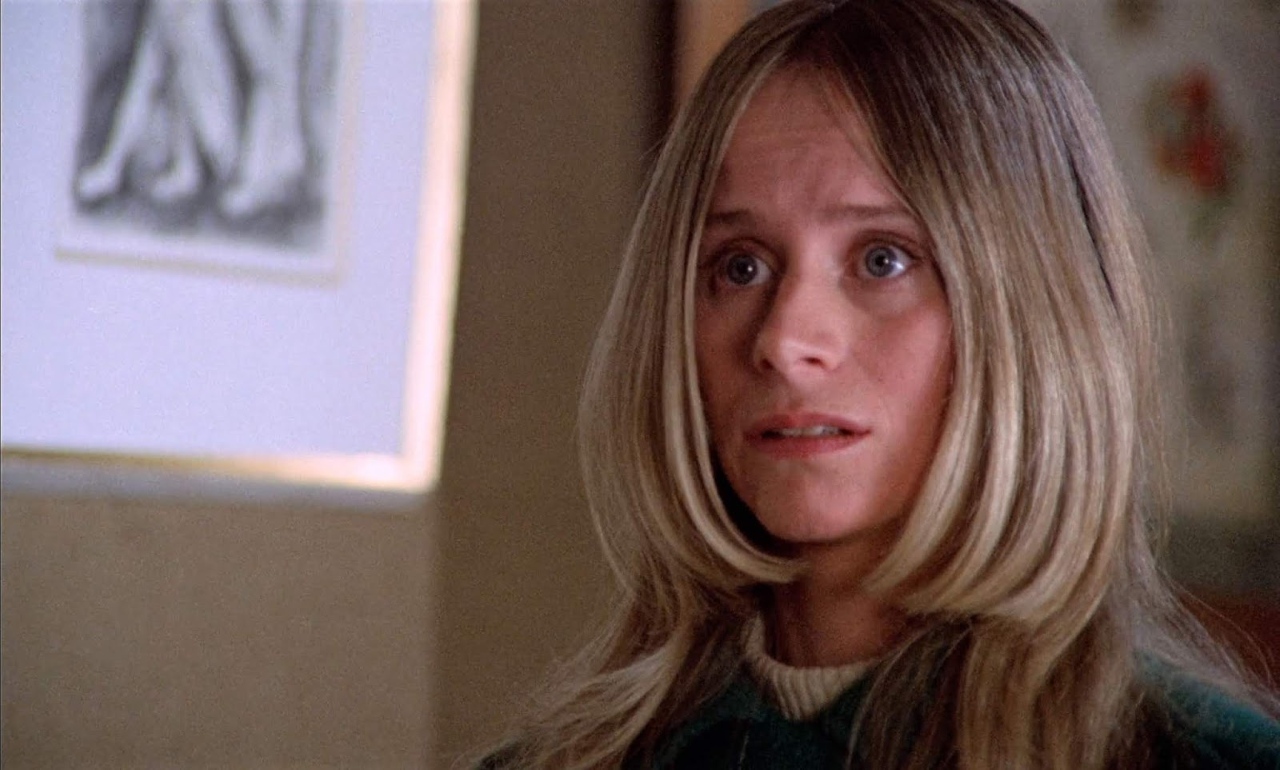
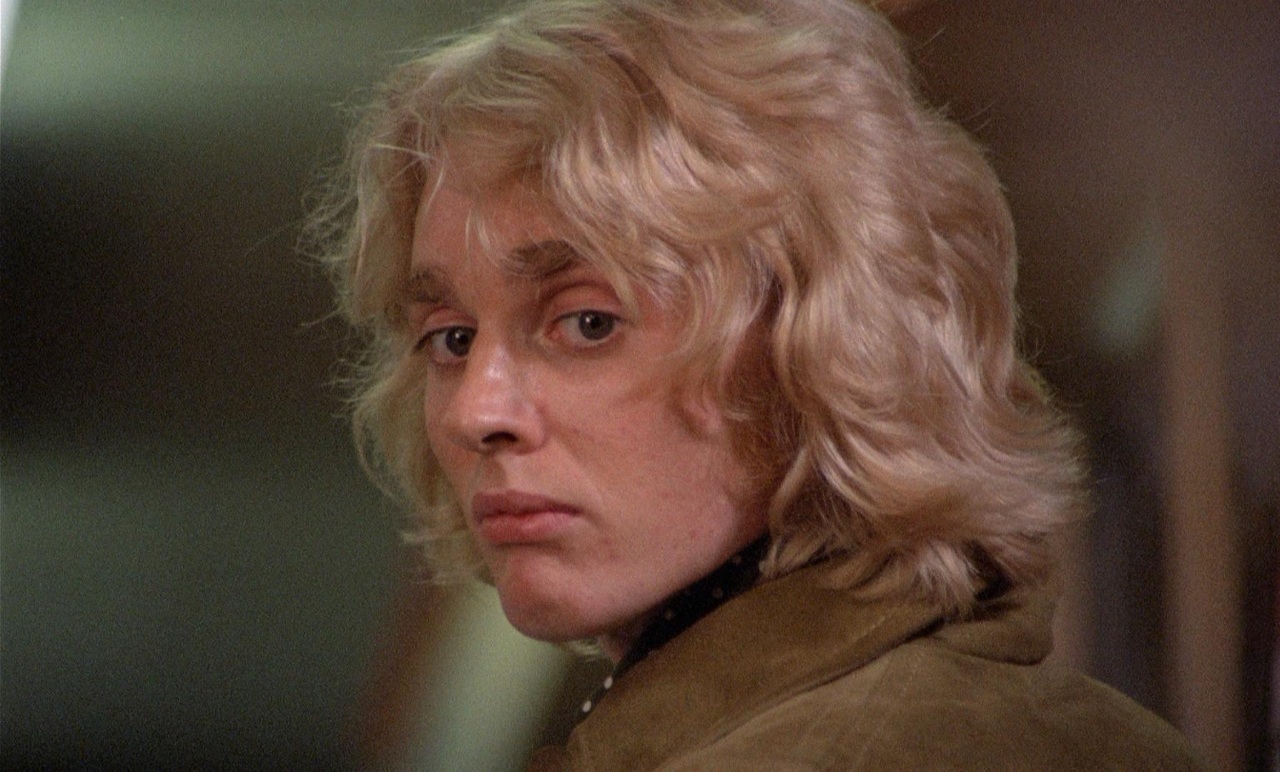
This is a Hammer film that readily embraces the modern world. We visit modish fashion stores, wander the Earl’s Court streets and shops and visit parties, while Shane Briant drives around a very snappy E-type Jaguar. (We even see a young Tom Bell, later a cranky old man on British tv, in long hair and smoked glasses as a player). It is the world that belongs less to Hammer than to contemporary 1960s films like Alfie (1966) and Rita Tushingham’s previous starring film The Knack … And How to Get It (1965). In fact, it is far better snapshot of the world of bustling modern youth culture and Swinging London than the laughably dated one that Hammer tried to throw Dracula into in Dracula A.D. 1972 (1972), which was released two months after this.
Straight on Till Morning sets up great potential. There is the ice-cold Shane Briant and assorted flashbacks that show him killing other women, even the dog. There’s the weird looking Rita Tushingham – she was an It Girl for a few years but has a slim figure, a strange thin face and bony nose with too big eyes that is quite different from the more voluptuous starlets that Hammer usually preferred. She seems set up as an ideal innocent placing her head in the mouth of a lion and about to pay for it. There’s even an odd series of allusions to Peter Pan (1904) – from the title, which is a line of dialogue that is said by Peter in the story, to Shane Briant insisting on calling Rita ‘Wendy.’
For all that, Straight on Till Morning seems coiled without ever going anywhere. Rita Tushingham accepts Shane Briant’s offer to move in with him and rather than psycho mode the film settles down to being a weird domestic drama. This however does lead to an undeniably effective ending that the film springs on us.
Peter Collinson (1936-1980) was a minor director in the English horror film during the 1970s, also making psycho-thrillers like Fright (1971), the Agatha Christie murder mystery And Then There Were None (1974) and the remake of The Spiral Staircase (1975). Collinson is probably best known for the original The Italian Job (1969).
Trailer here