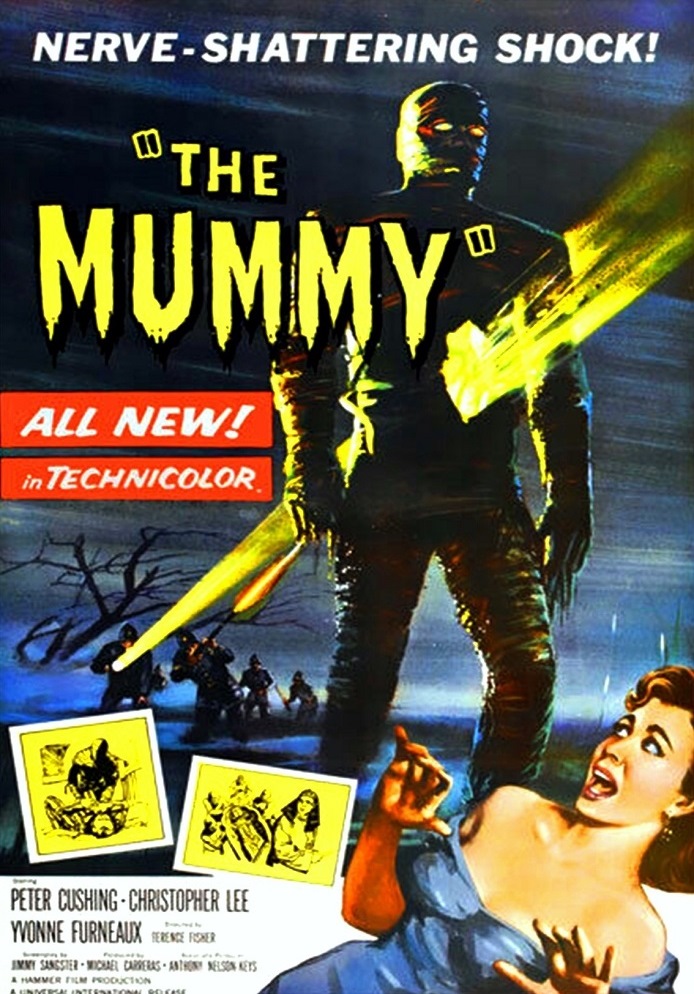
The Mummy (1959)
After their enormously successful revival of Dracula and Frankenstein, Hammer Films and Terence Fisher turned to revive the mummy film, all with the bold, vivid effect of their early films
The Science Fiction Horror and Fantasy Film Review
The Anglo-horror cycle refers to a body of horror (and sometimes science-fiction) films that were produced in England between the late 1950s and late 1970s – the cycle gained strength around 1957 and had tapered off by 1980.
Although there were earlier works that can be classified as Anglo-horror, the cycle was ignited by Hammer Films whose remakes of the classics with The Curse of Frankenstein (1957) and Dracula/The Horror of Dracula (1958) proved huge international successes. These made stars out of Christopher Lee and Peter Cushing and gave director Terence Fisher a cult following.
Hammer Films produced a string of Frankenstein and Dracula sequels, remade several other classic horror films with variable success along several other vampire films, in particular a trilogy of lesbian vampire films. They also dipped their toes into other themes such as the Psycho-Thriller, the prehistoric film and some science-fiction works, including the trilogy of Quatermass films.
A number of other companies quickly followed Hammer’s footsteps, in particular Amicus with their own body of horror and SF films, in particular their series of horror Anthologies. Other smaller companies like Lippert, Tigon and Tyburn made offerings too.
The Anglo-horror films centred around a regular body of actors including Lee, Cushing, Michael Gough, Donald Pleasance, Ralph Bates, Michael Ripper, Barbara Shelley, Veronica Carlson, Caroline Munro and even a number of faces that subsequently became famous like Oliver Reed, Raquel Welch, David Warner and Donald Sutherland, along a regular interchangeable body of directors, writers, producers, art directors, musicians and cinematographers.
Most of the earlier Hammer films took place in lush 19th Century period surroundings, although many subsequent films moved to contemporary surroundings. They were the first major horror films in colour and they were regarded as shocking in the day. Into the 1970s with the freeing up of censorship standards, nudity and some awkward pandering to youth elements begin to enter.
The Anglo-horror cycle died away around 1980 apart from some occasional stragglers. Hammer made their last theatrical film in 1979 and that was it apart from some ventures into tv, while Amicus closed up shop around the same time. The problem was largely difficulty in attaining distribution deals in the US, stars (notedly Christopher Lee) wanting to branch out of genre typecasting. Audience tastes changed with The Exorcist (1973) dominating the horror scene of the 1970s against which Hammer’s values seemed staid.
Hammer Films was revived in 2010, although it is now nothing more than a brand name used for a series of films made by international filmmakers of no common linkage, as opposed to the originals, which were a body of films made by a small body of creative talents under one roof.
After their enormously successful revival of Dracula and Frankenstein, Hammer Films and Terence Fisher turned to revive the mummy film, all with the bold, vivid effect of their early films
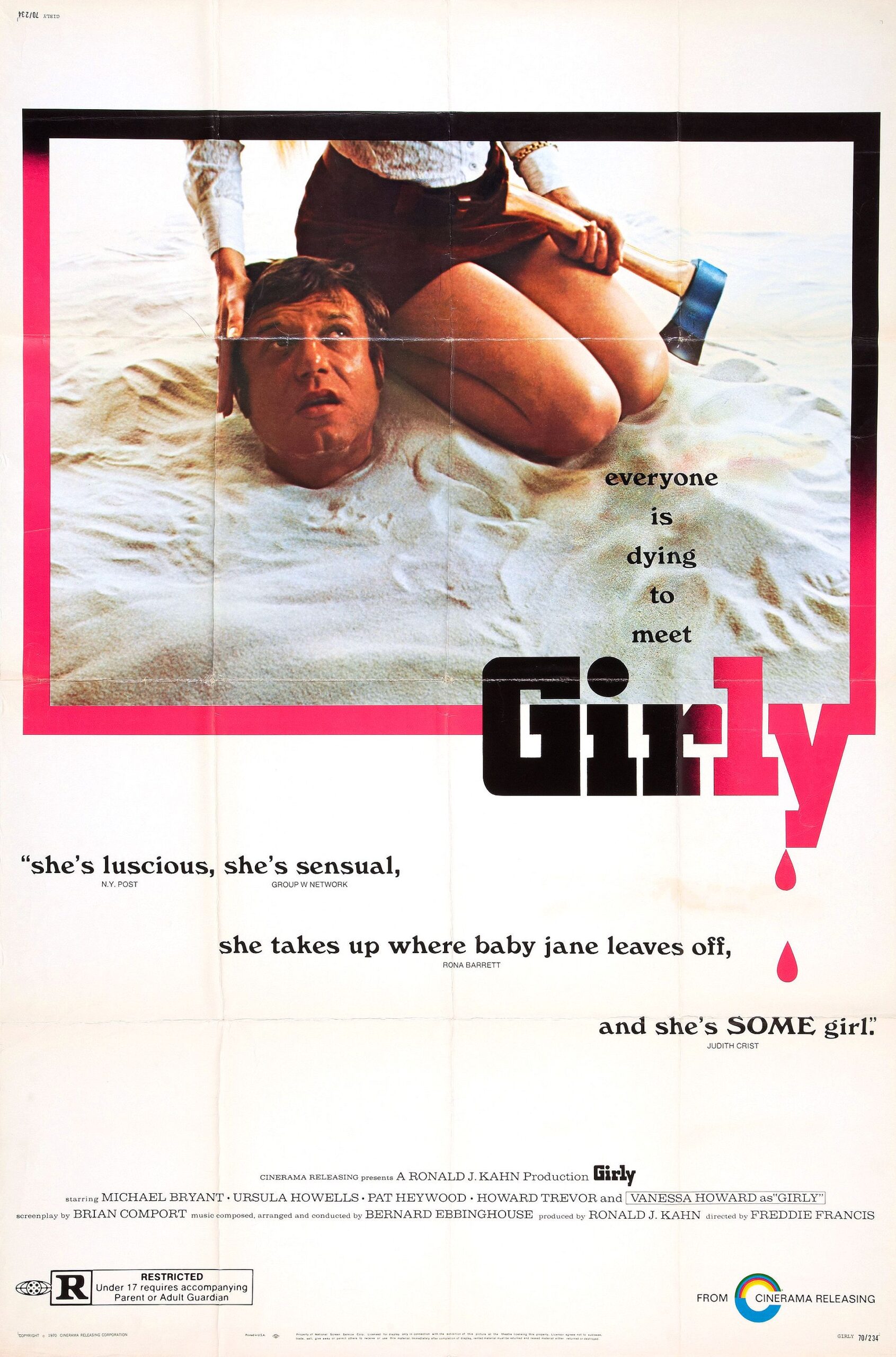
Freddie Francis was one of the key players of the 1960s/70s Anglo-horror cycle – he always claimed that this was his favourite film, although it has seen little distribution. The film consists of an annoyingly giggly scenes of adults running around playing children’s games
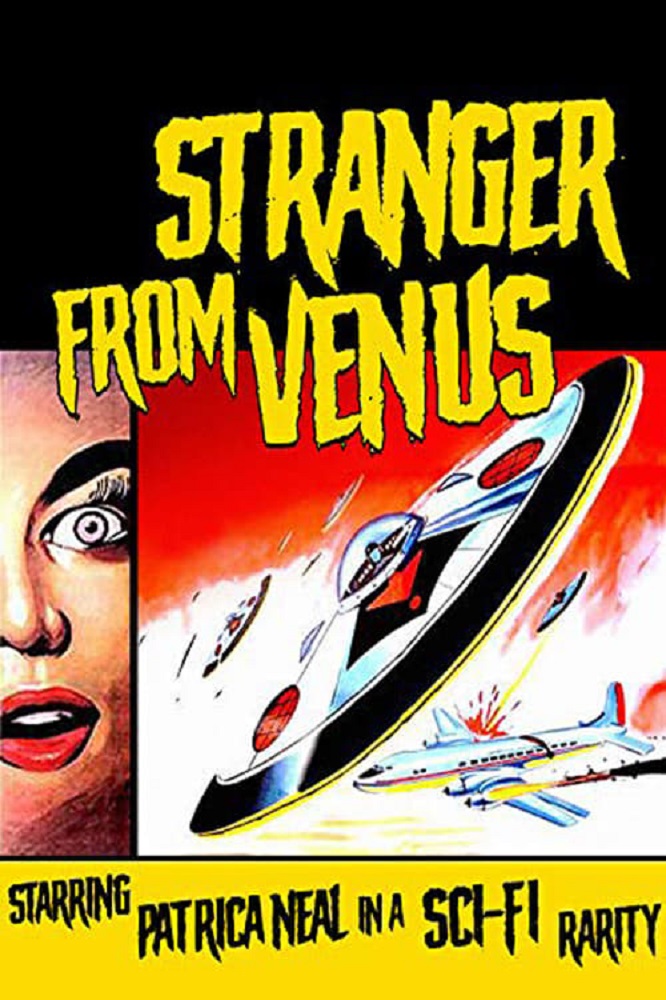
This has the most ridiculous premise of any alien invasion film – an alien is abducting women from ads for models placed in girlie magazines – but is played with a stone-faced seriousness that defies you to laugh
Quite a perversely charged film about a psychopathic child with voyeuristic tendencies
One of a trilogy of SF films made by Hammer director Terence Fisher during the mid-1960s, none of which have a very good reputation. This is an alien invasion film but Fisher fails to create the paranoid atmosphere of the better US counterparts of this period
Excellent film about an academic who discovers his wife is a witch. A film that delves into a psychological place between rationalism and belief with stark effect
One of several psycho-thrillers made by Hammer Films soon after the success of Psycho. Despite a plot that collapses under its contrivances, Freddie Francis shoots amazing cinematographic compositions
The one and only film produced by Christopher Lee’s production company, this sets up an interesting premise about a mysterious orphanage but fails to quite make it work
One of the films seeking to exploit the fad for Edgar Allan Poe adaptations started by Roger Corman in the 1960s. This has nothing to do with the Poe story and mostly shuffles around the familiar elements of the cycle
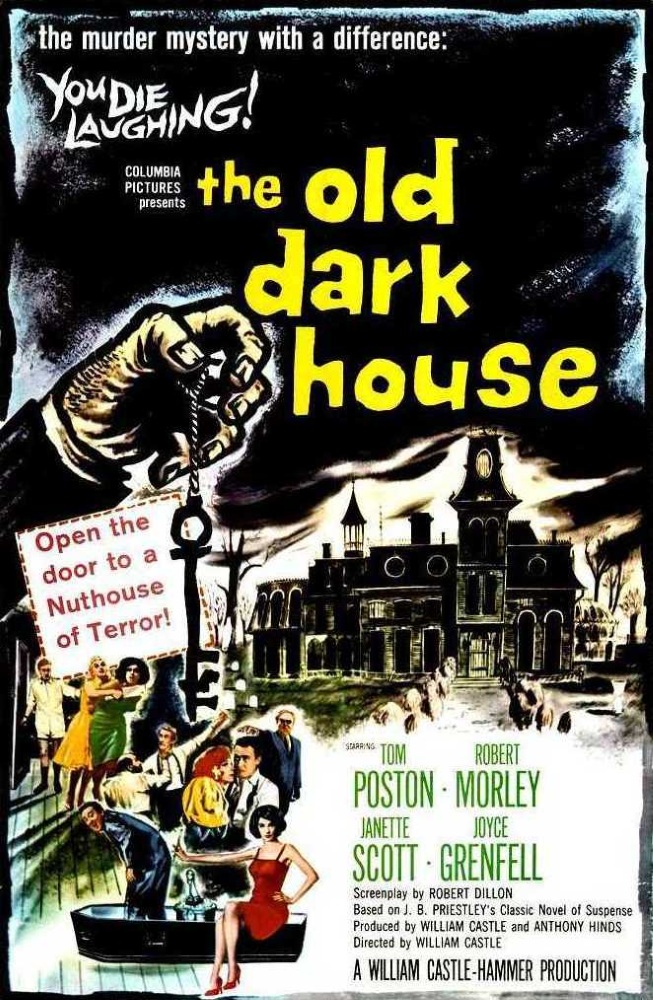
The oddest collaborations of its era – between Hammer Films and William Castle renowned for his sensationalist gimmicks, who conduct a remake of James Whale’s droll horror comedy. Alas, Castle only turns out a broad farce
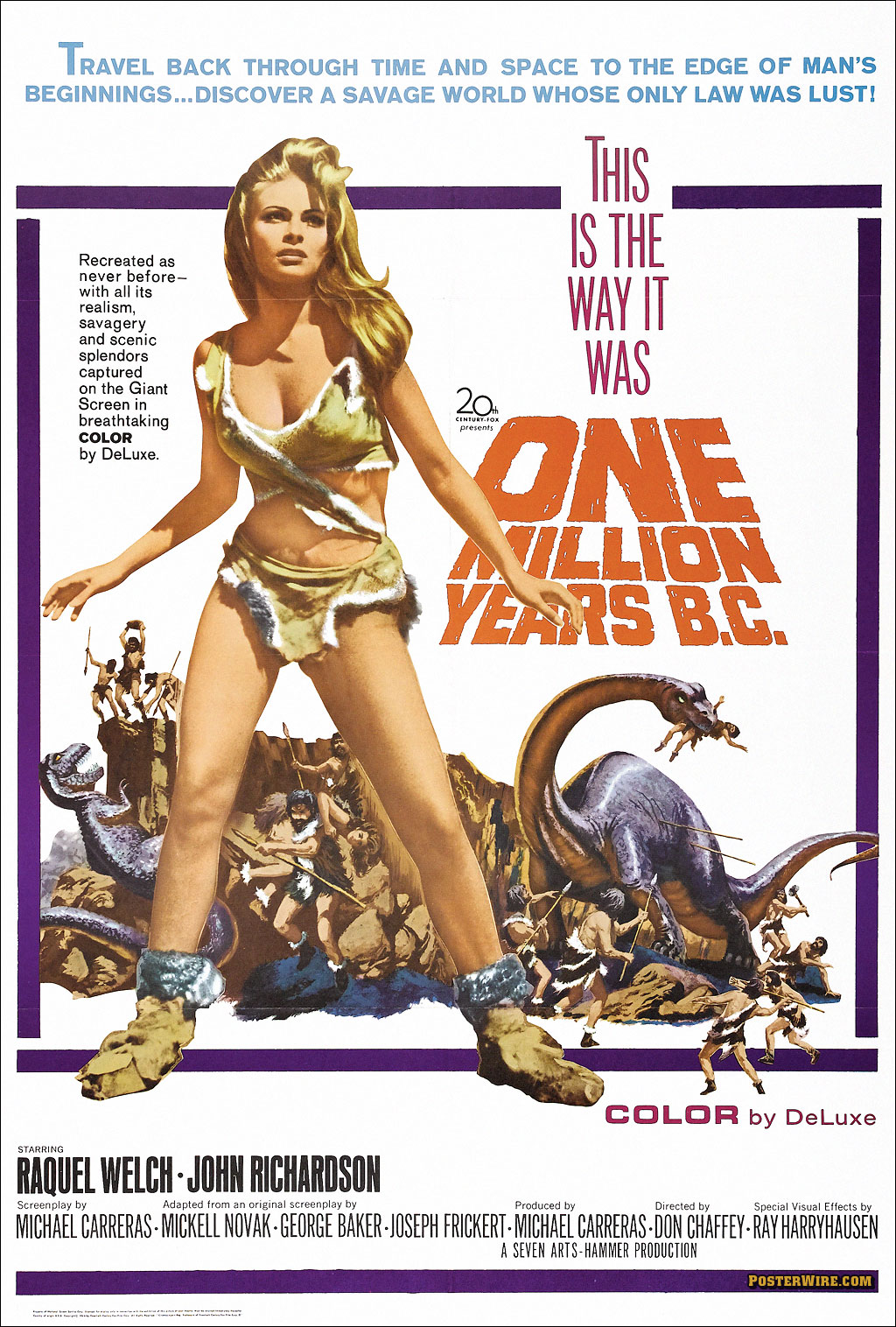
Cult stop-motion animator Ray Harryhausen made this classic caveman vs dinosaurs film in collaboration with Hammer Films. The work that brought Raquel Welch to prominence as an actress
One of the psycho-thrillers made at Hammer Films by Freddie Francis, starring Oliver Reed at his bad boy best. Francis’s visual compositions are absolutely extraordinary
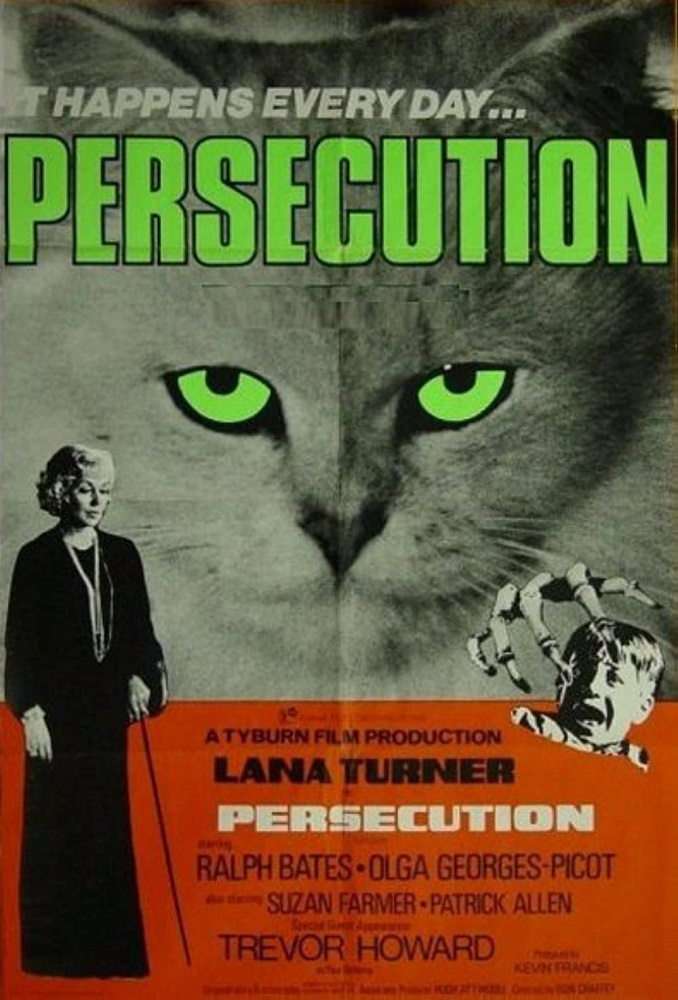
A British psycho-thriller in the Baby Jane mold with Lana Turner as a deranged mother determined to wreck son Ralph Bates’s marriage
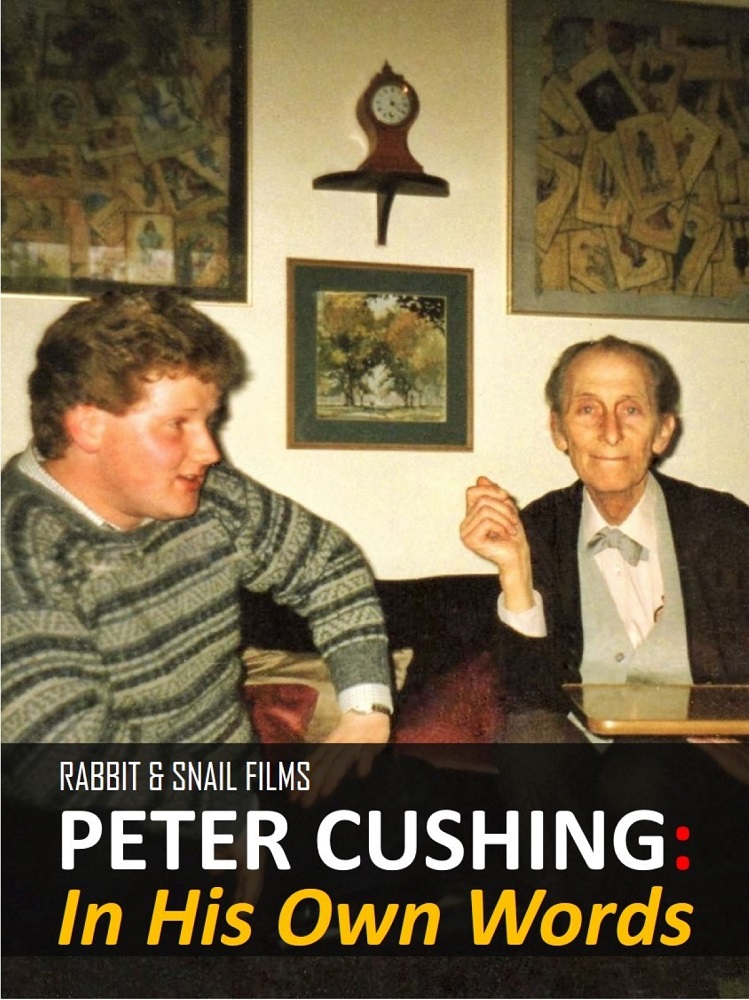
Peter Cushing is one of cornerstone figures in the Hammer Films story. This is documentary based on interviews he made towards the end of his life
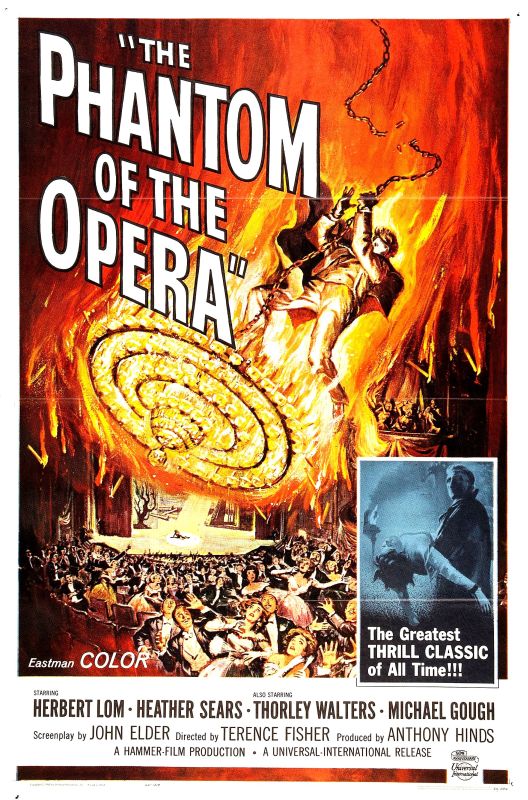
Hammer Films’ attempt to update the classic story went astray – the Paris opera becomes a dreary English repertory house and Terence Fisher misses the tale’s grandeur
Classic Hammer film, vividly made and rich in subtext, concerning aristocrats turning the peasantry into zombies to work in the mines
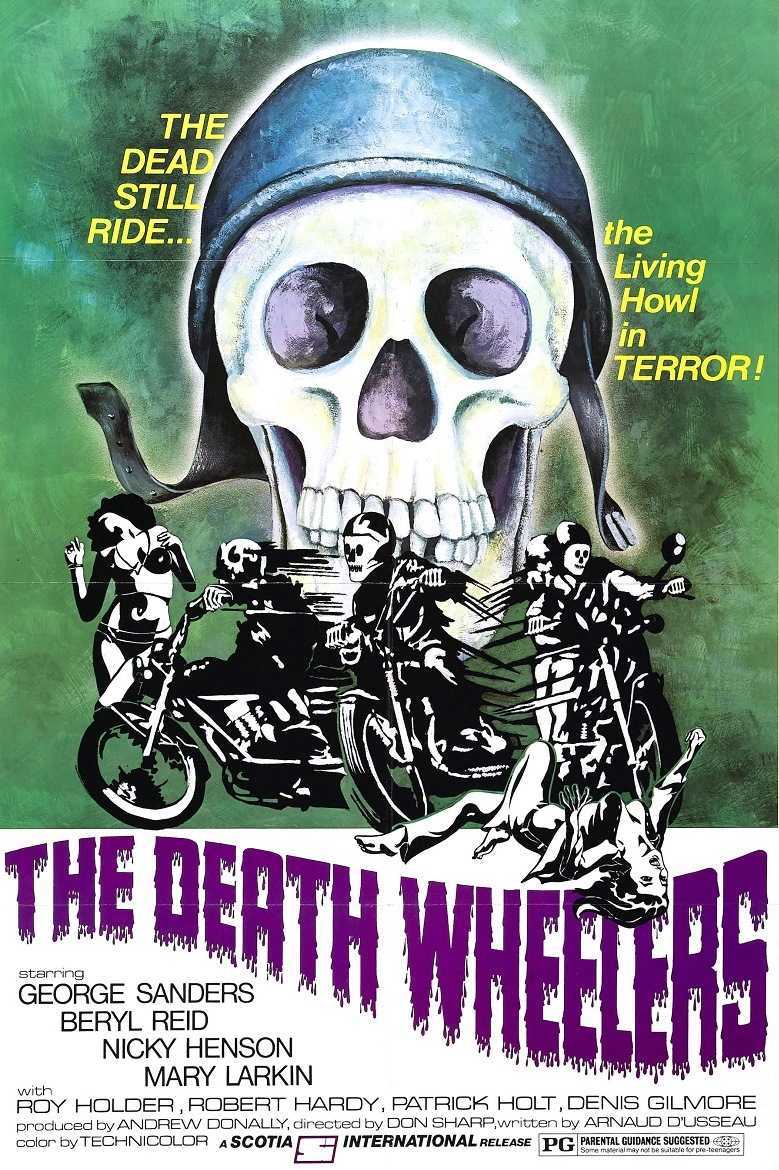
Hard to find Anglo-horror effort that has been long considered an item of must-see fascination for its premise of an undead biker gang, including the central image of the gang leader erupting from the grave on his motorcycle. The film unfortunately has a prosaic dullness that belies such imaginative wildness
The second of the Quatermass films. An alien body snatchers tale that suggests even the British government has been infiltrated. This is regarded by many as the best of the series
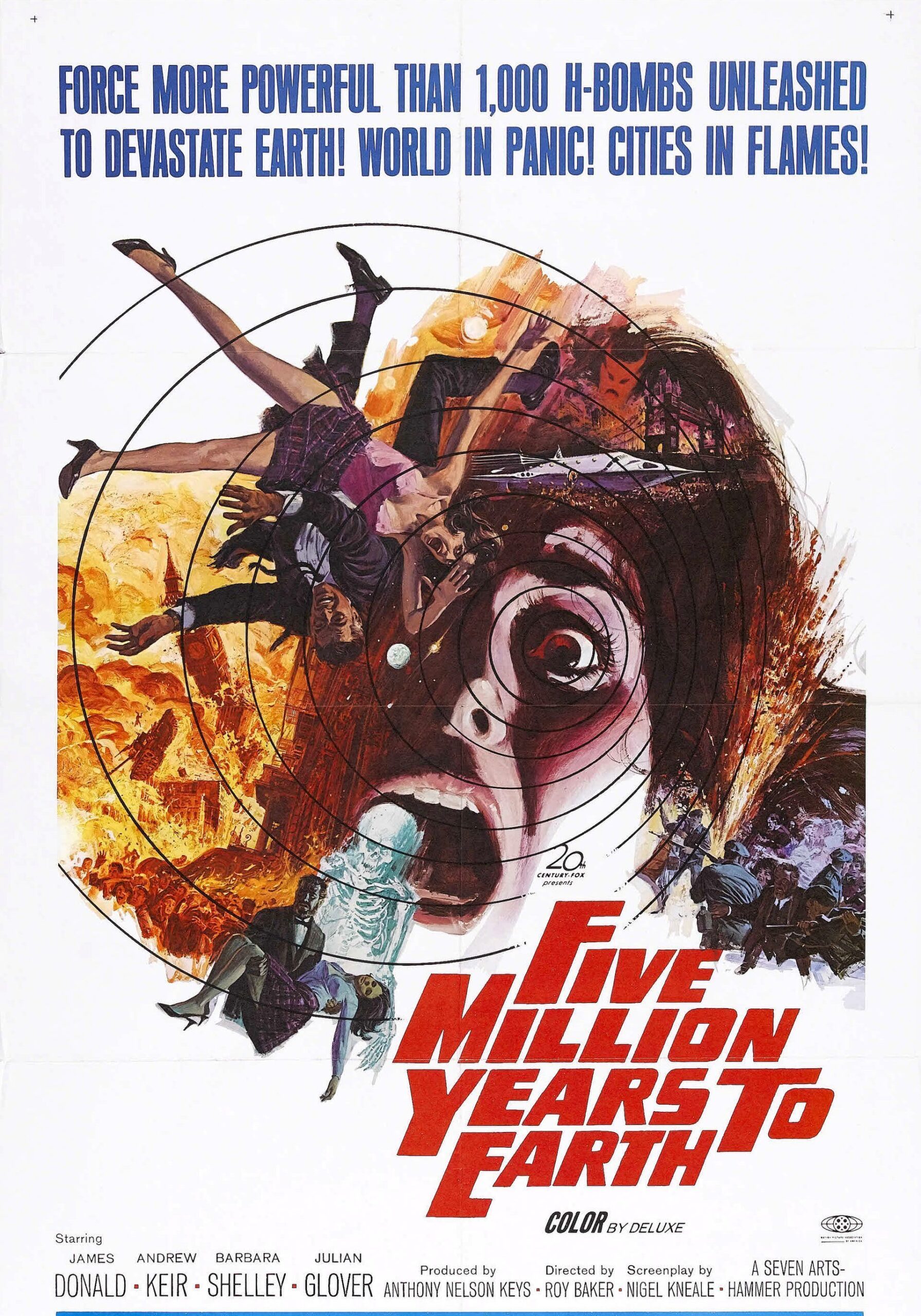
The third and in the opinion of many the best of Hammer’s Quatermass films in which Nigel Kneale introduces a conceptually wild array of ideas about Martians, race memory, psychic powers and The Devil
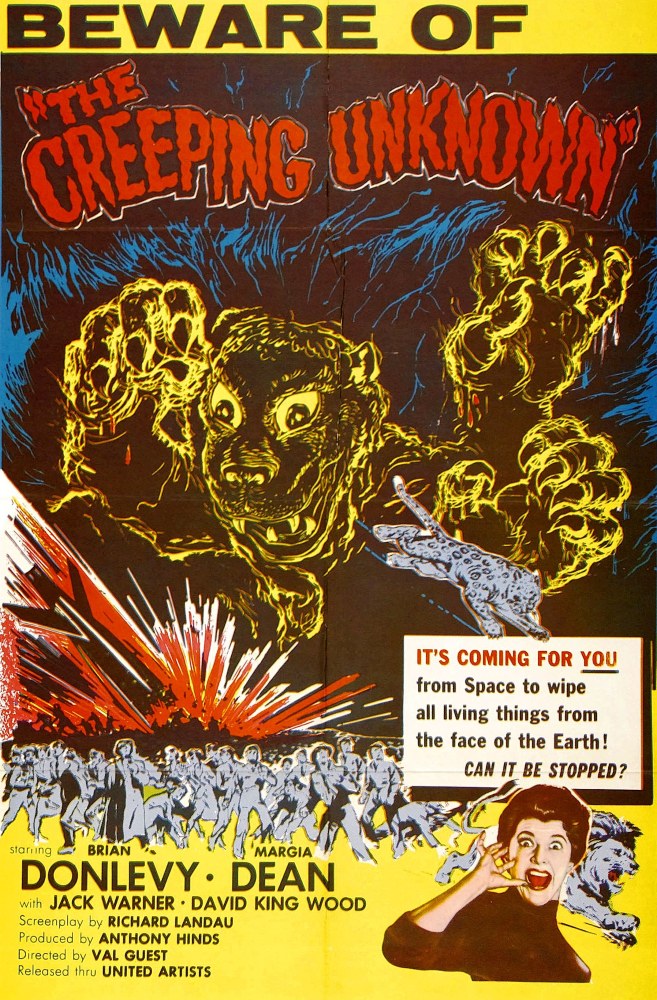
The first of the Quatermass films and the first major genre hit for Hammer Films. Nigel Kneale creates a literate work of science-fiction horror about a returned astronaut mutating after exposure to an alien fungus
Another offering from the revived Hammer Films. Like a few films of recent, this claims to be based on a true story – a parapsychological experiment conducted in the 1970s – but throws almost every detail out the window to substitute a well-worn bag of horror tricks
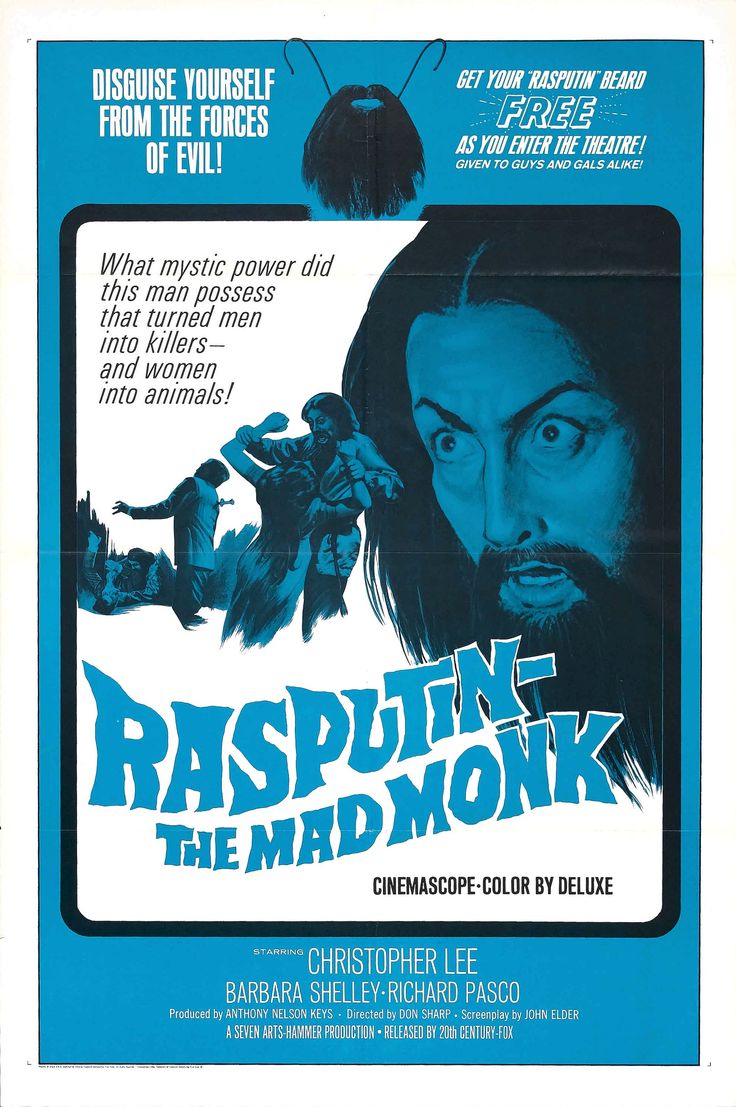
Hammer Films turn the historical story of Rasputin and his influence over the Russian throne into a horror film. Although they treat history liberally, this is a vivid film with an intense performance from Christopher Lee
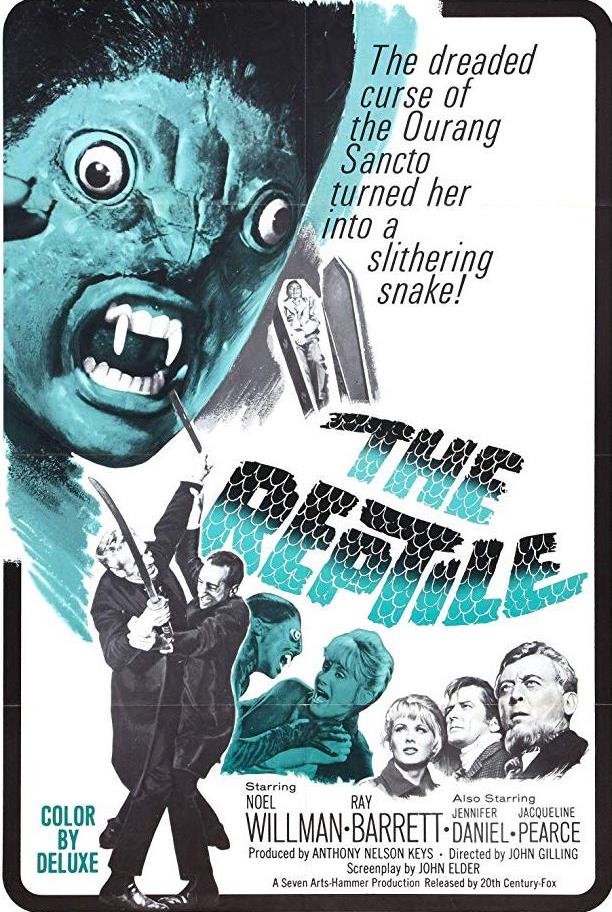
Classic Hammer film in which Jacqueline Pearce turns into a snake creature. This seems to have been conceived as one of Hammer’s Dracula films but with snakes. It is given more than reasonable atmosphere by director John Gilling
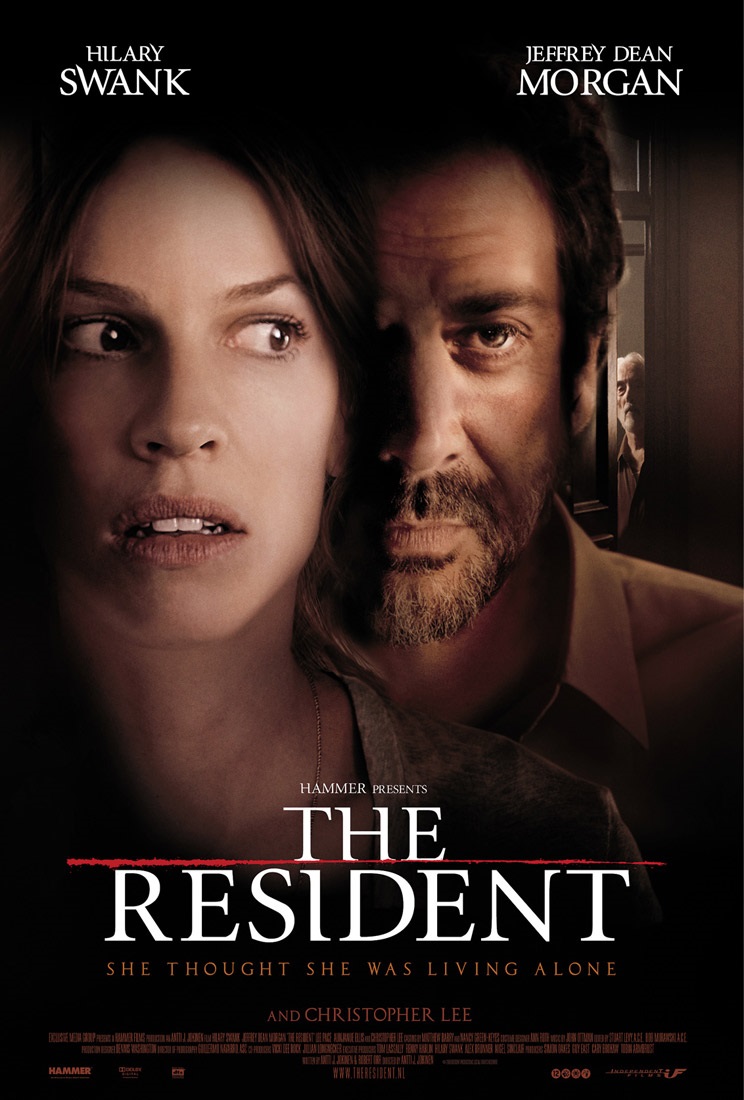
The second effort from the revived Hammer Films, which creates some reasonable creepy effect in the story of Hilary Swank dealing with Jeffrey Dean Morgan as a stalker landlord after moving into a dream apartment
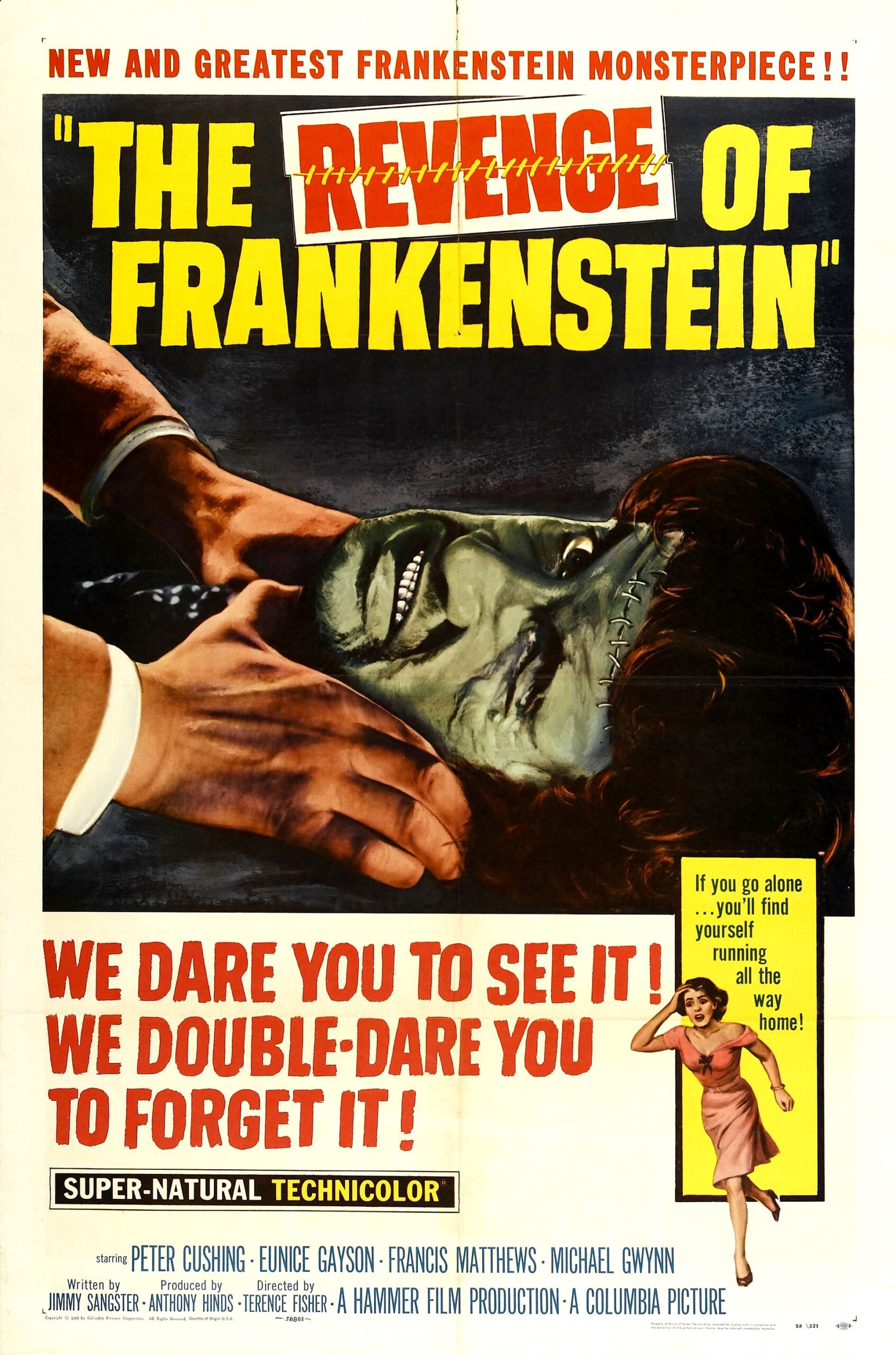
The second of Hammer’s Frankenstein films and a fine work that finds positively ingenious ways to continue on from its predecessor. Terence Fisher and the production team are all on top form.
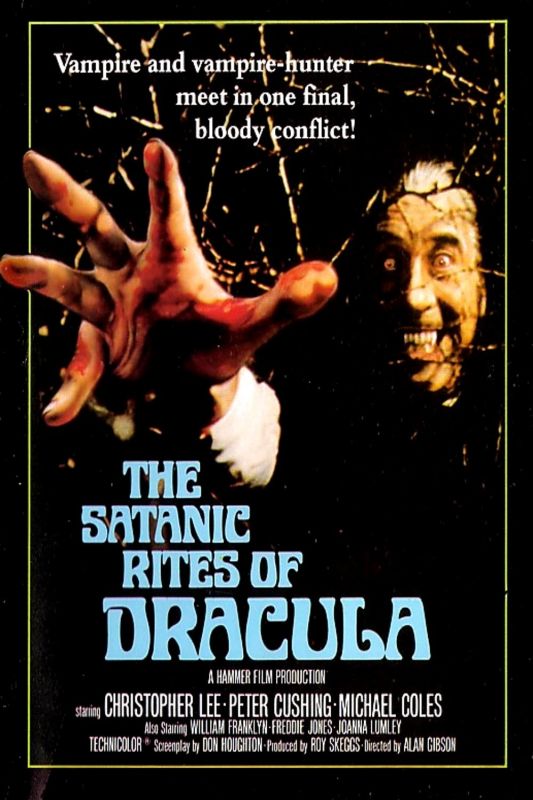
The eight of Hammer’s Dracula, the second-to-last they would make and the last featuring Christopher Lee. This follows on from the previous film Dracula A.D. 1972 in featuring Dracula in the present day and at least does more with the idea than that film did
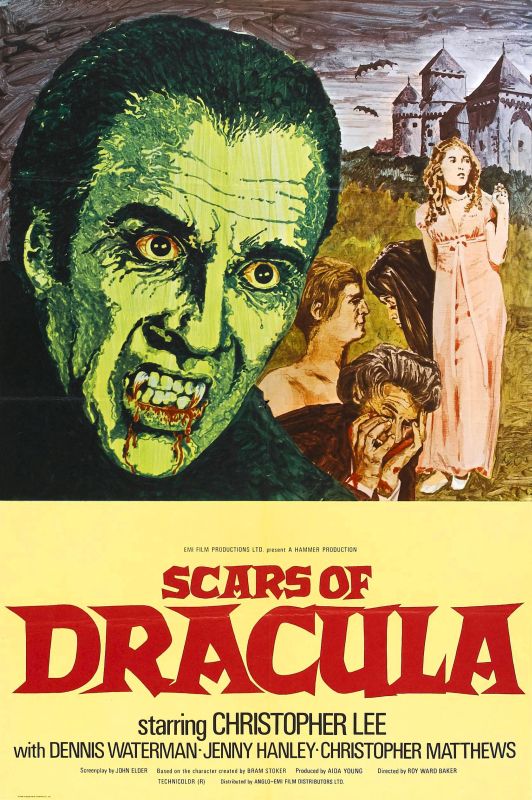
The sixth of the Hammer Dracula films and generally regarded as the low point of the series. It feels as though nobody involved seemed to be making an effort anymore.
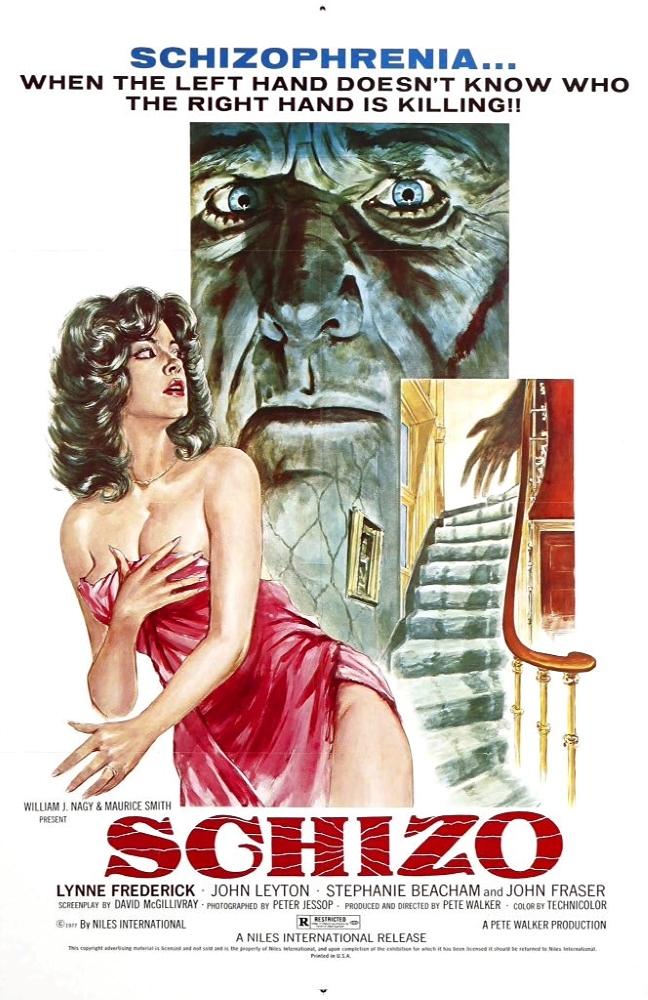
UK. 1976. Crew Director/Producer – Pete Walker, Screenplay – David McGillivray, Photography – Peter Jessop, Music – Stanley Myers, Makeup Supervisor – George Partleton, Art Direction – Chris Burke. Production Company – Peter Walker (Heritage) Ltd. Cast Lynne Frederick (Samantha Gray Falconer/Jean Longmarsh), Jack Watson (William Haskin), John Leyton (Alan Falconer), Stephanie Beacham (Beth), John […]
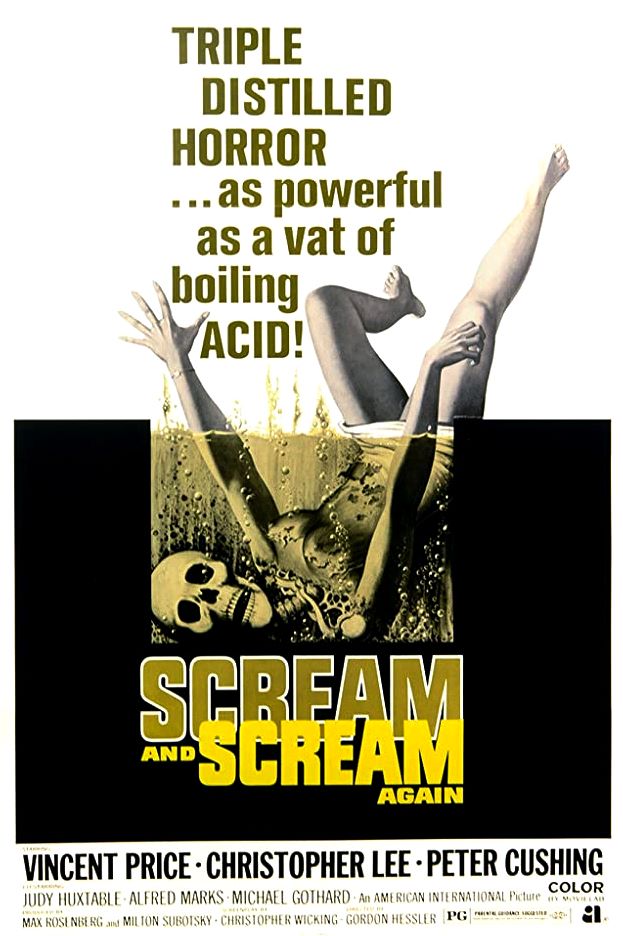
Cult Anglo-horror film with a series of vampire killings that lead to Vincent Price trying to replace bureaucrats with androids
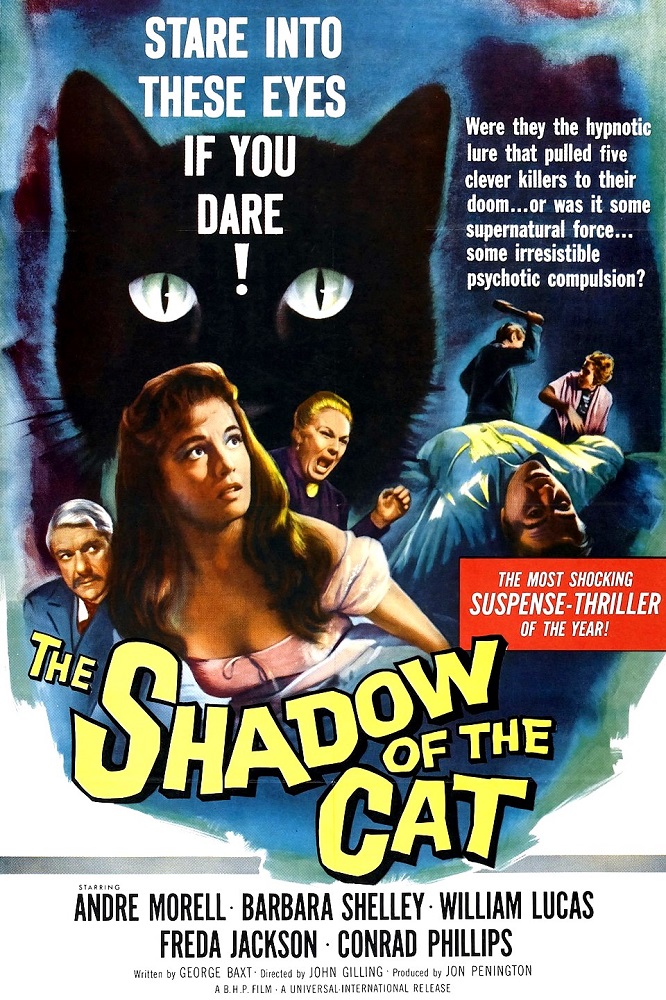
A film from the early days of the Anglo-Horror cycle about the greedy relatives seeking a will being killed by a possibly supernatural cat
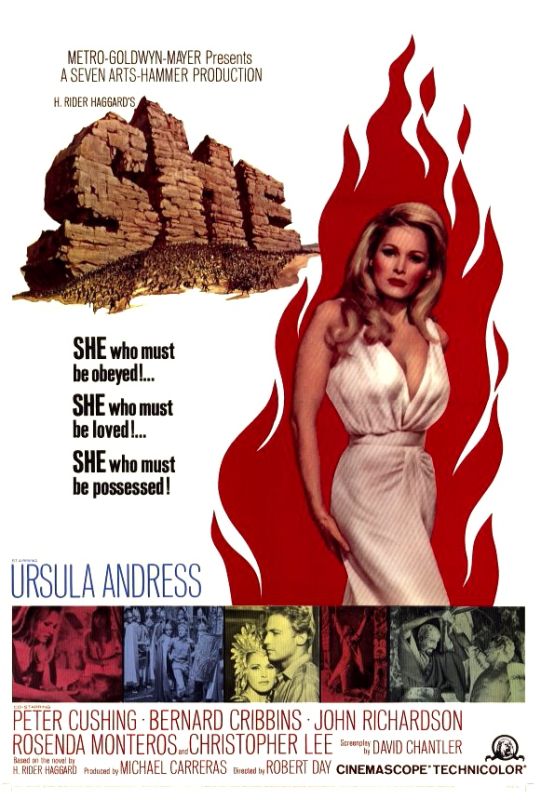
Hammer Films conduct an adaptation of the classic H. Rider Haggard adventure story about the discovery of a lost city and its immortal queen but the epic spectacle never much comes to life
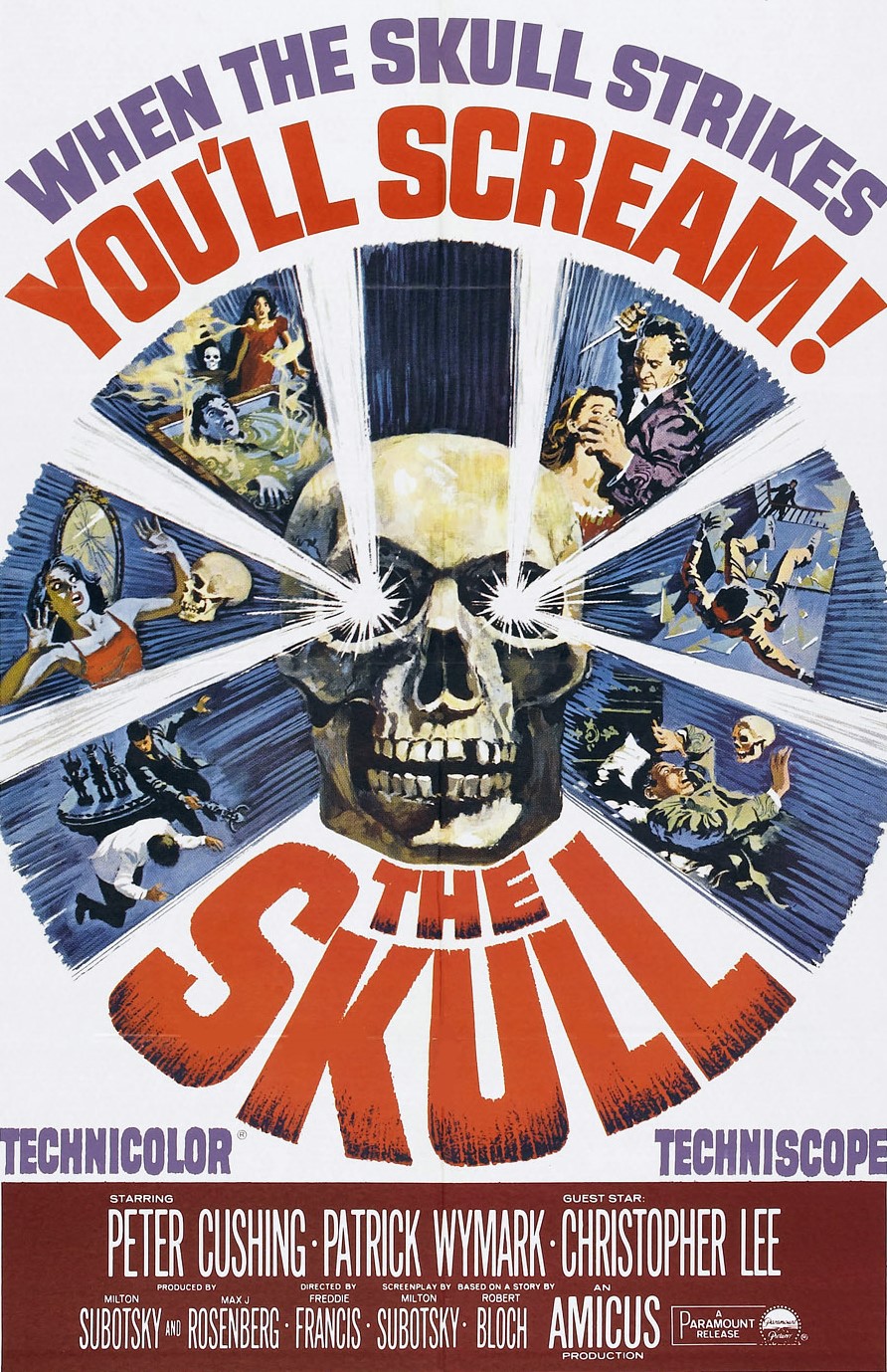
Peter Cushing-Christopher Lee vehicle from Amicus with Cushing as a collector who obtains the Marquis de Sade’s possessed skull. One of the more over-rated Anglo-horror films, this feels more like an episode from one of their anthologies than a full film
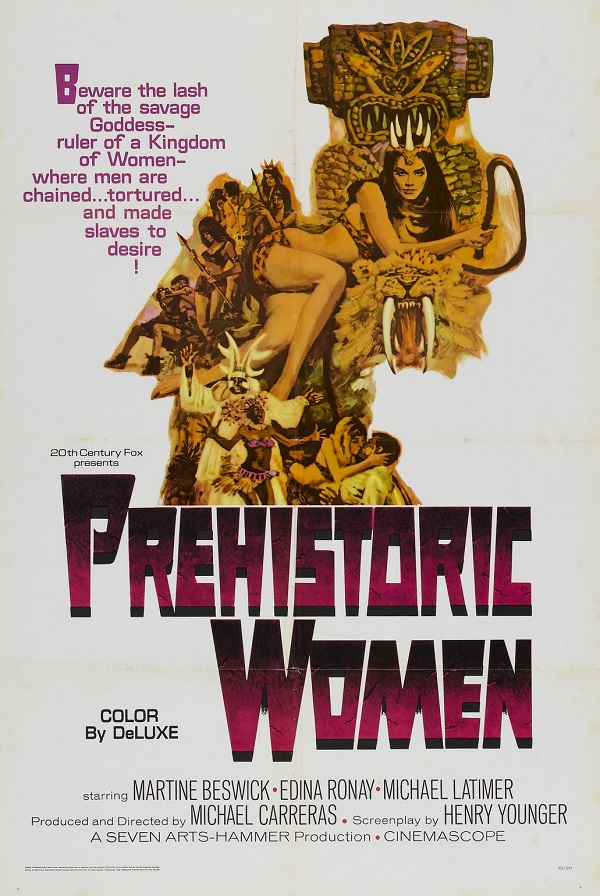
One of a handful of prehistoric adventure films made by Hammer Studios. This eschews the stop-motion animated dinosaurs of their earlier One Million Years B.C. but does give the stage to Martine Beswick who injects a sizzling dose of sexuality and camps a silly plot up by playing to the hilt
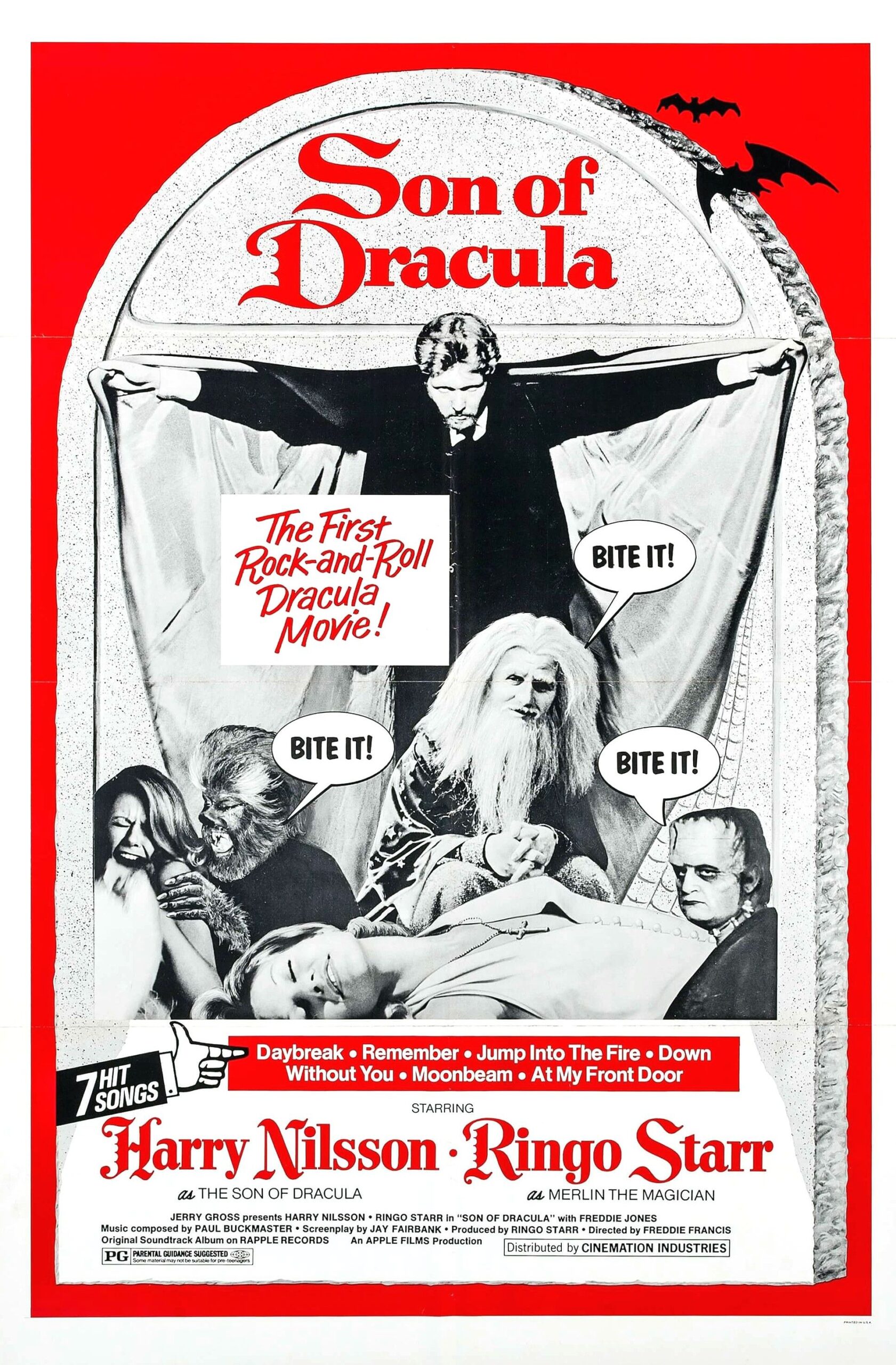
Bizarre musical monster bash with singer Harry Nilsson as Dracula’s son and Ringo Starr as Merlin. A film that seems to have no real clue what it is doing beyond friends having a good time. Nilsson makes surely the screen’s least threatening Dracula, while this is the worst film from the usually great Freddie Francis
A psycho film (as opposed to one of their psycho-thrillers) from Hammer Films where innocent and unworldwise Rita Tushingham arrives in London only to be lured in by ice cold killer Shane Briant
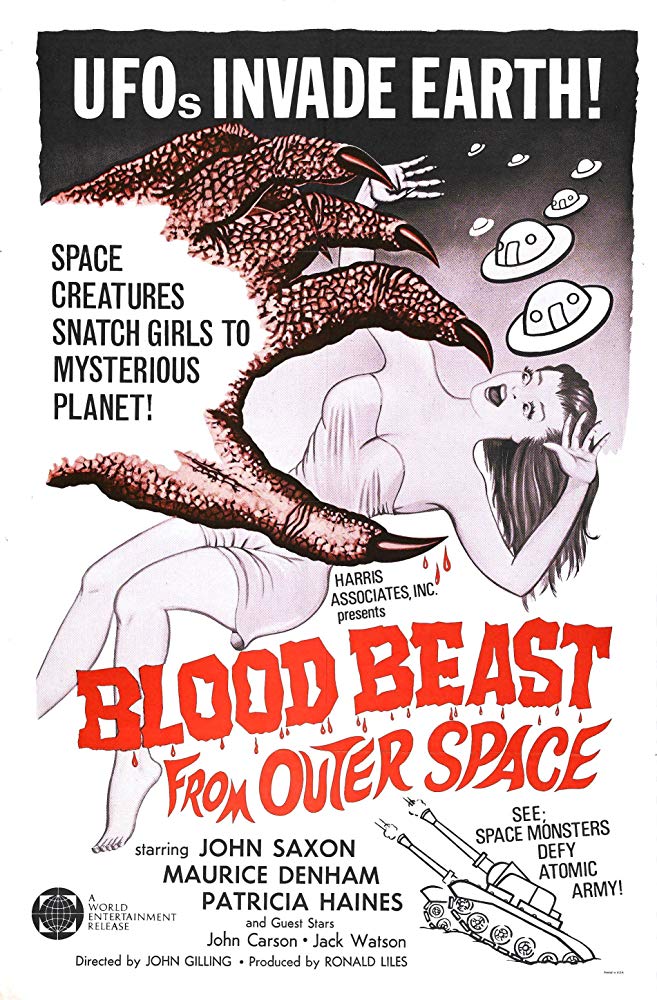
1950s British science-fiction entry that draws influence from the Quatermass films. While the title(s) leads you to expect an alien invasion entry, it is in actuality more of a British copy of a giant insect film. A routine effort that is eventually done in by utterly impoverished giant insect effects
A British-made ripoff of The Day the Earth Stood Still. Slow, plodding and talky without the action ever seeming to move beyond the confines of a country pub
Amicus adapts several stories from the notorious EC Comics as one of their anthology films. Missing is EC’s black humour but this is a worthwhile Amicus anthology
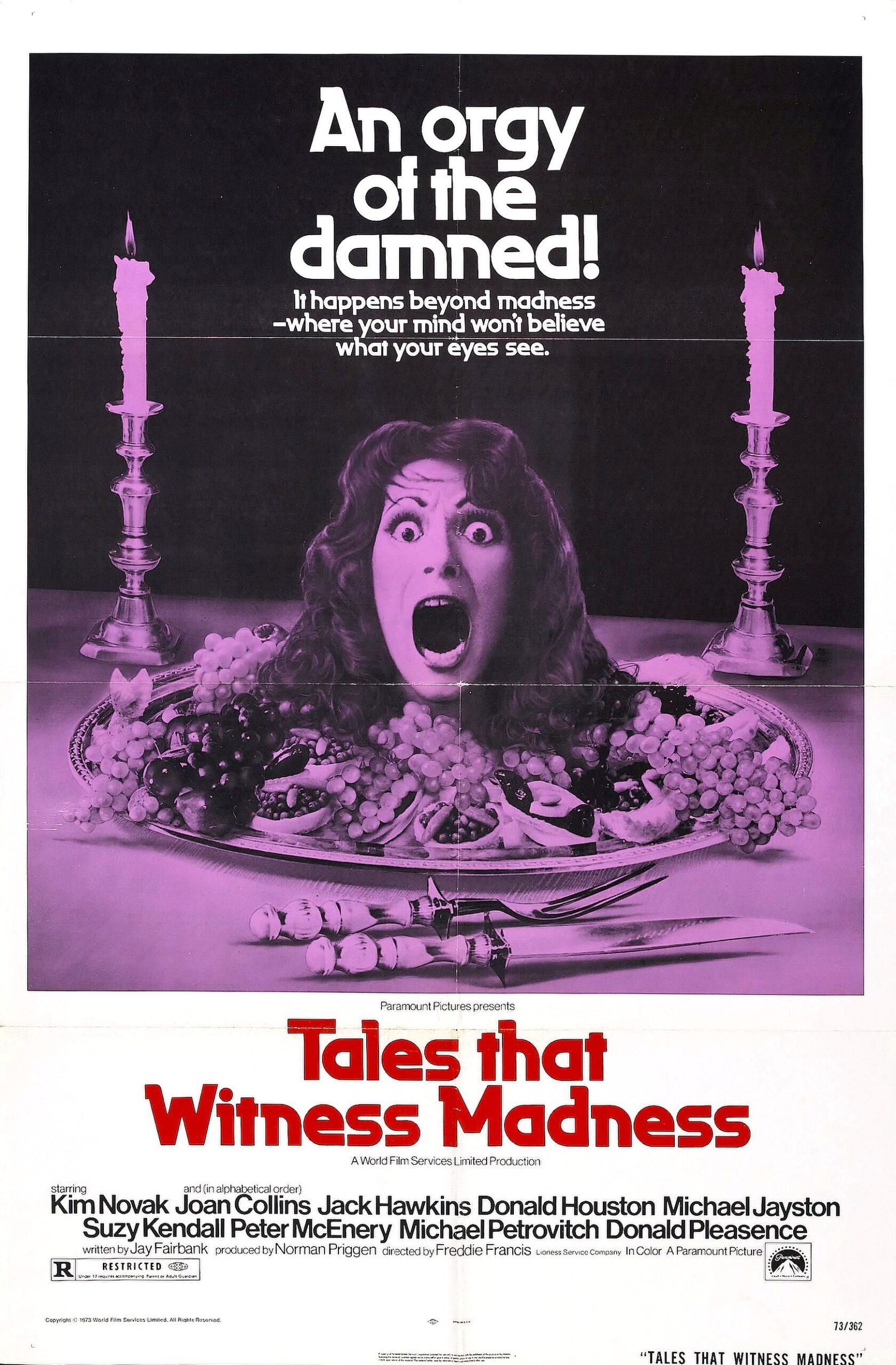
Director Freddie Francis had had great success making several of the Amicus horror anthologies then went independent to made another Amicus-styled anthology here with mixed results
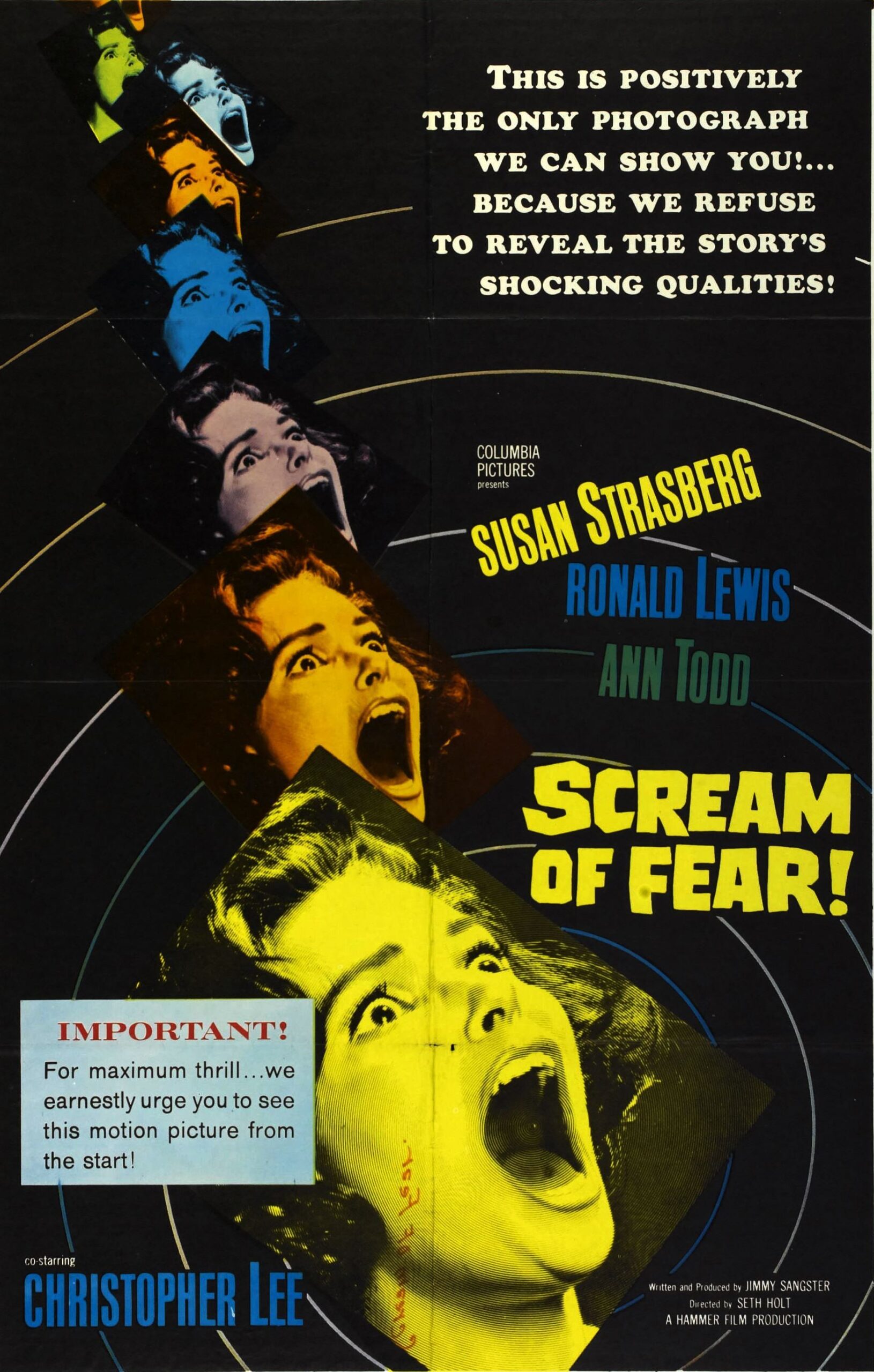
The first of Hammer’s psycho-thrillers – a departure for the studio with them abandoning their Victorian era setting for a contemporary one – in an attempt to copy the success of Hitchcock’s Psycho. Quite a reasonable effort that comes without the improbably contrived plots of some of their later psycho-thrillers
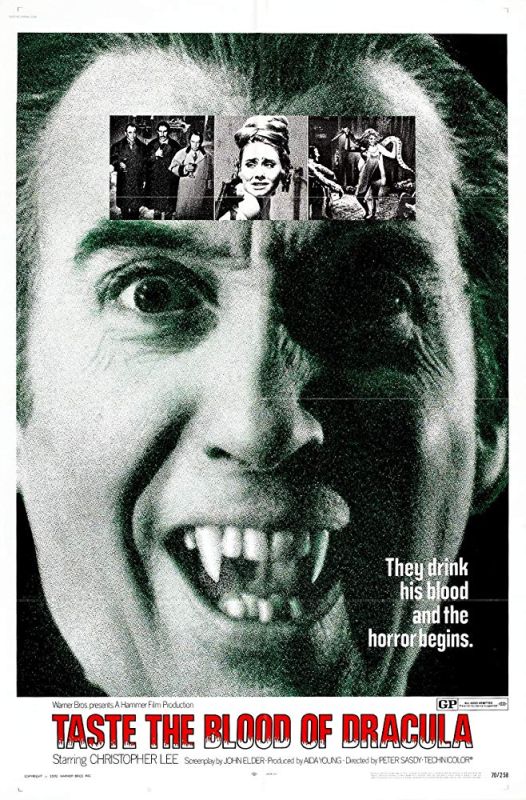
The fifth of Hammer’s Dracula films and by general consensus the last worthwhile entry. New director Peter Sasdy brings something fresh and this has an interesting plot that digs beneath Victorian hypocrisy
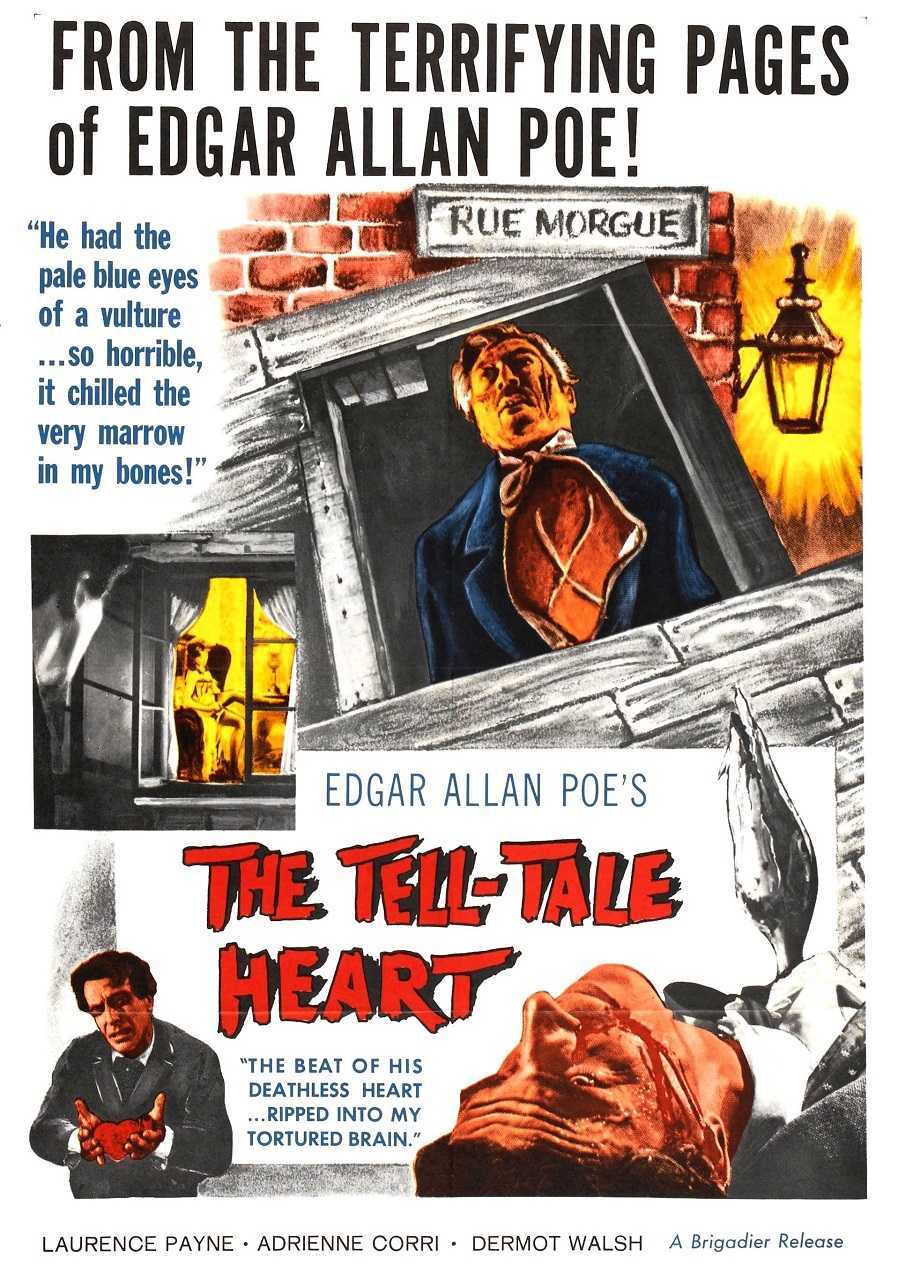
Adaptation of the Edgar Allan Poe story about a guilty murderer haunted by the beating of the victim’s heart. A not uninteresting effort written by Brian Clemens, the creator of tv’s The Avengers that aims for dark psychological mood
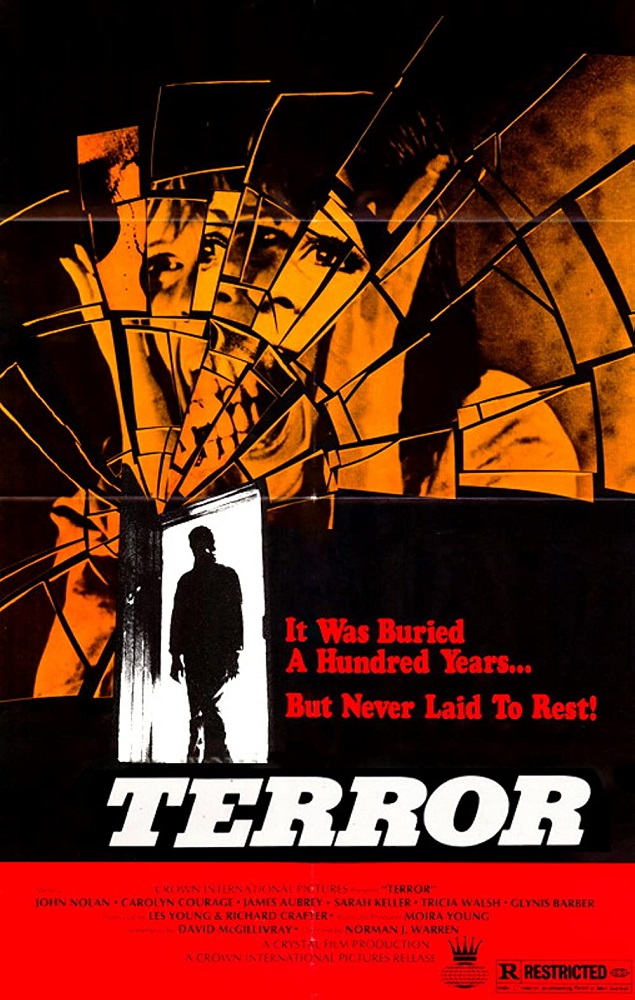
A key work of British exploitation director Norman J. Warren centred a series of supernatural novelty deaths
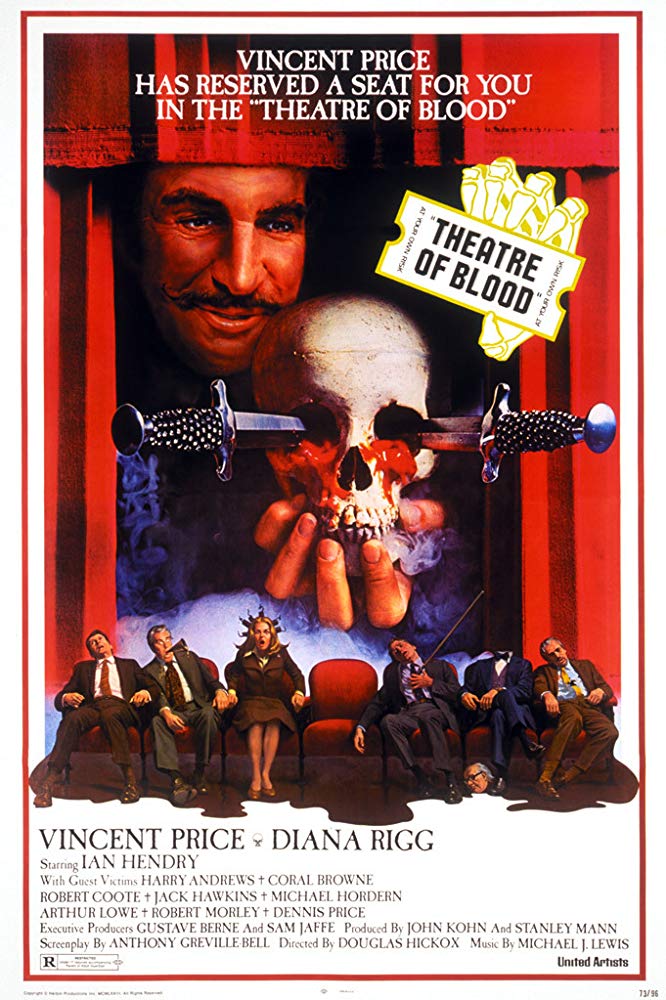
Following on from the success of the Dr Phibes films, Vincent Price is cast as a mad Shakespearean actor who employs comically grotesque deaths from Shakespeare’s plays to kill his critics
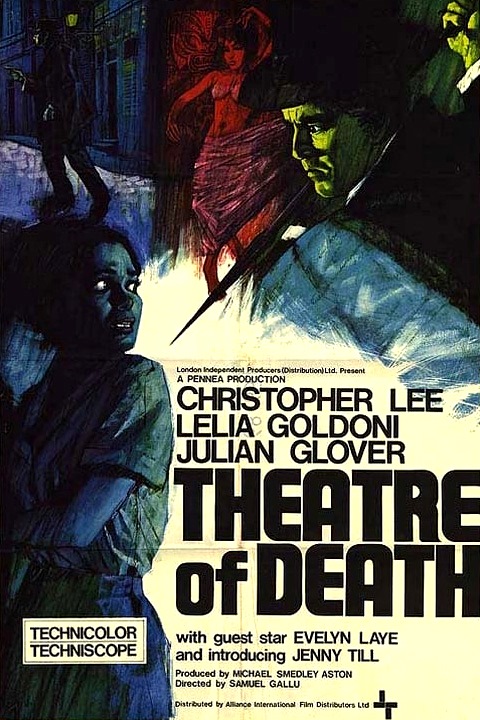
One of the Hammer Films wannabes of the 1960s that even employs Christopher Lee in a horror film set around the historical Grand Guignol Theatre
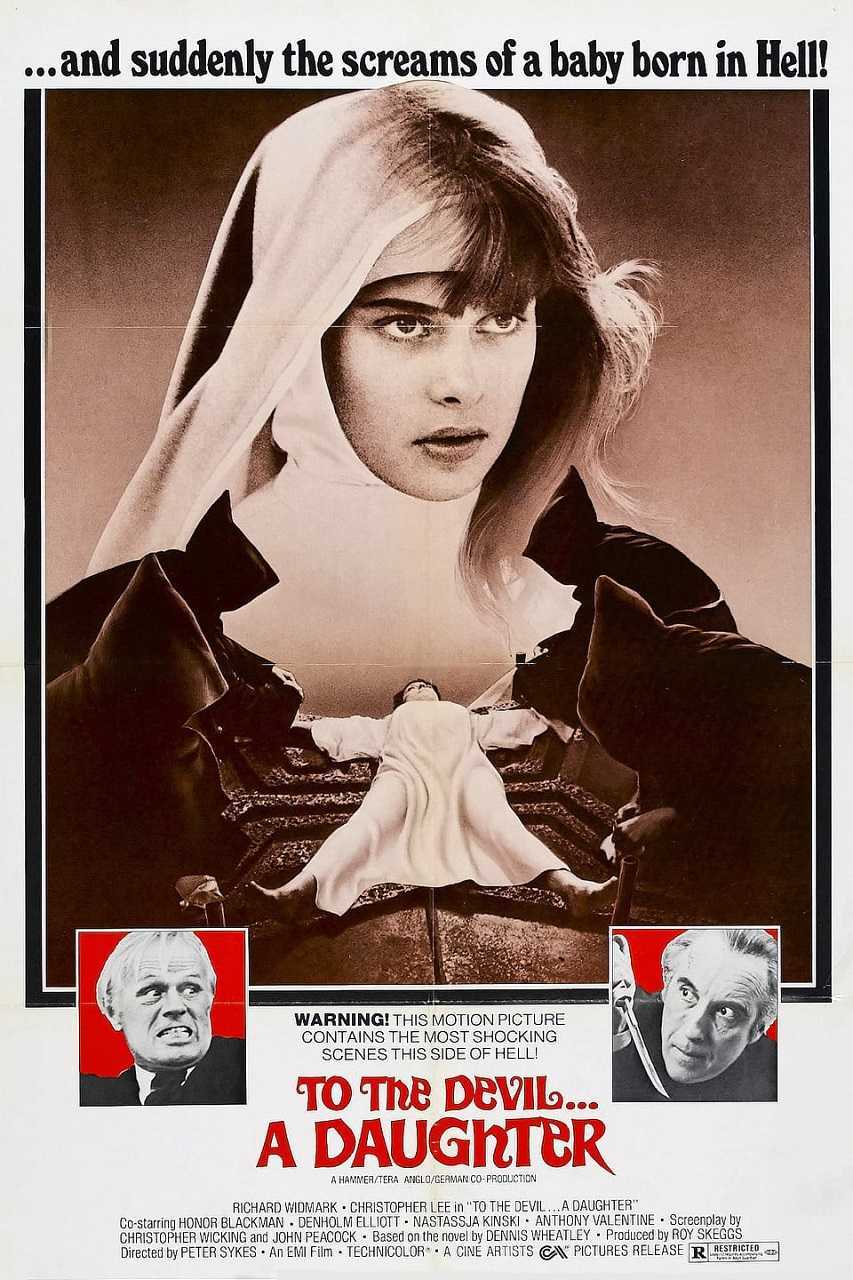
The second-to-last Hammer film, an adaptation of one of Dennis Wheatley’s occult novels, shows them trying to catch up with The Exorcist and its ilk
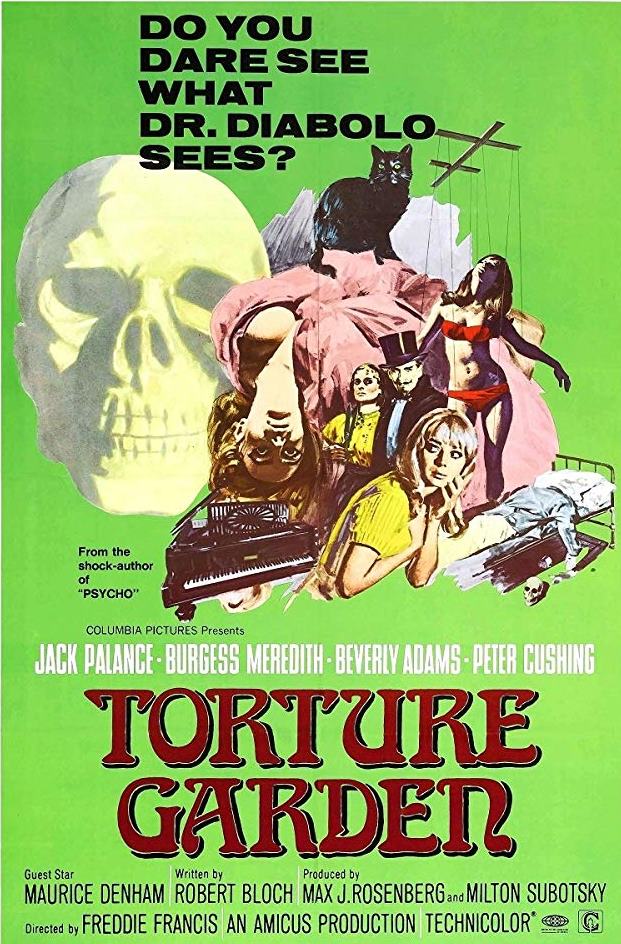
Following the success of Dr Terror’s House of Horrors, this was the second of Amicus’s trademark horror anthologies with Burgess Meredith as a carnival barker showing people their fates
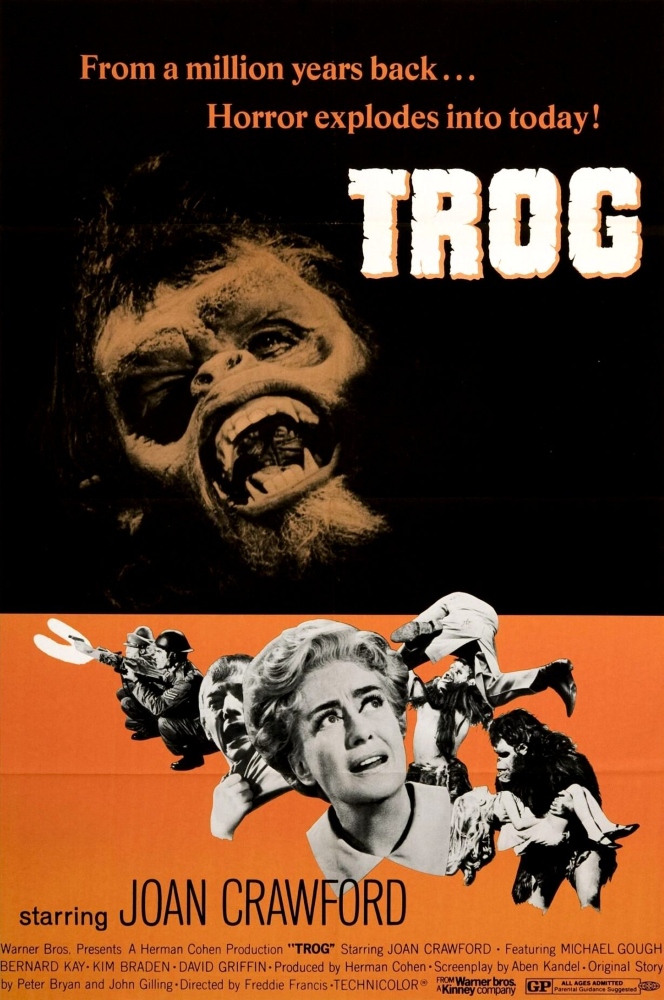
A revived caveman effort that is fairly terrible on all accounts. This has gained bad movie status because it features Joan Crawford as a scientist in her last theatrical role
Modestly effective British entry into the 1950s alien invasion genre with people fighting invaders on a Swiss mountainside
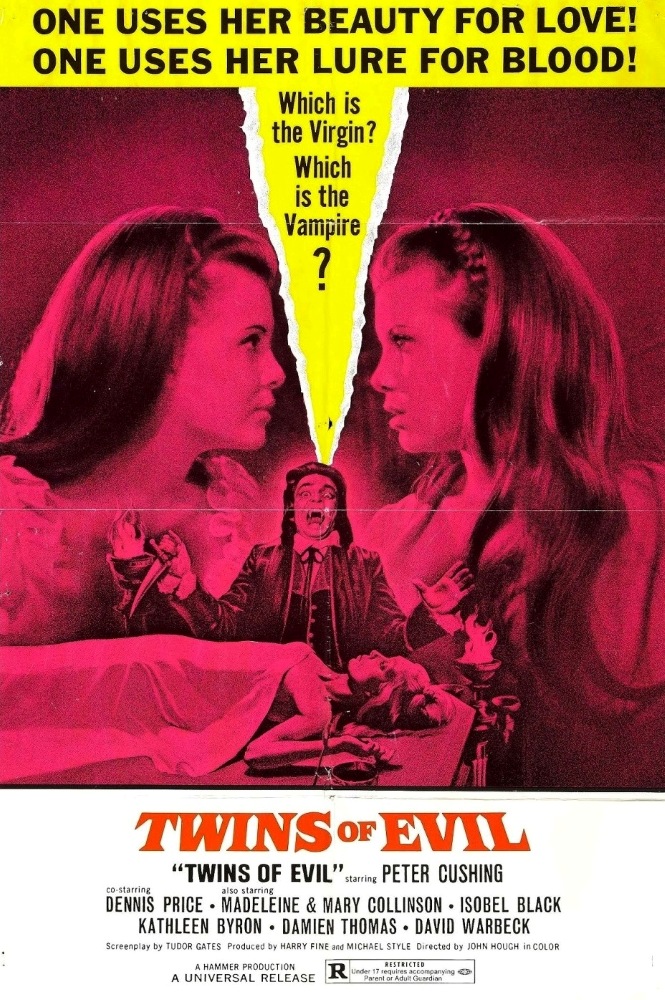
The third and best of Hammer’s Karnstein trilogy, which features twin sisters Madeline and Mary Collinson as vampires. This works due to a strong hand from director John Hough and Peter Cushing on fine form as a witchfinder
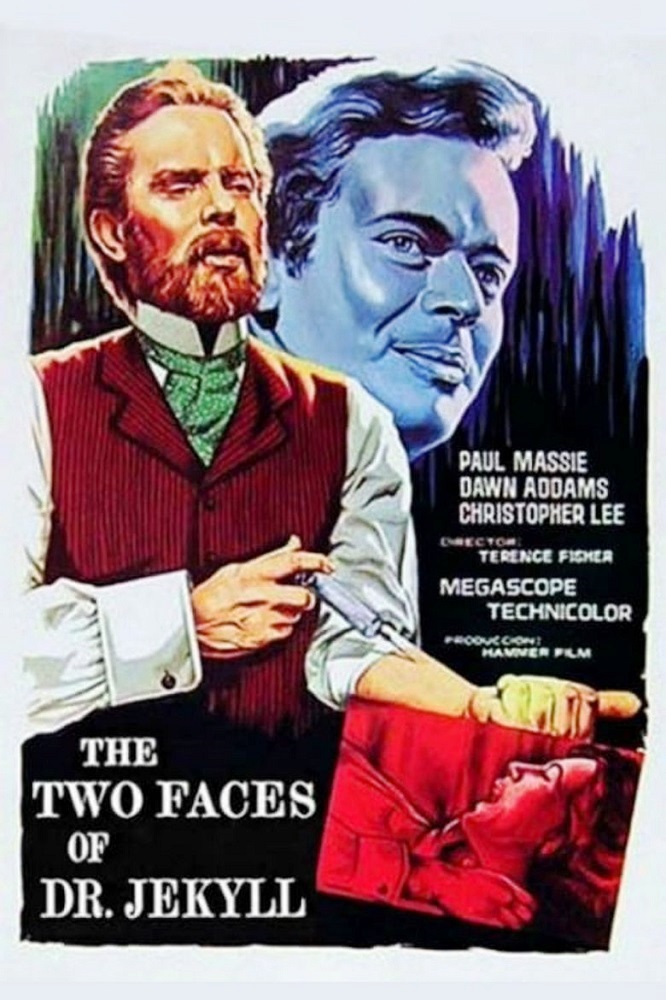
Hammer Films had great success with their revivals of Dracula and Frankenstein and went on to adapt other classic horror stories. Here they take on the Dr Jekyll and Mr Hyde story as a scientist unleashes his evil personality within
A production from Amicus founder Milton Subtosky in the style of the horror anthology that made the company’s name
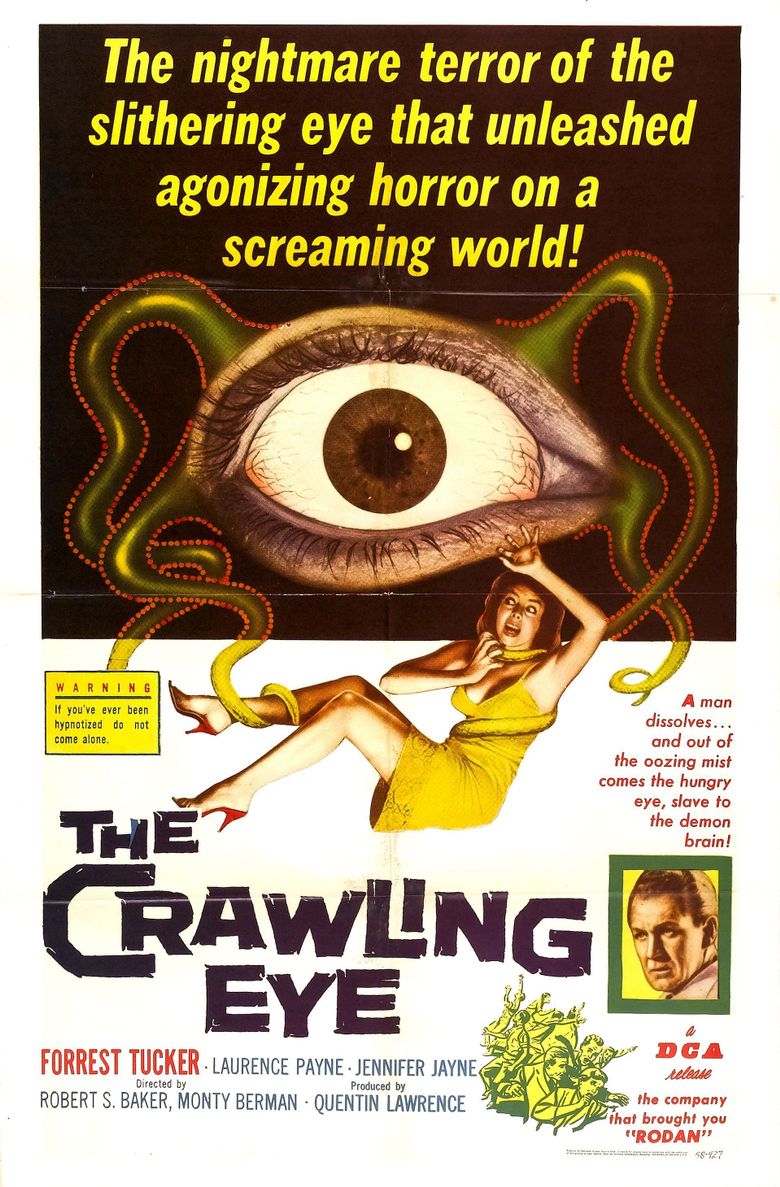
A British response to the 1950s alien invader fad that swept the US. Despite a low-budget, this achieves an undeniable atmosphere of paranoia as a scientist discovers that his newlywed wife may be an alien infiltrator
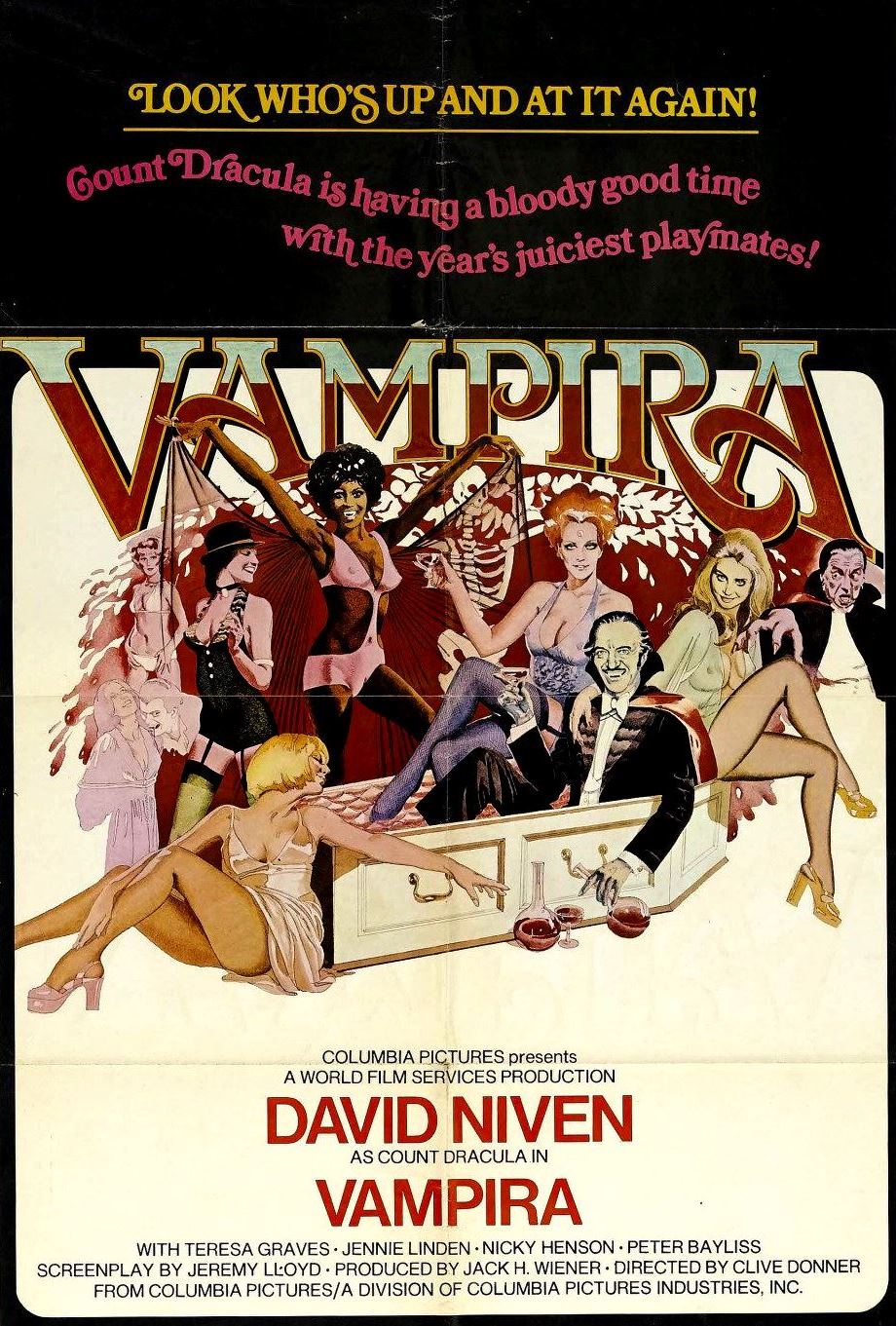
Dismissed at the time as a copy of Young Frankenstein even though it had been made earlier, this is a none too funny vampire comedy featuring David Niven as Dracula
Fascinating vampire film from the latter days of Hammer Films, this tries to do something different to the usual
The first in Hammer’s trilogy of lesbian vampire films, an adaptation of the classic story Carmilla. Unfortunately in Hammer’’s hands, the story’s subtlety is killed by an emphasis on softcore titillation
The second of Amicus Films’ adaptations from EC Comics, a follow-up to their earlier Tales from the Crypt and one of their weaker horror anthologies with the episodes much more variable in overall quality
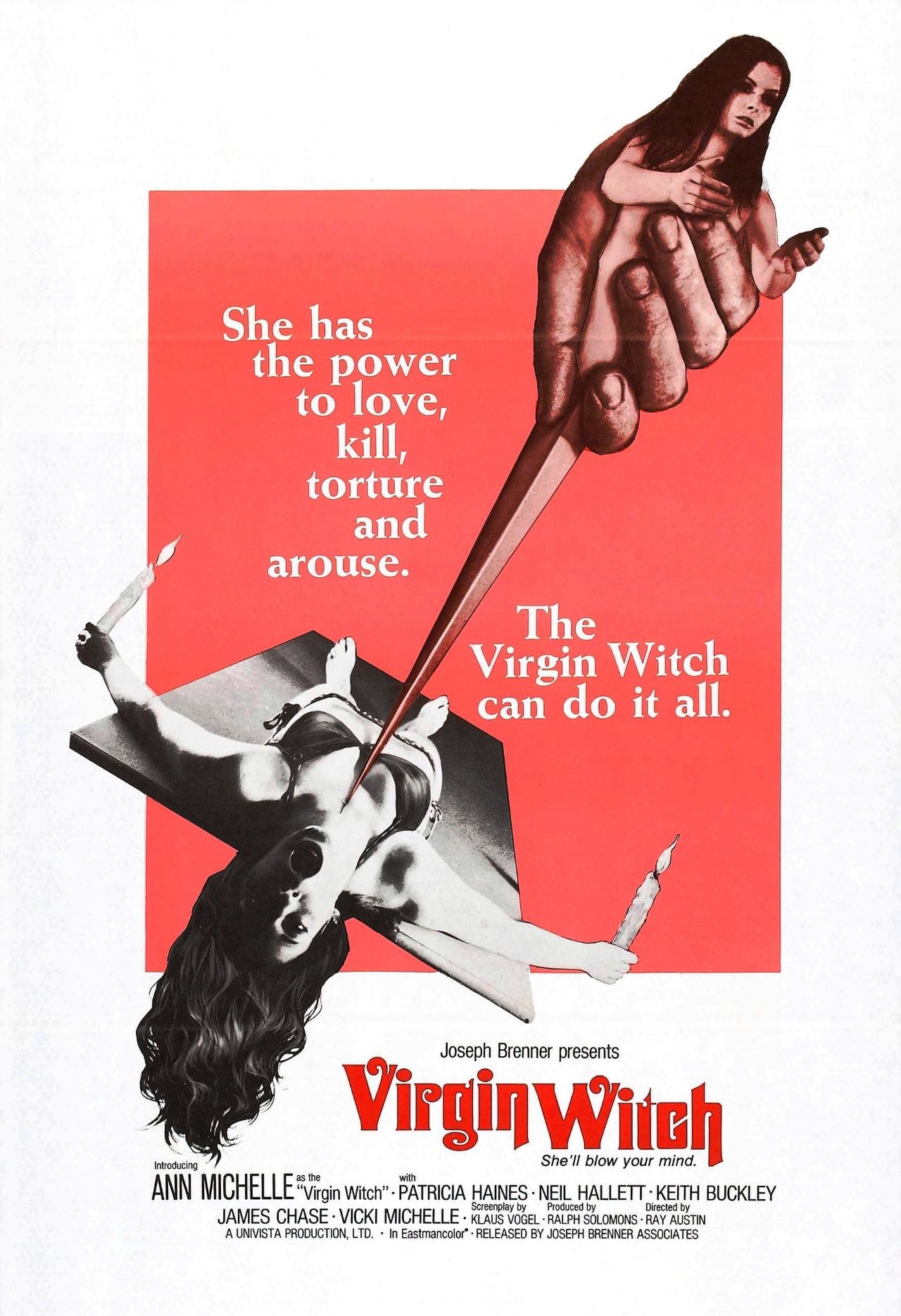
1970s British film about two sisters being drawn into the coven of witches. This comes with much in the way of softcore nudity but there is a surprising degree of innocence about all of it
Possibly the most conceptually demented film to come out of the 1960s-70s Anglo-horror cycle – one part The Fly, one part a witch’s retribution film about a man who transforms into a vulture creature after teleporting into his ancestor’s grave whereupon he is driven to enact a centuries old curse
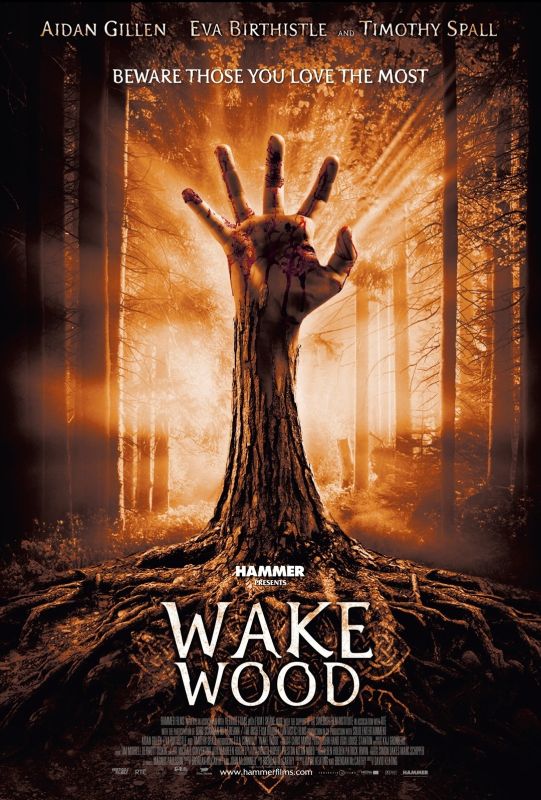
Another entry from the revived Hammer Films, an intelligent and effective variant on Pet Semetary that manages to delve into some dark and chilling places
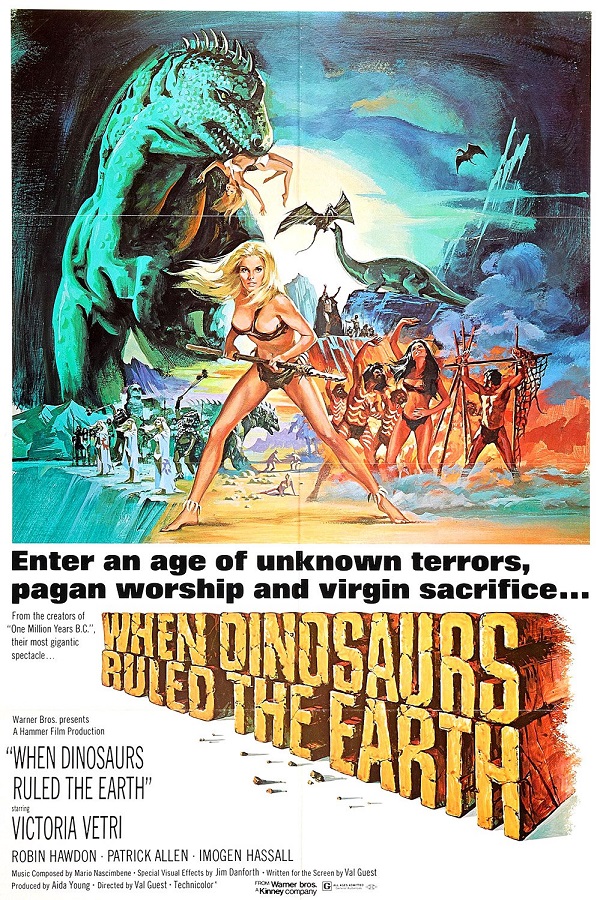
After the success of their earlier caveman vs stop-motion animated dinosaurs epic One Million Years B.C., Hammer made several other prehistoric films, including this effort that purportedly had a script by an uncredited J.G. Ballard
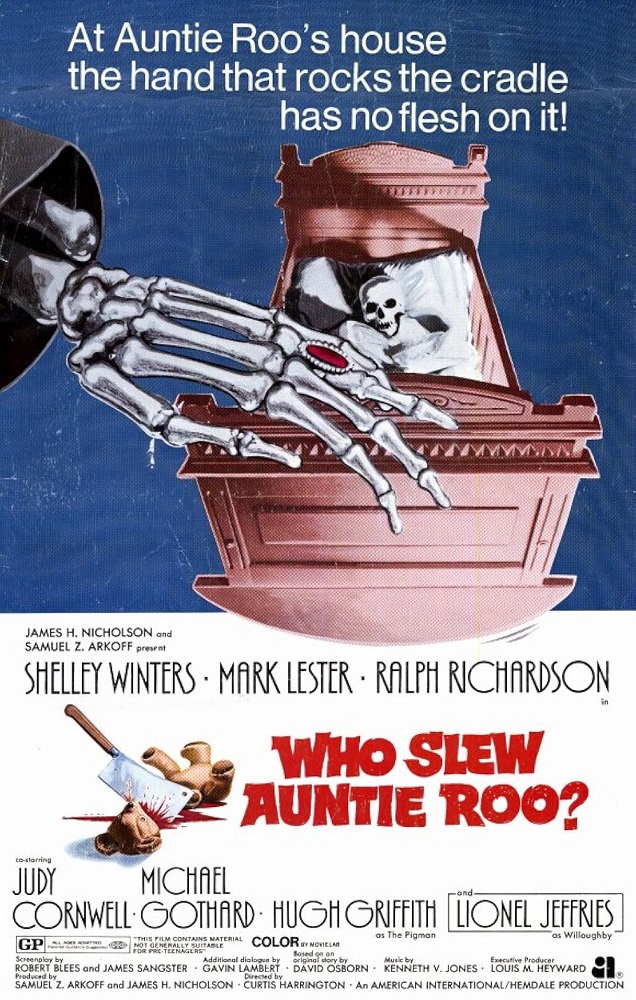
From the great and overlooked Curtis Harrington, a Grand Old Dames film with Shelley Winters going mad in the Baby Jane vein. This also becomes a modernised retelling of Hansel and Gretel
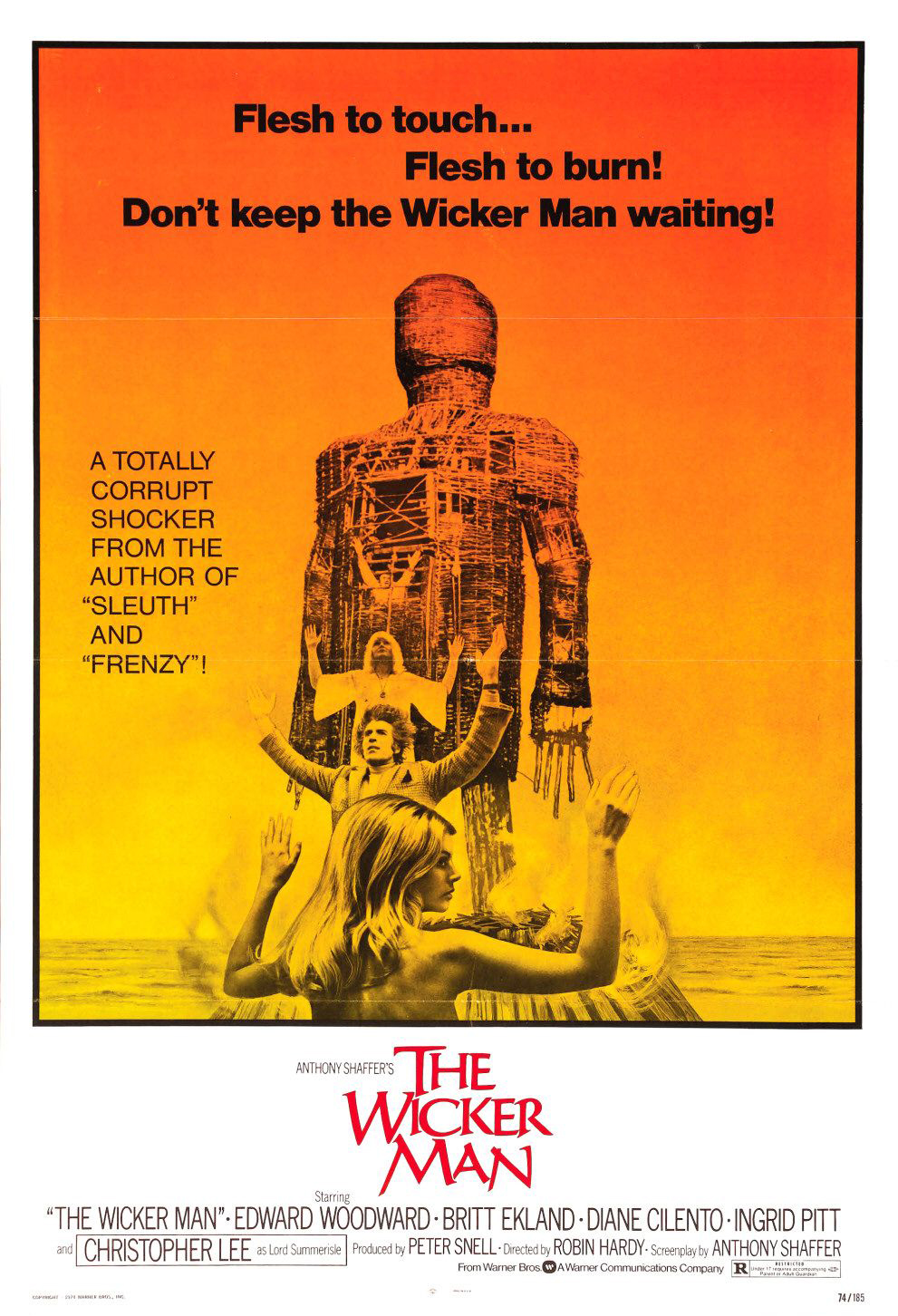
Classic horror film that imagines a secret world of pagan rites existing into the modern day. As much a classic for its colourful creation of a folk culture as it is for an unforgettable ending
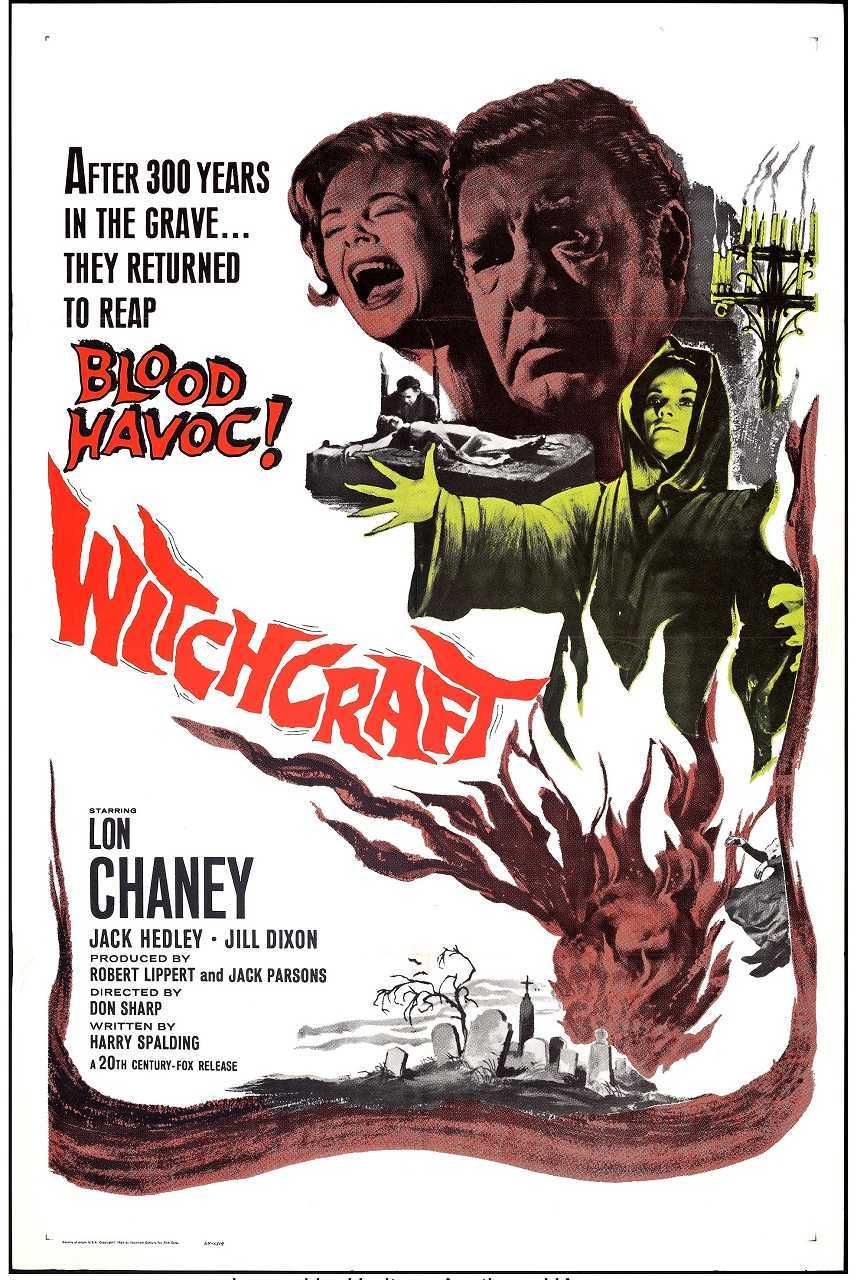
Entry in the Anglo-horror cycle with a resurrected witch and an imported Lon Chaney Jr presiding over deviltry in a sleepy English village
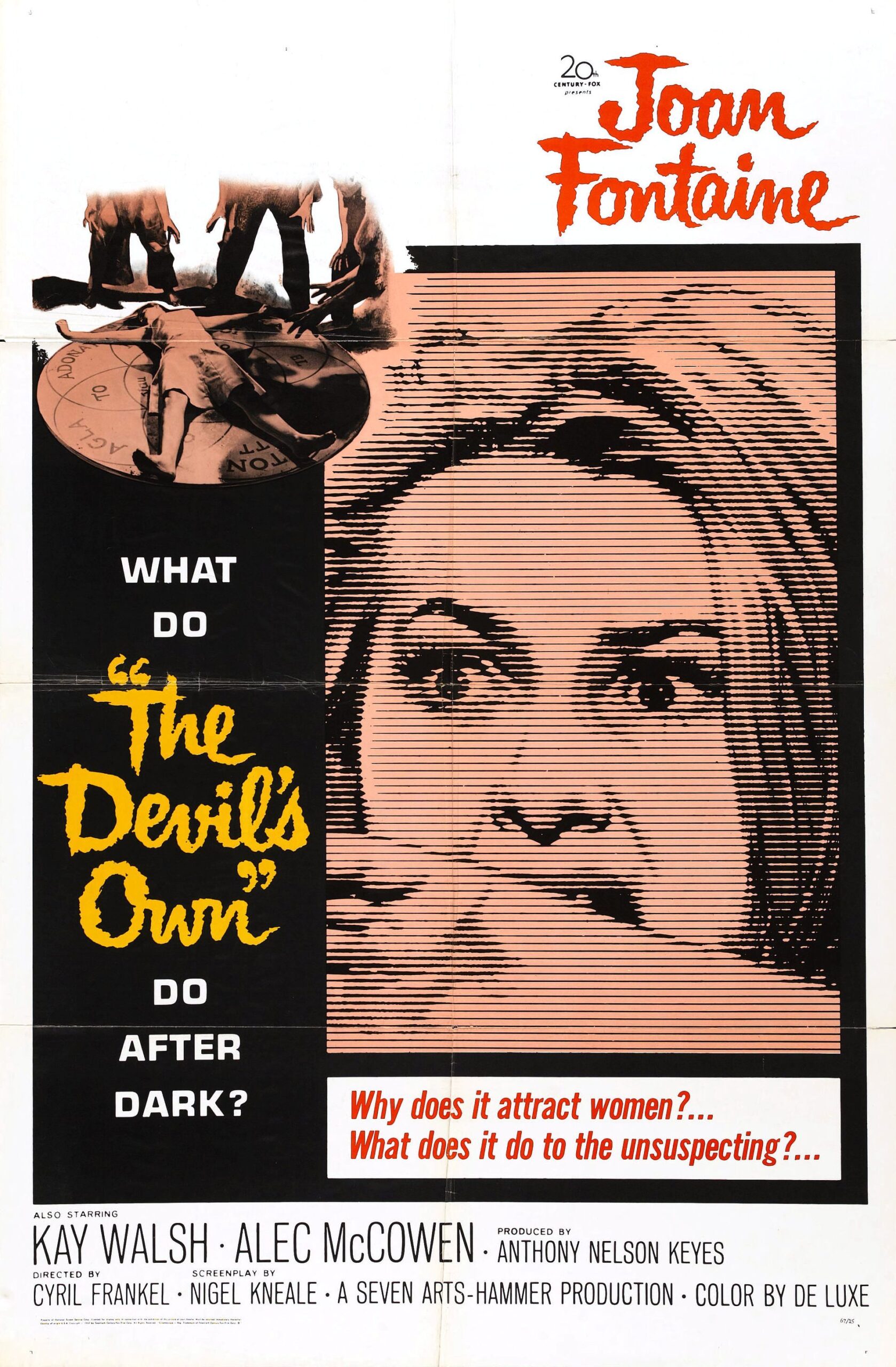
Hammer film, not as well known as some of their other works, from a Nigel Kneale script that creates some effect in its story of schoolteacher Joan Fontaine moving to a sleepy English village and finding the locals engaged in witchcraft
The revived Hammer Films visit the classic British ghost story tradition. This is impeccably mounted but the film offers nothing more than a series of disappointingly superficial boo moments of zero impact
A sequel to the 2012 ghost story from the revived Hammer Films, this adds precisely nothing to the original, has nothing to say and nothing in its directorial arsenal that is not a tiresomely over-cliched jump – you just ask, why was this film even made?
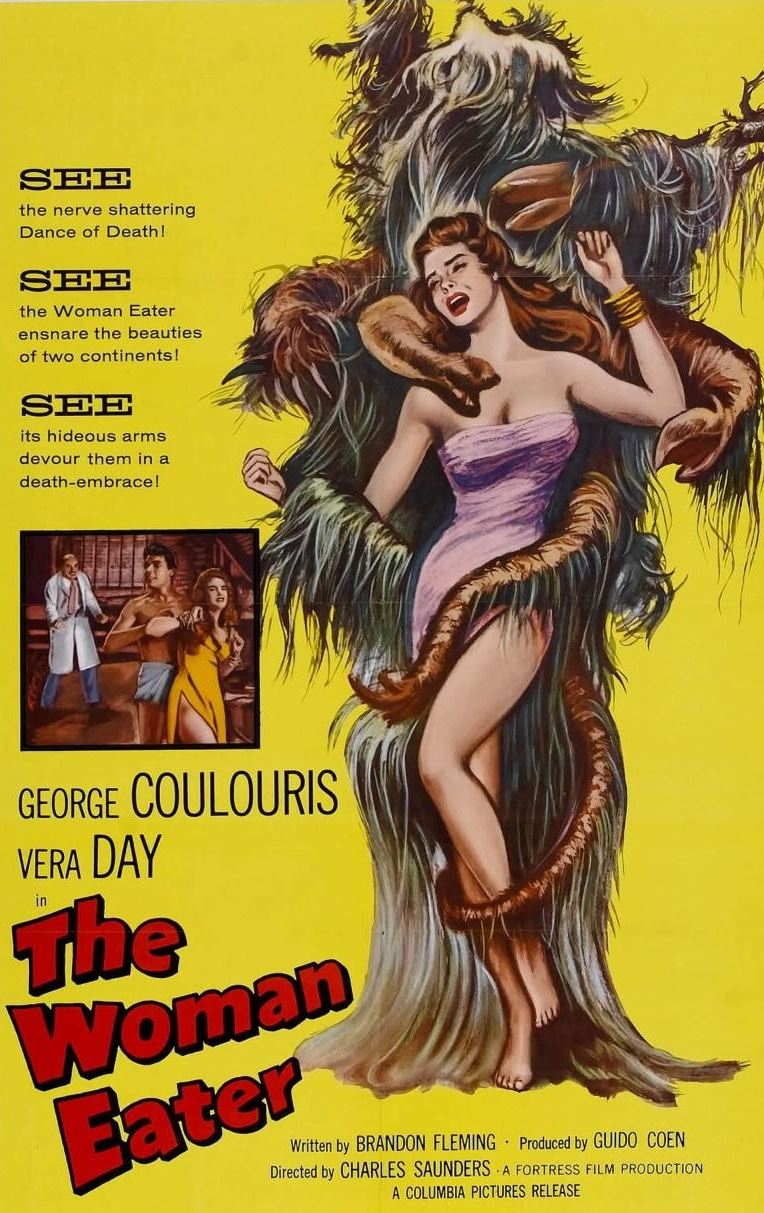
Behind the lurid title, this concerns a mad scientist sacrificing women to a plant in his basement … This came out the same year as Hammer Films burst onto the English horror scene and by comparison is a plodding affair with no greater ambition than being a 1940s Bela Lugosi cheapie
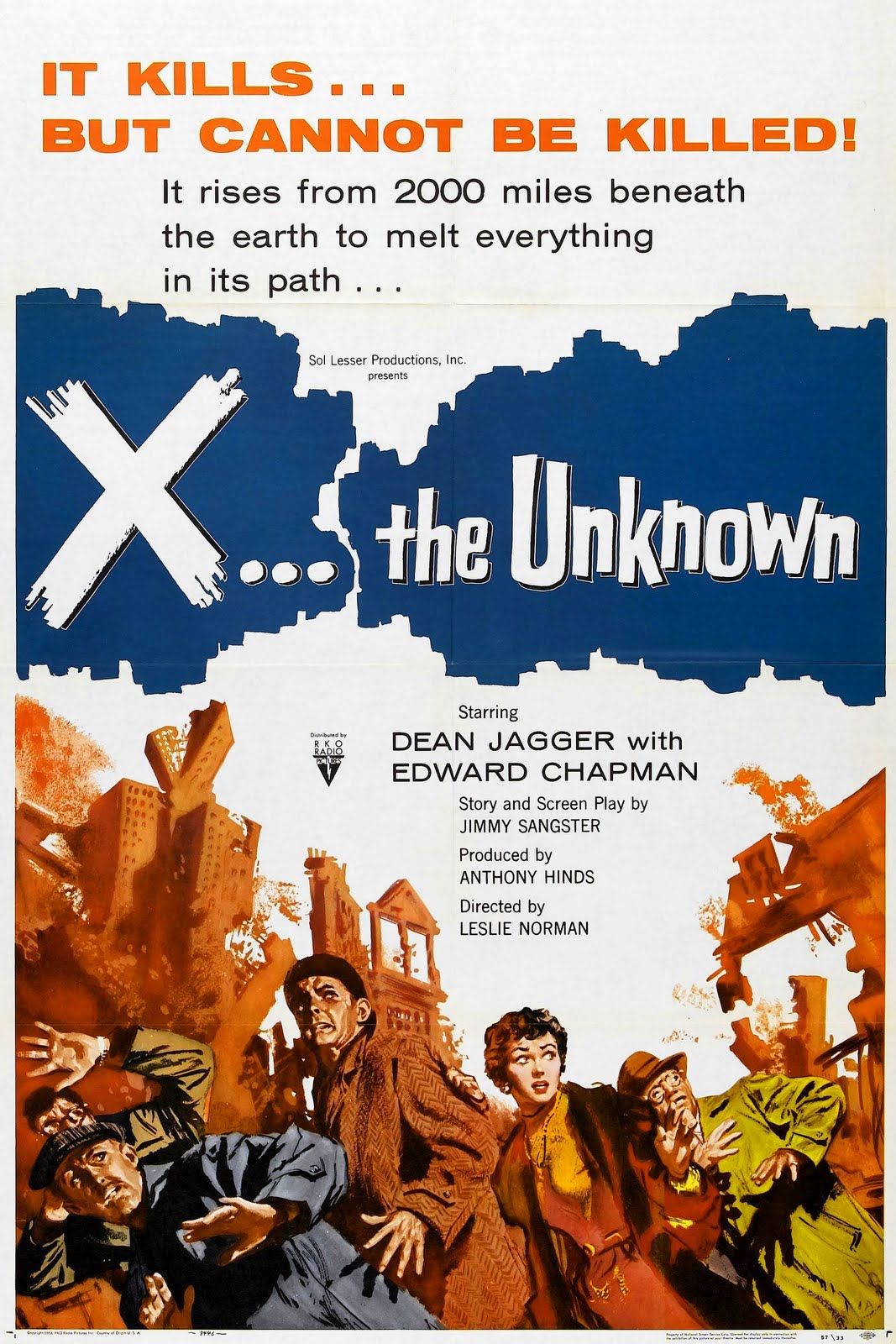
An early Hammer film, an attempt to exploit the success of their Quatermass films. This prefigures the menace of The Blob by a couple of years (while adding a few dashes of the atomic monster fad) but comes with a stark b/w urgency that makes this by far the better film