Alien from the Deep (1989)
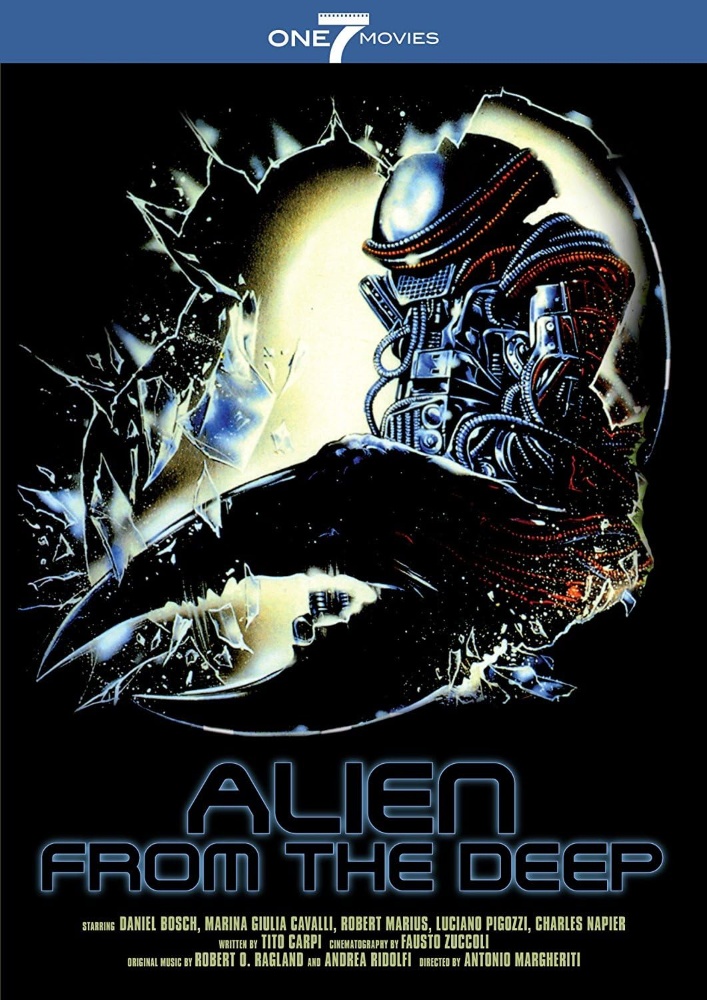
Alien Monster
In his second to last film, Italian B-budget director Antonio Margheriti makes a cheap and not very good Alien copy that feels like a throwback to the 1950s monster movie
The Science Fiction Horror and Fantasy Film Review


The Atomic Monster was a series of Monster Movies made during the 1950s in which the explanation for their existence was due to atomic radiation. The 1950s was rife with fears following the unleashing of the atomic bomb in 1945, where tensions between the USA and USSR was seen as heading towards nuclear conflict. Amid this, the atomic monster became a metaphor for the atomic bomb unleashed.
The genre began with The Beast from 20,000 Fathoms (1953) in which a dinosaur is revived in the Arctic by atomic tests and rampaged forth again. Soon after there was Them! (1954) about ants enlarged to giant size near an atomic test site. This was followed by a host of other revived behemoths and enlarged animals and insects throughout this era.
The most famous of atomic monster was Godzilla who made his first appearance in 1954, a Japanese copy of The Beast from 20,000 Fathoms, although in successive sequels Godzilla eventually became a hero defending Japan against other monsters. A number of other Japanese Monster Movies also come with atomic origins.
The atomic monster genre largely died away by the end of the 1950s although there has been the occasional throwback made since then. Modern atomic monsters are more likely created by nuclear waste and tend to the schlocky and/or unserious type.
In his second to last film, Italian B-budget director Antonio Margheriti makes a cheap and not very good Alien copy that feels like a throwback to the 1950s monster movie
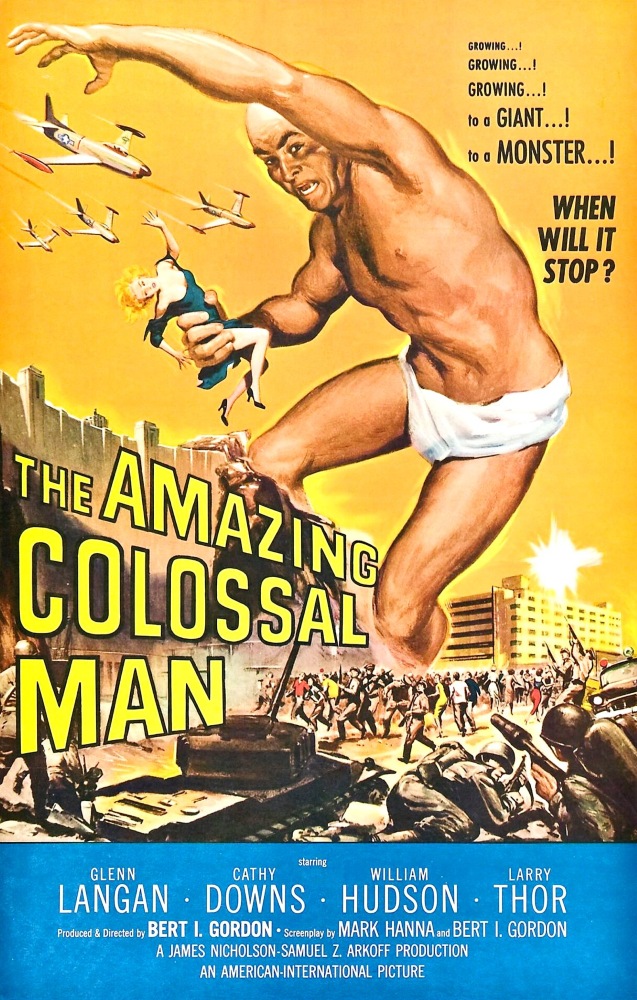
One of the better of Bert I. Gordon’s B movies of the 1950s. This was rushed out not long after The Incredible Shrinking Man and displays some imagination despite cheap effects
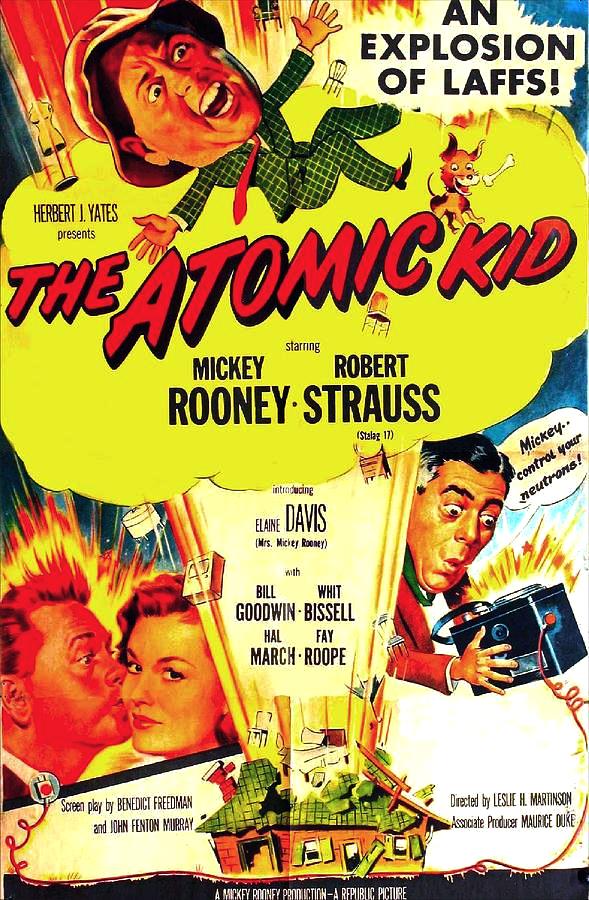
Perhaps the strangest film Mickey Rooney ever made, a comedy in which he is a prospector caught in an atomic explosion and afterwards gains the ability to cause things to explode
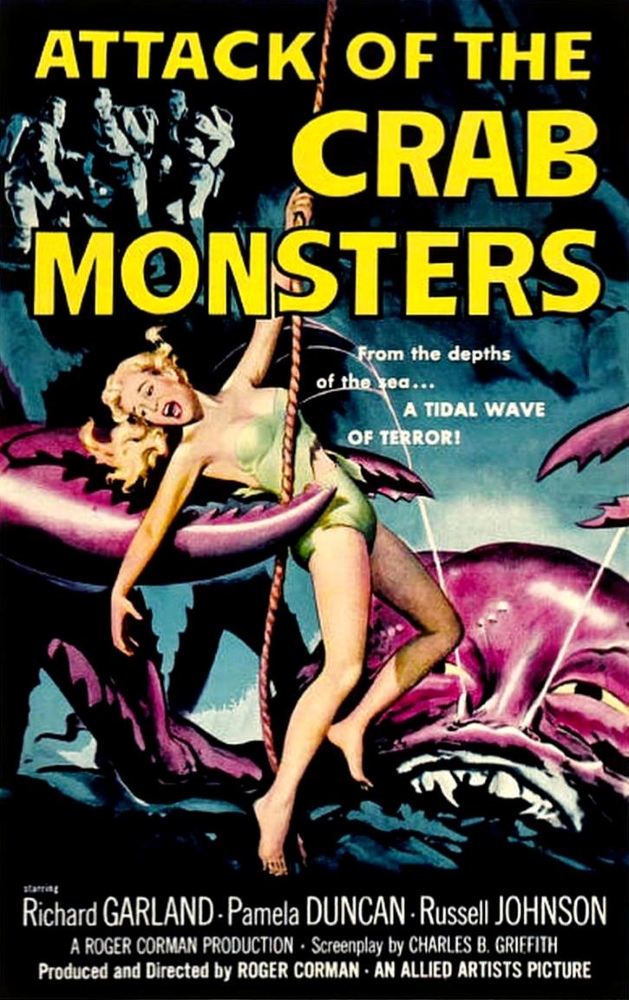
One of the essential items in the cult of B-movie director Roger Corman. A cheerfully absurd atomic monster movie that is played by Corman and cast with more seriousness than it deserves

A typical 1950s B monster movie. The first half creates an entertainingly torrid drama in the bayous, although when they eventually turn up the giant leeches never get to do much
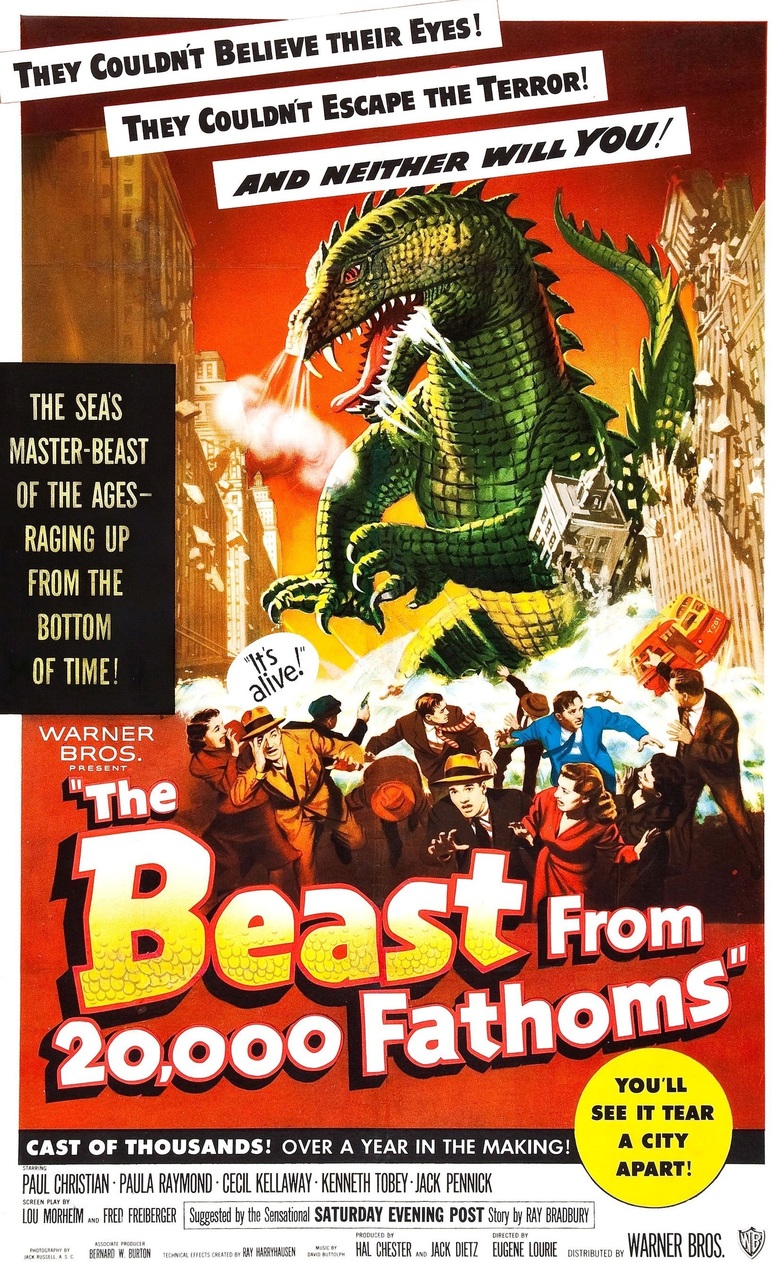
The film that started the 1950s fad for atomic monsters, featuring a dinosaur brought back to life by atomic tests. Also among the very first screen credits for Ray Bradbury and stop-motion animator Ray Harryhausen
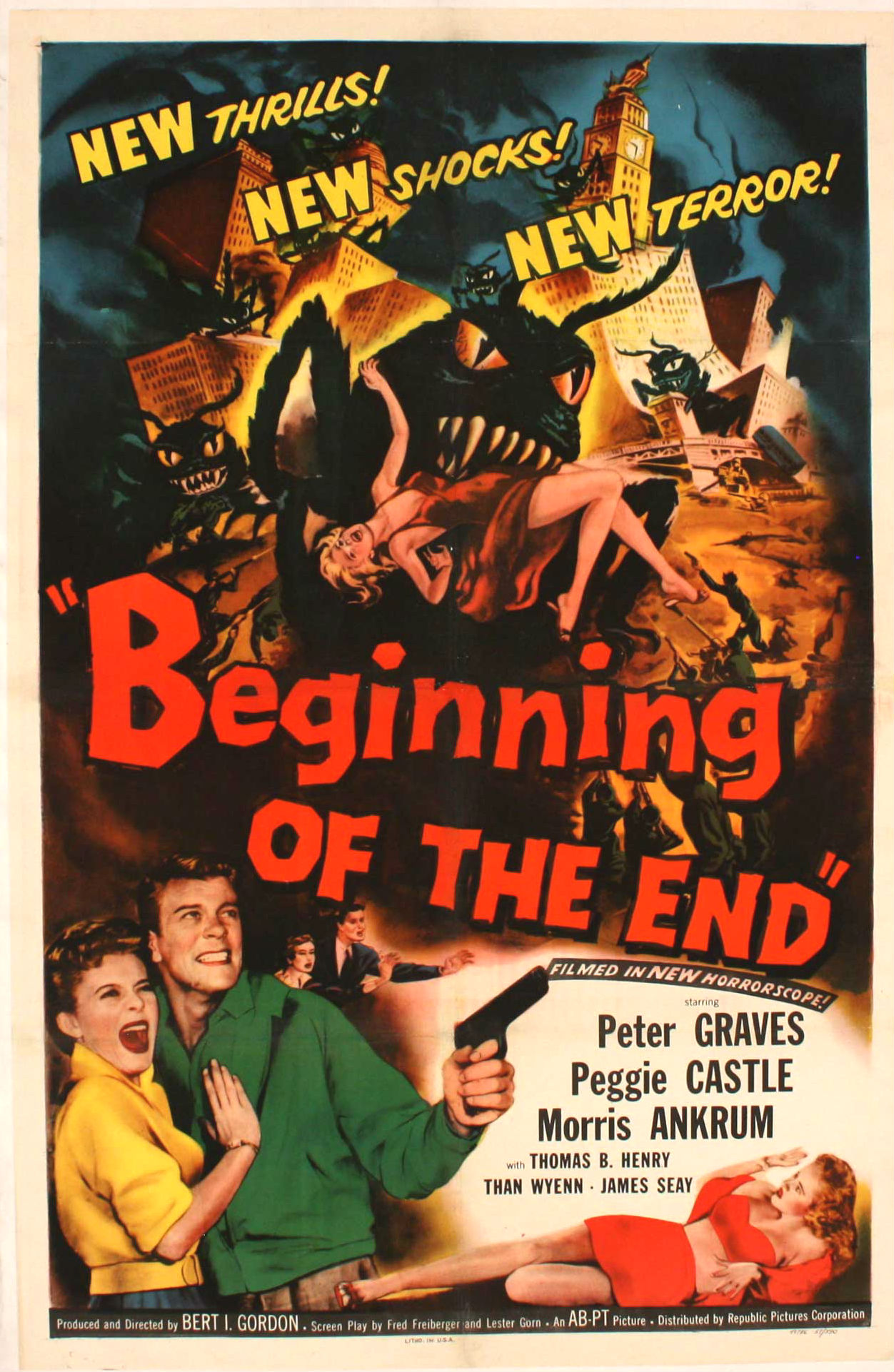
Giant grasshoppers invade Chicago – what’s not to like? A sterling example of the 1950s atomically enlarged insect film from Bert I. Gordon who found his calling make cheap giant animals/people films during this era.
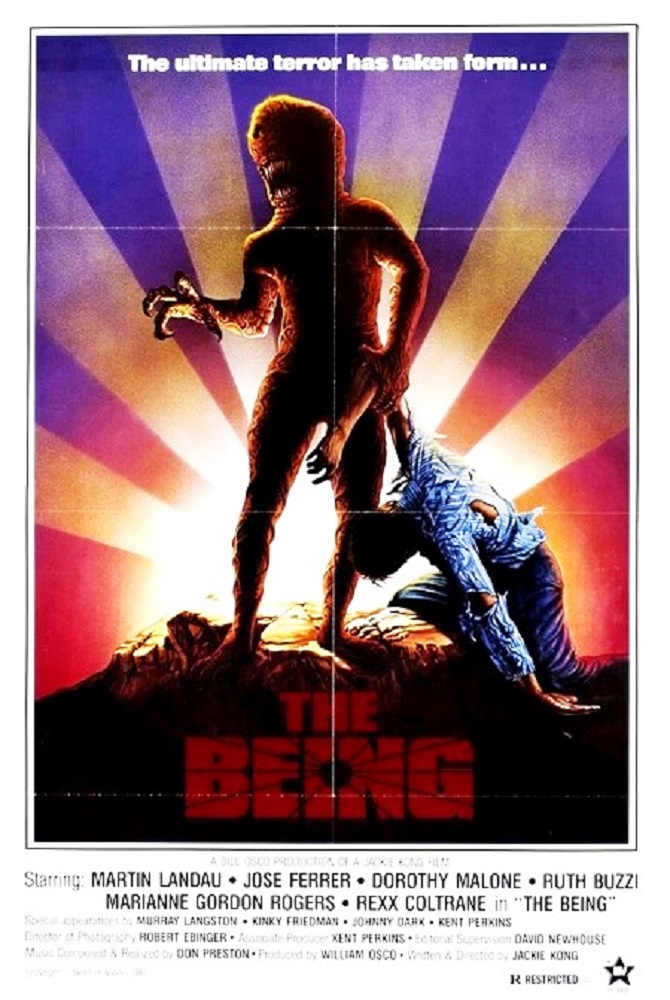
The first film from Jackie Kong, who made the hilarious Blood Diner, concerning a cheesily ridiculous atomic mutant monster loose in a small town
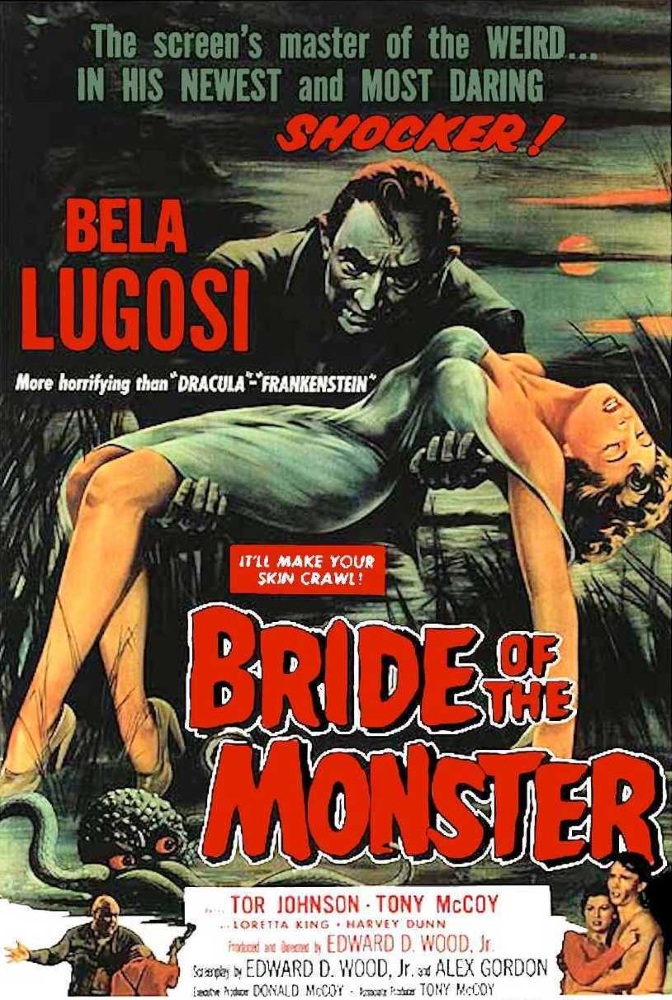
Edward D. Wood Jr film with Bela Lugosi creating a race of atomic supermen in the swamps. One of Wood’s more competent films that is an enjoyable variant on mad scientist film that Lugosi spent the 1940s making

The first of the Blood Island films, a classic of Filipino exploitation cinema. Although not as polished as later efforts, this serves up all the requisite cheesy monsters, mad scientists and gratuitous toplessness you expect
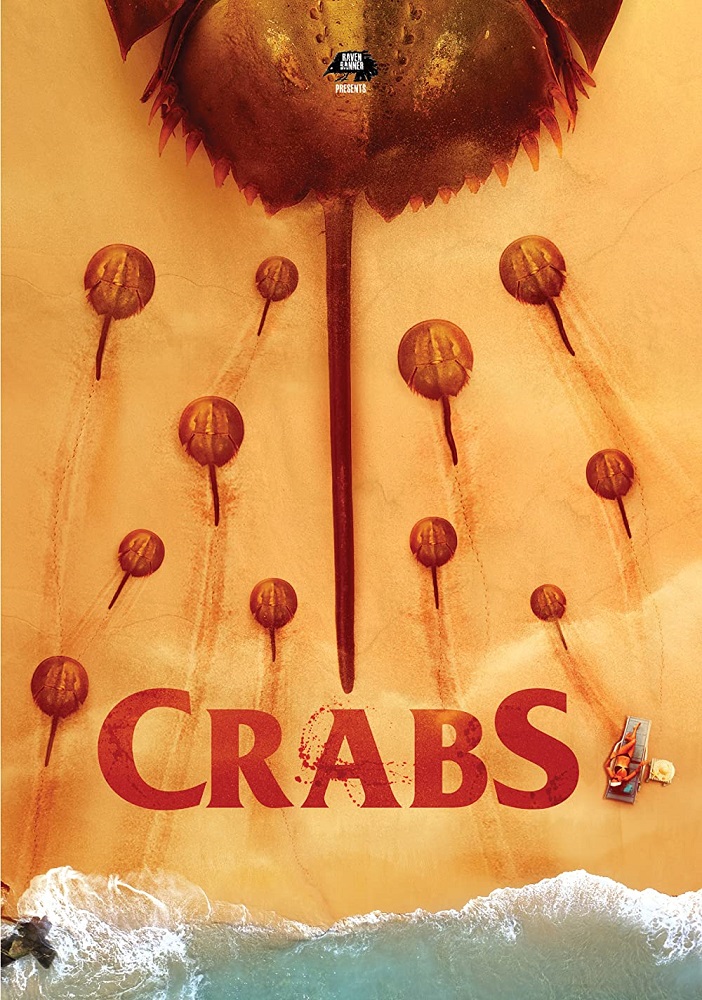
An amusingly tongue-in-cheek horror comedy that is a throwback to the1950s featuring an attack by giant crabs. With some surprisingly good crab effects too.
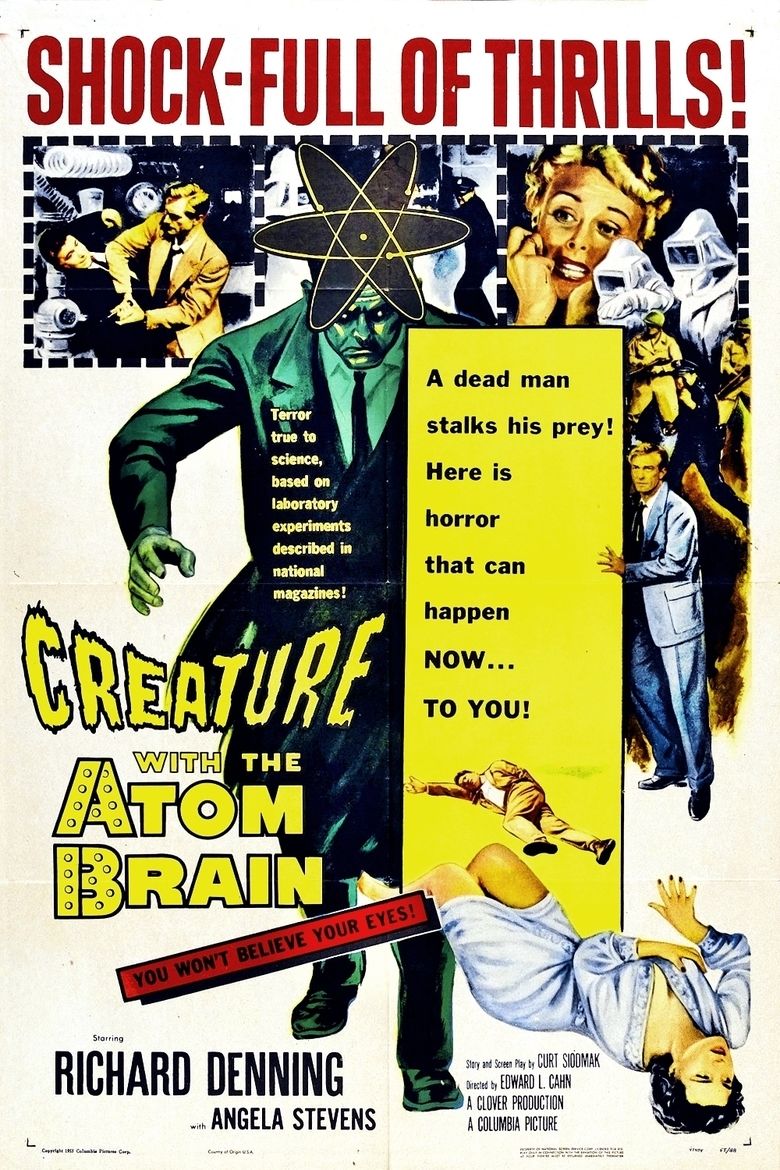
Atomic became the explain-all buzzword for almost every monster movie of the 1950s.This is the novelty of the one and only atomic zombie film, although at heart is no more than a 1940s mad scientist film
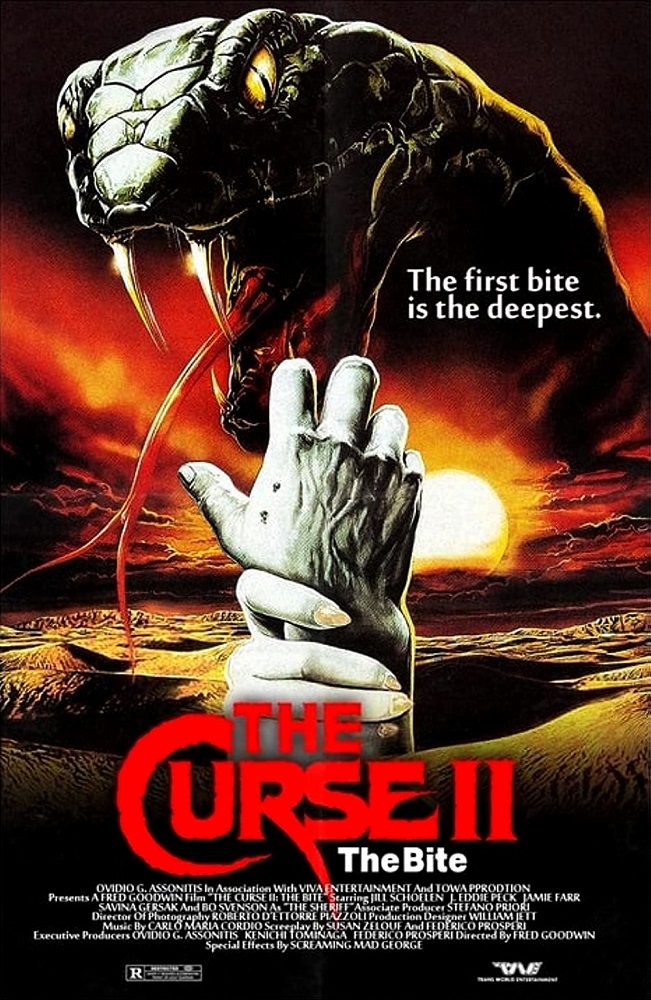
A sequel entirely unrelated to The Curse only worth seeing for a series of entertaining entertainingly ridiculous effects where a man’s arm transforms into a mutant snake
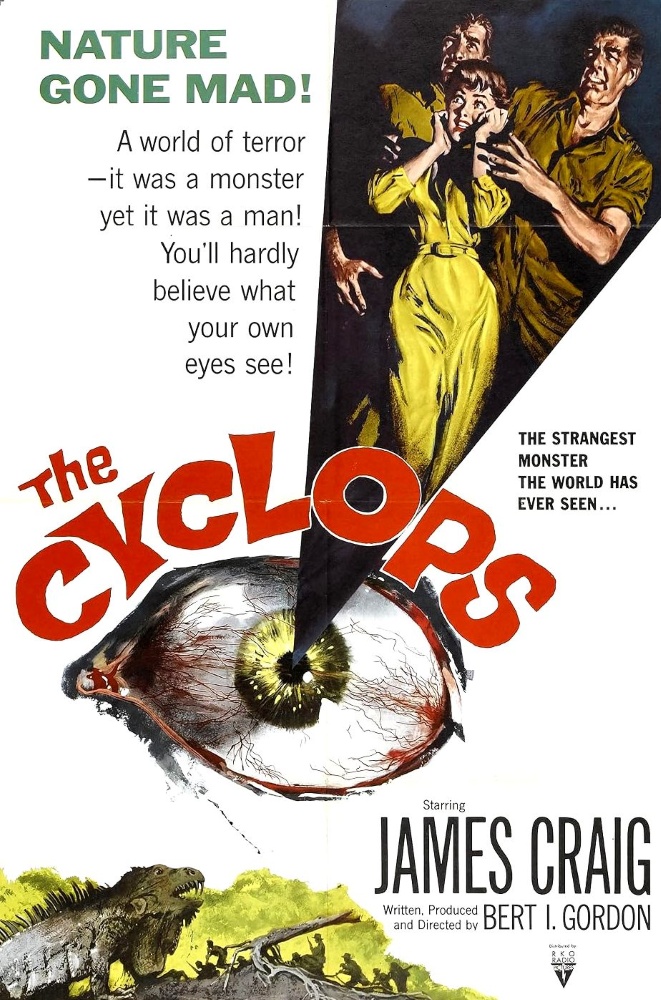
This has the clever idea of updating the Cyclops from The Odyssey to the era of the atomic monster movie. Director Bert I. Gordon is otherwise back at his usual tricks of serving up optically enlarged insects and animals

In the 1950s Bert I. Gordon specialised in cheap giant insect films. Here he takes H.G. Wells’ name in vain and jumps aboard the 1970s Animals Amok cycle but still makes another shoddy film about giant ants
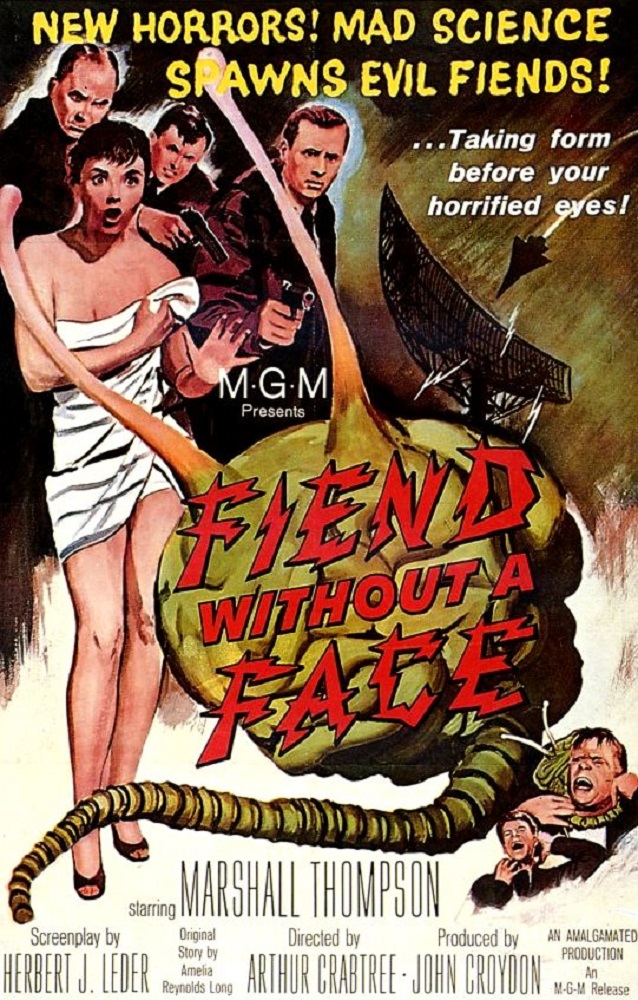
Classic SF film where Marshall Thompson faces an invasion of hopping brains – pure thought monsters that have been unleashed by an atomic scientist dabbling in telekinesis
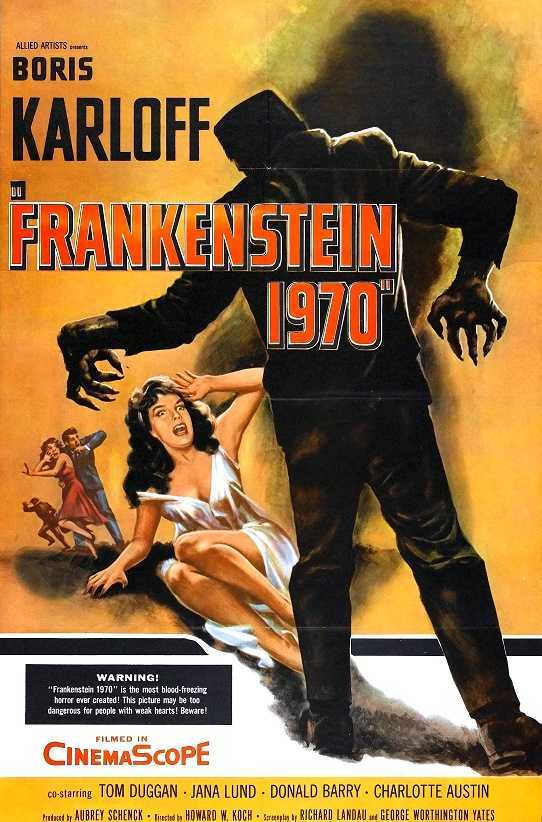
Boris Karloff became an icon of horror after appearing as the monster in the 1931 Frankenstein. This was the only time he played Baron Frankenstein, appearing as his modern descendant using an atomic reactor to bring his creation to life
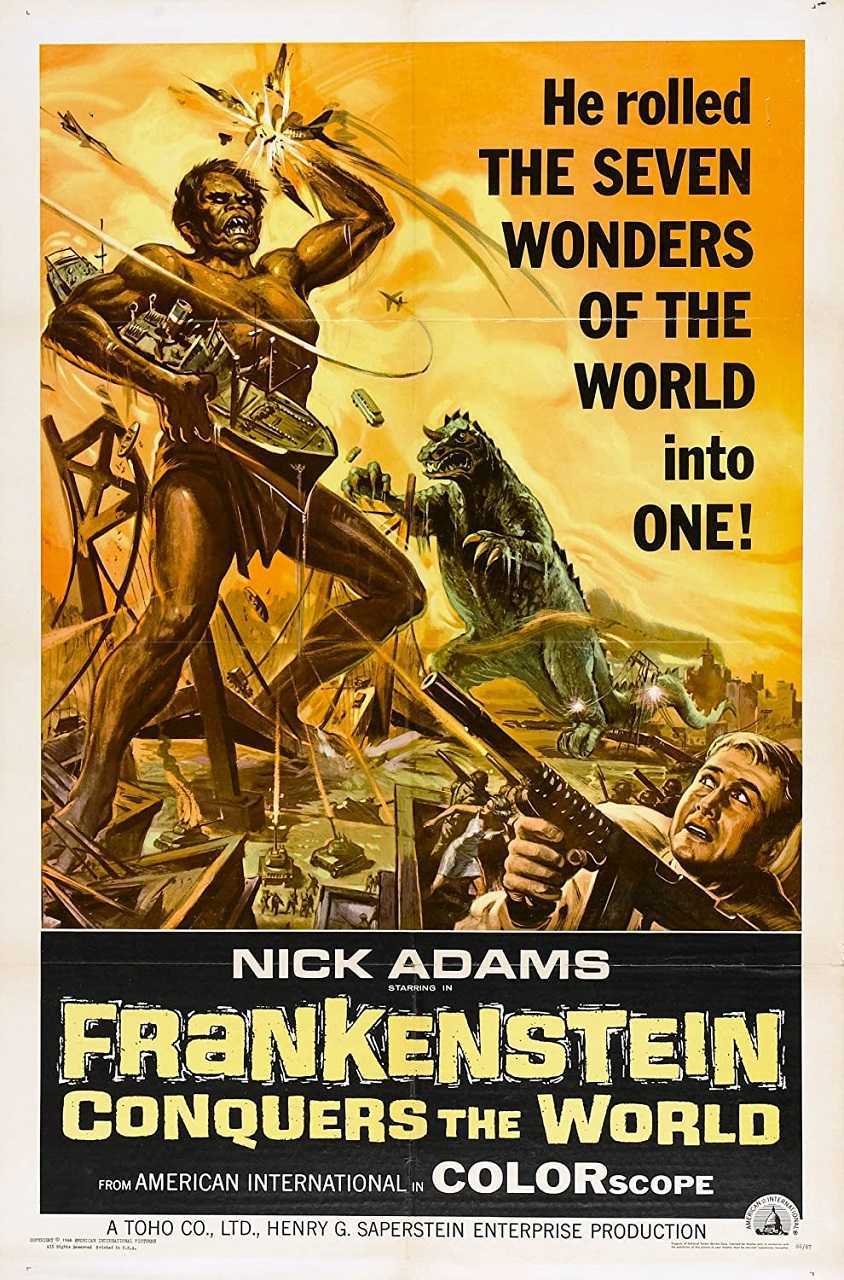
One of the strangest of Japanese monster movies in which the heart of the Frankenstein monster is caught in the Hiroshima atomic blast and grows into a giant boy
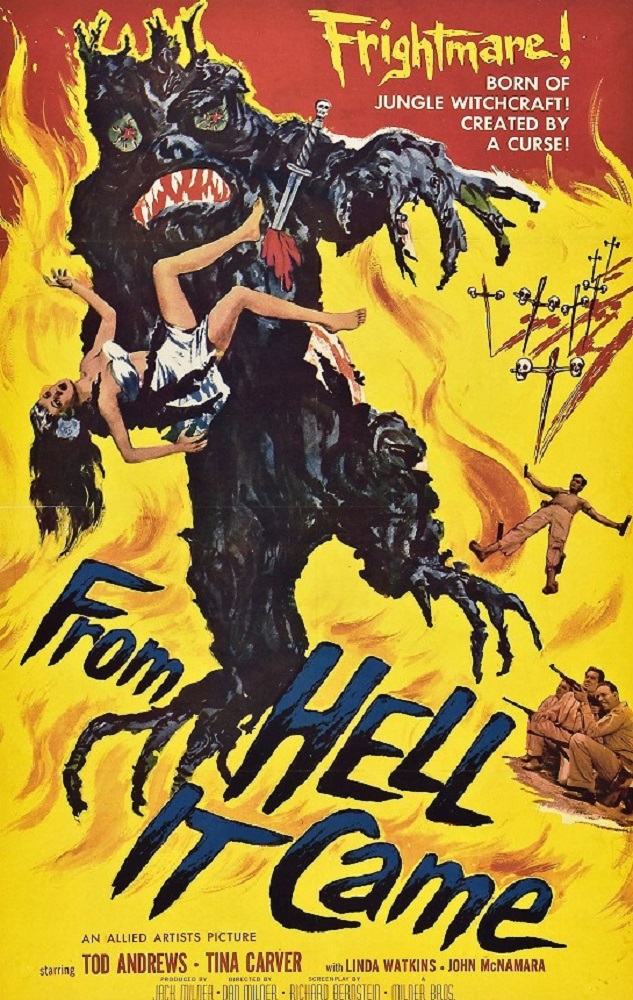
A bad movie classic. Plenty of hysterically funny dialogue and one of the most ridiculous looking movie monsters of all time – a possessed tree (where the film also manages to wind in the 1950s obsession with atomic monsters)
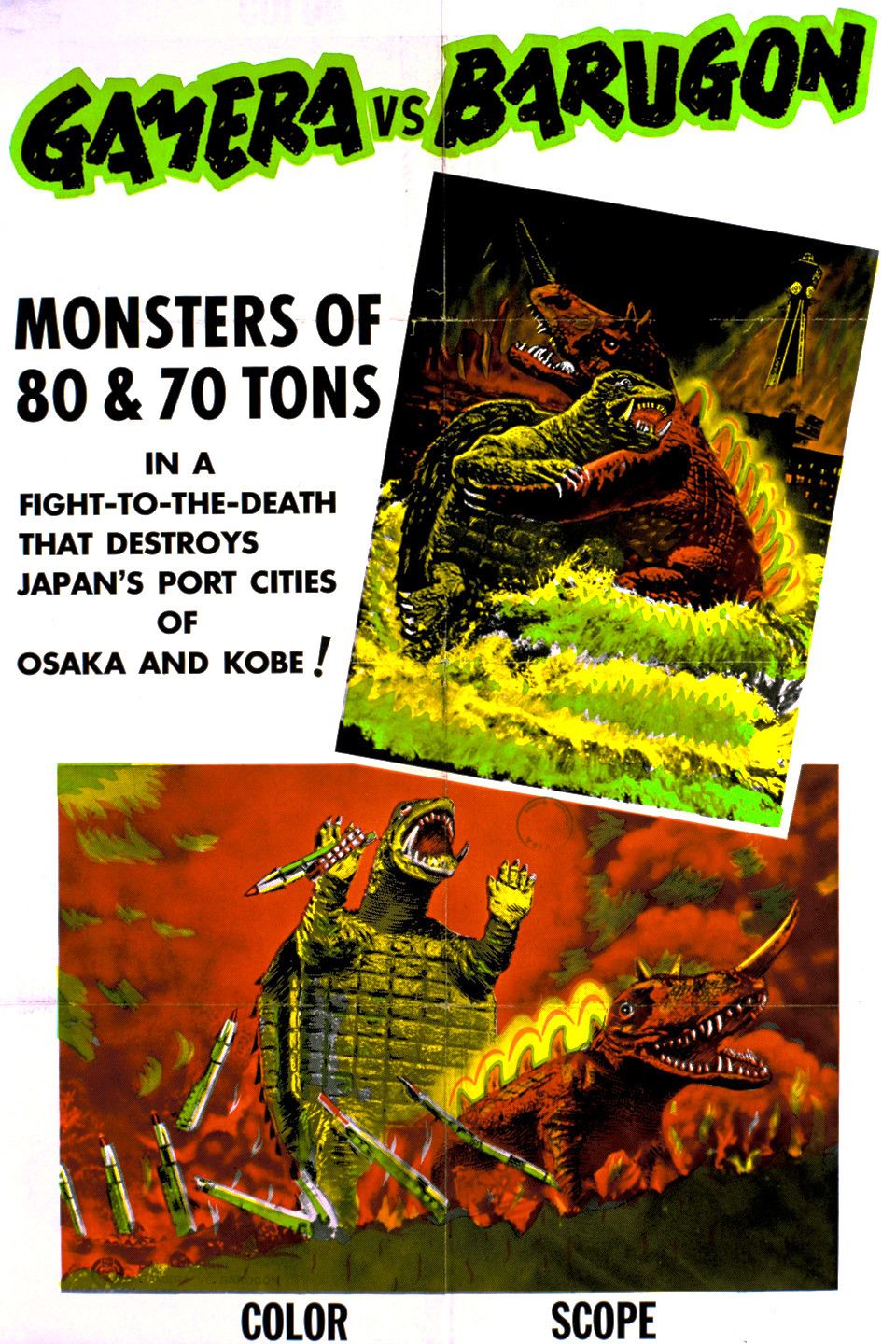
The 1960s Gamera films were always a copy of the Godzilla films, aimed at a more juvenile level and with crappier effects. This was the second of them, somewhat better produced than the others and taking proceedings seriously

This was made as a copy of the Godzilla films by rival studio Daiei. This proved sufficiently successful that it too spawned a long-running series of sequels and monster bashes

The fifth Godzilla film, the point where Godzilla becomes a good guy joining Mothra and Rodan to battle Ghidrah. The best Godzilla film from this period with the effects team operating at the peak of their game
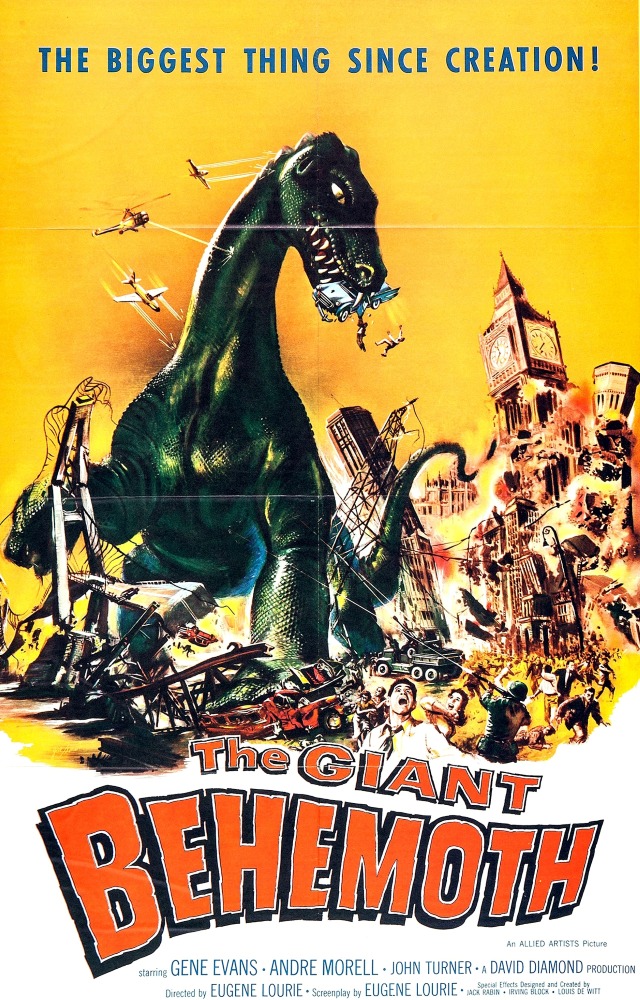
The director of The Beast from 20,000 Fathoms essentially rehashes the same film here with another atomically revived dinosaur this time attacking London instead of New York
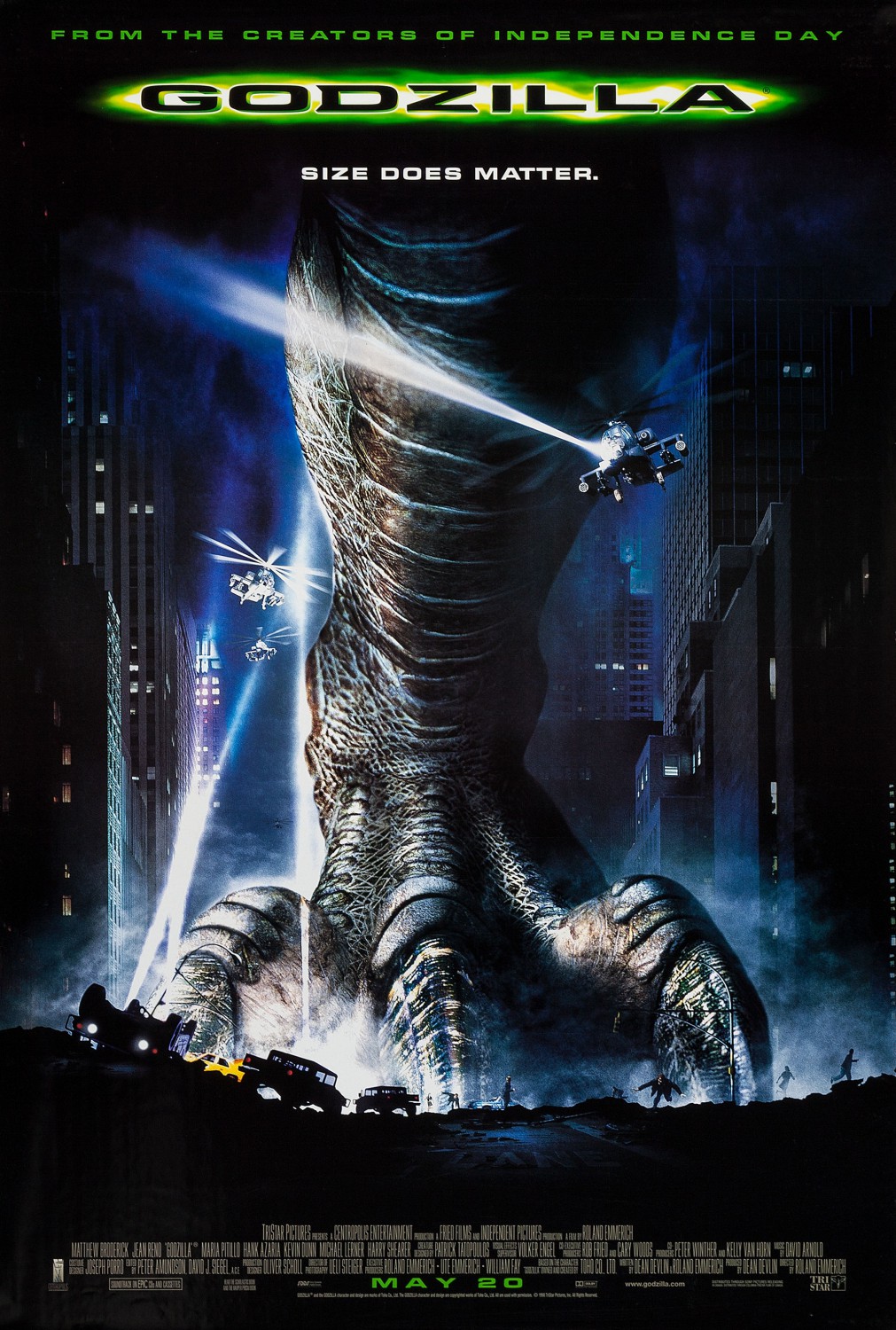
Much disliked English-language version of Godzilla from Roland Emmerich is a more watchable film than one might think. Emmerich does well when the film allows him to do what he does best – being a big, budget, massively scaled epic of mass destruction
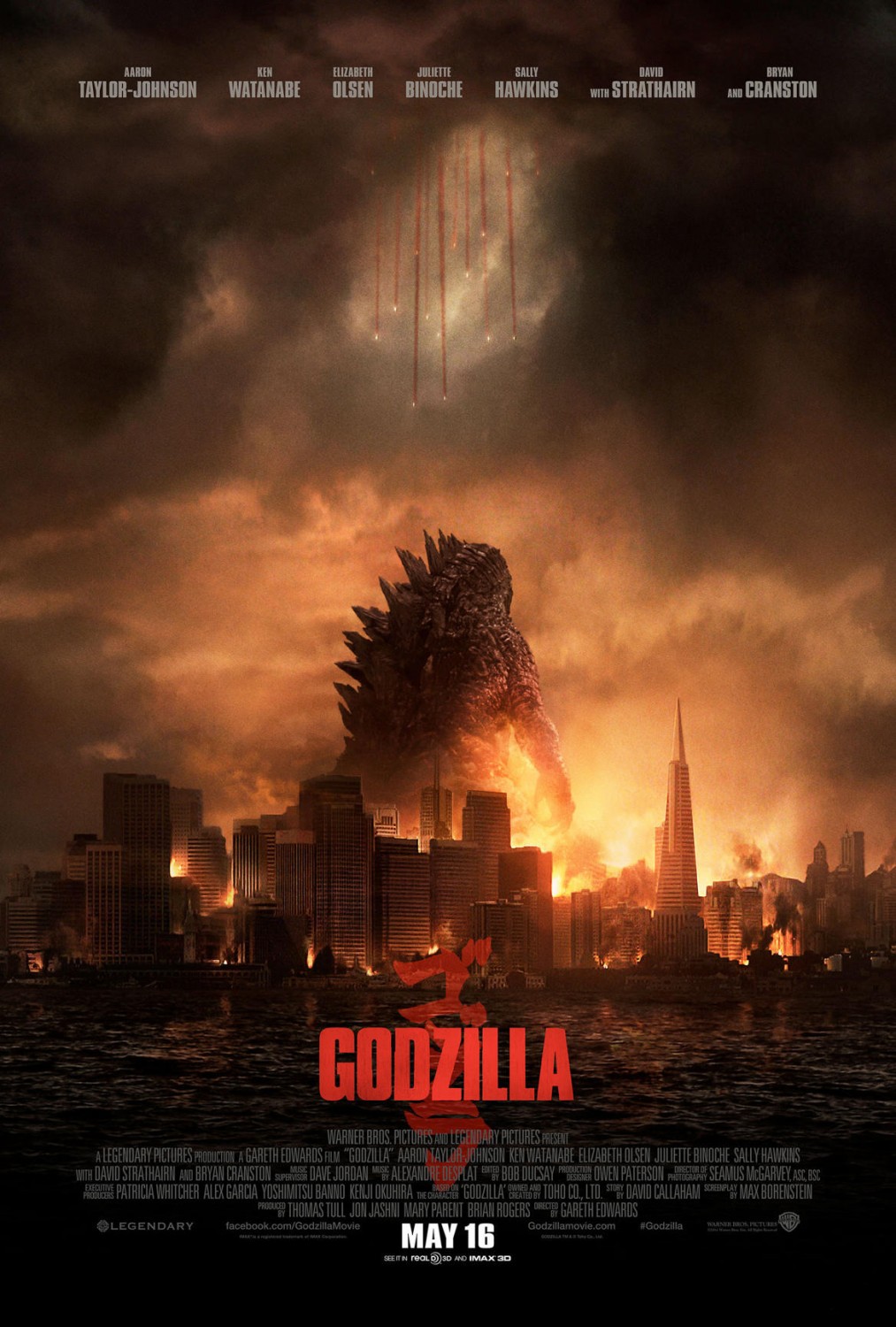
A slightly different beast to its Japanese counterparts and an impressive revival of the series. Gareth Edwards, who made the excellent Monsters, delivers mass destruction on a mind-bogglingly vast scale in ways that approach painterly beauty
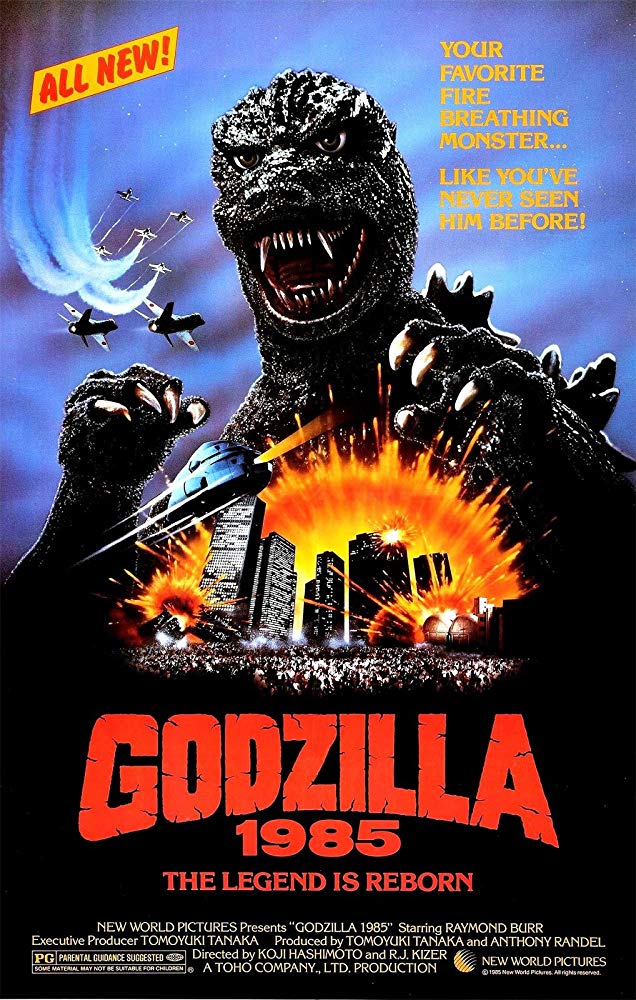
Reboot of the Godzilla series that forgets about all the sequels and acts as a direct follow-up to the original film. This uses top drawer effects technology of the era to create Godzilla as the fearsome creation he originally was
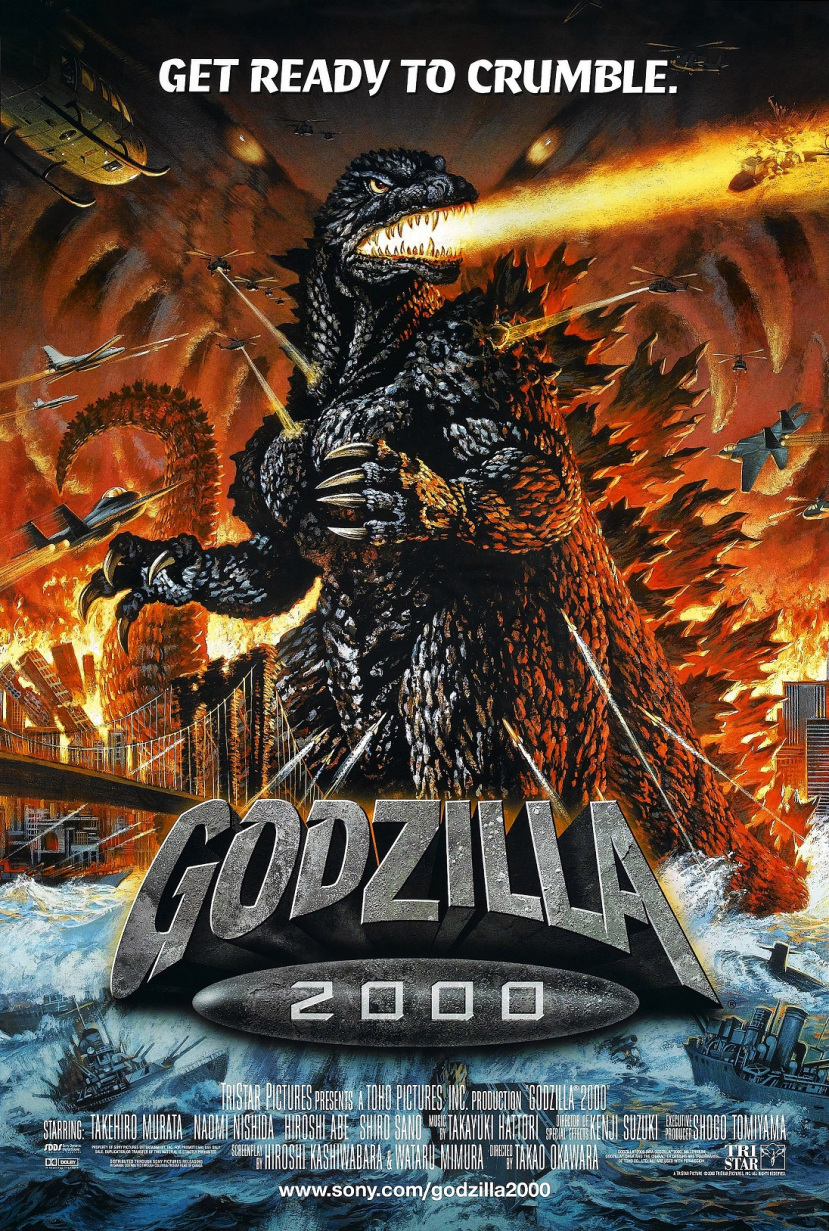
The 23rd Godzilla film where the effects were at such a peak for the genre that this became the first Godzilla film to be given a US theatrical release in fifteen years
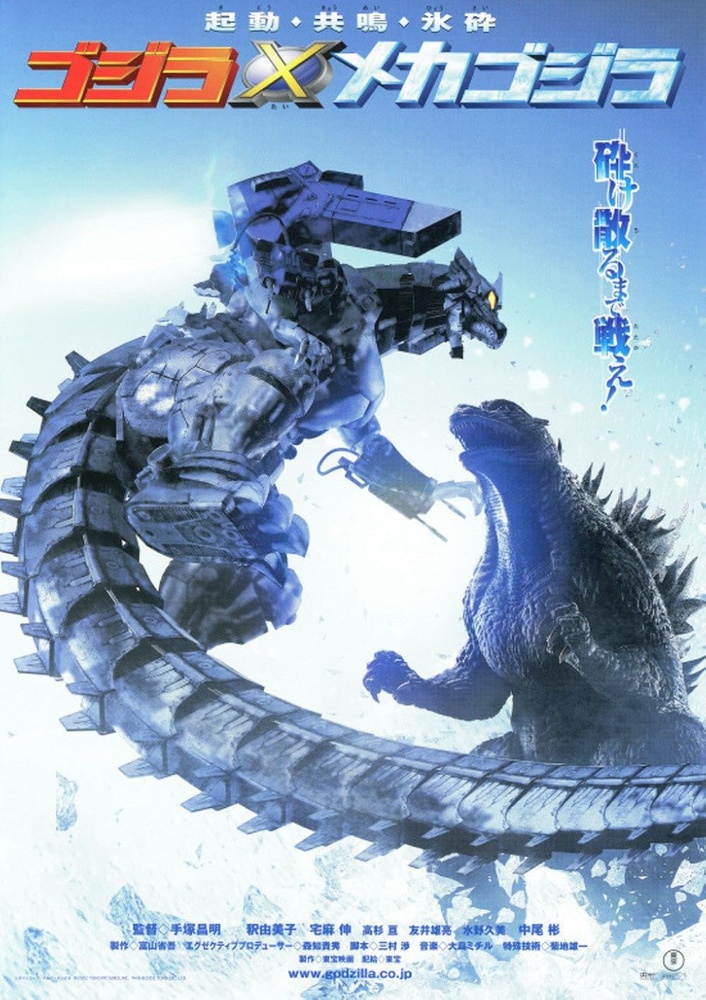
The 26th Japanese Godzilla film, the fourth pitting him against Mechagodzilla. After a slow first hour, the film delivers all the exhilarating mass destruction sequences we expect of it as the monsters go head to head
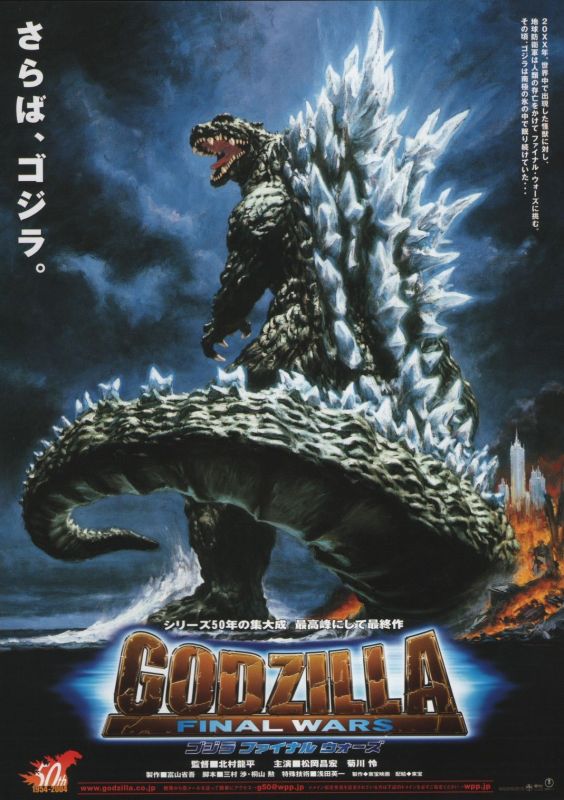
The 28th Godzilla film, made for the series fiftieth anniversary and bringing every monster ever created by Toho together for a massive battle. The results are immensely satisfying
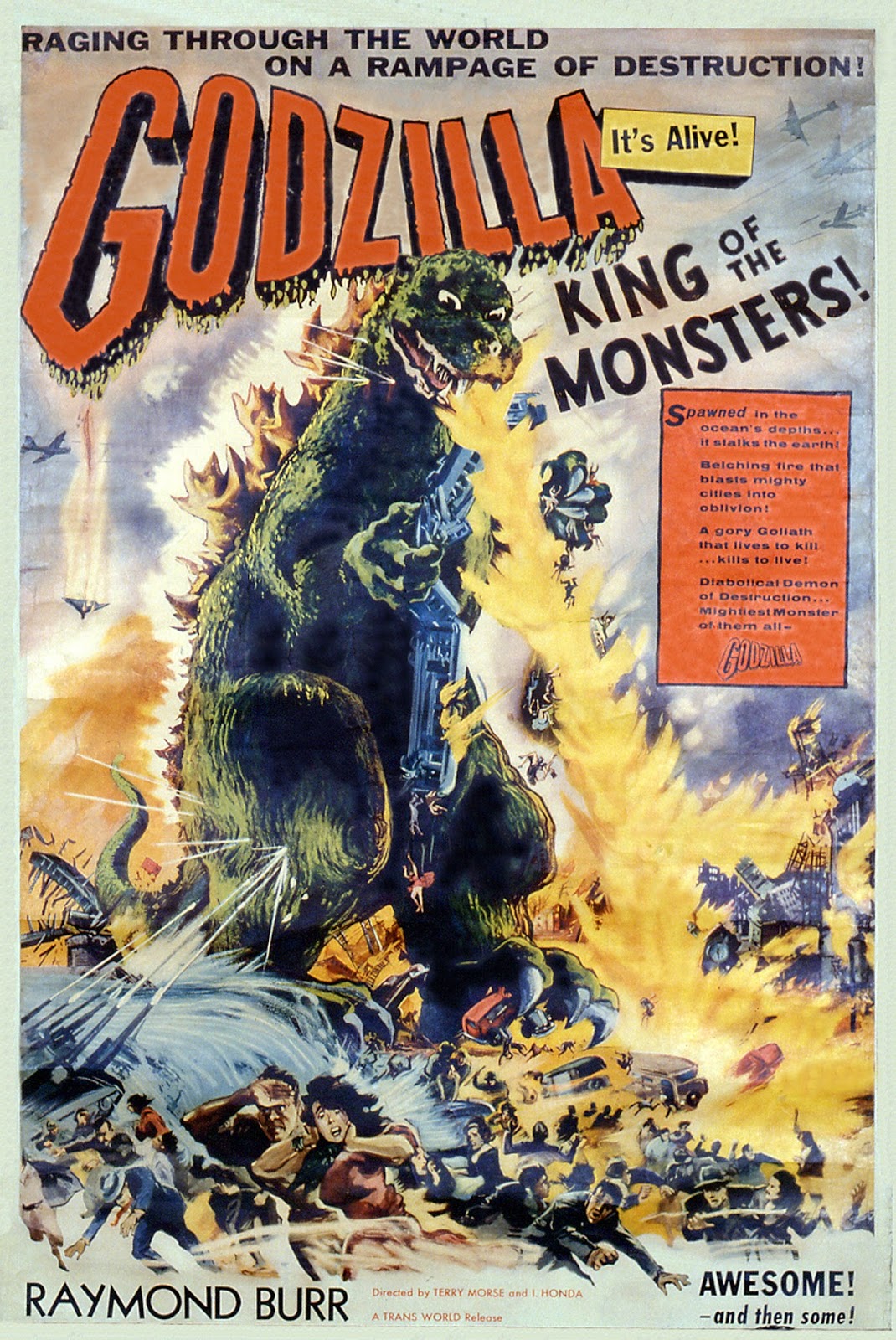
The very first Godzilla film. Essentially a copy of The Beast from 20,000 Fathoms, it has incredibly stark effect despite the primitiveness of the effects. In it you can see Japanese nation struggling to expiate the pain of the Atomic Bomb.
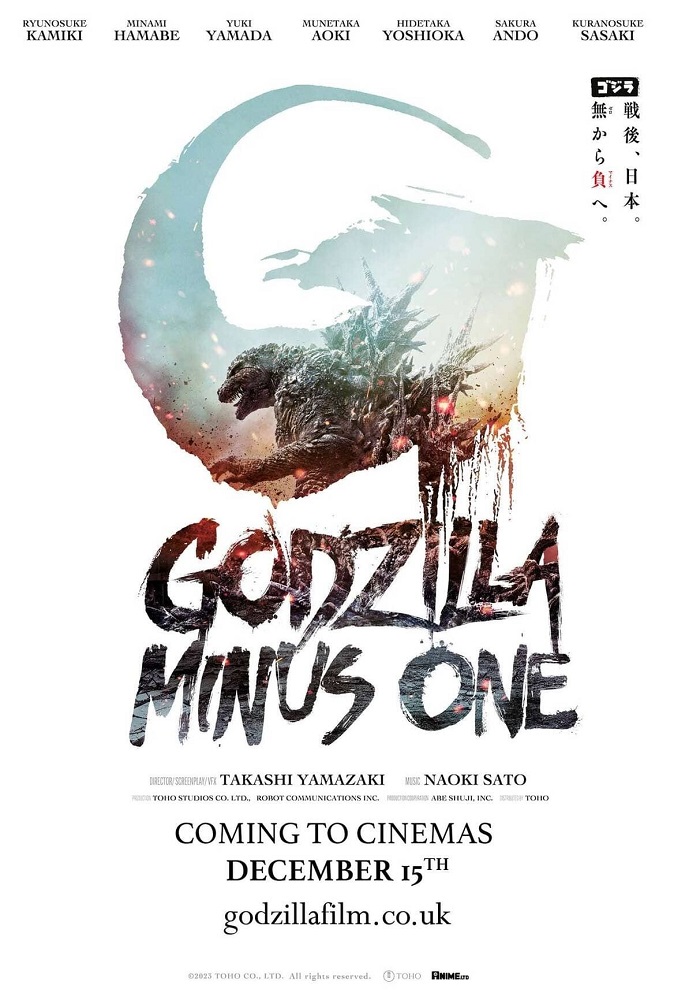
The 33rd Japanese Godzilla film and the one to receive the greatest acclaim of any in the series so far, including the Academy Award for Best Visual Effects. This takes the series back to the beginnings

The 25th Godzilla film which employs director Shusuke Kaneko who had done amazing things reviving the Gamera franchise. Kaneko doesn’t quite deliver the epic expected of him but does produce an amazing effects spectacle
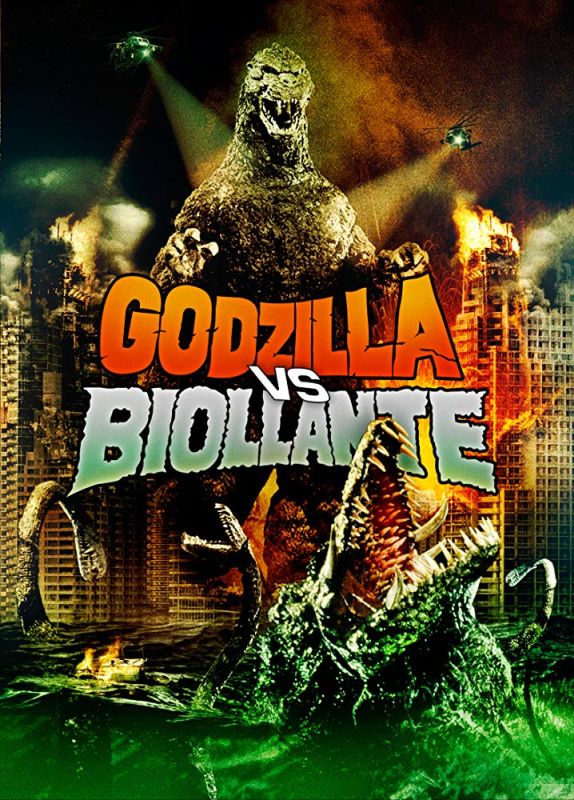
The 17th Godzilla film and the second of the modern era where Toho started to employ top drawer effects. Toho created a new nemesis, the plant monster Biollante, although this was not popular with the public
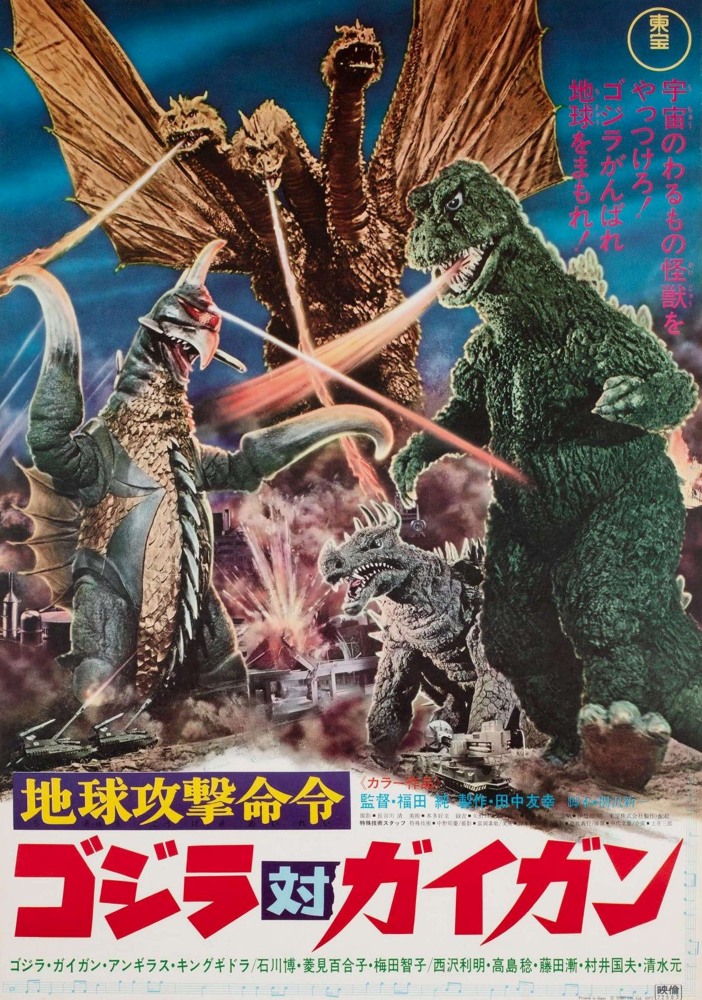
The twelfth Godzilla film. Under director Jun Fukuda, a juvenile inanity had by now come to dominate the series by this point. The special effects, often recycled from previous films, are very cheesy
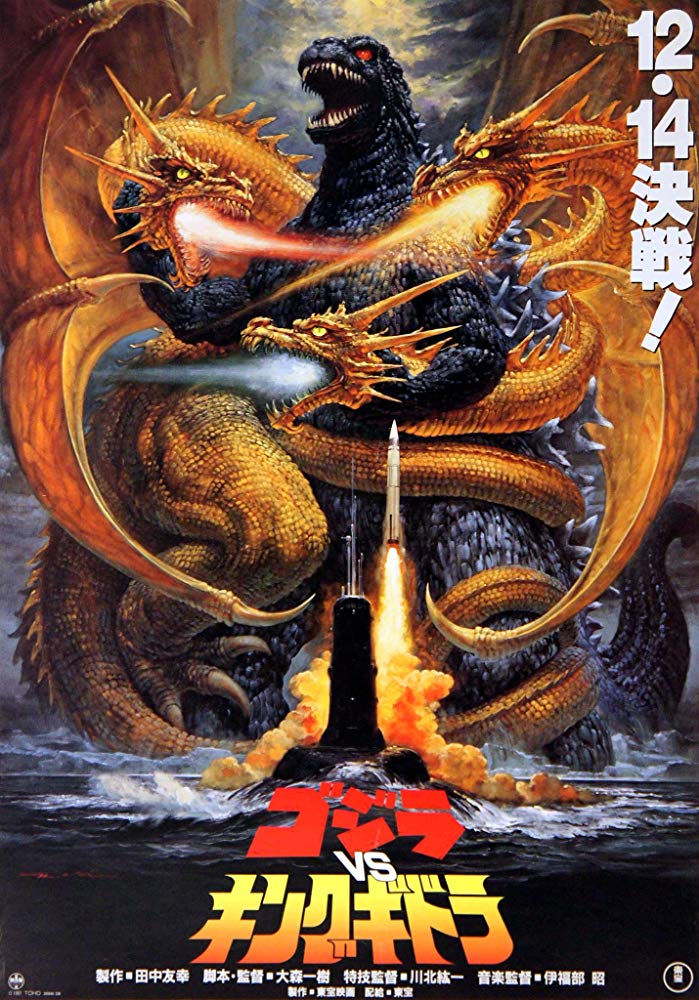
The eighteenth Godzilla film and one of the best of the modern era. This has the most conceptually audacious plot of any Godzilla film and overflows with wild ideas involving time travel and changing the timeline
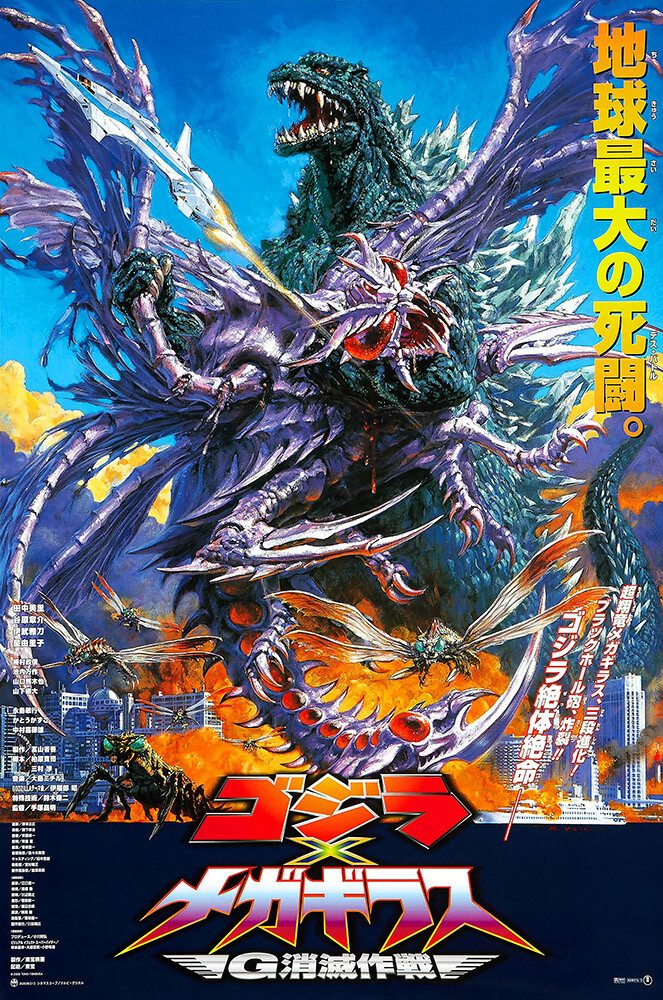
The 24th Godzilla film where Godzilla faces a giant prehistoric dragonfly. While the modern Godzilla films have readily adopted CGI and animatronics, the effects here are much more variable
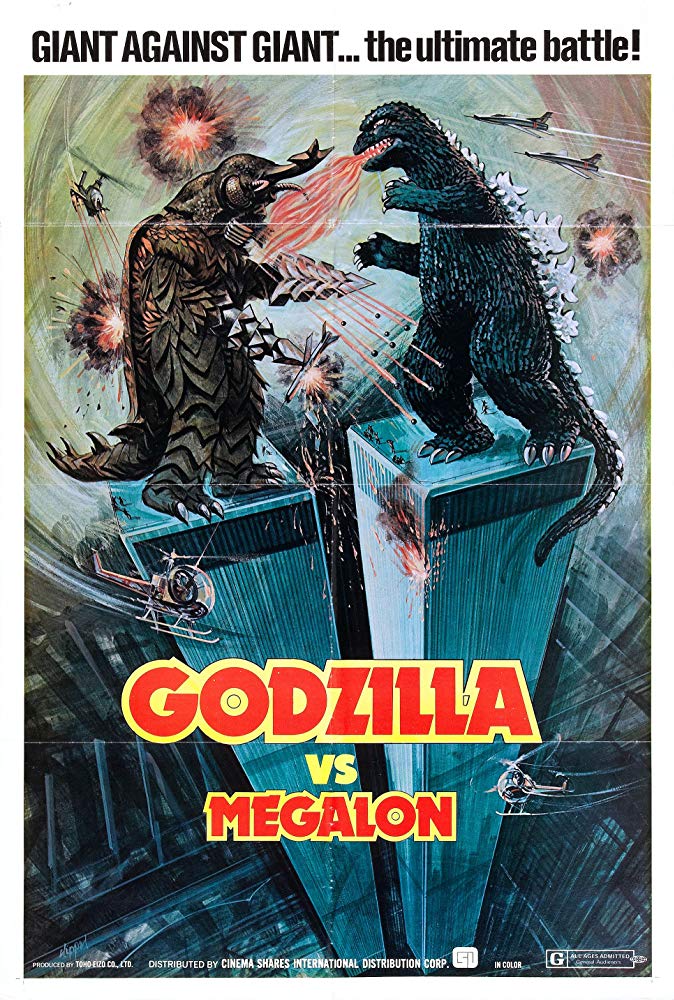
The thirteenth Godzilla film and a point that the series was no longer taking itself seriously. On the other hand, this is something that actually works in the films favour to create a sublime silliness
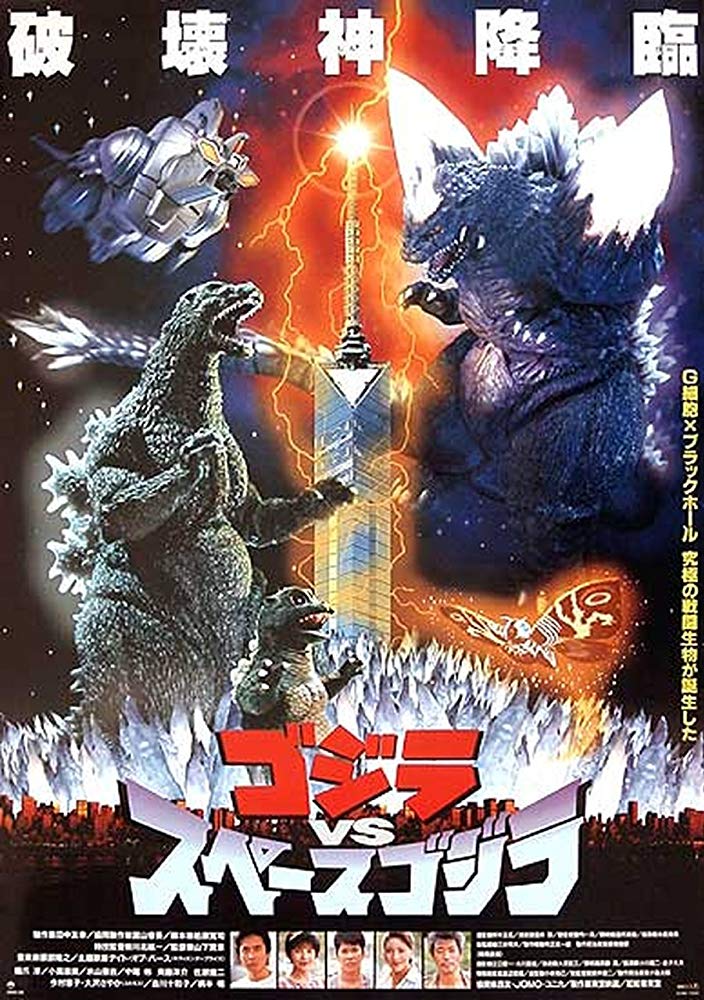
Space Godzilla is one the strangest nemeses to turn up in these kaiju films – a blue counterpart of the Big G with a giant glowing mass of crystal on its shoulders. One of the more routine entries in the modern Godzilla series
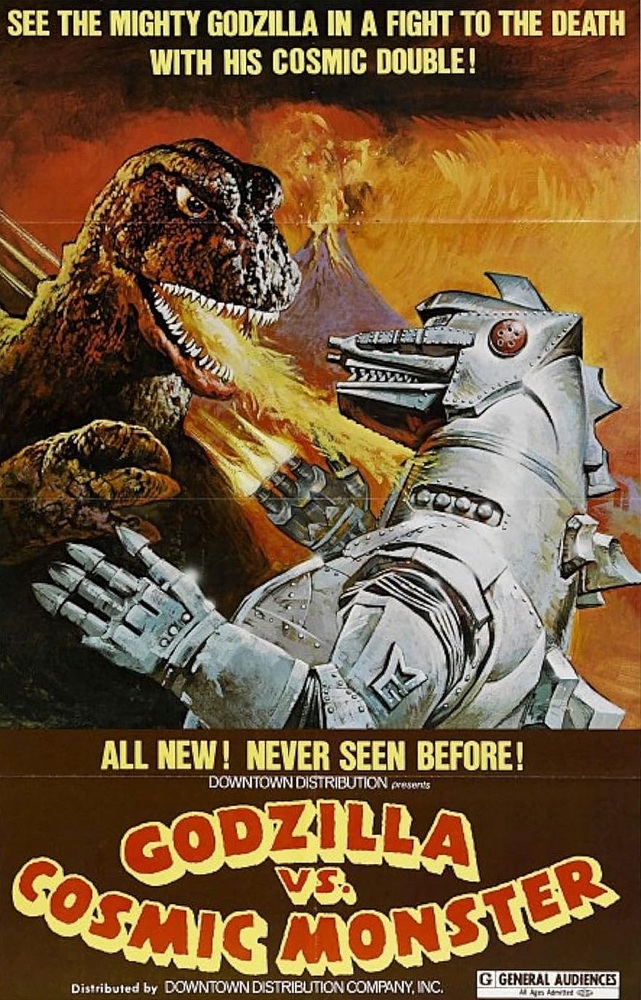
The fourteenth Godzilla film, noted for the introduction of Mecha-Godzilla, a robot copy of Godzilla that became a recurring nemesis. By this point in the series, the effects and quality of production had become very shabby
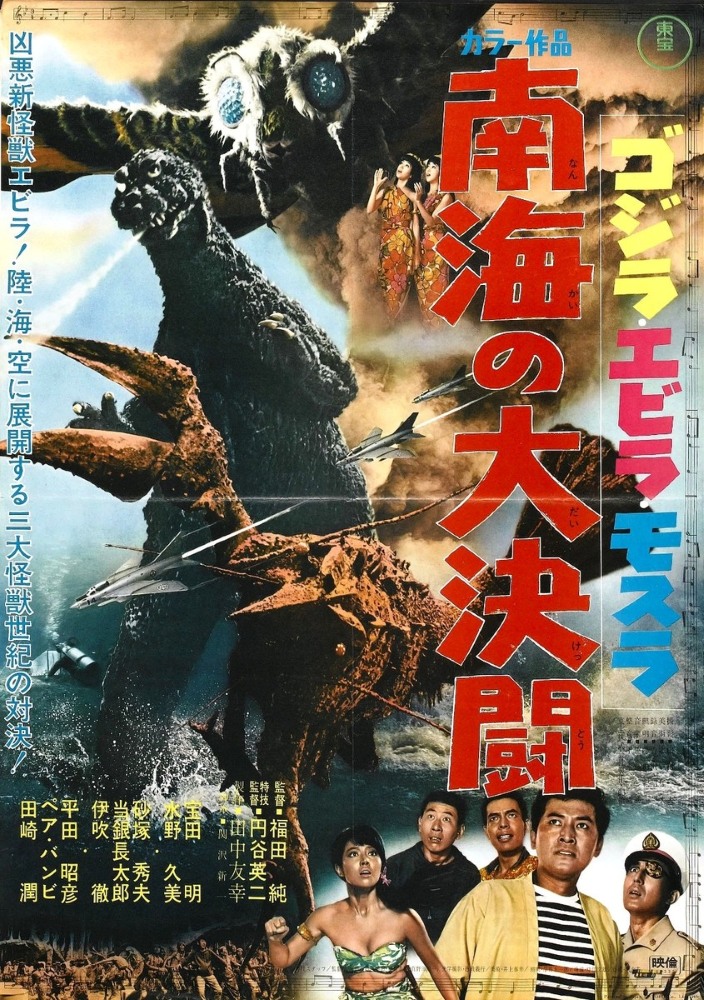
The sixth Godzilla film and the point where the series started to become silly and juvenile in its focus. A weak entry featuring some of the shabbiest effects of this era.

The eleventh Godzilla in which Godzilla faces the pollution monster Hedorah. For some reason, this gets a listing in The Fifty Worst Movies of All Time, but there are far worse entries in the series
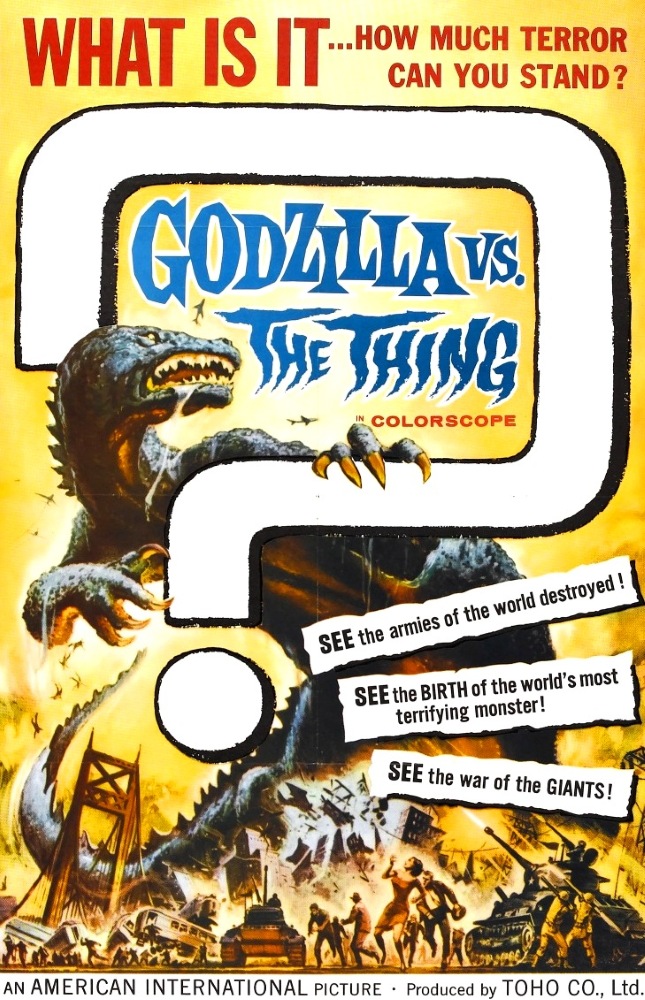
The fourth Godzilla film, the first in which Godzilla battled another Toho monster, namely Mothra. Colourfully enjoyable and taking itself more seriously than many of the entries that would follow
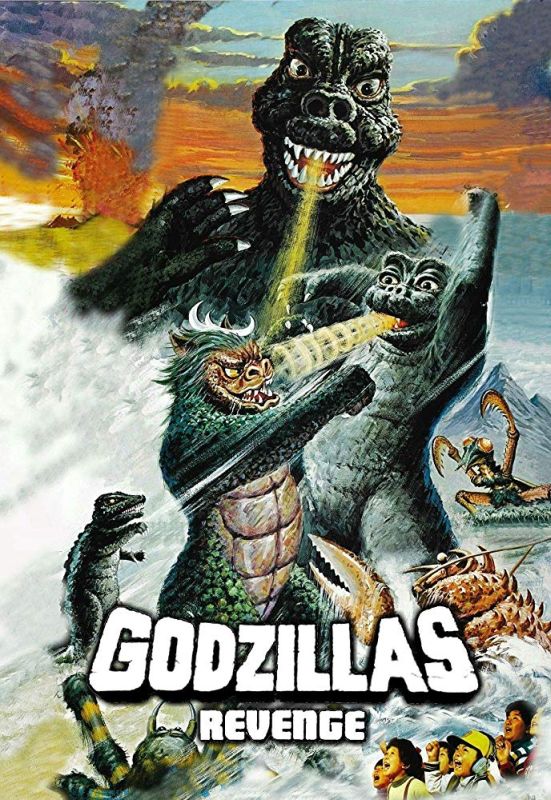
The tenth Godzilla film and a low point of the series with the focus now going on the slapstick pratfalls of Godzilla’s son. Many special effects scenes are recycled from previous entries.
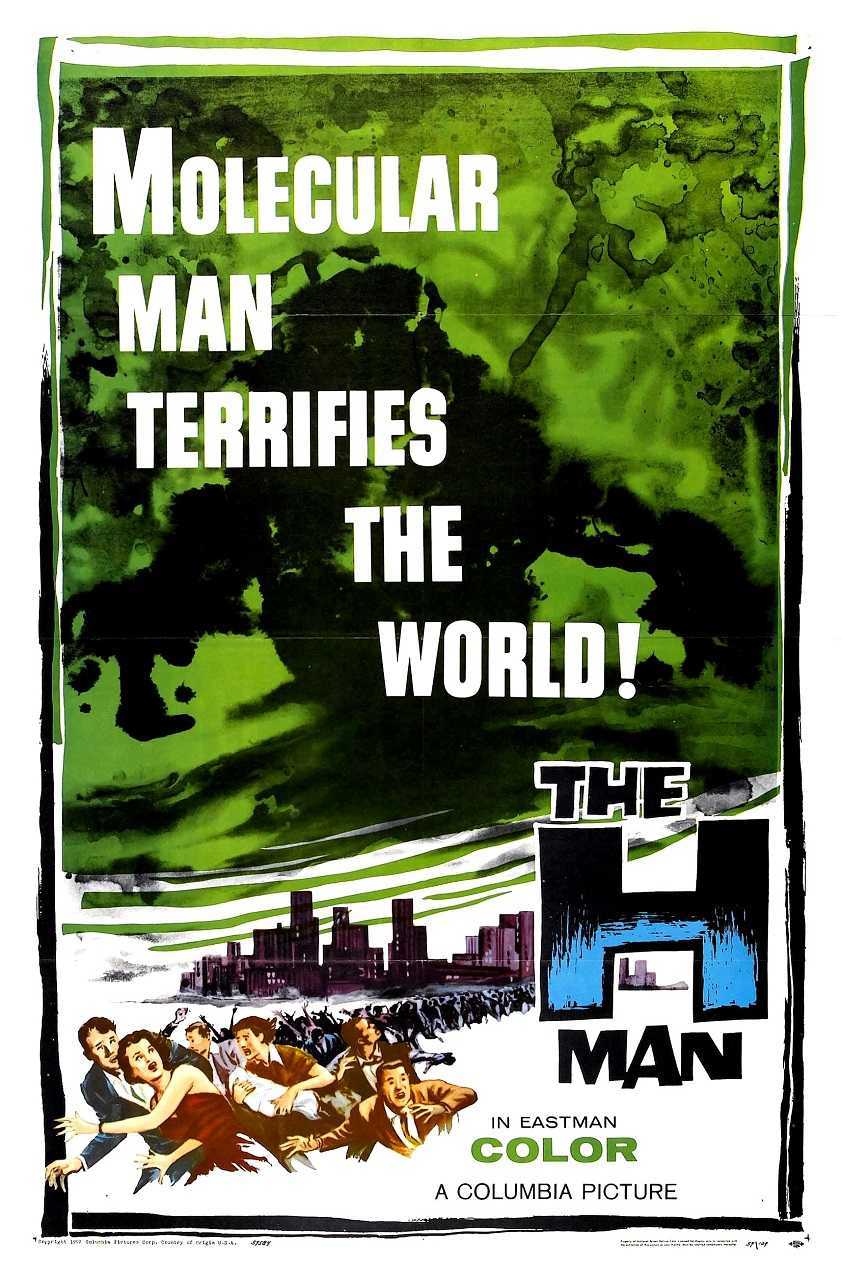
Monster movie from Godzilla creator Ishiro Honda featuring a glowing blob that dissolves humans. Mostly a routine policier that is spiced up every so often by novelty effects of people melting

A Z movie classic that combines some of the most absurd looking mutant monsters ever created with the era’s fad for beach party movies, including appearances from a wannabe Beach Boys band
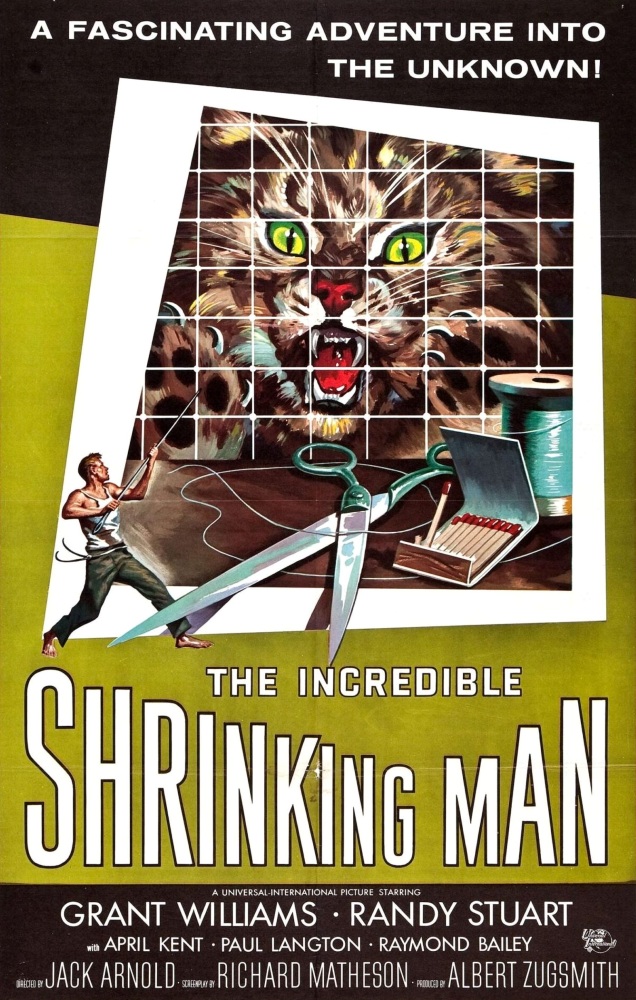
One of the greatest of all 1950s SF films in which average man Grant Williams begins to shrink in size. A film that is as much an effects tour-de-force as it is an existential allegory about a man in an alien universe

An early film from cult stop-motion animator Ray Harryhausen. Here he seems to have been given orders to copy the basics of his earlier The Beast from 20,000 Fathoms and offers up the tale of a giant atomically-mutated octopus

A sequel to Killer Crocodile, which was a dreary Italian-made Jaws ripoff. Here another radioactive waste mutated crocodile stalks people. Indifferently made.

An Italian exploitation ripoff of Jaws with a group of environmentalists in South America dealing with a killer crocodile that has been made giant size by radioactive waste
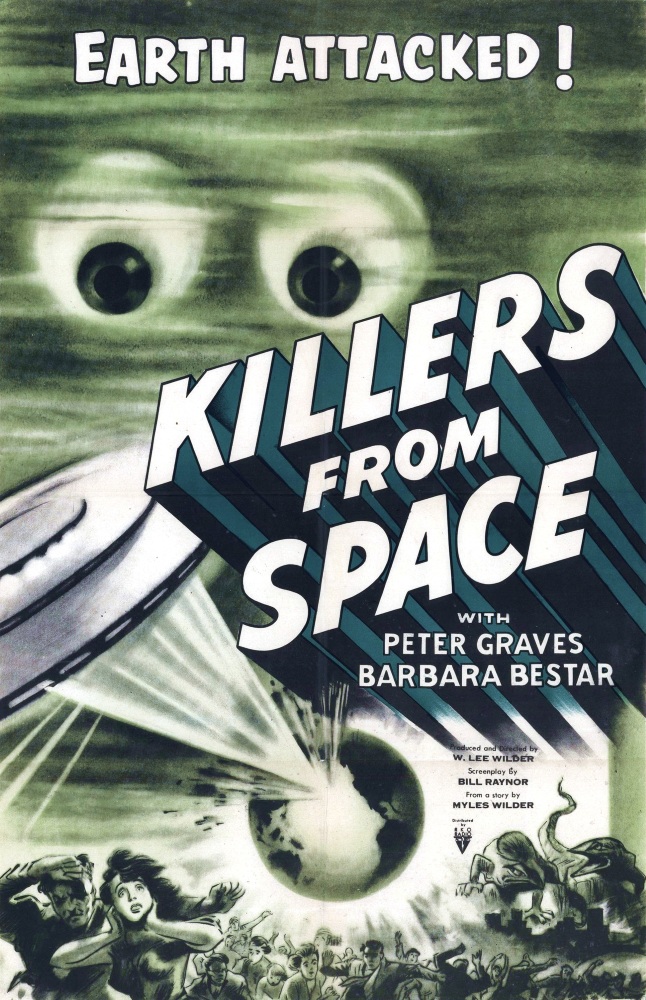
A cheesily bad alien invader film from the 1950s that seems to be trying to throw every element in SF of the era into the mix from mind controlling aliens to atomic monsters
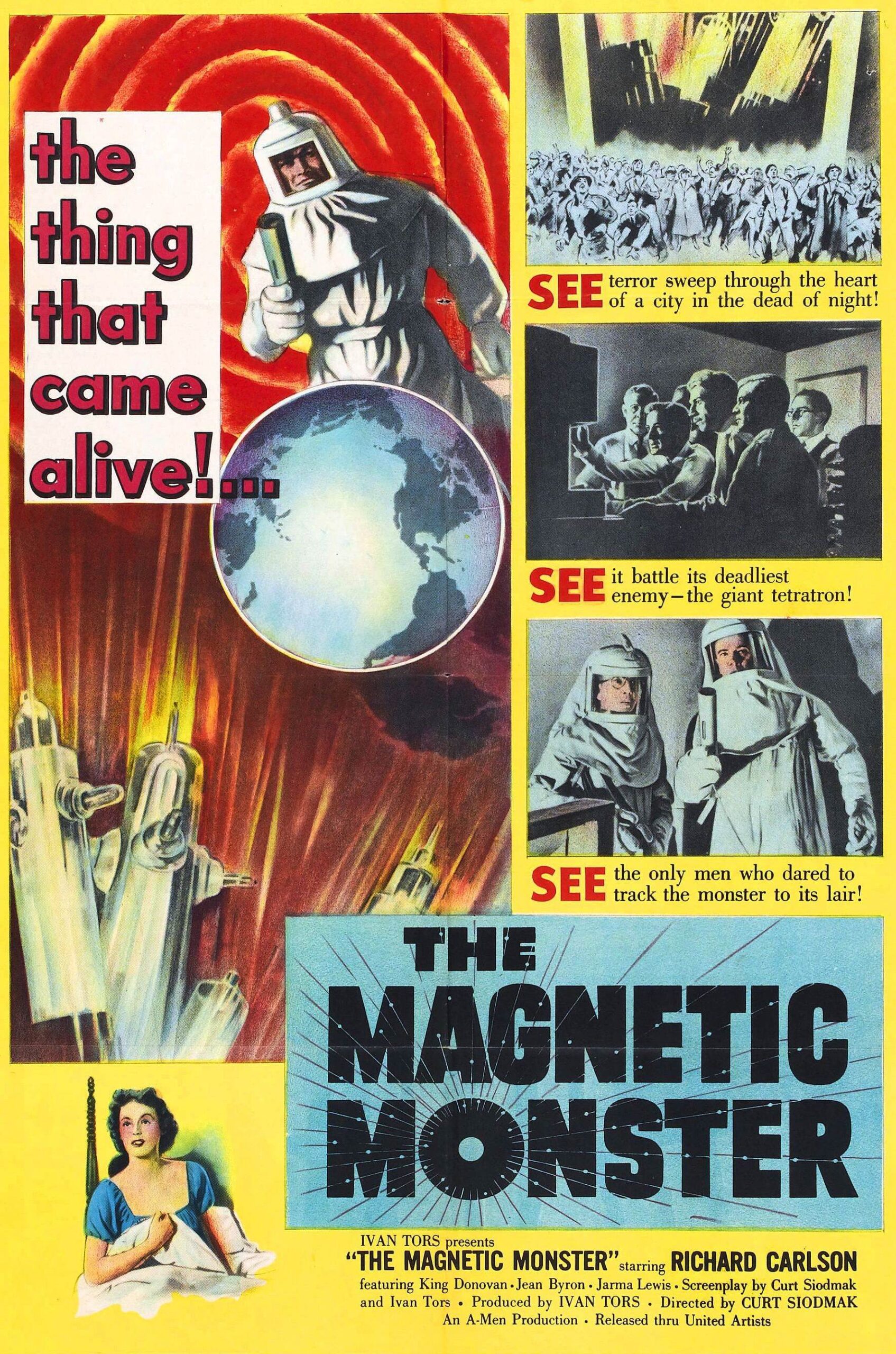
One of the most unique 1950s atomic monster movies – in which the monster is an amok radioactive isotope. Low-budget SF film that is pushed into the decidedly watchable by a driving documentary-like urgency and in being one of the few 1950s SF films reasonably grounded in scientific methodology
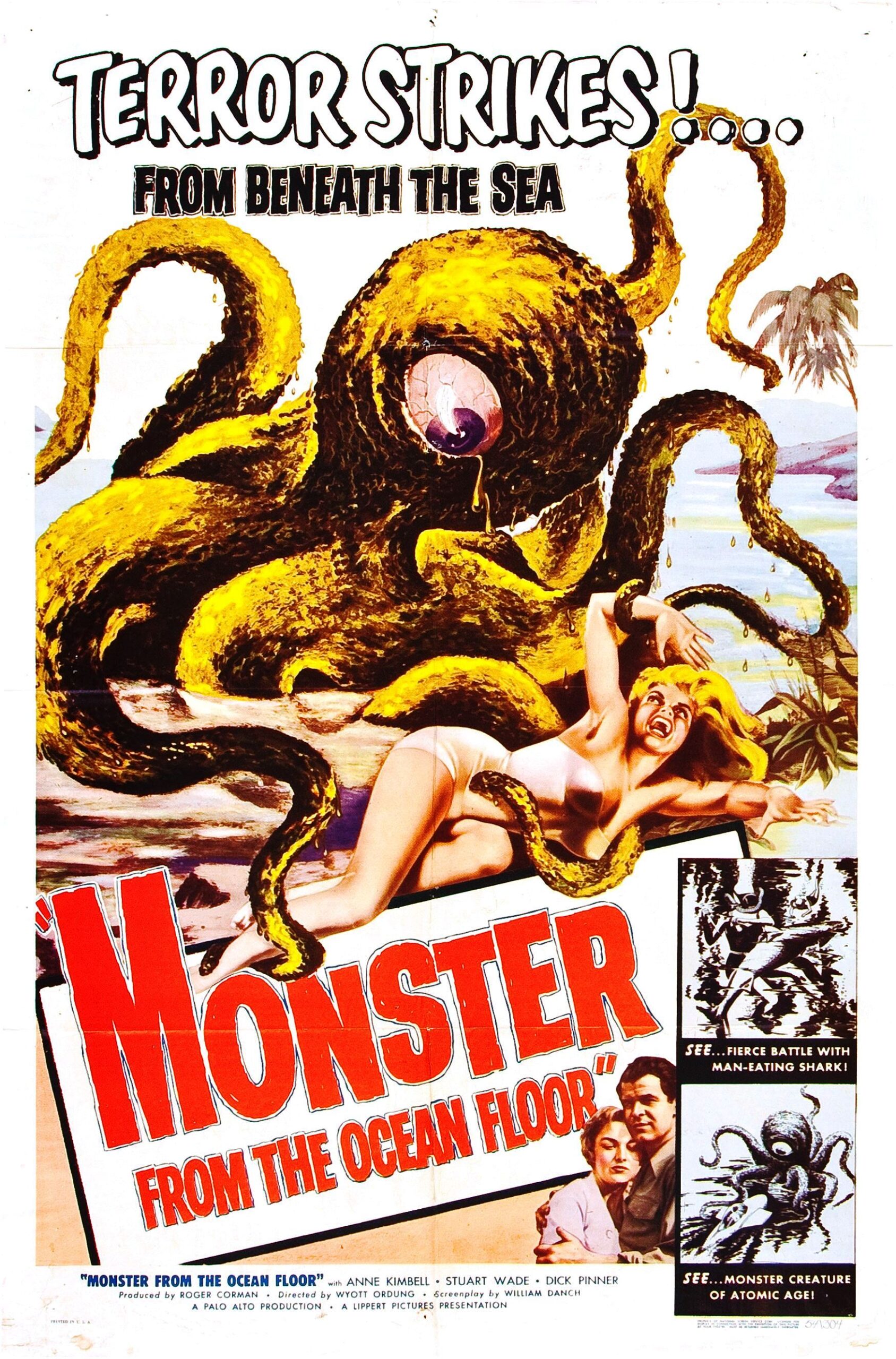
A routine B movie about a sea monster that was one of the first films produced by Roger Corman. This has mostly been made around obtaining the use of a one-man submersible
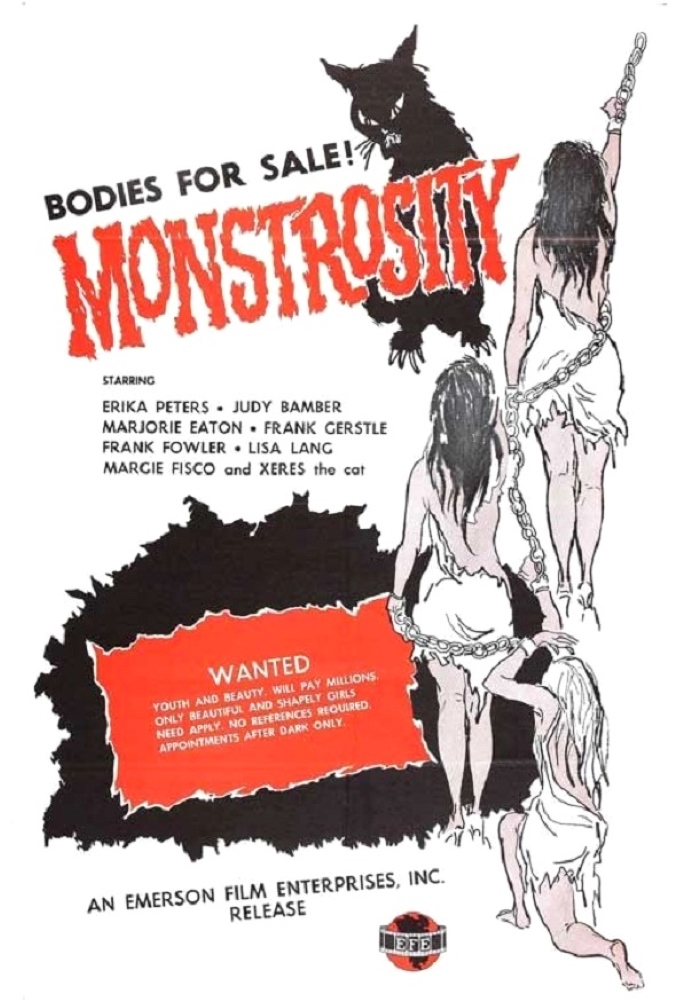
An amusingly lurid Z budget film with an aging widow employs a scientist to use an atomic reactor to transfer her mind into the body of a younger woman
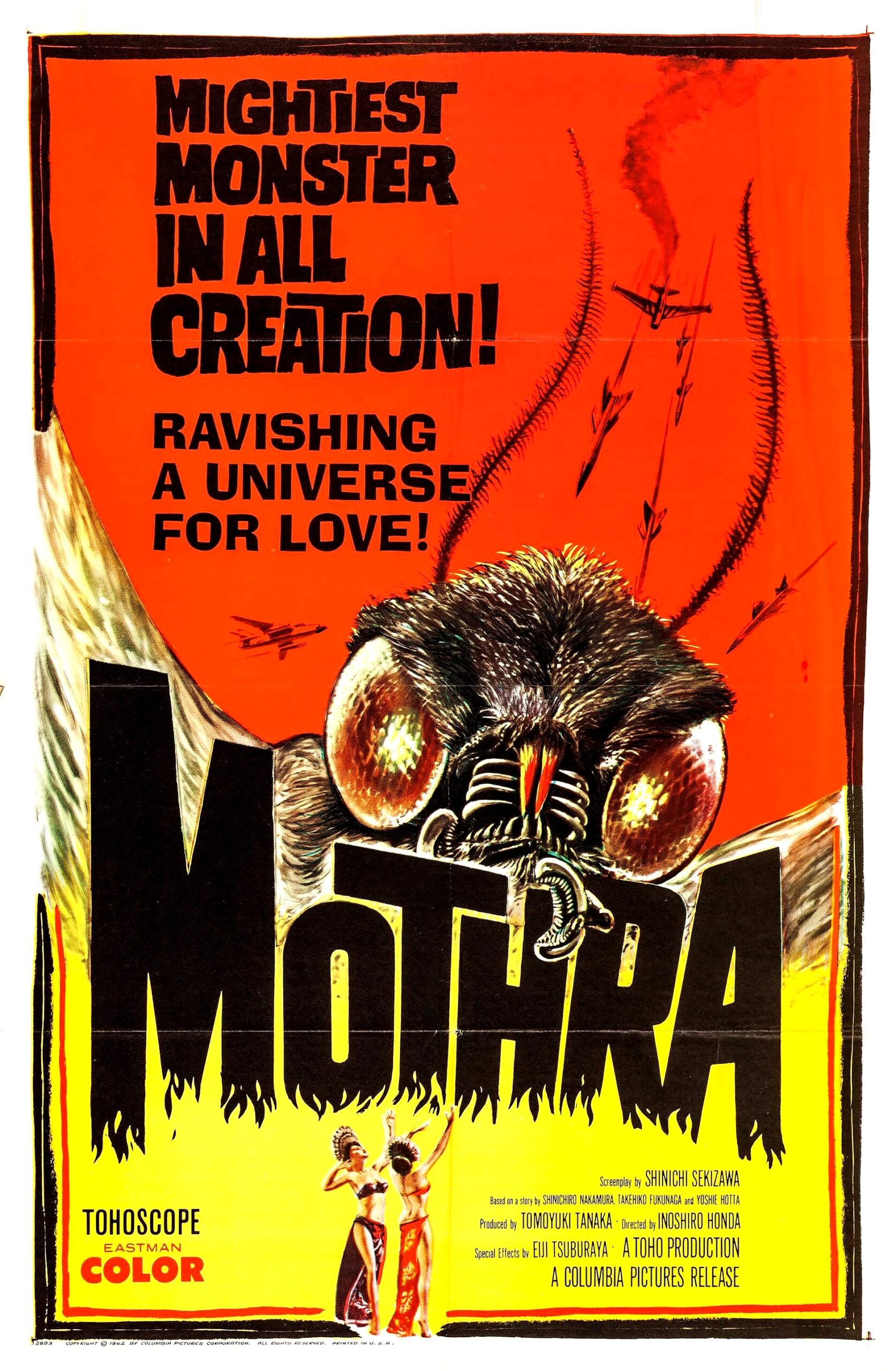
The most successful of the original monster movies Toho made following the success of Godzilla, the only one to spawn its own sequels, and one of the best kaiju eiga of the era
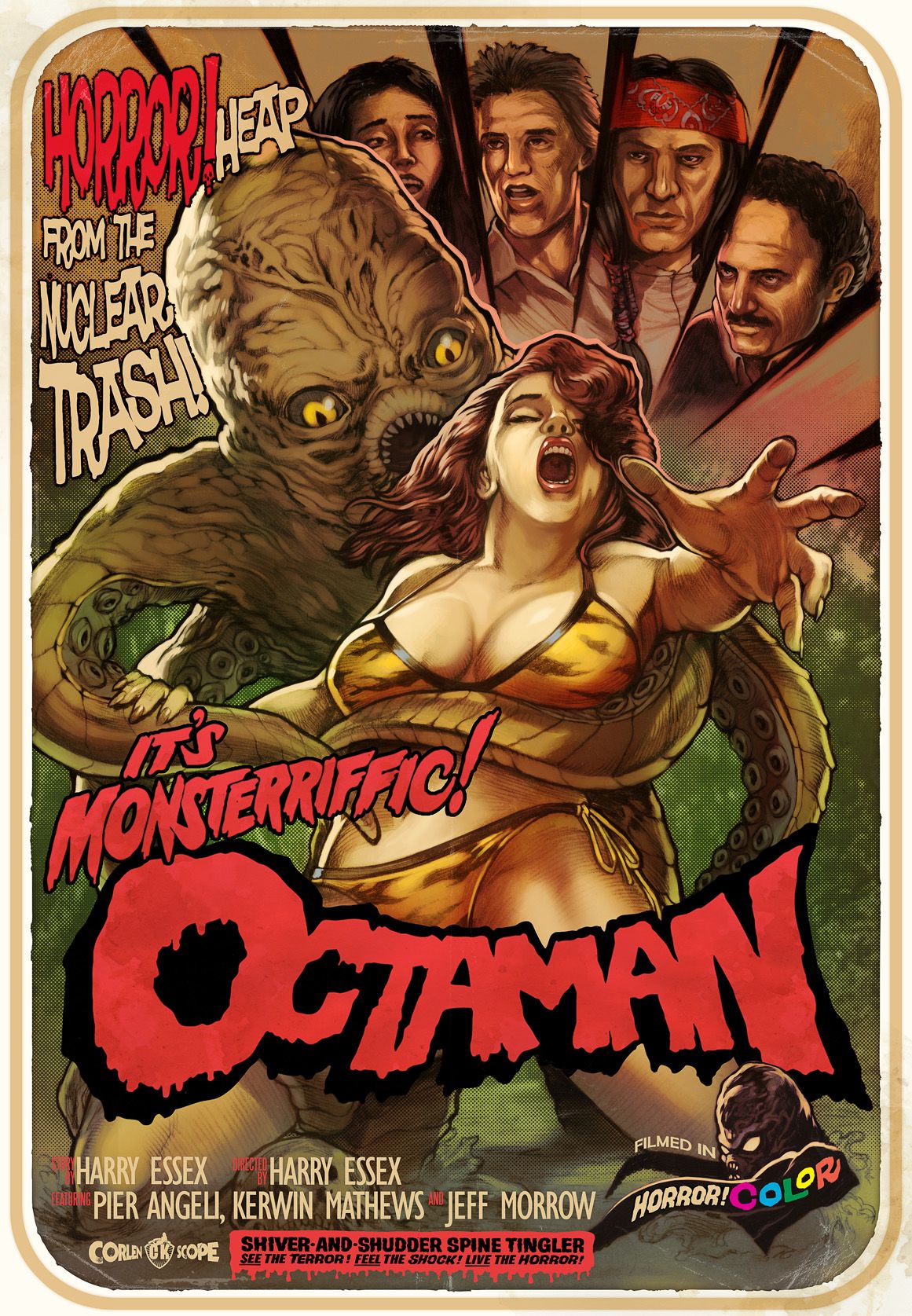
A monster movie from the screenwriter of The Creature from the Black Lagoon that should have a place in any list of bad movies
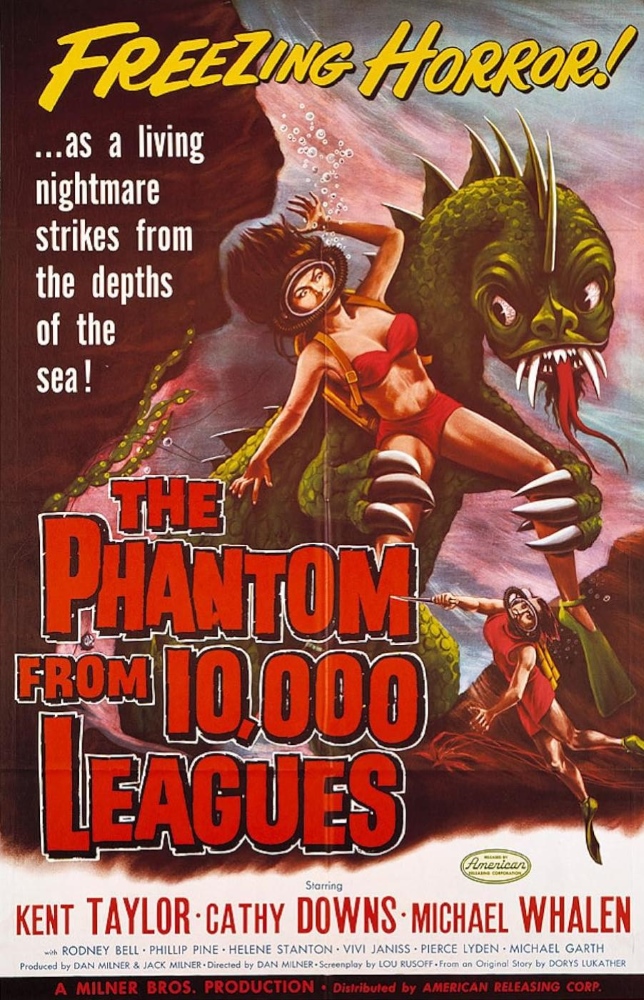
A rather dull 1950s atomic monster movie about a series of bodies that are found on a seashore that lead to a scientist who has created a radioactive mutant monster
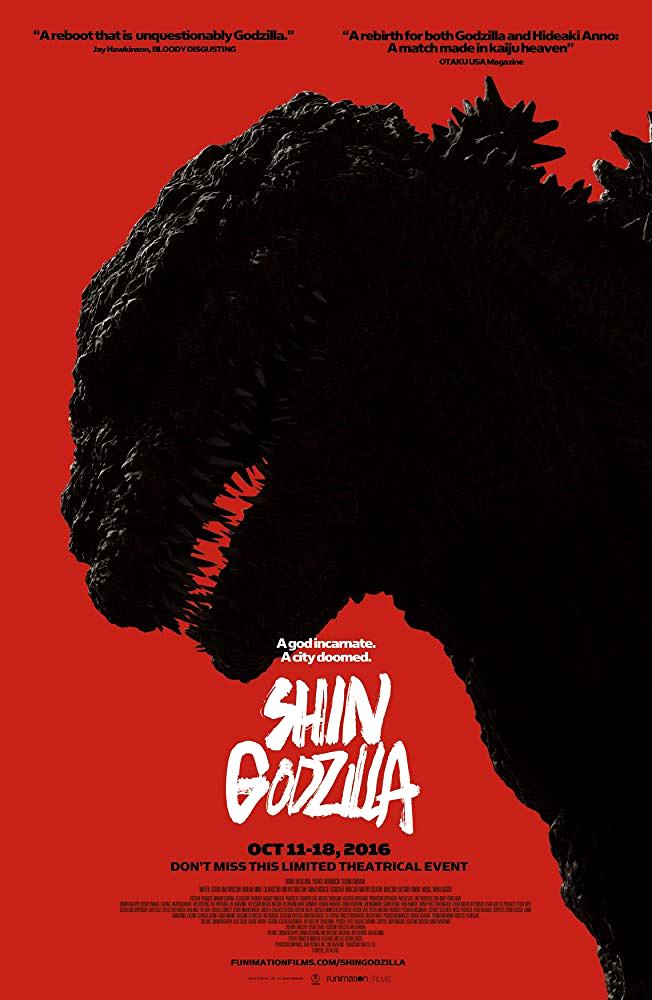
The 29th of the Japanese Godzilla films. Coming after the longest gap in the series to date, this functions as a complete reboot of the original. Godzilla is reconceived as a fearsome creation amid epic mass destruction and what are hands down the best effects of any film in the series
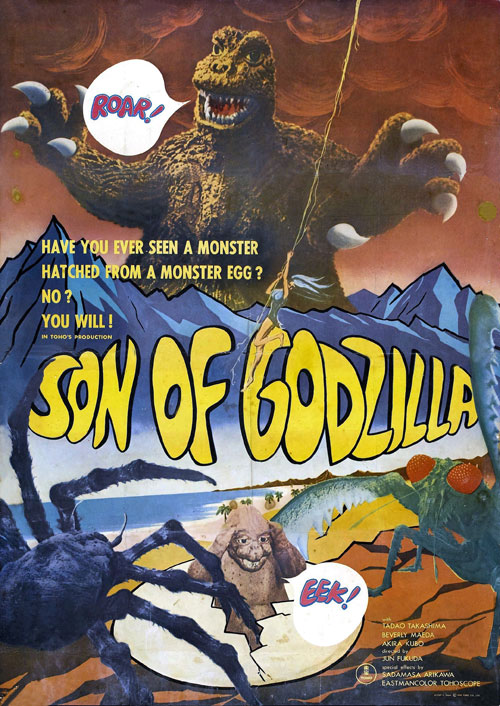
The eighth Godzilla film featuring the introduction of his son Minya in a shameless pitch for juvenile audiences. The series is no longer taking itself seriously, although ends up more likeable than some of the other entries of this period
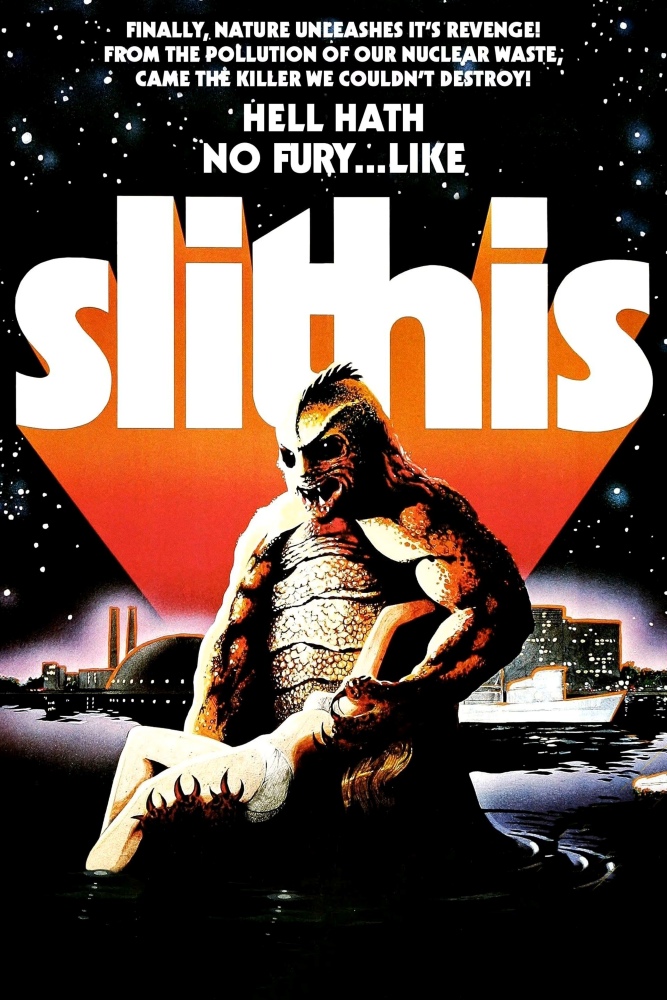
Independently made 1970s monster movie. The film came along about ten months too early to be be part of the great spate of B movies that copied Alien and so draws on the earlier model of The Creature from the Black Lagoon. Nothing exceptional
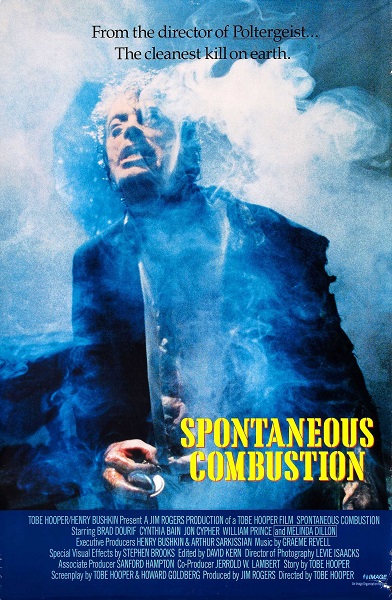
The start of Tobe Hooper’s decline wherein he borrows the basics of Firestarter in a really bad film with a madly overacting Brad Dourif as a pyrokinetic
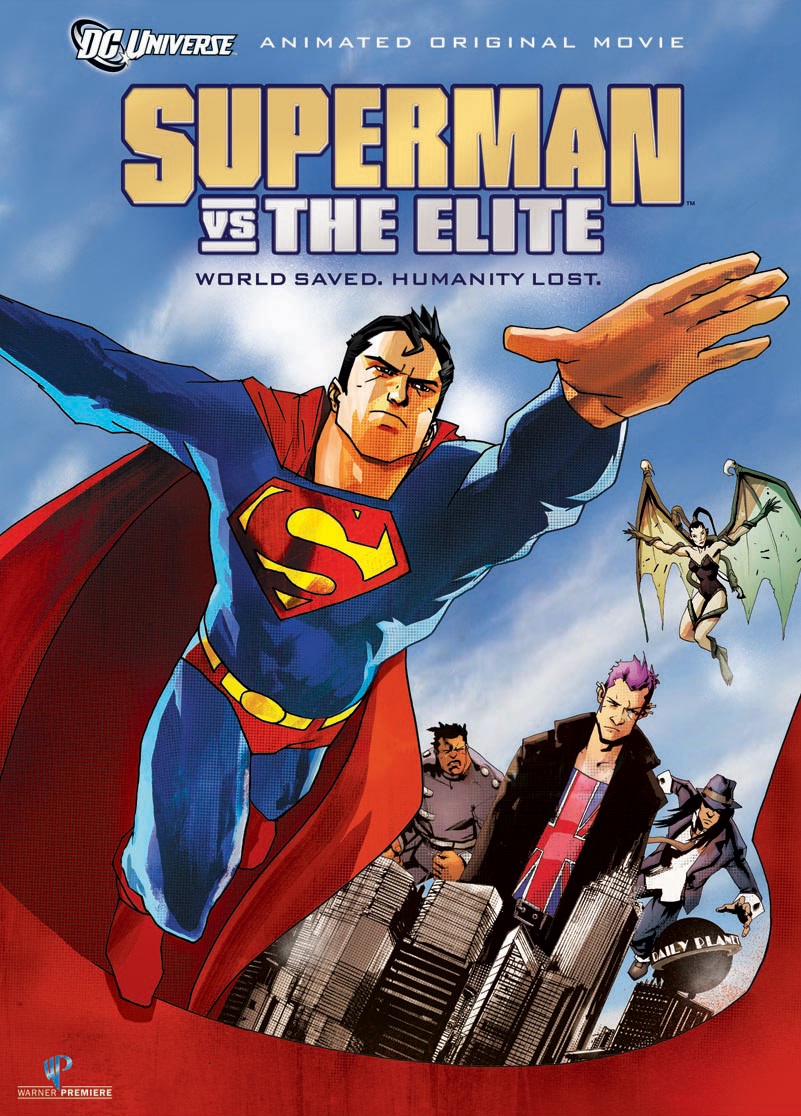
This adapts What’s So Funny About Truth, Justice and the American Way?, the highly acclaimed graphic novel that was written as a response to 9/11. Unfortunately, I am not sure condensing the story into a 76 animated film fully does justice to the complex debate of the original
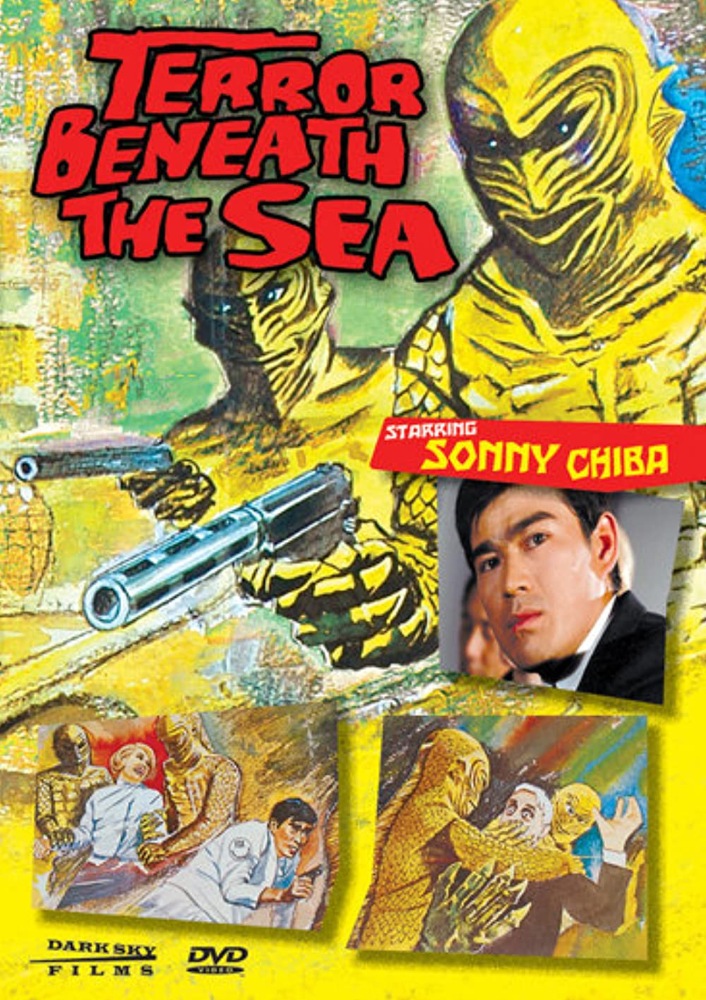
Japanese movie made for international sales where a scientist has built a race of amphibian cyborgs to take over the world

The fifteenth Godzilla film, the last of the classic series, featuring a return of Mechagodzilla from the previous film. Original director Ishiro Honda returns to the series and reclaims it from the juvenile focus it had taken over the last few films to make the best entry of the 1970s

Them! was a key work in the 1950s atomic monster movie and create the giant bug film. Unlike the B movies that followed, it is played with realism and sober conviction
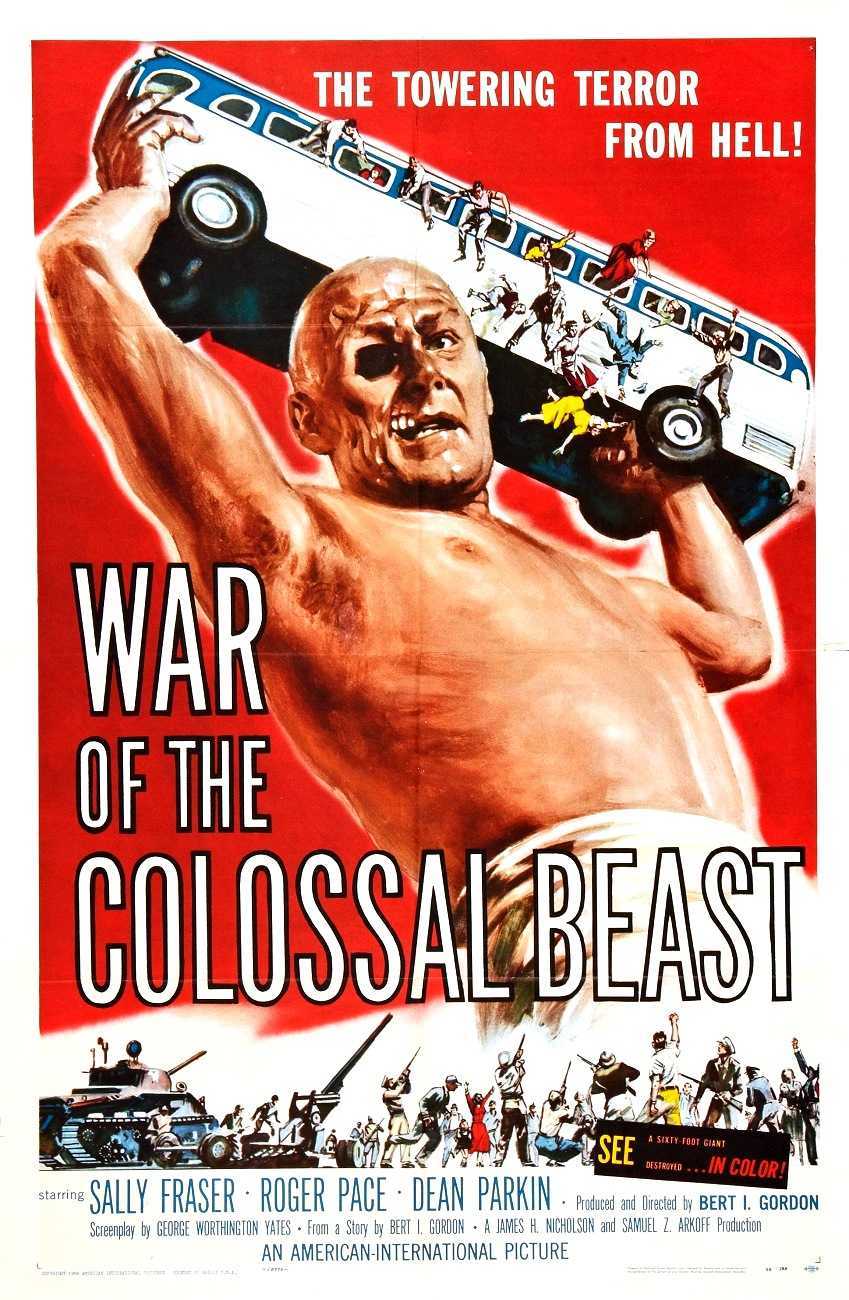
Bert I. Gordon makes a sequel to The Amazing Colossal Man. The film cheats where a good chunk of running time is padded with footage from the original
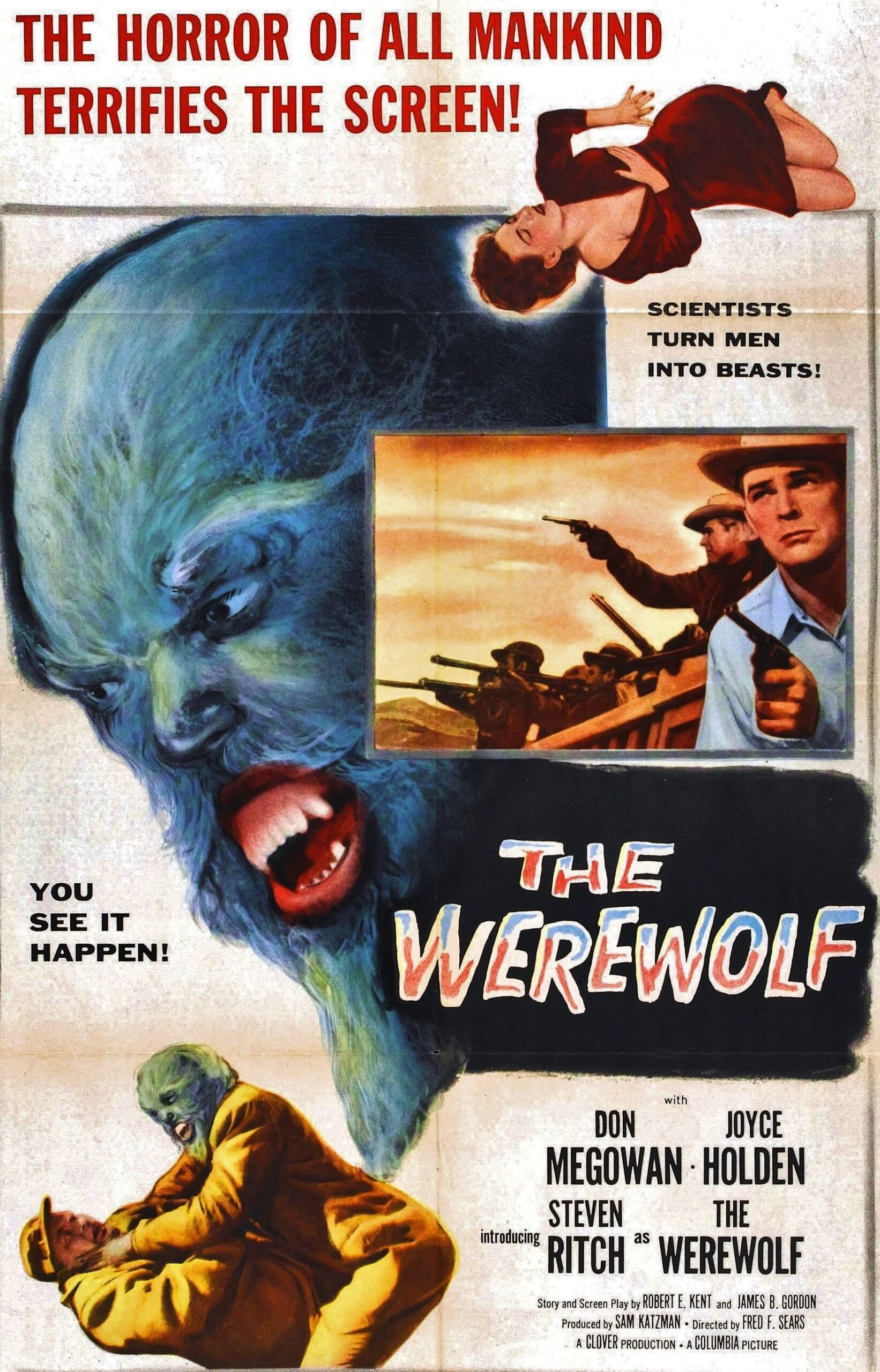
A real oddity among the werewolf genre – a film that tries to mix the werewolf up with the 1950s fad for the atomic monster movie in having the transformation brought on by atomically irradiated wolf blood
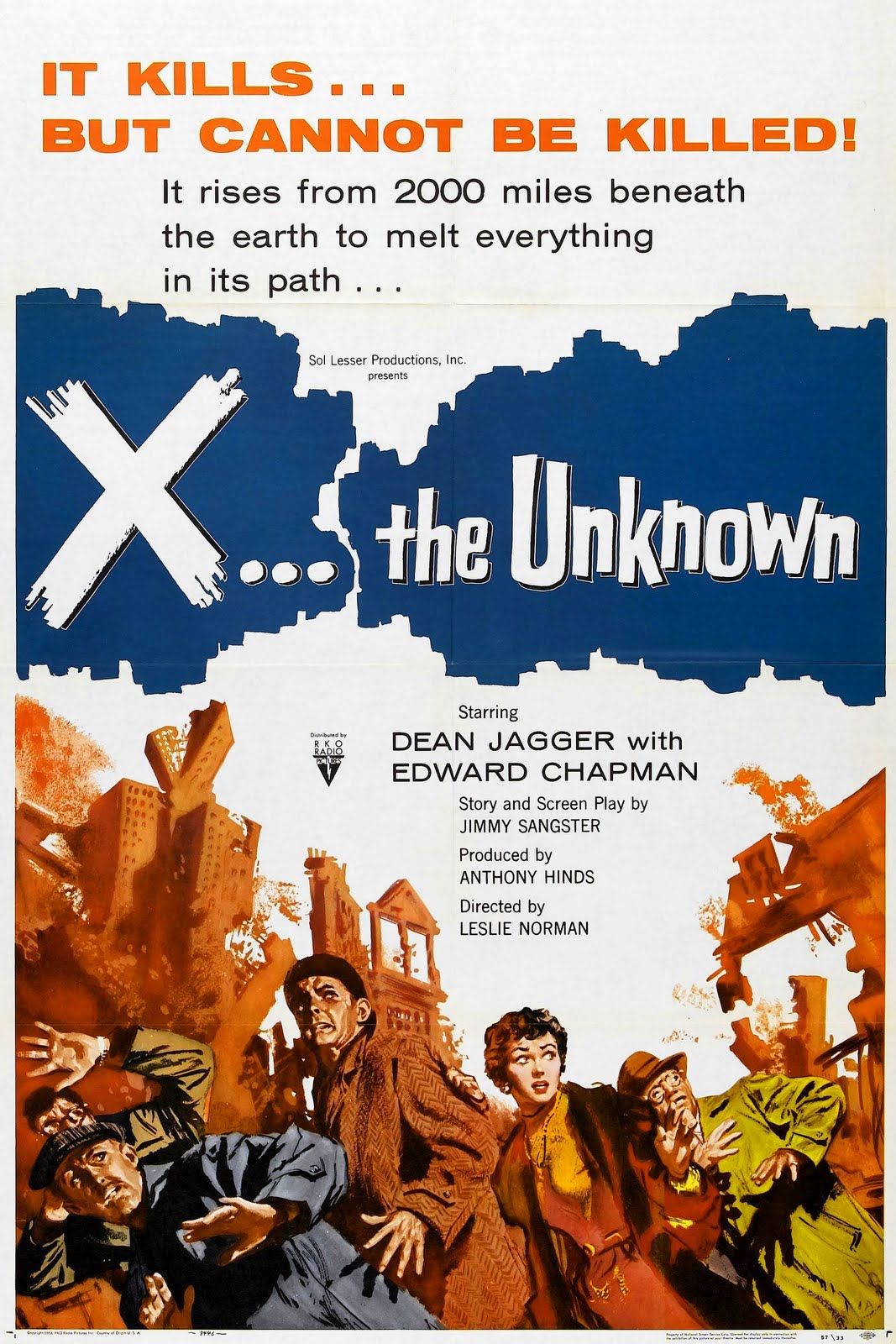
An early Hammer film, an attempt to exploit the success of their Quatermass films. This prefigures the menace of The Blob by a couple of years (while adding a few dashes of the atomic monster fad) but comes with a stark b/w urgency that makes this by far the better film