Transylmania (2009)
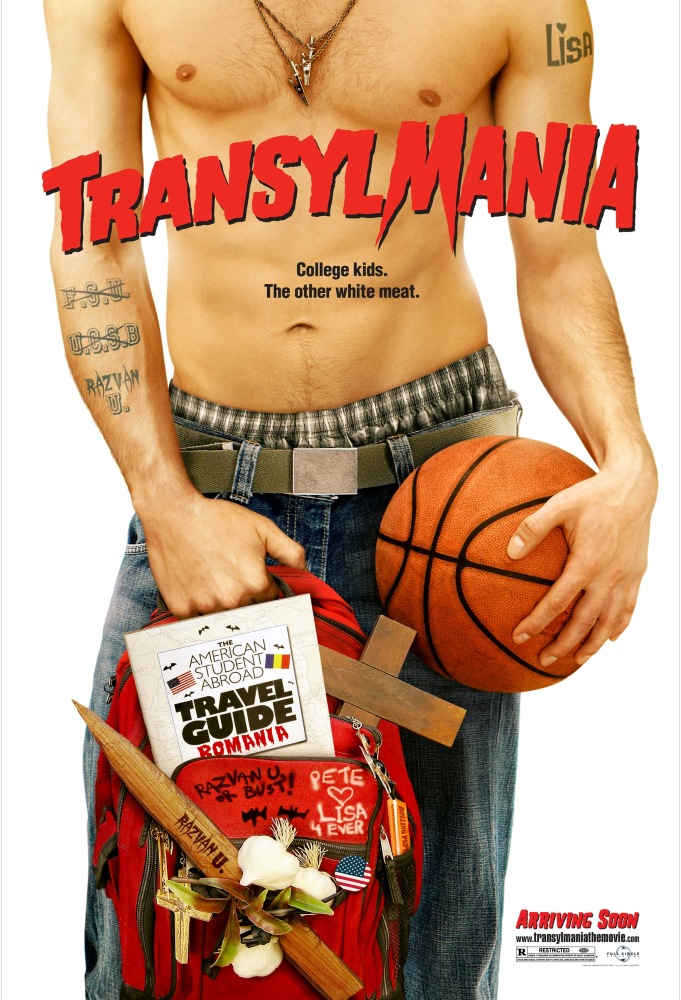
Frat Rat Horror Comedy
A excruciatingly unfunny film that feels like one of Abbott and Costello’s monster bashes played as a crass frat comedy
The Science Fiction Horror and Fantasy Film Review

Frankenstein or the Modern Prometheus (1818) was a key genre novel by Mary Shelley. It tells the story of the title scientist who builds a man using body parts taken from corpses and brings it to life. Horrified at what he has created, he shuns the monster. It flees but returns to torment his life, demanding that it build him a mate. It is the cornerstone work of the Mad Scientist theme.
The first film version was Thomas Edison’s Frankenstein (1910). The most influential one was Universal’s Frankenstein (1931) with Boris Karloff as a slow, stumbling monster, a far cry from Shelley’s articulate creation. Nevertheless this caught on with audiences and Karloff’s pitiful monster became an iconic horror figure. Universal put the monster and assorted Frankenstein descendants through various sequels, teamed them with other of their in-house monster and finally up against Abbott and Costello. Karloff’s creation has been much imitated, even turned into children’s toys.
The story was remade by UK’s Hammer Films with The Curse of Frankenstein (1957) starring Peter Cushing as Frankenstein and Christopher Lee as the monster. This took much more of an horrific focus and Hammer made a string of sequels where Cushing’s Baron became the continuing character.
There were numerous other Frankenstein films, ranging from modernisations, children’s films to high school and Blaxploitation versions to battles with Japanese monsters to other crossovers between the famous monsters. There were plentiful comedies, reaching a peak with Mel Brooks’ Young Frankenstein (1974), a parody of the Universal films that produced a number of copies.
Beginning with several 1970s tv adaptations, there was a concerted body of films that made an effort to go back and be more faithful to the original, returning to the period setting and reintroducing an intelligent monster and many of the key elements of the book. The Frankenstein film has gradually tapered off in importance since the 1980s, although films and new adaptations are still being made
There have also been a number of works both autobiographical and fanciful that depict Mary Shelley’s life and the meeting between her, Percy Shelley and Lord Byron at the Villa Diodati in the summer of 1816 where the book was conceived.
A excruciatingly unfunny film that feels like one of Abbott and Costello’s monster bashes played as a crass frat comedy
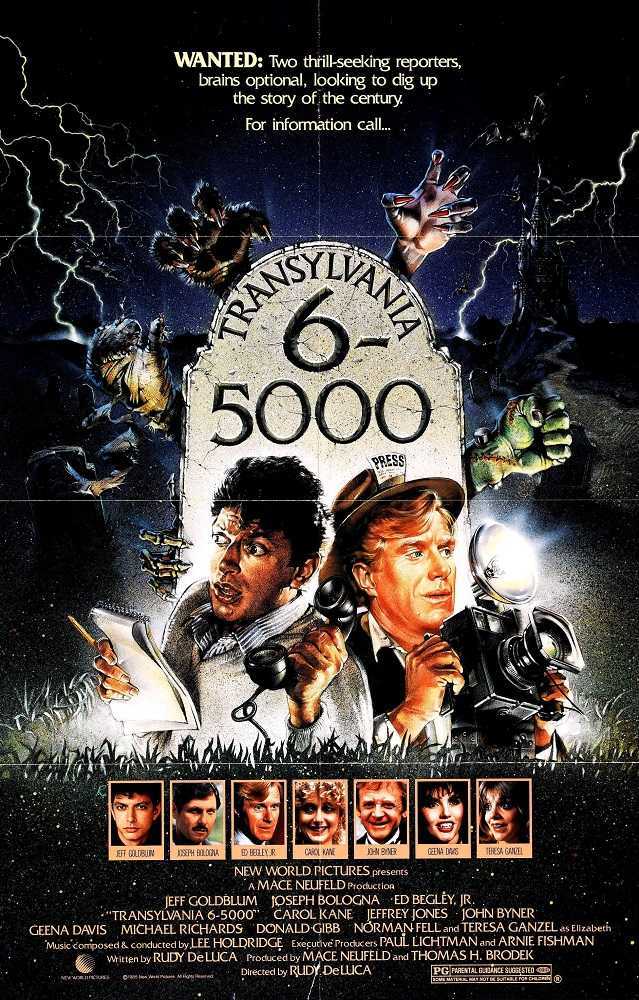
Painfully unfunny comedy from Mel Brooks writer Rudy De Luca with journalists Jeff Goldblum and Ed Begley Jr encountering monsters while on assignment in Transylvania

Completely insane Japanese film that wades in gore while playing everything up at a level of demented cartoonish absurdity. Possibly the most delirious movie-watching fun it is possible to have

Stephen Sommers conducts a big-budget rehash of a 1940s Universal monster bash. A film so overloaded with CGI bombast and general overkill it becomes utterly absurd.
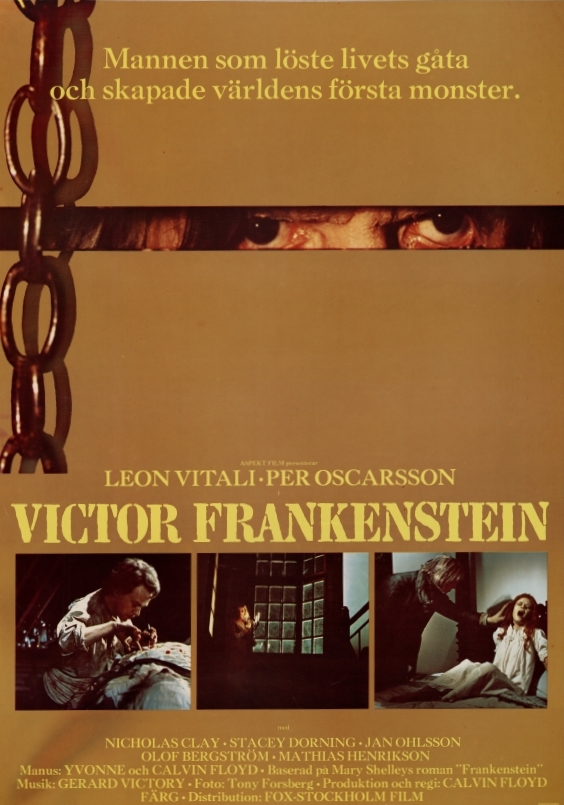
Less well known adaptation of the Frankenstein story that can arguably be considered the most faithful of all the film versions
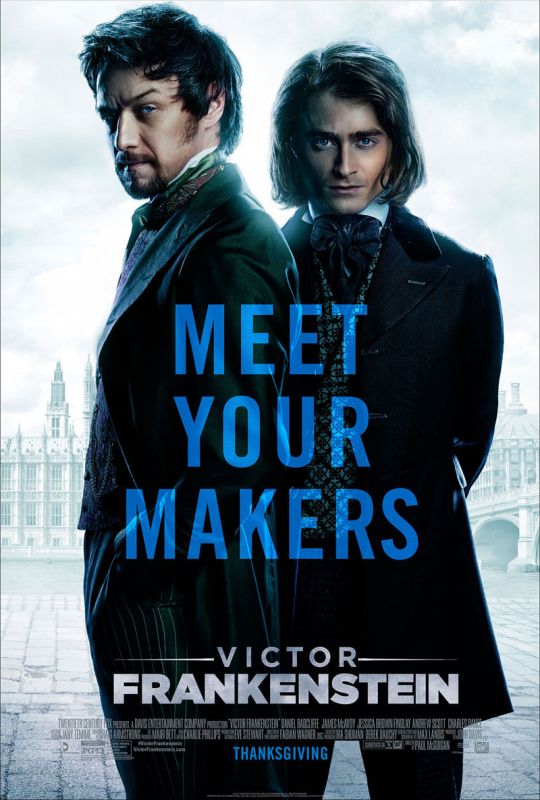
A ludicrously overwrought version of the Frankenstein story. How more nutzoid can you get than a version where Igor the hunchback (a completely miscast Daniel Radcliffe) is the main character?
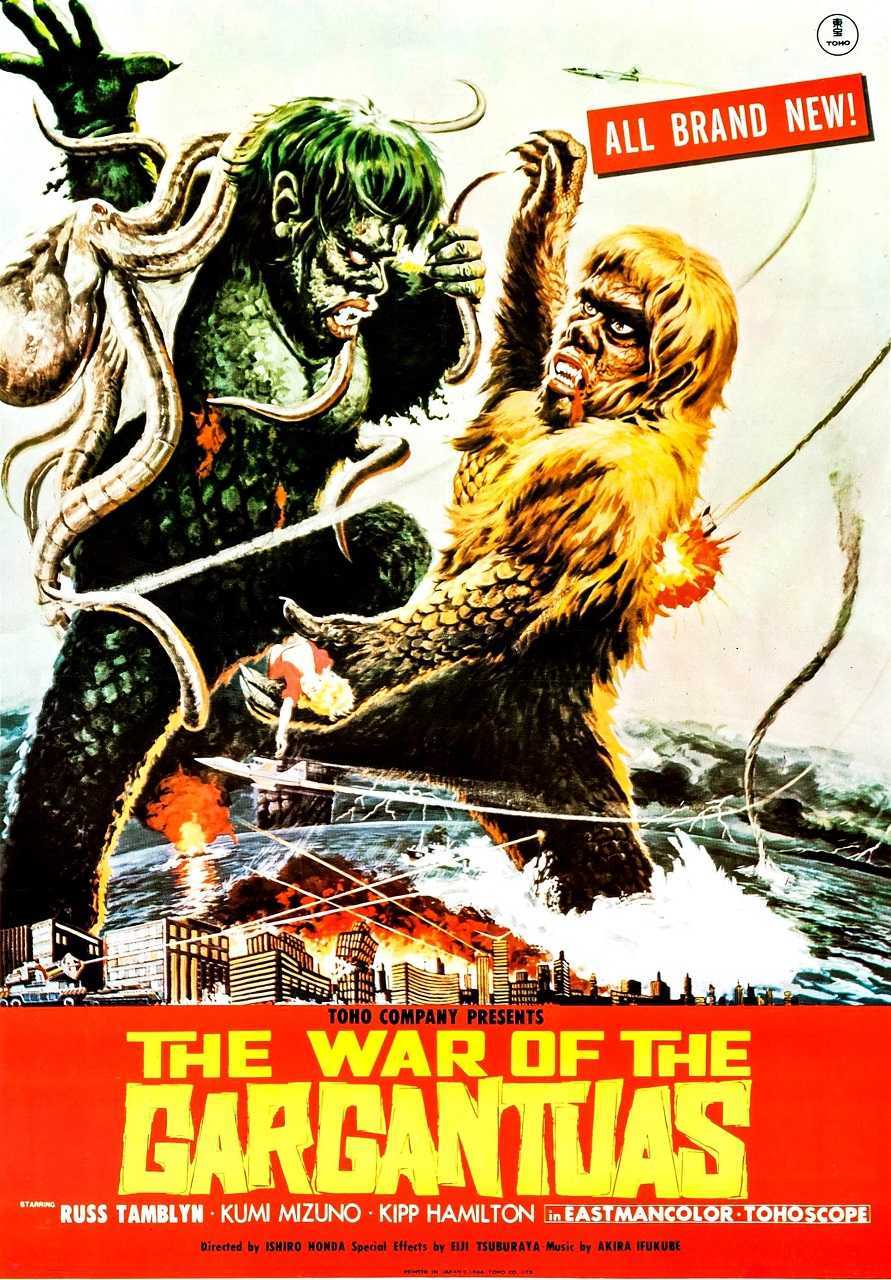
From Ishiro Honda, the creator of Godzilla, this bizarrely features two giant Frankenstein monsters battling it out. A fairly typical Japanese monster movie of its era featuring cheesily ridiculous rubber monsters, copious mass destruction and a largely irrelevant human element
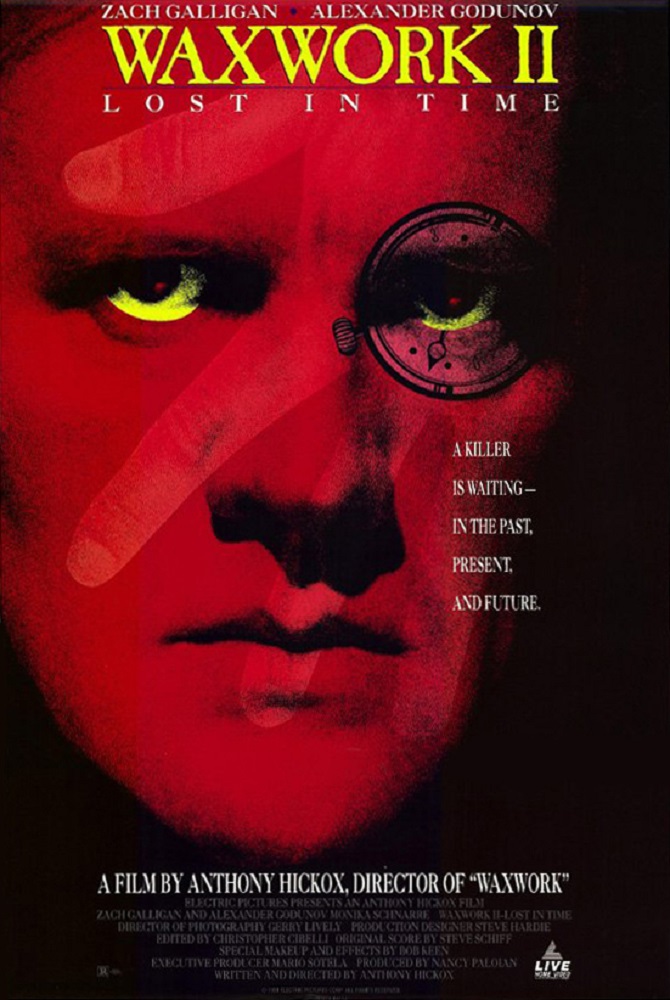
Sequel to Anthony Hickox’s Waxwork, which ups the number of horror homages but suffers a low budget

Mel Brooks’ finest moment, a witty stylistic homage to and spoof of the Universal Frankenstein films. A great cast are on perfect form all around.