Vampires: The Turning (2005)

Vampire Wars
Supposedly a second sequel to John Carpenter’s Vampires but of little connection otherwise, this is a film of uneven effect about warring vampire clans in Thailand
The Science Fiction Horror and Fantasy Film Review

The vampire is one of the most iconic figures in horror film. The vampire is a human being who has returned from the dead and is immortal unless killed. The vampire preys on human blood. It has vulnerabilities to the crucifix, daylight, holy water and can only be dispatched by being staked through the heart. Its appearance is with fangs and very pale skin, sometimes red eyes. It can be handsome or voluptuous, or rat-like and cadaverous. It can wield great hypnotic abilities on its victims and transform into bats and other animals.
The vampire appears in many world mythologies. The vampire of fiction was not created by Bram Stoker but he did popularise it in Dracula (1897) in which he laid down many key aspects of the mythology – its aversion to crucifixes and sunlight, the need to kill it with a stake through the heart, its coming from Transylvania and the need to live in a coffin of its native Earth. These remain the key aspects of the mythology. Some films change various aspects or strip out the supernatural elements and offer medical/scientific explanations.
The first vampire film was the Turkish Drakula (1921), the first major one the German Nosferatu (1922). The iconic image of the vampire in dinner suit, cape and thick East European accent was created with Bela Lugosi in Universal’s Dracula (1931) and has since been much copied and parodied,.
The vampire appeared in various Universal sequels of the 1940s and then underwent a major revival with Hammer’s Dracula/The Horror of Dracula (1958) starring Christopher Lee. Hammer put Lee through a string of Dracula sequels and created other vampire films. These inspired a number of imitators throughout Europe and Latin America, even from Japan. One of the subgenres among these was the lesbian vampire film created by Hammer’s adaptation of Carmilla (1872) with The Vampire Lovers (1970), which led to sequels and a number of imitators.
The 1960s also brought the first in a number of vampire comedies and parodies. Beginning in the late 1950s and more concertedly in the 1970s, efforts were made to move the vampire out of the Victorian surroundings and bring it into the present-day and by the 1980s the vampire was well at home in suburbia and major metropolitan areas. The 1970s also saw the move to reconstruct the vampire less as an evil predator and more as a darkly brooding romantic figure, as well as in a number of works of erotica.
The 1980s onwards brought the gritty vampire action film and the 1990s a series of films focusing on the vampire hunter as hero. Others place a focus on slick Gothic poses or tell of vampire clans operating in the shadows of society, often at war with Werewolves. On the opposite side, there are a number of kitchen sink portrayals showing the vampire dealing with everyday life. There have also been a number of films that depict vampirisim in medical/scientific terms.
In more recent years, the vampire film was dealt a considerable blow by the Young Adult romance Twilight (2008) and sequels, which made the vampire an adolescent romantic figure, preaching chastity and a doting father who also sparkled. In the aftermath, there have still been a number of vampire films but the genre seems to be looking for new directions, no longer holding the strength it once did.
For adaptations of Bram Stoker and works in which Dracula appears as a character see Dracula Films.
Supposedly a second sequel to John Carpenter’s Vampires but of little connection otherwise, this is a film of uneven effect about warring vampire clans in Thailand

Essentially a US version of Attack the Block with vampires instead of aliens, this is a smart, fun effort that adapts the vampire film to local hood culture

Carl Dreyer’s cult film is not a vampire film as we know it but creates an incredibly haunted uncanny mood

Another film in the cult of Jess Franco. Jumping aboard the early 1970s fad for lesbian vampire films, Franco offers up a sofctore take on the story of Dracula but cast with women.

Stephen Sommers conducts a big-budget rehash of a 1940s Universal monster bash. A film so overloaded with CGI bombast and general overkill it becomes utterly absurd.

The second of Amicus Films’ adaptations from EC Comics, a follow-up to their earlier Tales from the Crypt and one of their weaker horror anthologies with the episodes much more variable in overall quality

From cult director Stephanie Rothman, a provocative and intriguing entry in the 1970s lesbian vampire film

The popular V/H/S series, an anthology of Found Footage horror tales, is revived for a fourth entry
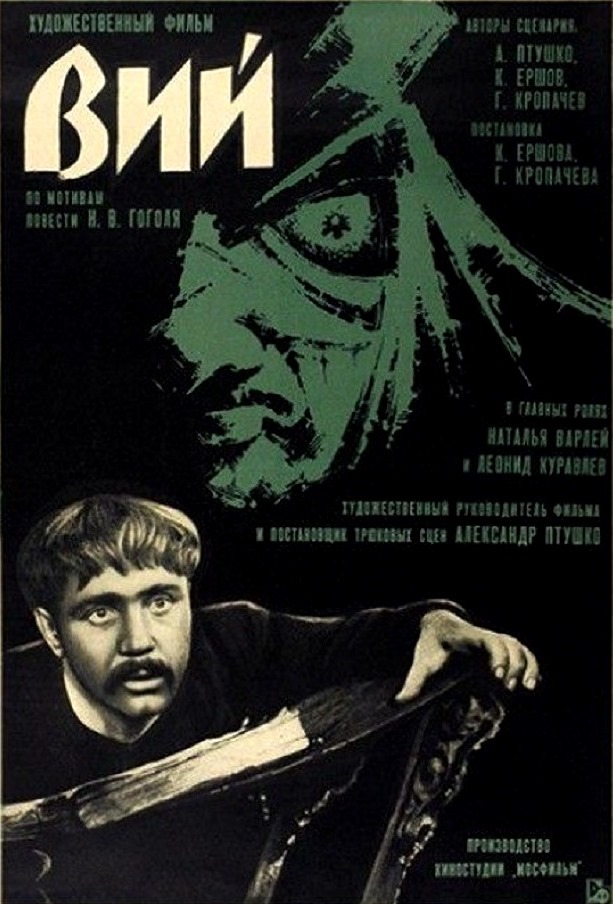
The only horror film ever made in Communist Russia. Adaptation of a classic story about a monk sequestered with the body of a woman for three nights, the film creates an undeniable atmosphere and mounts to a wildly fantastical climax where he must face all the minions of Hell

A film based on the historic tyrant that gave the world the name Dracula. This ends up being too sympathetic and loses all credibility when it tries to tie in vampire mythology

Adaptation of a classic Aleksei Tolstoy story set in Eastern Europe as a family awaits the return of the patriarch who has been turned into a vampire

Mini-series based on the works of Terry Pratchett that feels as though it is made, designed and cast by people who haven’t even read the books
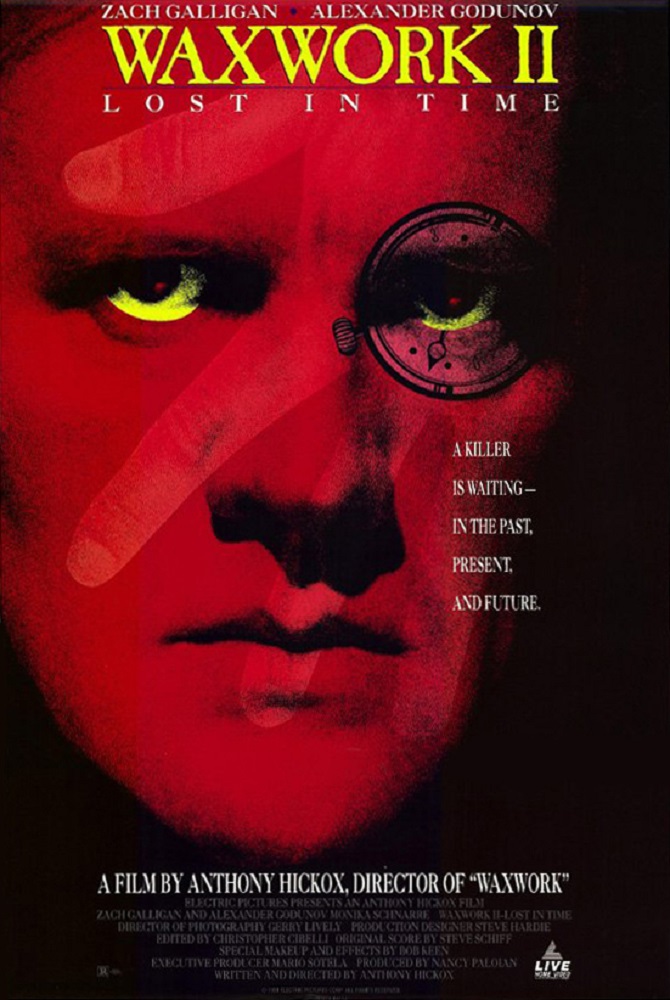
Sequel to Anthony Hickox’s Waxwork, which ups the number of horror homages but suffers a low budget
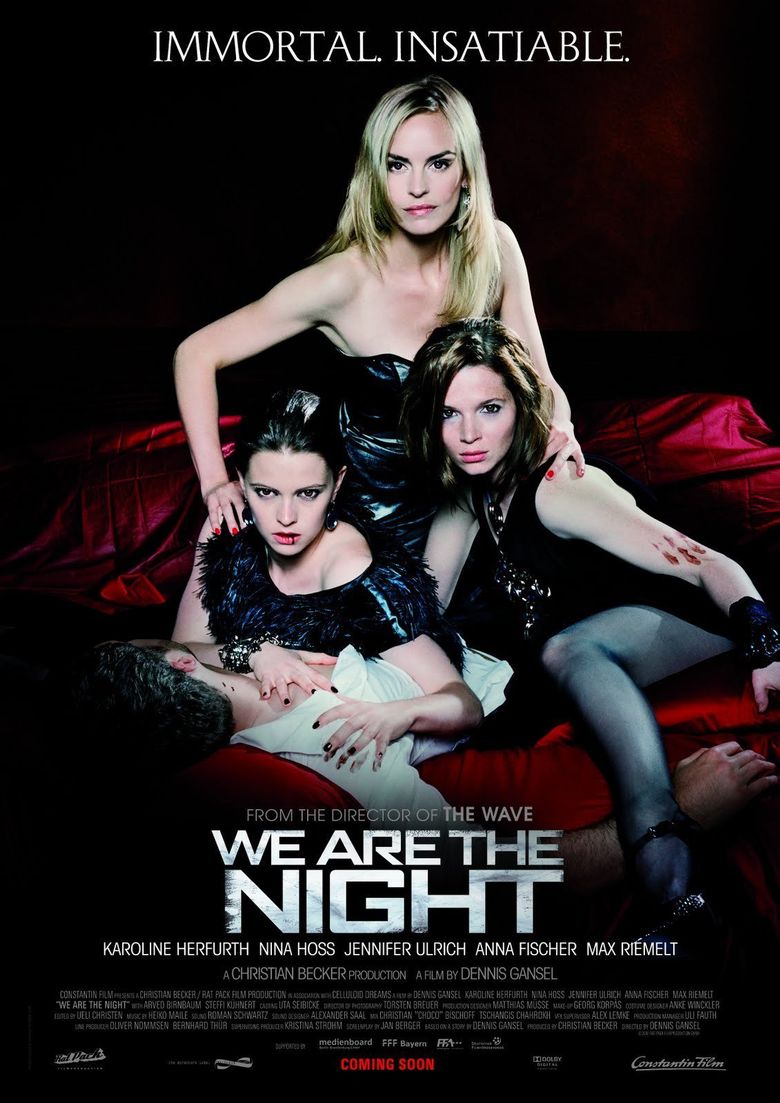
Slick and visually exciting German vampire film that recaptures something of the chic sumptuousness of The Hunger. Perhaps The Hunger by way of Sex and the City set in a world of conspicuous fashion consumption where vampirism represents women’s ultimate empowerment

The third of Spanish star Paul Naschy’s films about the werewolf Waldemar Daninsky. This becomes a crossover where Daninsky meets up to fight Countess Bathory

Hands down, this is the best vampire comedy ever made. An incredibly witty effort that contrasts the cliches of the genre with the mundane business of a group of vampires flatting together in New Zealand. A film that comes with sly deadpan gags packed into the corner of every frame

A uniquely different take on the vampire film, directed with extraordinary stylism by Hong Kong director Po Chih Leong

Low budget vampire action about a vampire woman who is recruited into a secret government organisation

Japan’s Takashi Miike gained a cult with a series of films that went to extremes or crossed way over taboo lines; his films from the mid-2000s have become more experiments that produce a head-scratching “huh?”. Case in point being this Yakuza vampire film that frequently feels like much of it was being made up on the spot
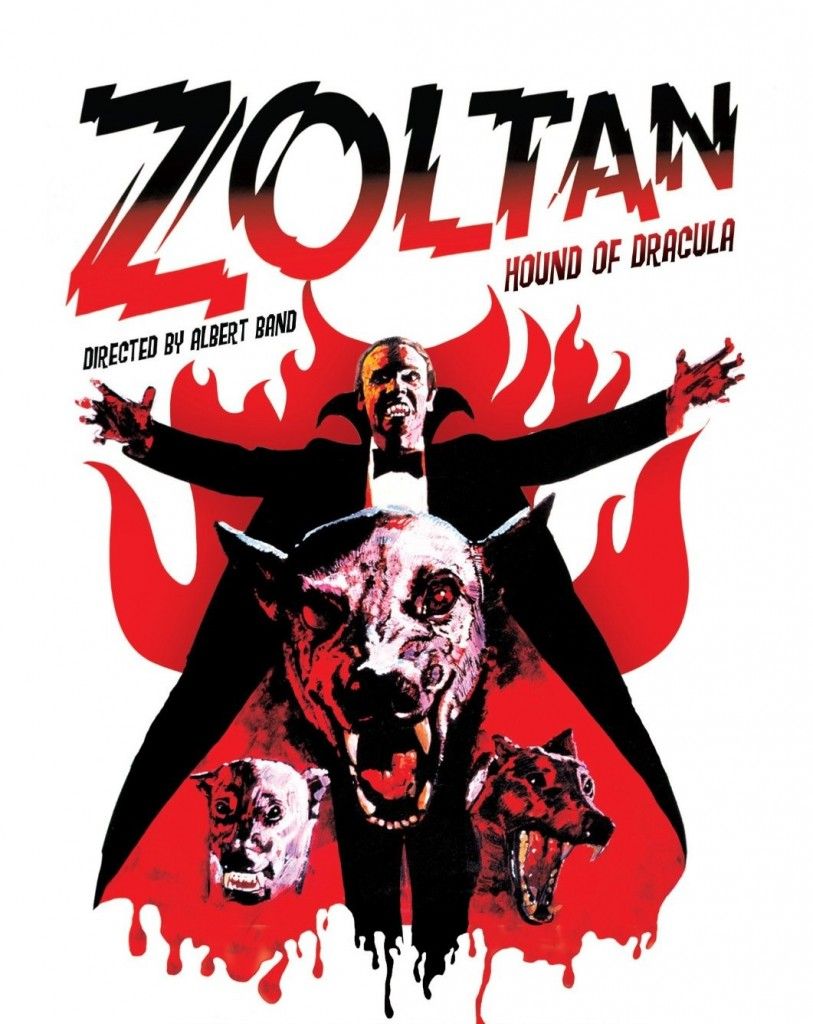
aka Dracula’s Dog. Most people who hear the title think this is a joke but this is a real film and one that takes a ridiculous premise – the idea of Dracula’s dog – surprisingly seriously