


Crew
Director/Screenplay – Lee Chung-hyun, Based on the Film The Caller (2011) Written by Sergio Casci, Producer – Hul-sun Jeong, Music – Sebastien Pan, Visual Effects – RD101. Production Company – New & Yong Film.
Cast
Park Shin-hye (Kim Seo-yeon), Jeon Jong-seo (Oh Young-sook), Kim Sung-ryung (Mrs Oh), Lee El (Mrs Kim), Park Ho-san (Mr Kim), Oh Jung-see (Park Sung-ho), Dong-hwi Lee (Baek Mi-hyun), Jo Kyung-Sook (Sun-hee), Chae-young Um (Young Seo-yeon)
Plot
Kim Seo-yeon moves into her abandoned family home in the rural village of Bosung. There she picks up the ringing landline that proves to be a call for help. In further calls, Seo-yeon realises that she is talking to Oh Young-sook back in the year 1999. Young-sook is a girl her own age with mental health issues who is imprisoned by a cruel mother who is determined to cure her with shamanistic rituals. As the two talk, Seo-yeon tells about her father’s death back in 1999. Young-sook sneaks out of the house and goes to prevent this from happening. Seo-yeon then sees the present around her suddenly change to deal with her parents now both being alive. However, Young-sook becomes jealous at Seo-yeon ignoring her calls to spend time with her parents. Seo-yeon looks up on the internet and finds that Young-sook’s mother will kill her. She warns Young-sook but then while she is on the phone hears as Young-sook kills her mother. Afterwards, Seo-yeon wants nothing to do with Young-sook whereupon an ignored Young-sook retaliates by killing her father, again changing the timeline. Young-sook then takes the child Seo-yeon prisoner and threatens her unless Seo-yeon tells her what the evidence is that will later have her arrested as a killer.
Frequency (2000) was a modest success when it came out with its original premise of a father and son who find they can communicate across time by radio due to freak sunspots, only to end up imparting information that inadvertently changes the timeline. South Korea seems to have latched on this cross-time communications theme with a particular regard, having also made Ditto (2000), which anticipated the plot of Frequency and had two students talking by radio across time; Il Mare (2000), a romantic film about two people exchanging love letters across time; The Phone (2015), which has an almost identical premise to The Call; and Time Renegades (2016) in which two men in different time periods are able to dream through the other’s eyes.
The Caller (2011) was a US-made film influenced by Frequency that featured Rachelle Lefevre as a woman moved into a house where she finds a phone that can makes calls into the past and strikes up a conversation with a woman in the 1970s. Throughout their communication, she realises that the other woman is disturbed as she starts to do things that affect the timeline and then threaten Rachelle. The Call – not related or to be confused with the Halle Berry 911 thriller The Call (2013) – is a South Korean remake of that same story.
There are a number of significant differences between The Caller and The Call, even though they tell the same story. In The Caller, the caller is an older woman who we only ever see as a voice, whereas here she is a younger girl the same age as the protagonist. The Caller’s viewpoint stayed with Rachelle in the present-day timeline, whereas this flips viewpoint back and forward between the two girls twenty years apart.
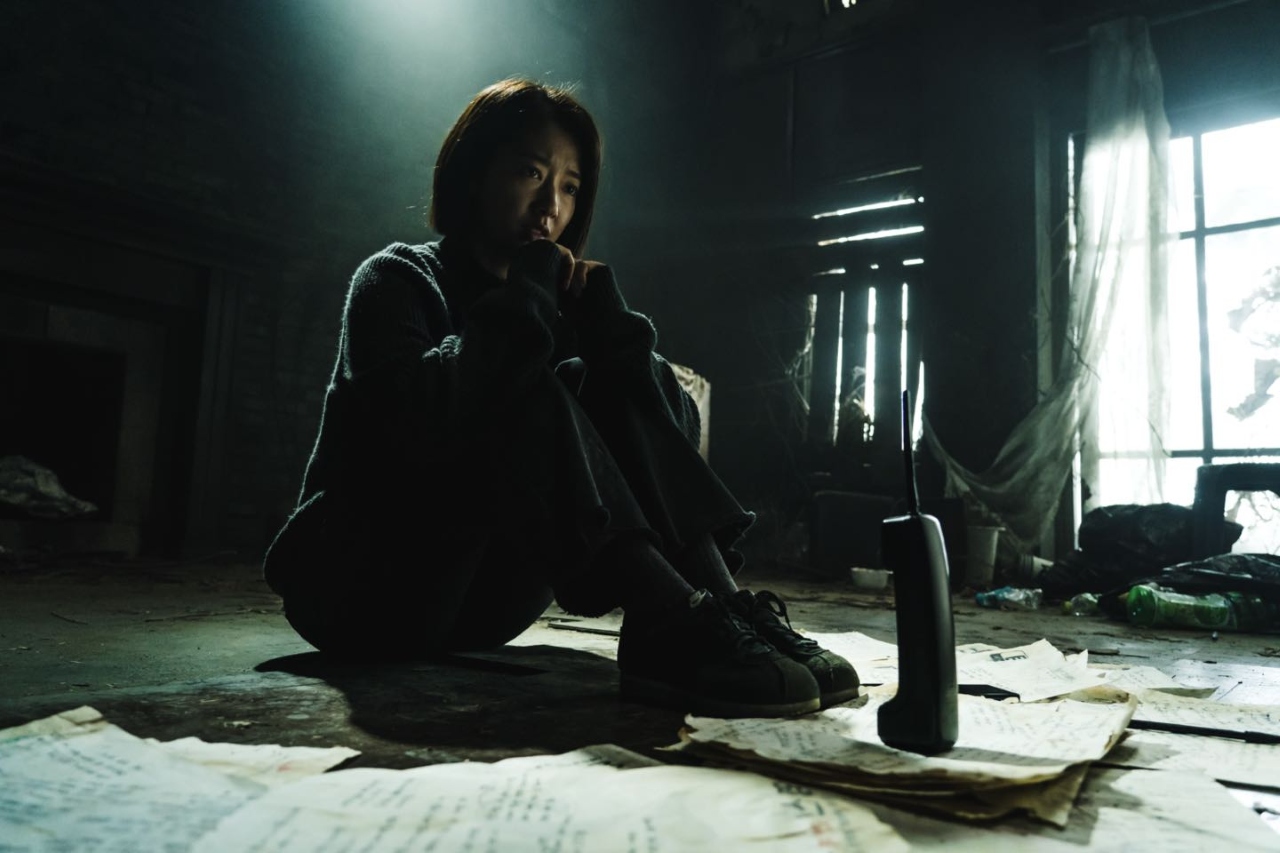
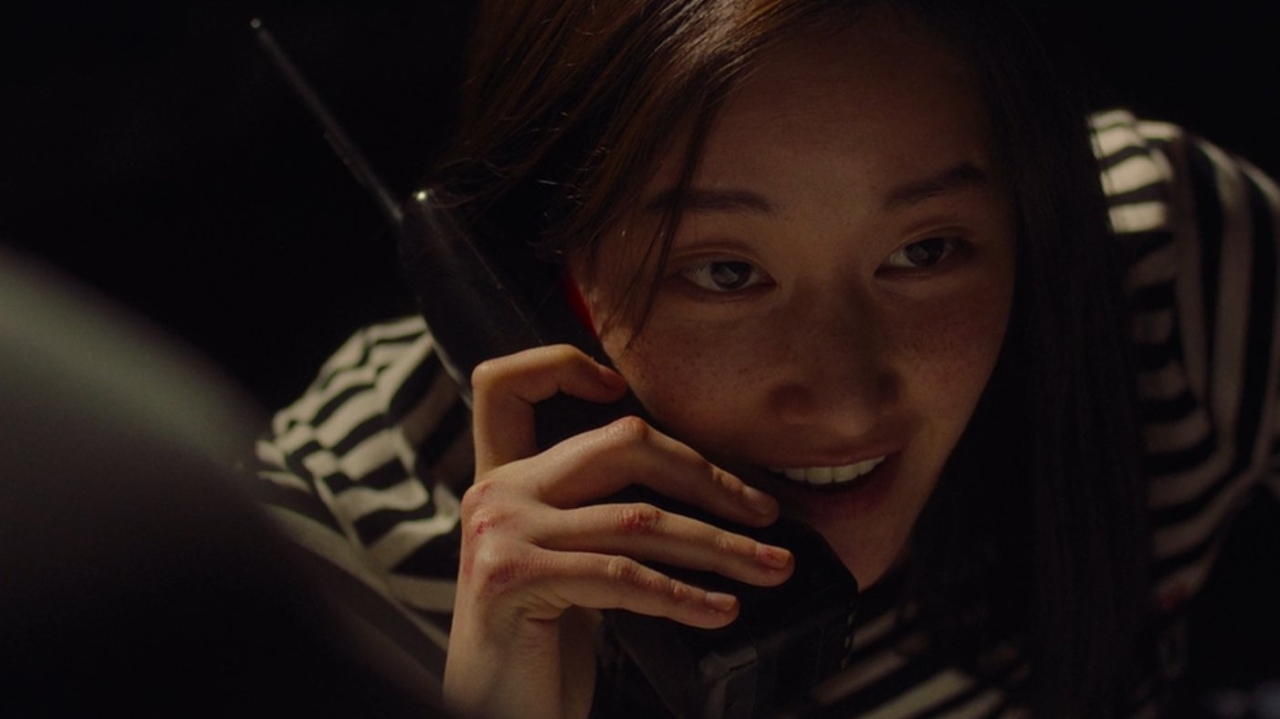
The Call also gives either woman a family. Young-sook gets a crazed mother (a scary performance from Kim Sung-ryung), whereas the woman in The Caller had an abusive husband who was only referred to off-screen. Rachelle was freshly divorced from an abusive husband in The Caller and became involved with another guy during the course of the story, whereas Seo-yeon as her counterpart here gets no romantic attachments. Rather there is a whole new subplot here where Young-sook brings Seo-yeon’s family back to life and then threatens them as opposed to Rachelle’s boyfriend. We also see the timeline changes happening in real-time with the aid of a series of splashy digital effects trickery.
Thereafter, The Call follows the same general paths as The Caller, right down to Young-sook erasing people around Seo-yeon and then taking her younger self prisoner and pouring boiling water on her. Despite the familiarity of the telling, The Call sufficiently expands on the original and tells it with enough whiplash twists that it works very well as a tight thriller. It does however reach an ending that, as the end credits start, seems a whole lot less upbeat that the one we initially assumed it to be.
Trailer here