


Crew
Director – Kim Jung-kwon, Screenplay – Jang Jin, Producers – Jonathan Kim & Lee Dong-kueon, Photography – Jeong Kwang-seok, Music – Lee Wook-hyeon. Production Company – Hanmac Films.
Cast
Kim Ha-neul (Yoon So-eun), Yoo Ji-tae (Ji In), Park Yong-woo (Dong-hee), Ha Ji-won (Seo Hyeon-ji), Kim Min-joo (Hur Sun-mi), Shin Cheol-jin (Security Guard)
Plot
In 1979, Yoon So-eun attends Silla University in Busan. She has a secret crush on fellow student Dong-hee. She is in an amateur radio group and takes home an old broken cb radio set. This spontaneously starts operating and she finds herself in communication with fellow student Ji-in. They agree to meet so he can give her a book but are puzzled when they both turn up at the agreed meeting point at the clock tower but do not see the other. She thinks Ji-in is crazy when he says he is communicating from the year 2000. However, after he gives her information about local events that will come true before they do, she starts to believe him. She then realises that she is developing feelings for Ji-in.
The US film Frequency (2000), featuring a premise where freak sunspot activity causes Jim Caviezel to be able to talk to his father Dennis Quaid thirty years in the past via ham radio, was a modest hit. It is surprising the number of films that have borrowed from the basic plot, including the likes of The Caller (2011), Mirage (2018) and Don’t Let Go (2019), not to mention the original undergoing a short-lived tv series remake as Frequency (2016-7) that lasted for fourteen episodes.
Ditto is often accused of being a ripoff of Frequency – both have the same plot of two people communicating with one another by radio across time twenty years apart. That said, Frequency premiered on April 28, 2000, while Ditto came out four weeks later on May 27, 2000. I don’t believe it would be possible for Ditto to be made as a copycat – having a film scripted, financed, shot and released within the space of four weeks seems a near-impossible timeframe. Nevertheless, there is an uncanny similarity of plots between the two films. Unless the Korean filmmakers had access to some advance screening or a copy of the screenplay for Frequency (or were being given their own messages from the future), you have to chalk it up to a freak convergence of themes.
Also coming out in South Korea around the same time was Il Mare (2000), which appeared in September of 2000 and had a very similar plot about two people exchanging letters across time. Ditto overshadowed Il Mare at the box-office, however Il Mare was the film that ended up being remembered in retrospect thanks to a Hollywood remake with The Lake House (2006) starring Keanu Reeves and Sandra Bullock.
Since Ditto and Il Mare, there have been a surprising number of other South Korean films on the same theme of communications across time with The Phone (2015) where a man finds he can make phone calls to his murdered wife in the past; Time Renegades (2016) in which two men in different time periods are able to dream through the other’s eyes; and The Call (2020), a Korean remake of the abovementioned US-made The Caller. South Korea even produced its own remake of Frequency with the tv series Signal (2016).
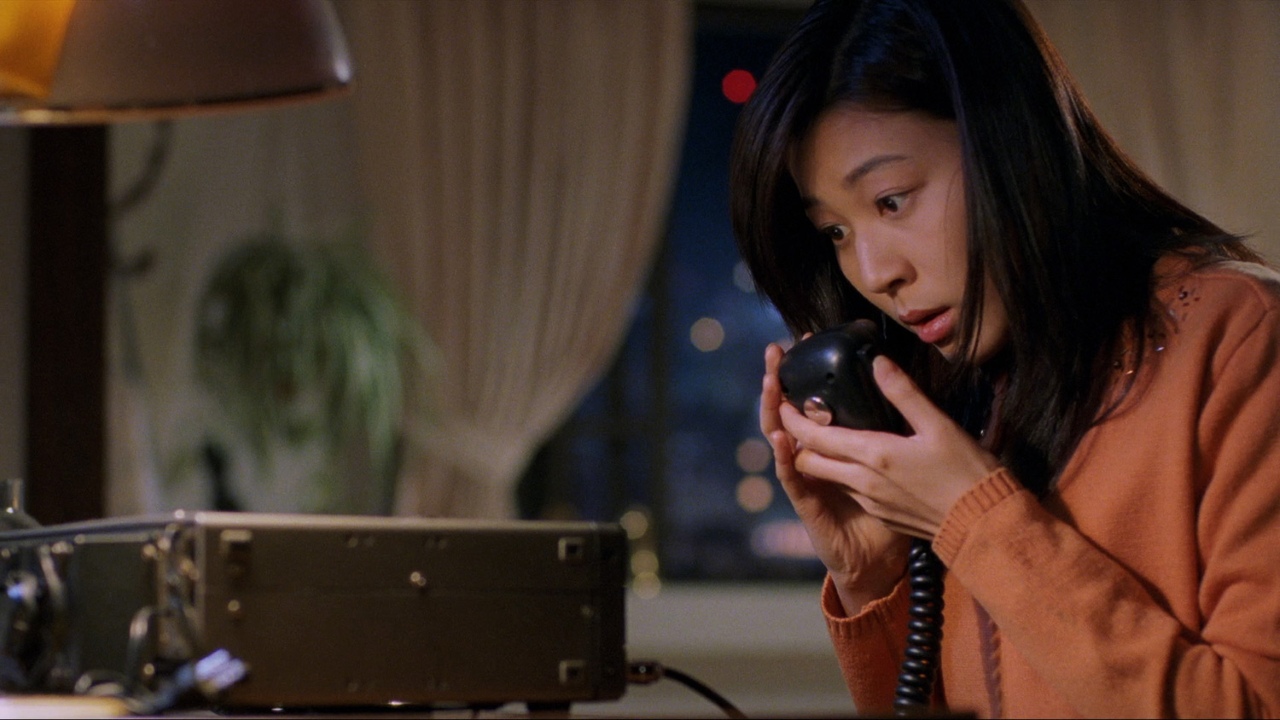
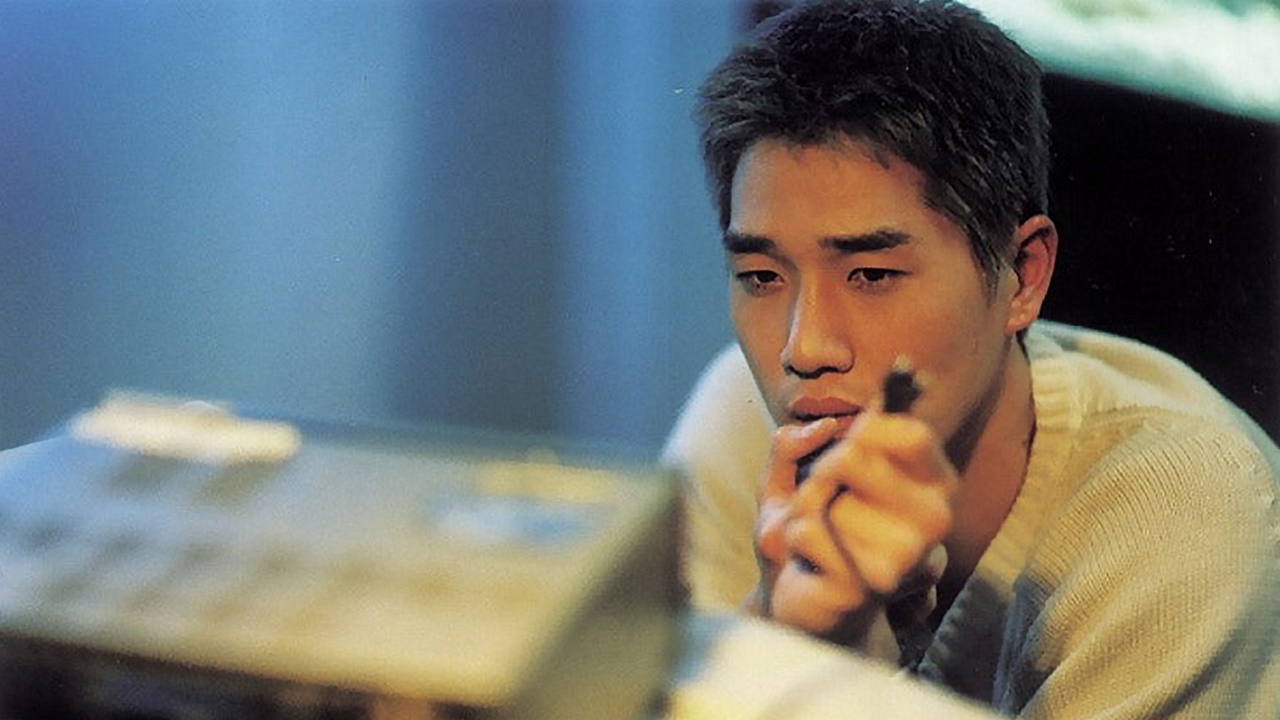
The major difference between Frequency and Ditto is that while Jim Caviezel became the point-of-view character contacting the past in Frequency, here it becomes a girl (Kim Ha-neul) in the past who is puzzling over messages that appear to come from the future (although the later scenes do alternate points of view between the two eras). This does end up with a story that takes an hour of screen time before the girl in the past realises that she is talking to someone in the future. It is also a version of Frequency without the SF rationale of sunspots, meaning that the film’s explanations rest more in fantasy – there are cutaways to a sparkly moon, while the radio seems to magically come on of its own accord.
Ditto is essentially the basics of Frequency written as a romance. Maybe pitching the film as a teen romance works against it – there is not the same sense of a remembered past from a time when the character in the 2000s hadn’t even born (even if some of the guys do look to be well into their twenties). The other thing Ditto does not have that Frequency does with its point-of-view focus on the person in the present is the future person seeing the timelime change as a result of them passing on foreknowledge of the future.
This does lead to one jolting twist in mid-film as Kim Ha-neul learns who Yoo Ji-tae’s parents are. It is here that Ditto starts to chart a course that is uniquely its own and leads to an ending that is considerably affecting. Moreover, it is an ending that avoids all easy cliché romantic wrap-ups yet also remains touchingly uplifting.
The film was later remade as Ditto (2022).
Director Kim Jung-kwon has elsewhere specialised in romance films. His only other genre work has been Are We in Love? (2020) where a girl finds a magic book that causes people to fall in love with her.
Trailer here