Hatchet (2006)
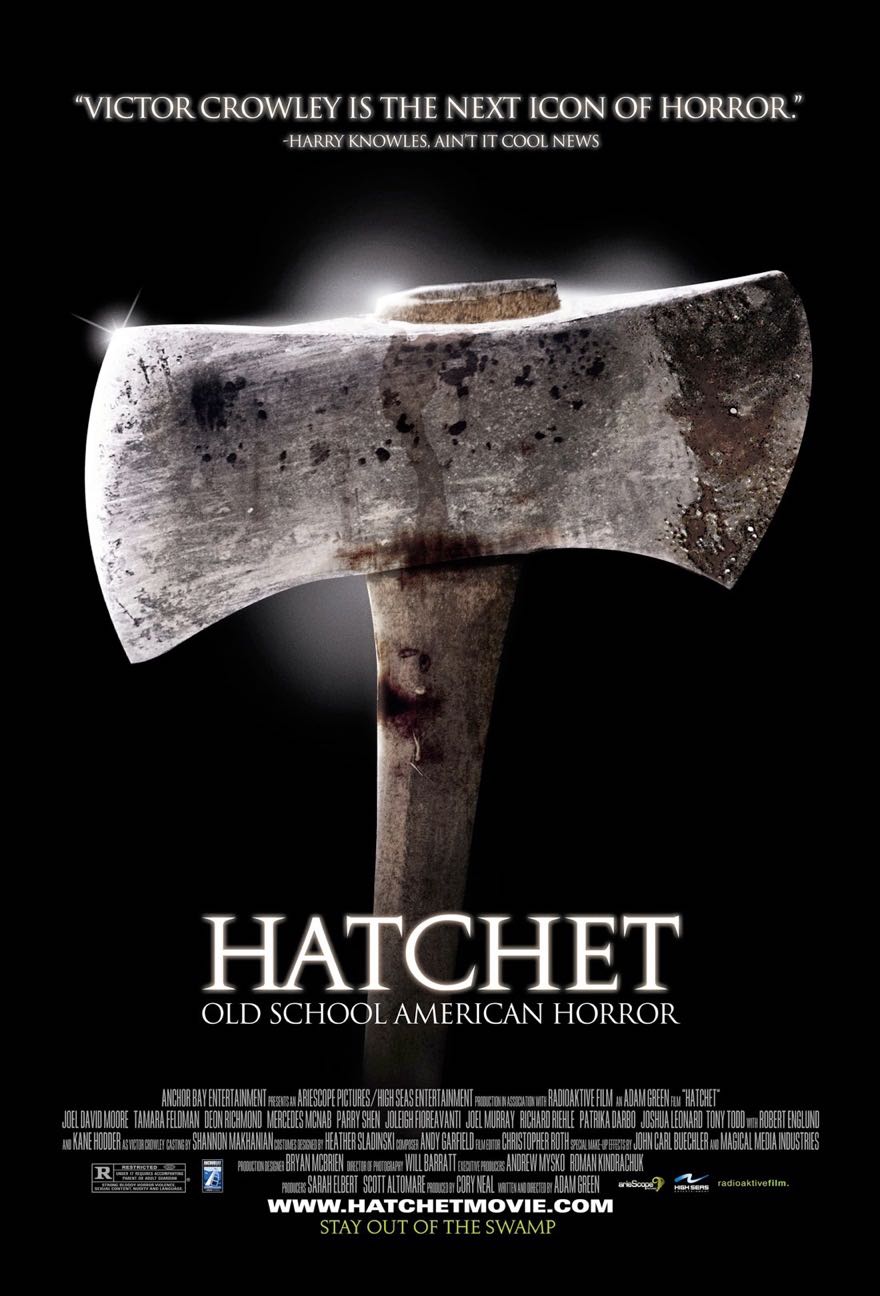
Slasher Film Homage
This was Adam Green’s homage to the Friday the 13th series that comes with the virtue of a high level of gore and a sense of humour. This was subsequently spun out to several sequels
The Science Fiction Horror and Fantasy Film Review

This was Adam Green’s homage to the Friday the 13th series that comes with the virtue of a high level of gore and a sense of humour. This was subsequently spun out to several sequels
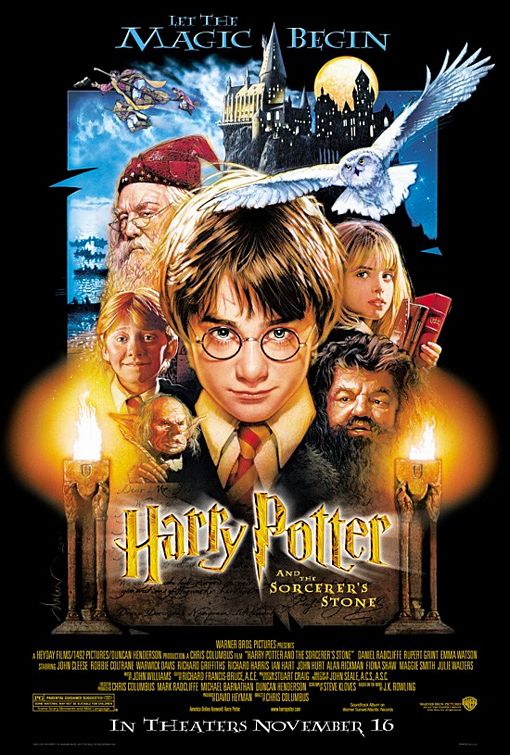
The first of the Harry Potter films. The first is the weakest and lumbers due to being placed in the hands of the perpetually banal Chris Columbus who allows visual effects wow and simplistic emotional cues to dominate

The third Harry Potter film where it seems all that it took for the series to become quite good was the exit of the perpetually banal Chris Columbus and the entry of a new director in Alfonso Cuaron
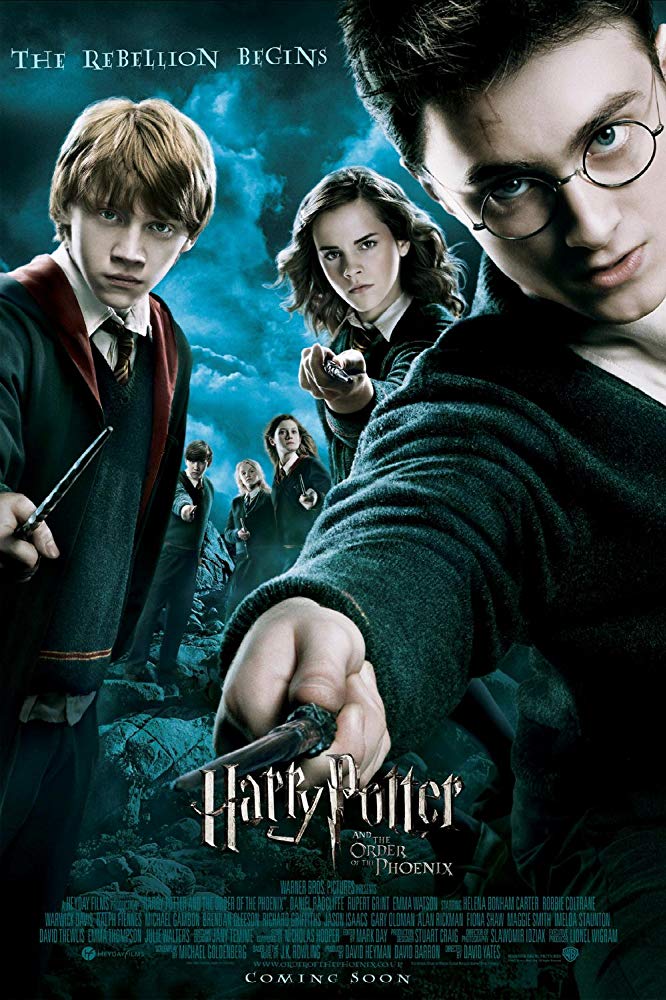
The fifth and in my opinion the best of the Harry Potter films. It is the first film where we see the darkening of emotions and the children growing up as storm clouds gather. Much of the show is stolen by Imelda Staunton
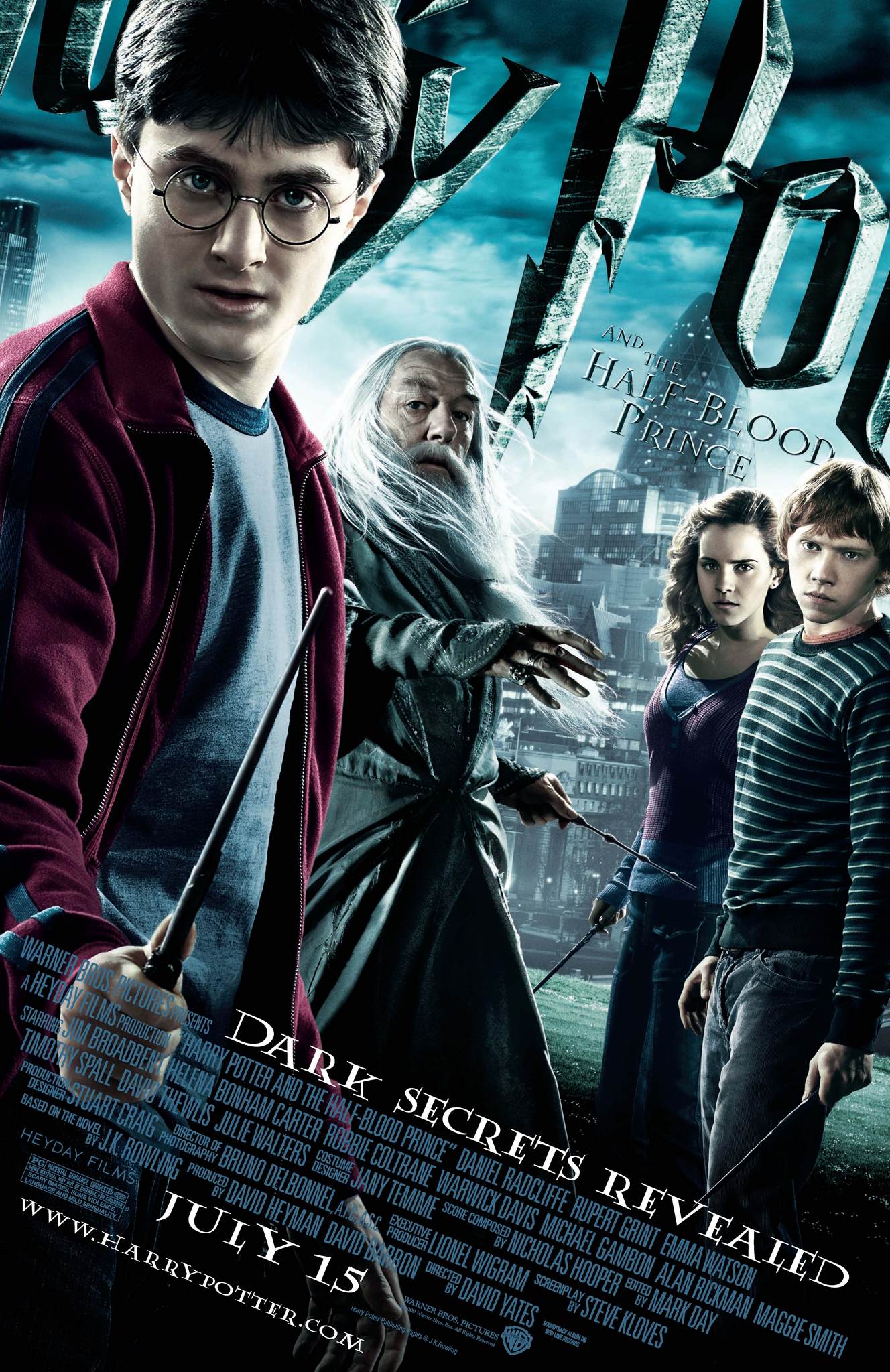
Sixth of the Harry Potter films, this feels like a step back from what its predecessor built up. The film suffers from trying to cram all of J.K. Rowling’s book into its running time and ends up being frustratingly mannered

Fourth of the Harry Potter films and one that feels much more seamless and sure of itself as a story. The problem is the absurd contrivation of J.K. Rowling’s weak story that wheels out every sports movie cliche in the book
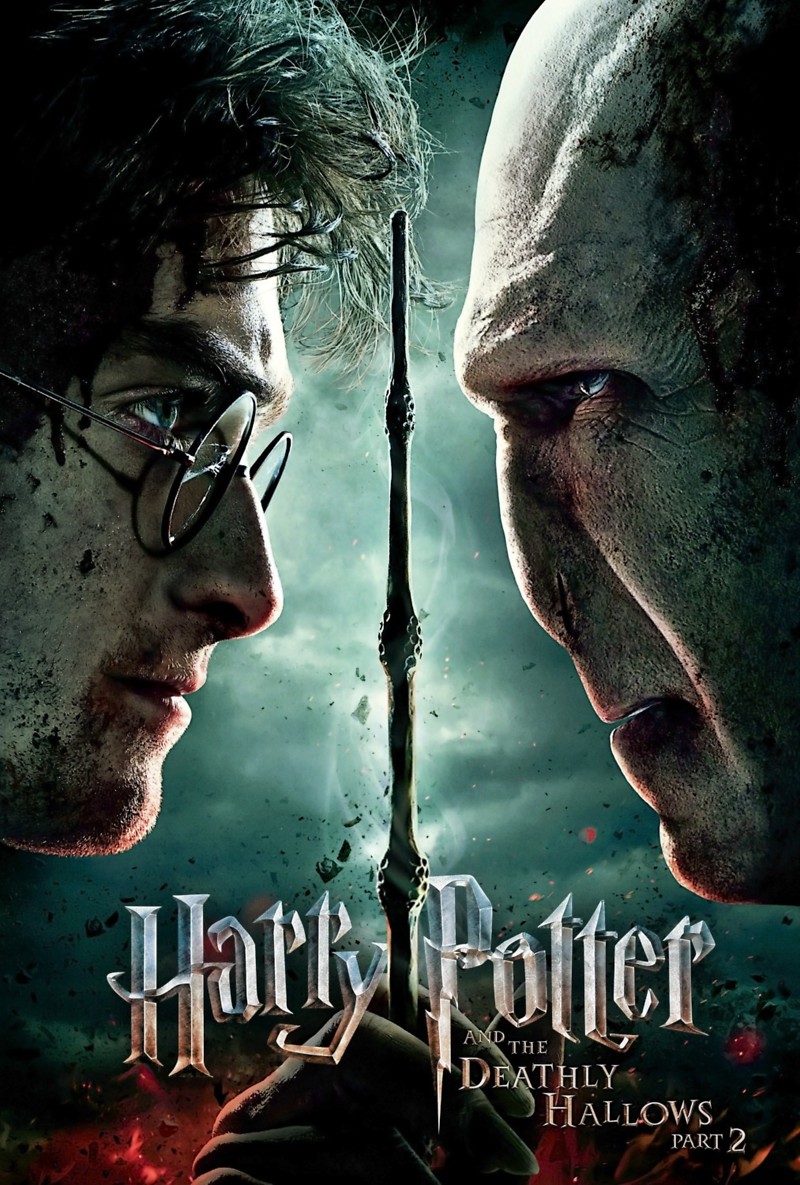
I’ve never been a huge fan of the Harry Potter series but the final chapter rounds out the boy wizard saga in rousing style, mounting an epic-sized battle and finding characters depths that hold some of the best writing of the series
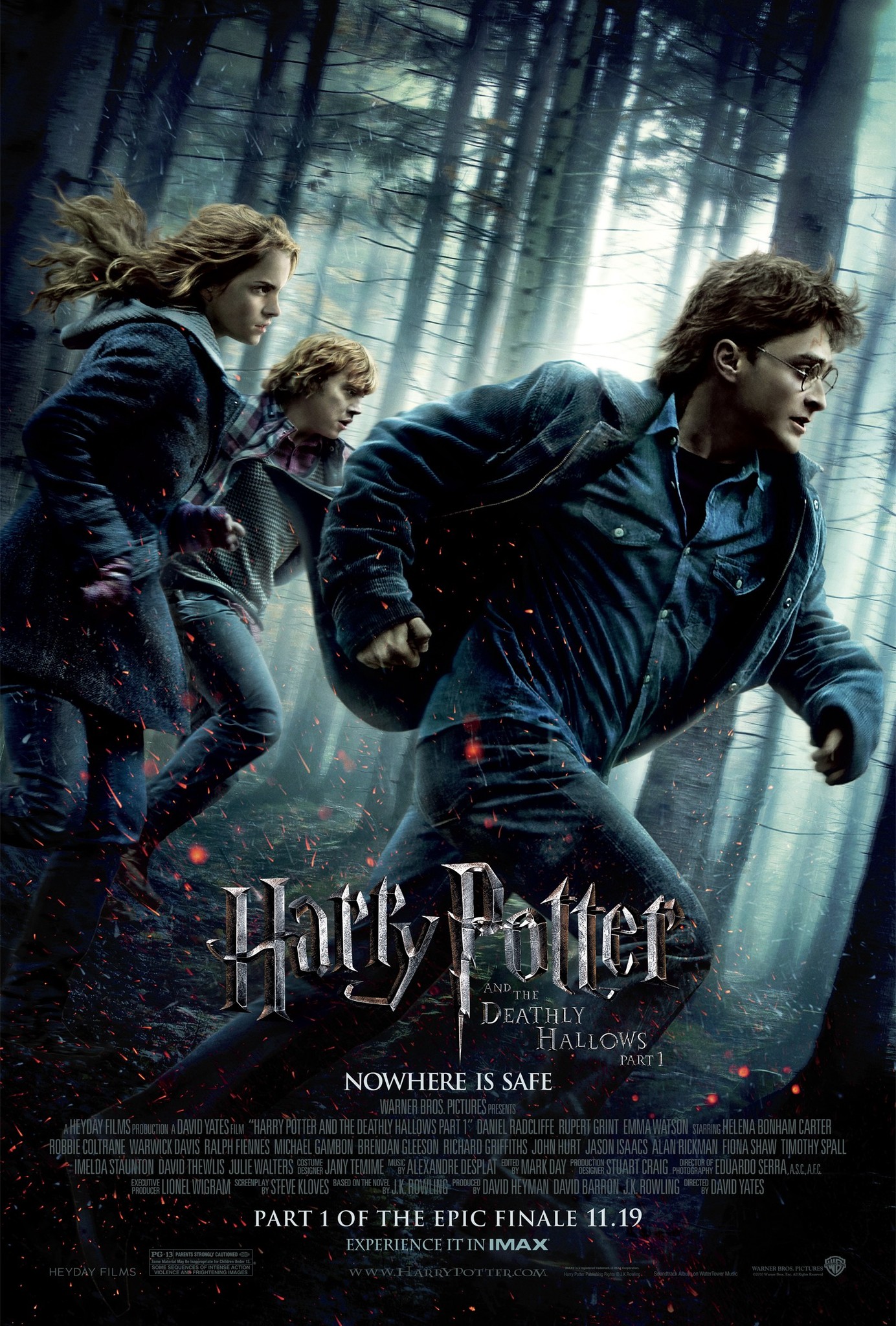
The penultimate chapter in the Harry Potter series surprisingly strips out most of the effects and is much slower, more character driven, while moving the saga towards an epic conclusion

The second of the Harry Potter films and better than its predecessor. Chris Columbus has his tendency to overblown effects more in check but that does leave the film more dependent on J.K. Rowling’s contrived deus ex machina plotting
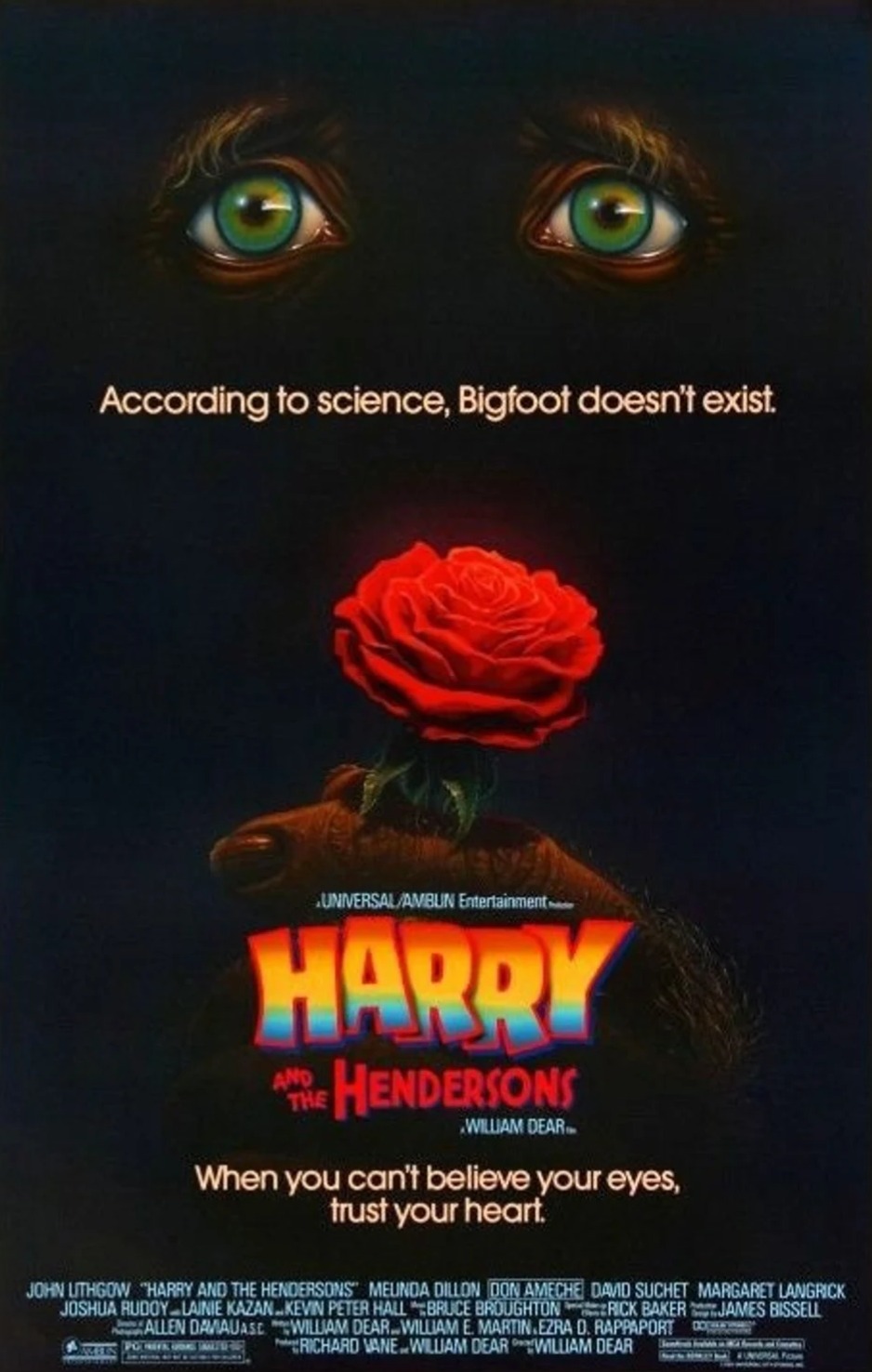
Likeable effort from Steven Spielberg’s Amblin Productions in which a Bigfoot is befriended by a family. The star of the show is Kevin Peter Hall in the amazingly expressive Bigfoot makeup from Rick Baker

John Woo made his US debut with this Jean-Claude Van Damme vehicle, which is essentially an urban version of The Most Dangerous Game. Woo’s stylised action set-ups give a slight script a dynamism that blows his contemporaries away

Hard Target was one of Jean-Claude Van Damme’s better films, featuring an on-fire John Woo as director. While most have forgotten it, we get a sequel here that copycats Woo’s moves to a point of tedium

Full-length follow-up to Hard Revenge, Milly and the same mix of ferocious action and over-the-top splatter. Despite a large budget, this is marginally the lesser in sheer entertainment

Ferociously entertaining Japanese film about a cyborg-enhanced heroine on a revenge trail. Mostly a series of ridiculously over-the-top action moves combined with copious degrees of blood
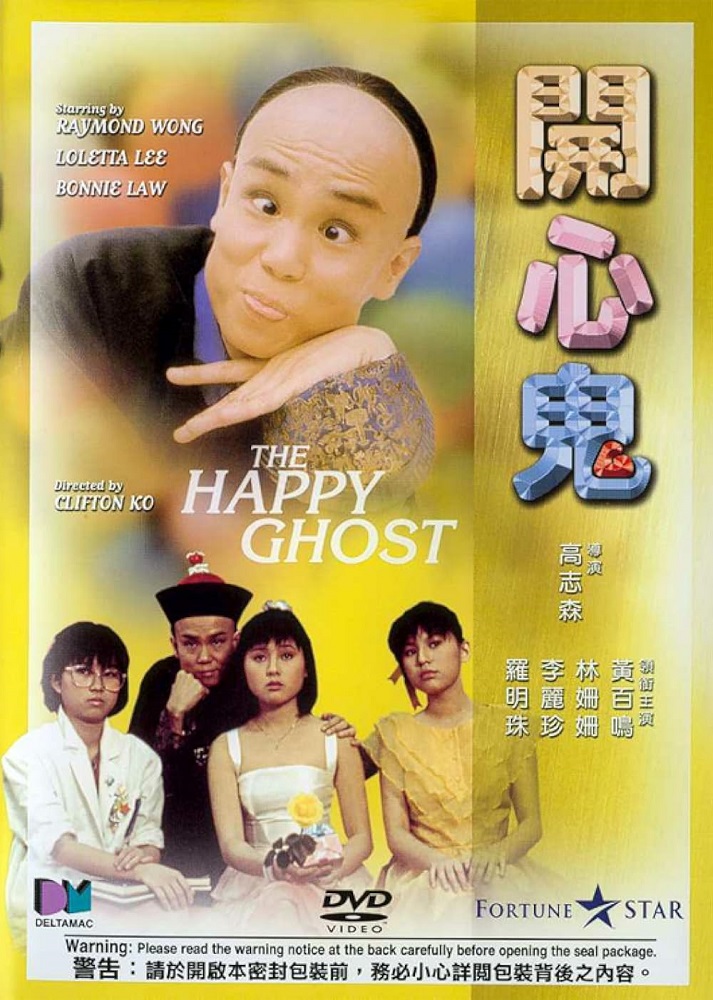
A popular Hong Kong hit in its day where a schoolgirl gains a ghostly scholar as an invisible companion, resulting in a series of slapstick sequences. Several sequels followed

George Miller had a charming and delightful hit with his dancing penguin film Happy Feet. He returns to make a sequel here that merely tries to repeat the same
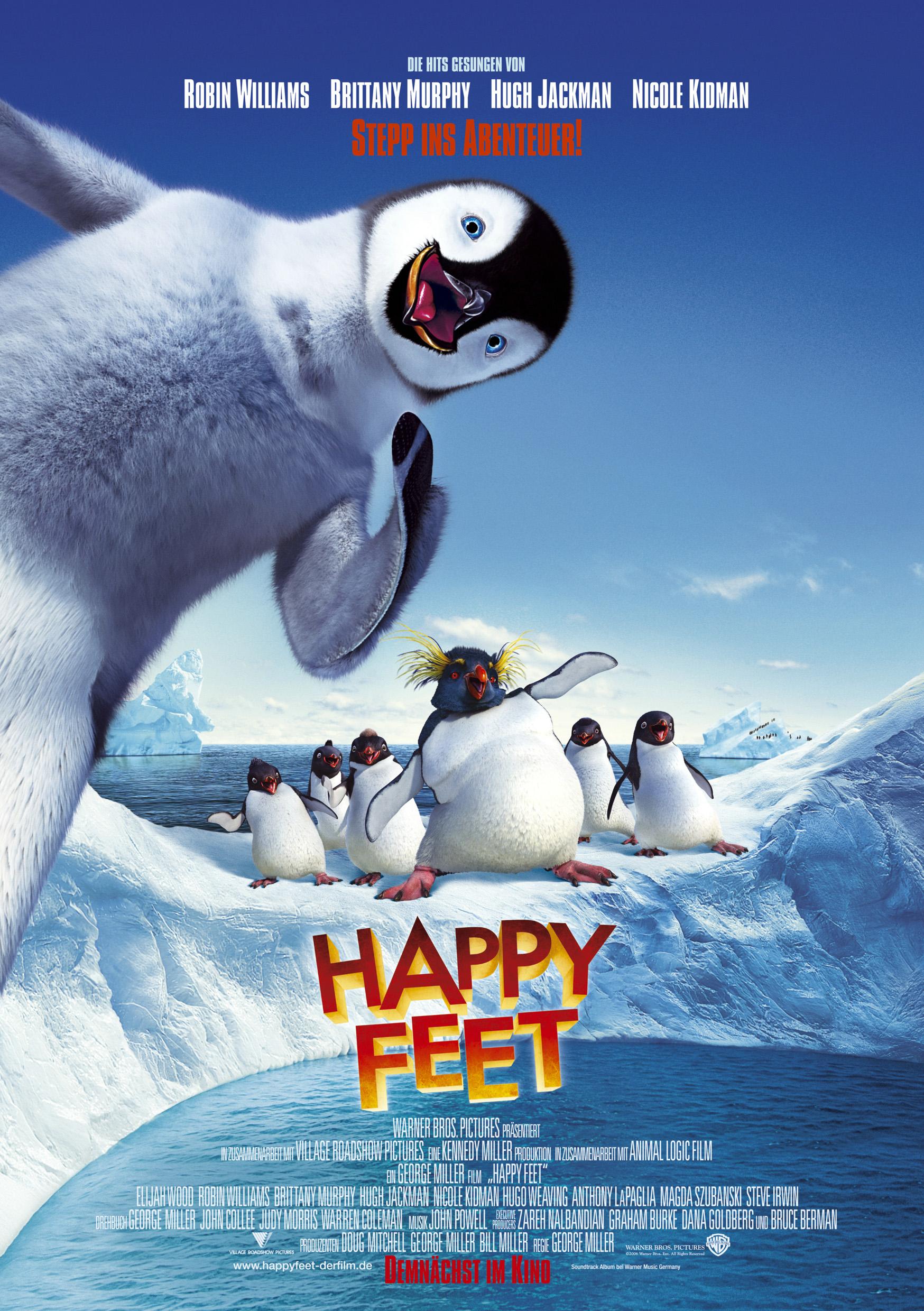
George Miller of Mad Max fame makes a motion-capture animated film about a young penguin who sets out to fulfill his dream of tap-dancing. This ends up being a film of unexpectedly winning charms
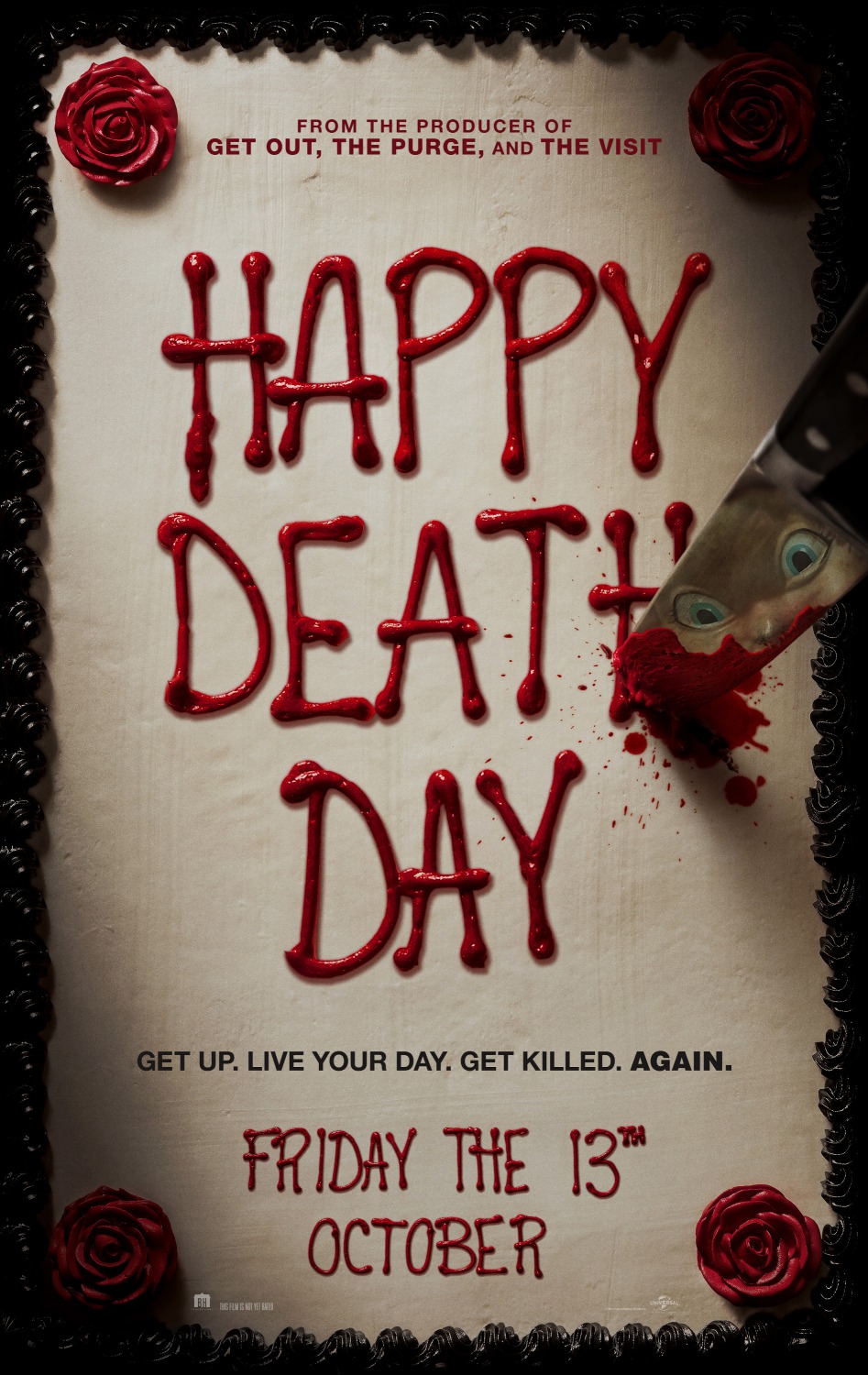
A Christopher Landon film released by Blumhouse. This has been conceived as a mash-up between Groundhog Day and a slasher film with a girl who wakes up every day to be pursued by a masked killer

Happy Death Day seemed a gimmicky marriage between Groundhog Day and a slasher film. This sequel is a far better film that places some funny and quite clever spins on the previous film
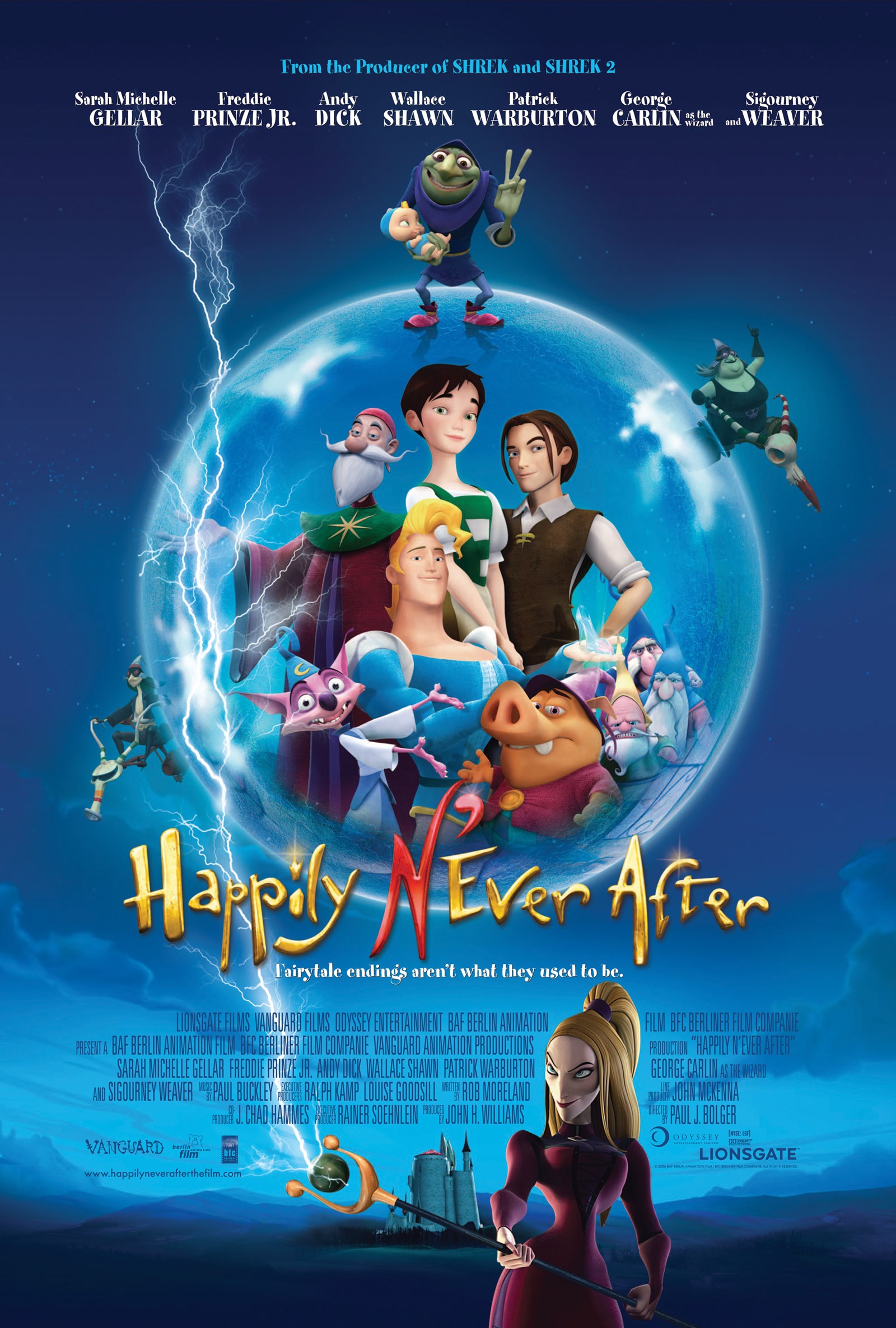
Another in the spate of animated fairytale parodies that came out in the wake of Shrek, this subjects Cinderella to an excruciating barrage of pop-culture jokes and one-liners

Sequel to The Asylum’s spendidly grotesque Hansel & Gretel, this pits the two characters against one another for contrived reasons to justify its title but is just cheaply made

Amid the 2010s spate of fairytales rewritten as dark adult fantasies, this was a quite good mockbuster copy from The Asylum. From the director of Sharknado, this is Hansel and Gretel by way of The Texas Chain Saw Massacre

Building on the successes of the Hannibal Lecter films, this is a prequel that goes back sets out to tell an origin story of how the young teenage Hannibal came to be who he was during World War II

The immediate sequel to The Silence of the Lambs. Anthony Hopkins is back but Jodie Foster is not. Ridley Scott takes the director’s chair and creates a slick film but it lacks the compulsive grip the original held
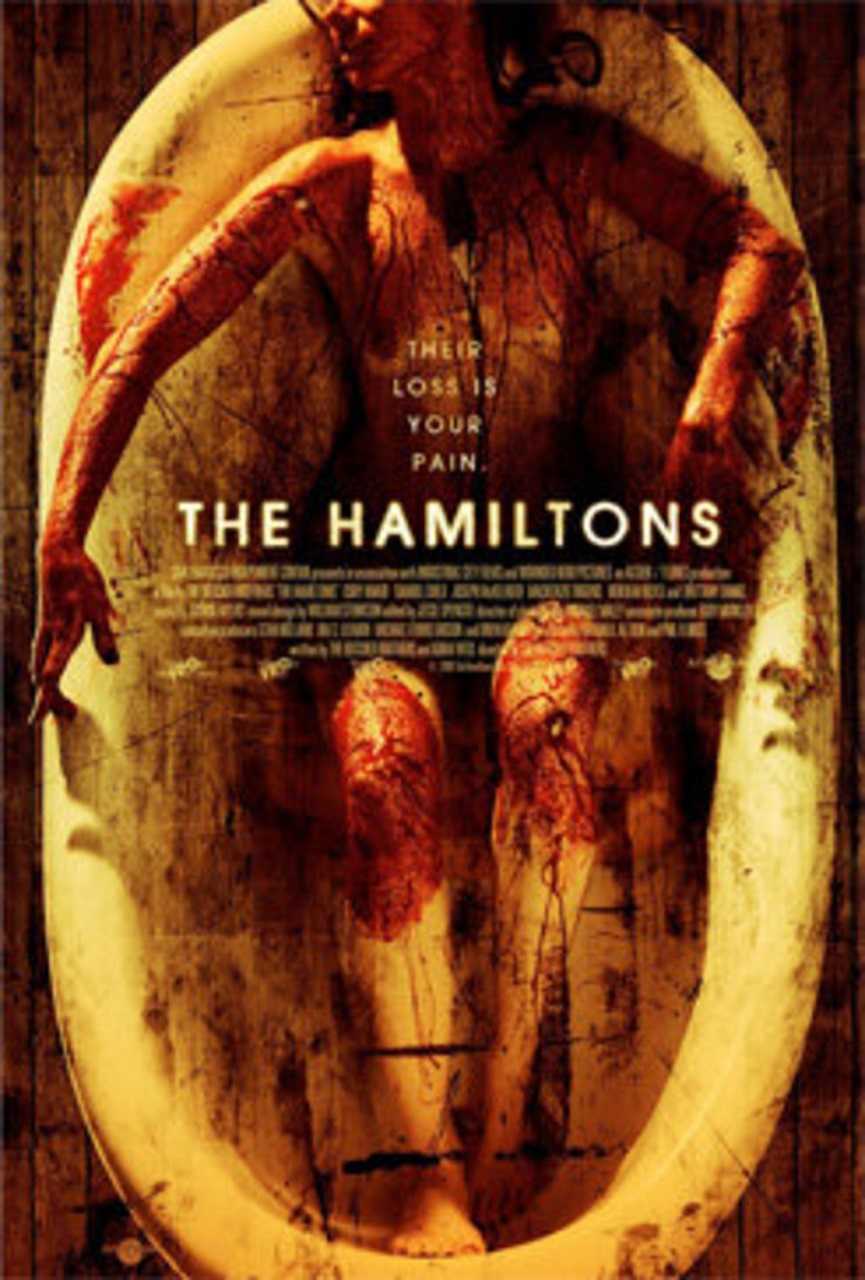
An indie horror film about a strange and disturbing family of adult children. The whole film hangs on an interesting mid-film conceptual revelation

The sixth of the Halloween films, the fifth with Michael Myers. By now John Carpenter’s original eerie suspense has been reduced to crude slasher movie payoffs. This tries to add some nonsense about druidic cults
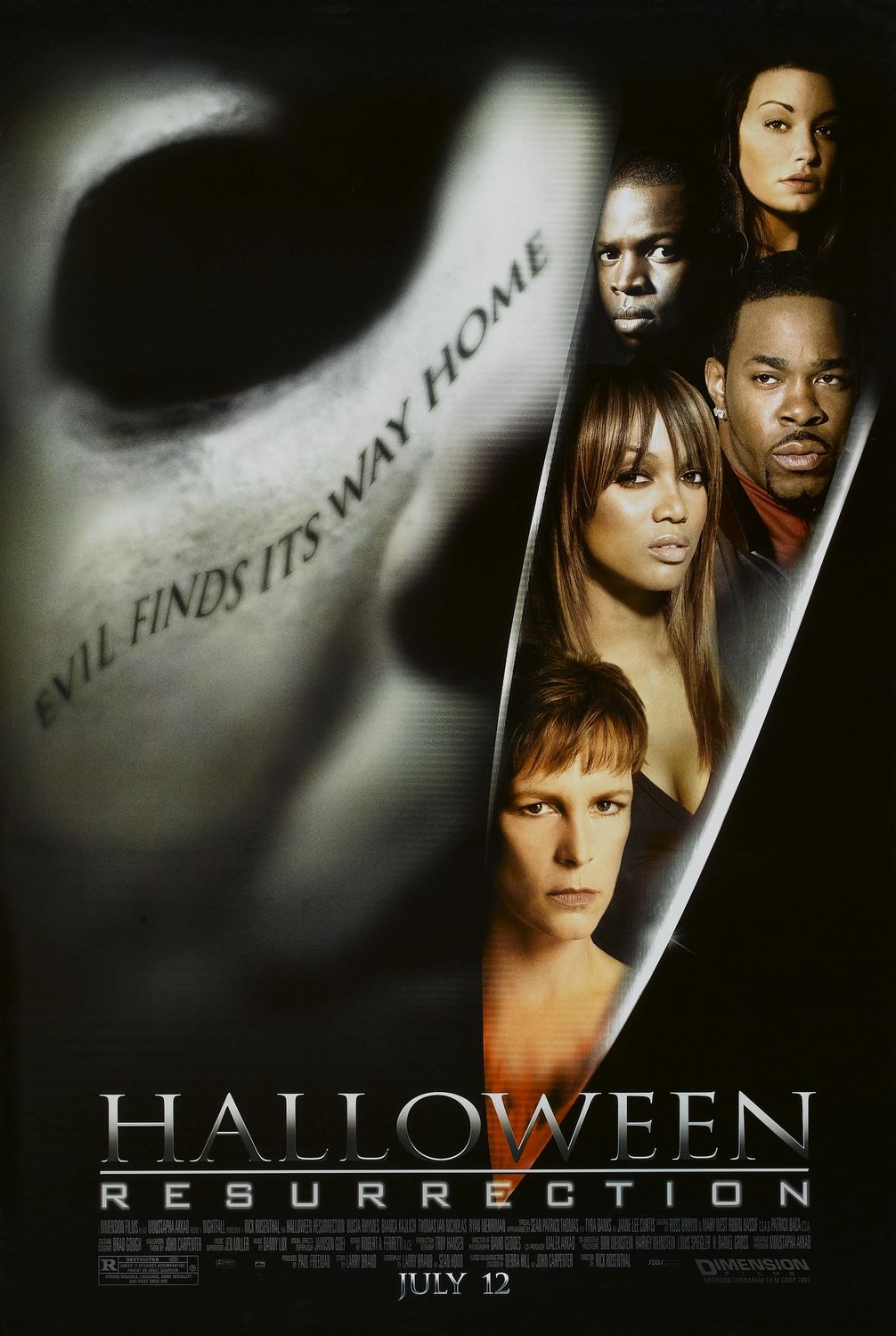
The eighth Halloween film. This tries to throw in some novelty by combining Michael Myers with a reality tv show being filmed in his family home but is still the same uninspired thrills of the other sequels

Sequel to the 2018 reboot/sequel to Halloween from David Gordon Greene, this is more scrupulous about paying homage to the original and recapturing something of John Carpenter’s original stylism
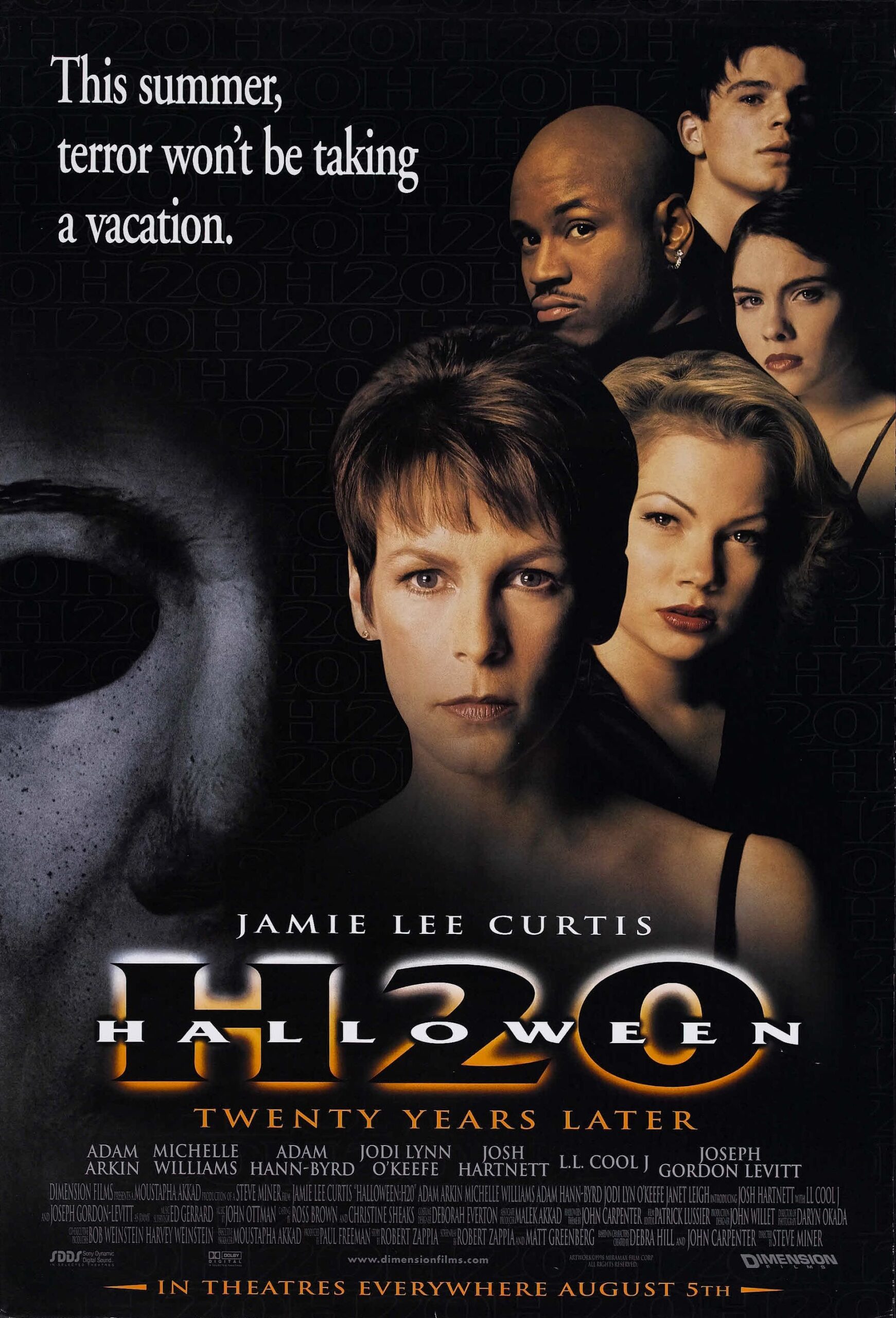
The seventh Halloween film, made for the original’s twentieth anniversary. This erases continuity to the other sequels and has Jamie Lee Curtis alive and pursued by Michael Myers again. Better than most of the other sequels.

David Gordon Green and Jamie Lee Curtis return to round out their highly underwhelming Halloween reboot trilogy. By now, this feels like a Halloween film in name only

The fourth of the Halloween sequels where the series is by now is no more than a crudely directed slasher film, a far cry from John Carpenter’s eerily suspenseful original

Following John Carpenter’s departure from the Halloween series, the sequels begin their progression into a series of interchangeable slasher films in which Michael Myers is inevitably released to kill anew

Rob Zombie’s follow-up to his Halloween remake is a better film and closer to what the previous film should have been but his approach is still based on callous brutality than John Carpenter’s eerie suspense

The first sequel to Halloween, with Michael Myers pursuing Jamie Lee Curtis through a hospital. John Carpenter’s suspense is replaced by slasher hackery but in retrospect this is a lot better than the subsequent sequels
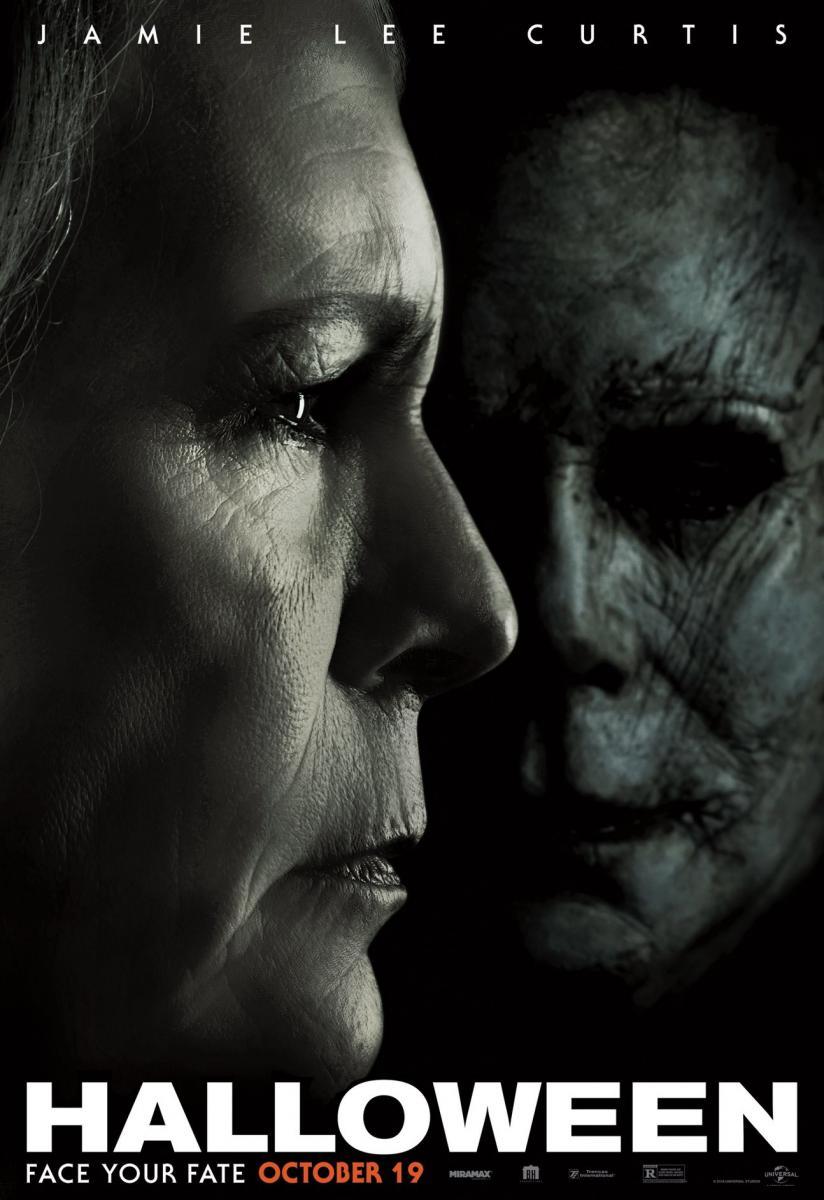
40 years later, Jamie Lee Curtis returns to pay homage to Halloween in what is a direct sequel to the original, erasing the continuity of every other sequel. This fails to conjure what made the original a classic
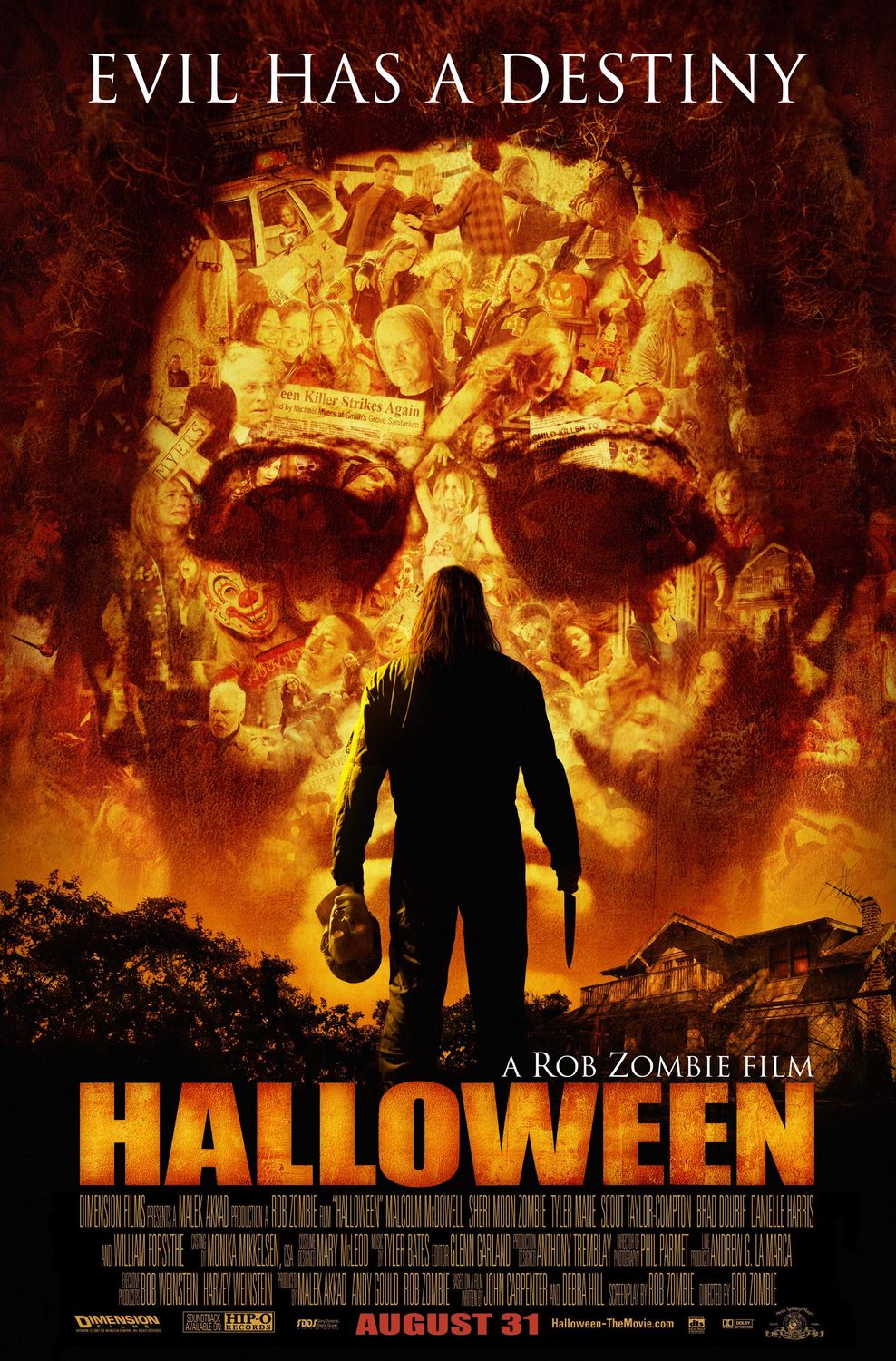
Another inferior entry in the mid-00s fad remake of 70s/80s horror films. Whereas John Carpenter gave us Michael Myers as evil incarnate, Rob Zombie gives us Michael Myers as a misunderstood and unloved kid

John Carpenter’s all-time classic, the film that created the slasher film and has been much imitated, not to mention multiply sequelised and remade. None of these however come anywhere near recapturing Carpenter’s eerie spookiness
Sequel to the live-action US-made adaptation of the manga about a power-suit superhero. As with the first film, there are lots of rubbery aliens and martial arts fights

Third of the Guardians of the Galaxy films, this successfully recaptures the nature of the goofy ensemble comedy caper that made the first film such a winner but seemed to be missing in the second
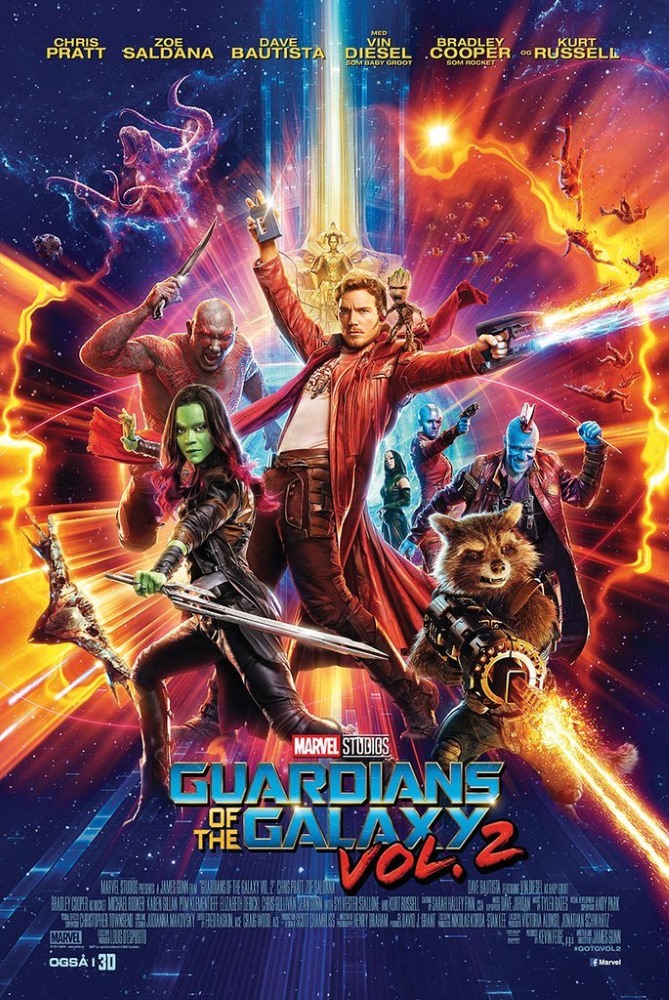
Guardians of the Galaxy was an audience winner with its eccentric humour and effortless charm; this sequel feels buried under bloated production overkill where the charms of the original remain thinly drawn

A triumphal Marvel Comics adaptations that manages to mainline the spirit of the original Star Wars, while in in its wryly, self-deflating culture savvy suggesting a Star Wars rewritten by a 14 year-old Quentin Tarantino
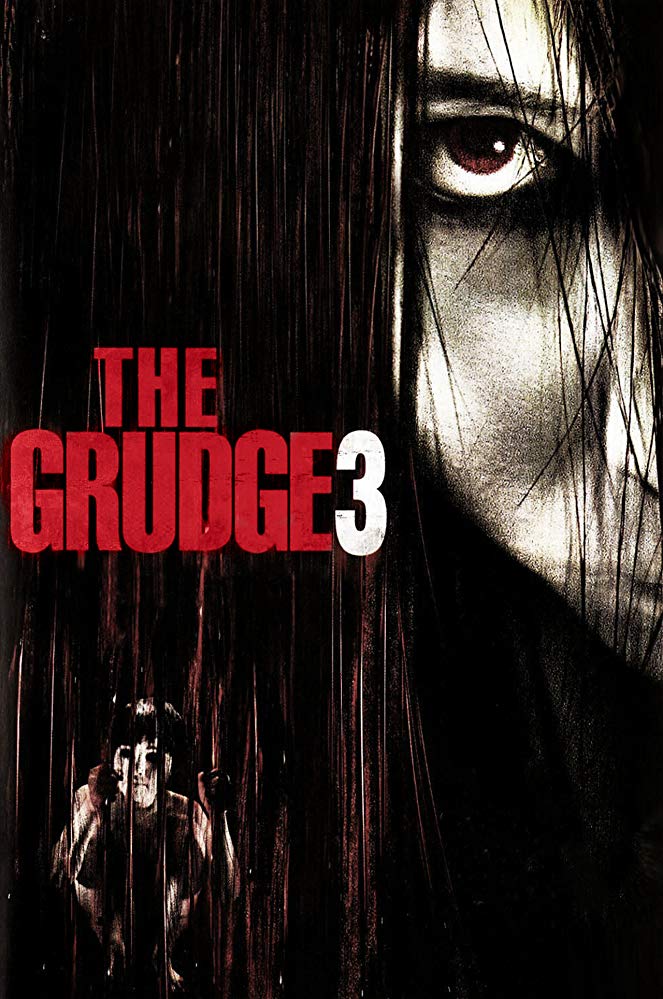
The Ju-on/The Grudge series has spawned thirteen films to date. This was the second sequel to the English-language remake but by this point everything disappears into formulaic scares
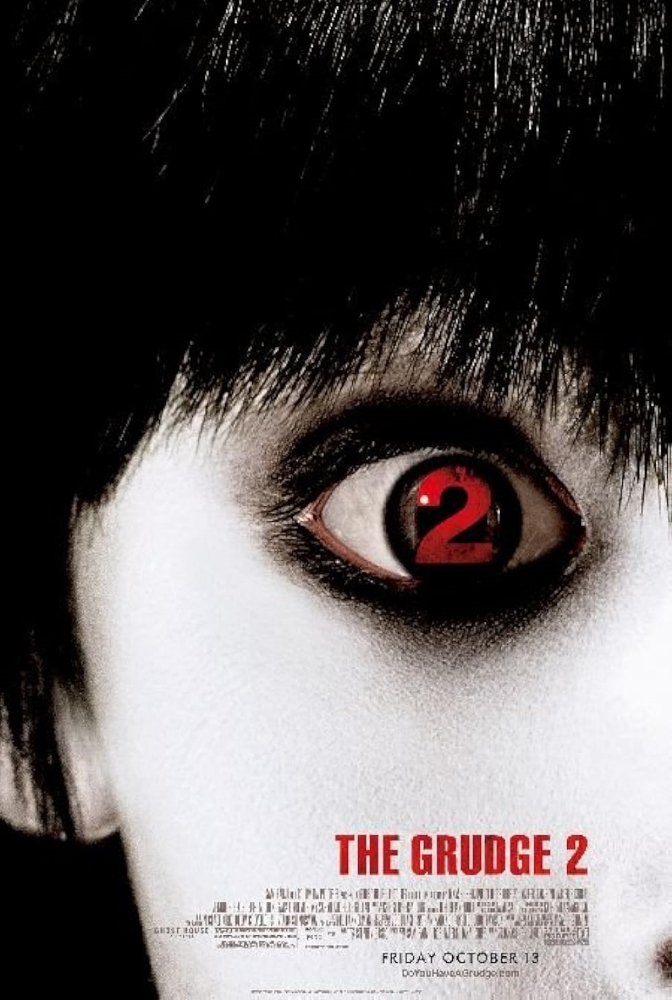
Follow-up to The Grudge, the English-language remake of the Japanese horror film. Although original Japanese director Takashi Shimizu is present, this is one of the weaker Ju-on/Grudge films
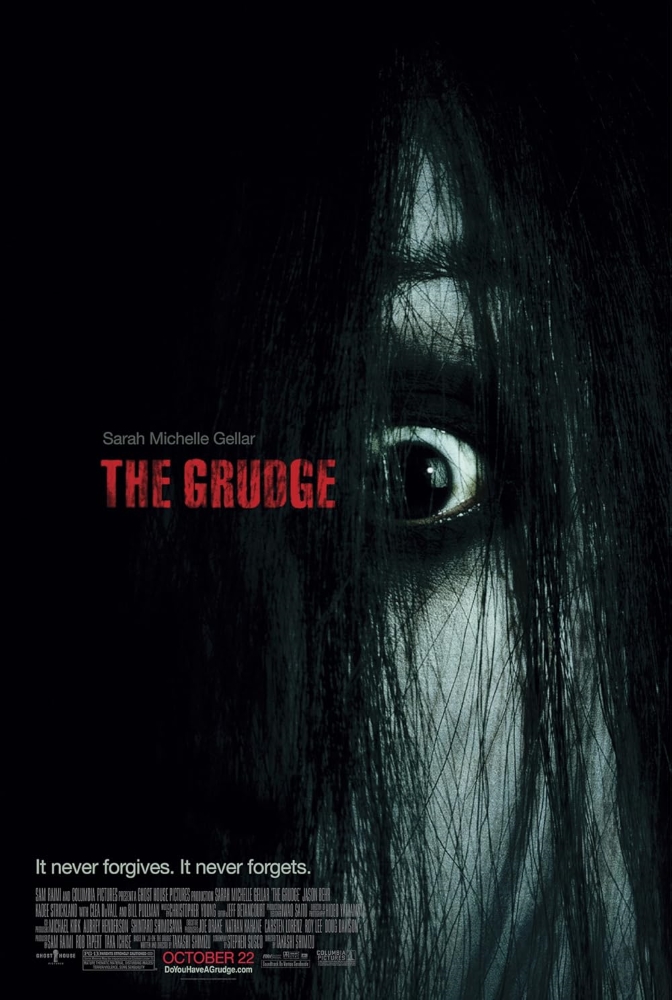
The English-language remake of Ju-on: The Grudge, this has the good sense to retain the original’s director Takashi Shimizu. The script makes more sense and Shimizu replicates the same eerie scares
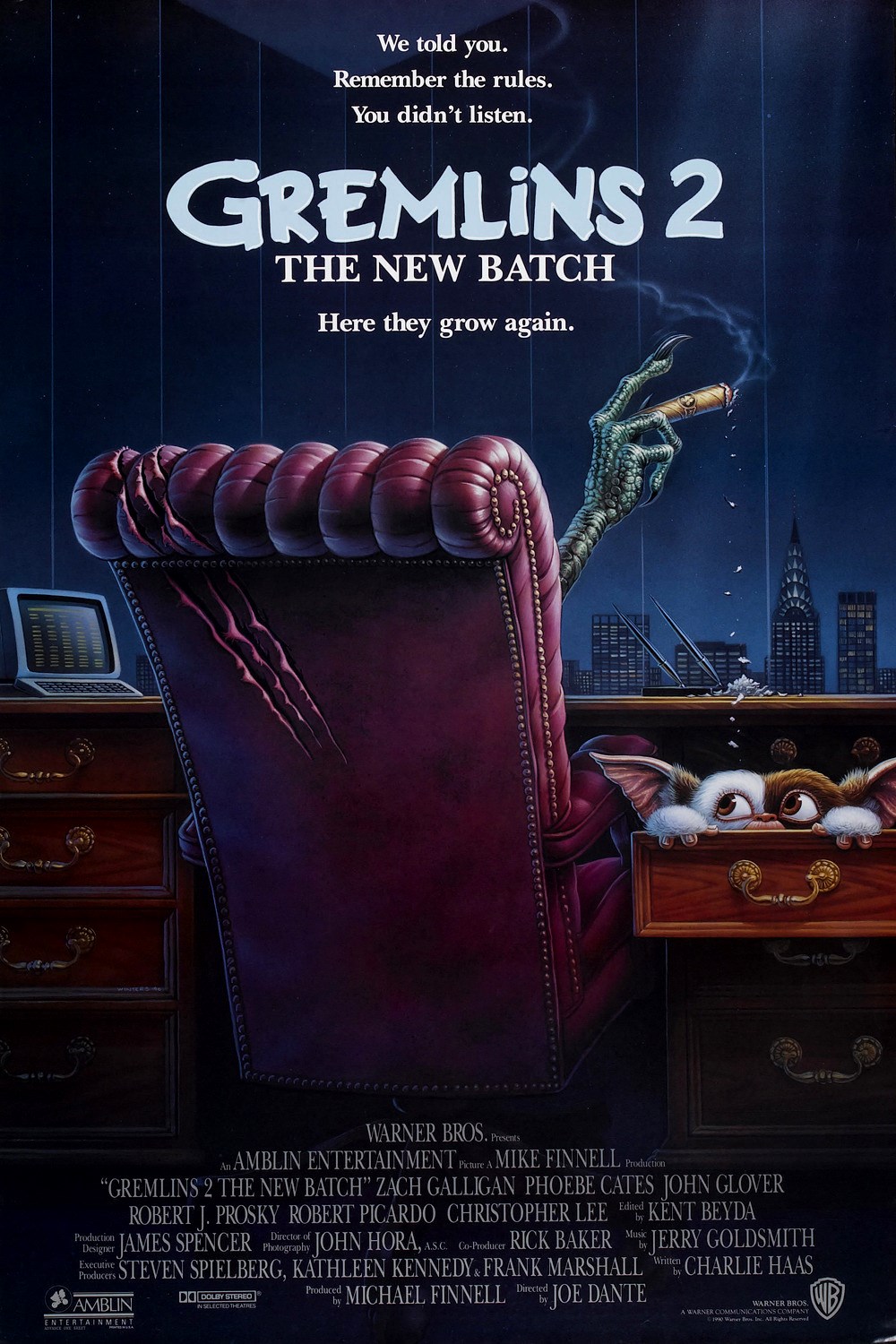
A far less successful sequel to the mega-hit of Gremlins where director Joe Dante brings the gremlins to Manhattan and allows the silliness to go completely over-the-top and into orbit, even breaking the fourth wall
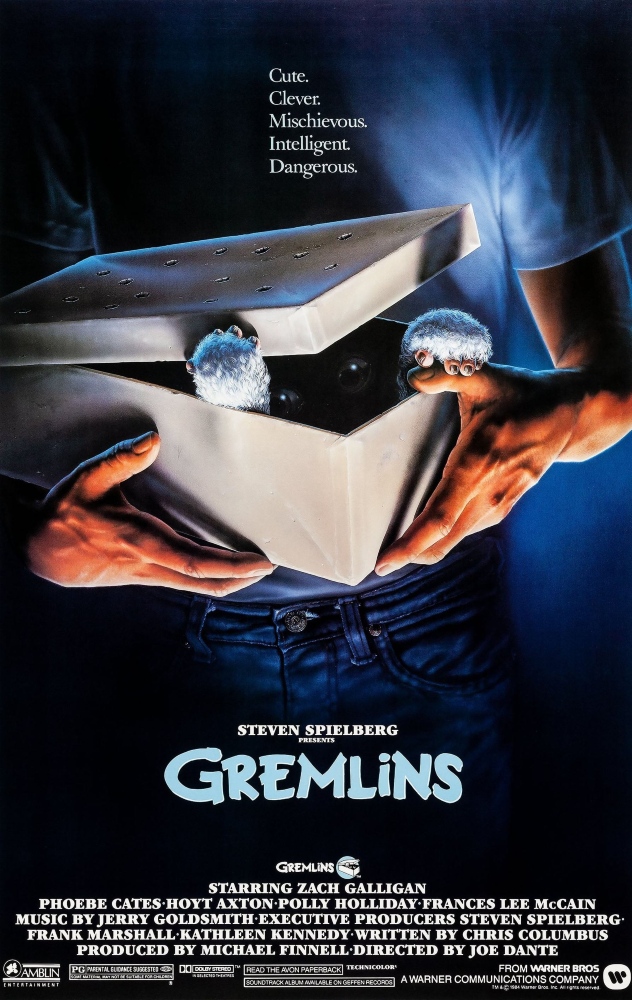
The film about malicious creatures that was the runaway box-office hit of 1984. Director Joe Dante runs amok like a schoolboy with a chemistry kit and gleefully trashes the wholesome innocence of producer Steven Spielberg’s E.T. – The Extra-Terrestrial

Greenland was a disaster movie on the familiar theme of a comet colliding with the Earth. This is a desultory sequel where the survivors emerge from the shelters to now have to survive in a changed post-apocalyptic world
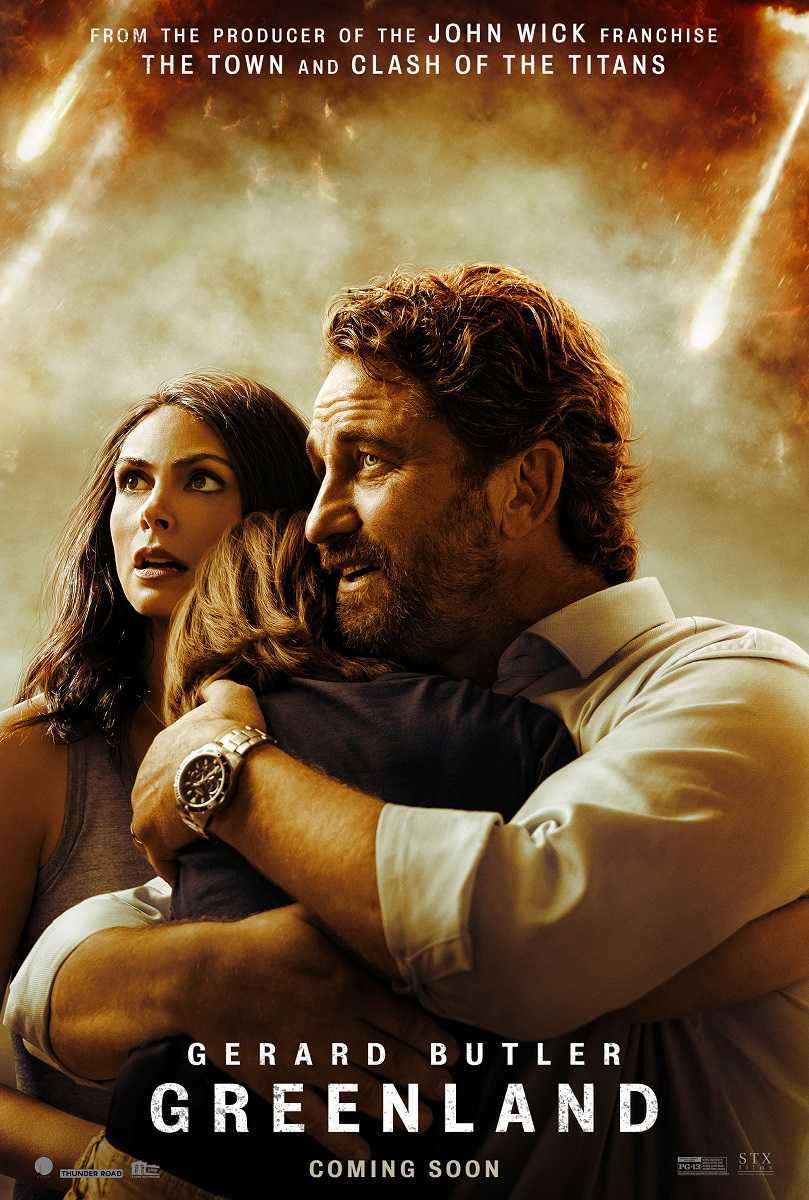
There seems something redundant in 2021 with the world in the grip of a very real apocalypse about watching an old-fashioned mass destruction disaster movie about an oncoming comet impact
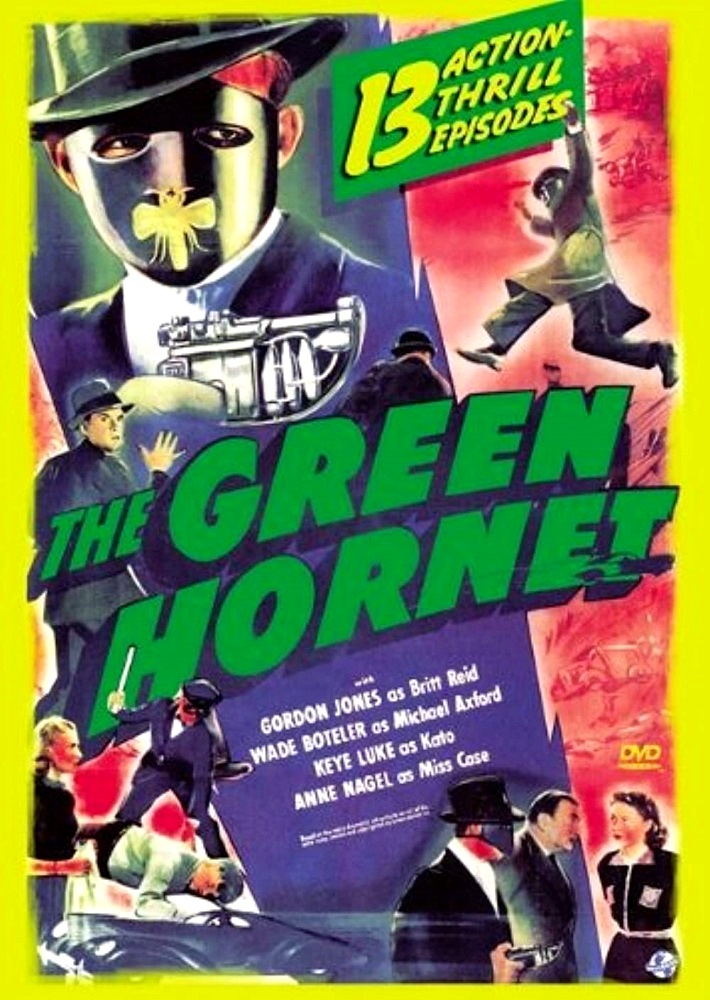
The first screen appearance of the masked superhero The Green Hornet in a thirteen-chapter serial that was adapted from a popular radio series. Later remade as a tv series and feature film.
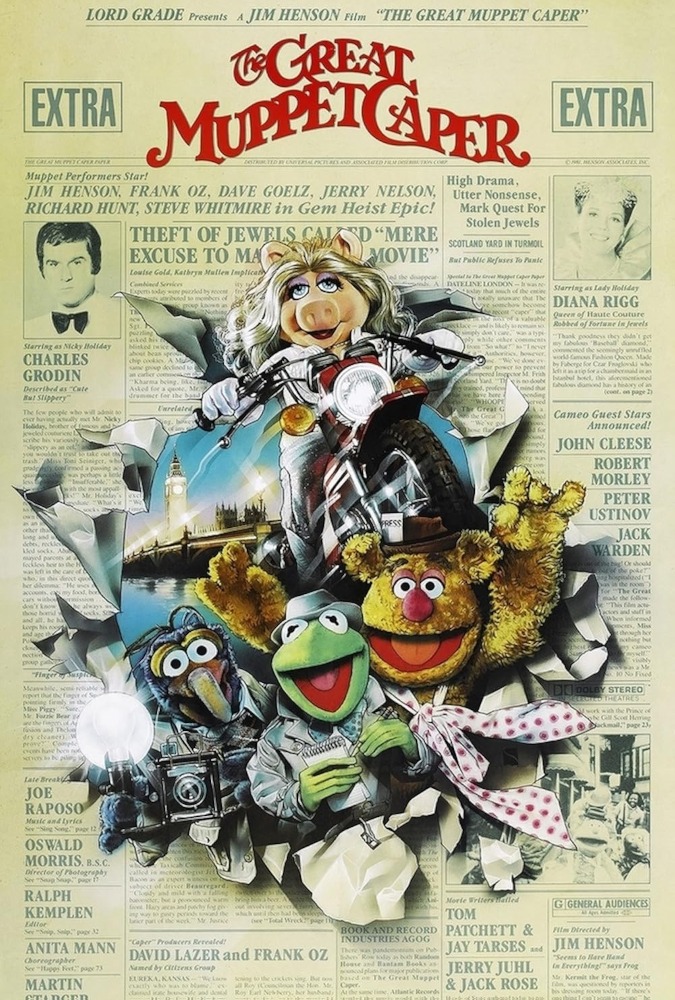
The second of the Muppet films made when Jim Henson was alive and one of the best, this bubbles with a double level of sly grown-up humour that many of the later post Henson entries miss
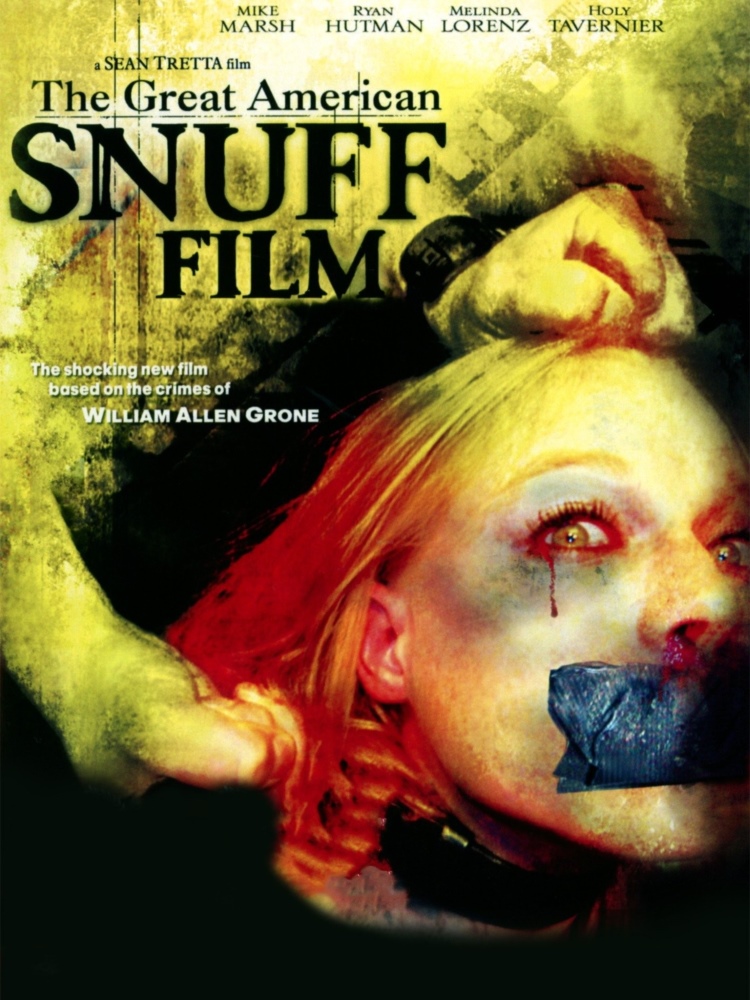
A really good, unrecognised early Found Footage film, supposedly a series of videotapes that chronicle the activities of a serial killer. A film that takes us inside an incredibly disturbed headspace
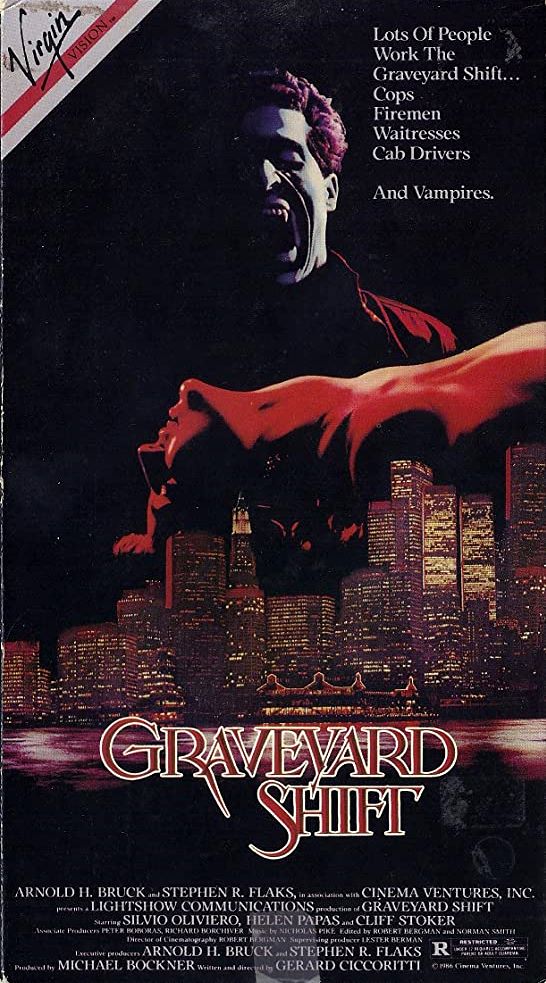
Stylish New Wave film about an existential vampire taxi driver meeting a woman film director who has received a terminal diagnosis. From the underrated Gerard Ciccoritti
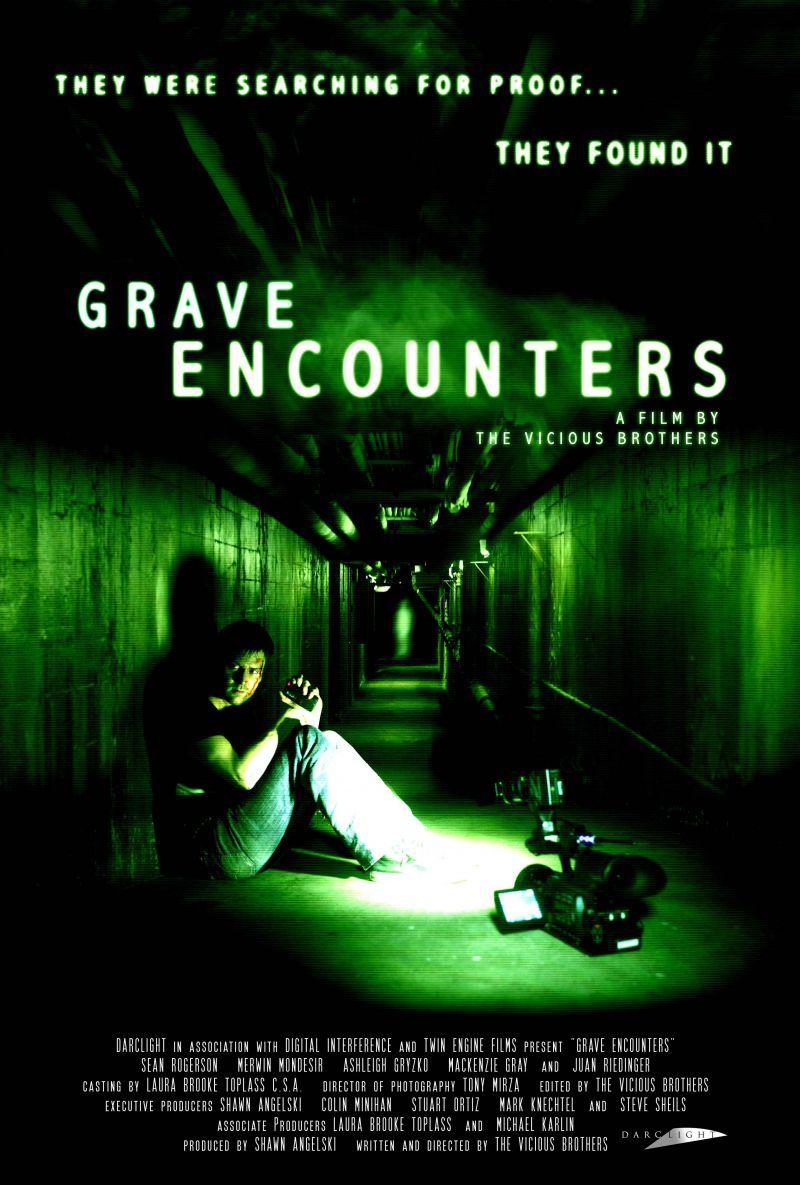
Another Found Footage horror film with a reality tv ghostbusting team investigating a haunted asylum. The Found Footage genre quickly became exhausted and this only treads where others have gone before
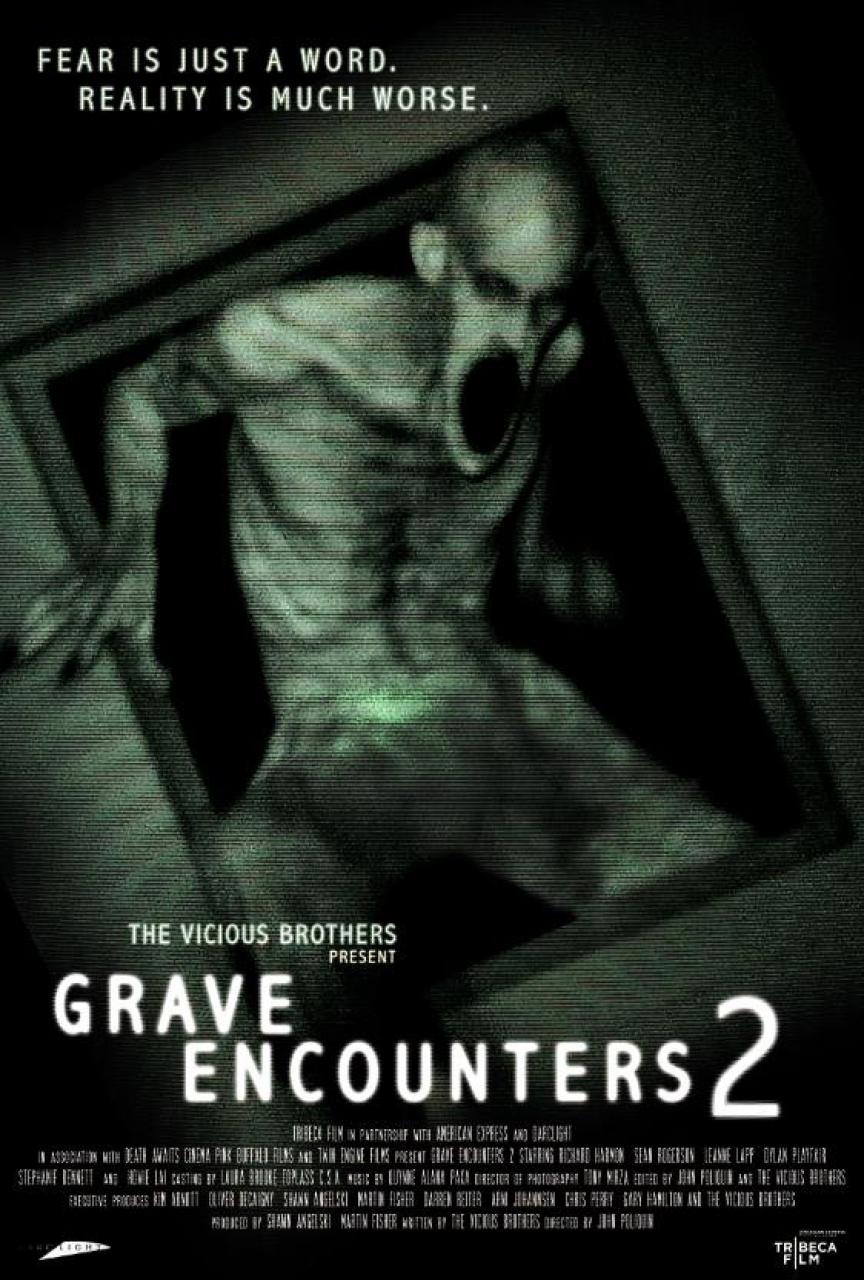
Grave Encounters was an unremarkable Found Footage film. This much smarter sequel takes its lead from Book of Shadows: Blair Witch 2 in being a meta-fiction that investigates the phenomenon of the first film
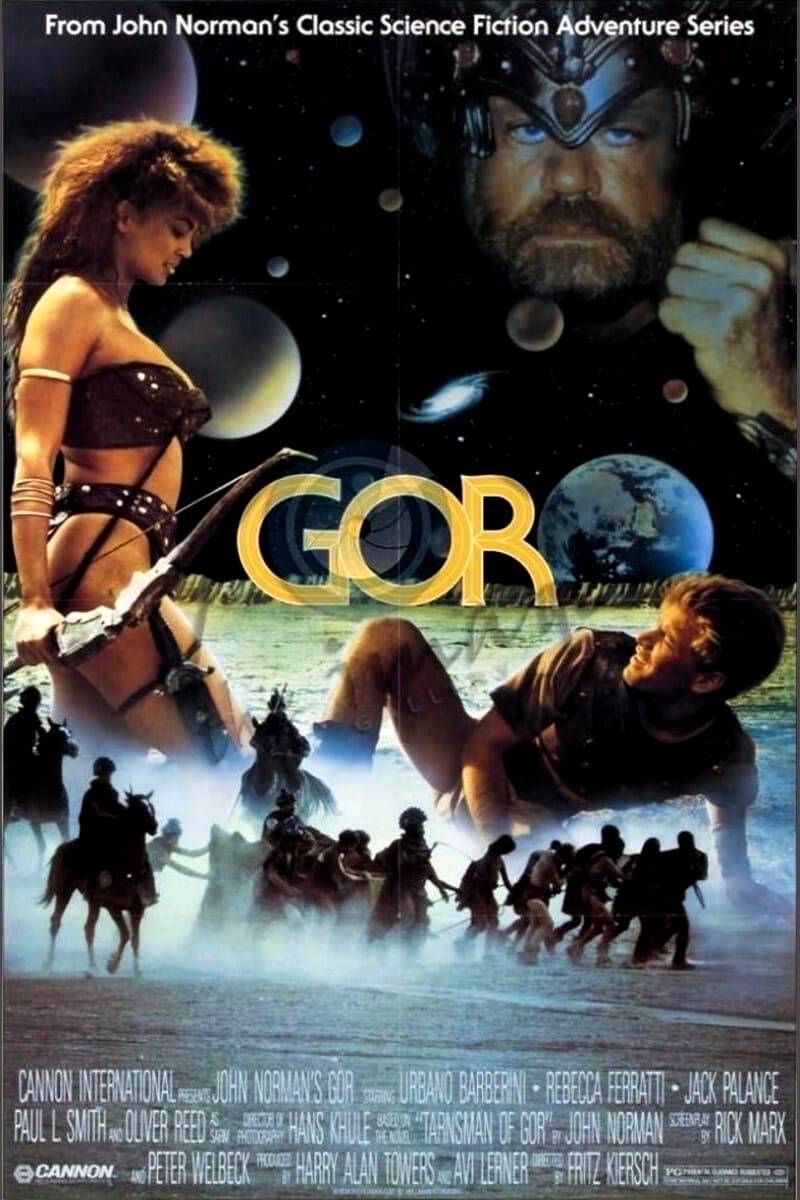
Cannon Films adaptation of John Norman’s series of books. The books come with heavy BDSM content but this is a planetary adventure about a professor transported to become a hero on a barbarian planet
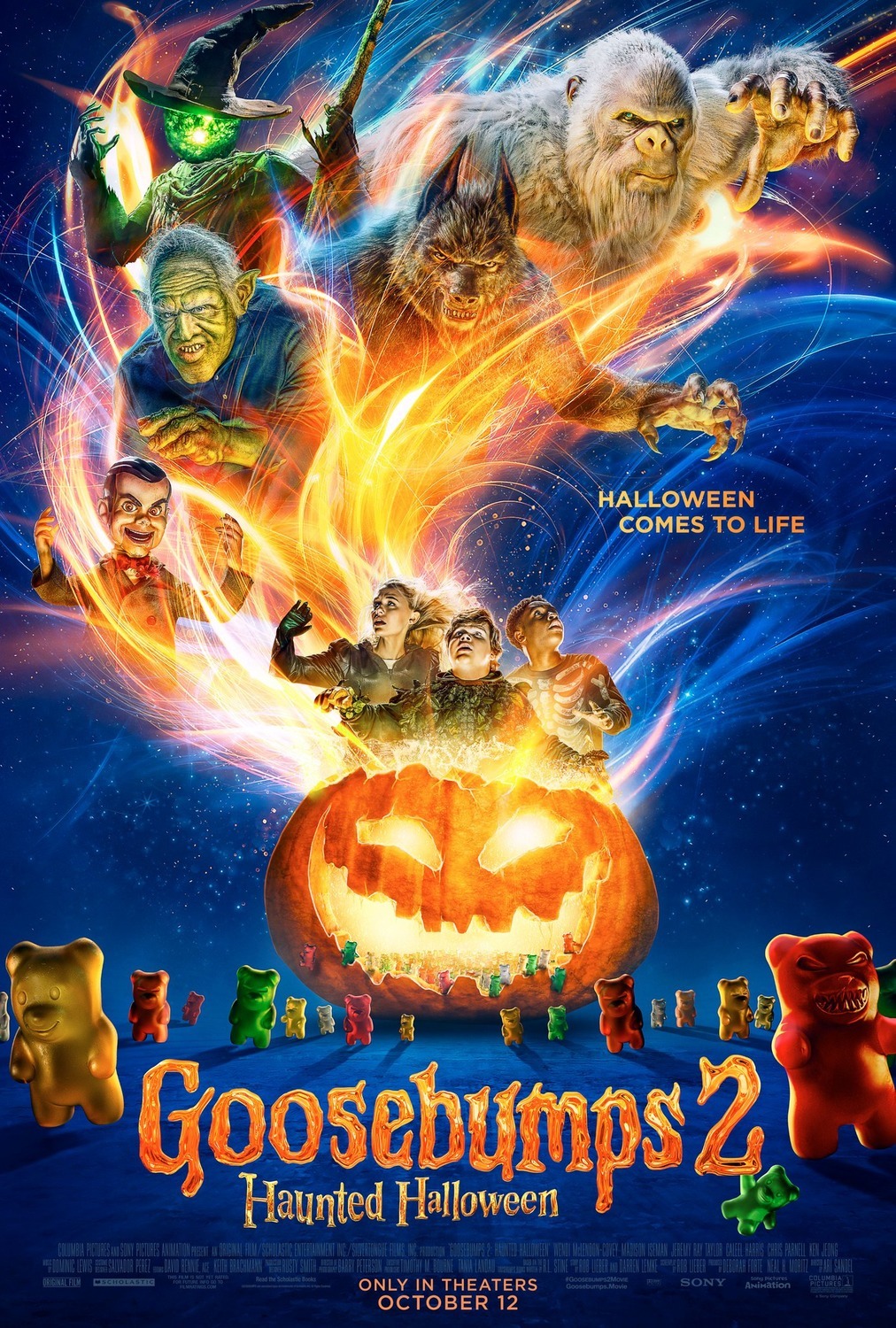
The second film spun off from R.L. Stine’s popular horror stories promotes the wonderfully evil ventriloquist’s dummy Slappy to principal nemesis. The rest of the film is predictable but Slappy deserves his own series
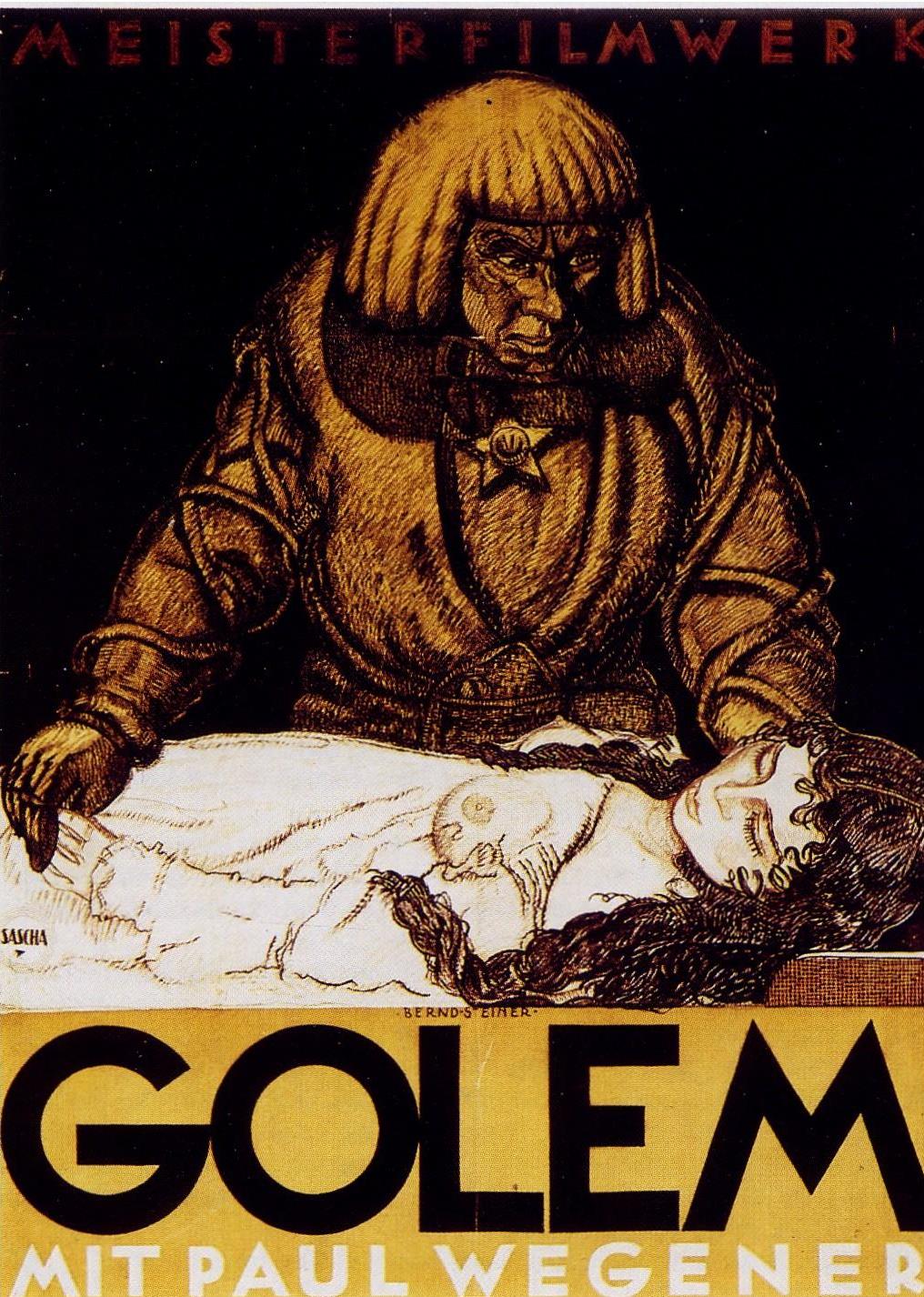
Classic silent film from the German Expressionist period in which a rabbi brings to life a creature made of clay (played by Paul Wegener), which then proceeds to go amok
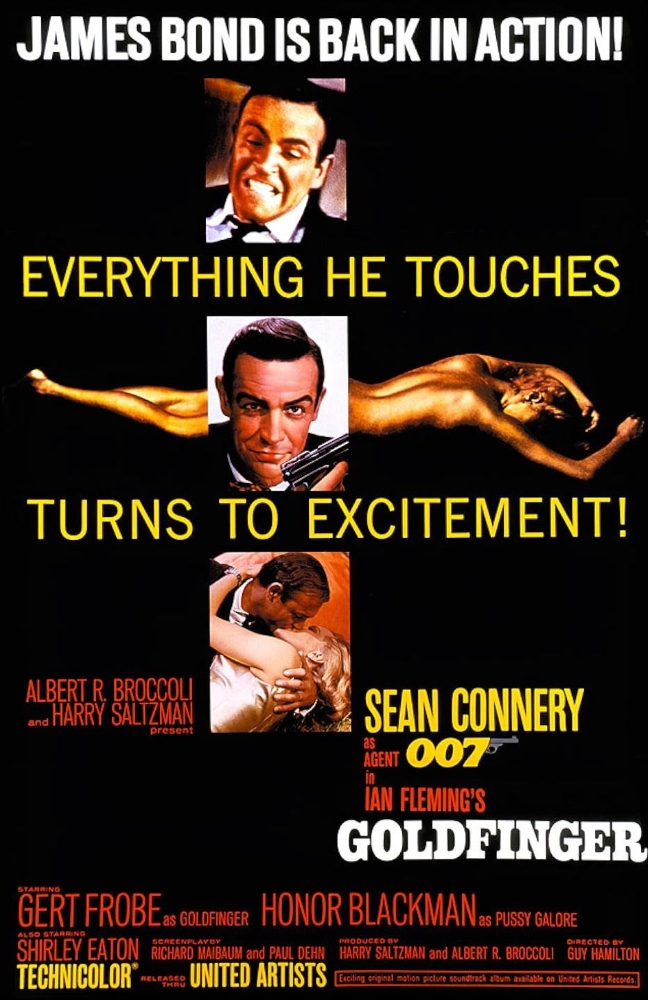
The third of the James Bond films and the point where everything that has been defined as the formula of the series – the gadgets, the villains, the henchmen, the cars, the world domination plots – falls into place perfectly
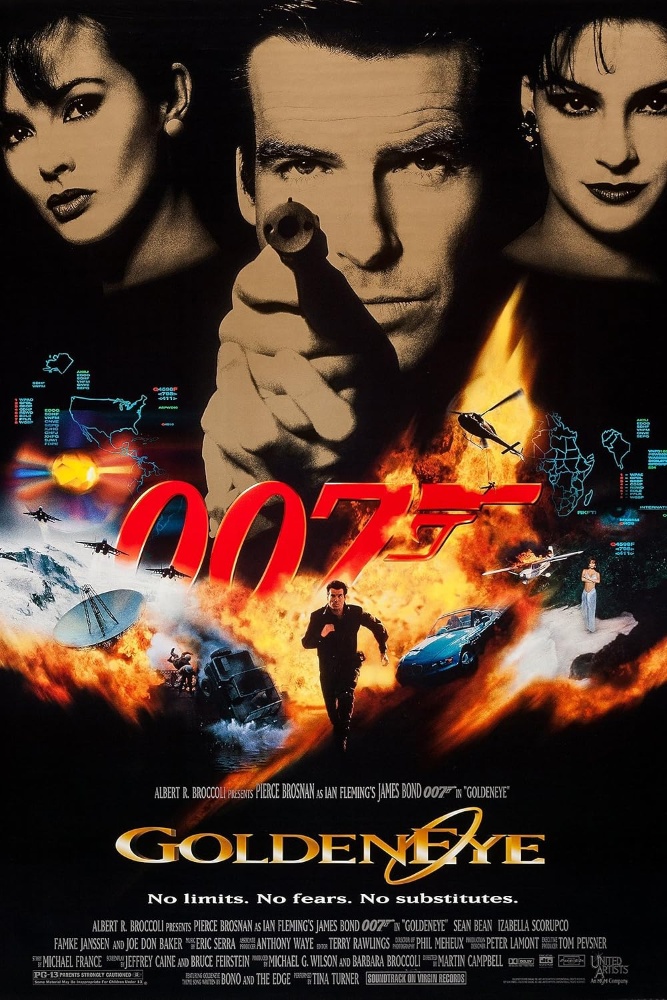
The 17th James Bond film, the first featuring Pierce Brosnan who gives a dazzlingly ruthless performance. The series is rebooted and takes the opportunity to reconstruct the mythos in terms of modern politics in ways that often take you aback
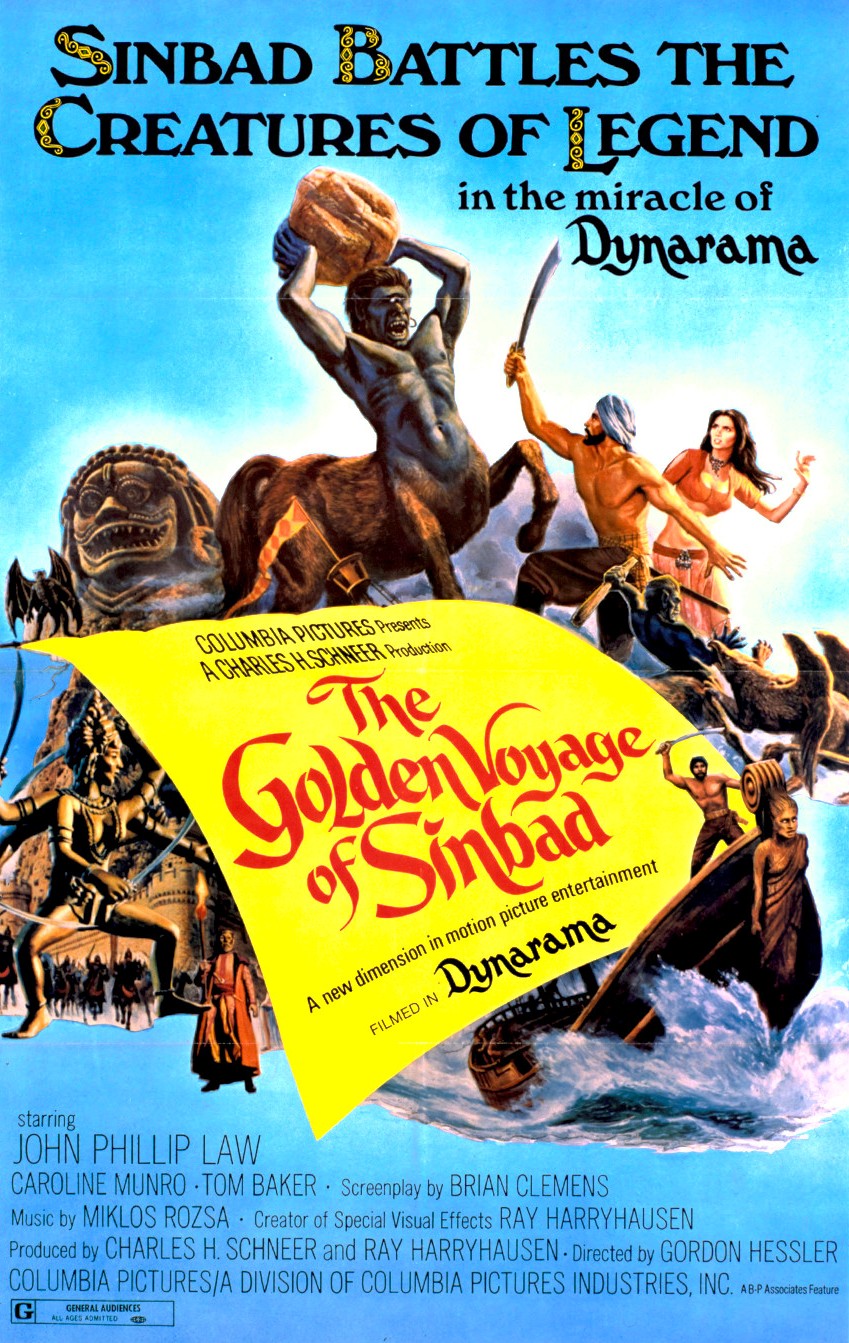
The second of Ray Harryhausen’s Sinbad films, an Arabian Nights adventure. Made as a vehicle for Harryhausen’s stop-motion effects, which are stunning. Everything about the film is classic
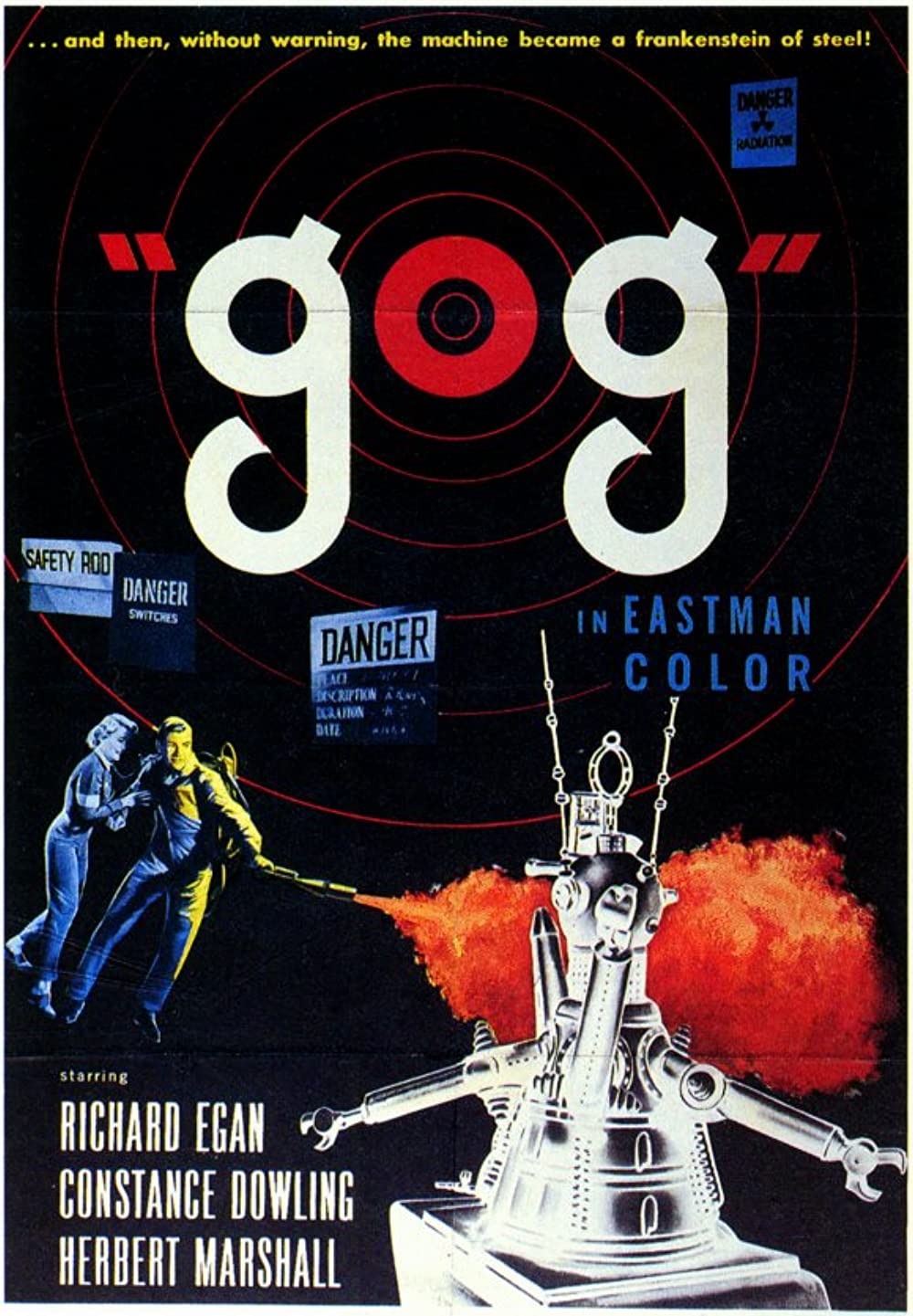
Underrated 1950s SF film, a murder mystery as the equipment at a space research laboratory tries to kill people. Contains the first ever depiction of a computer virus
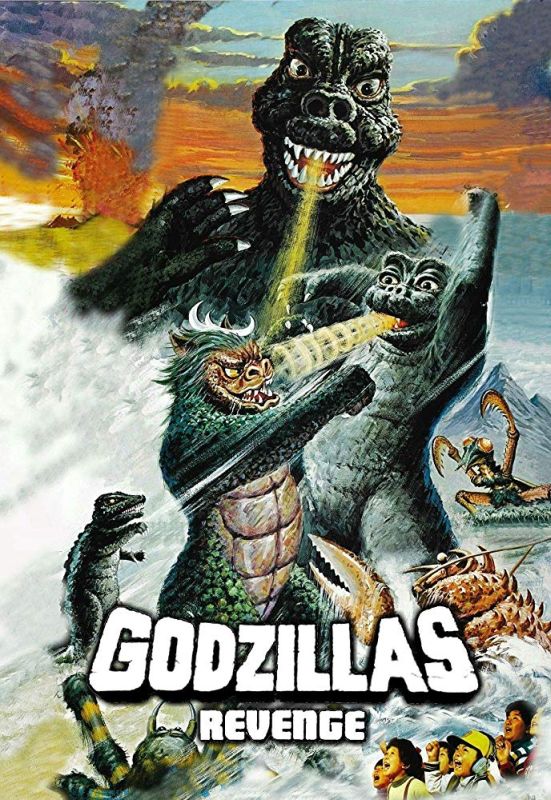
The tenth Godzilla film and a low point of the series with the focus now going on the slapstick pratfalls of Godzilla’s son. Many special effects scenes are recycled from previous entries.
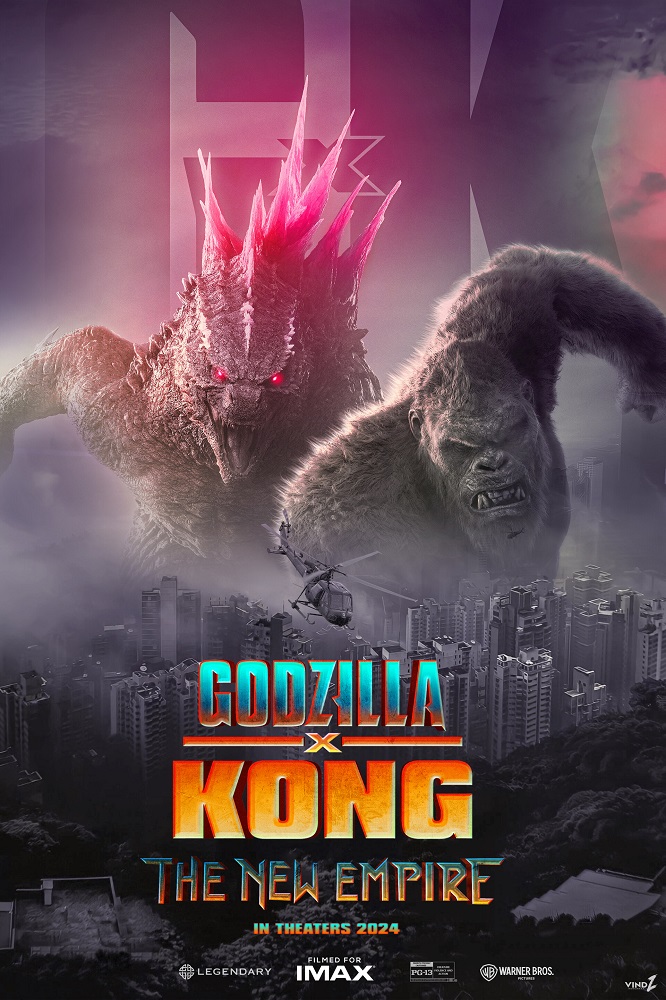
A follow-up to Godzilla vs Kong, this tries to offer more of the same but suffers another ridiculous script. This ended up being overshadowed by the acclaim that the Japanese-made Godzilla: Minus One received
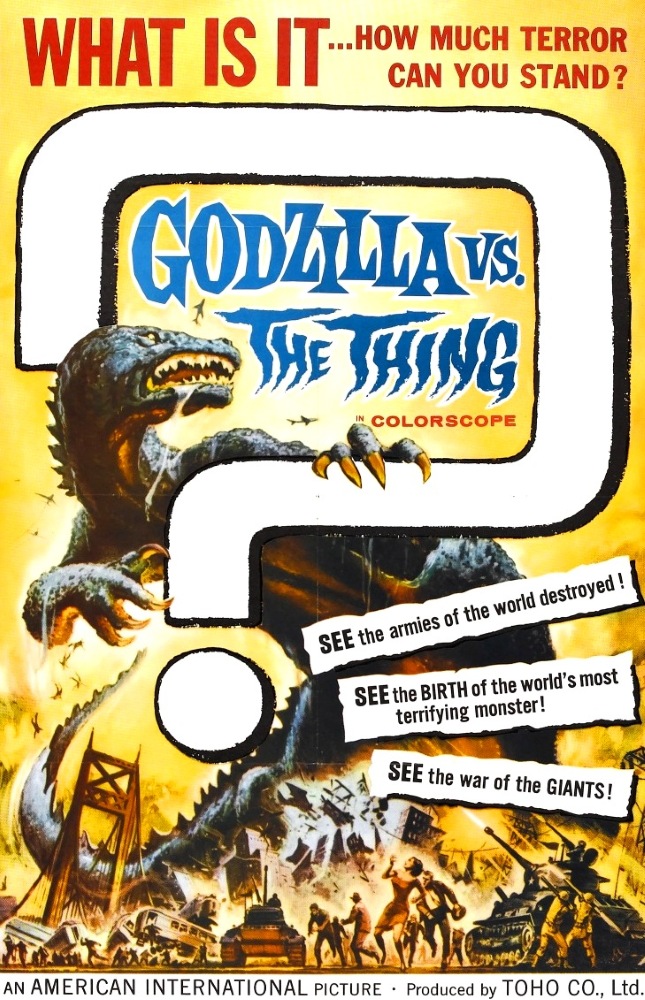
The fourth Godzilla film, the first in which Godzilla battled another Toho monster, namely Mothra. Colourfully enjoyable and taking itself more seriously than many of the entries that would follow

The eleventh Godzilla in which Godzilla faces the pollution monster Hedorah. For some reason, this gets a listing in The Fifty Worst Movies of All Time, but there are far worse entries in the series
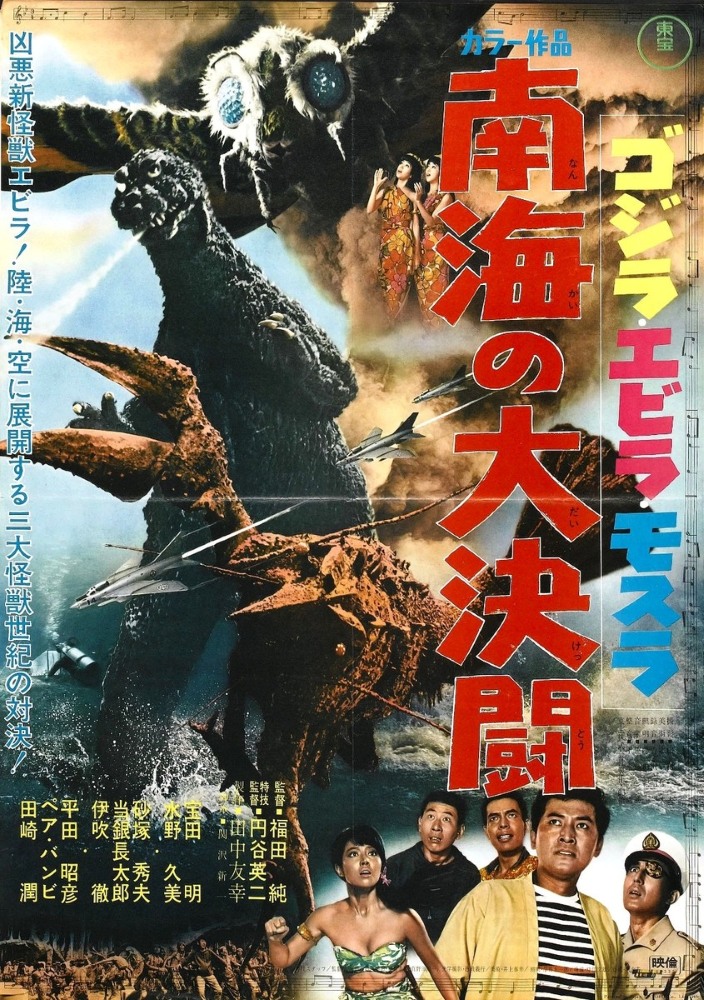
The sixth Godzilla film and the point where the series started to become silly and juvenile in its focus. A weak entry featuring some of the shabbiest effects of this era.
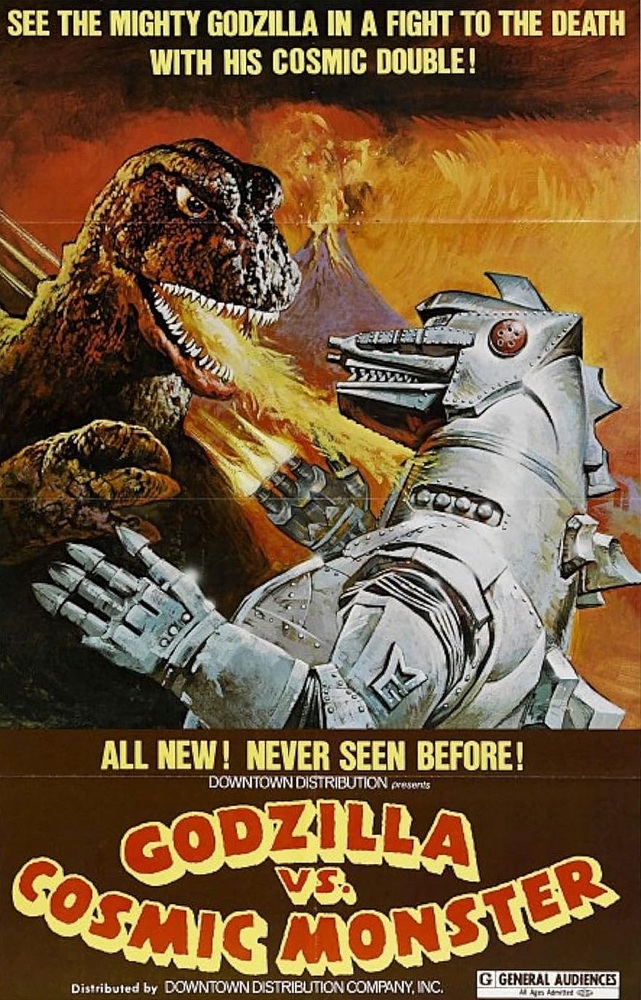
The fourteenth Godzilla film, noted for the introduction of Mecha-Godzilla, a robot copy of Godzilla that became a recurring nemesis. By this point in the series, the effects and quality of production had become very shabby
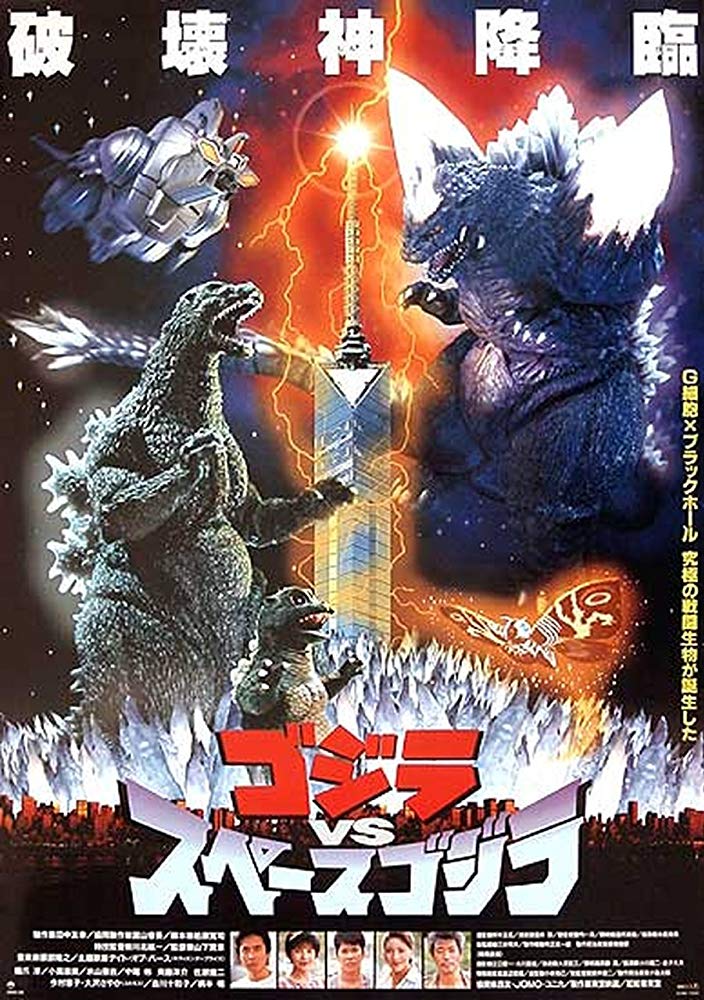
Space Godzilla is one the strangest nemeses to turn up in these kaiju films – a blue counterpart of the Big G with a giant glowing mass of crystal on its shoulders. One of the more routine entries in the modern Godzilla series
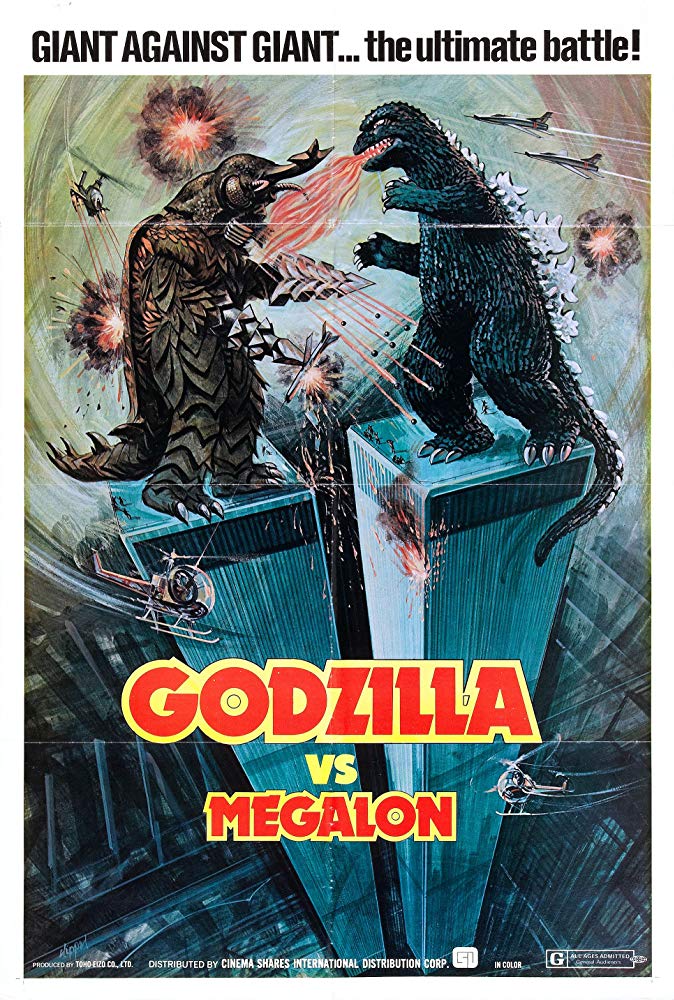
The thirteenth Godzilla film and a point that the series was no longer taking itself seriously. On the other hand, this is something that actually works in the films favour to create a sublime silliness
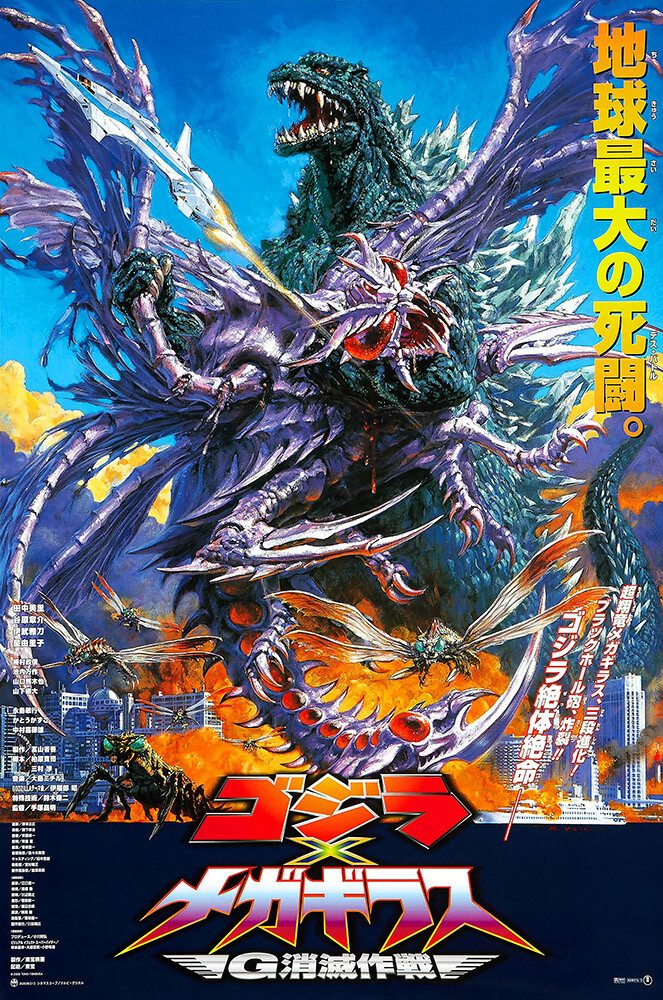
The 24th Godzilla film where Godzilla faces a giant prehistoric dragonfly. While the modern Godzilla films have readily adopted CGI and animatronics, the effects here are much more variable
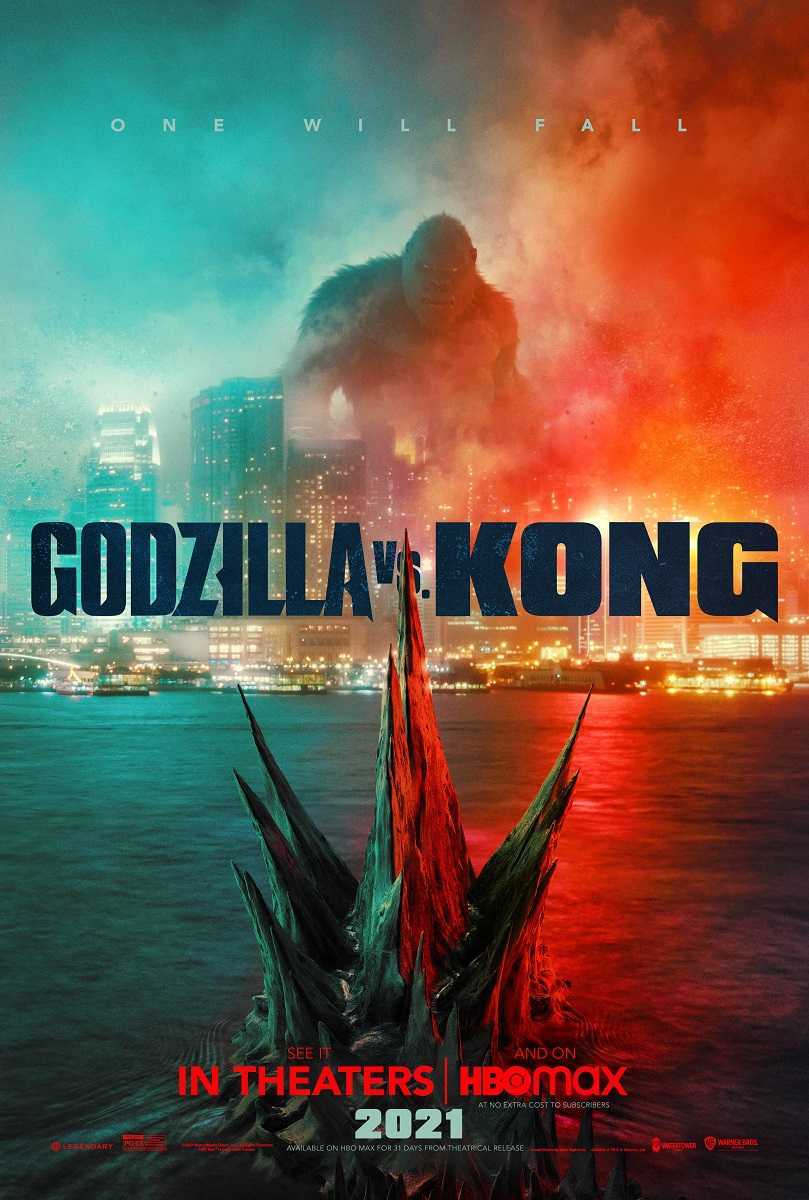
One of fantastic cinema’s great titles bouts is a spectacular effects show. At the same time, it also has one of the single most ridiculous script I have ever come across in the entire time I have been running this site
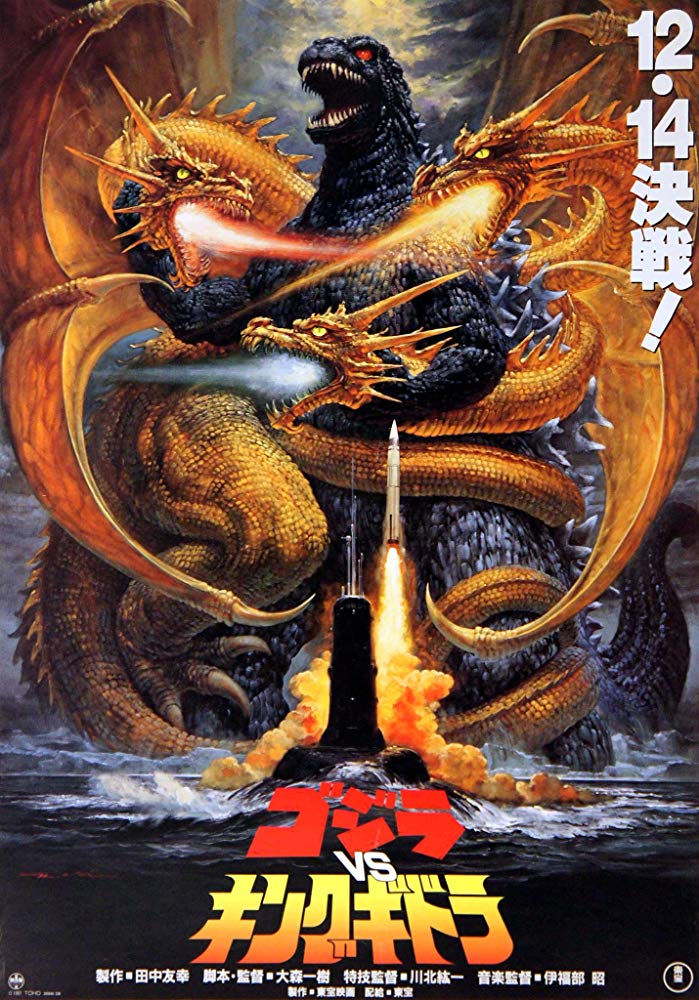
The eighteenth Godzilla film and one of the best of the modern era. This has the most conceptually audacious plot of any Godzilla film and overflows with wild ideas involving time travel and changing the timeline
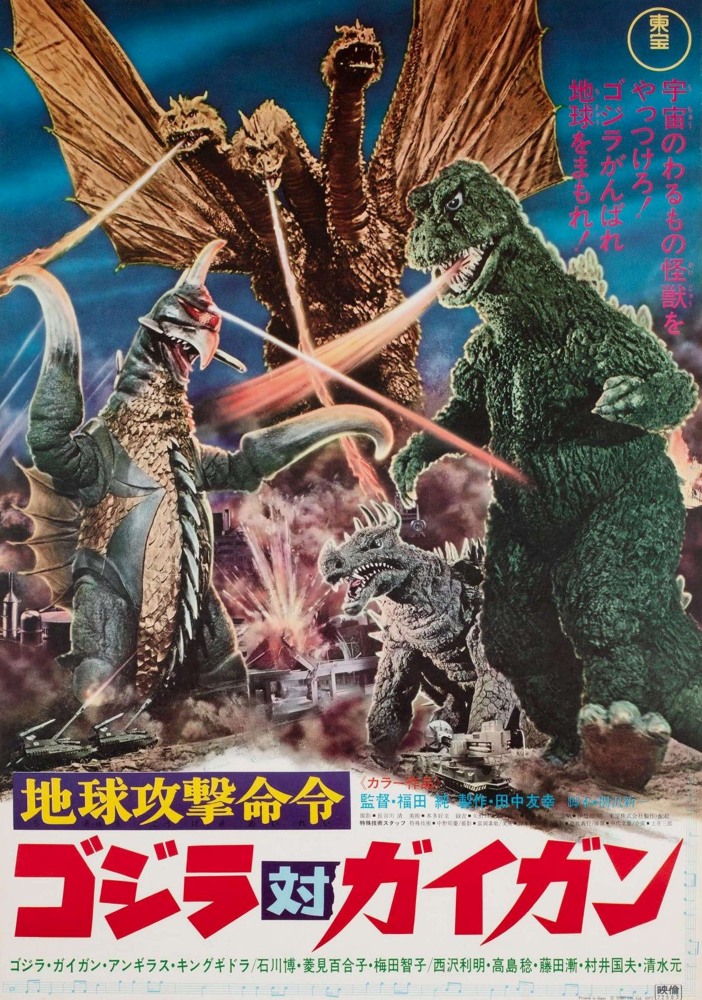
The twelfth Godzilla film. Under director Jun Fukuda, a juvenile inanity had by now come to dominate the series by this point. The special effects, often recycled from previous films, are very cheesy
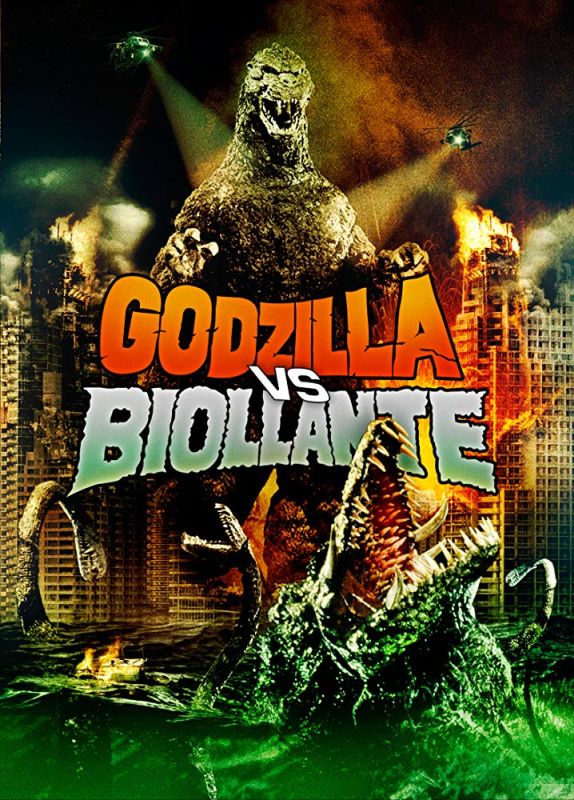
The 17th Godzilla film and the second of the modern era where Toho started to employ top drawer effects. Toho created a new nemesis, the plant monster Biollante, although this was not popular with the public
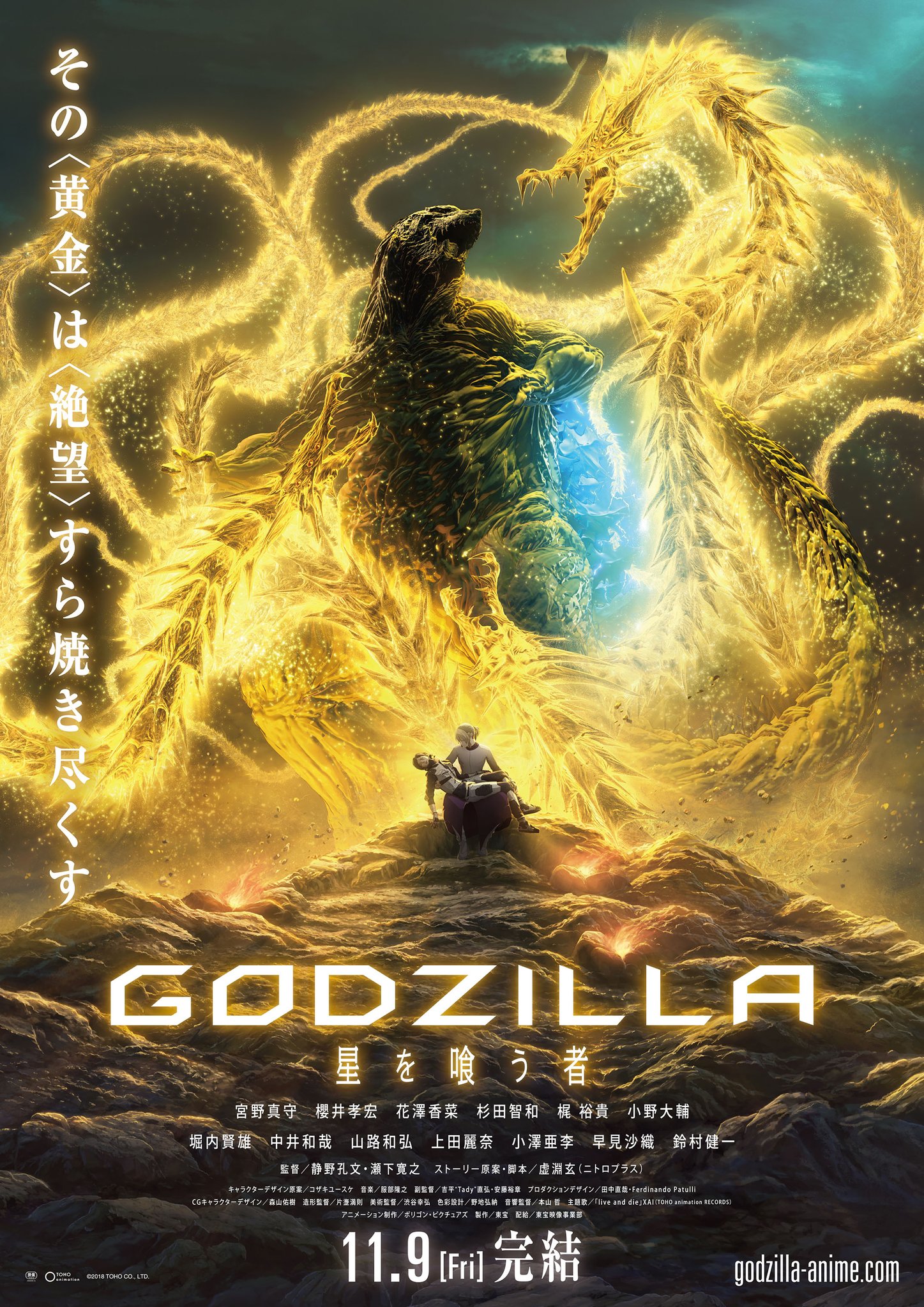
The concluding chapter in the trilogy of Godzilla anime films. This reintroduces two familiar monsters but takes a long time to build to the monster bash we have come to see
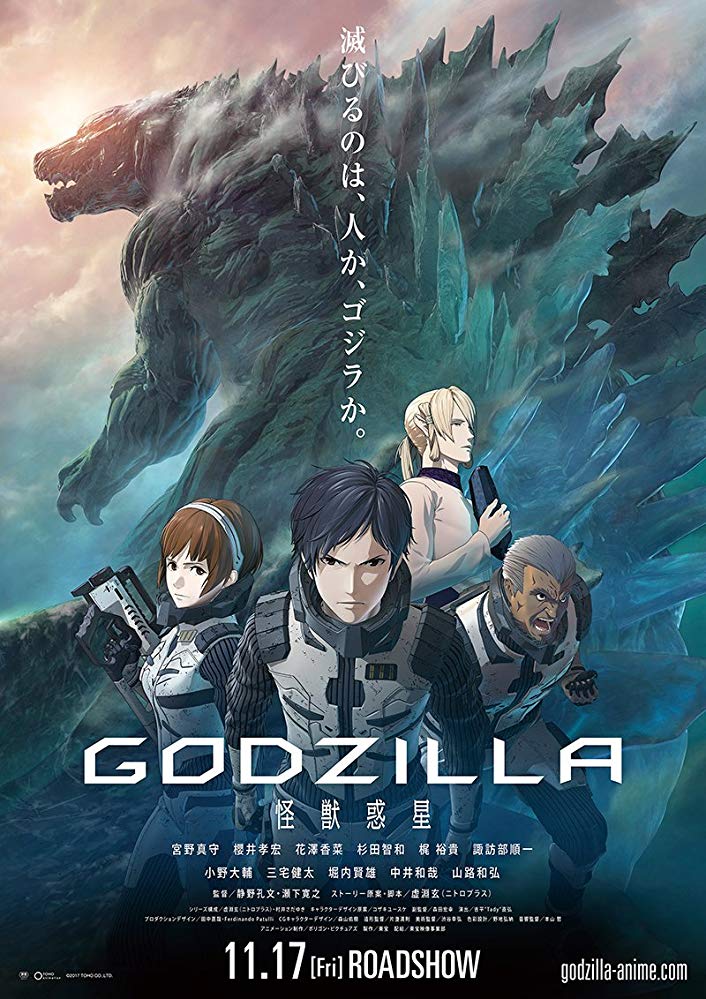
The 30th Japanese Godzilla film, this is the first anime Godzilla film and the first in a trilogy. More disappointingly, it is more a space opera and planetary adventure than it is ever a Godzilla film

The 25th Godzilla film which employs director Shusuke Kaneko who had done amazing things reviving the Gamera franchise. Kaneko doesn’t quite deliver the epic expected of him but does produce an amazing effects spectacle
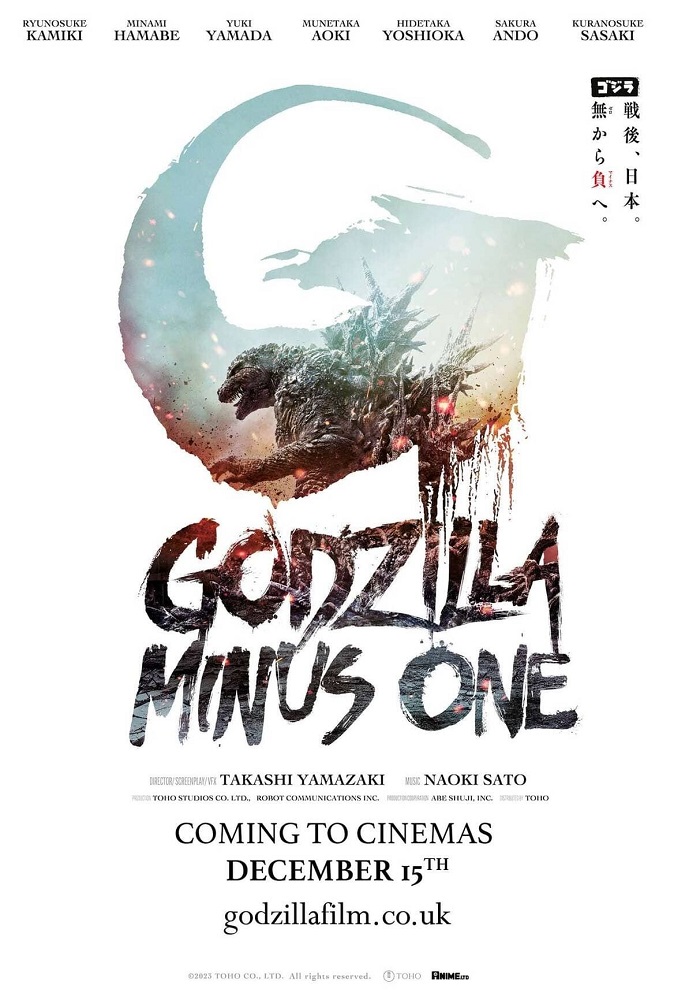
The 33rd Japanese Godzilla film and the one to receive the greatest acclaim of any in the series so far, including the Academy Award for Best Visual Effects. This takes the series back to the beginnings
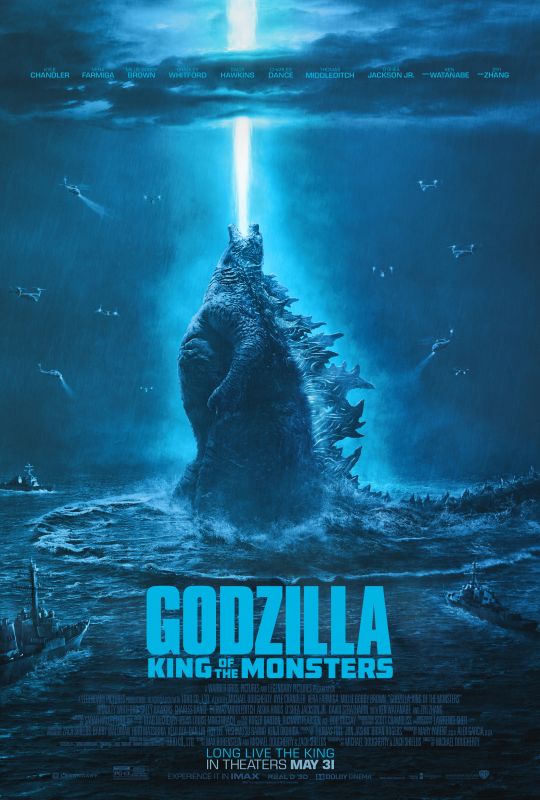
Follow-up to the 2014 US-made Godzilla. This introduces other monsters from the Japanese series and tries to create a shared universe. But when the film is all massively-scaled mass destruction, it seems hard to root for the monsters
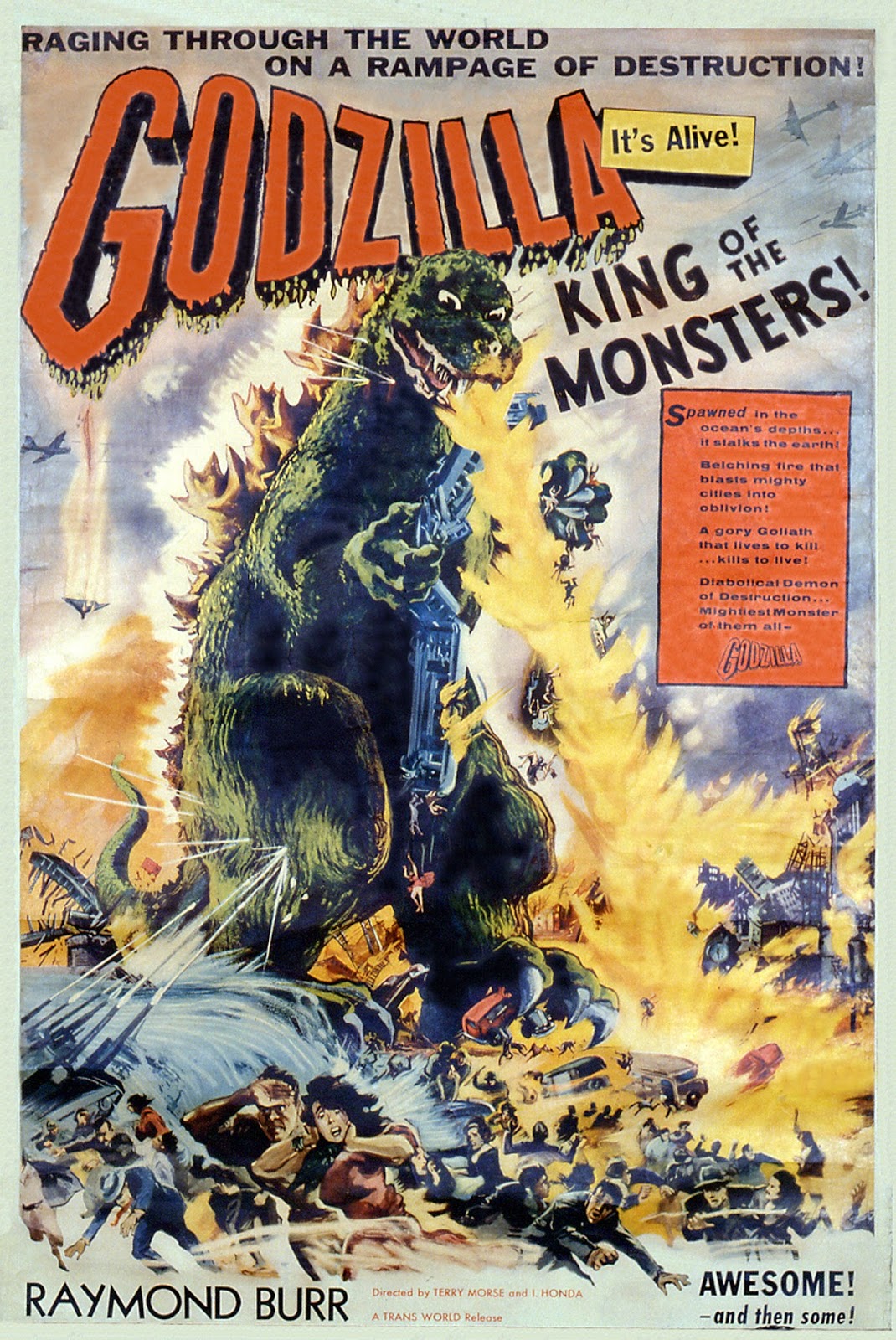
The very first Godzilla film. Essentially a copy of The Beast from 20,000 Fathoms, it has incredibly stark effect despite the primitiveness of the effects. In it you can see Japanese nation struggling to expiate the pain of the Atomic Bomb.
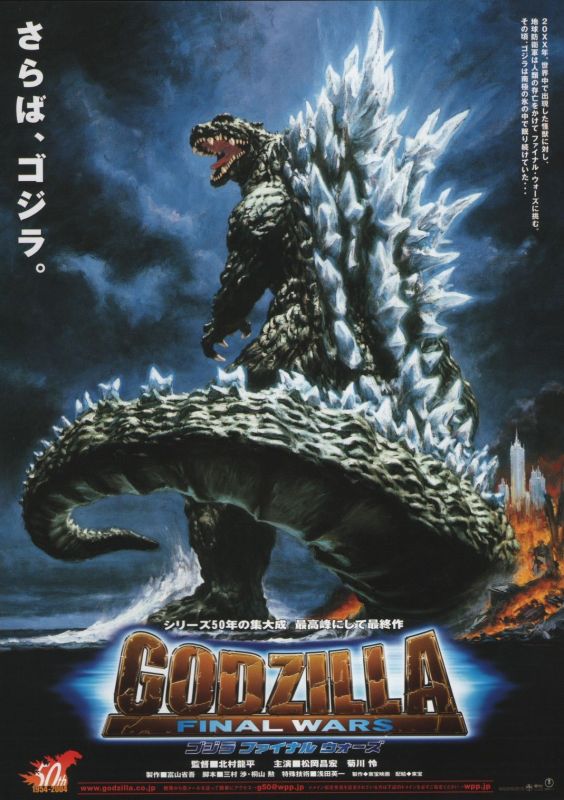
The 28th Godzilla film, made for the series fiftieth anniversary and bringing every monster ever created by Toho together for a massive battle. The results are immensely satisfying
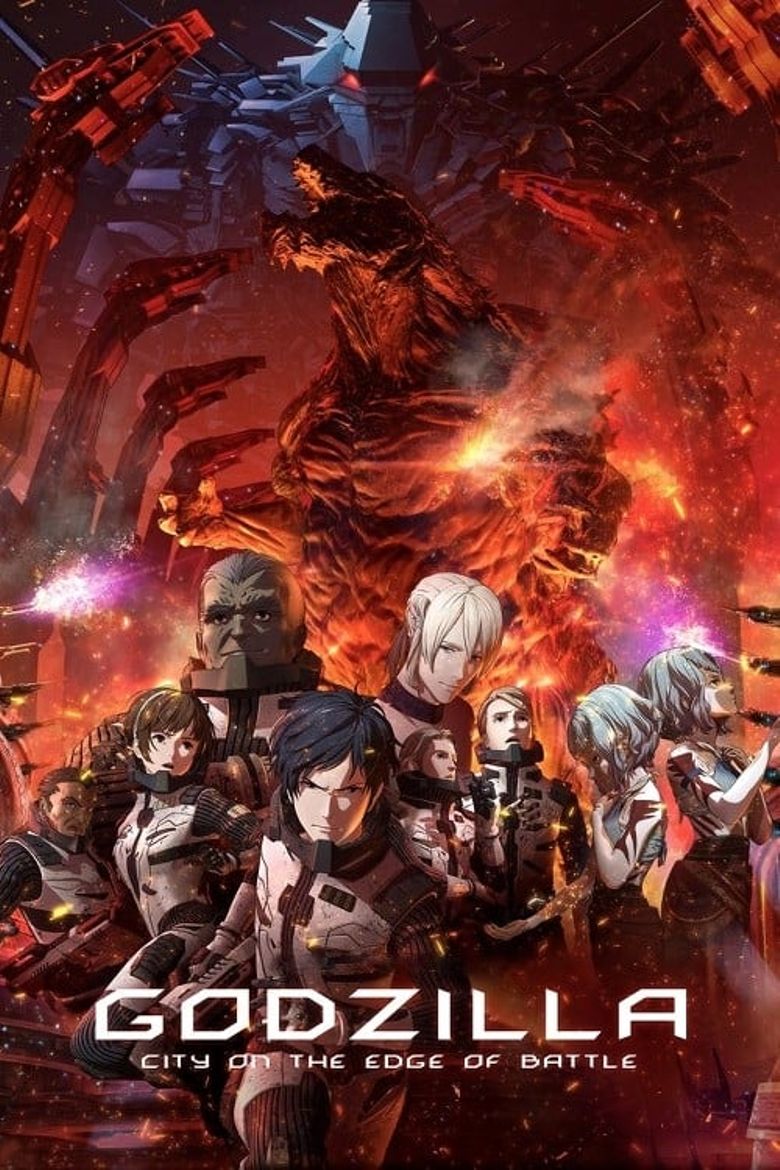
The second of the anime Godzilla films and much more successful than its predecessor. The reconceptions of some of the classic monsters has a dazzling ambitiousness while Godzilla has all the ferocity it should have had in the first film

The 19th Godzilla film, part of the 1990s revival where the series started to employ modern animatronics. This revives Mothra in quite beautiful ways and mounts to a rousing monster battle
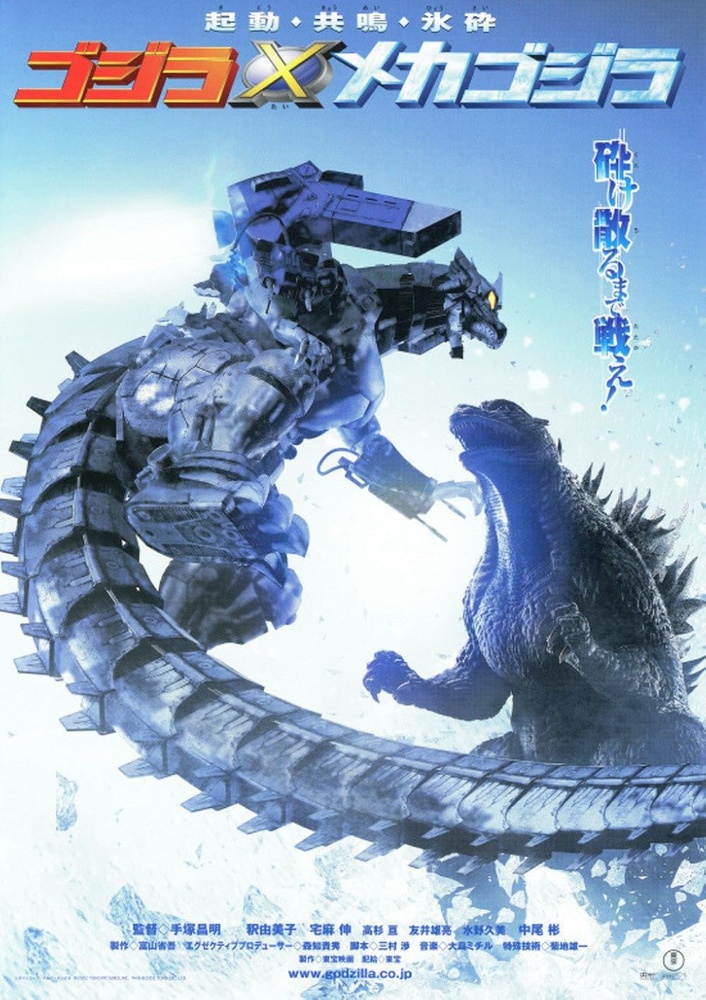
The 26th Japanese Godzilla film, the fourth pitting him against Mechagodzilla. After a slow first hour, the film delivers all the exhilarating mass destruction sequences we expect of it as the monsters go head to head
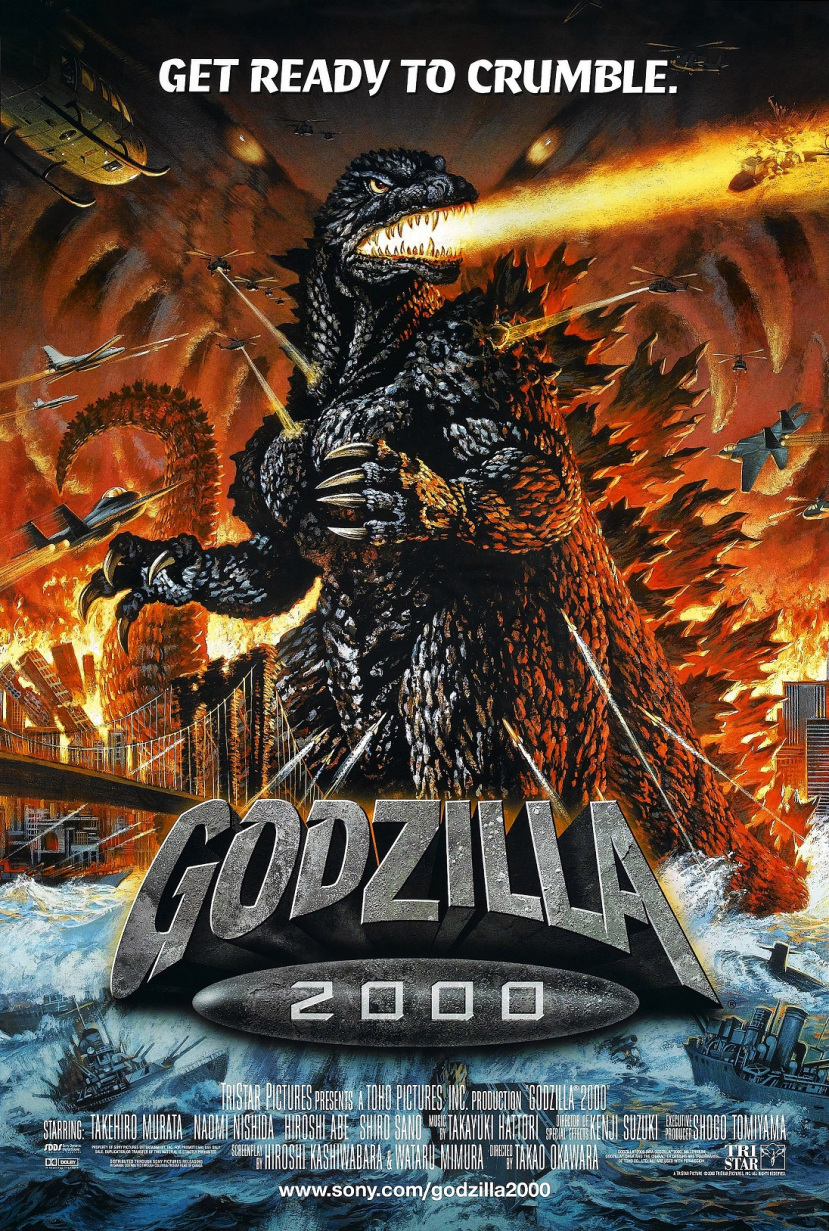
The 23rd Godzilla film where the effects were at such a peak for the genre that this became the first Godzilla film to be given a US theatrical release in fifteen years
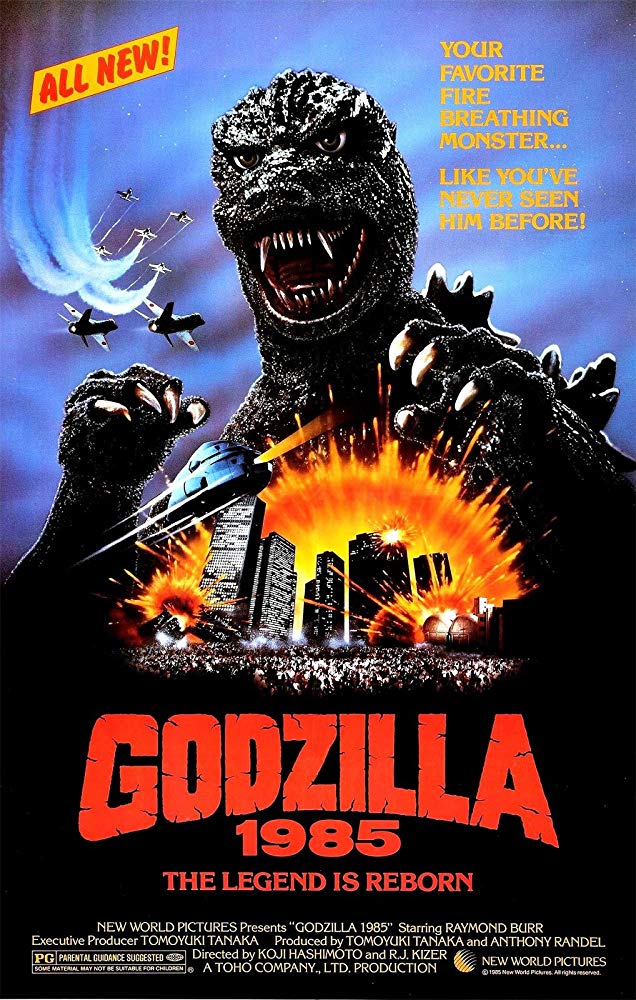
Reboot of the Godzilla series that forgets about all the sequels and acts as a direct follow-up to the original film. This uses top drawer effects technology of the era to create Godzilla as the fearsome creation he originally was
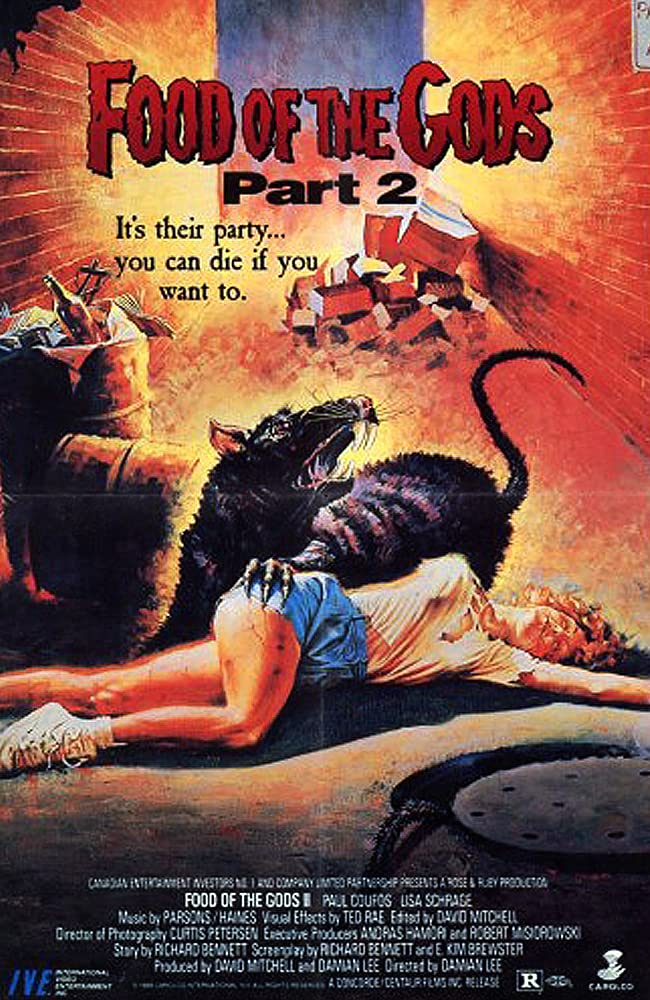
An incredibly bad Canadian-made sequel to Food of the Gods about a scientist who devises a growth hormone that accidentally creates a horde of giant rats
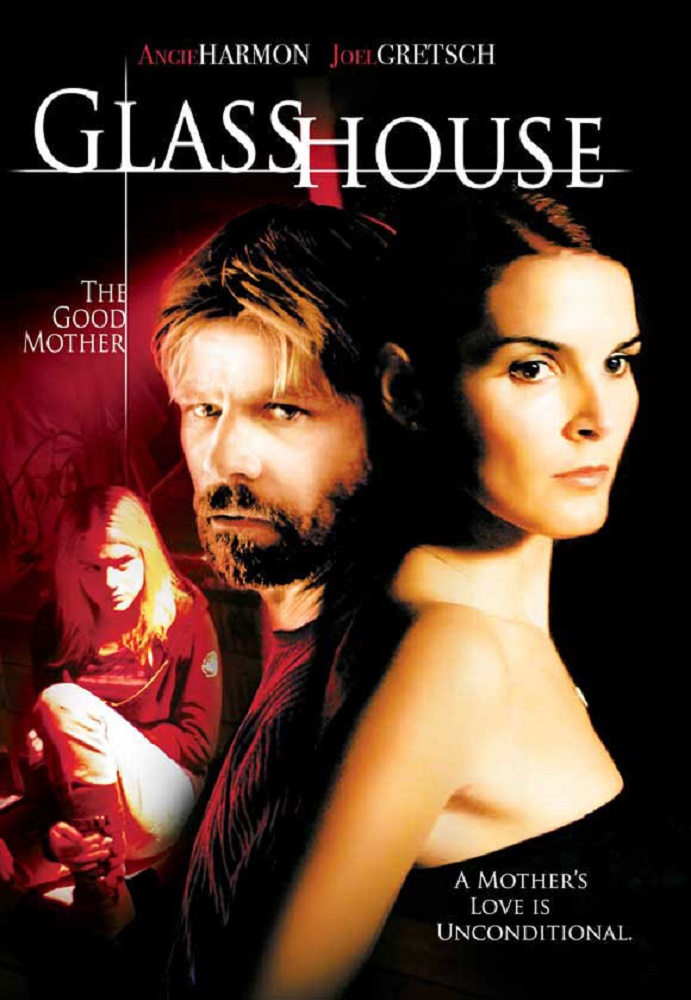
A sequel to The Glass House, this time with different cast or orphaned kids and different evil step-parents. This has the bland feel of a tv movie
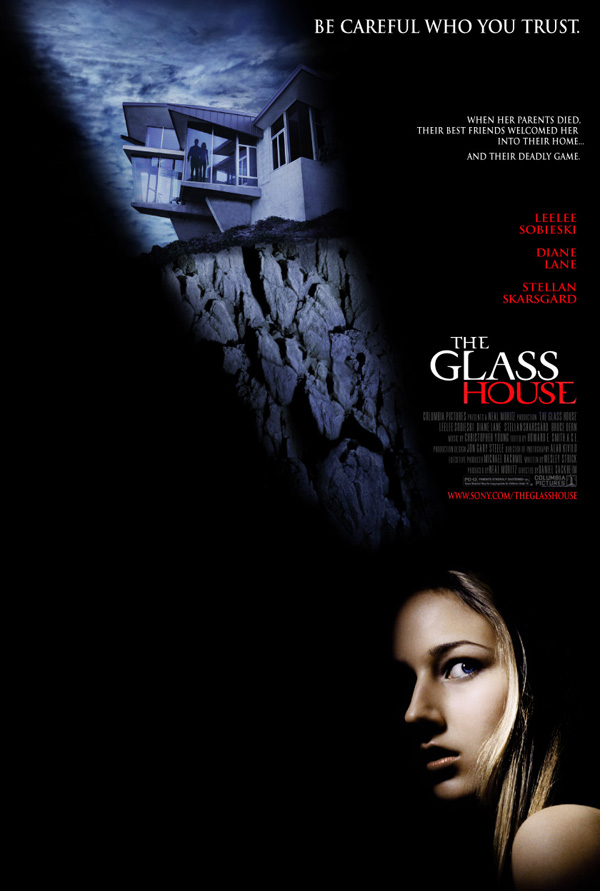
A modest and reasonably effective psycho-thriller about a brother and sister who are adopted after the death of their parents only to find their step-parents have sinister intent
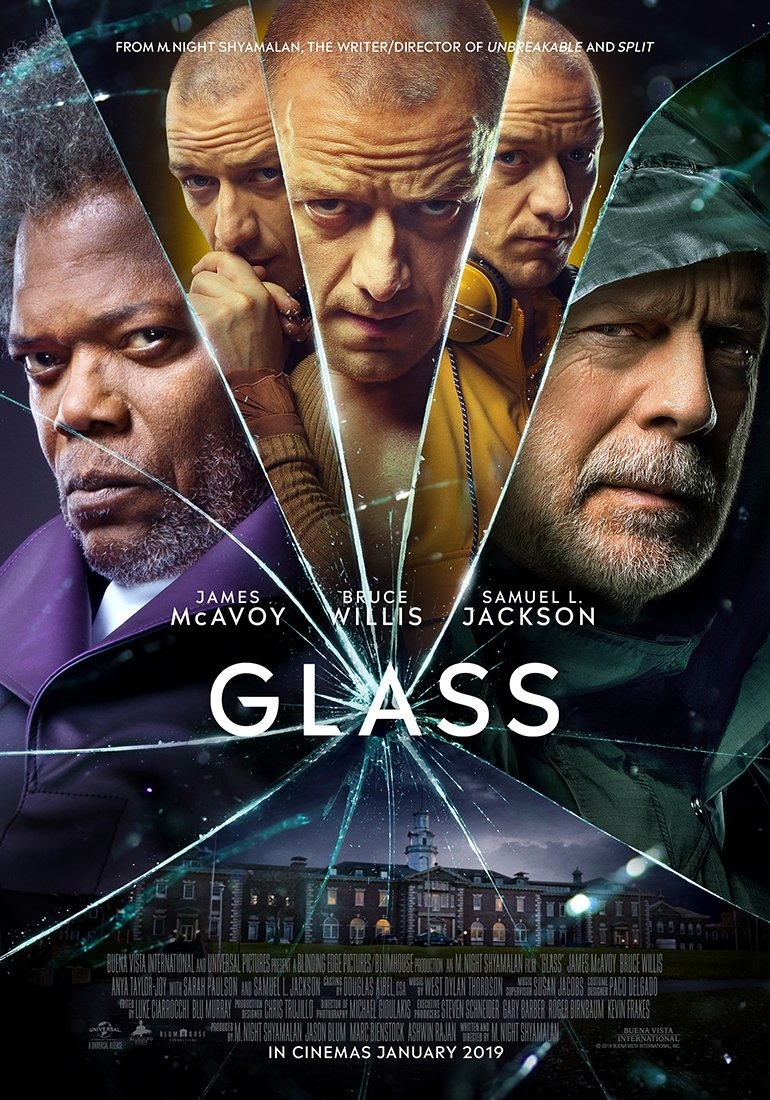
Unbreakable was M. Night Shyamalan’s everyday superhero film. Here he merges the characters from Unbreakable and Split to create his own shared universe. This could in effect be the kitchen sink version of The Avengers
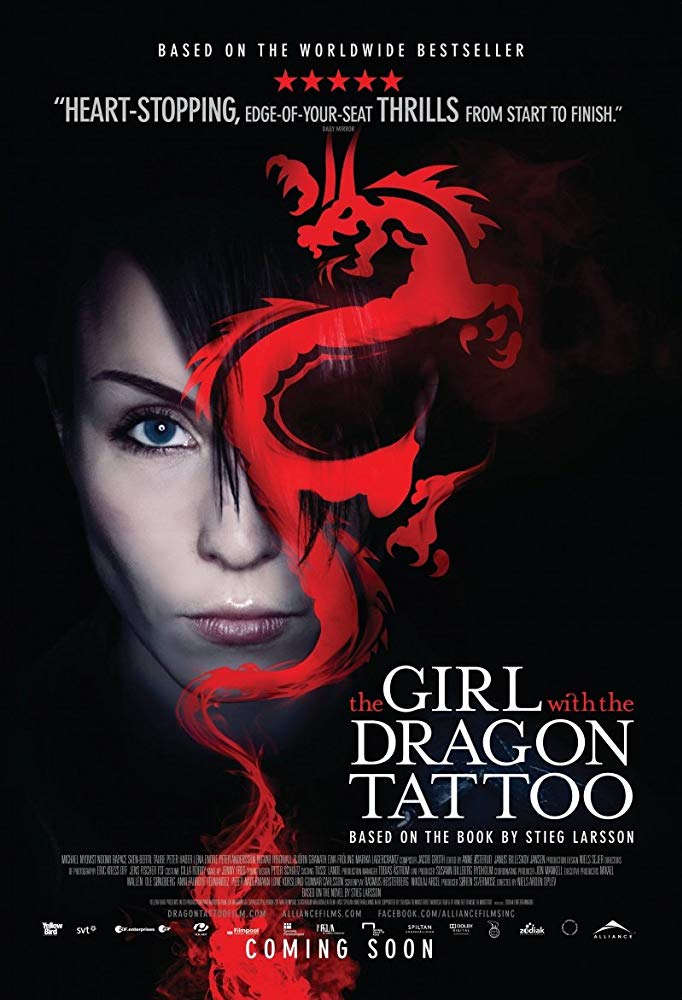
Strong and dramatically absorbing Swedish thriller featuring one of the most original and provocative heroines on screen in some time. A word of mouth hit that later underwent a lesser English-language remake

Sequel to Full Moon’s The Gingerdead Man, this one has been made as an hilariously meta-fictional self-parody, spoofing Full Moon Studios and their films
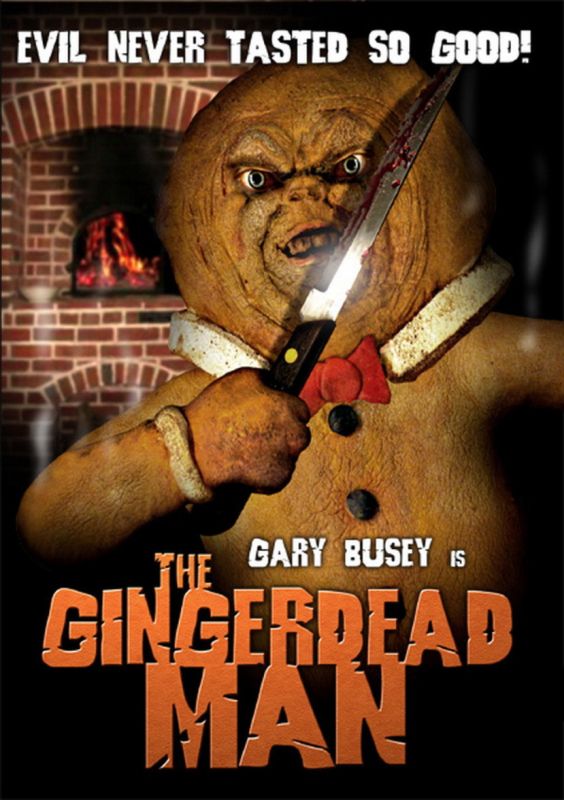
One of the most ridiculous title creature to ever inspire a horror franchise – a possessed gingerbread man. From low-budget producer Charles Band, this rips off the Chucky series but with baked goods instead of a doll
The first of two sequels to the Canadian werewolf film. This takes place with the surviving sister placed in a rehab facility and is the best of the trilogy, even better than the first film was in its writing and characters
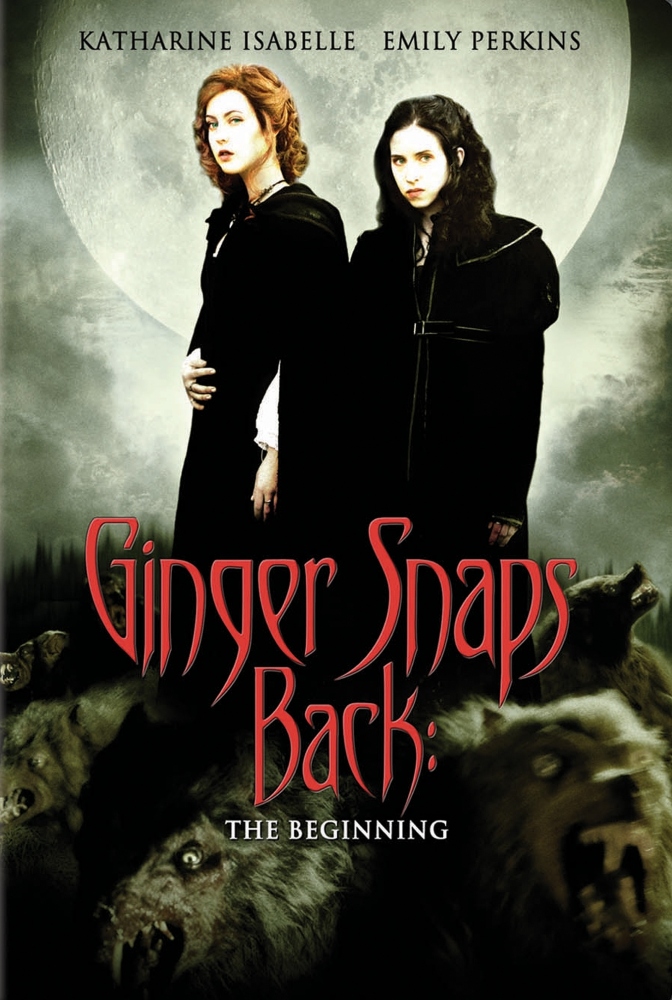
Third of the Ginger Snaps films, a prequel set during the pioneer era with Emily Perkins and Katharine Isabelle again as sisters taking refuge at a fort under attack by werewolves. The scene-setting and atmosphere of foreboding is superlative

Witty, wryly sarcastic modern take on the werewolf film where two teenage sister become affected – sort of like a remake of I Was a Teenage Werewolf by way of Ghost World. Two sequels followed.

Stephen Sommers make a film based on the popular action toy line. Barring one exhilarating sequence in the middle, this consists of lots of sound and CGI fury amounting to very little at all

You can’t complain that this is not exactly what you expect it to be – two hours of cartoonish action during which the brain singularly fails to engage. This is less unapologetic about being a military fantasy than the first film
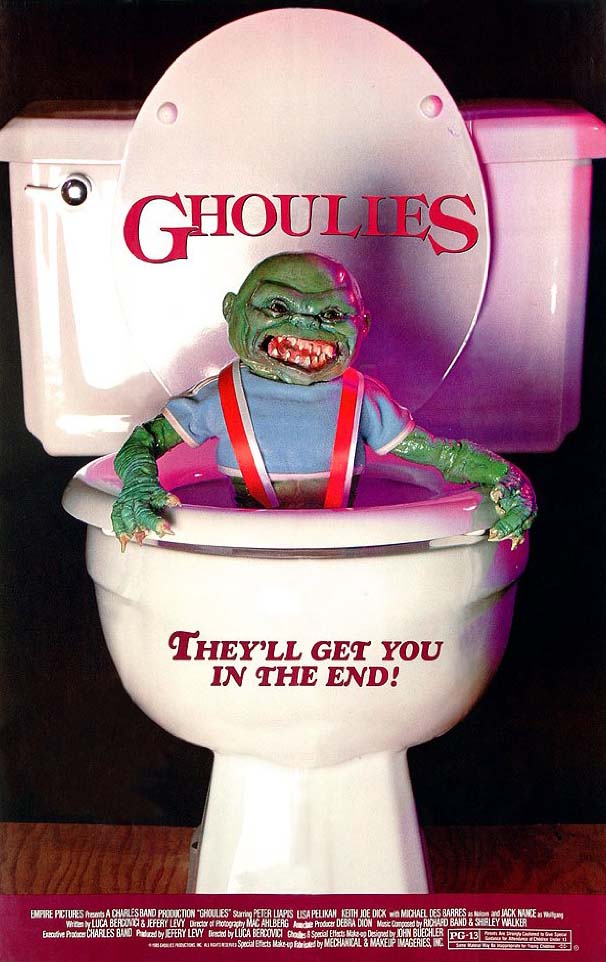
A copy of Gremlins produced by Charles Band’s Empire, featuring much slime and cheap-looking creatures. A surprise hit on video shelves; three sequels followed.
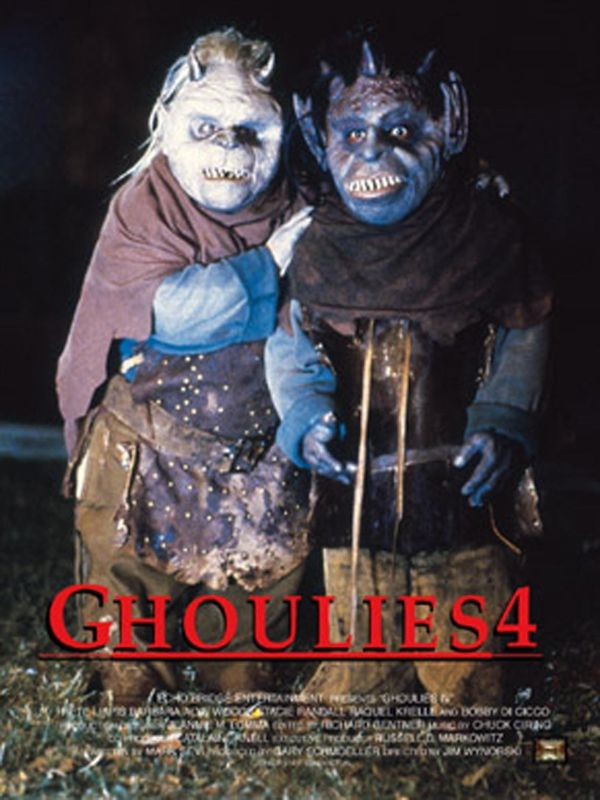
The fourth and final of the Ghoulies films. This one comes from B-budget hack Jim Wynorski who seems to not be taking any of the show seriously