Aelita (1924)
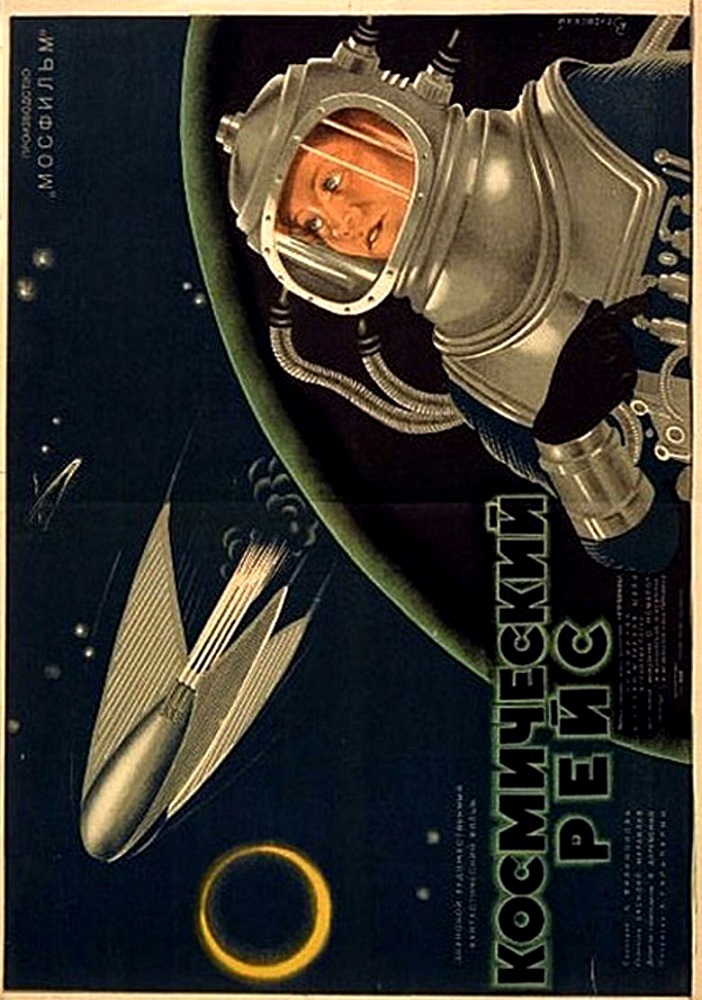
Silent film depiction of a journey to Mars from the early days of the Soviet Union that makes for an interesting curiosity piece. The arrival on Mars contains some imaginative sets and costumes
The Science Fiction Horror and Fantasy Film Review
Silent Movies refer to all films that were made between the first ever film screened in 1895 and the integration of sound with film in 1927. There have been occasional silent films made since then usually as novelties.
Silent Cinema is really the history of the early days of cinema. The films were made in an era where the fundamentals of what film was to become were all laid down. During the period between the 1890s and 1920s, we see film move from novelty items of a few minutes long that were shown in fairgrounds to full-length films released through distribution chains. This period also saw the establishment of Hollywood, located in California because of its temperate weather, which became the world’s film capital and remains such today, along with the establishment of the major studios.
The 1910s saw the introduction of editing – most earlier films are simply staged like a play where the camera sits where the audience is and the only cut comes when the scene ends – and the use of electrical lighting, allowing the building of indoor sets. The 1910s also saw the first movie actors – prior to this, actors remains unnamed – which led to the establishment of the star system where people would watch films for the faces that appeared in them.
Georges Melies did sensational work between 1896 and 1912 and created most of the rudimentary beginnings of special effects. His films were enormously popular and much imitated. This was also the great era of German Expressionism.
Many classic directors such as Fritz Lang, Carl Dreyer, Rene Clair and Alfred Hitchcock had their beginnings in silent movies. Noted silent directors include Walter R. Booth, Segundo de Chomon, Abel Gance, D.W. Griffith, Paul Leni, Georges Melies, F.W. Murnau, Willis O’Brien and Robert Wiene.
Silent film depiction of a journey to Mars from the early days of the Soviet Union that makes for an interesting curiosity piece. The arrival on Mars contains some imaginative sets and costumes
This collaboration between Luis Buñuel and Salvador Dali is not much more than a plotless series of surrealistic images, which are frequently calculated to outrage
Early British silent film that tries to predict the idea of aerial warfare that proves quaintly amusing and archaic in terms of what we know to be the realities today
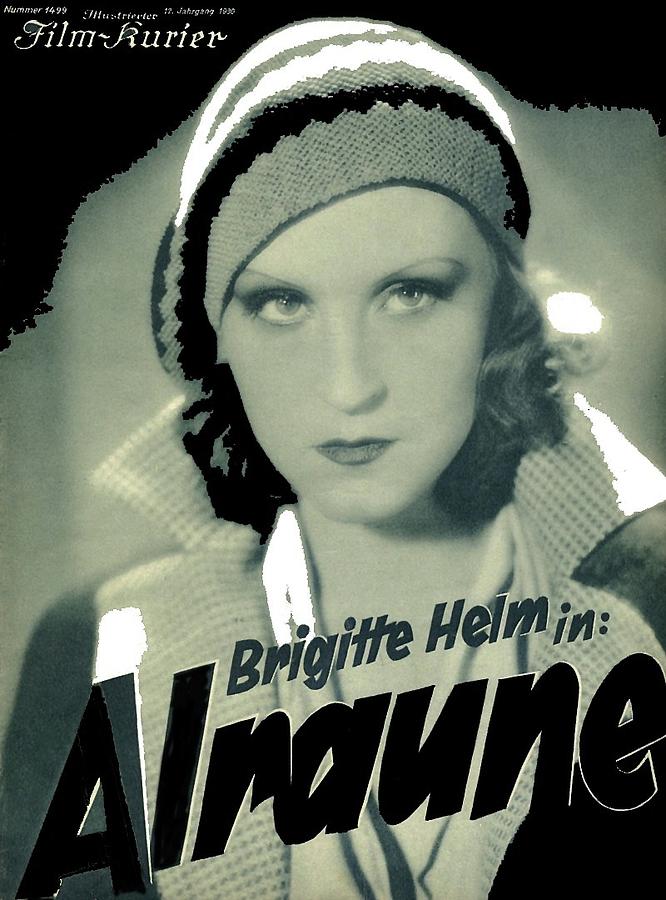
A classic German Expressionist film where Metropolis‘s Brigitte Helm gives a sizzlingly seductive performance as a woman born via artificial insemination who grows up as an emotionless man-eater
The first and best film version of a classic story about an expedition finding the city ruled by an immortal queen in the desert. This was shot in the real locations and comes with a stunning sense of expansiveness
The first full length Edgar Allan Poe film from D.W. Griffith of The Birth of a Nation fame. Rather than Roger Corman’s brooding Gothicism, Griffith waters Poe’s melancholia down to a banal Christian morality play
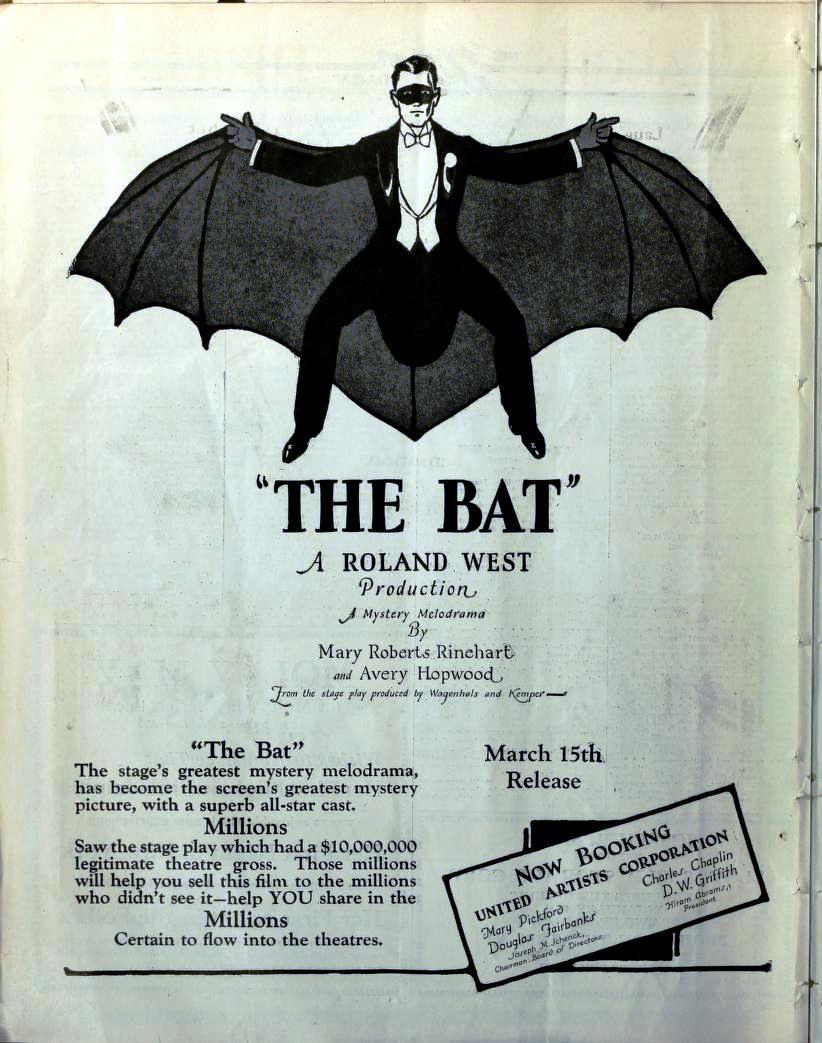
The first of the screen’s Old Dark House thrillers set around large mansions with the cast stalked by a masked killer. None of this prepares you for the utterly sensational visuals of this film, which leap off the screen with vivid effect
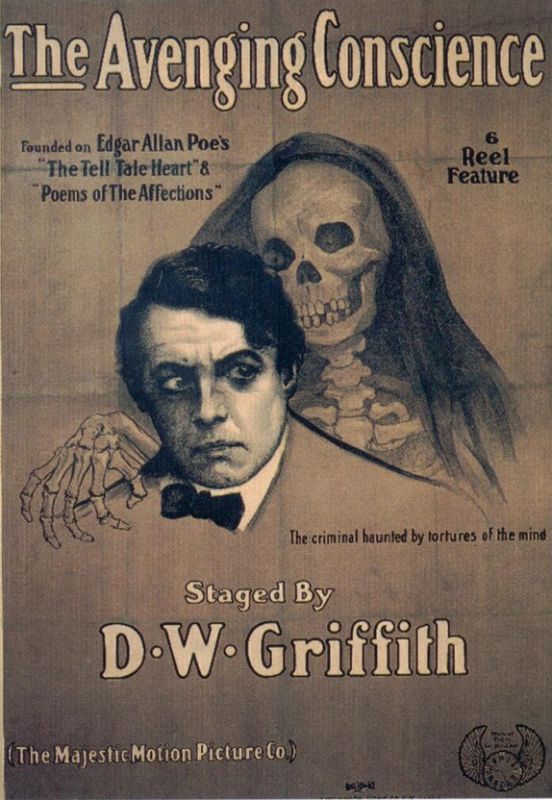
Classic silent movie about a murderer haunted by his guilty conscience. The film’s simplistic morality is rather hard to swallow today but the film is richly directed for its era and creates some wonderfully theatrical effects
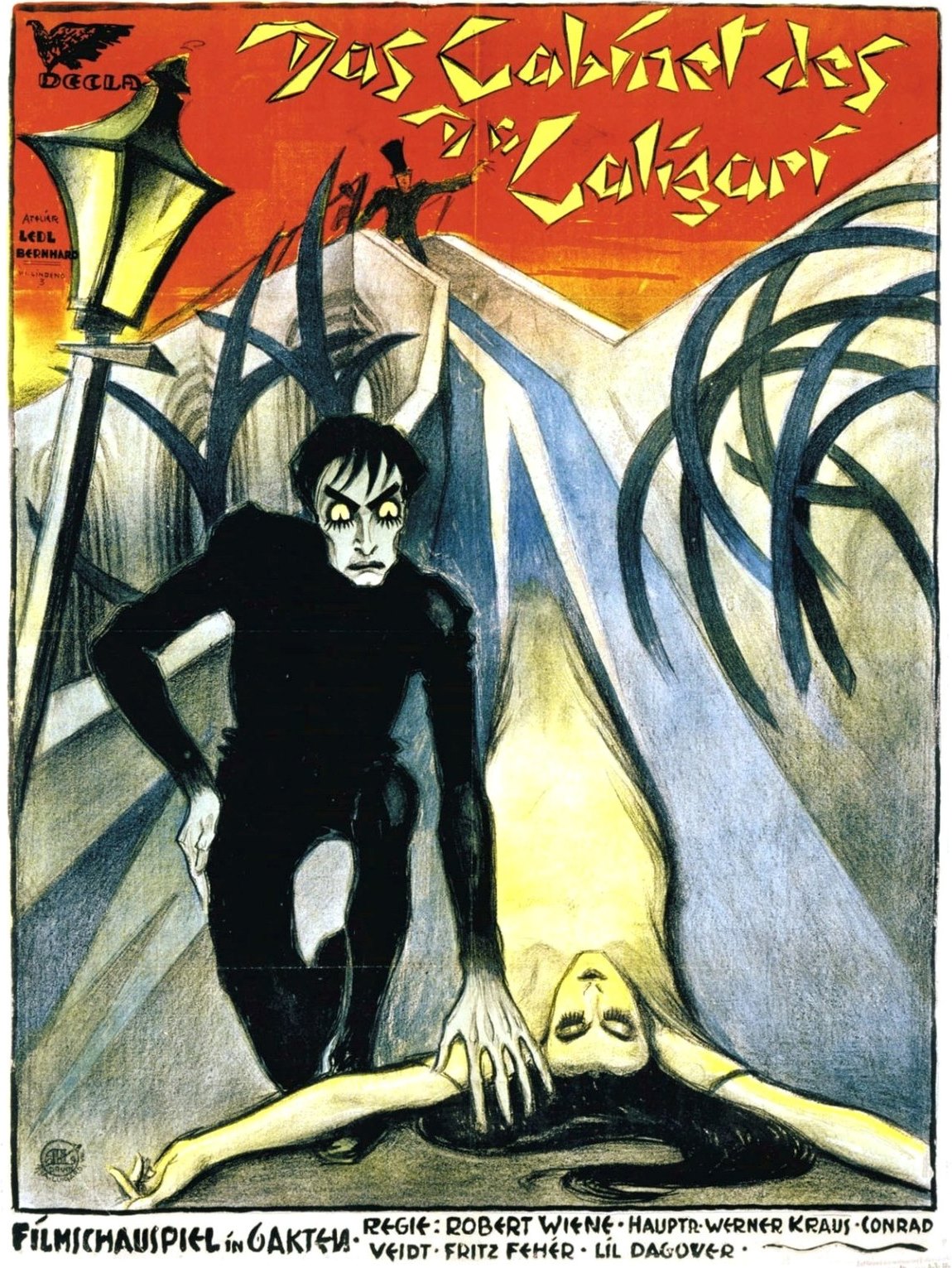
Classic film that was groundbreaking for its designs – all distorted and angular sets, exaggerated shadows – that became defined as German Expressionism and its tale of a sinister hypnotist
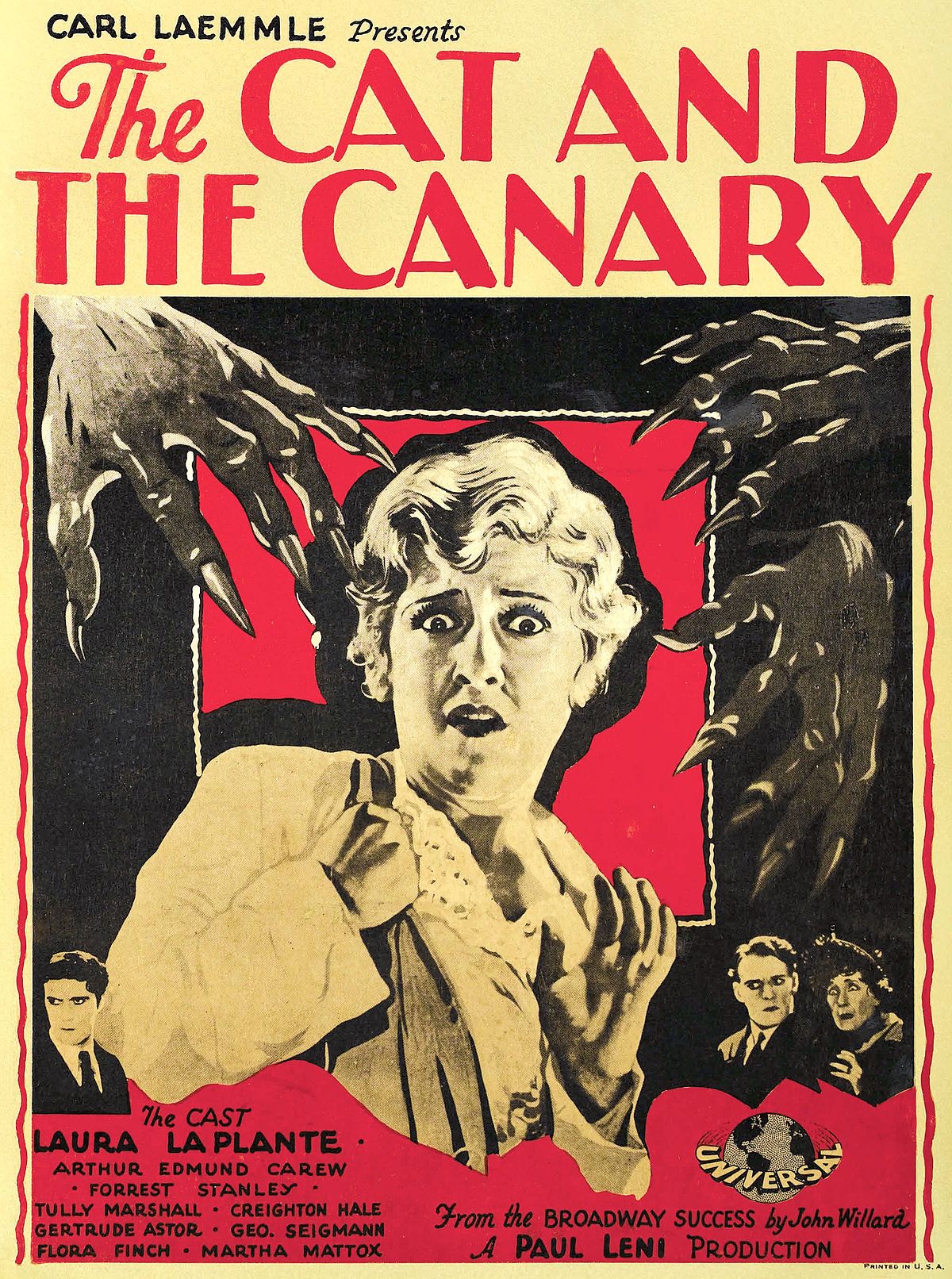
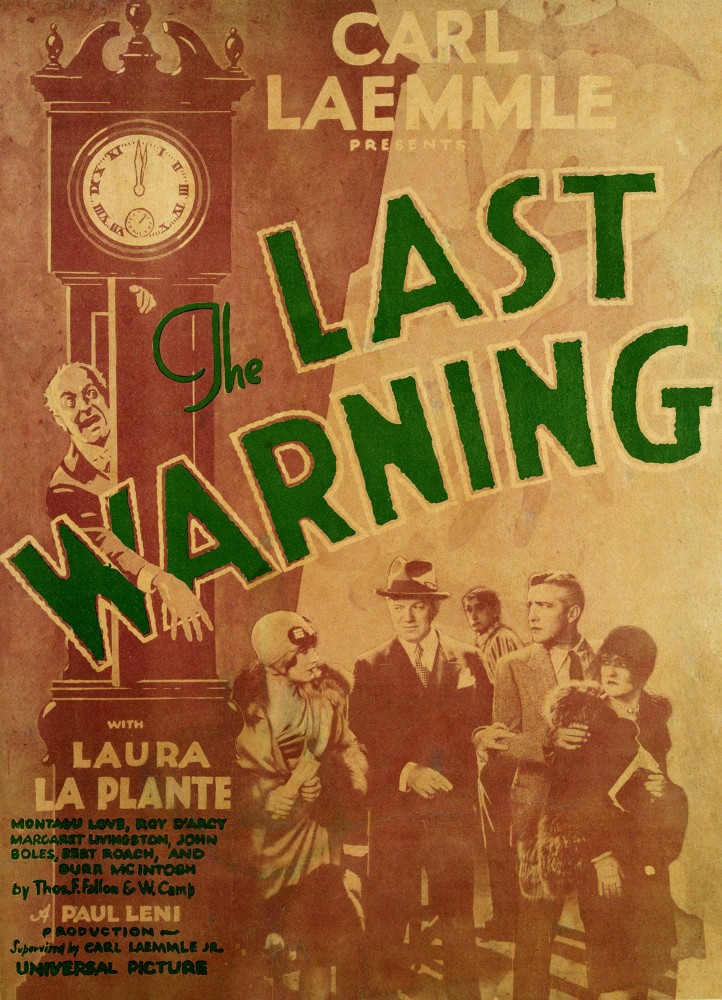
The film that defined the Old Dark House genre with spooky thrills as people are stalked around a big mansion. Expatriate German director Paul Leni brings an extraordinarily sophisticated arsenal of visual tricks to bear
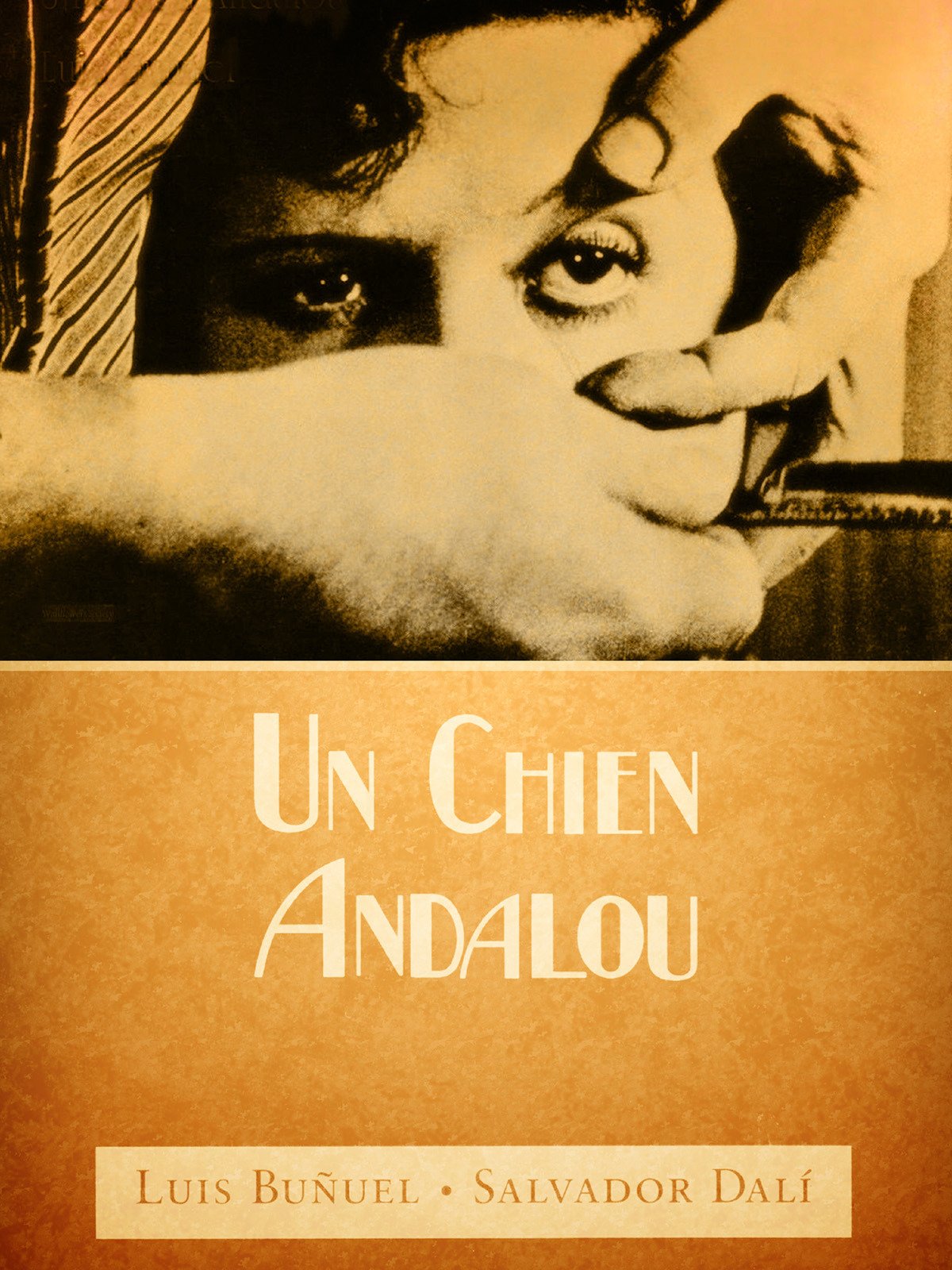
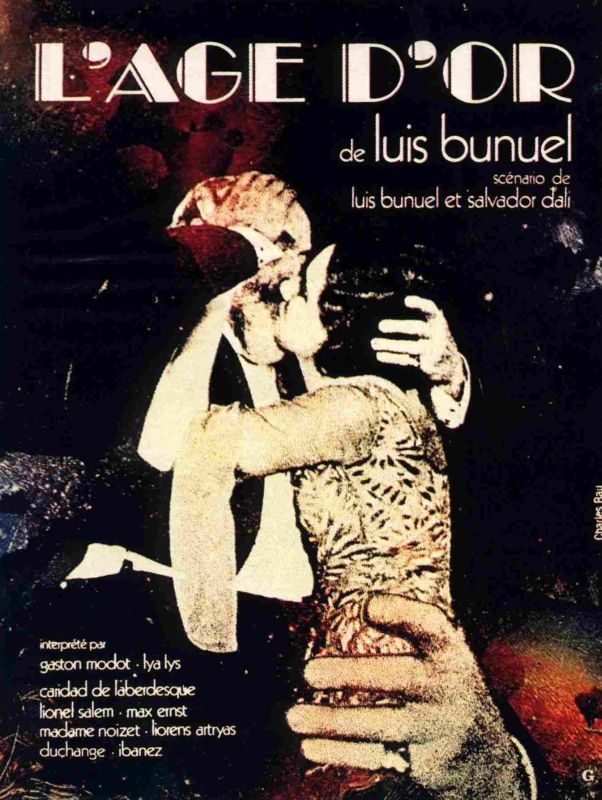
Famous surrealist short film made as a collaboration between Luis Buñuel and Salvador Dali, full of the shock juxtapositions and symbolism you associate with either
An early Soviet-made film that does an extraordinary job in depicting the launch of a rocket to The Moon. Fascinating to see in terms of its incredible ambition and the things it gets right
Another of the surreal films from Guy Maddin, involving incest, strange love triangles and transplanted hands, all shot of which has been shot as a silent movie
An experimental silent film from the great Rene Clair that depicts a group of people who remain unaffected as all of Paris around them has been frozen in time by a ray experiment
An extraordinary find, the first ever feature film, a depiction of Dante’s Inferno and a descent down to visit the damned in Hell conducted with an incredible ambition for the time the film was made
Silent movie version of Dante’s classic poem. Dante is suborned into a miser’s redemption story but it is the wild mediaeval visions of Hell and the tortures of the damned we have come to watch the film for
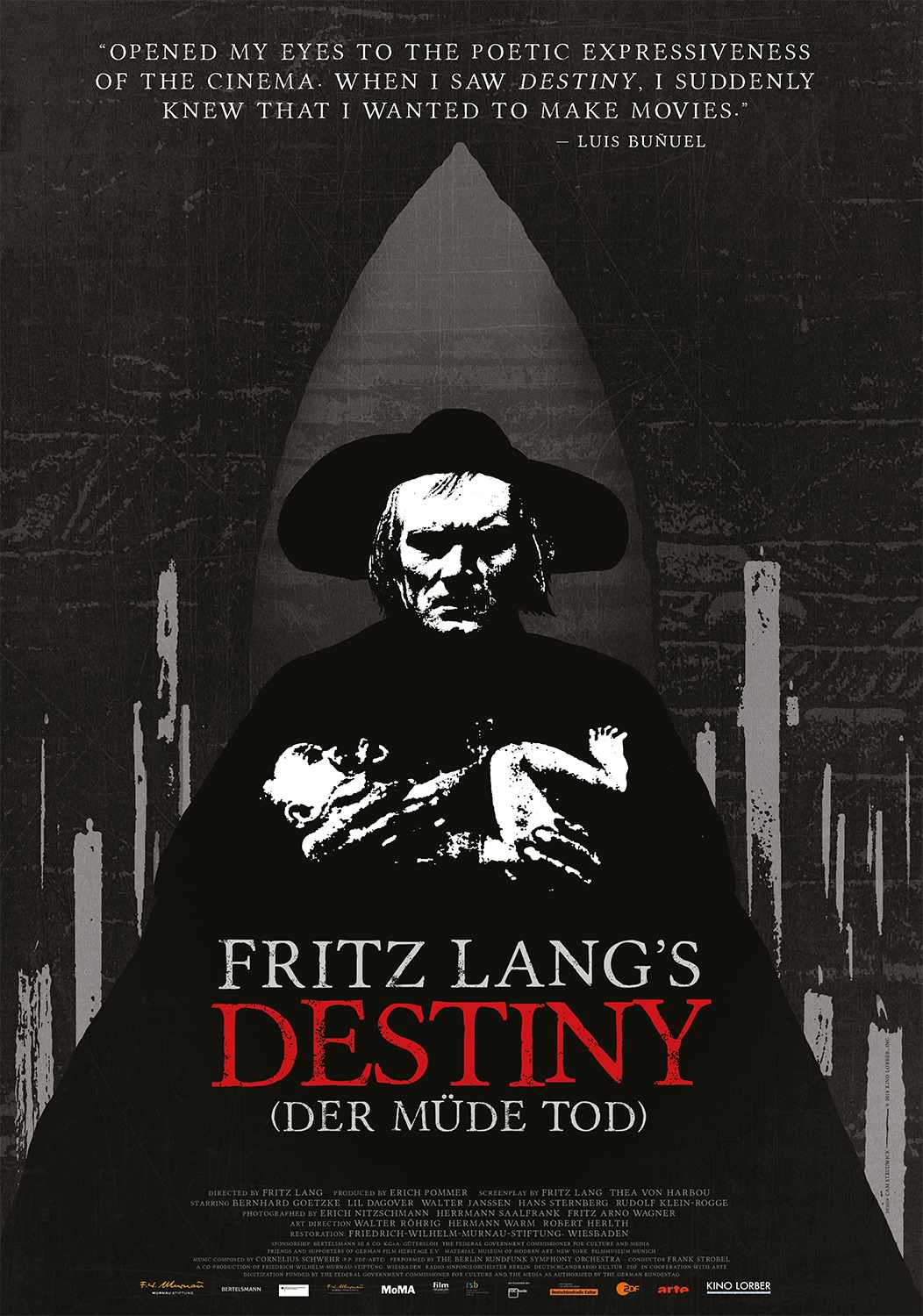
An early Fritz Lang film clearly influenced by D.W. Griffith’s Intolerance in which Death offers a woman visions of her and her lover reincarnated throughout different eras of history
An early Georges Melies whimsy only a few minutes long in which The Devil appears and causes mischief
The very first film from stop-motion animator Willis O’Brien, the creator of King Kong. A rather slight piece about the comic shenanigans among a group of cave people but it was the first film to ever depict a dinosaur on screen.
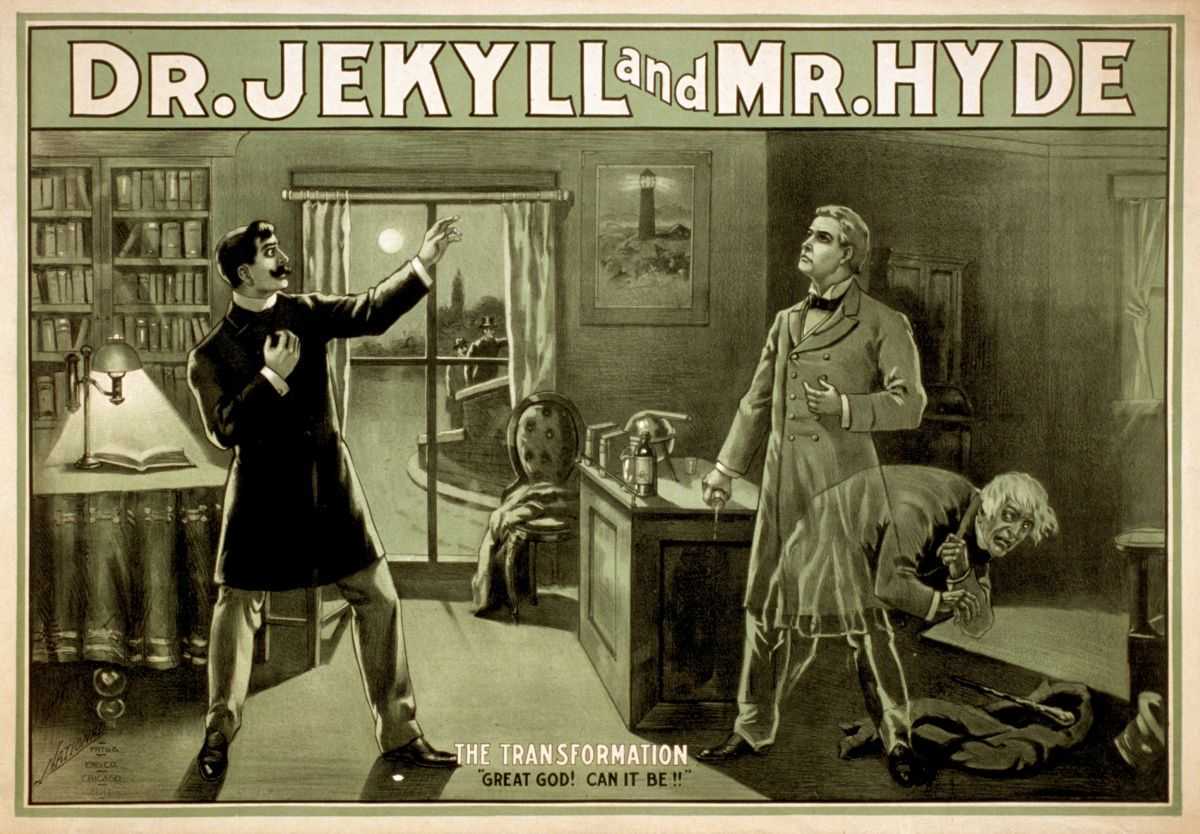
The fourth film version of Dr Jekyll and Mr Hyde starring King Baggot in the title roles. This is very faithful to the story, even if it reads as largely unremarkable today
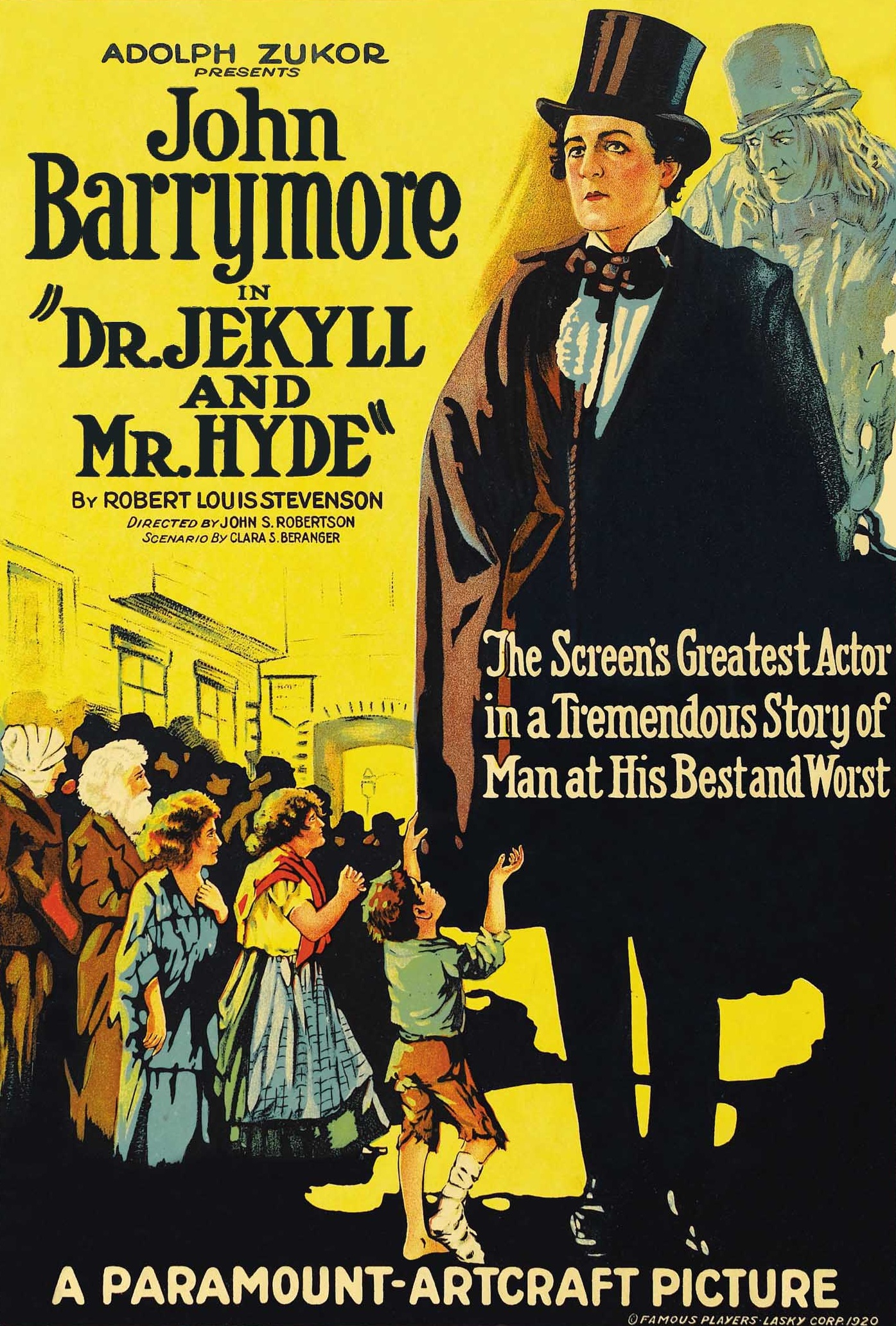
Classic silent version of the Jekyll and Hyde story. A reasonable if not truly standout version, dominated by John Barrymore’s highly melodramatic performance in the title roles
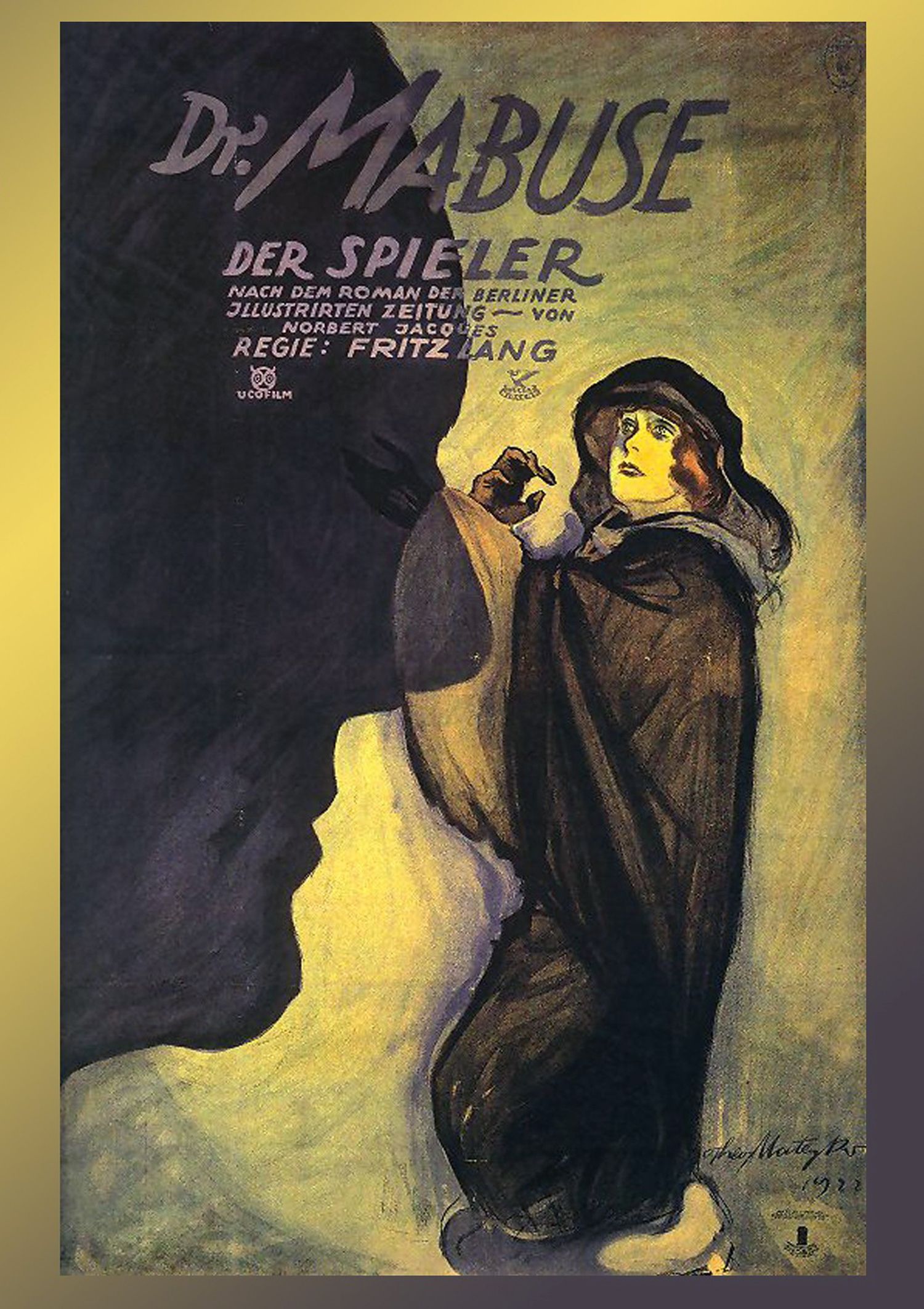
Dr Mabuse is one of the great villains of cinema. Fritz Lang was one of the greatest directors of the silent era and his first Mabuse film is extraordinary where Lang indulges in visual tricks that still look sensational today
Guy Maddin’s reinterpretation of Bram Stoker’s Dracula as a ballet and silent movie is an extraordinarily creative work while remaining far more faithful to the original story than many other film versions do
Early silent adaptation of the Edgar Allan Poe story that treats the story liberally, drops Poe’s mood of desolation and despair for one more of melancholy, but holds an undeniable style
F.W. Murnau’s version of the classic tale of an aging scholar selling his soul to the Devil for youth and love is one of the most fabulous pieces of pure cinema to come out of the German Expressionist era
One of the lesser films made by the director of The Cabinet of Dr Caligari, Robert Wiene. Wiene employs the same stark angular sets and exaggerated shadows in the tale of a predatory femme fatale
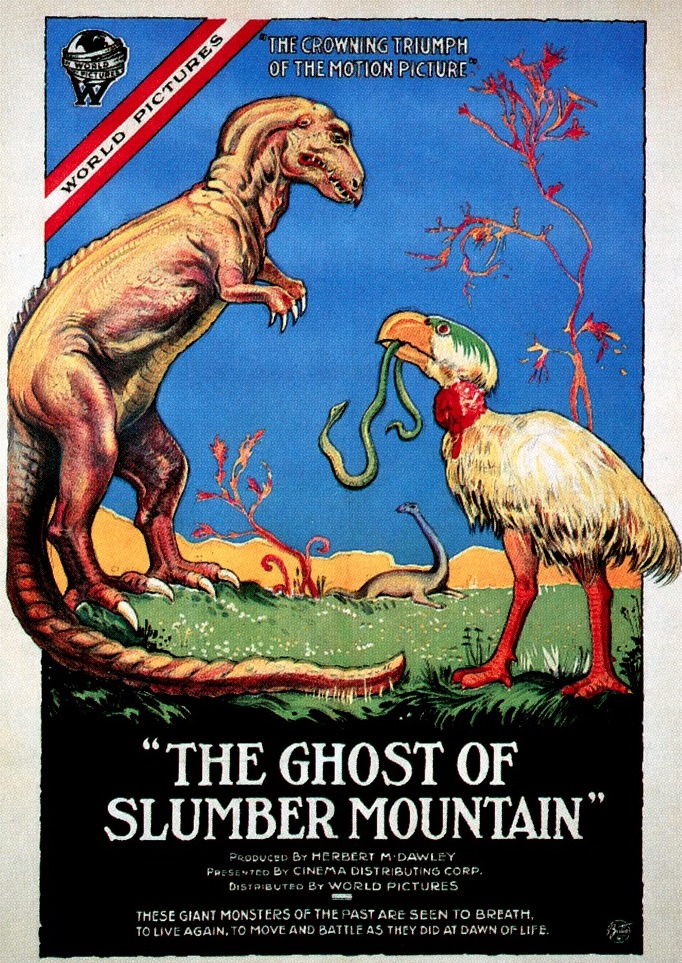
An early film from Willis O’Brien, the creator of King Kong, where a man finds a telescope that offers a view of the prehistoric past
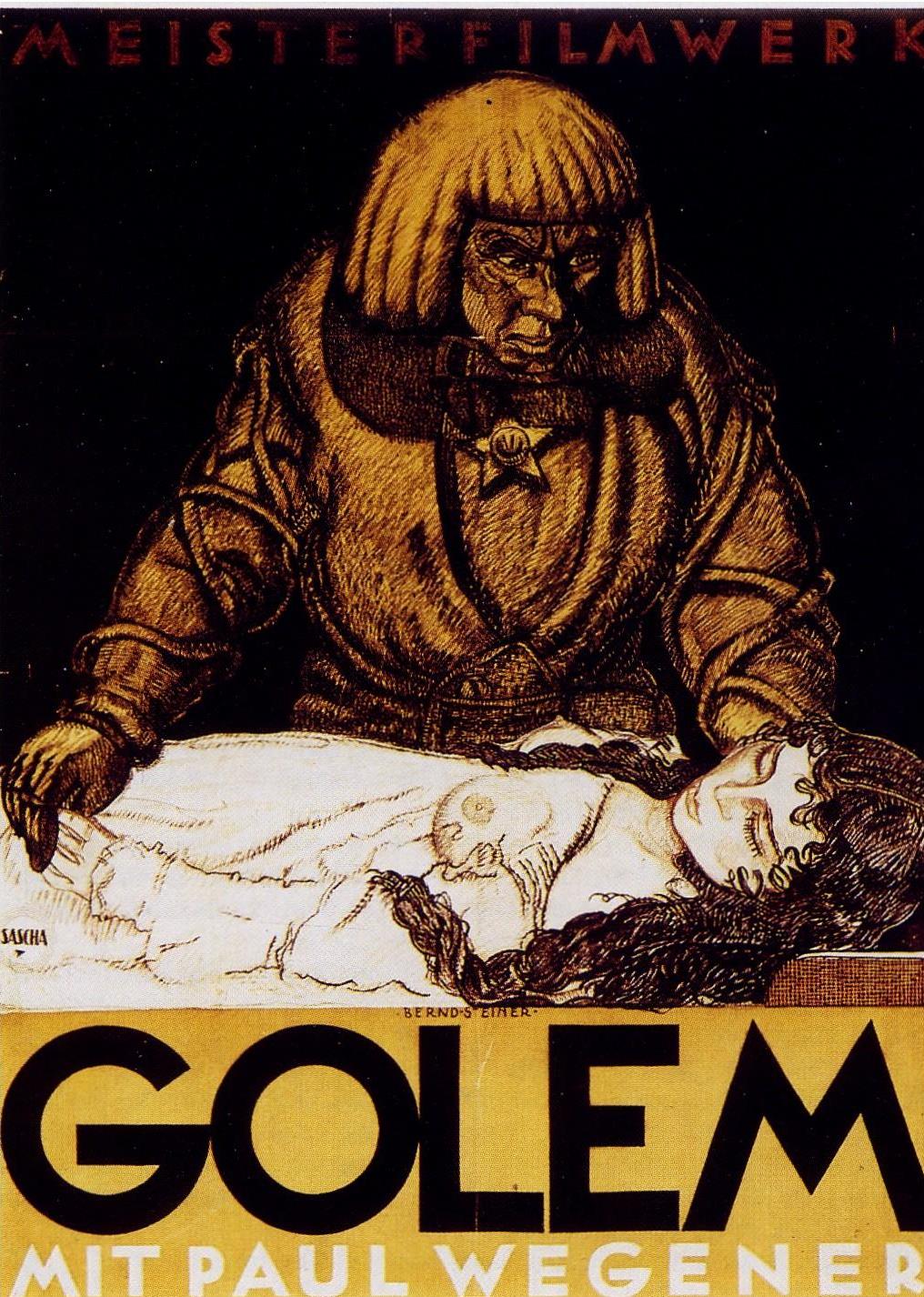
Classic silent film from the German Expressionist period in which a rabbi brings to life a creature made of clay (played by Paul Wegener), which then proceeds to go amok
Classic German silent film about a pianist who receives hand transplants and believes they are possessed. Superbly stylised direction from The Cabinet of Dr Caligari director Robert Wiene and with Conrad Veidt putting his all into the contorted mime work
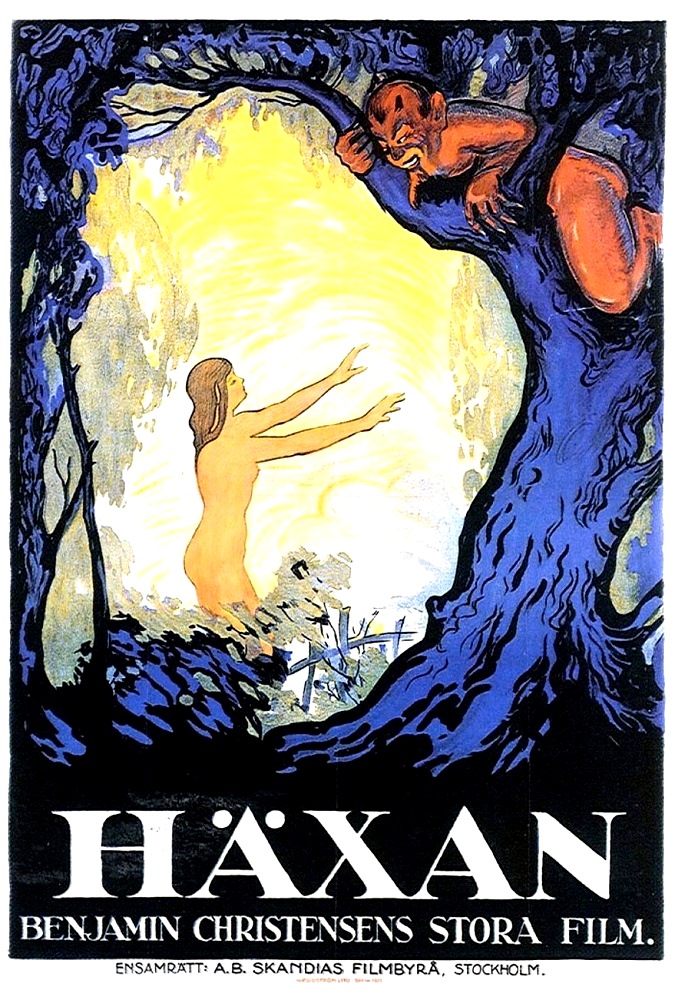
A bizarre pseudo-documentary from the silent era that claims to recount a history of Satanism and witchcraft. Much of the film’s thesis is spurious but the results are facsinating
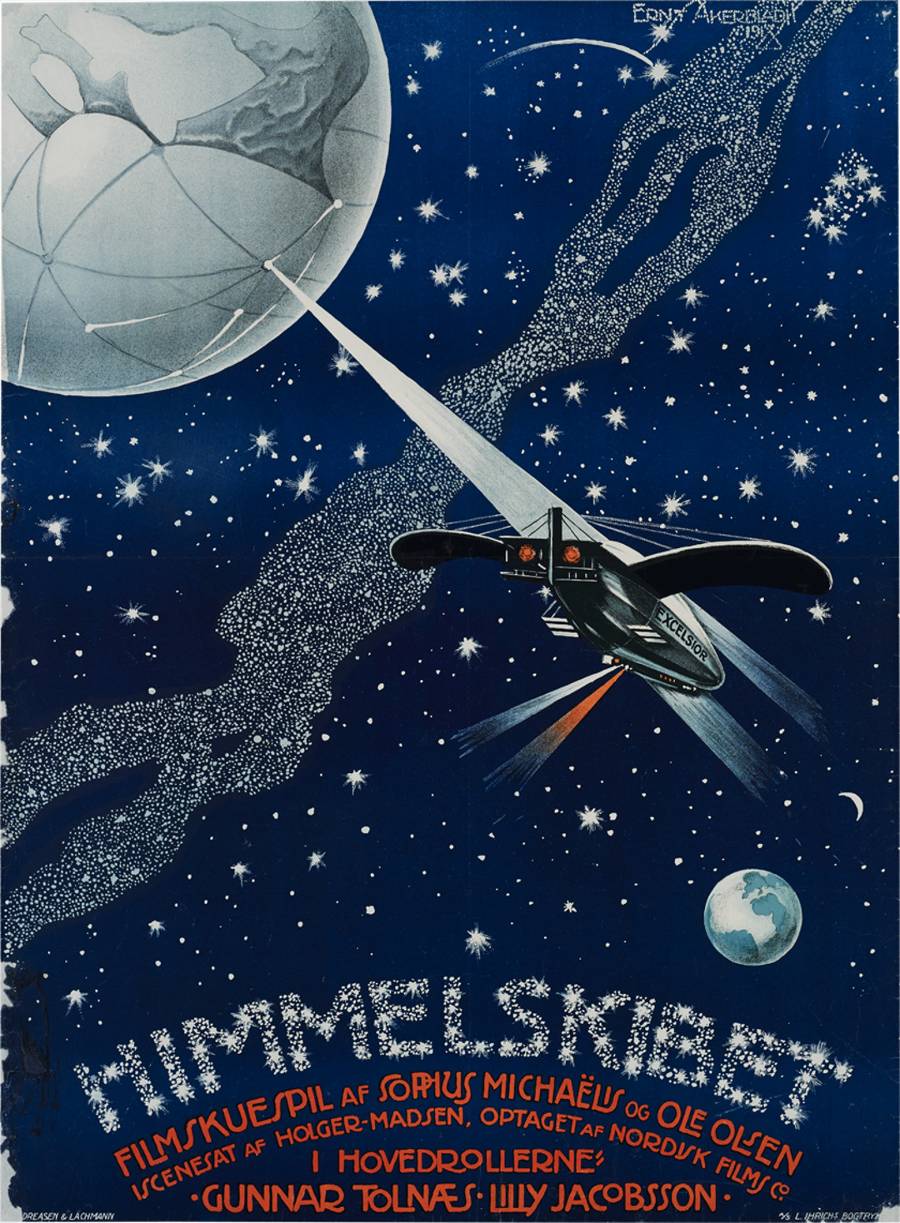
The first serious film about spaceflight, a silent epic from Denmark about astronauts arriving on Mars and encountering a hippie Utopia. Worth watching for the quaint amusement of what it imagined would be
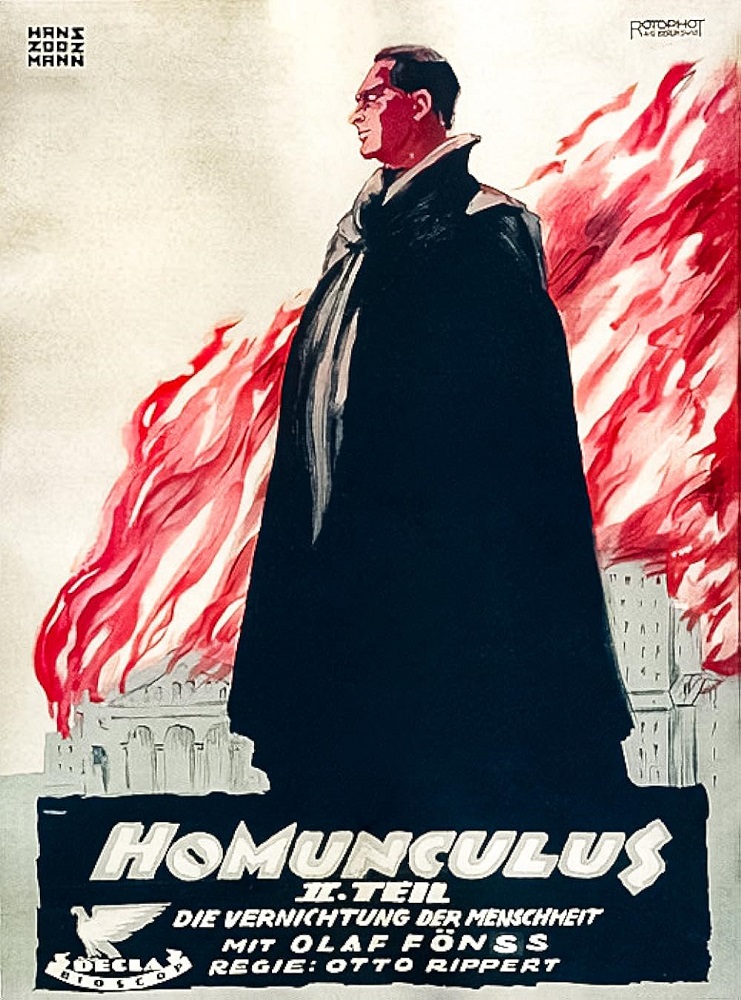
Fascinating silent German serial undeniably influenced by the Frankenstein story about an artificial being who proves soulless, swears vengeance against his creator and becomes a dictator
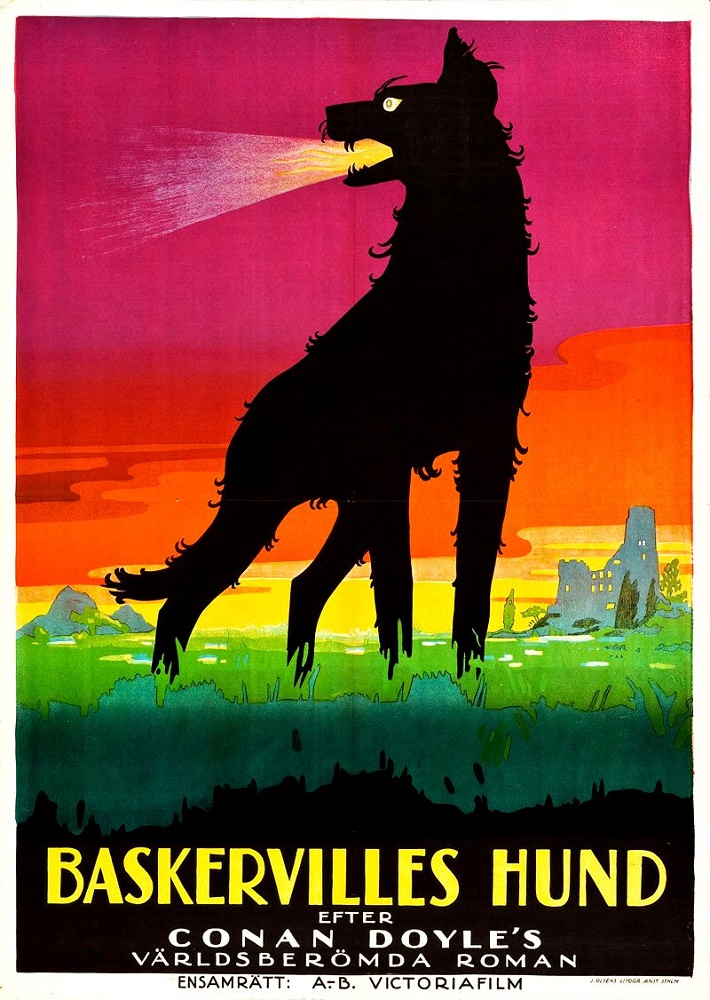
An incredibly good adaptation of the Sherlock Holmes story. Thought lost for many years, this was made at the height of German Expressionism and has a vividness that other adaptations lack
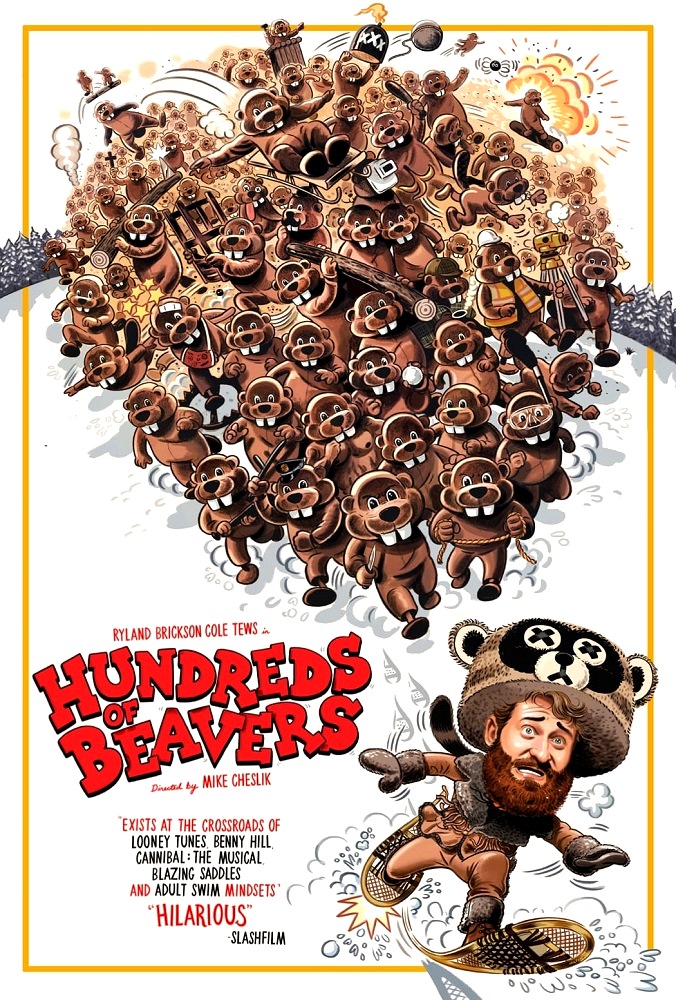
A completely madcap gonzo comedy that all takes place without dialogue, the live-action equivalent of a Looney Tunes cartoon. One of the most unique and creative films I have seen in some time
Georges Melies’ successor to A Trip to the Moon featuring a journey to the sun by astronauts aboard a combination train-submarine-dirigible. A charming whimsy with remarkably technically accomplished effects for the era
Extraordinary filmmaking from Abel Gance made at the height of the silent era. Gance was deeply affected by World War I and makes an epic anti-war parable that stuns you with its cinematic craft
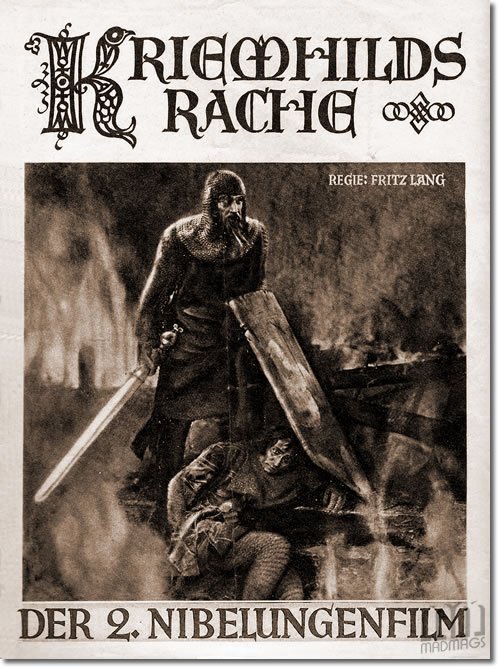
The second part of Die Niebelungen, Fritz Lang’s silent film about the Germanic hero Siegfried in which Siegfried’s widow Kriemhild takes an epic revenge for the murder of her husband
Paul Leni is one of the great unrecognised directors of silent cinema. Leni was clearly trying to replicate his earlier hit The Cat and the Canary. This is the lesser work but Leni’s visuals are incredible
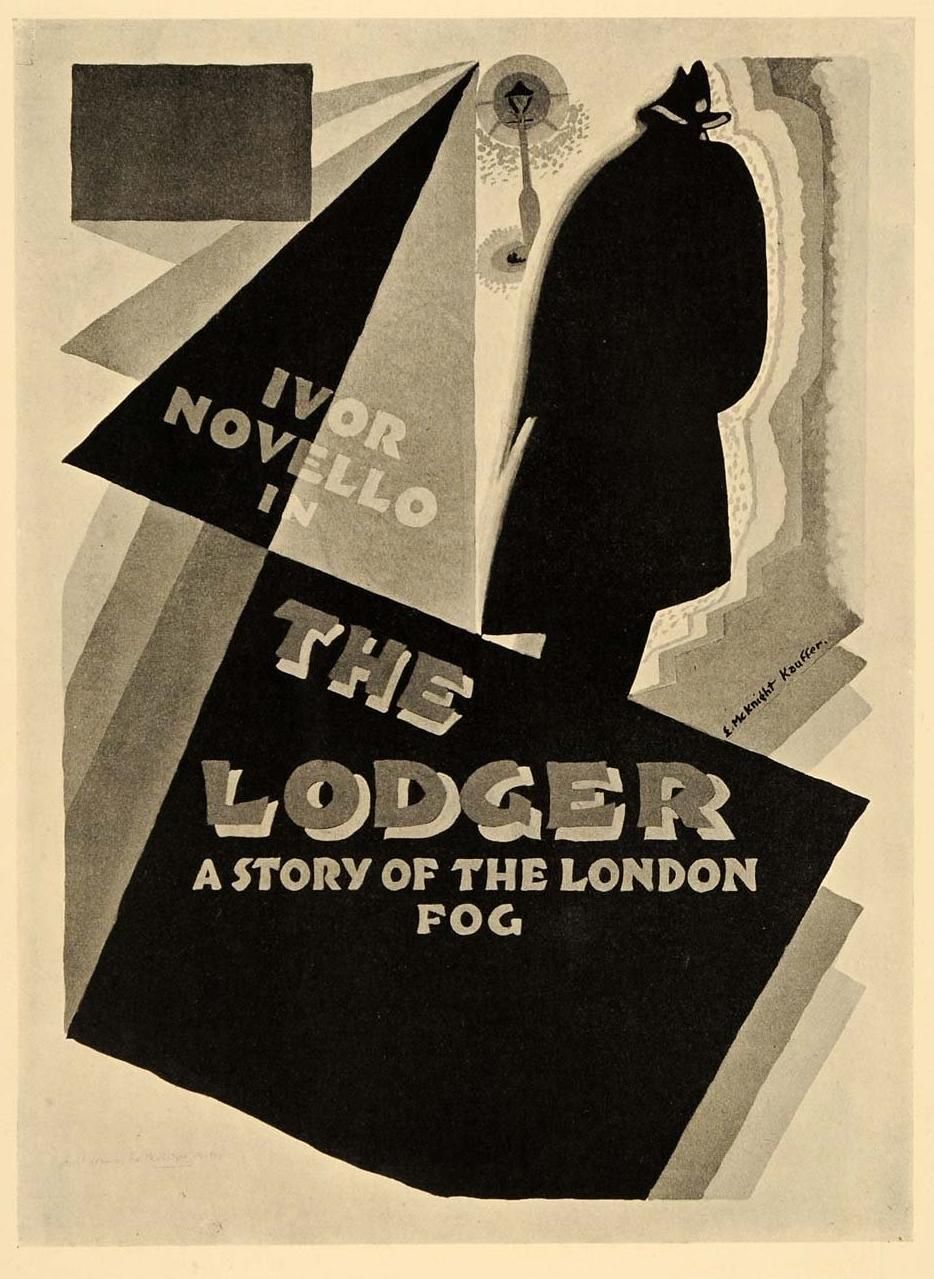
Alfred Hitchcock’s third film about a family who believe their lodger might be a killer. This was made during the silent era but Hitchcock uses extraordinary visual tricks that blow you away
A lost film from the great silent actor Lon Chaney [Sr] who would undergo great physical makeup transformations for his role. This also has the distinction of being the first Hollywood-made vampire film
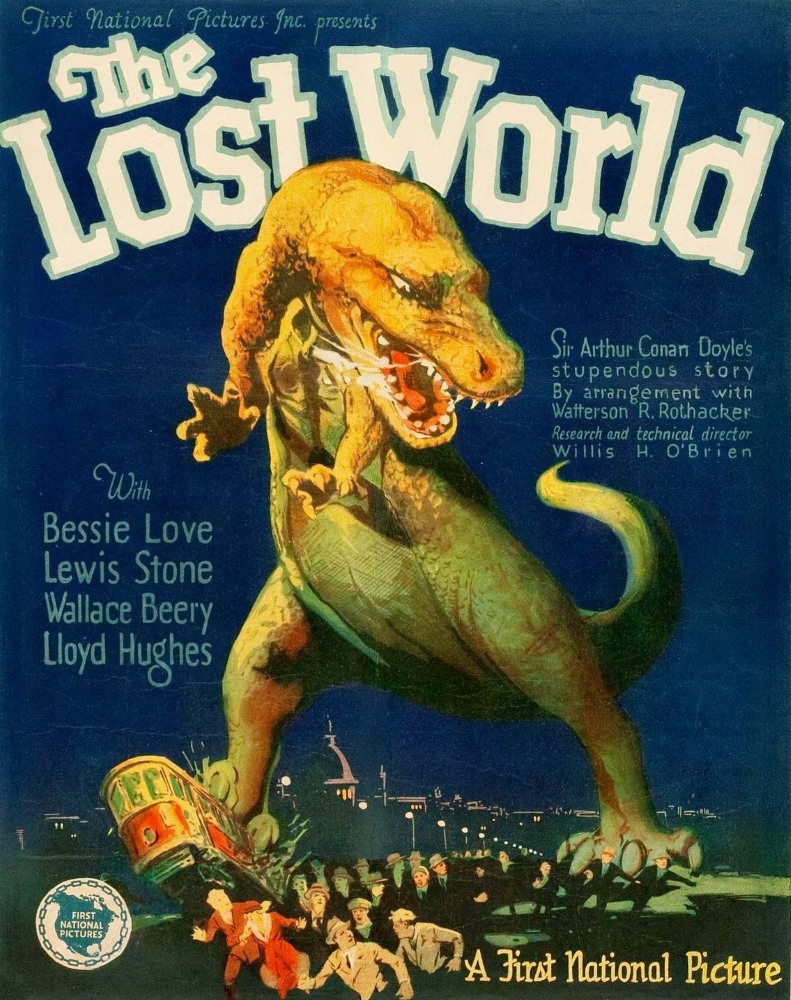
Based on an Arthur Conan Doyle novel and featuring stop-motion animated dinosaurs from King Kong creator Willis O’Brien, this was the quintessential lost world film
Fascinating artifact from the silent era. One of the original Italian muscleman films in which the titular strongman is whisked down to Hell where efforts are made to seduce him into staying
Considered a lost classic of silent cinema for many years, this is a film loosely based on occultist Alesiter Crowley and was considered a daring work that delved into taboo areas
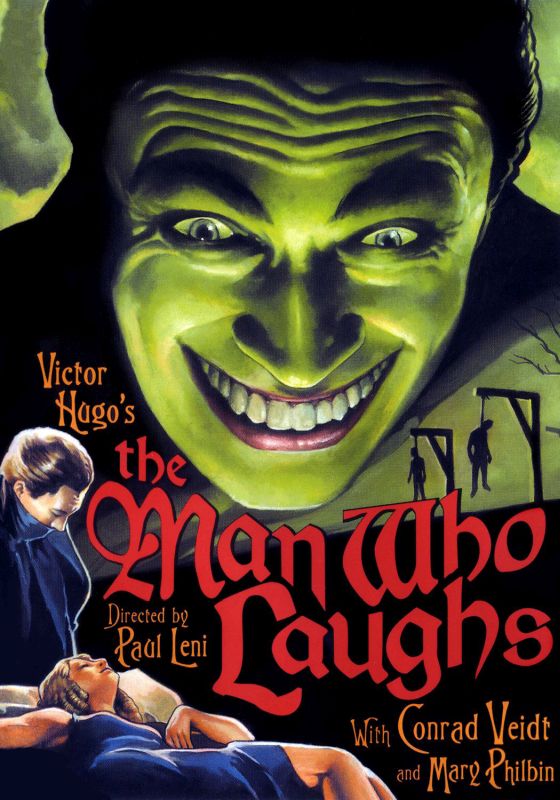
Adaptation of a Victor Hugo historical novel about a man with his face surgically altered into a grin – an image that later inspired Batman’s The Joker. This has clearly been intended to imitate Lon Chaney’s grotesque performances of this era and is exquisitely made by the great Paul Leni
Melies Cinemagician is a special screening of a selection of films from Georges Melies presented by Vancouver’s Vancity Theater to celebrate the 150th anniversary of his birth. The show was a live performance involving a score composed especially for the event, displays of conjuring tricks and a magic lantern show. The same year also saw […]
A documentary that offers the best discussion of the life of Georges Melies to date. Much of the film is focused on the recent rediscovery of a complete trove of negatives of Melies’s film
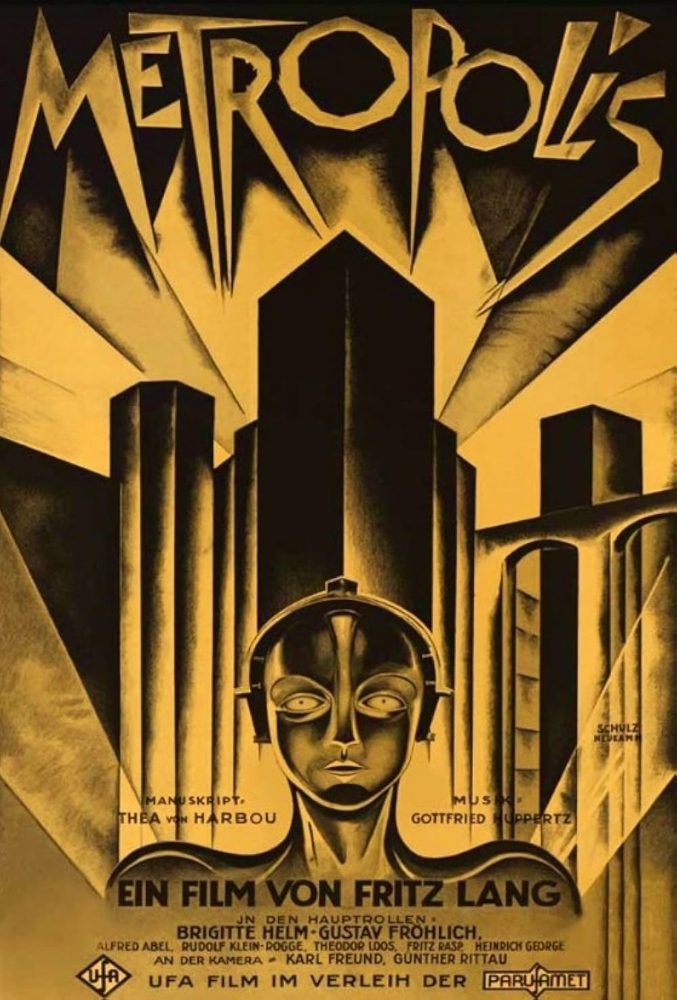
Fritz Lang’s visionary work was something way ahead of it time and is one of the few silent films still screened today. The film’s politics are naive but Lang’s visions of the city of the future and the first screen robot are vivid.
Early silent film in which a motorcar travels so fast that it heads into orbit. One of the films from Walter R. Booth, a British imitator of Georges Melies, The effects are less sophisticated than Melies developed around this point but the film has its charms
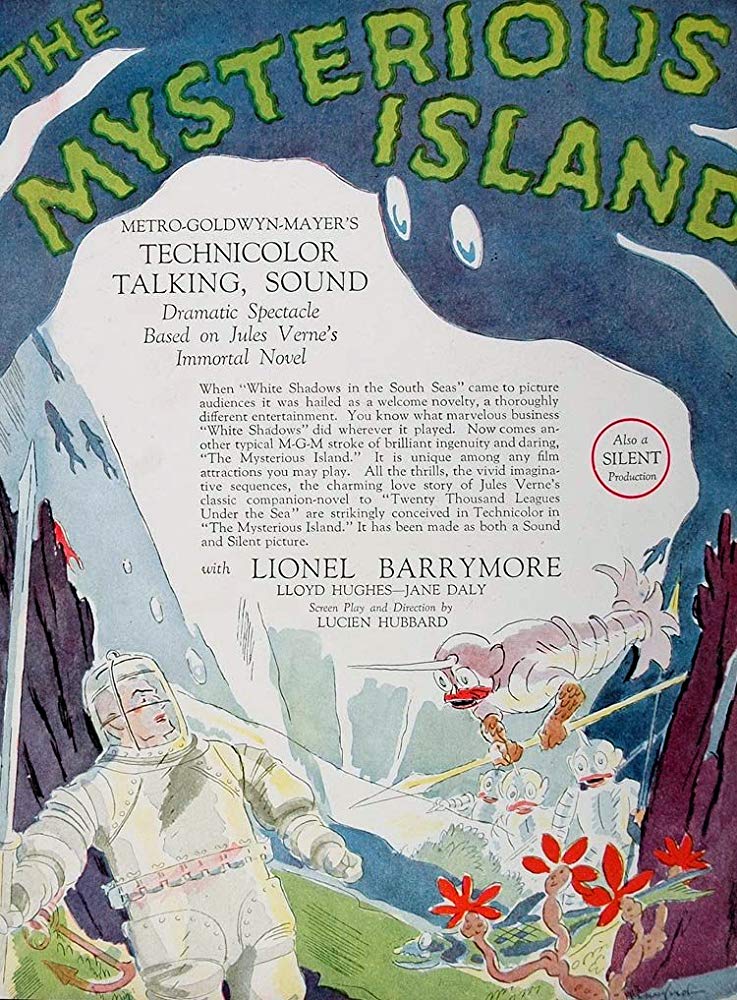
The first film adaptation of Jules Verne’s sequel to 20,000 Leagues Under the Sea. The original book is a desert island adventure story; the film throws all that out and has a story about Captain Nemo encountering a race of merpeople
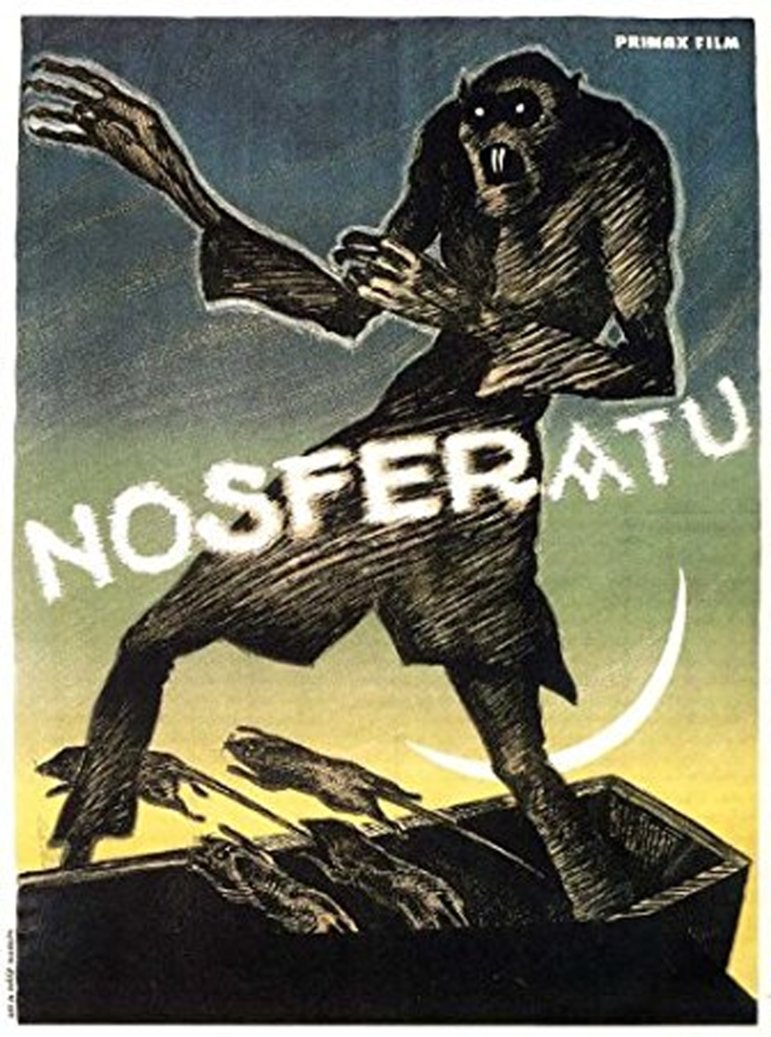
The first screen adaptation of Dracula and one of the most amazing of all vampire films, a German Expressionist fairytale that exists in haunted netherworld through which stalks the crepuscular figure of Max Schreck
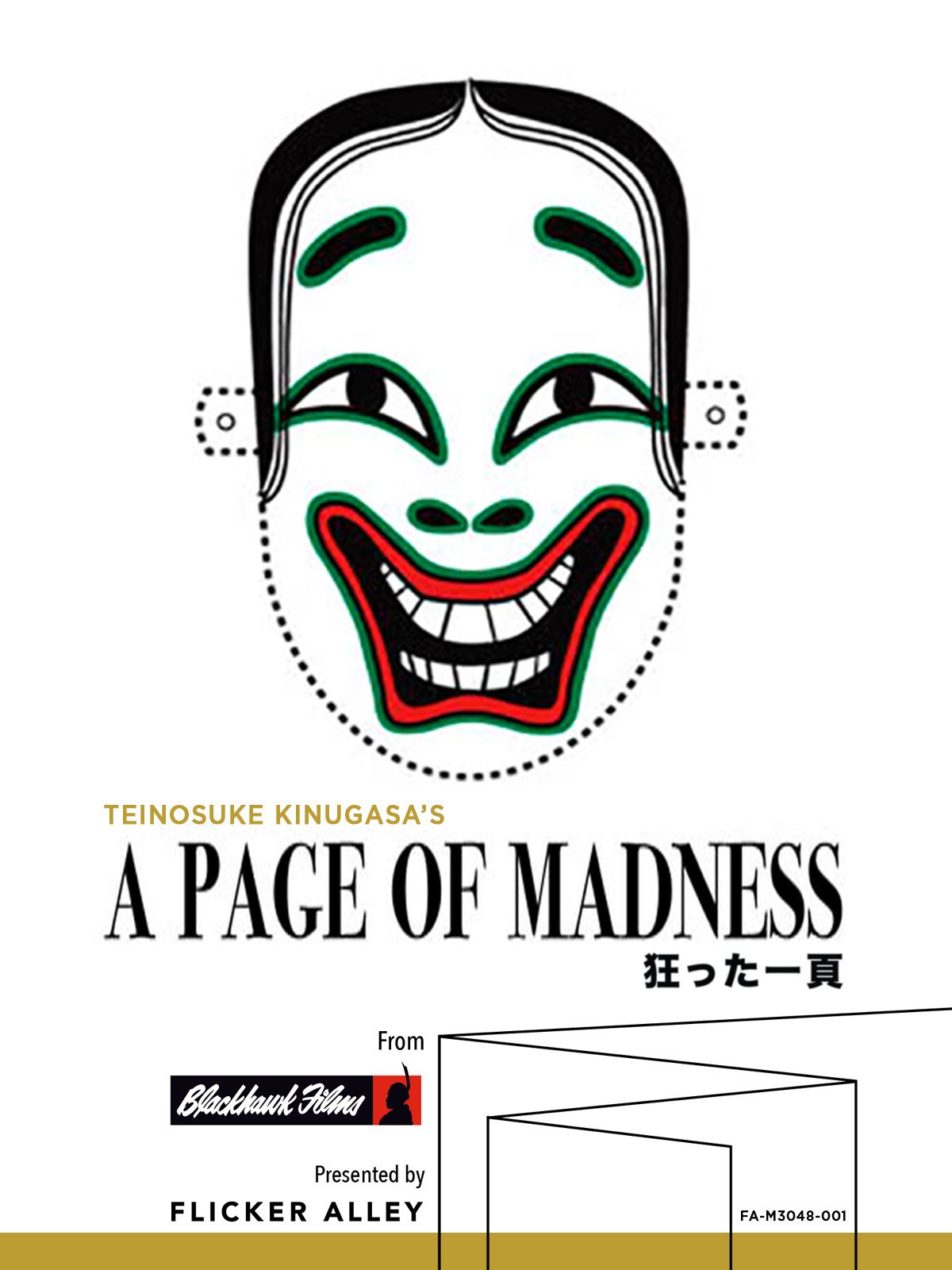
Forgotten silent Japanese avant garde classic set in a mental asylum. This has many similarities to The Cabinet of Dr Caligari in its shifting perspectives that delve into the subjective mental space of the inmates
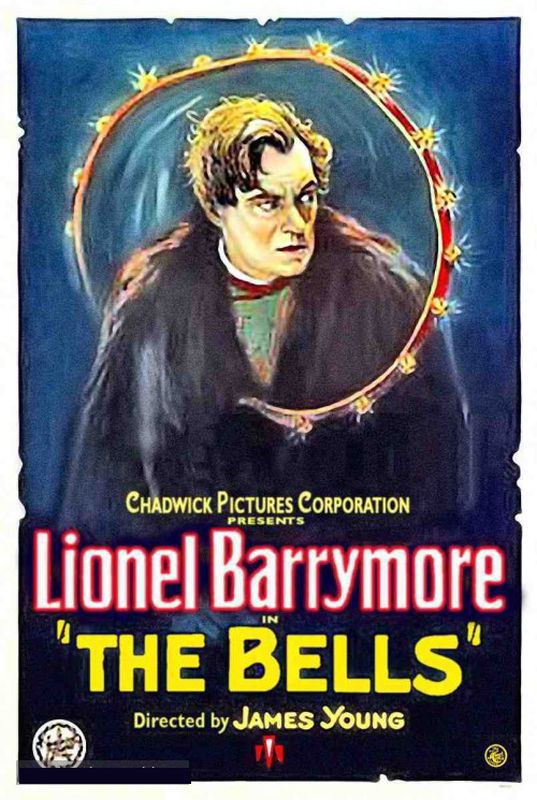
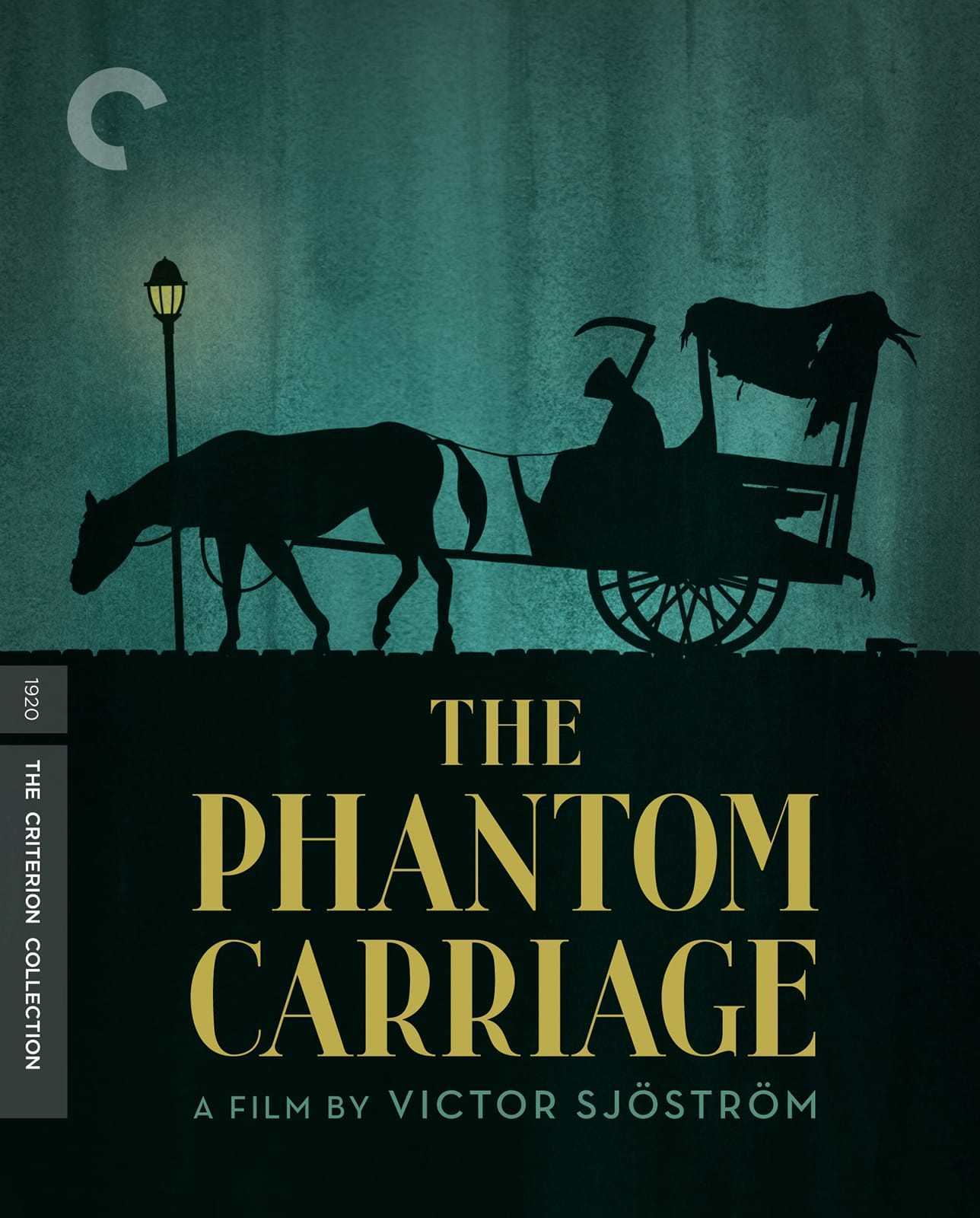
Silent film whose greatest footnote is that it was Ingmar Bergman’s favourite film. Has some extraordinary fantastic images, even if these are technically primitive today. Less effective is the modern attempts to view it as a ghost story, when it is more a morality play akin to A Christmas Carol
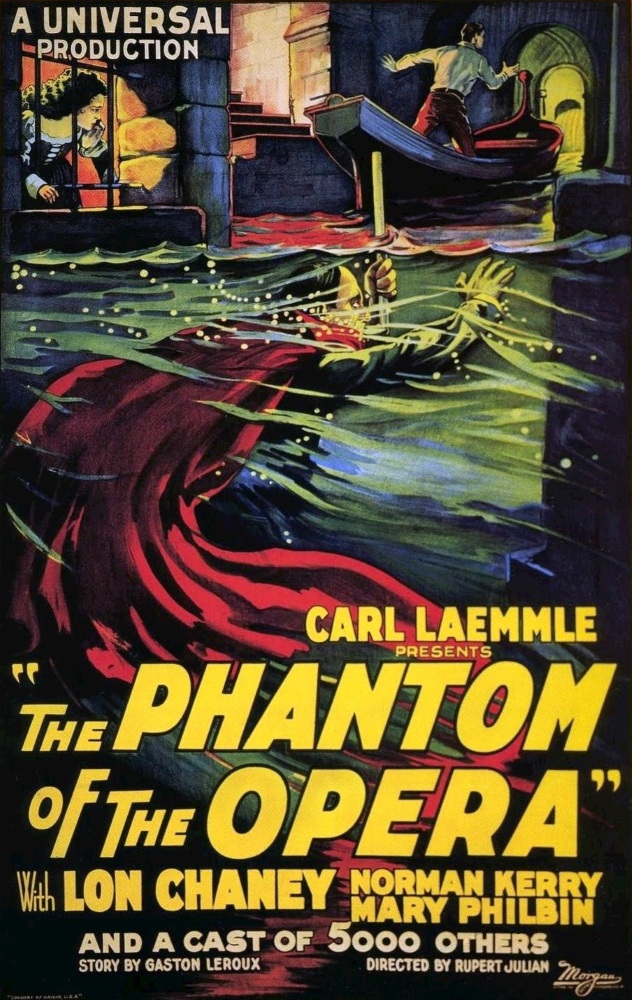
The first and still the best version of the story. Made when The Phantom was a horror story rather than a weepie romance, everything from Lon Chaney’s performance to the amazing Gothic design and directorial set-pieces is classic
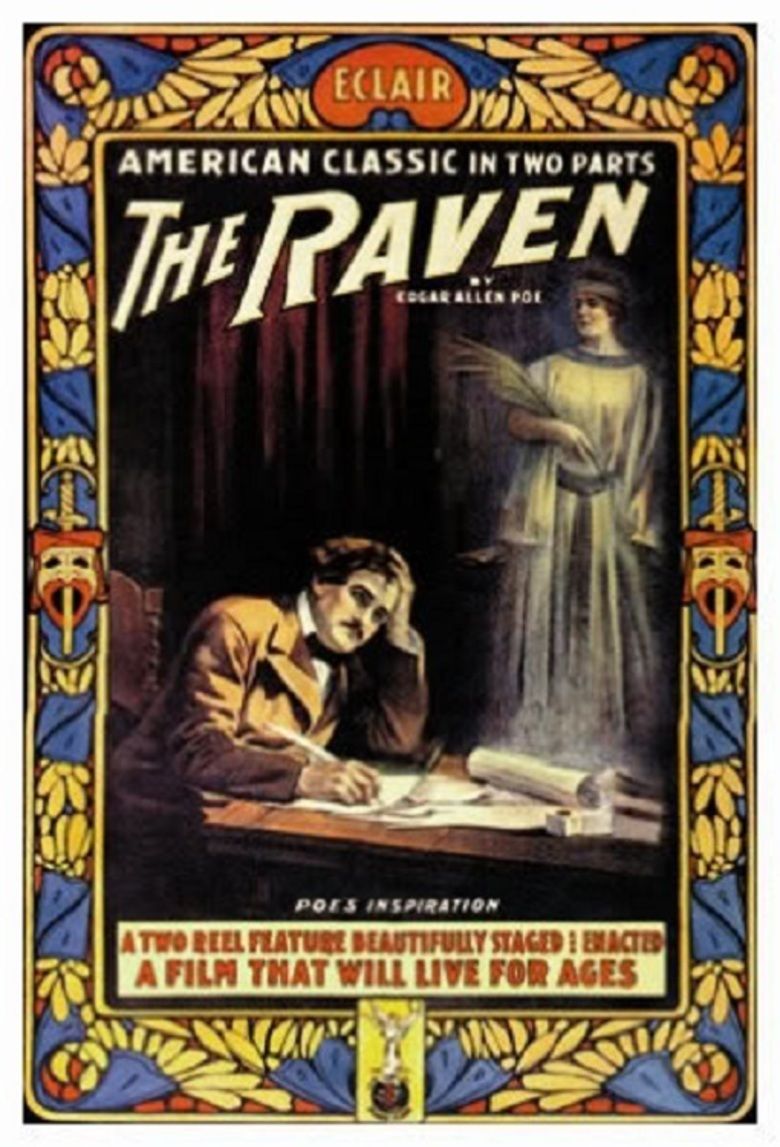
Silent movie based on the life of Edgar Allan Poe. Today we’d call it a biopic, although it readily departs into fantasy with Poe having drunken visions of the raven, ghosts and the afterlife
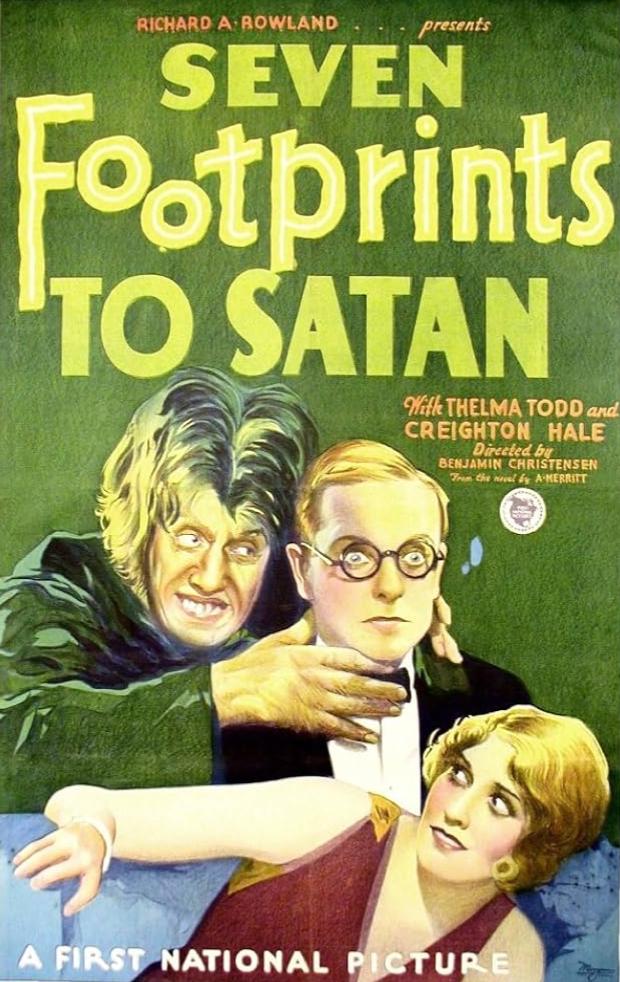
An Old Dark House film from the silent era. Haxan director Benjamin Christensen turns the mansion into a fantastical netherworld and creates a compulsive atmosphere of weird and fascinating happenings that is is only marred only by a contrived mundane ending
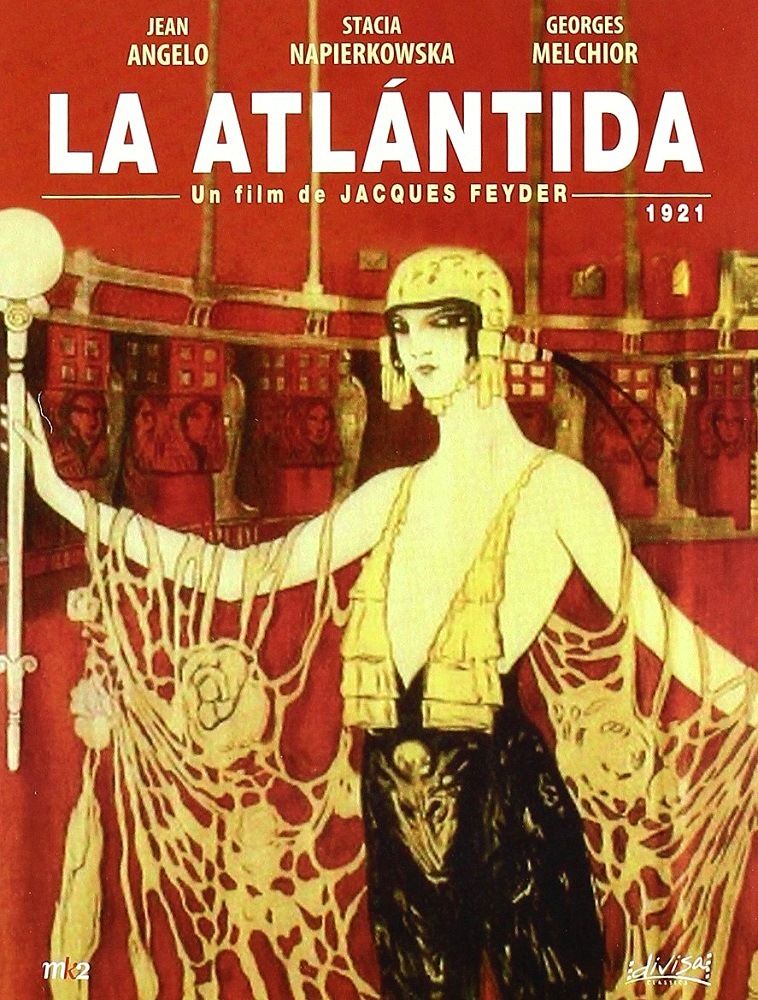
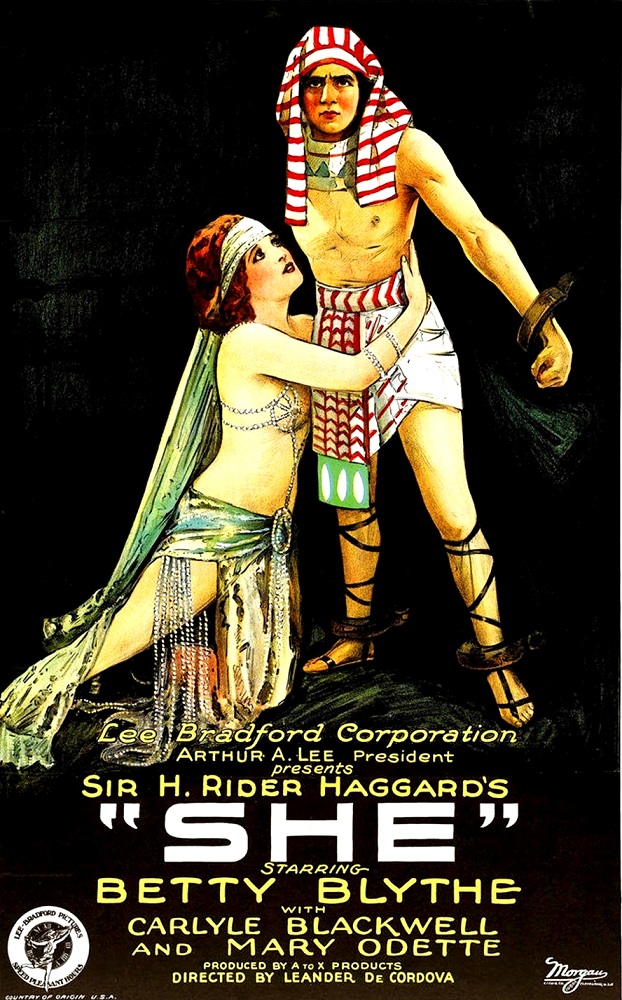
The most lavish of the silent screen adaptations of H. Rider Haggard’s classic, multiply filmed adventure novel about the discovery of a lost city ruled over by an immortal queen
The first of a two-part silent Fritz Lang film based on the Teutonic legend. Lang directs with an epic visual majesty that rivals today’s Lord of the Rings films
Classic German silent film where a man sells his shadow, which then becomes a malevolent doppelganger that torments his life
A classic of the German Expressionist era about a poor student who sells his shadow to The Devil, only to have it become a malevolent doppelganger. As with much of the work to emerge from this era, the film manages directorial effects that still look amazing today
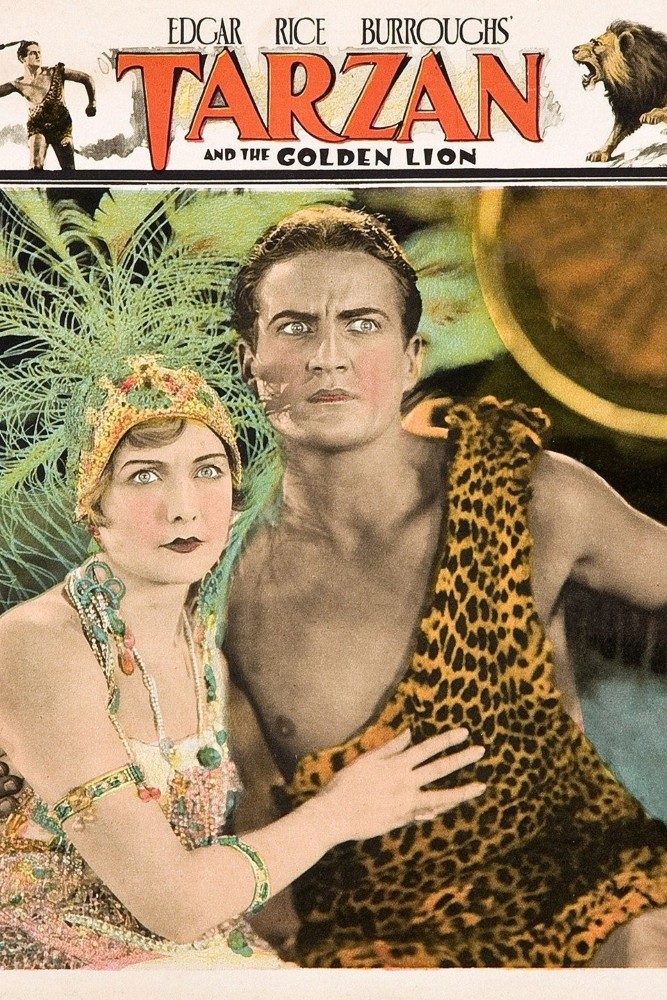
One of several silent movie versions of Tarzan, featuring the actor who was Edgar Rice Burroughs’ personal choice for the role
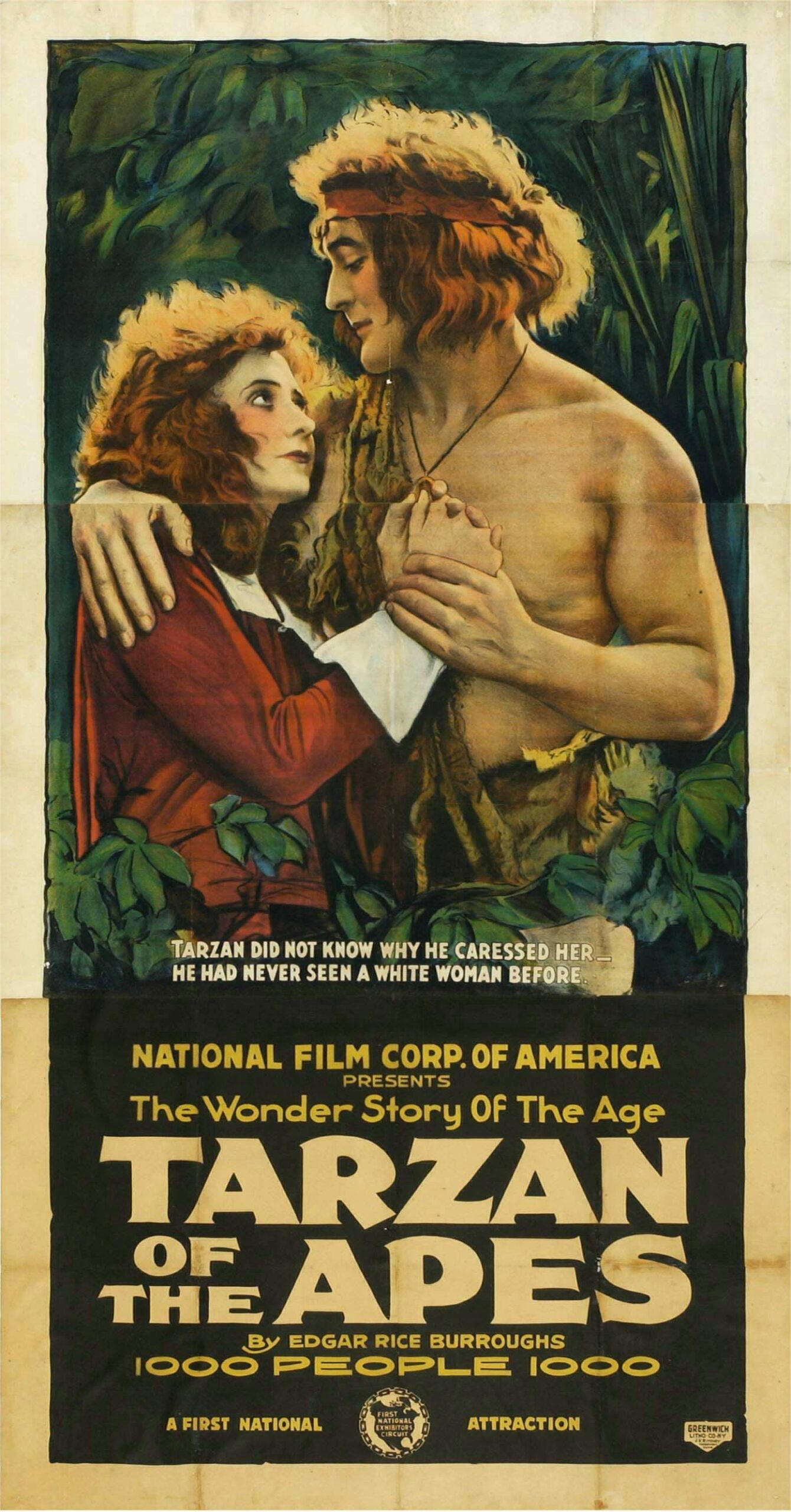
The very first Tarzan film, the silent version starring Elmo Lincoln. Although limited by the technology of the time, this is the most faithful to Edgar Rice Burroughs novel of all the film versions and was made before all the cliches set in
Often misidentified as the first science-fiction film, Georges Melies’s short is a whimsy involving comedic exploits on the Lunar surface. Hardly serious as SF but an undeniably iconic work made with enormous sophistication for the day
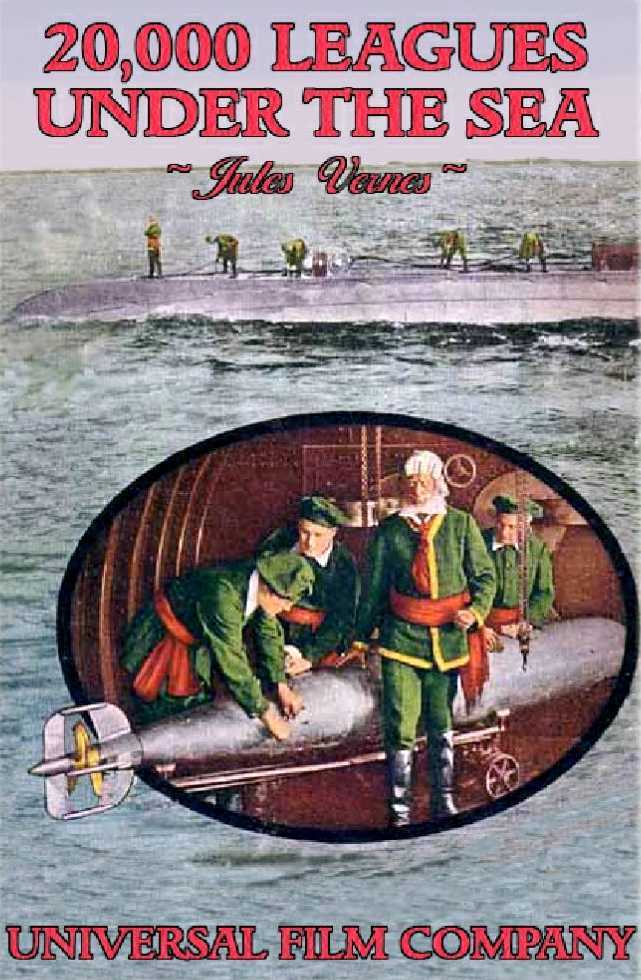
A silent movie version of the Jules Verne novel, the first film to be shot underwater, this spends its time marvelling at the underwater environment
Classic, wonderfully twisted Tod Browning film with Lon Chaney as an armless circus performer who lusts for Joan Crawford
The earliest surviving film version of The Wizard of Oz , one of a number made during the silent era. It makes interesting contrast to the 1939 version but at best serves as a series of highlights from the story and drawing heavily on the stage version in its often crude methods of presentation
An earlier silent version of The Wizard of Oz, which twists the story considerably out of shape as a vehicle for the slapstick comedy of star Larry Semon who plays The Scarecrow
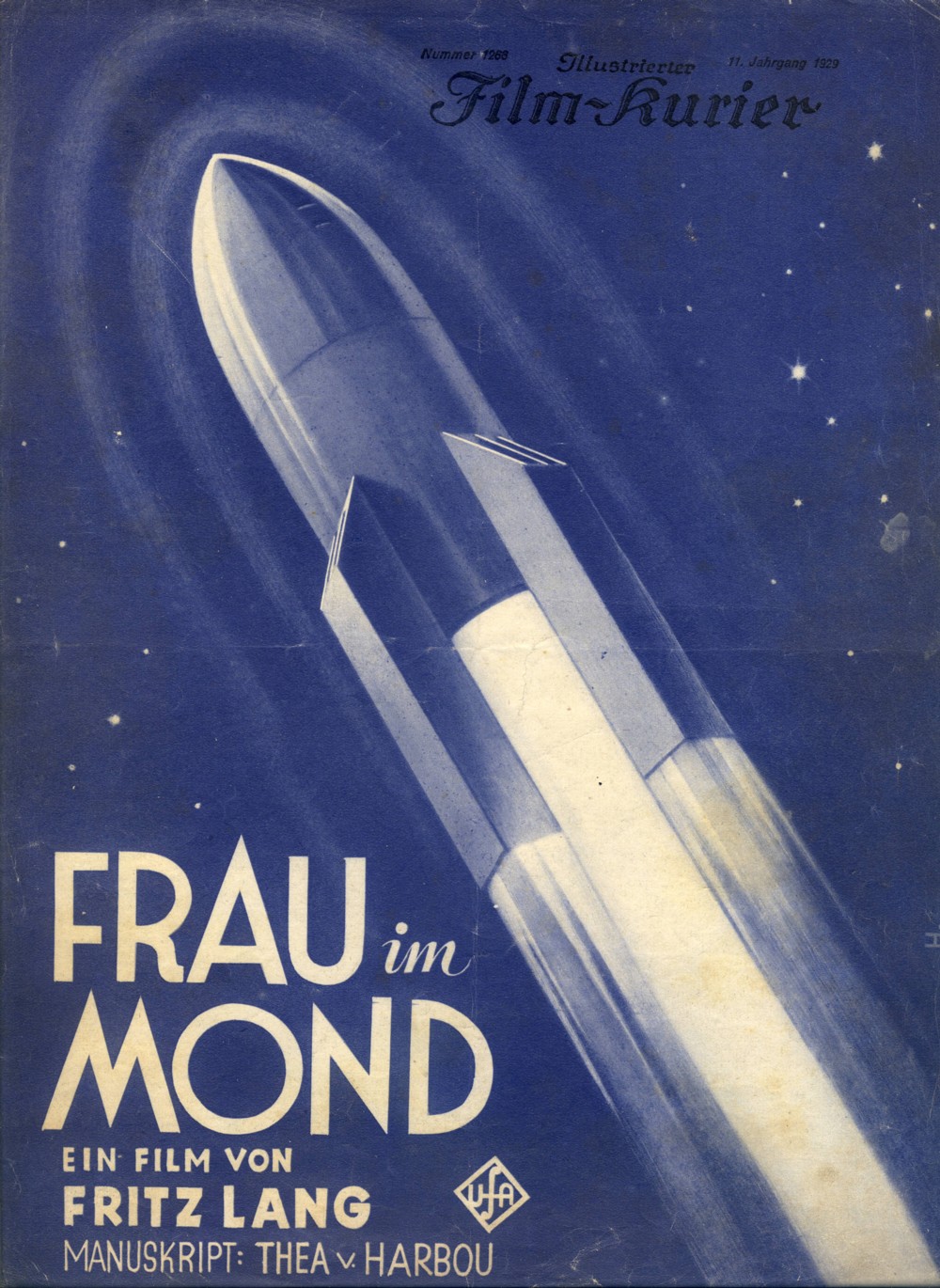
A silent film from Fritz Lang where he sets out to depict a realistic attempt (at least in terms of what was known in the era) to build and launch a rocket to The Moon. Lang directs with an epic grandeur that still takes back today.