Ab-Normal Beauty (2004)
Oxide Pang, one half of the Pang Brothers. goes solo to make a film about an obsessive girl who enjoys photographing death and her journey into a very disturbed mental space
The Science Fiction Horror and Fantasy Film Review
Asian horror is an umbrella term that refers to horror films that come from the Asian region, principally Hong Kong, South Korea, Thailand, China, the Philippines, Singapore and most of all from Japan.
Asian horror will often feature themes from Eastern religion such as reincarnation, luck, the importance of written prayers and offerings, as opposed to Western horror, which frequently turns to Christian imagery. Many Asian horror films have adapted Western horror tropes like the possession, vampire and zombie film to their own uses.
This covers everything from the traditional Japanese kaidan eiga (ghost story) to modern variants such as the huge success enjoyed by Ring (1998) and Ju-on: The Grudge (2003). Variants of these proliferated throughout Japan and the Asian region in the 2000s, earning nicknames such as the J-horror (Japanese horror) and K-horror (South Korean horror) film, before undergoing a series of English-language remakes.
Also included here is the phenomenon of the Gonzo Japanese Splatter Film featuring bizarre mutations and bio-mechanoid transformation, copious splatter and over-the-top moves. The kaiju eiga (Japanese monster movie) is featured under the theme Japanese Monster Movies.
Oxide Pang, one half of the Pang Brothers. goes solo to make a film about an obsessive girl who enjoys photographing death and her journey into a very disturbed mental space
A charming and delightful South Korean zombie film about the friendship that grows across the gap separating them between a nerd trapped in an apartment and a girl in the building opposite during a zombie outbreak
Thai ghost story about a woman haunted by the ghost of her dead conjoined twin sister. This produces a mix of jumps that fall between the effective and routine but falls apart in a contrived twist ending
Another J-horror on the bandwagon created by the Ring and Ju-on/The Grudge films. Some promisingly initial scares traipse off into a dull mystery about investigating the past
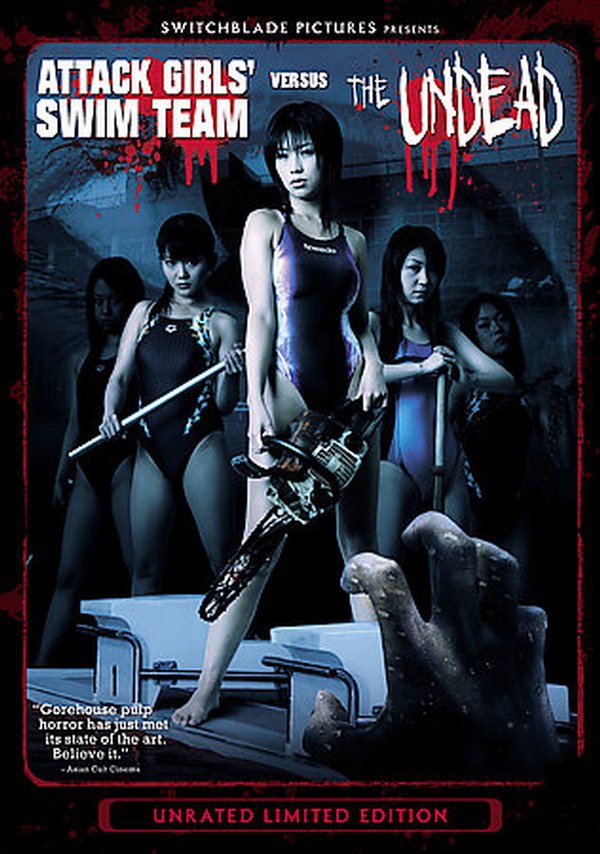
You feel that a film about lesbian Japanese schoolgirls vs zombies should have been more interesting. The zombies barely mount to a dozen and the director seems more preoccupied by his softcore predilections
The film that made the world pay attention to Takashi Miike. Starting out as a seeming love story, this culminates in some of the most brutal and hard-to-watch torture scenes ever committed to film
Early effort from one of the Pang Brothers Oxide, who only directs one of the episodes in this trio of Thai ghost stories. The other director’s grasp of horror effect is often crude and amateurish
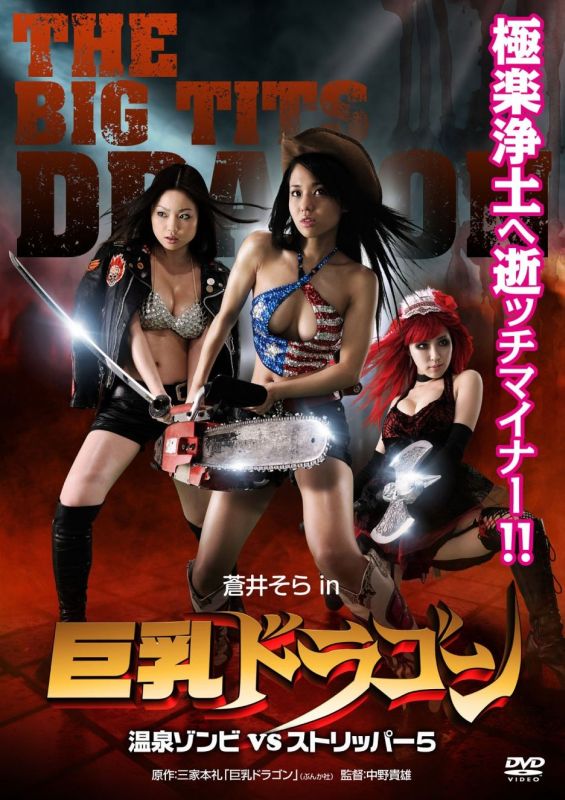
Strippers and zombies Japanese style. An entry into the Gonzo Japanese Splatter film fad. Cheaply made, with surprisingly little nudity and a whole lot of tongue-in-cheek splatter
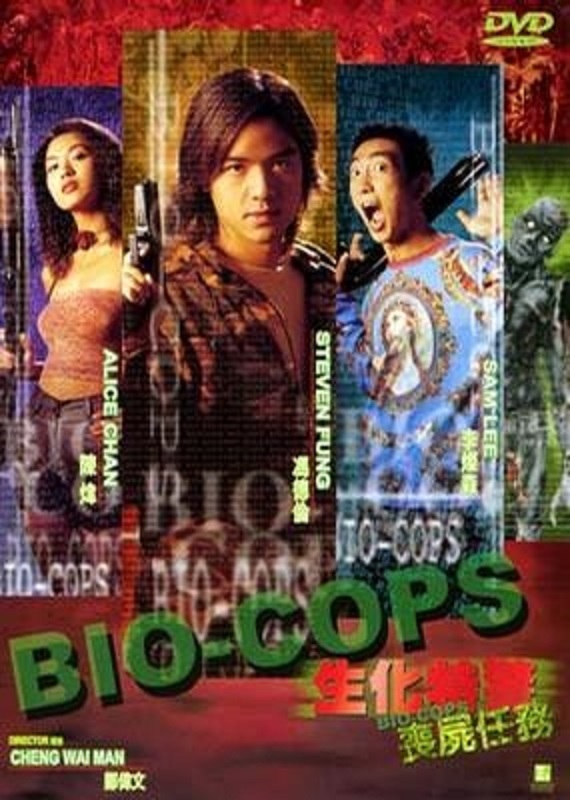
Hong Kong comedy with a police station under siege from zombies. The emphasis is more on comedy than the horror element
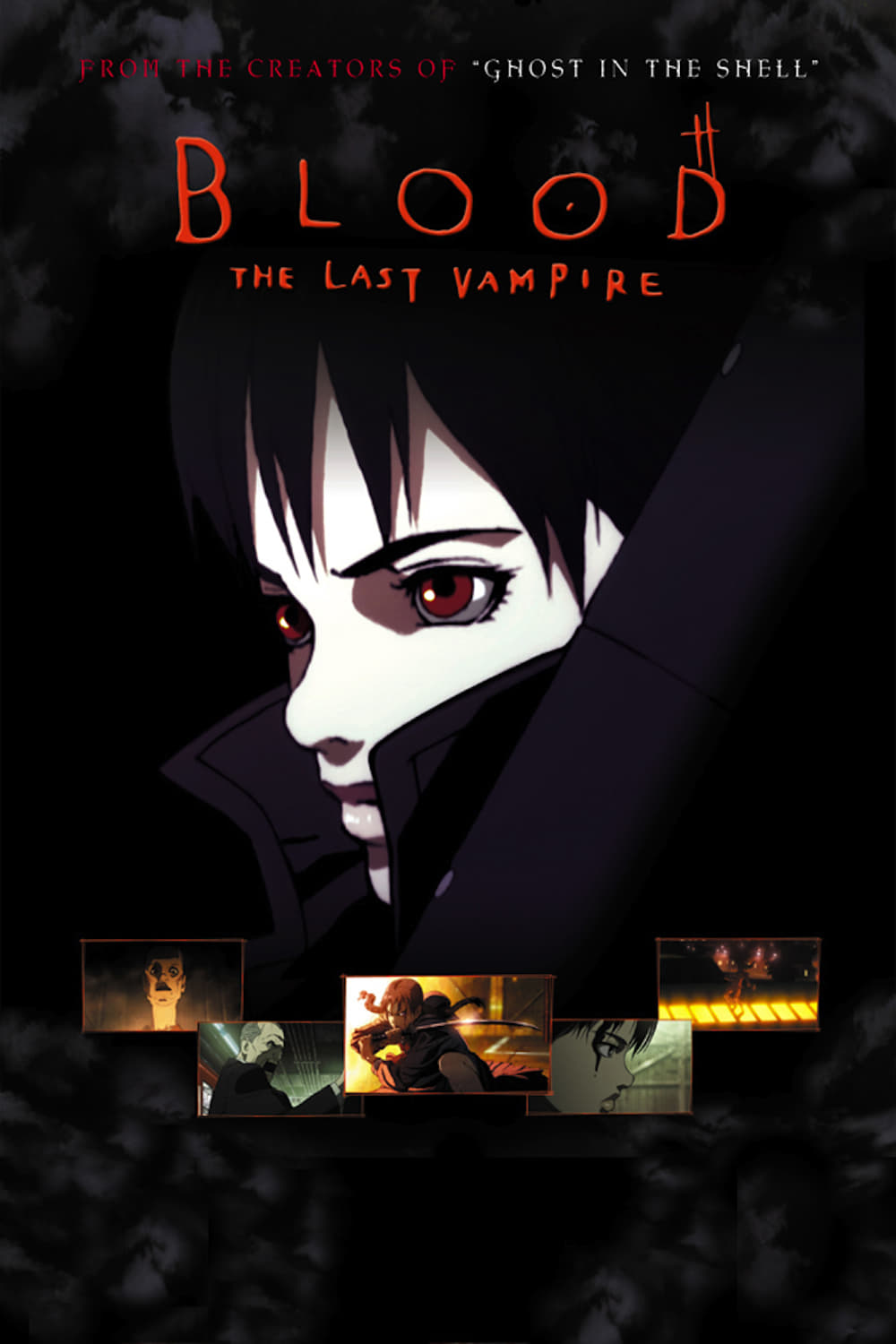
Stunning Mamoru Oshii-prodcued anime short about a vampire girl who operates as an American agent eliminating vampires in post-War Japan
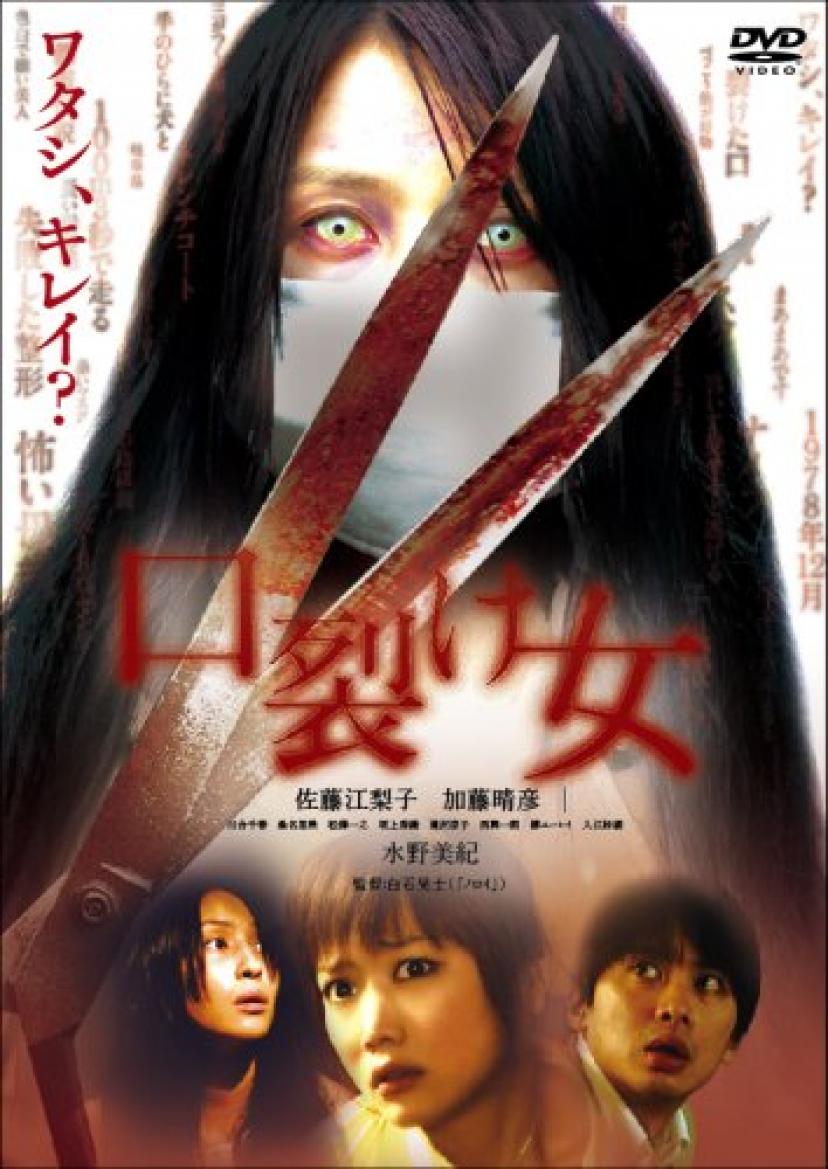
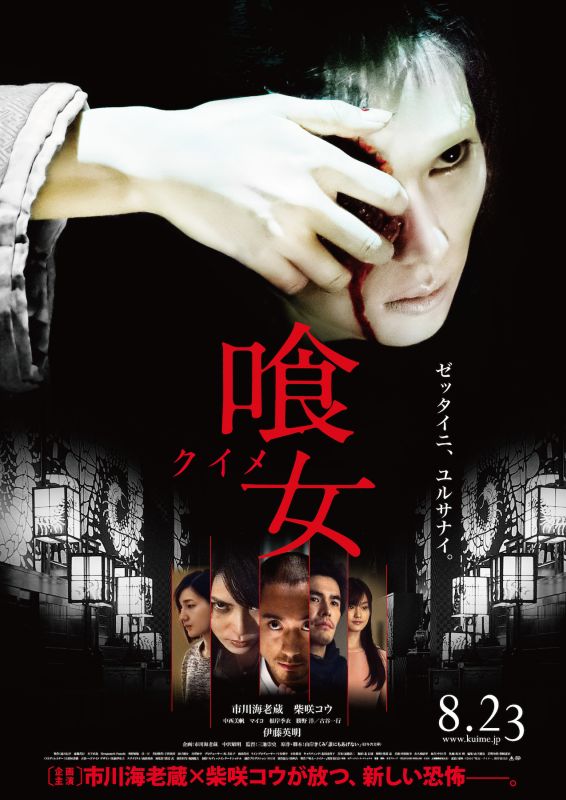
J-horror film based on the Japanese urban legend of a boogeywoman with a face slit from ear to ear who appears to kill people
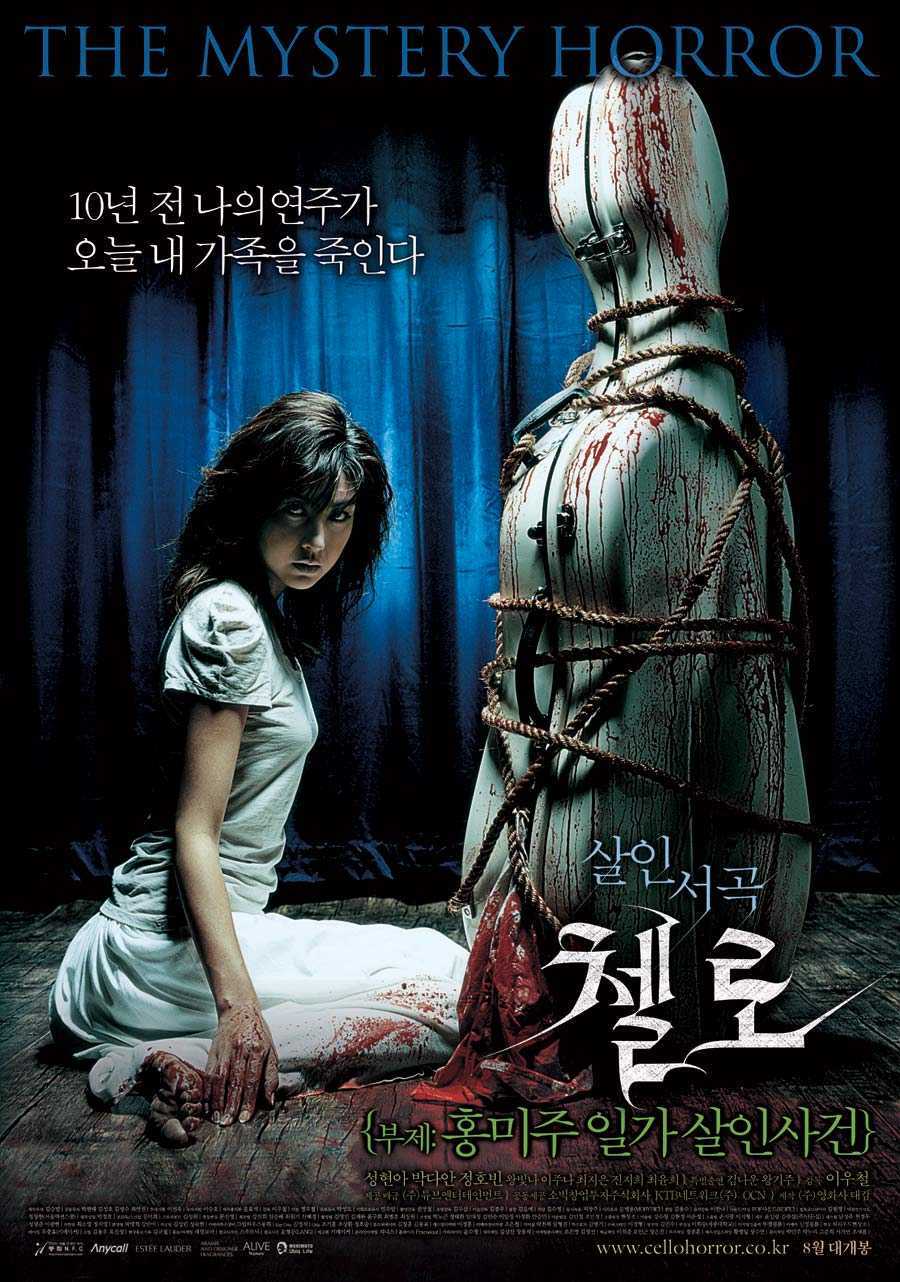
The huge success of J-horror films like Ringu and Ju-on: The Grudge in the 2000s was copied right around the Asian region. This was one of several K-horror (South Korean) ghost stories produced during this period
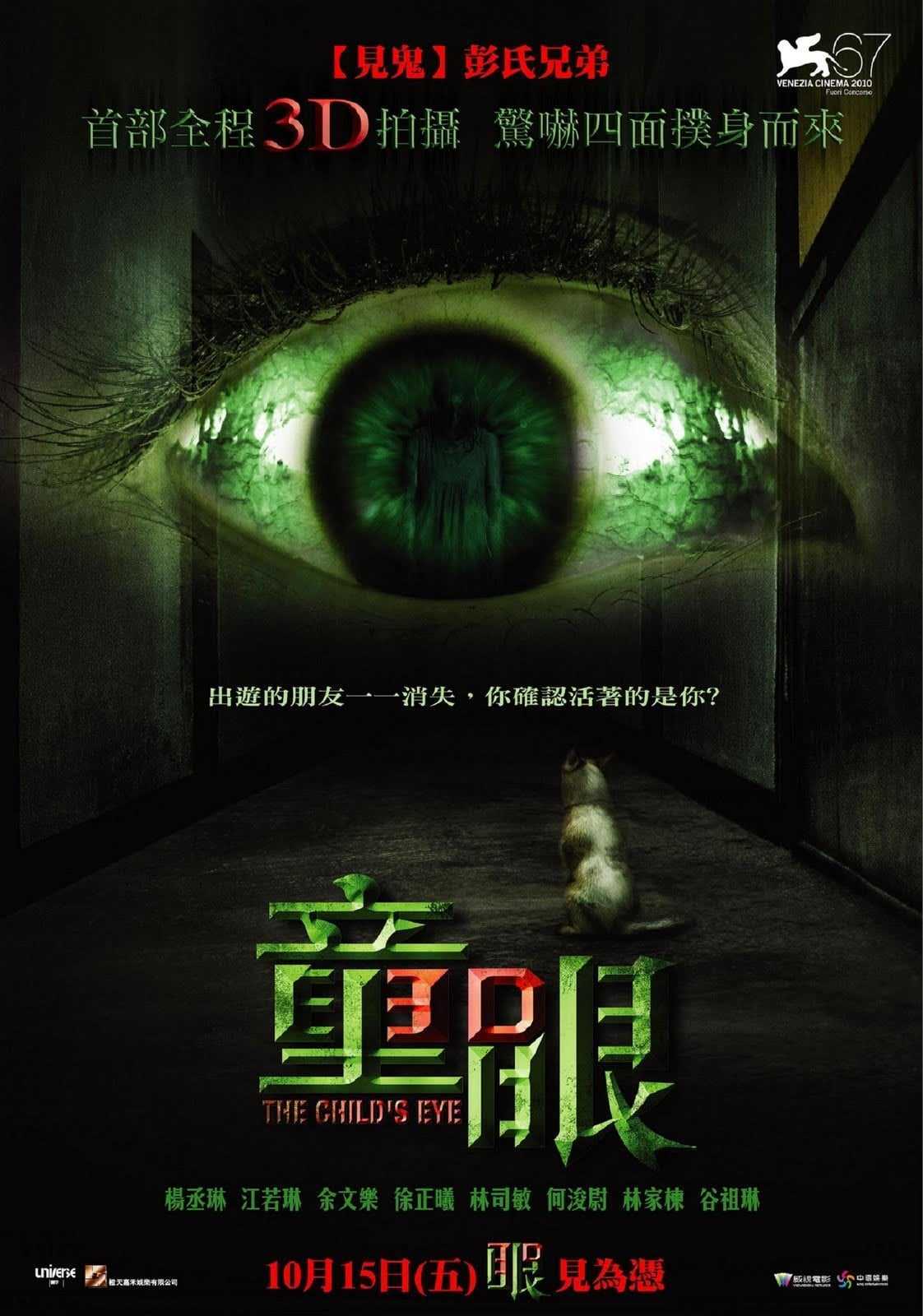
The Pang Brothers were for a time some the best directors in the horror genre. This is one of their slighter efforts, a misguided venture into 3D. Seen flat, it still holds an undeniable amount of the eerie atmosphere they specialise in
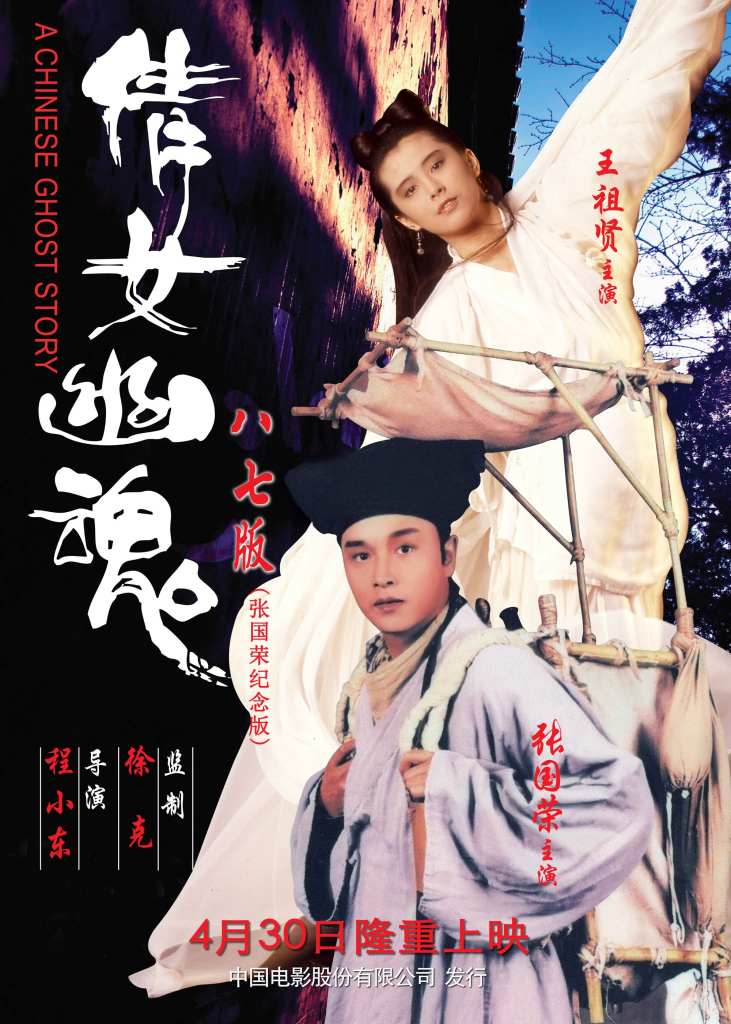
My introduction to Wu Xia – imagine some vision of Kwaidan as directed by Sam Raimi, filled with sensationally beautiful and out of this world imagery and completely nutsoid fantastical battles with ghosts and demons
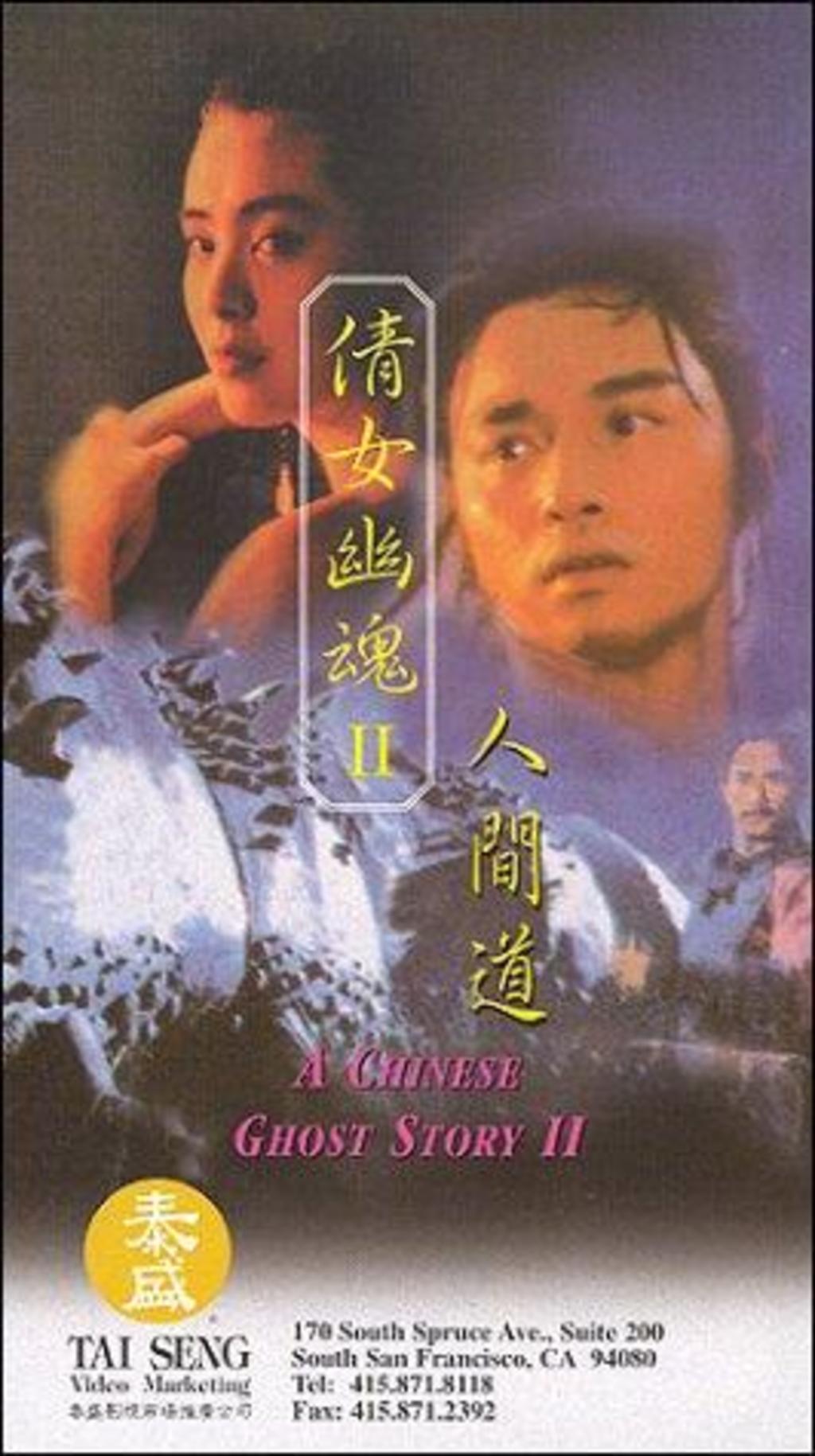
Sequel to the sensational A Chinese Ghost Story, this reunites the principal talents and actors but is not quite as snappy as the original, placing more of an emphasis on comedy
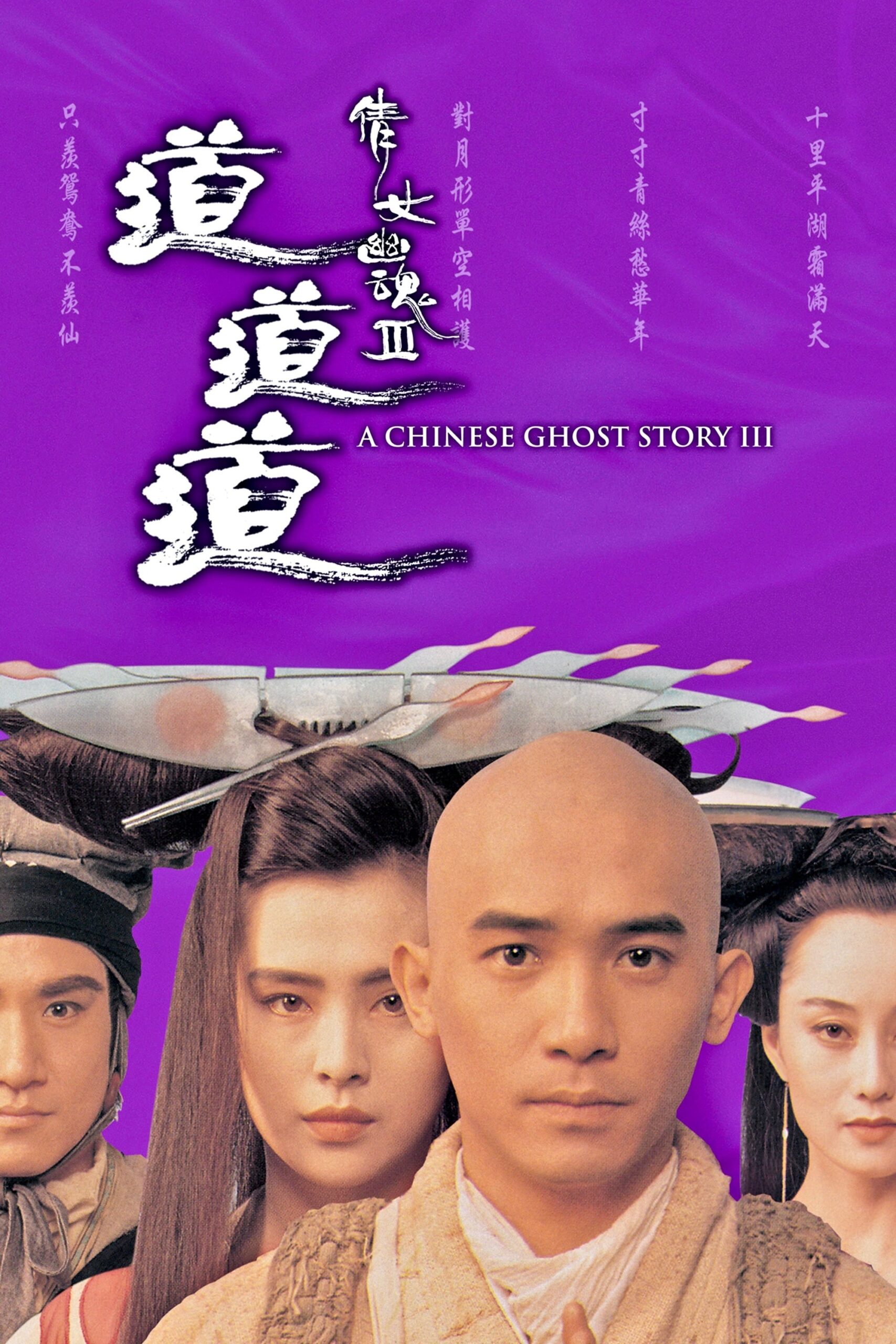
The second sequel to A Chinese Ghost Story, a slighter effort too reliant on the plot beats of the original. Where it does work is in the enormous degree of slapstick energy with which proceedings are conducted
Thai entry in the Asian horror fad. A film that has a premise but little beyond that. It feels like it is being too nice to push its audience in any way with all the supernatural manifestations eventually blurring into a sameness
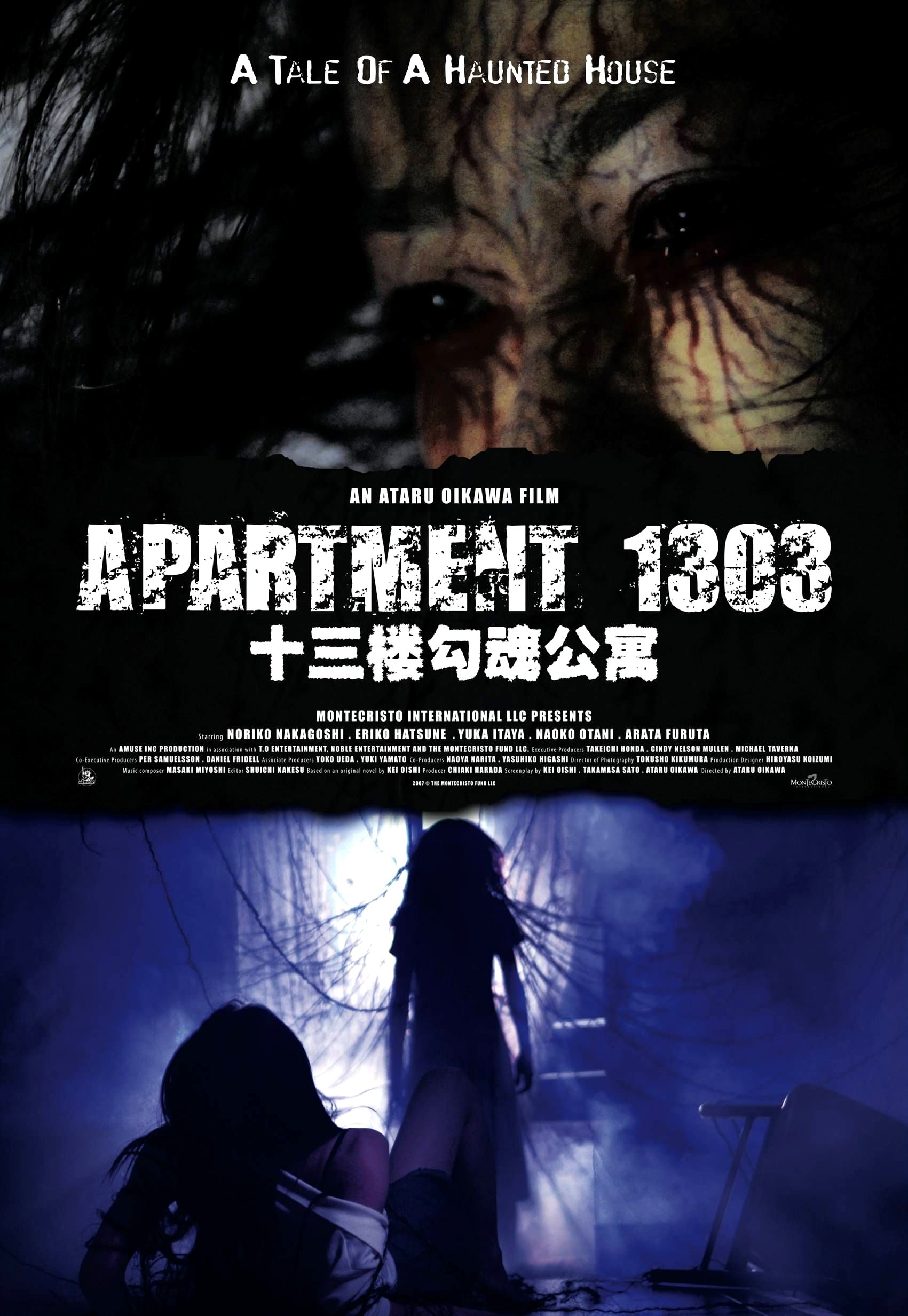
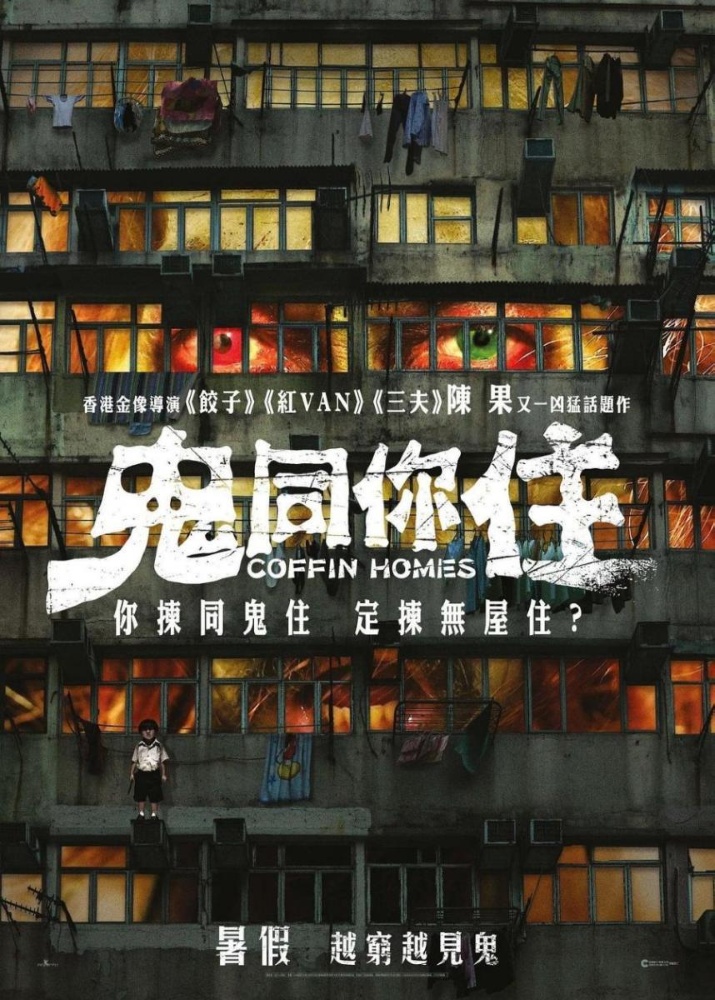
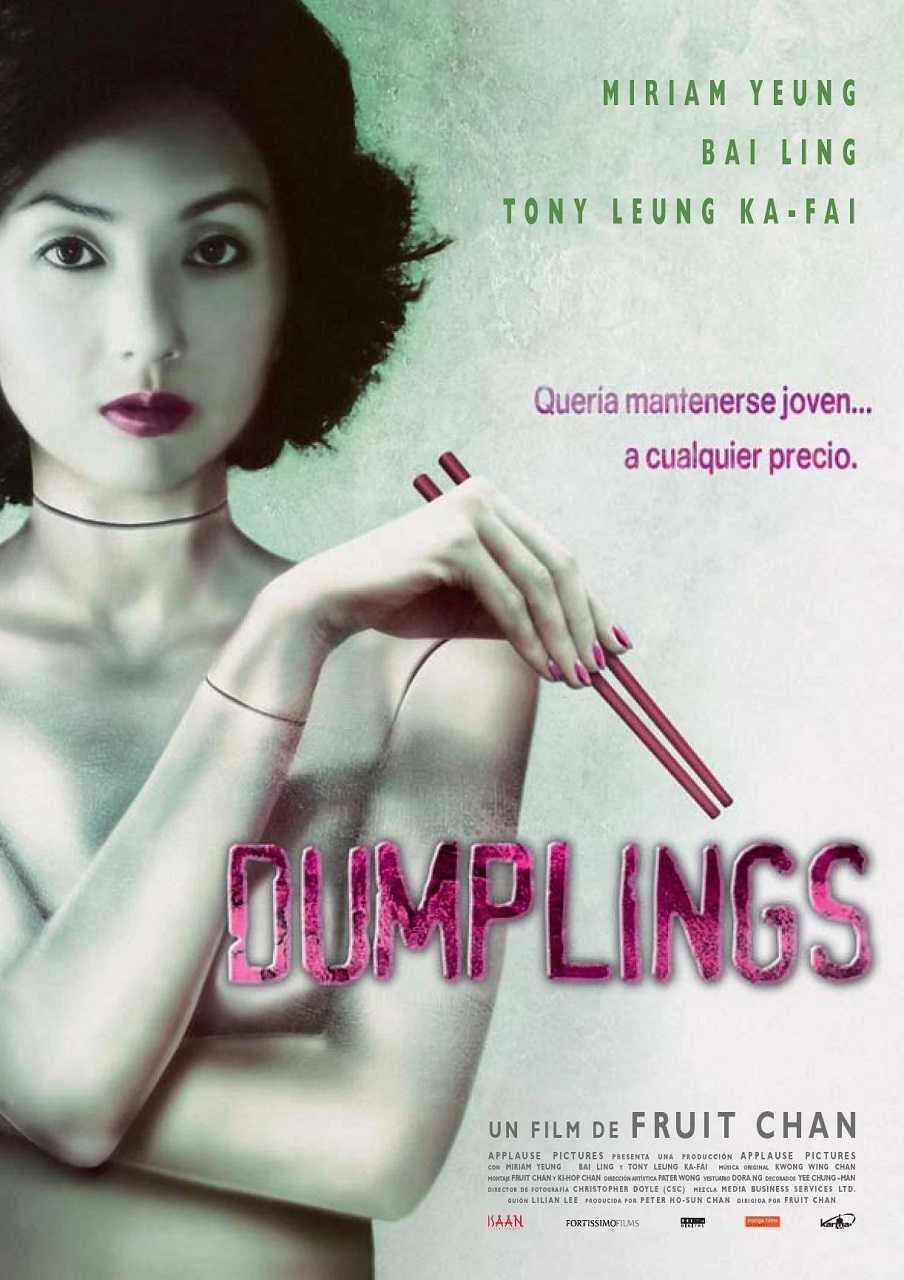
From director Fruit Chan, director of the great Dumplings, a film that takes a satiric jab at Hong Kong’s rental shortage crisis and concerns haunted apartments
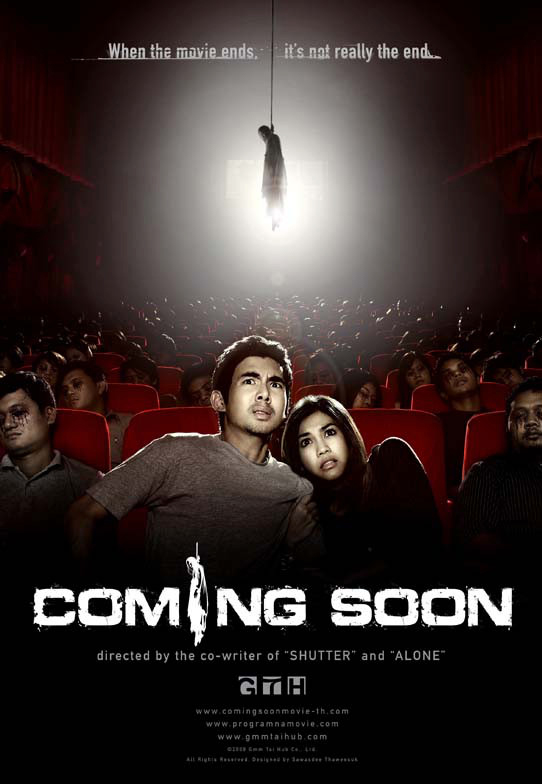
Thai horror film with the interesting idea of ghosts emerging out of a movie screen. This has a couple of undeniably spooky moments but is still just another of the numerous copies of the basics of Ring
Hideo Nakata will always be known as the director of the original Ring. Here he revisits the kaidan eiga in the story of a haunted apartment but the show falls apart after a confusing Sixth Sense-type twist mid-film
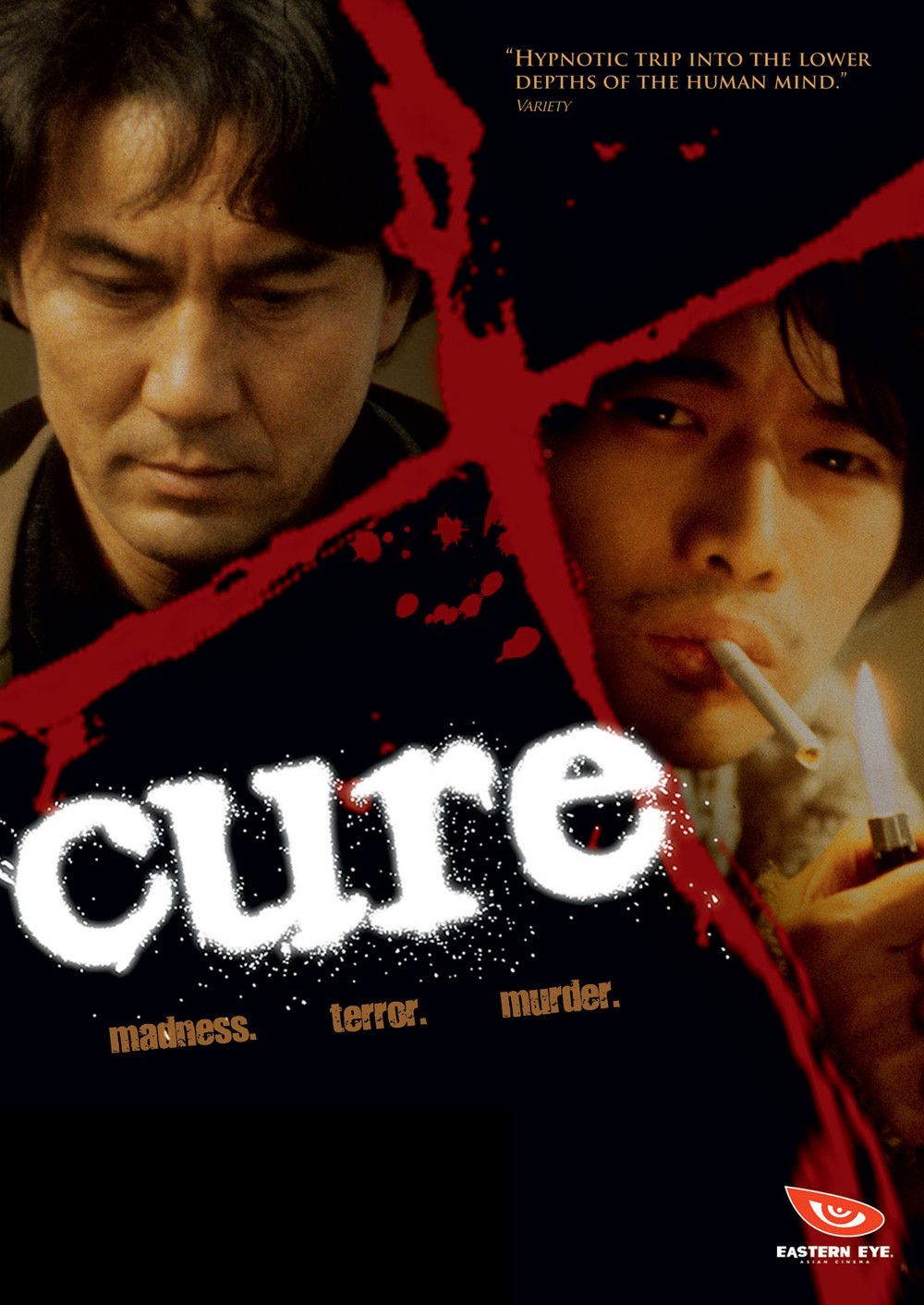
The film that brought Japanese director Kiyoshi Kurosawa to attention. Set around a series of hypnotism murders, this is, as with Kurosawa’s films, cryptic and frequently inexplicable but has an undeniable uncanniness
Hideo Nakata made the highly influential Ringu but his other films have been uneven. This ghost story is one of his few follow-ups that comes near recapturing the same uncanny mood
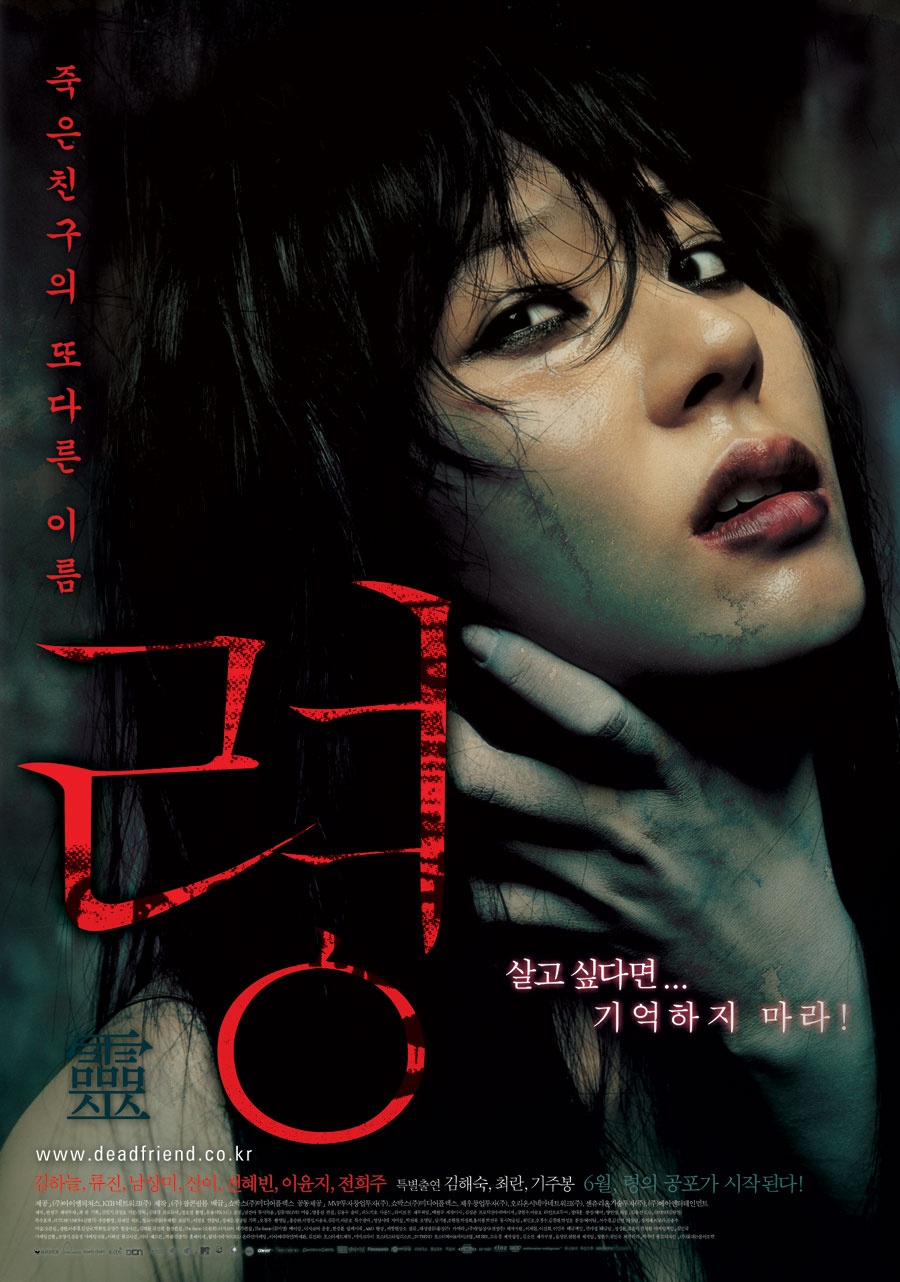
South Korean ghost story that has borrowed most of its moves from the J-horror cycle – Ring, The Grudge et al. A relatively anodyne treatment is enlivened by a twist ending that draws heavily on The Sixth Sense
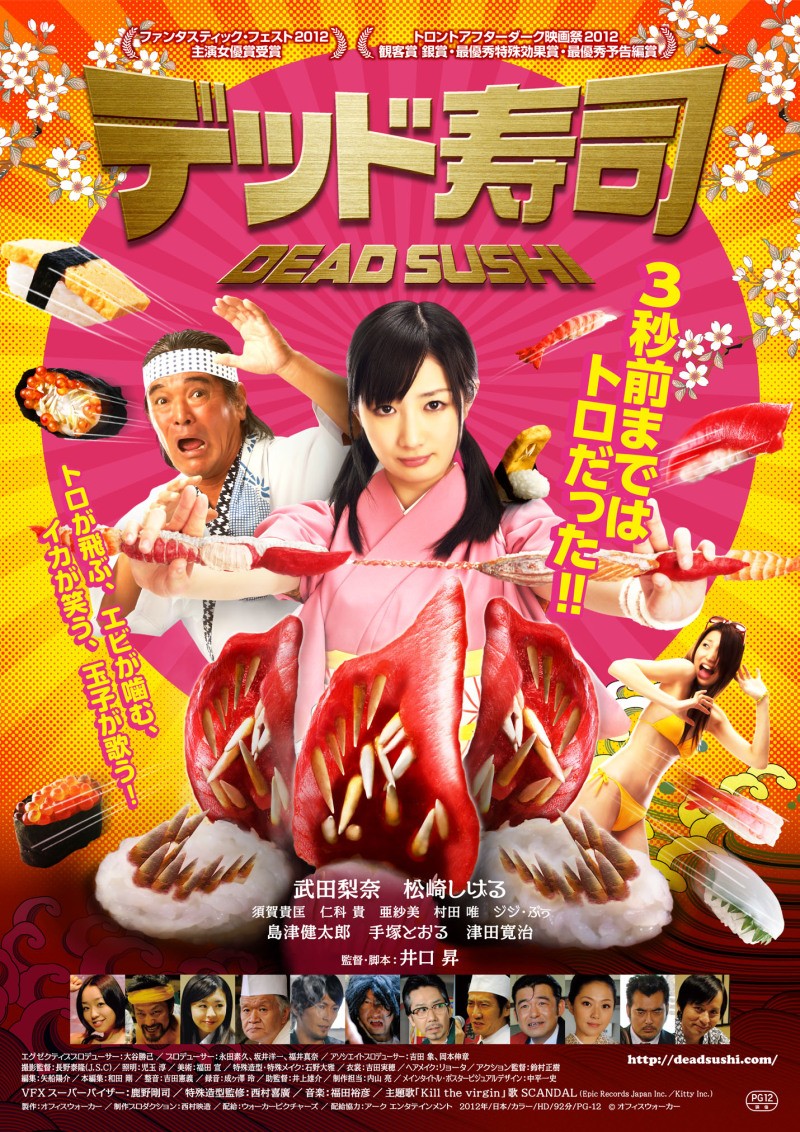
Completely insane Japanese film about man-eating killer sushi. A film that has an anything goes lunacy, resulting in some of the most surreally crazed monster scenes this author has seen in some time
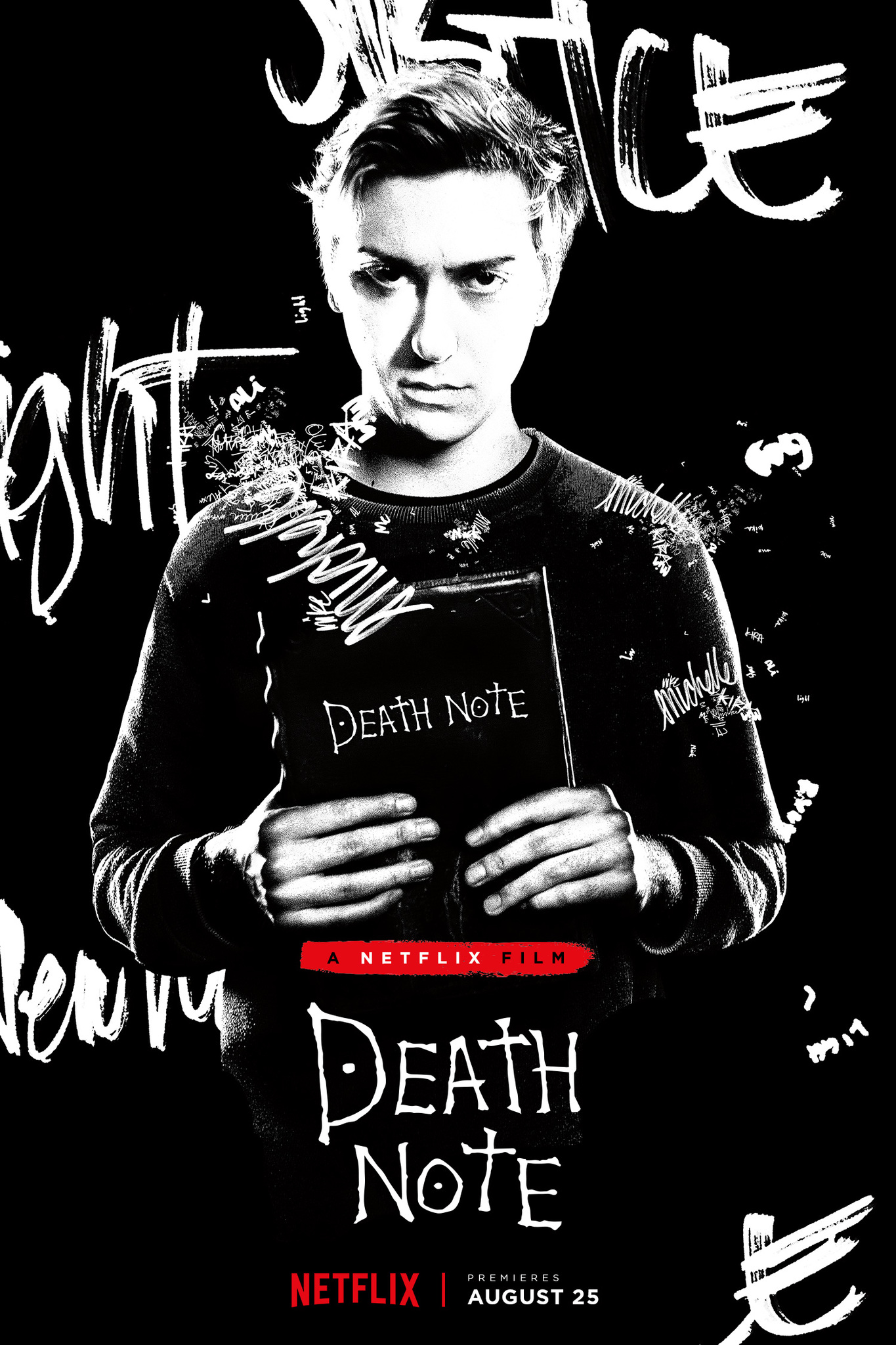
Uniquely original Japanese horror film adapted from a manga concerning a book that kills anyone whose name is written in it. This has spawned several sequels and an American remake. The show is stolen by the supremely weird Kenichi Matsuyama
The English-language remake of the popular Japanese franchise from Adam Wingard. This essentially remakes the first film and is adequate in its own right but no patch on either of the original Japanese films
The second of the Japanese Death Note films, released almost back-to-back with the first. This is an even better film than its predecessor, delighting in the twists and turns in the games as Light and his nemesis L outwit each other
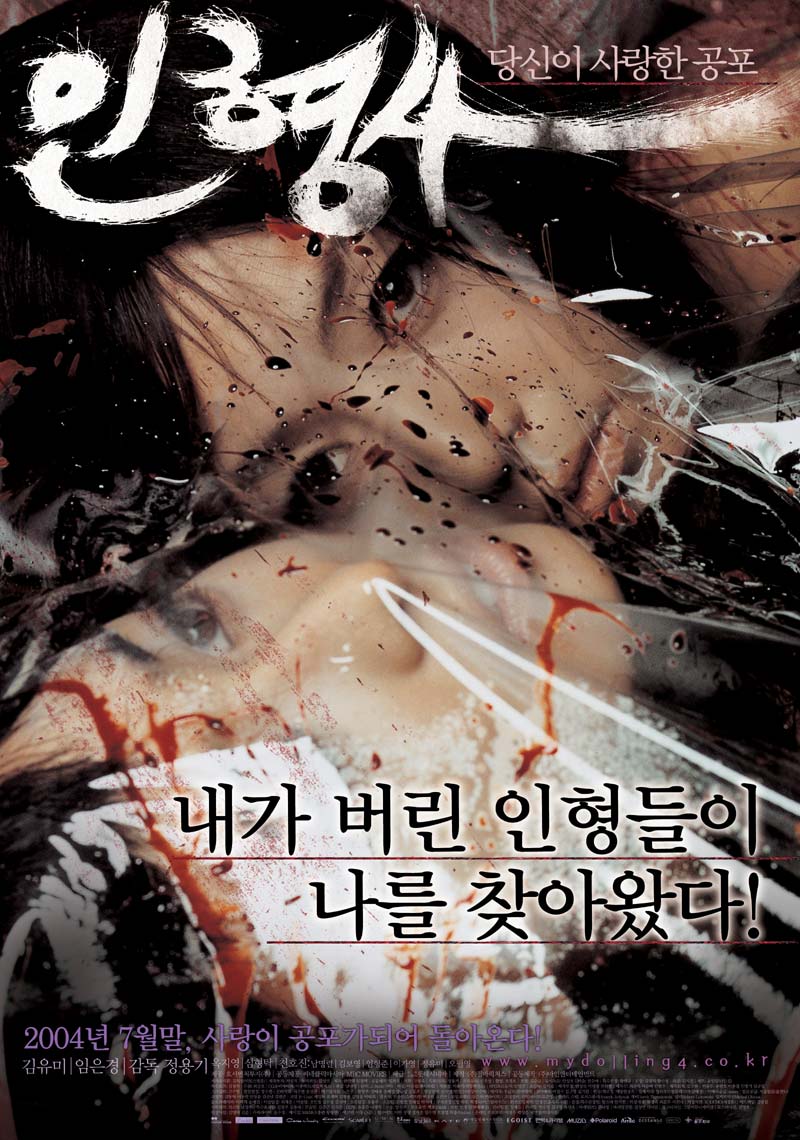
South Korean film that creates decidedly eerie and an uncanny atmosphere as various guests are invited to a doll museum where the creations appear to be coming to life to kill
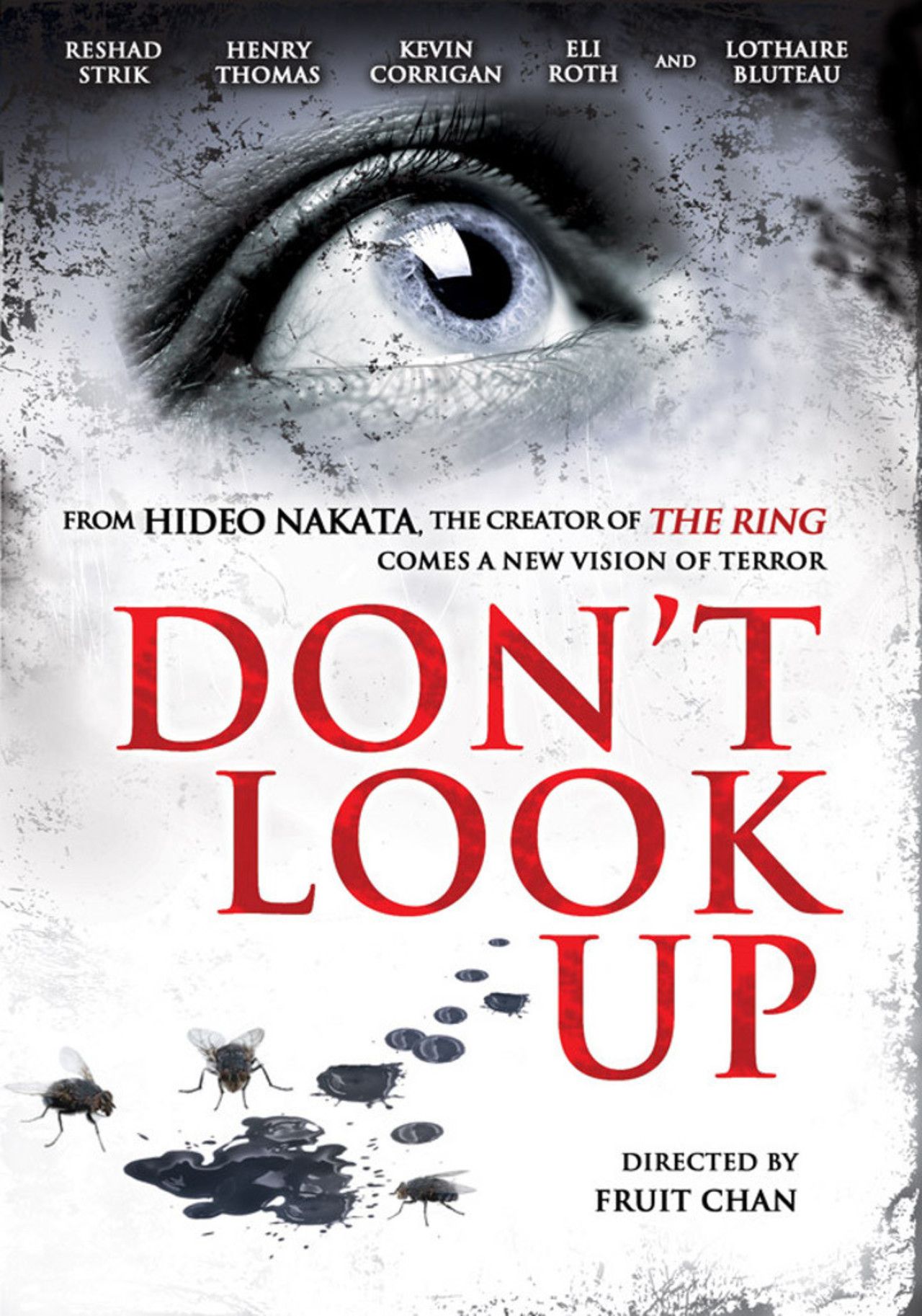
Fruit Chan conducts an English-language remake of a Japanese horror film. A confused and hokey effort about a haunted film set that is only centred around the provision of schlock effects
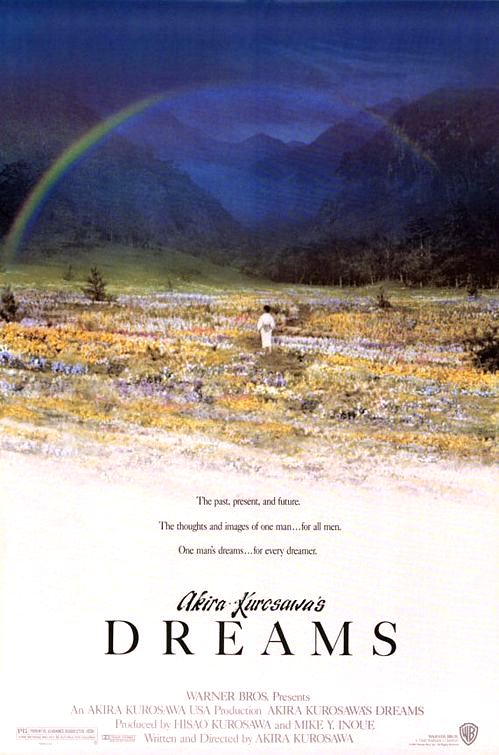
It is some surprise that Akira Kurosawa’s only full venture into fantastic cinema was with his penultimate film here. A beautifully filmed anthology of eight tales, including several ghost stories and two anti-nuclear parables
Excellent horror from Fruit Chan about a middle-aged actress seeking a backstreet age rejuvenation treatment. Great performances and directed with a queasy discomfort
Filipino ghost story inspired by The Ring and Ju-on films that generates a reasonable haunted atmosphere in its story about mysterious happenings in an apartment building. This later underwent an English-language remake
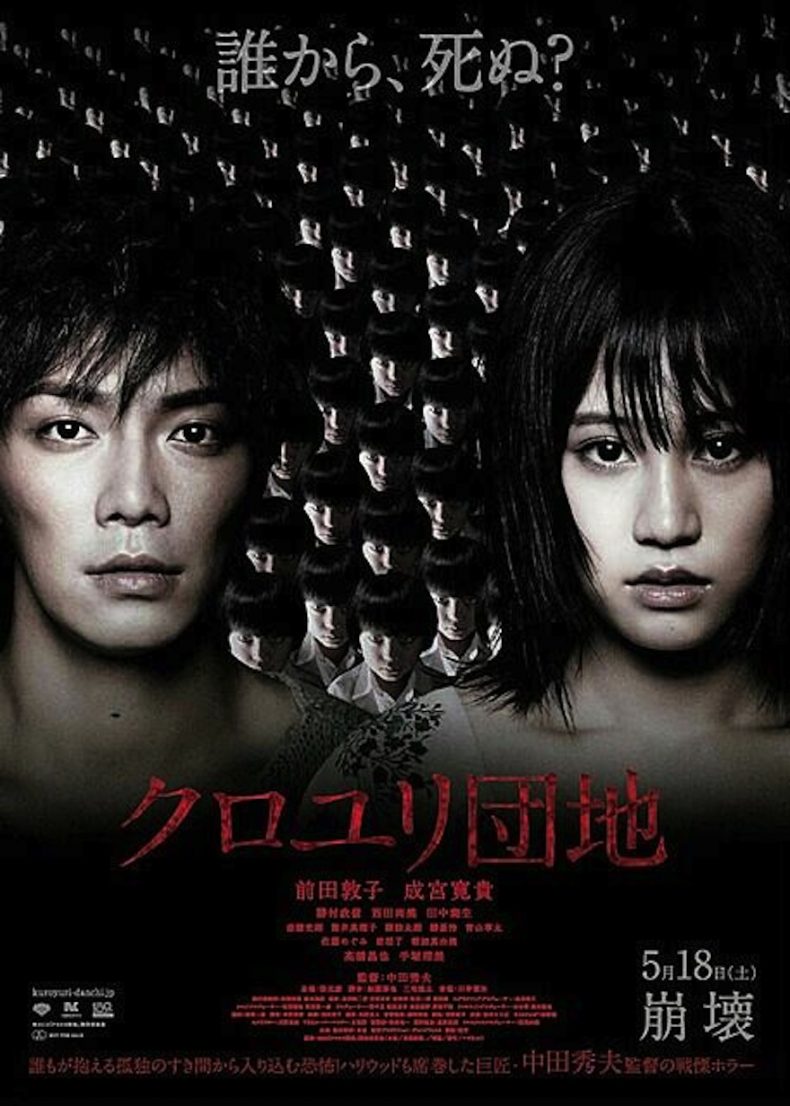
A Japanese horror film that winds a convoluted plot involving stolen corpses, a blackmarket in organ harvesting, split personality, twins and religious cults
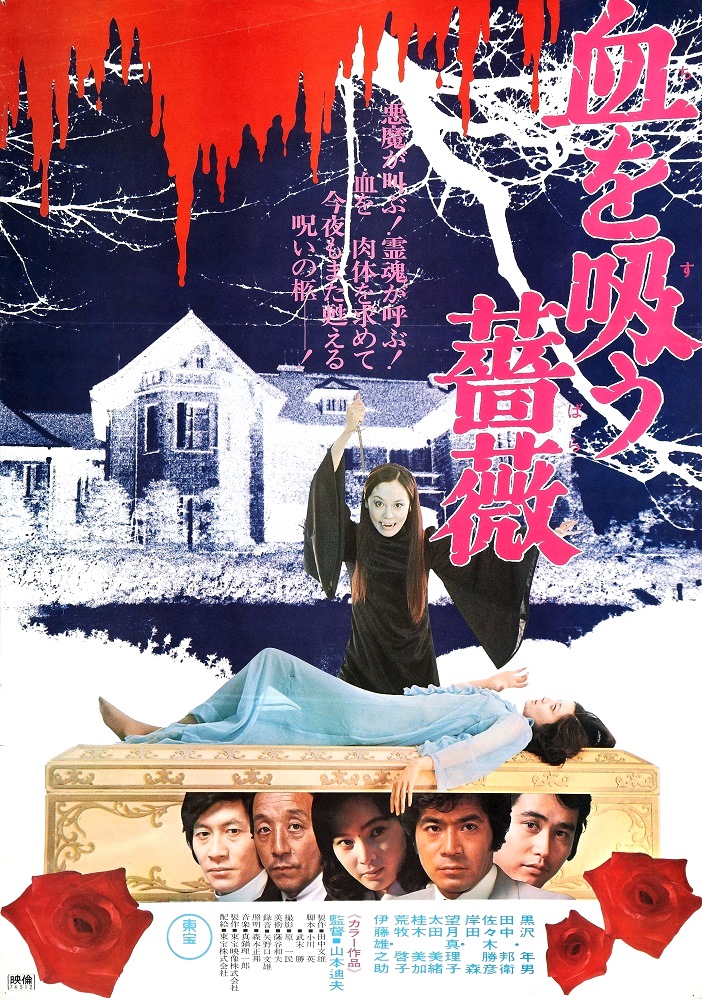
The third in a trilogy of spookily eerie Japanese vampire films. This echoes the basics of Hammer’s Lust for a Vampire in being set at a girls’ boarding school, which is spun in interesting ways
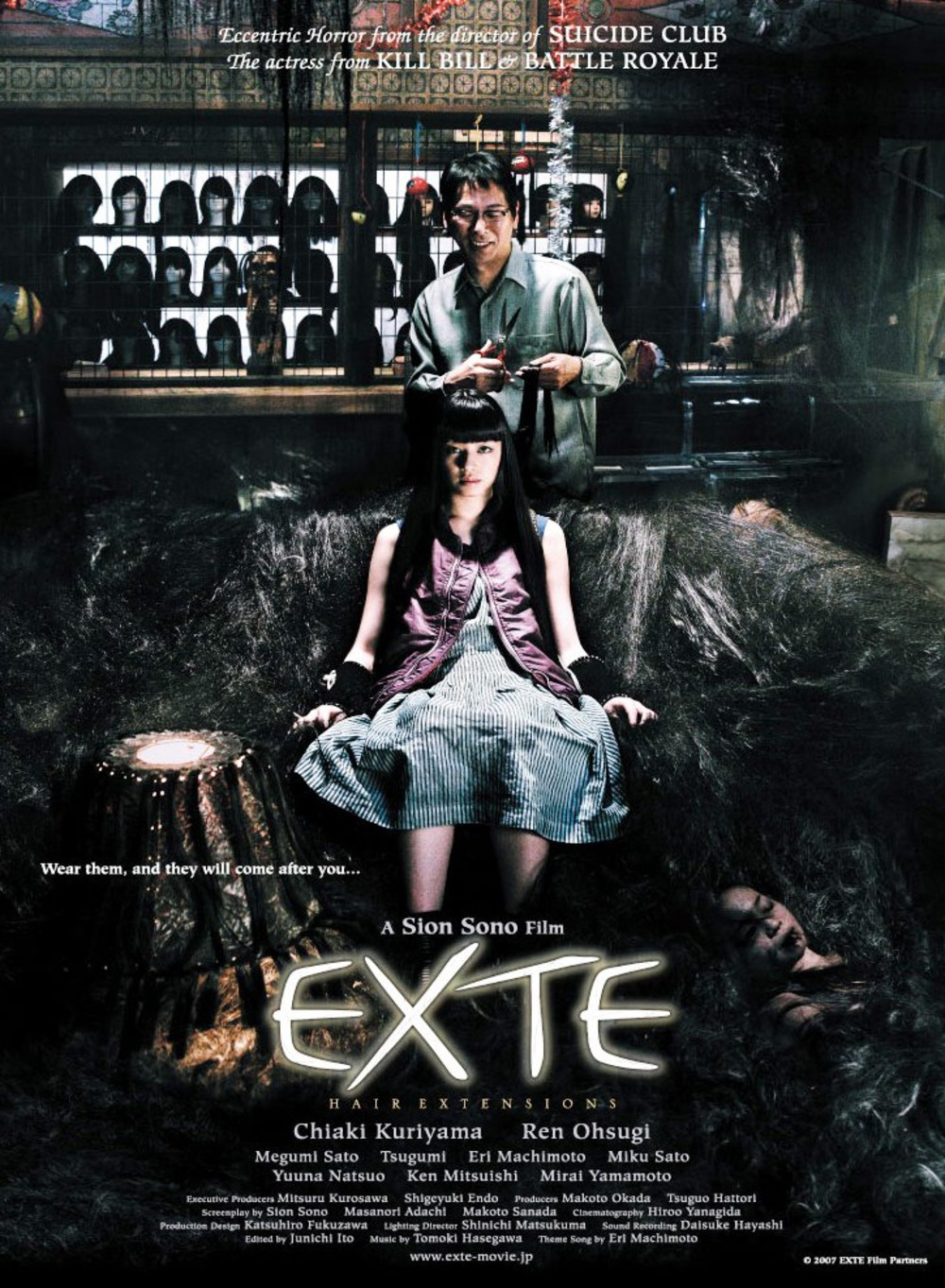
An earlier effort from Shion Sono that concerns itself with hair extensions that take over and kill their host. More straightforward than many of Sono’s other works but the outlandish of the effects make the film
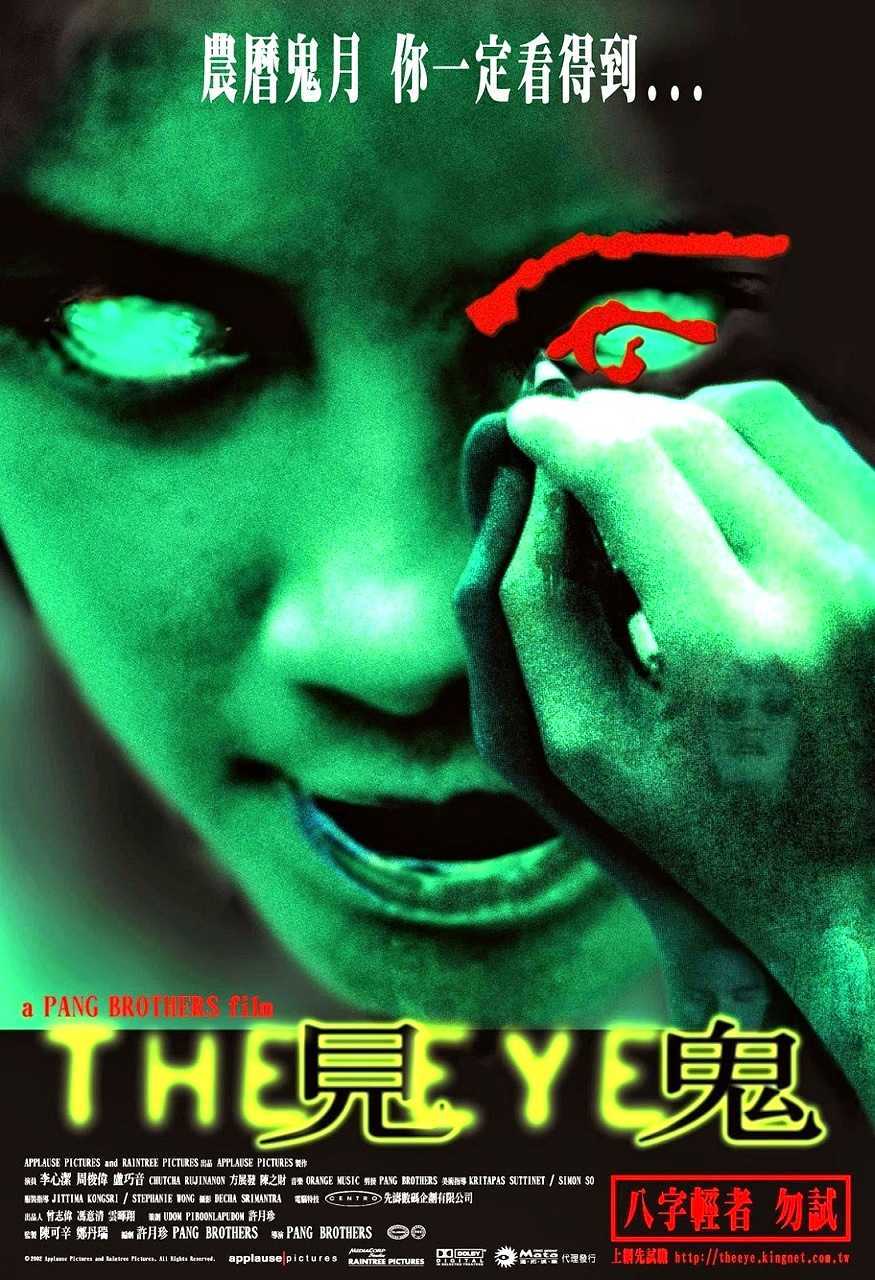
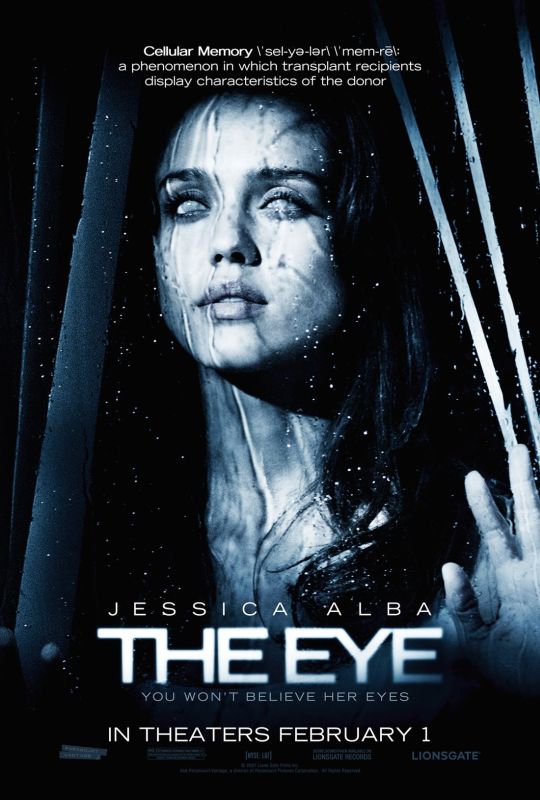
Thailand’s Pang Brothers proved themselves some of the best horror directors in the world with this eerie film in which a woman starts to see the dead after receiving corneal implants. Several sequels and an English-language remake followed
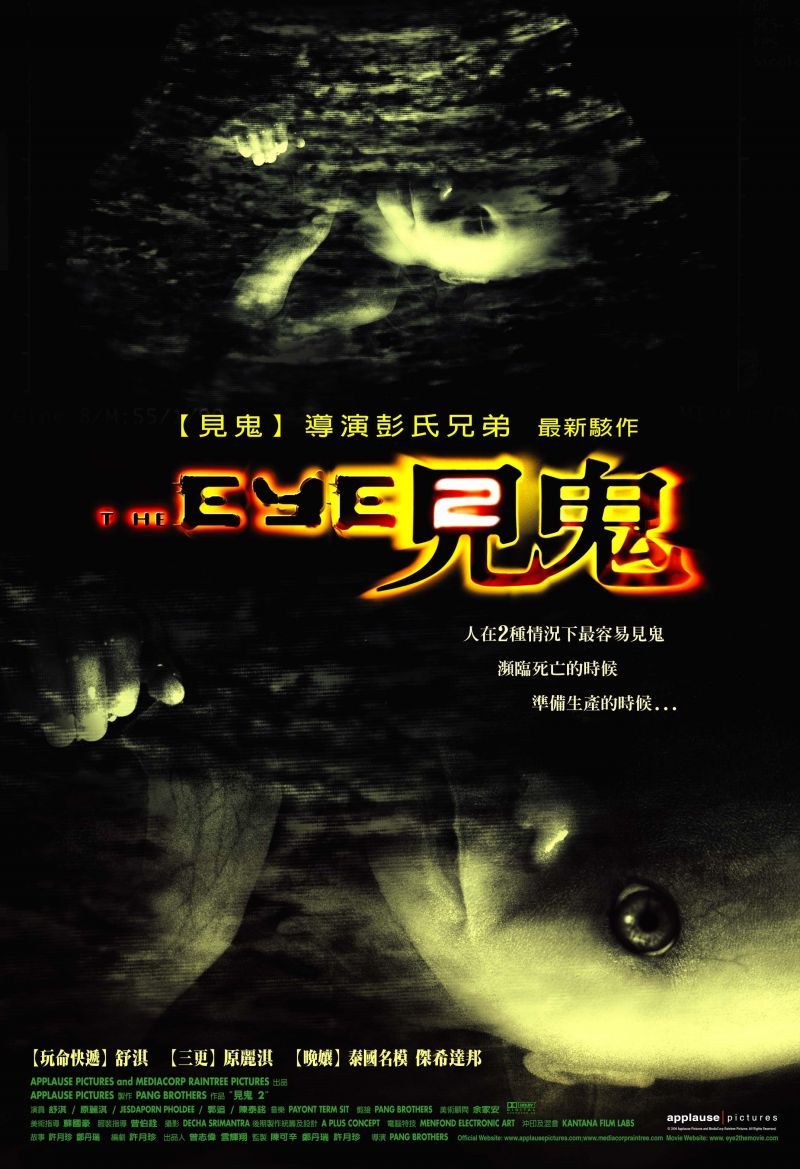
The Pang Brothers are in this author’s opinion some of the finest genre directors in the world. This sequel to their breakout hit The Eye is an even better film that achieves some genuinely haunted moments
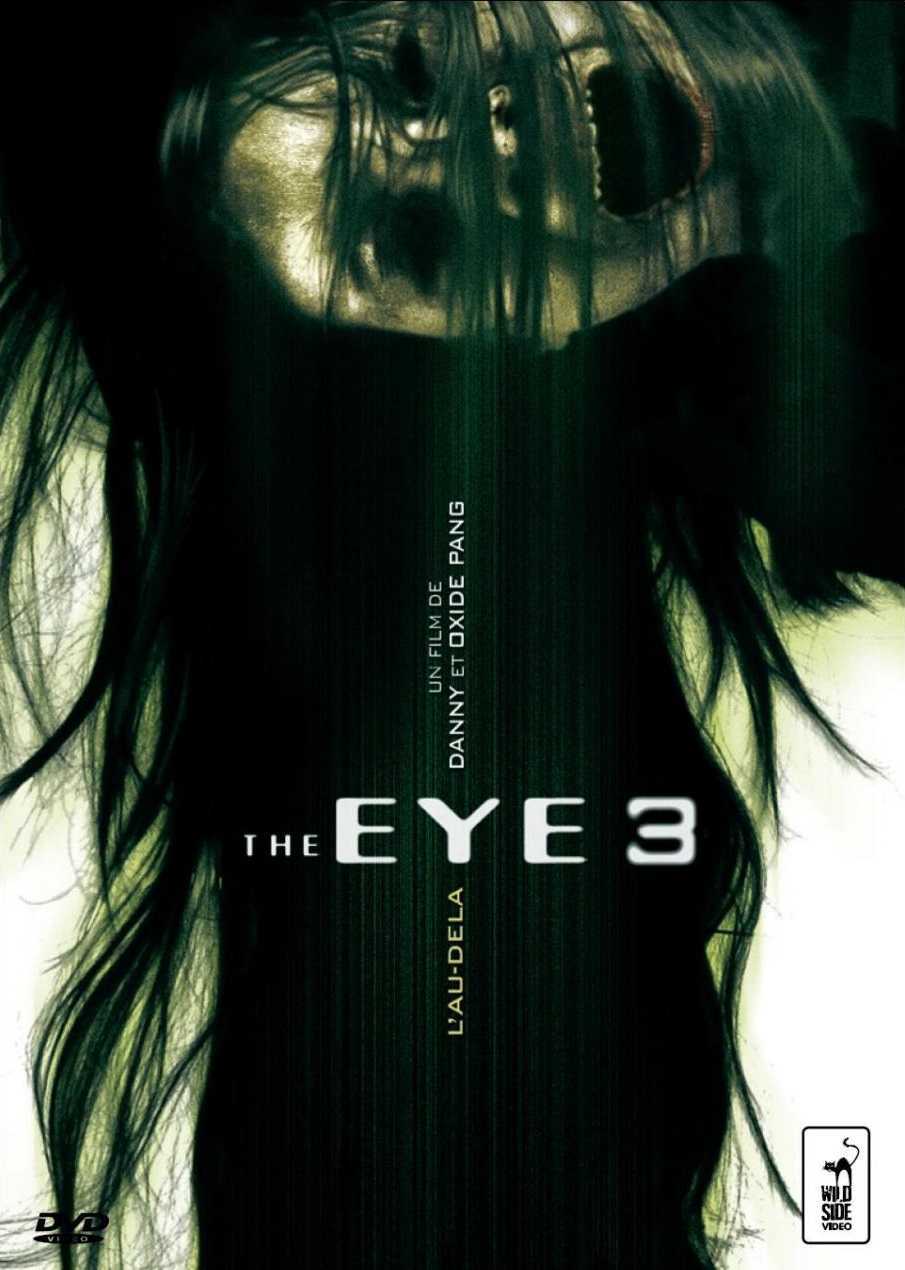
The third and weakest of the Pang Brothers’ The Eye films, this has occasional moments of spookiness but mostly feels made up of leftover ideas that didn’t make it to the other films
An English-language remake of the ghost story from the Pang Brothers follows the other film faithfully but in terms of atmosphere is a pallid copy of the original
Cult Japanese director Shinya Tsukamoto returns to his favourite topic of the repressed. This emerges as his version of Dr Jekyll and Mr Hyde in a period-set work about an upstanding doctor haunted by his twin
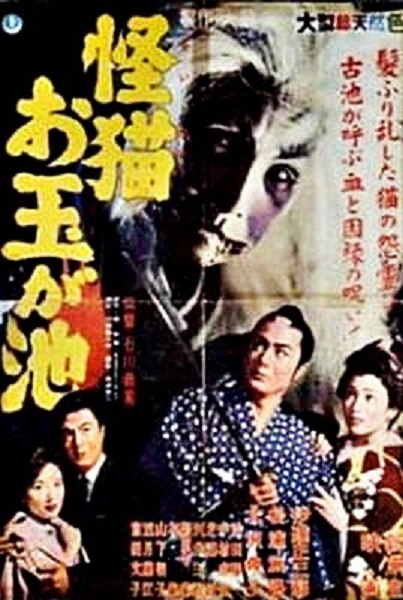
Another effort from the Golden Age of kaidan eiga (Japanese ghost story films) during the 1950s-60s. While this assembles the essentials of the genre, it is only delivered in terms of a series of strident and unsubtle pop-up effects
Fine spooky Thai film about two doctors who set out to scientifically prove the existence of ghosts in a series of experiments that venture waaay over ethical boundaries
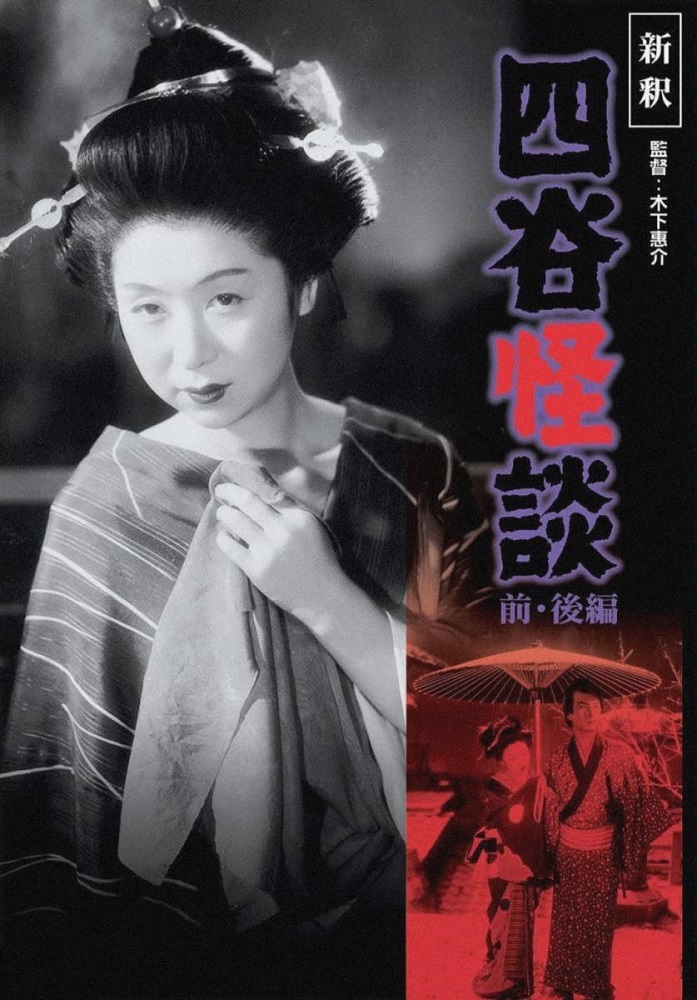
One of a number of films based on the most famous of all Japanese ghost stories. This is a adaptation made in the neo-realist style of the period that was released in two parts
Japanese ghost story based on a kabuki play that has been filmed numerous times. Much more character and story driven than modern kaidan eiga, this builds to a grim and spooky climax with undeniable effect
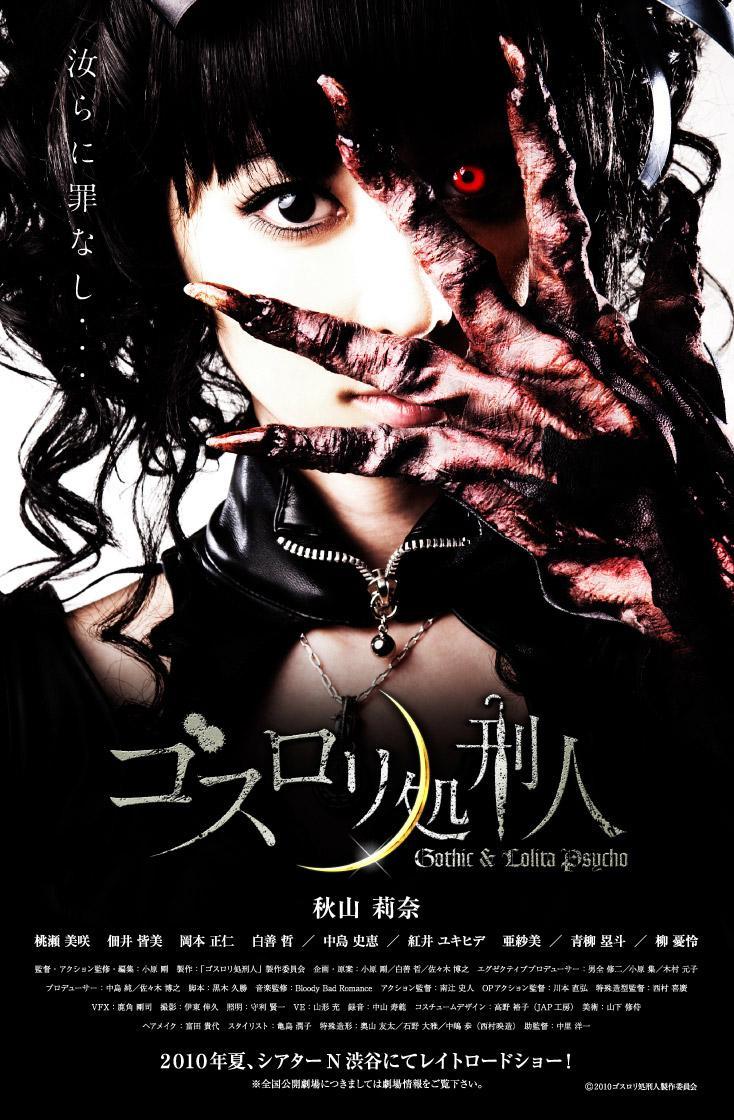
Another in the spate of gonzo Japanese splatter films. A cartoony OTT vigilante film with a Gothic schoolgirl avenger, featuring ridiculous action and splatter set-pieces
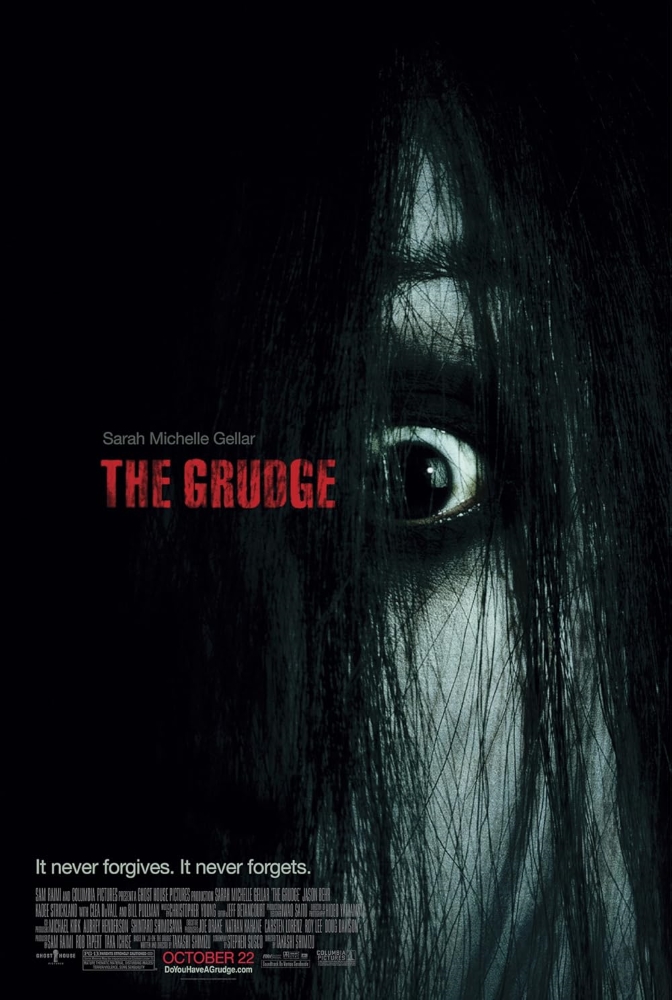
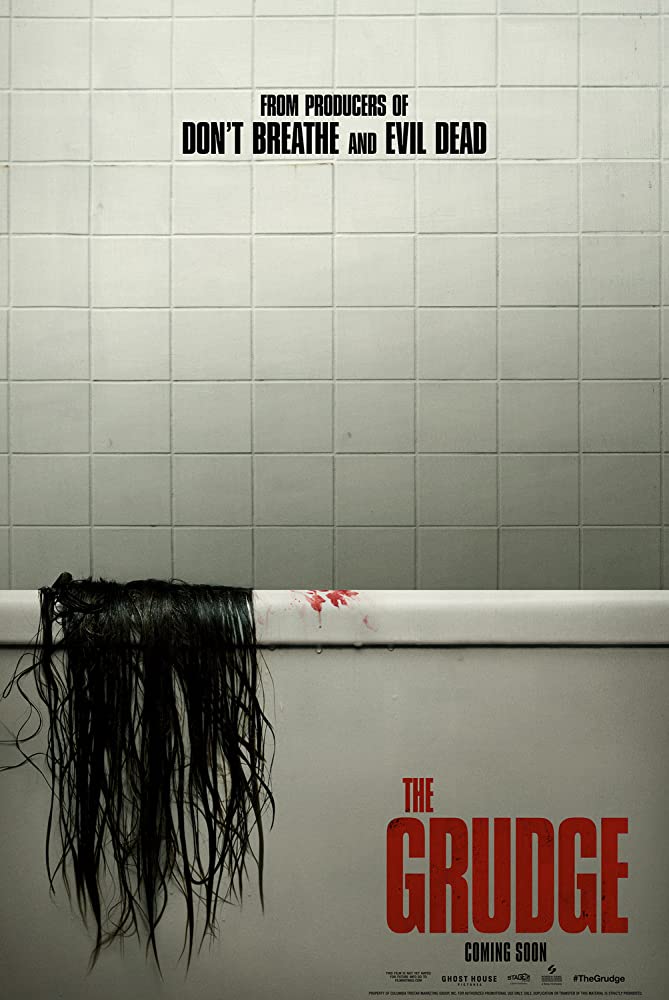
The English-language remake of Ju-on: The Grudge, this has the good sense to retain the original’s director Takashi Shimizu. The script makes more sense and Shimizu replicates the same eerie scares
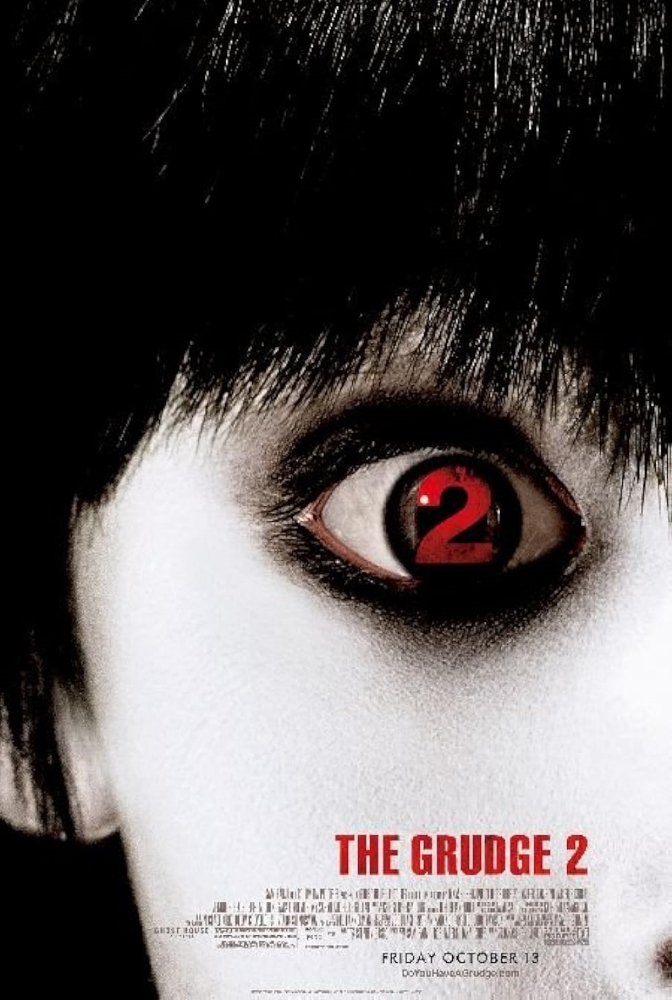
Follow-up to The Grudge, the English-language remake of the Japanese horror film. Although original Japanese director Takashi Shimizu is present, this is one of the weaker Ju-on/Grudge films
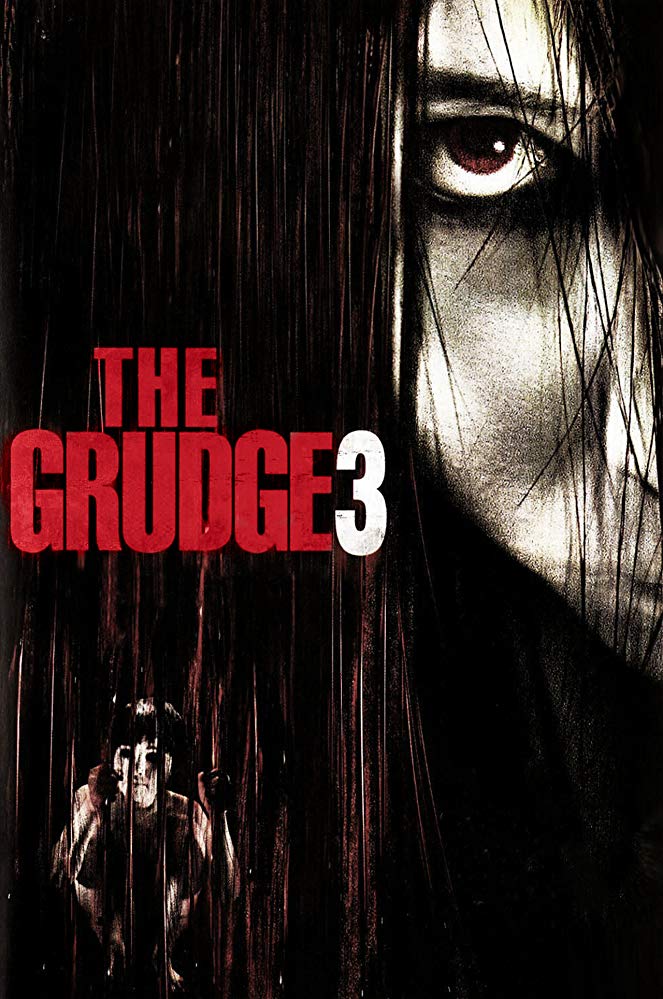
The Ju-on/The Grudge series has spawned thirteen films to date. This was the second sequel to the English-language remake but by this point everything disappears into formulaic scares
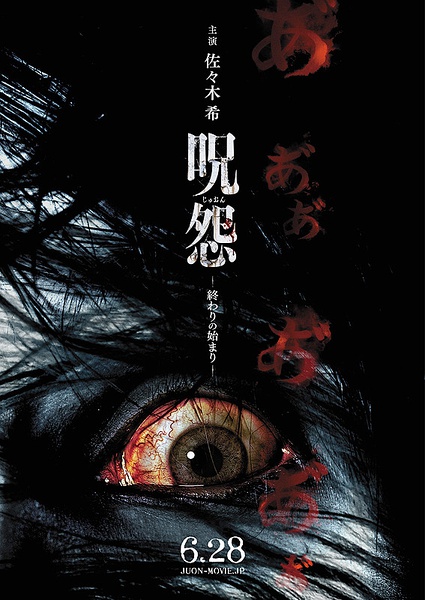
The fourteenth Ju-on/The Grudge film, a reboot of the 2004 English language version from Sam Raimi’s Ghost House Pictures. This was dumped by its distributor and received some terrible reviews
An early Kiyoshi Kurosawa film, this starts out as a peculiar deadpan comedy about an office filled with strange characters before emerging as a slasher film of sorts as a hulking security guard eliminating people
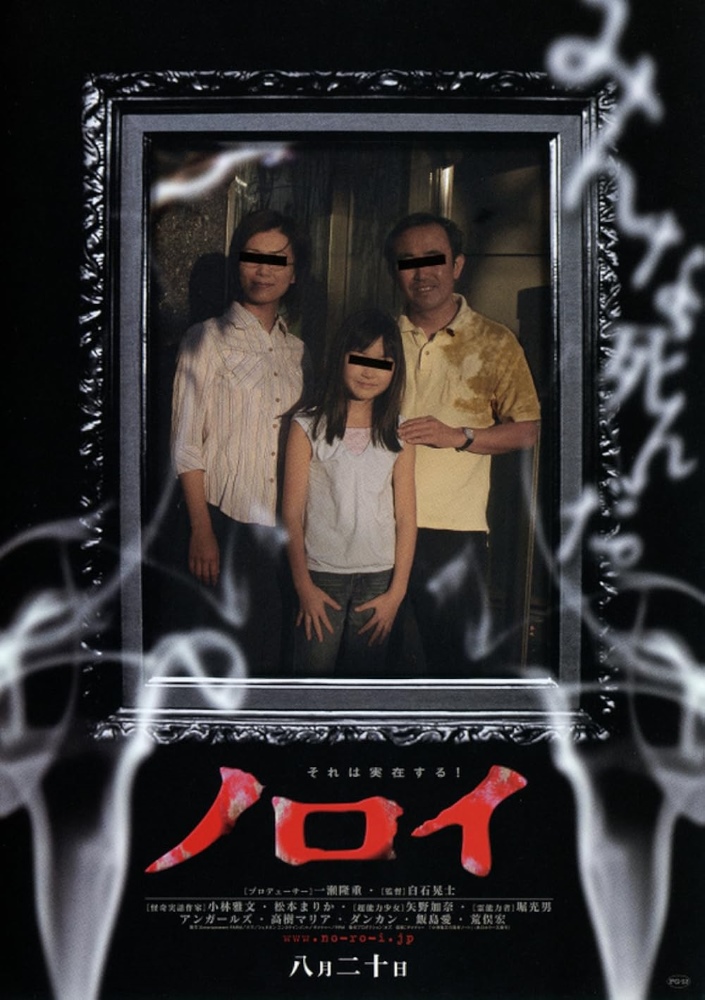
Japanese horror film that only treads tepidly where the Ring and Ju-on/The Grudgefilms have gone before. Shot in a plain, ordinary manner that bleeds the J-horror film of atmosphere
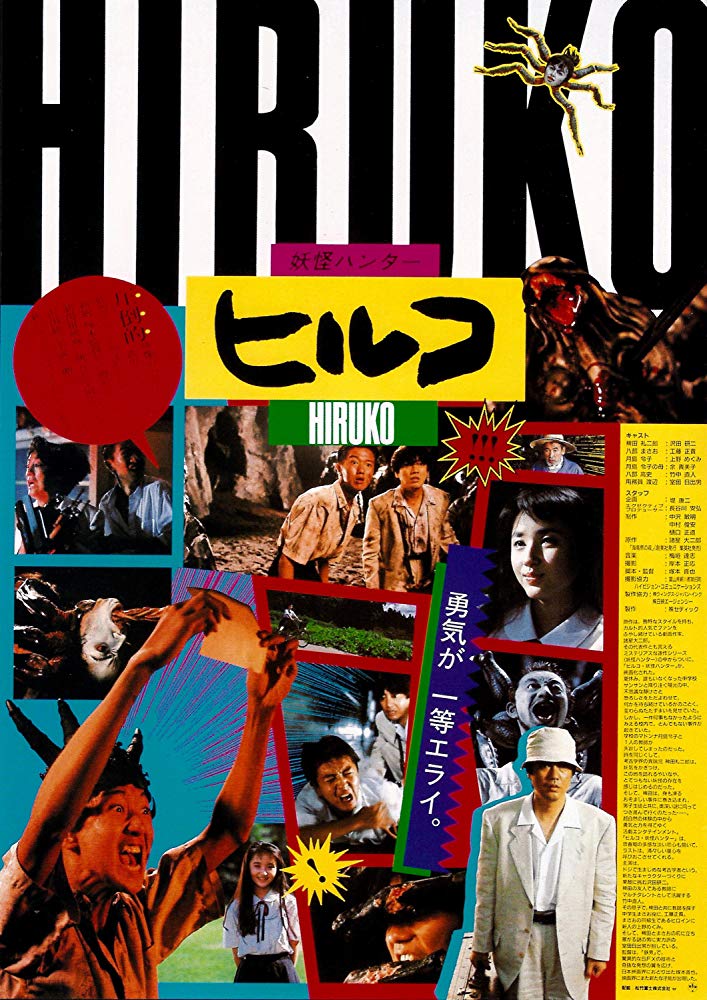
After his extraordinary breakthrough with Tetsuo: The Iron Man, Shinya Tsukamoto went onto make this altogether lighter film about demon hunters, filled with bizarrely wacky imagery and way-out effects
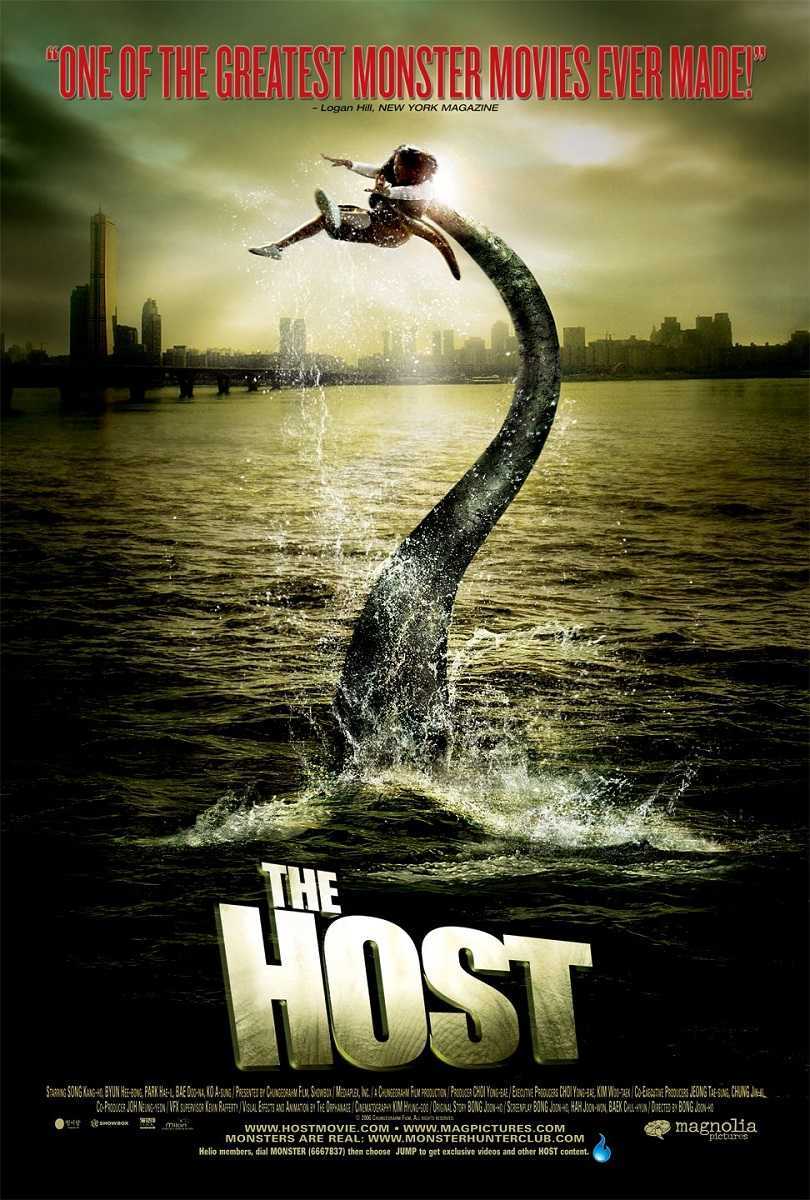
Bong Joon Ho, the South Korean director of Snowpiercer and Parasite, delivers his own version of a monster movie that certainly comes with a difference
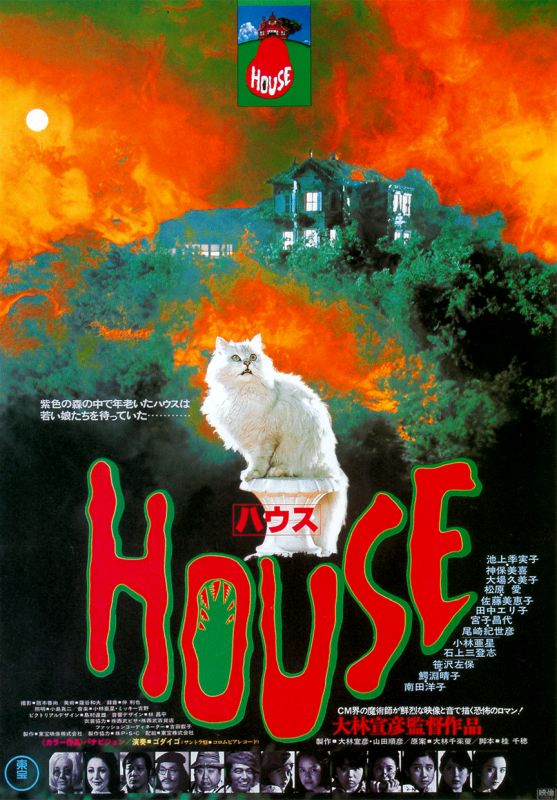
Very strange Japanese ghost story that has been rediscovered as a cult classic. It resembles a film like Willy Wonka turned into a haunted house film where the intention seems to have been to be a bizarre and wacky as possible
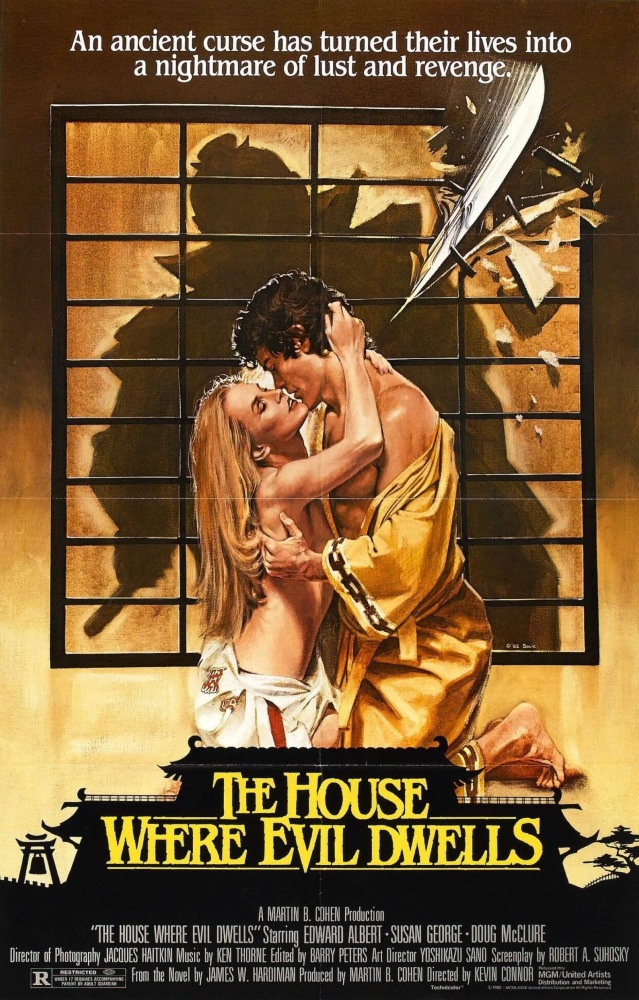
US-made ghost story set in Japan with a couple moved into a house haunted by a dead samurai, his wife and her lover. Not a patch on any of the classic Japanese kaidan eiga
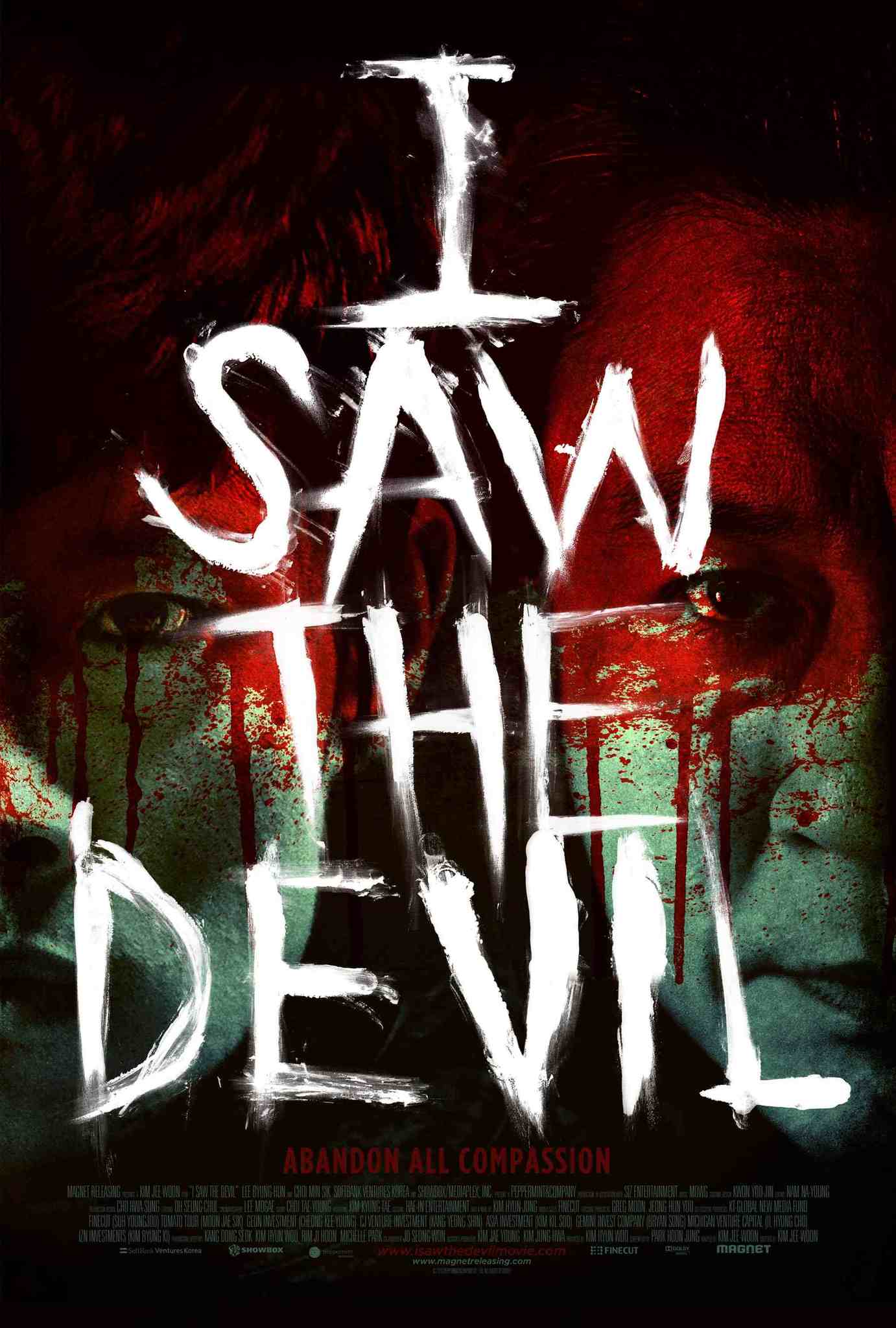
Overrated South Korean revenge thriller about a detective obsessively pursuing a serial killer that has a mild level of ultra-violence going for it but otherwise fails to grip or dig into a psychological darkness
A standout adaptation of the oft-filmed kaidan eiga (Japanese ghost story) Yotsuya Kaidan/The Yotsuya Ghost Story. A beautifully filmed classic version of the story
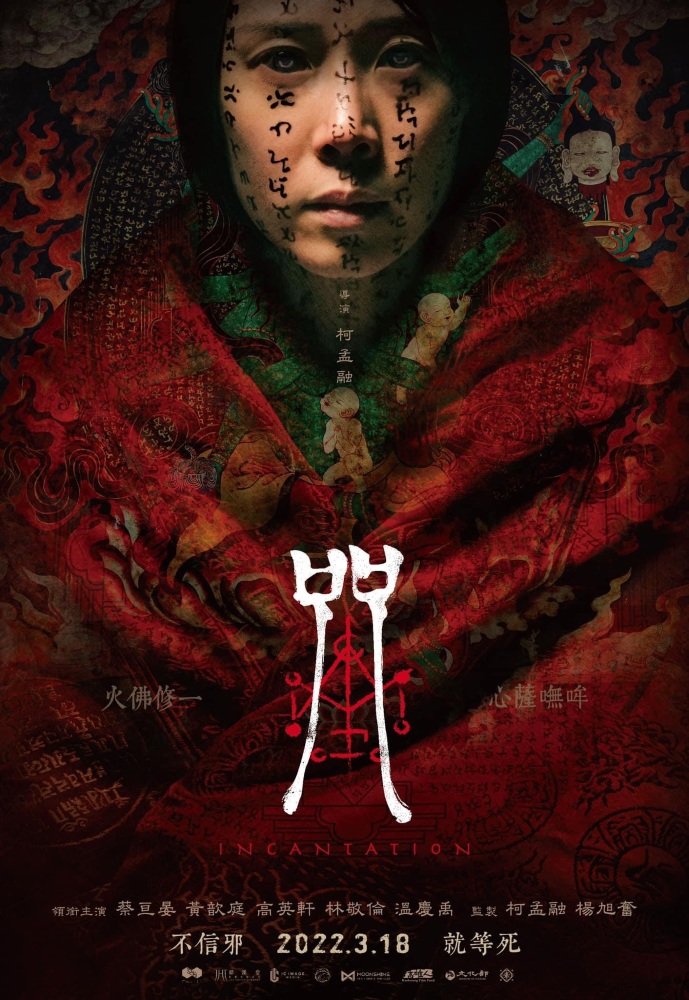
The most successful Taiwanese horror film of all time, a Found Footage film about paranormal investigators who witness a ritual and are afterwards haunted by it
A South Korean entry in the fad for Asian ghost stories that were popular in the 2000s following the successes of Ring and Ju-on/The Grudge. This later underwent remake as Alexandre Aja’s Mirrors
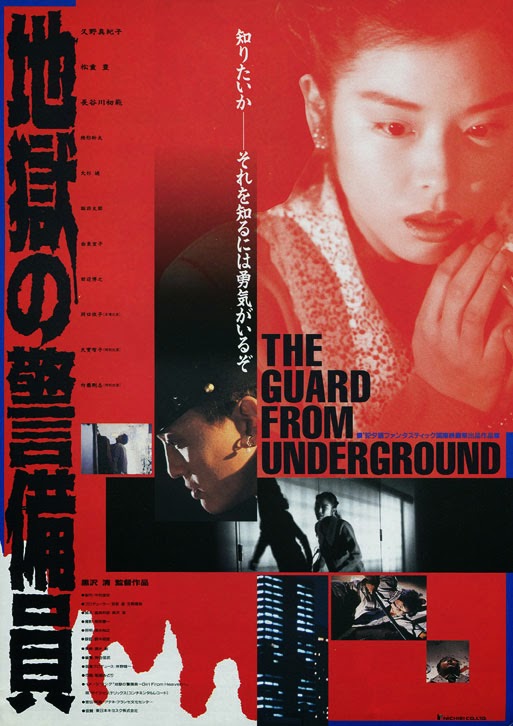
A fascinating Japanese film where a man has to descend into Hell, designed along the lines of Dante’s Inferno, to save the soul of his loved one. The depiction of Hell is filled with luridly surreal scenes
A conceptually ambitious anime that builds a complex metaphor out of Little Red Riding Hood and the wolf in a story centred around the self-doubting member of an anti-terrorist squad
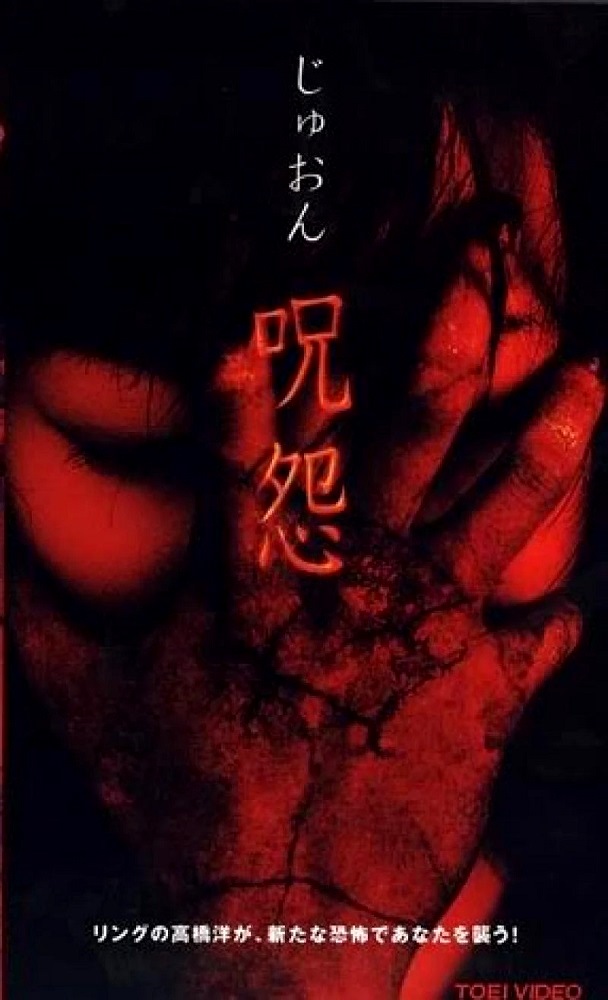
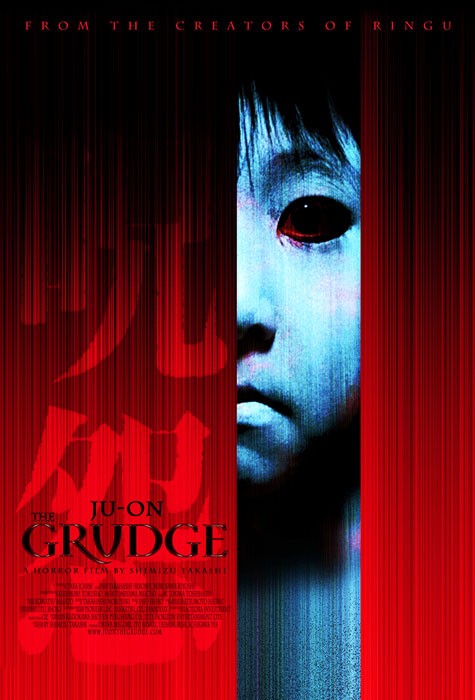
The Japanese Ju-on/The Grudge is one of the most popular modern kaidan eiga series, having produced fourteen films to date. This was the very first of the series
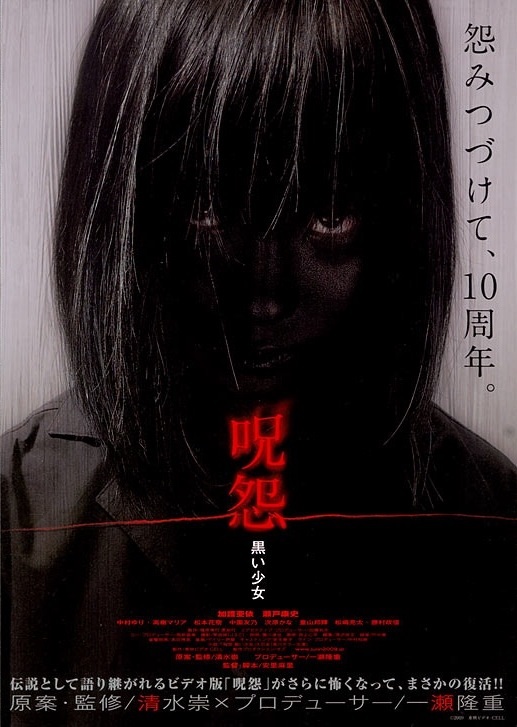
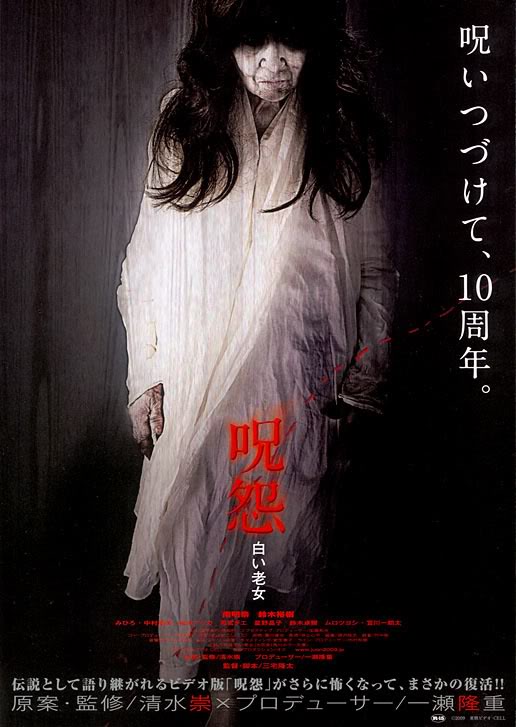
One of a duo of spinoff films made to celebrate the tenth anniversary of the Ju-on/The Grudge series. Seven films in and the series is starting to resemble much of a muchness
The better of two spinoff films made for the tenth anniversary of the Ju-on/The Grudge series. The series is suffering over-familiarity, but this manage to create moments of uncanny spookiness
The tenth of the Japanese Ju-on/The Grudge series. Newcomer Masayuki Ochiai has some effective touches but the series is running out of original moves
Unsettlingly spooky Japanese ghost story from Takashi Shimizu that spawned a number of sequels, reboots and English-language remakes. This was the third of the films and superior to all that came after
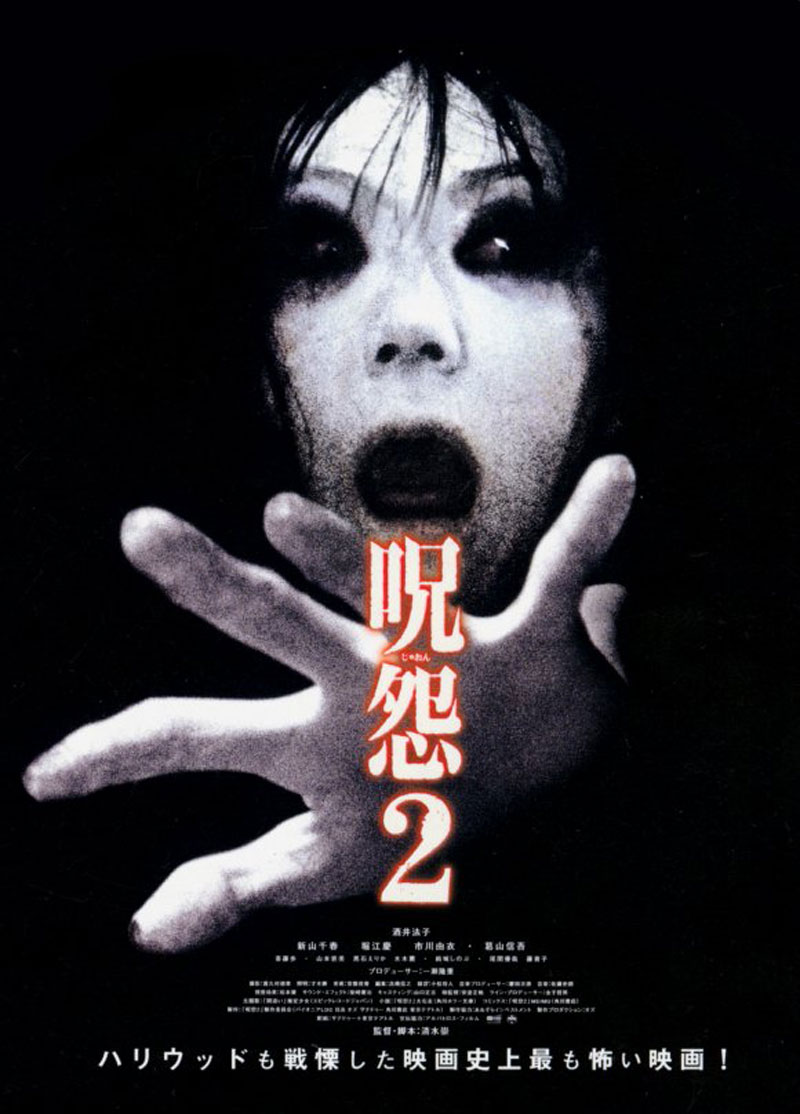
Takashi Shimizu’s follow-up to the international hit of Ju-on: The Grudge. These Ju-on films become repetitive after a time but you cannot deny that Shimizu delivers the spooky goods here
A disturbing Japanese film about a student revolutionary group and their internal turmoils, which descend into violence and bloodshed as the leader pushed them to torture and bloodshed
An obscure Japanese film with quite a WTF element about a backwoods motel where things get very strange – the hosts slaughtering the guests, a zombie wandering around
An exquisitely haunted Japanese ghost story from the muchly overlooked Kaneto Shindo that conjures some moments of genuinely otherworldly atmosphere as two ghost women take vengeance against samurai
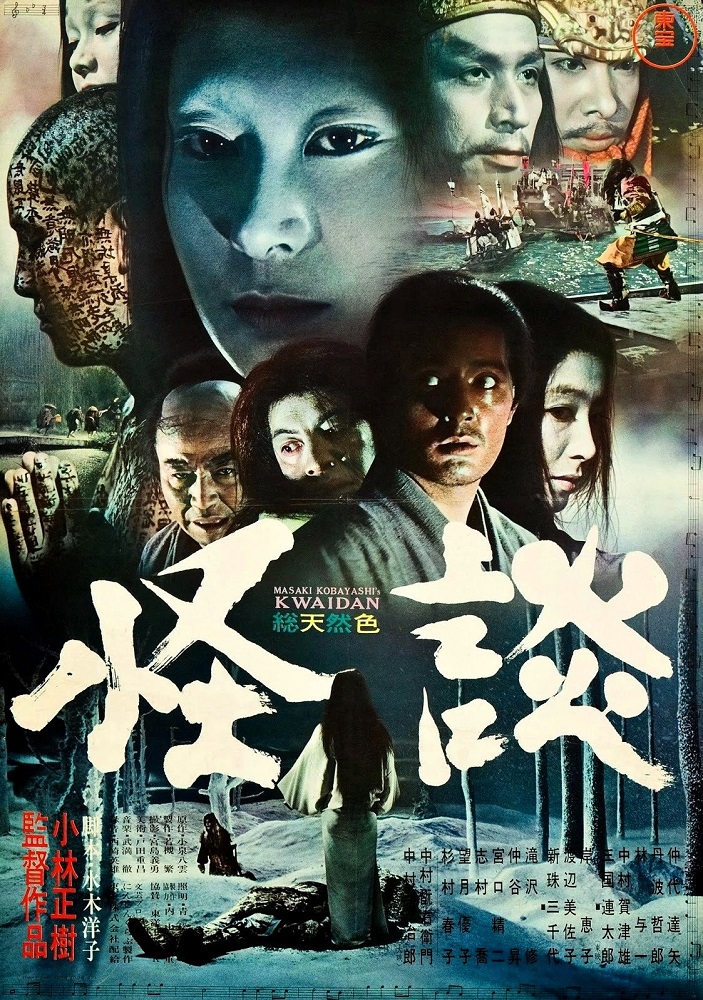
The greatest of all Japanese ghost stories. This is an anthology that tells four stories. Each is made with an extraordinary visual flair and great attention to colour, lighting and design
The second in a trilogy of Japanese vampire films that came influenced by the Hammer Dracula films. This generates a reasonable degree of spooky eerieness.
A disturbing Japanese film about a man in a motorised wheelchair (played by a real disabled actor) who turns serial killer and begins to enact revenge for petty injustices
The first of a trilogy of Japanese vampire films, although this does not feature Dracula despite the title and should be considered more of ghost story.
A cult anime about a demon war on Earth and a half-demon child who has been born in the body of a teenager. This quite takes you aback with its extremes of violence and sexual fetishism
Cult director Takashi Miike makes a film about a teacher who goes on a shooting rampage through a school where Miike takes an unrestrained glee in the carnage
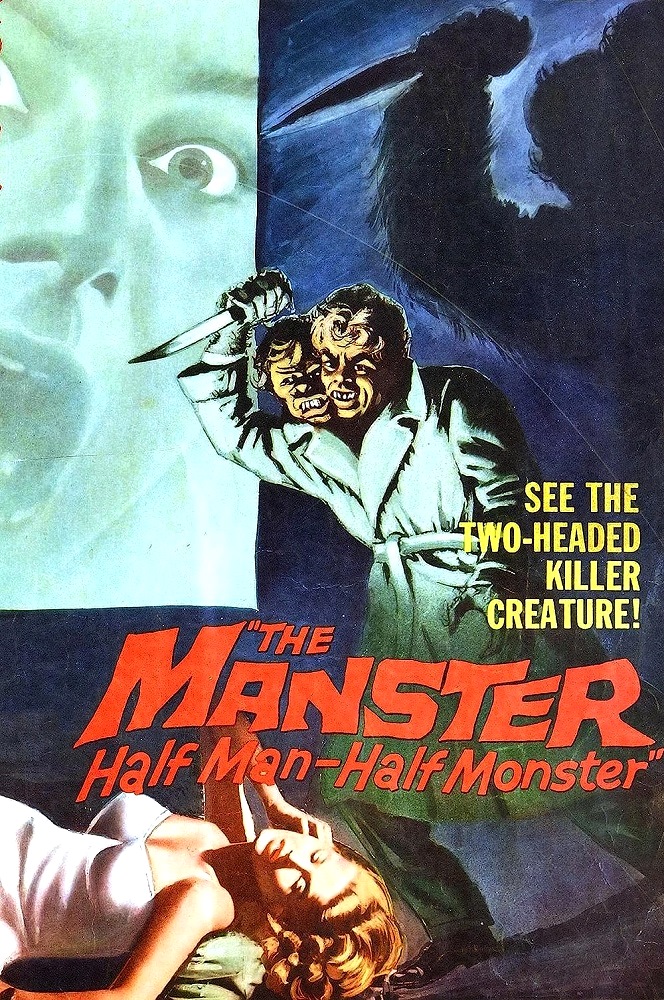
Fascinatingly torrid US-Japan production about a man who develops a second head on his shoulder that takes over his personality
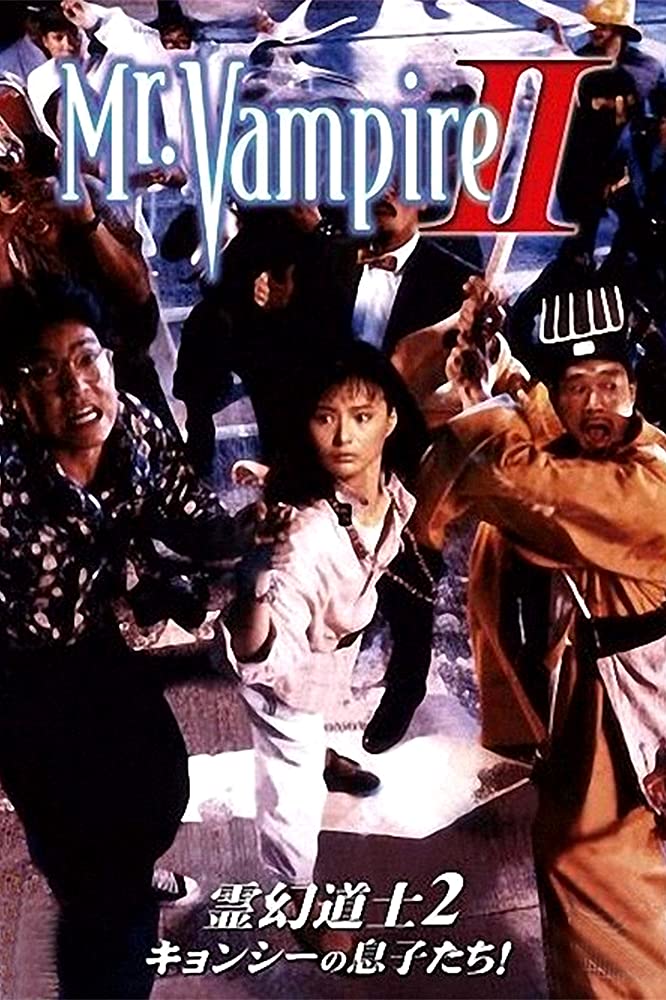
The first of several sequels to the hopping vampire hit. While the original was an adept and clever blend of fantasy and comedy, this promptly heads for loud and noisy slapstick
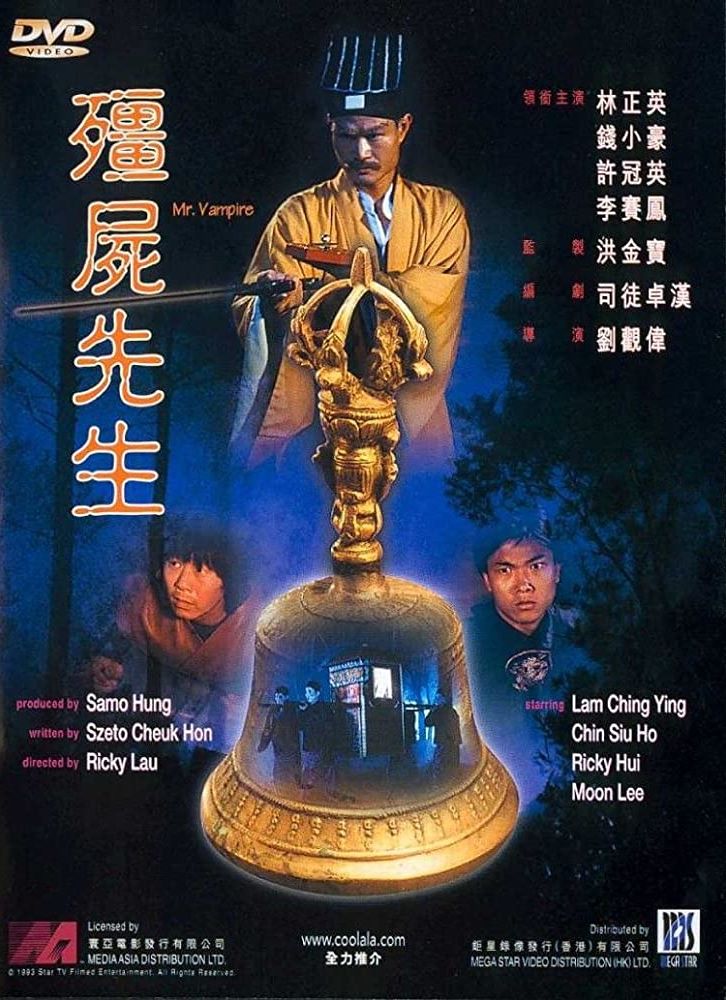
Hong Kong hopping vampire film that produced a string of sequels. The original is the best, a clever, fast-paced blend of comedy, supernatural and traditional Eastern beliefs
The last of the popular Hong Kong comedy series about hopping vampires. While the other sequels became very silly, this goes out on an inspired final note
Third in the popular series of Hong Kong hopping vampire films. As in the previous entry, a frenetic slapstick element dominates
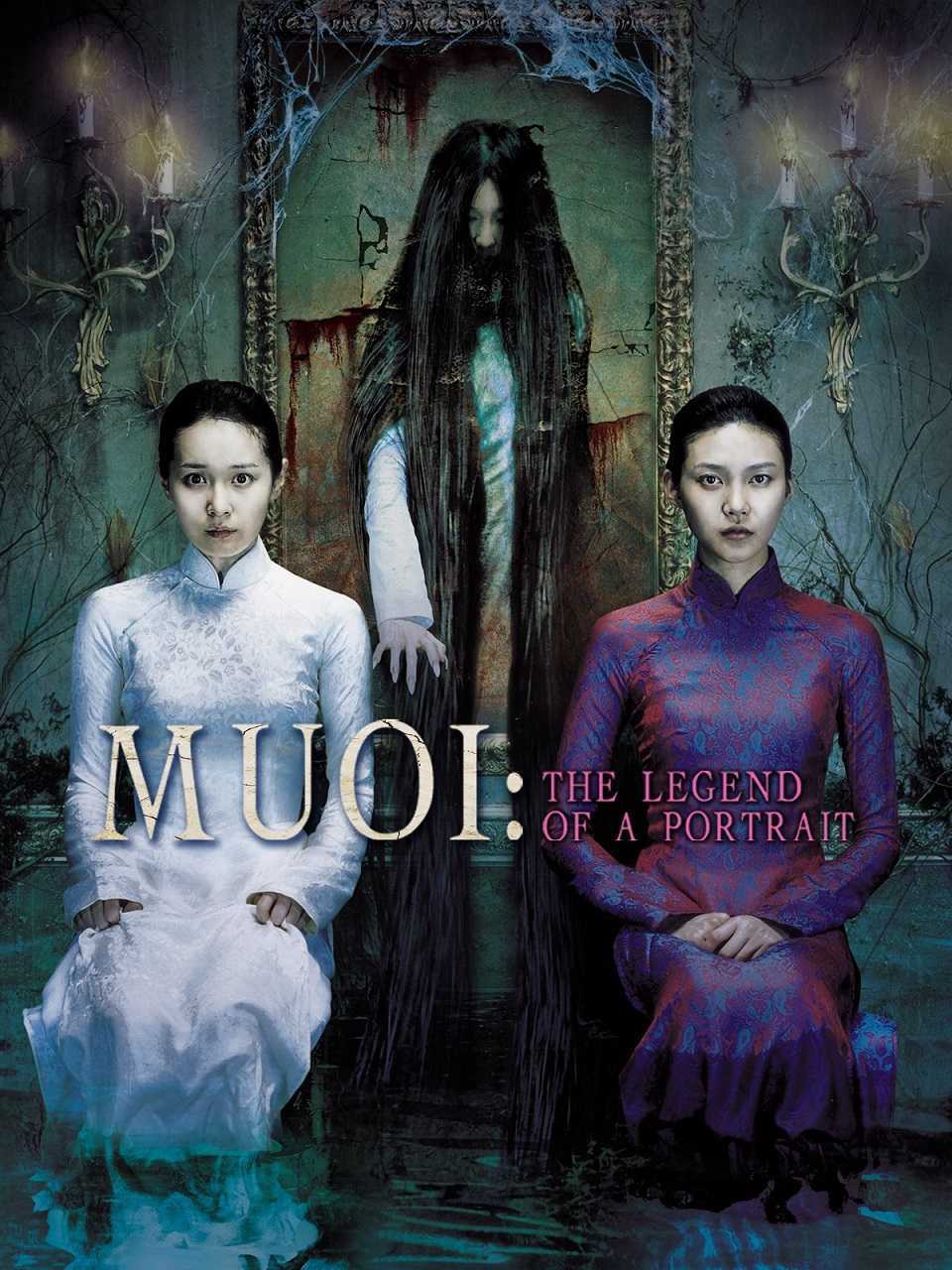
After the successes of Japanese ghost stories like Ringu and Ju-on: The Grudge, the phenomenon was copied right around the Asian region. This is a South Korean ghost story set in Vietnam concerning a haunted painting.
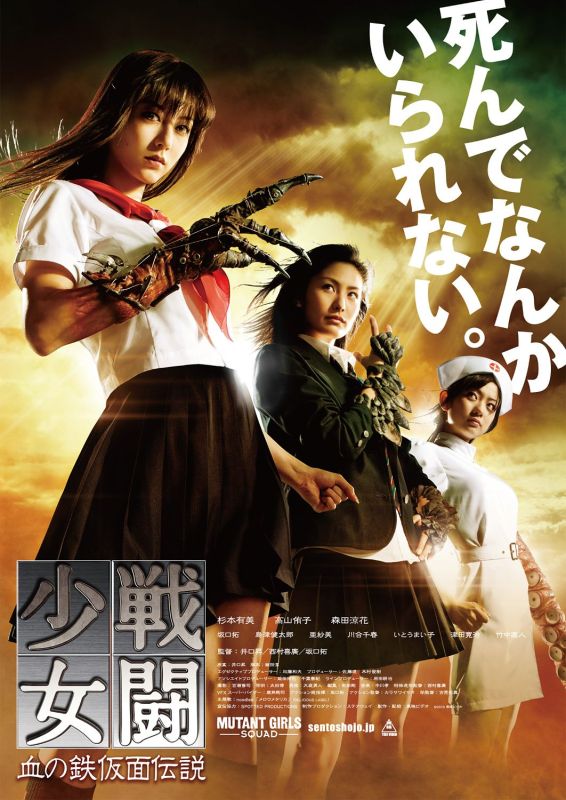
The gonzo Japanese splatter film is one of the insanely demented corners of genre cinema today. This is a prime example, filled with mind-bogglingly perverse anatomical rearrangements and attachments, the screen is awash with blood and everything directed with a mad cartoonish energy
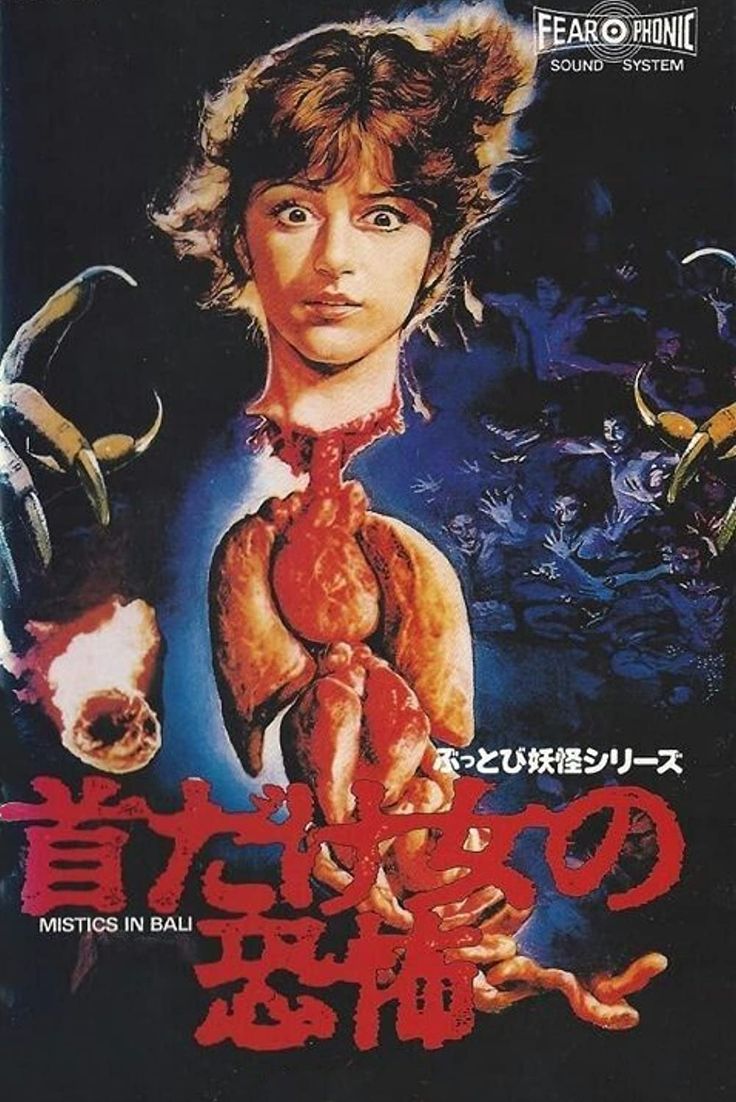
A mind-bogglingly deranged example from the largely unexplored arena of Indonesian exploitation cinema as an American woman becomes involved with local witchcraft
Beautifully made Thai film about a husband whose wife dies in childbirth but where he refuses to let go of her ghost
Resembling a supernatural version of I Know What You Did Last Summer, this South Korean ghost story delivers considerable spookiness
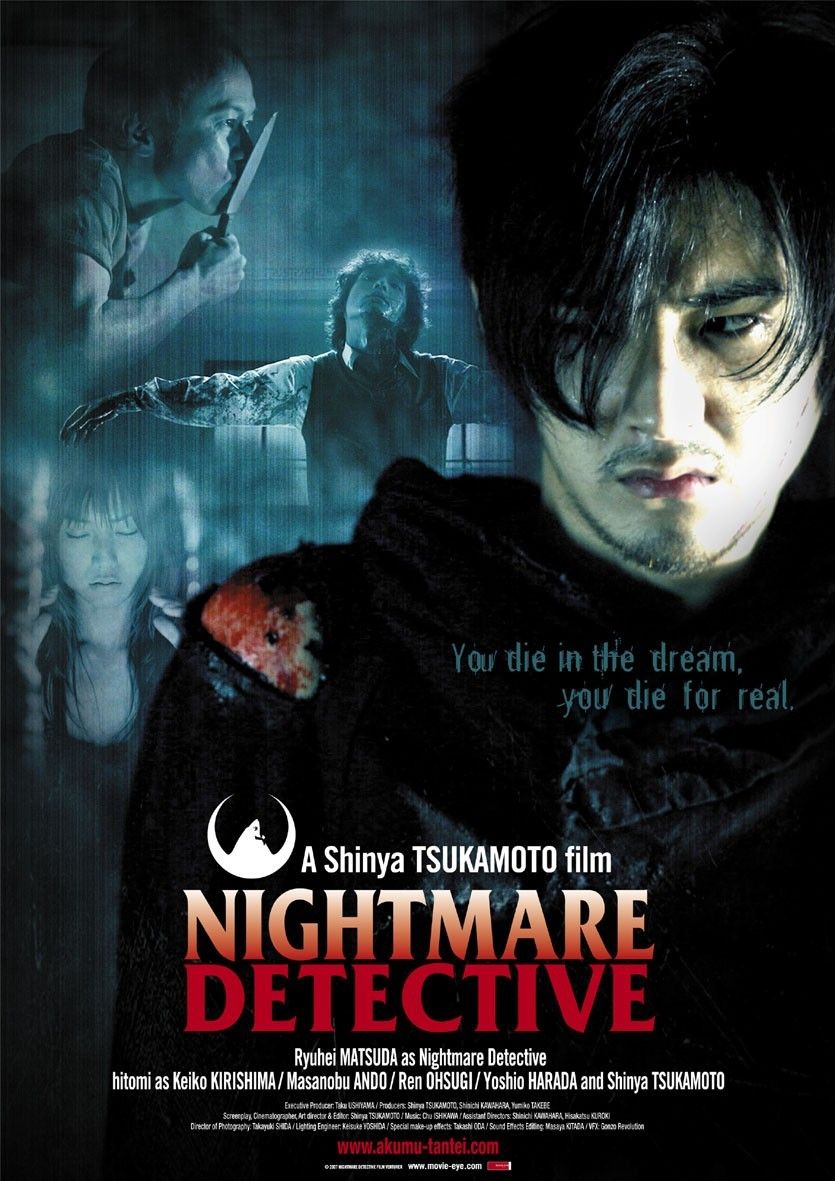
A clearly more commercial film from cult Japanese director Shinya Tsukamoto of Tetsuo: The Iron Man fame. This draws influence from Ring but this lacks much of the obsessive drive of Tsukamoto’s other films
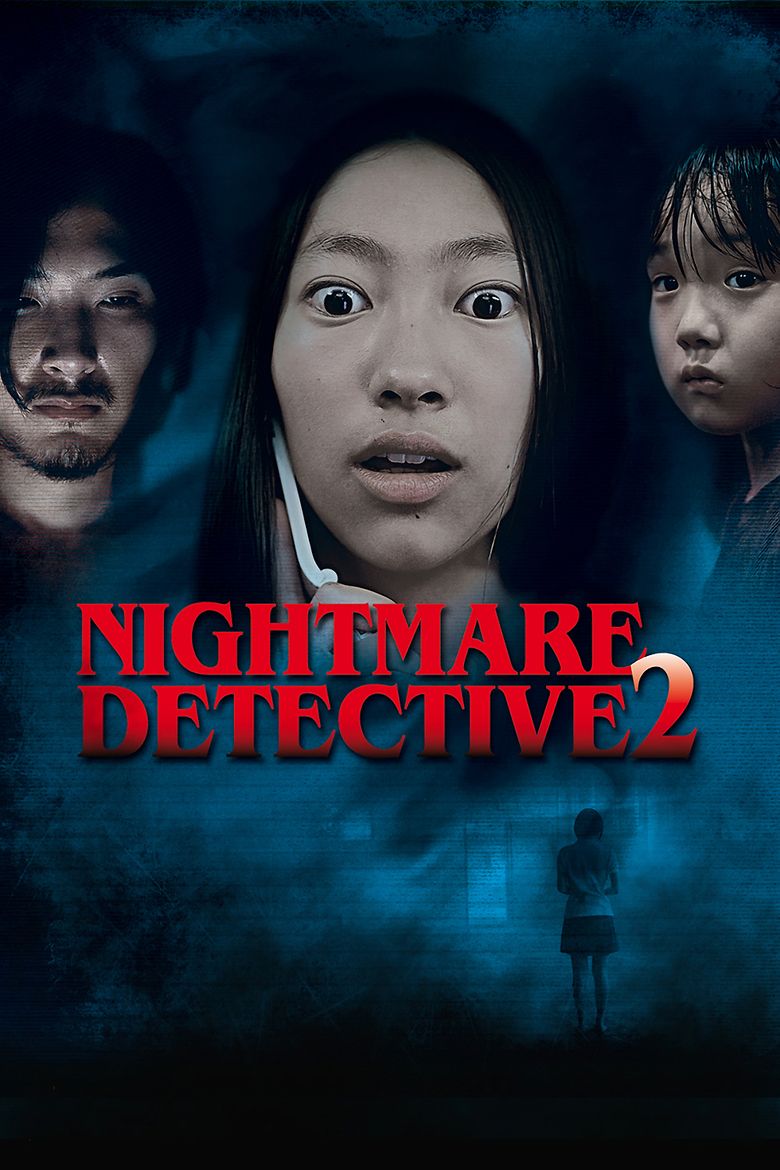
Nightmare Detective was Shinya Tsukamoto’s venture into the dreamscape theme of works like The Cell and the subsequent Inception. Many regard this sequel as a superior work.
A Japanese Found Footage film made not long after The Blair Witch Project with a man investigating various paranormal incidents around Tokyo
Outrageously whacked Hong Kong film that prefigures The Toxic Avenger in having a downtrodden hero jump into a pool of oil and emerge as an avenging superhero made of oil. Crudely made and pitched, the film’s novelty all lies in the bizarreness of its title character
Electrifyingly ultra-violent film from Park Chan-wook who ably borrows from Takashi Miike. The film equally becomes a conceptual twister as the protagonist is forced to go on a reality-bending quest through his own life.
Spike Lee’s English-language remake of Oldboy is an abortion. Where Park Chan-Wook directed the original with an insane energy, whereas Lee only delivers a formula action film and fumbles the ending
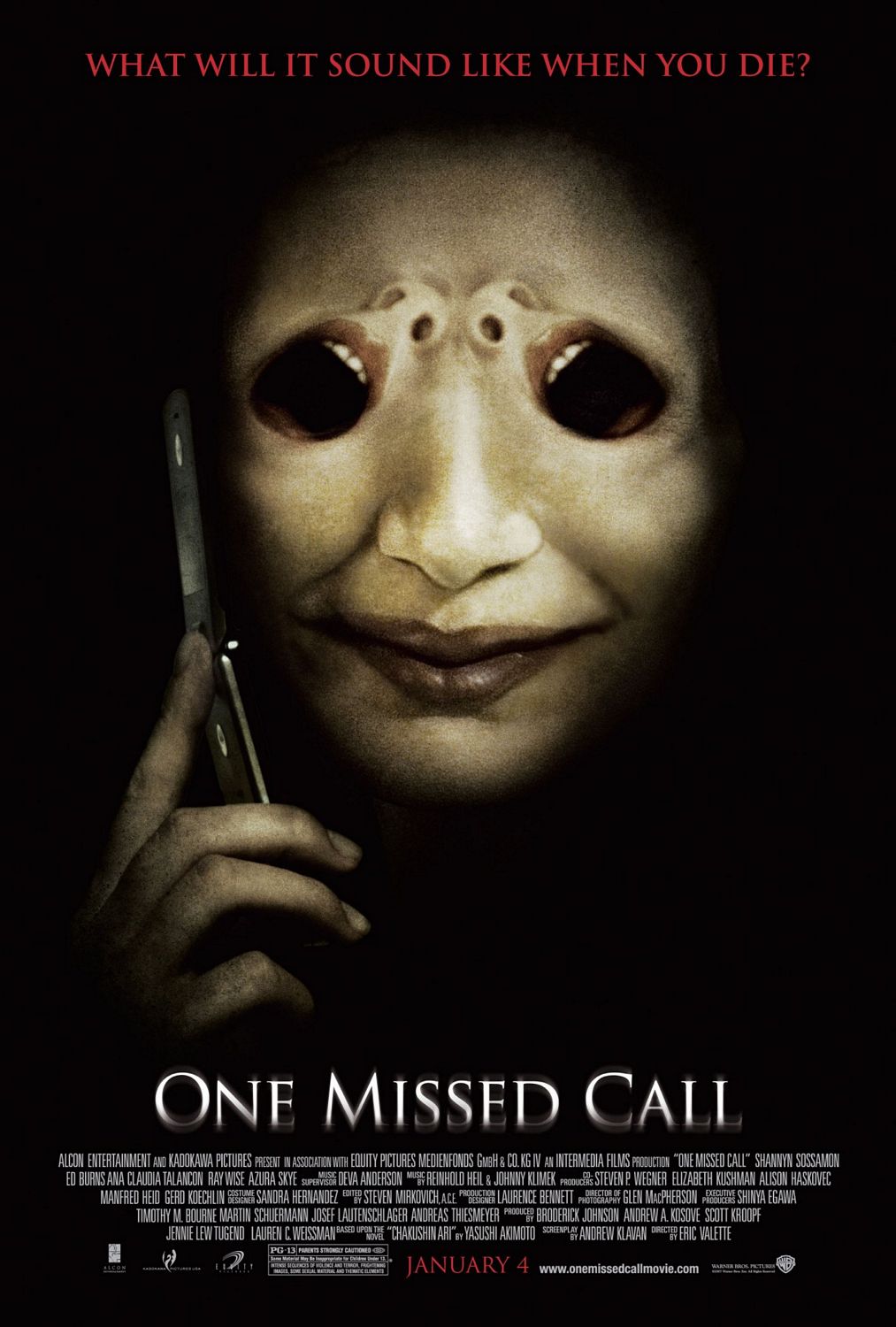
Cult director Takashi Miike jumps aboard the J-horror fad of the 2000s and makes a Ringu copy that substitutes haunted videos for haunted cellphone calls. Two sequels and an English-language remake followed
Probably the worst among the mid-00s fad for English-language remakes of Japanese horror films. Takashi Miike’s original is reduced to affectless CGI pop-up scares
Sequel to the Japanese original, not the English-language remake. This quickly forgets about haunted phonecalls and becomes even more of a copy of Ring, the inspiration of the original, and fails at generating spooky atmosphere
Takashi Miike’s One Missed Call was one of the more popular of the Ringu-influenced Japanese ghost stories, concerning a viral curse passed by cellphone calls. This was the second Japanese sequel
A classic Japanese ghost story (kaidan eiga) about two women who survive by preying on passersby. This adopts the lyrical realism of the era and builds to reach an incredibly haunted conclusion
The most sustained film Takashi Miike has made in some time. In this case, he adapts Yotsuya Kaidan, the most famous of all Japanese ghost stories, which has been filmed multiple times, but rather than offer a straight telling also adds a layer where the story comes to replay itself among the actors in the play
Yeon Sang-ho makes a sequel to his international breakout zombie film hit of Train to Busan, appropriating the basics of Escape to New York to good ends
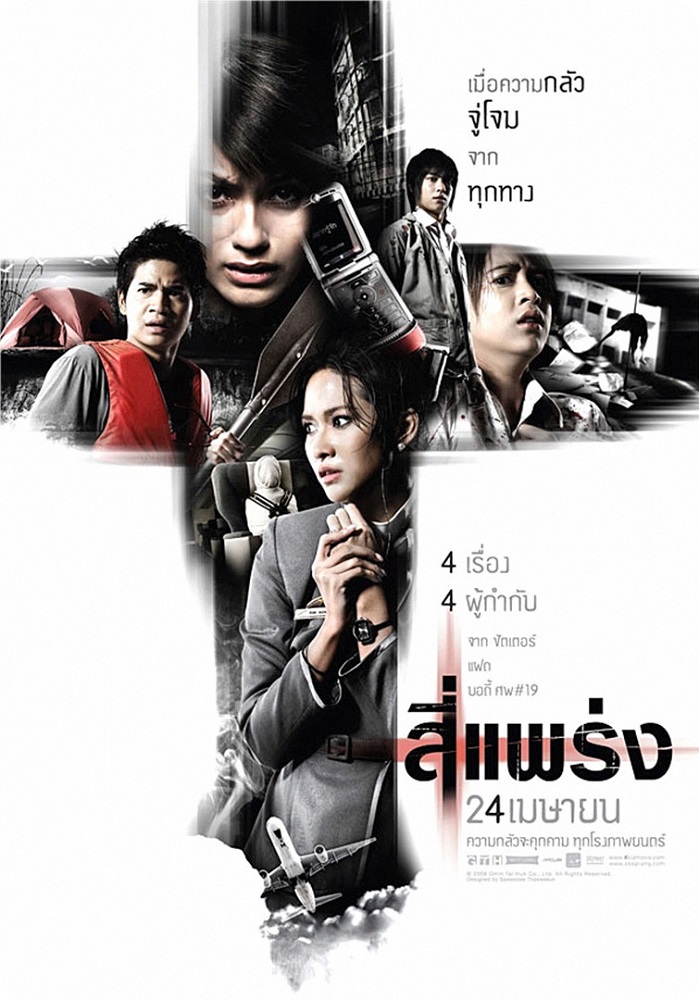
Horror anthology featuring four ghost stories from Thai directors. While all the segments vary in approach and style, this is a spooky and above average effort with the real standout being the final segment with an air hostess aboard a plane with a dead body in the midst of a storm