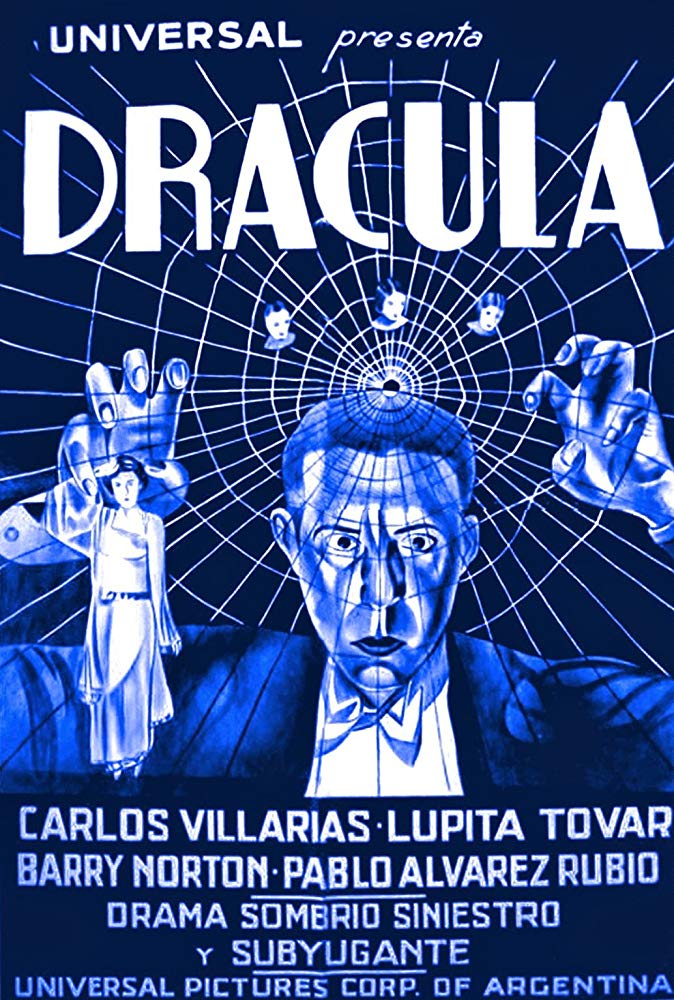
Dracula (1931)
The legendary Spanish-language version of Dracula that was shot on the same sets as the classic Bela Lugosi version. Although it ultimately stands too much in the shadow of the Lugosi film, it is the better of the two films
The Science Fiction Horror and Fantasy Film Review
The vampire is one of the most iconic figures in horror film. The vampire is a human being who has returned from the dead and is immortal unless killed. The vampire preys on human blood. It has vulnerabilities to the crucifix, daylight, holy water and can only be dispatched by being staked through the heart. Its appearance is with fangs and very pale skin, sometimes red eyes. It can be handsome or voluptuous, or rat-like and cadaverous. It can wield great hypnotic abilities on its victims and transform into bats and other animals.
The vampire appears in many world mythologies. The vampire of fiction was not created by Bram Stoker but he did popularise it in Dracula (1897) in which he laid down many key aspects of the mythology – its aversion to crucifixes and sunlight, the need to kill it with a stake through the heart, its coming from Transylvania and the need to live in a coffin of its native Earth. These remain the key aspects of the mythology. Some films change various aspects or strip out the supernatural elements and offer medical/scientific explanations.
The first vampire film was the Turkish Drakula (1921), the first major one the German Nosferatu (1922). The iconic image of the vampire in dinner suit, cape and thick East European accent was created with Bela Lugosi in Universal’s Dracula (1931) and has since been much copied and parodied,.
The vampire appeared in various Universal sequels of the 1940s and then underwent a major revival with Hammer’s Dracula/The Horror of Dracula (1958) starring Christopher Lee. Hammer put Lee through a string of Dracula sequels and created other vampire films. These inspired a number of imitators throughout Europe and Latin America, even from Japan. One of the subgenres among these was the lesbian vampire film created by Hammer’s adaptation of Carmilla (1872) with The Vampire Lovers (1970), which led to sequels and a number of imitators.
The 1960s also brought the first in a number of vampire comedies and parodies. Beginning in the late 1950s and more concertedly in the 1970s, efforts were made to move the vampire out of the Victorian surroundings and bring it into the present-day and by the 1980s the vampire was well at home in suburbia and major metropolitan areas. The 1970s also saw the move to reconstruct the vampire less as an evil predator and more as a darkly brooding romantic figure, as well as in a number of works of erotica.
The 1980s onwards brought the gritty vampire action film and the 1990s a series of films focusing on the vampire hunter as hero. Others place a focus on slick Gothic poses or tell of vampire clans operating in the shadows of society, often at war with Werewolves. On the opposite side, there are a number of kitchen sink portrayals showing the vampire dealing with everyday life. There have also been a number of films that depict vampirisim in medical/scientific terms.
In more recent years, the vampire film was dealt a considerable blow by the Young Adult romance Twilight (2008) and sequels, which made the vampire an adolescent romantic figure, preaching chastity and a doting father who also sparkled. In the aftermath, there have still been a number of vampire films but the genre seems to be looking for new directions, no longer holding the strength it once did.
For adaptations of Bram Stoker and works in which Dracula appears as a character see Dracula Films.
The legendary Spanish-language version of Dracula that was shot on the same sets as the classic Bela Lugosi version. Although it ultimately stands too much in the shadow of the Lugosi film, it is the better of the two films
The point where the legend of Hammer Films and the careers of Christopher Lee and Peter Cushing began. A vivid colour remake of the Bram Stoker book that put a stake through the heart of the staid Universal horrors and created a new English horror industry
Lushly produced, big-budget adaptation of Bram Stoker starring Frank Langella that places much more of a romantic emphasis on the story than any other version. Here is the beginning of the darkly romantic vampire film
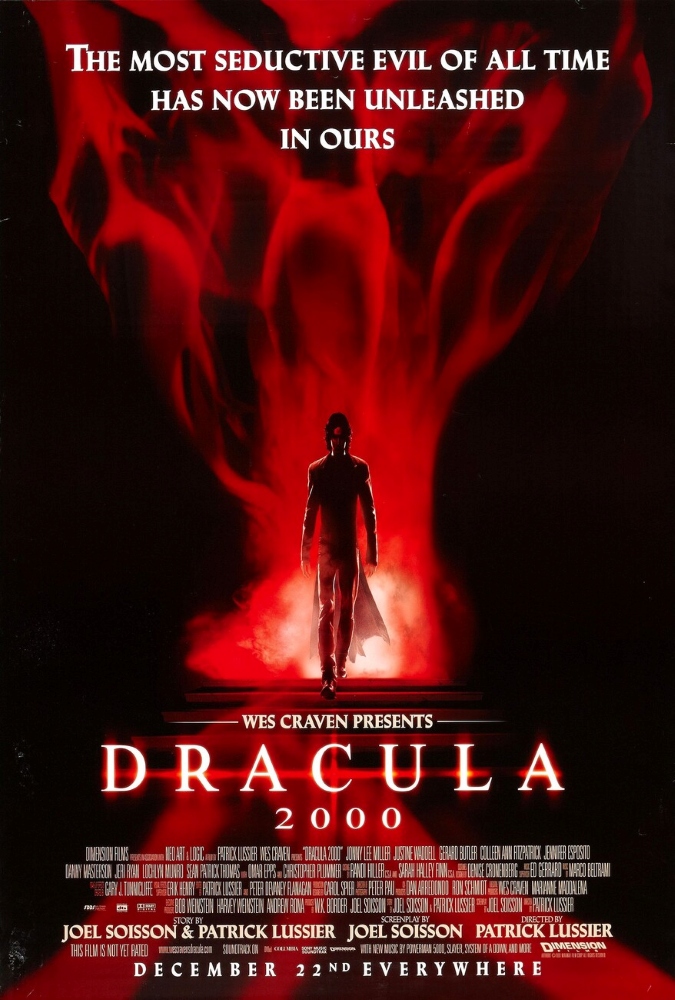
An interesting attempt to bring Dracula into the modern day – the film that Dracula A.D. 1972 should have been. An unknown Gerard Butler makes a captivatingly magnetic Dracula
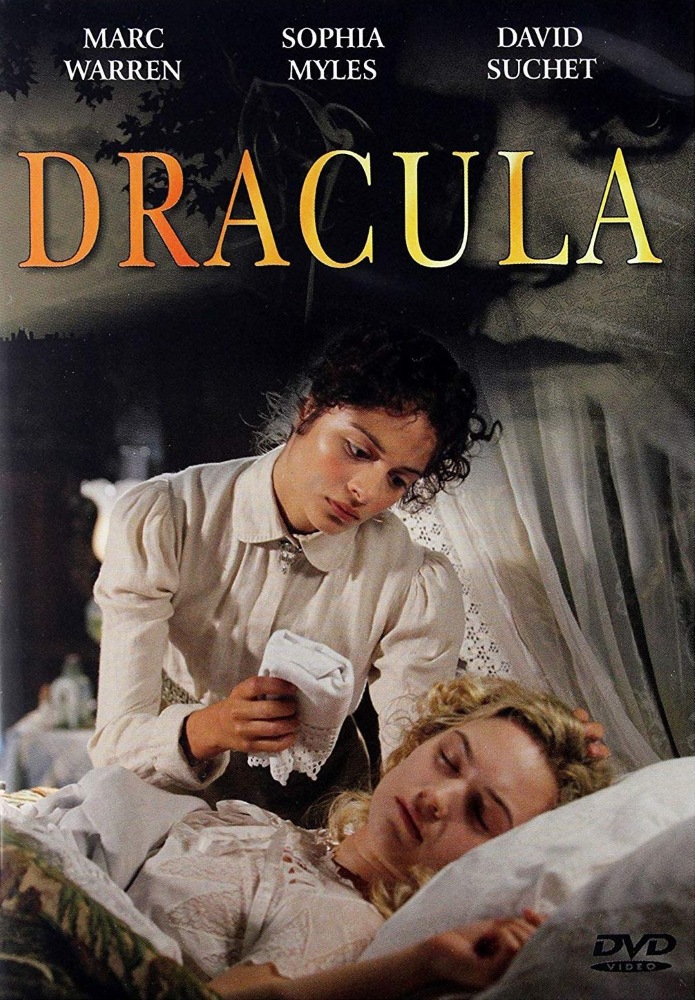
BBC costume drama version of the Bram Stoker novel, which offers the most radical take on the story of any version made to date, substantially wrenching around many of the familiar characters
Interestingly odd attempt to update and relocate Dracula to present-day Hollywood. This has promise despite a low-budget but eventually flounders amid a non-linear story and an entirely confused ending
Hard to describe what an utter disappointment Dario Argento’s take on the oft-filmed Bram Stoker work is. Argento seems to have entirely lost the mojo and visual flair that made him a cult name. Thomas Kretschmann makes for the screen’s mellowest Dracula
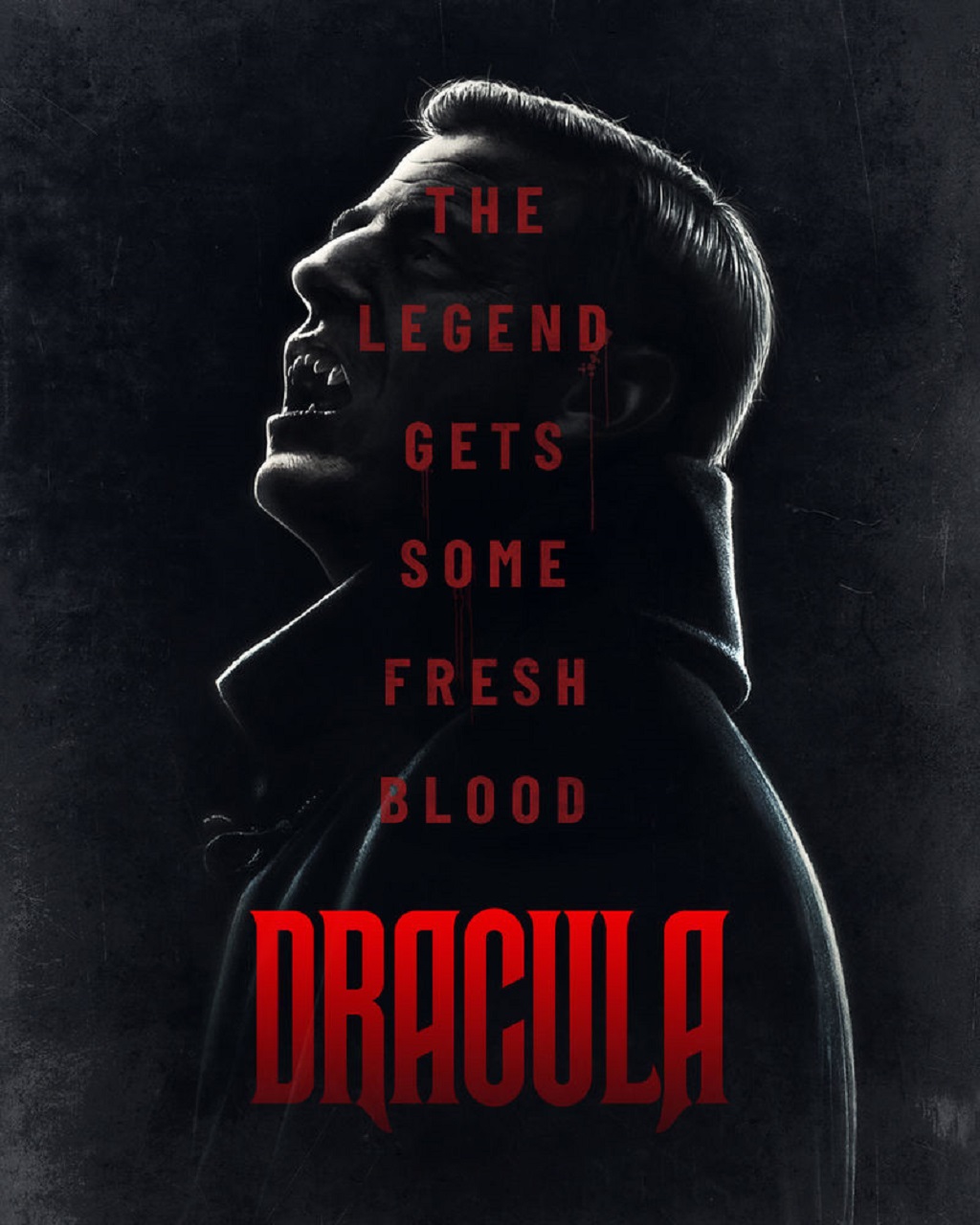
BBC mini-series retelling of Bram Stoker’s Dracula that deconstructs and widely expands on sections of the book to create something relentlessly modernistic, sometimes in ways that take you aback
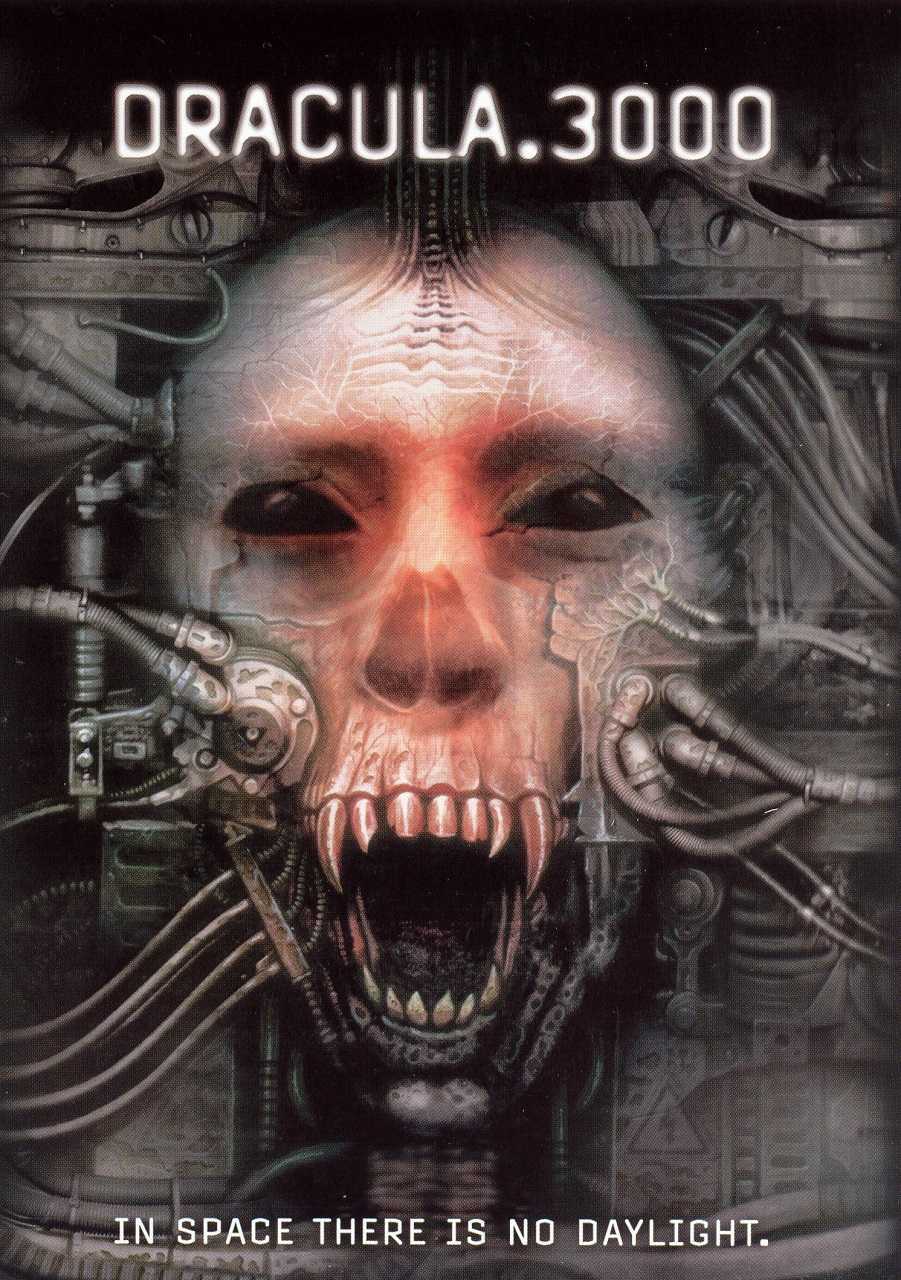
There is undeniable interest to the idea of Dracula in the future but all we get is a standard Alien copy with Dracula on a spaceship. The acting and dialogue frequently enters into the absurd
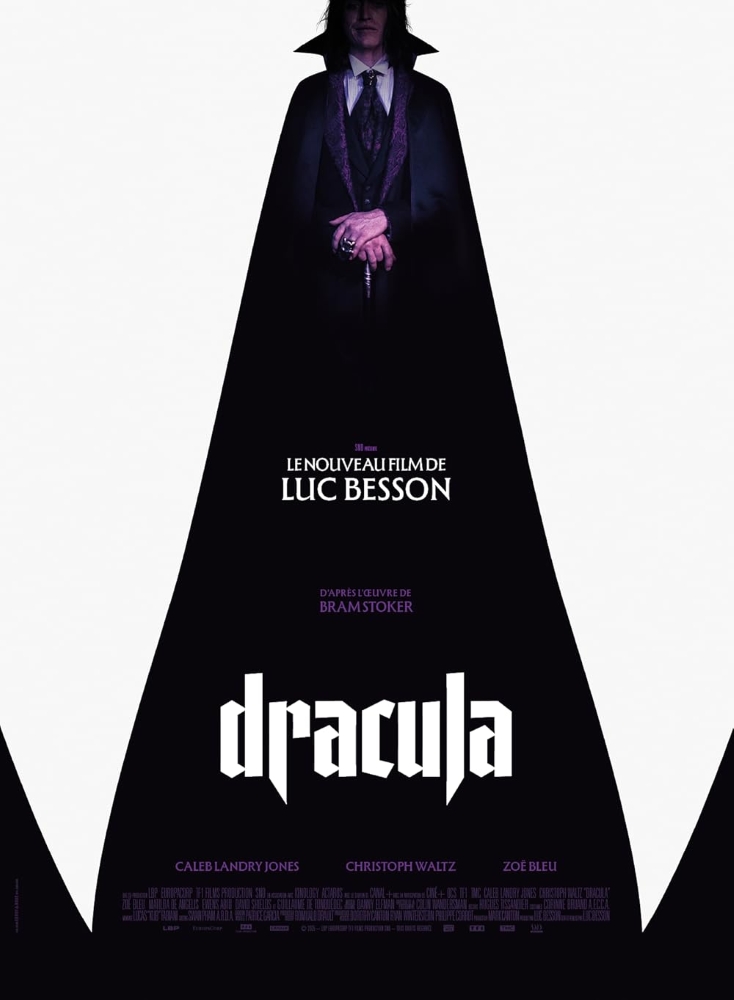
Luc Besson makes a return with an adaptation of Bram Stoker’s Dracula. The surprise about this is that he fairly much uncreditedly remakes Francis Ford Coppola’s version of the story
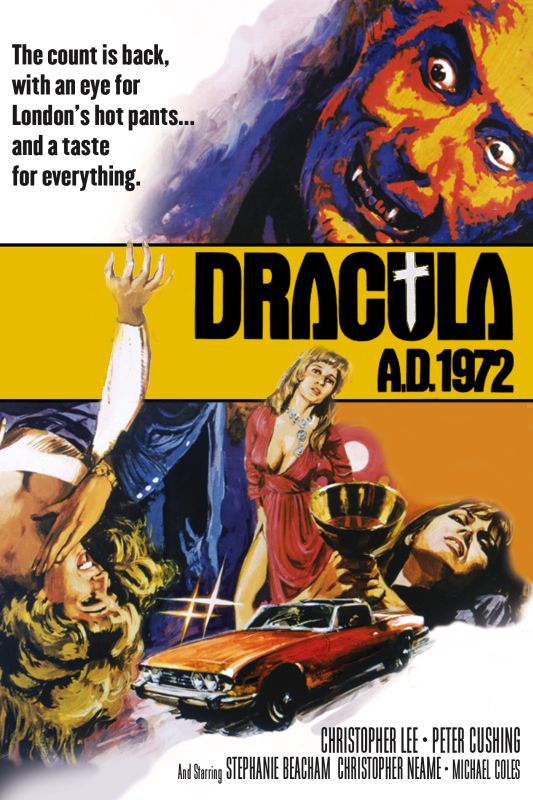
For their seventh Dracula films, Hammer introduced Dracula to the present-day. The result was a wild mishmash where Christopher Lee plays second fiddle to Hammer’s belated attempts to jump aboard the Swinging 60s youth scene
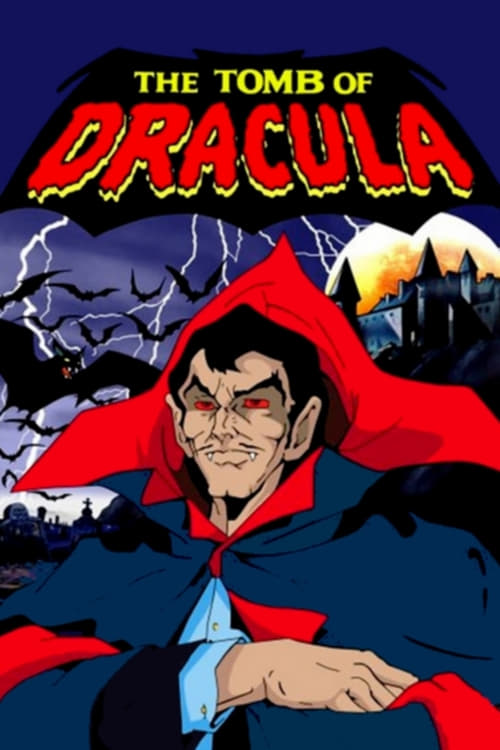
Not an adaptation of Bram Stoker but an anime based on the Marvel comic-book Tomb of Dracula (the same title that gave birth to Blade)
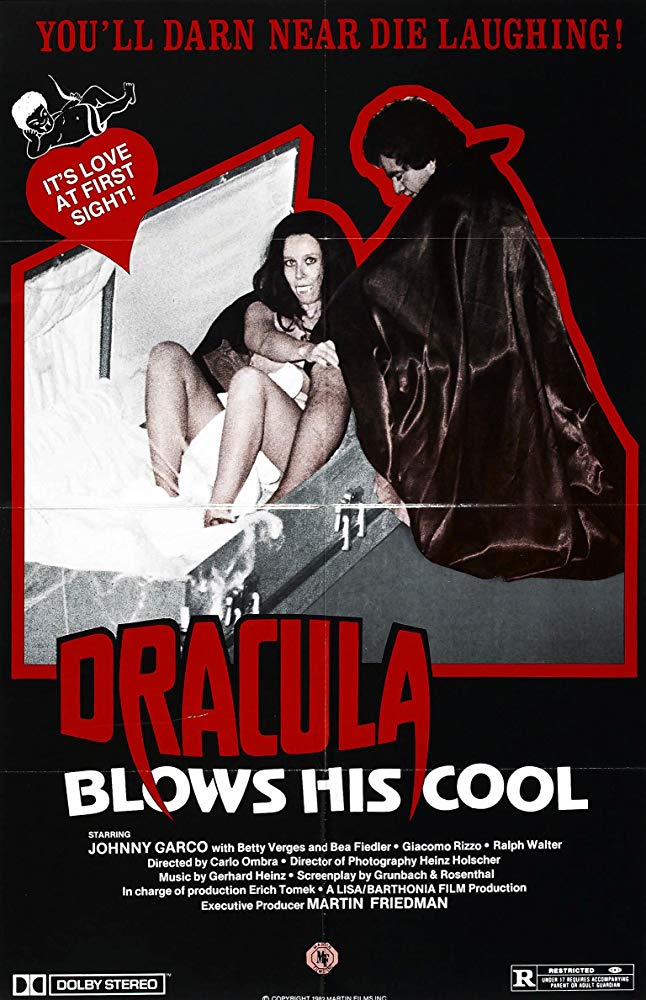
Excruciating West German-made vampire sex comedy (that doesn’t feature Count Dracula despite the title). Painful and agonisingly unfunny comedy routines directed by someone who has no idea how to set them up
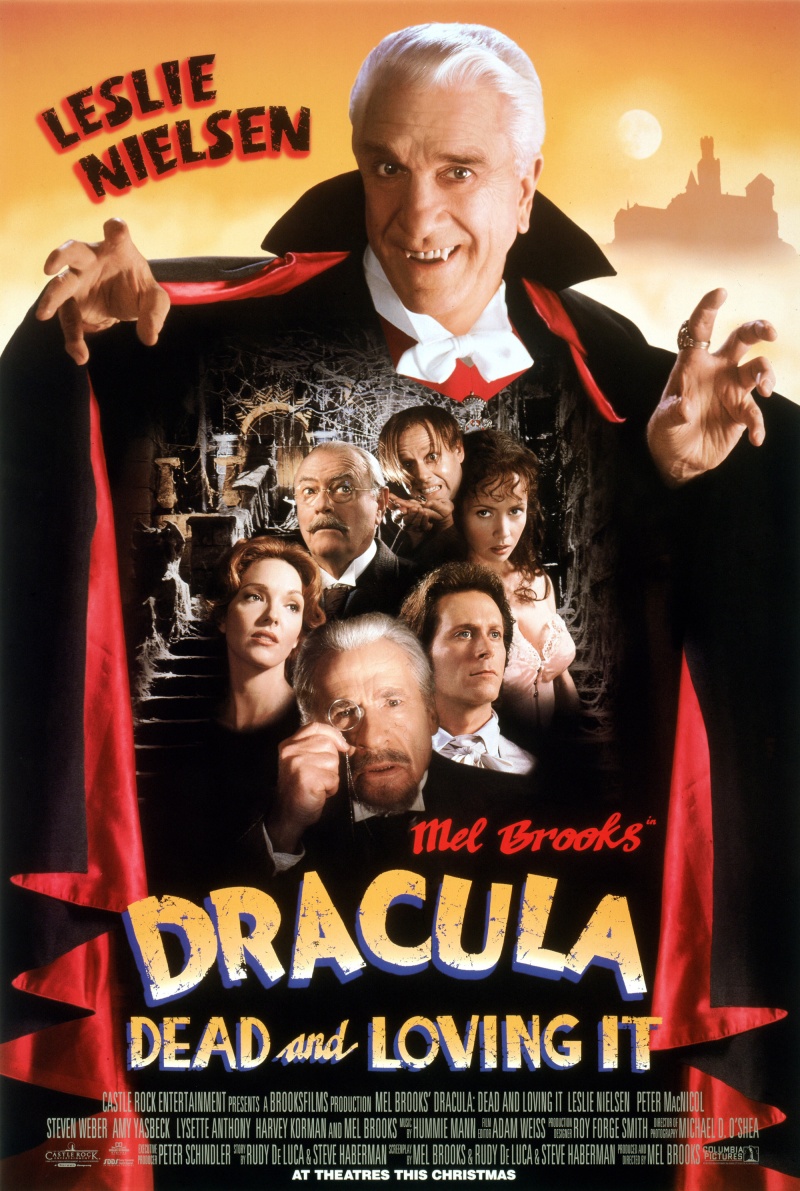
Mel Brooks had a huge hit with Young Frankenstein, an affectionate spoof of the Universal Frankenstein films. Two decades on he returns to do the same for the Dracula film but with far more scattershot results.
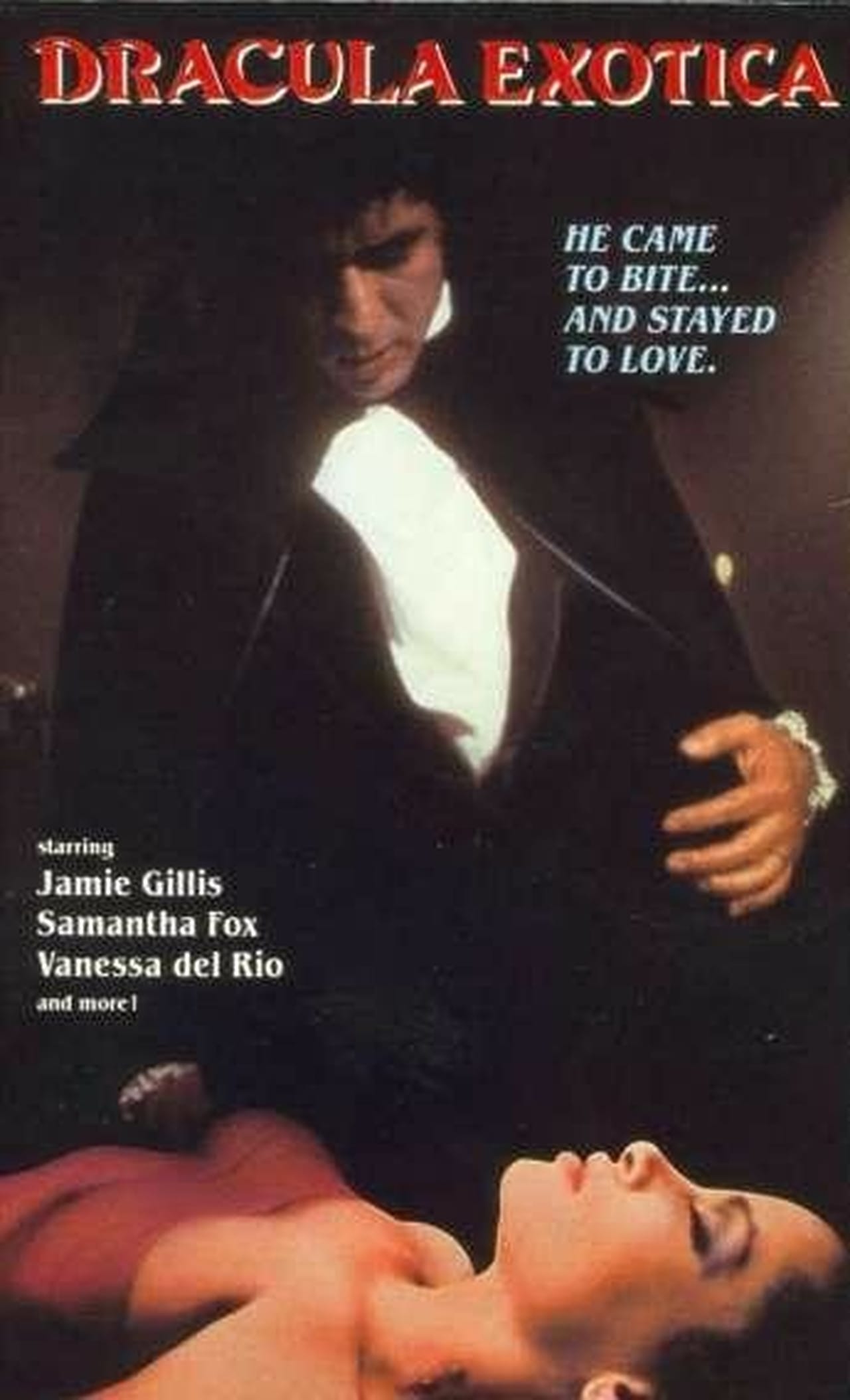
The inevitable adult version of Count Dracula. Beyond the obvious, this is halfway watchable, having a sense of humour and even a story, which plays out as a straight version of Love at First Bite
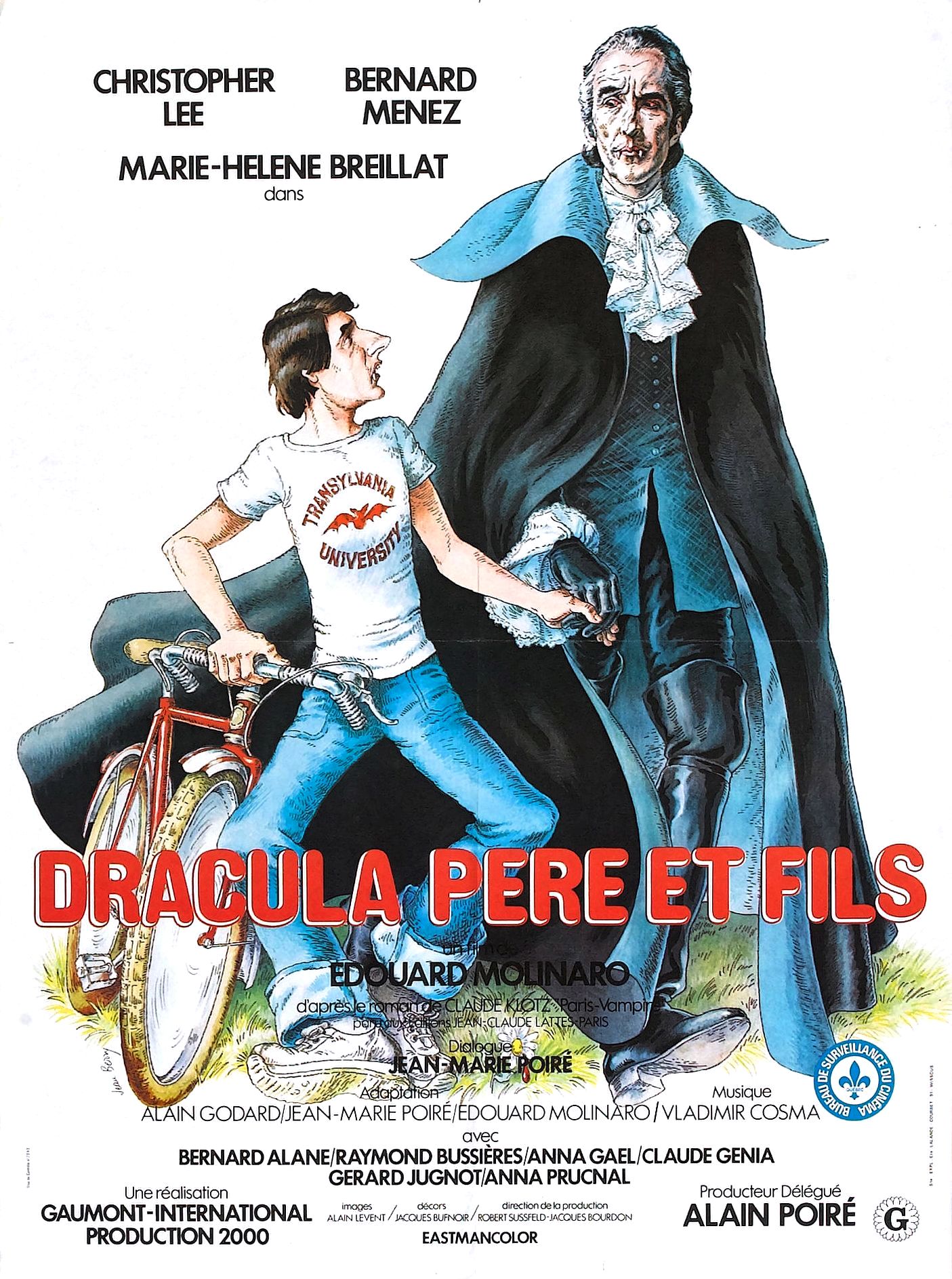
Almost certainly this is the one Christopher Lee Dracula film you will never have heard about. This was a French comedy made not long after Mel Brooks’ Young Frankenstein, spoofing the Dracula film
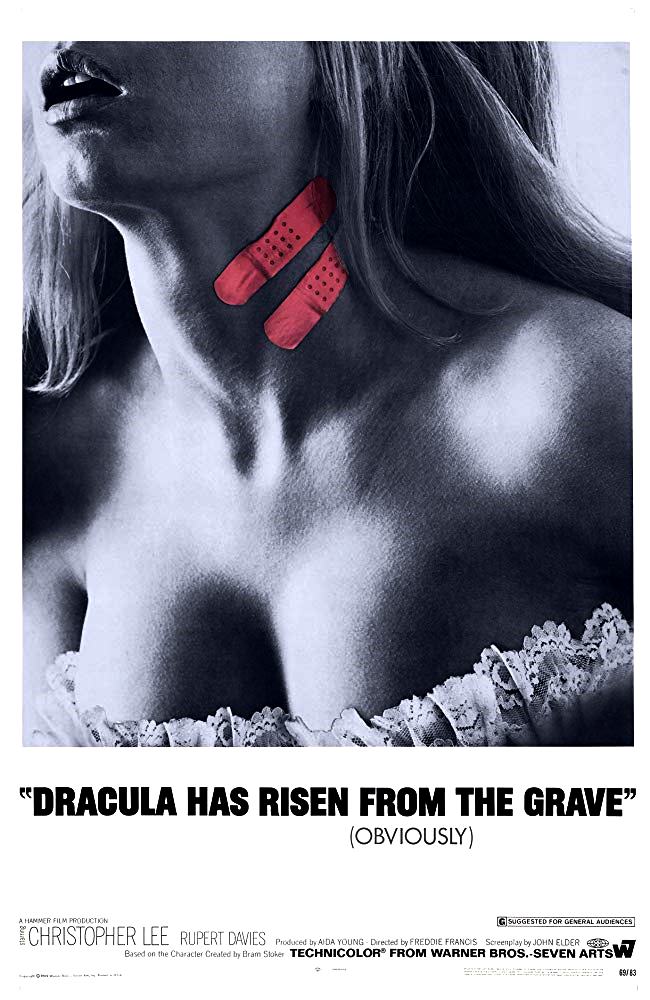
The fourth of Hammer’s Dracula films. There is a certain amount of silliness to the plot but new director Freddie Francis is on fine form. Christopher Lee is not given much to do
The first of two sequels to Dracula 2000. This is based around the idea of trying to scientifically examine a vampire’s body, sort of a vampire film by way of CSI
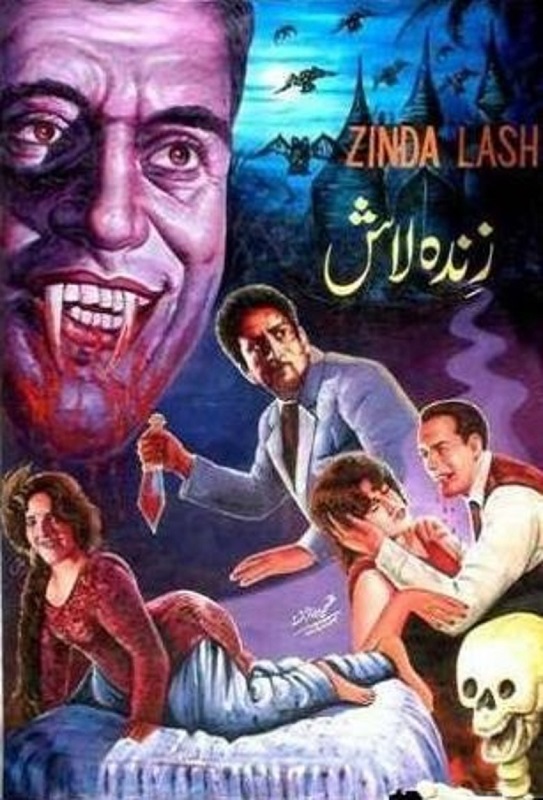
Pakistani film that is a blatant copy of Hammer’s The Horror of Dracula often scene for scene. Not without some effect and it is fascinating to see the familiar story translated into different cultural terms
Guy Maddin’s reinterpretation of Bram Stoker’s Dracula as a ballet and silent movie is an extraordinarily creative work while remaining far more faithful to the original story than many other film versions do
The third of Hammer’s Dracula films. Christopher Lee returns to the role but is given no dialogue. Nevertheless, Terence Fisher delivers some vivid directorial set-pieces that make this one of the better sequels in the series
One of several Dracula vs Frankenstein crossover films that came out in the early 1970s. This version comes from cult exploitation director Jesus Franco but squanders the opportunities of a great title match
The 1990s brought us the darkly romantic vampire spearheaded by Francis Ford Coppola’s Bram Stoker’s Dracula. This was a Roger Corman produced bandwagon jumper on the trend
A medium-budget Dracula film that draws much on its cinematic predecessors and comes filled with Underworld-like brooding Gothic poses. Plus the oddity of a blonde Dracula
This may possibly be the worst Dracula film ever made. A nudie film that has been dubbed over with excruciatingly unfunny one-liners that makes it sound more like a rifftrack film
The Asylum conduct their own version of Bram Stoker’s Dracula and this becomes one of the most radical screen adaptations of the story to date, swapping genders of characters
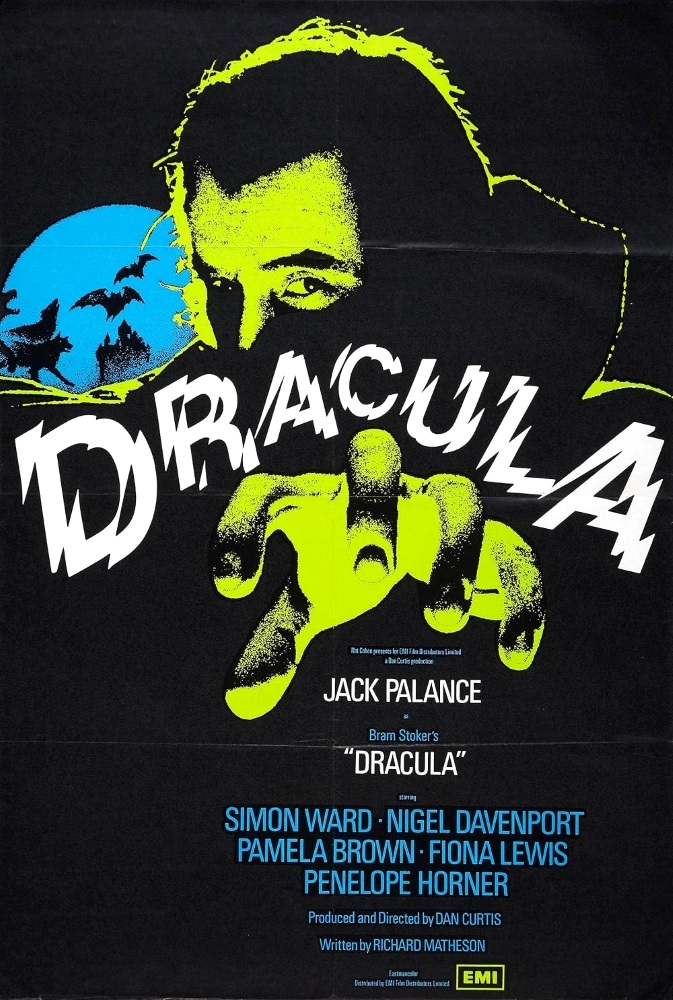
TV movie version of Bram Stoker’s book that was released to theatres in some places. Richard Matheson’s script brings back many aspects of the book that are dropped by other productions but the film suffers the fatal miscasting of Jack Palance in the title role
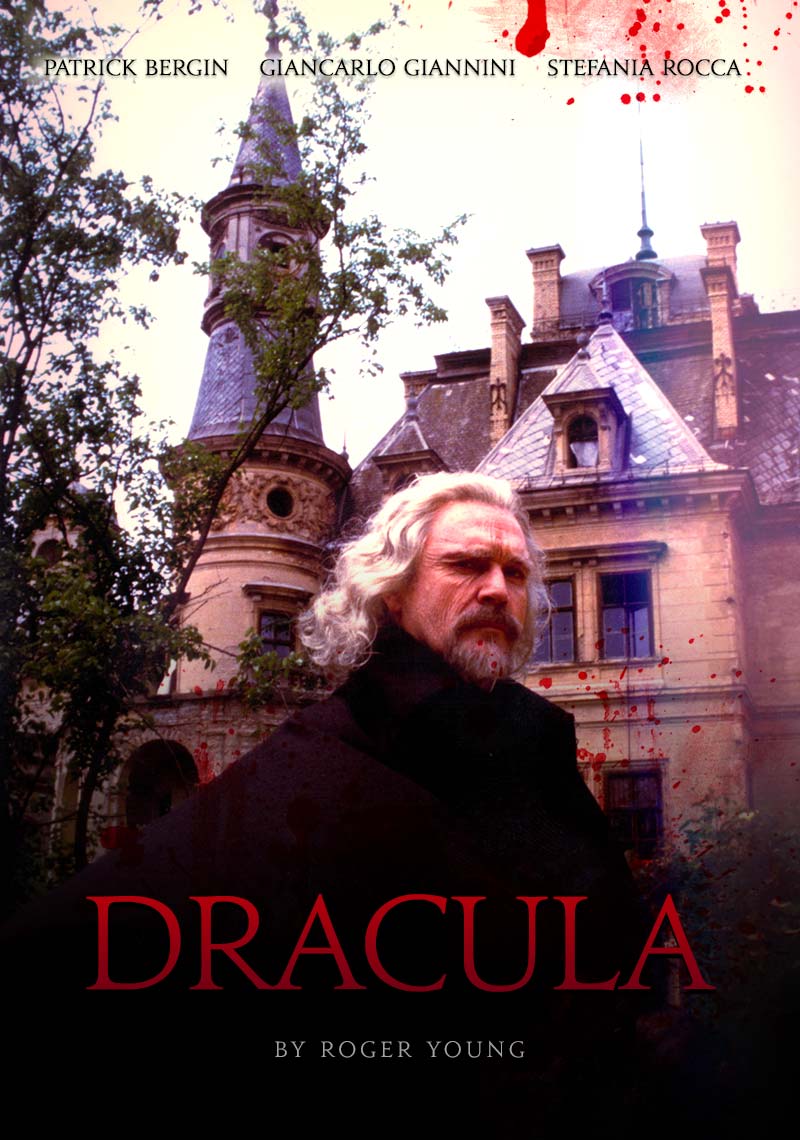
This conducts the interesting idea of updating Bram Stoker’s book to the present day with Patrick Bergin as Dracula. Ultimately, this suffers from low tv movie horizons
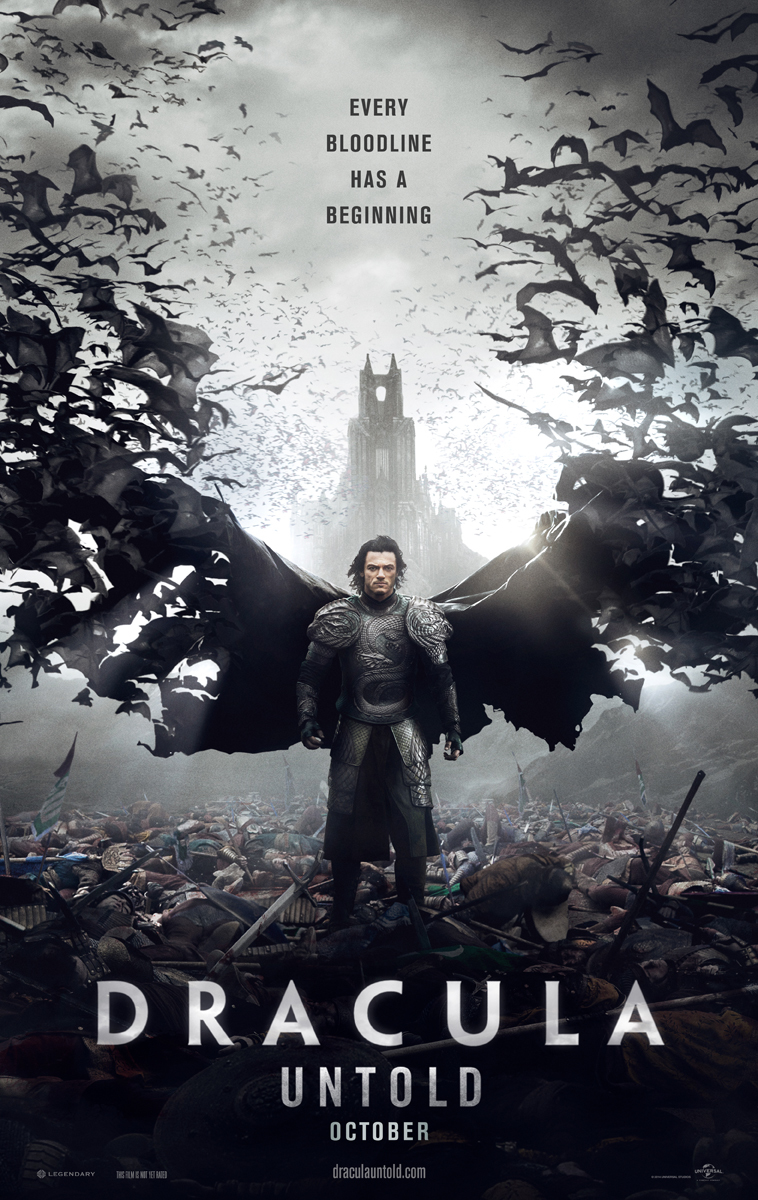
Dracula gets an origin story for Universal’s Famous Monsters shared universe. Vlad the Impaler, one of the great tyrants of history, gets rewritten as an honourable warrior and decent family man
This was one several different films with the same title that came out around the same time. This painful effort comes from Spanish horror star Paul Naschy who plays his signature role of the wolfman Waldemar Daninksy
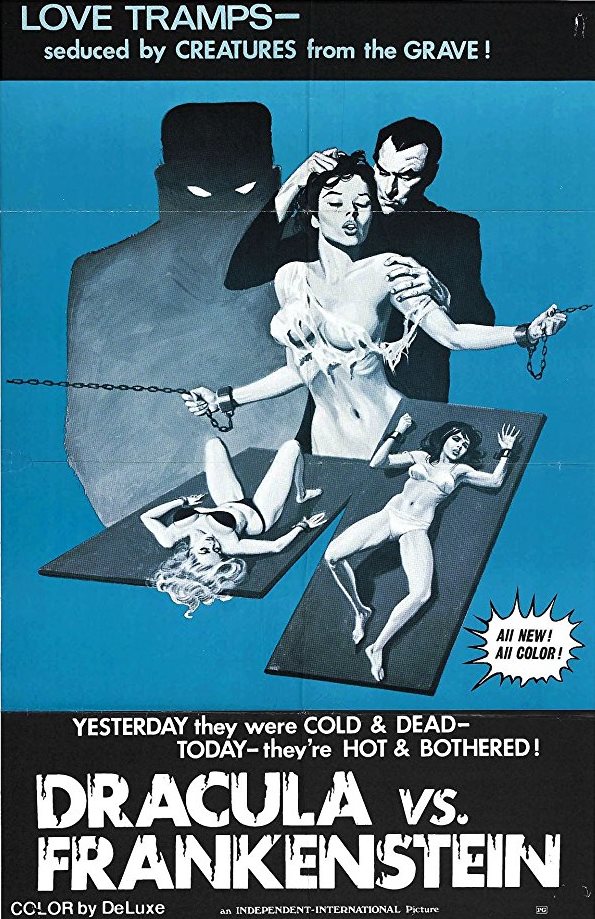
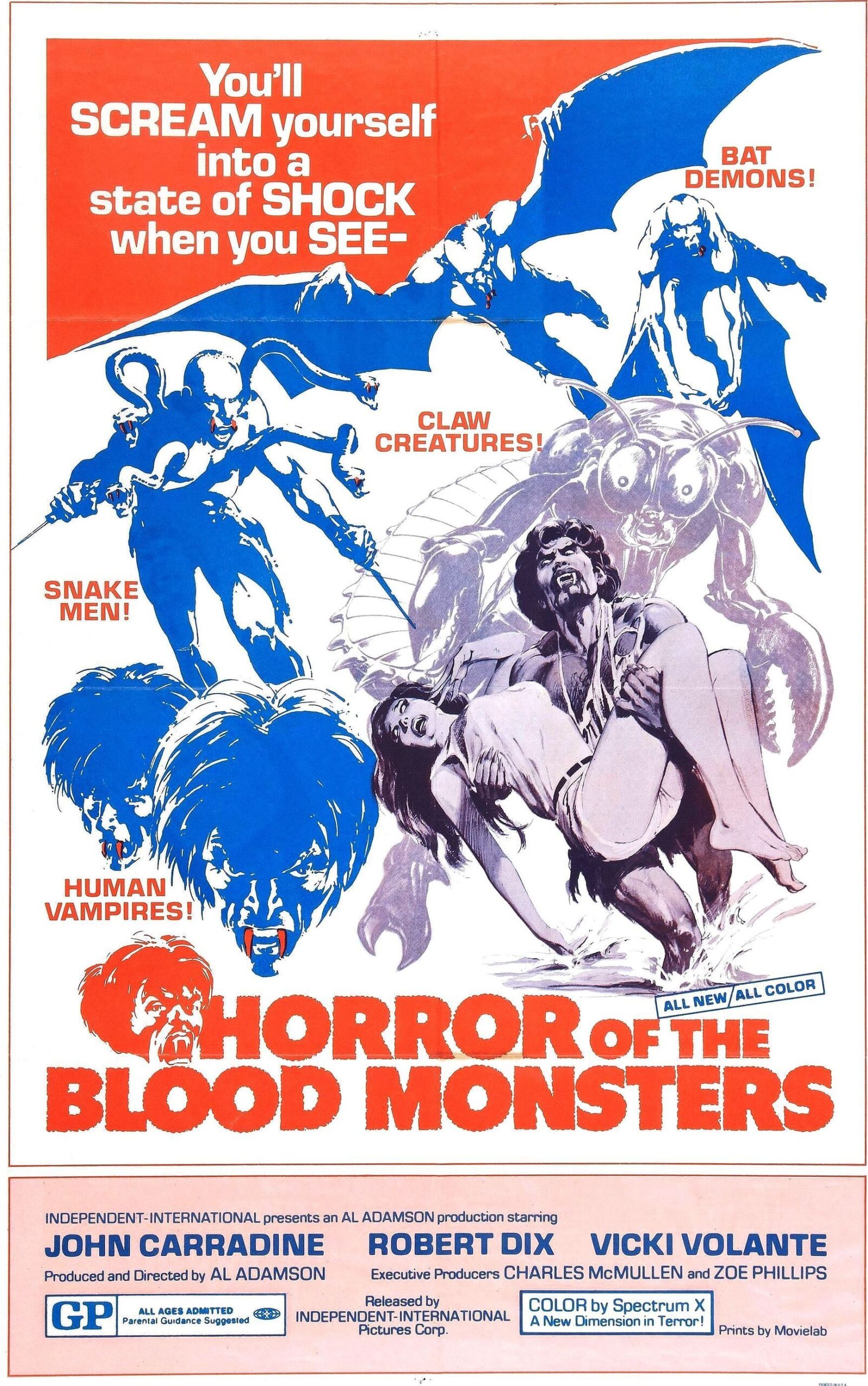
One of the great title matches of all-time and a surprise that Universal never thought to do it. In the hands of Z-budget director Al Adamson it is a wasted opportunity nd Zandor Vorkov the worst screen Dracula ever
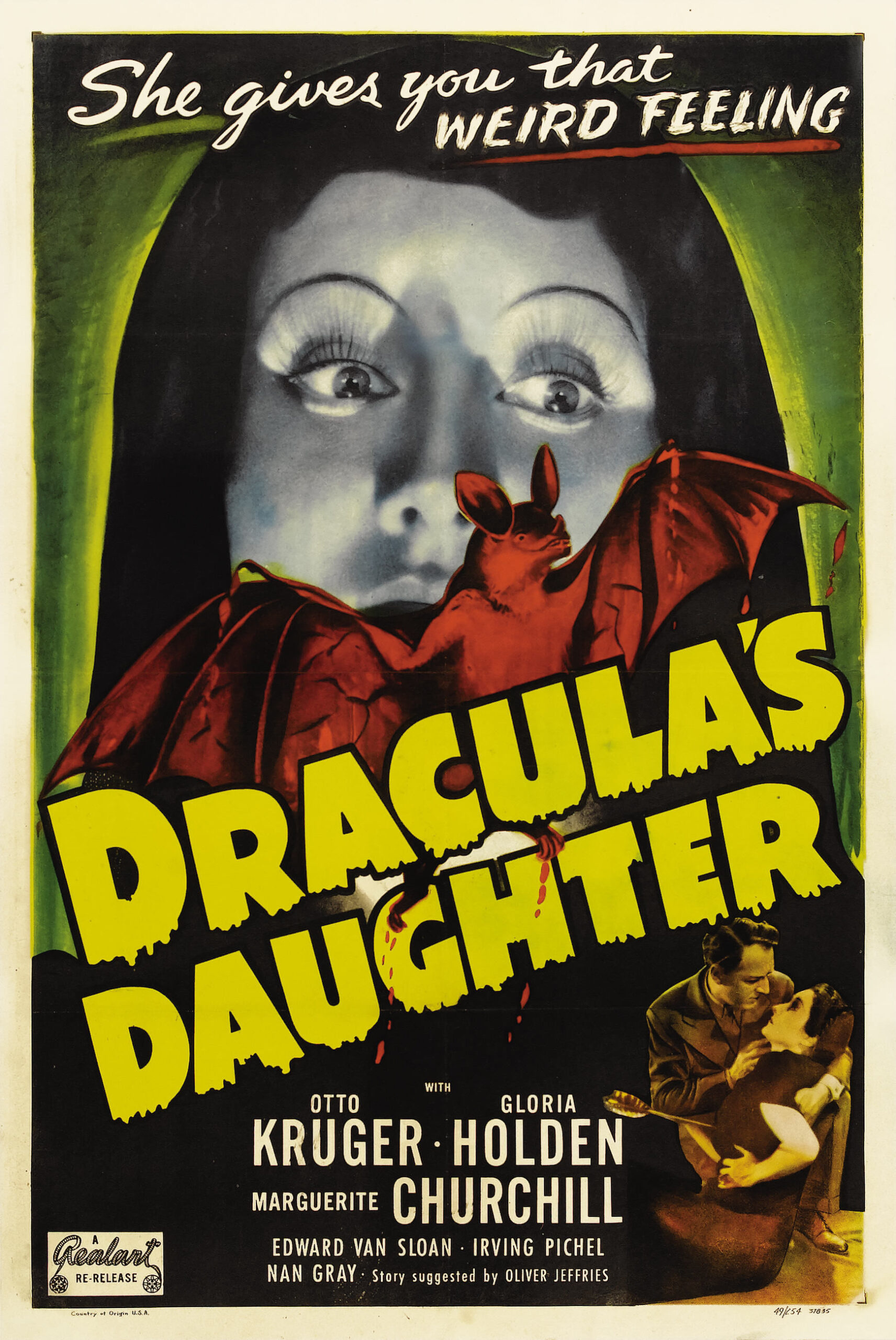
The first of the sequels to Universal’s Dracula this time without Bela Lugosi. A much better film in every way. creating a fine sense of atmosphere. Arguably the first lesbian vampire film.
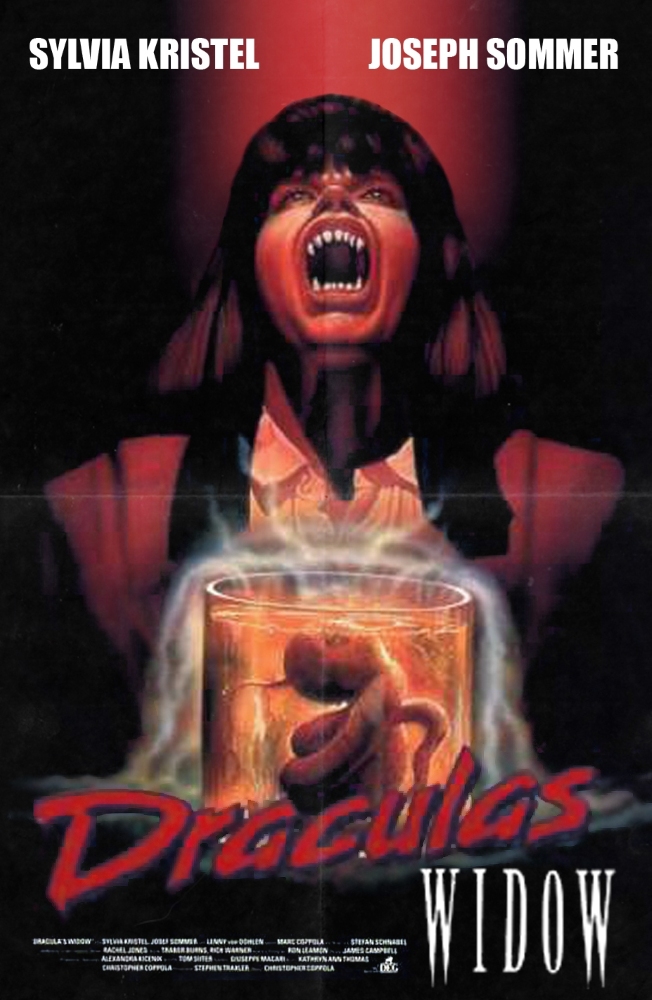
Christopher Coppola is worlds apart in talent from his uncle Francis. Here he directs a weak vampire film with Sylvia Kristel in the title role and transformation effects that look datedly cheesy today
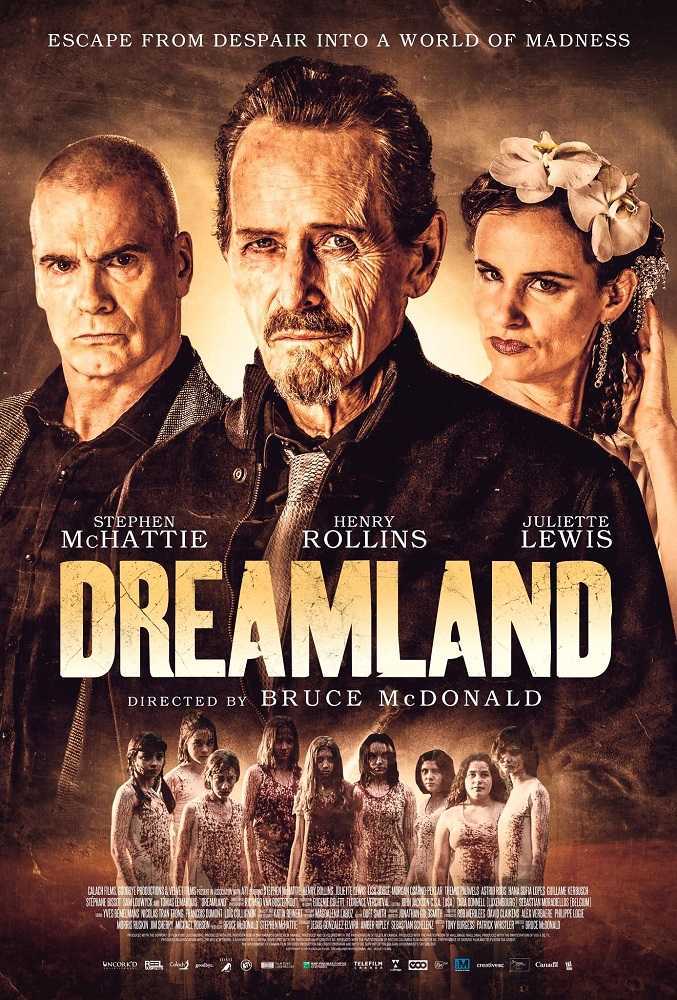
Bruce McDonald, who directed the standout Pontypool, makes a crime film where Stephen McHattie plays both a hitman and a heroin-addicted trumpet player. For head-scratching reasons, the film also includes a vampire
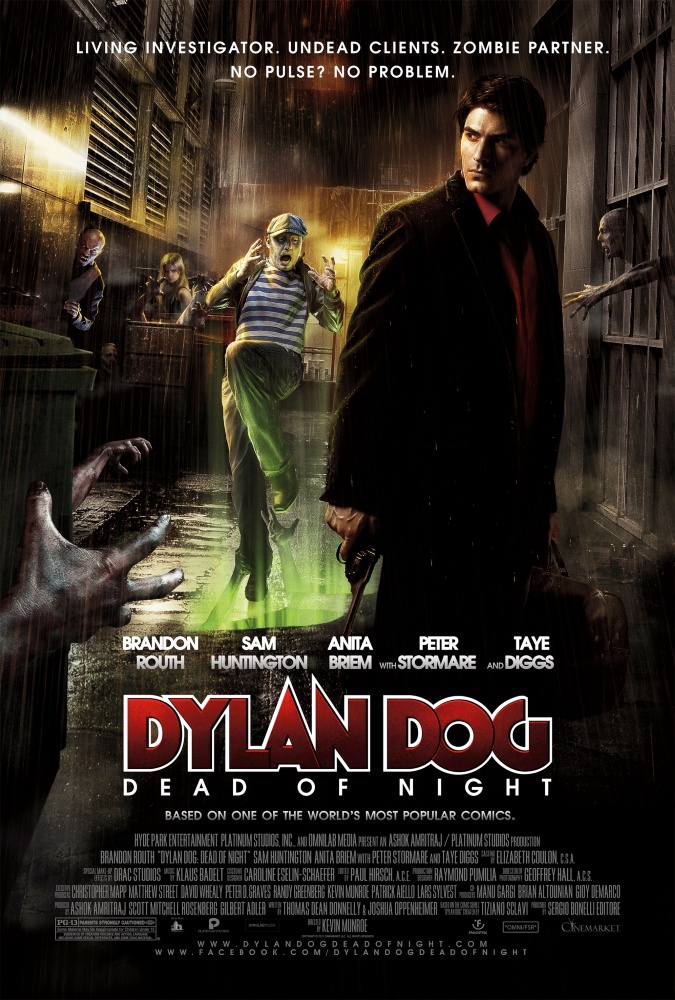
US film adaptation of a cult Italian comic-book about a private eye who investigates the supernatural, this comes out like a weak episode of tv’s Angel where a potential worthwhile idea descends to lame humour
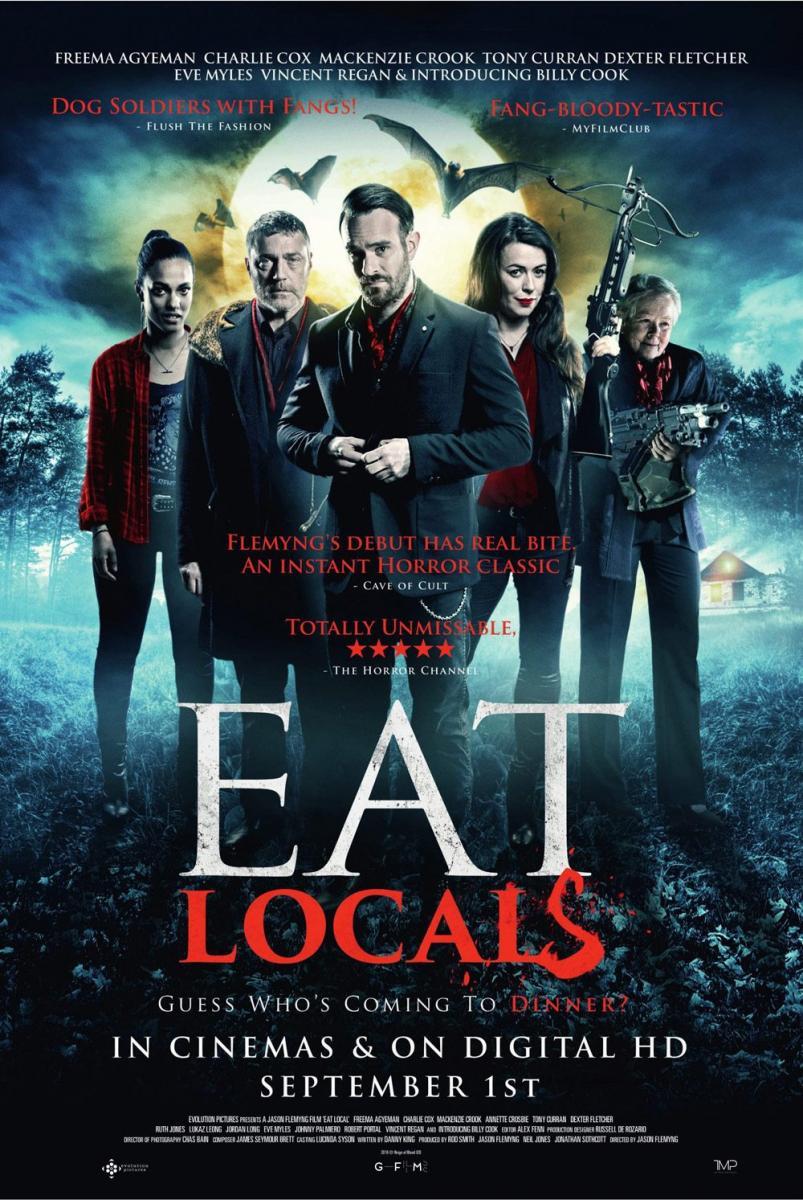
A vampire film directed by actor Jason Flemyng set around a group of vampires at siege in a farmhouse from a unit of vampire hunters. The vampire film is looking a little tepid post-Twilight era and this does little to turn the genre around
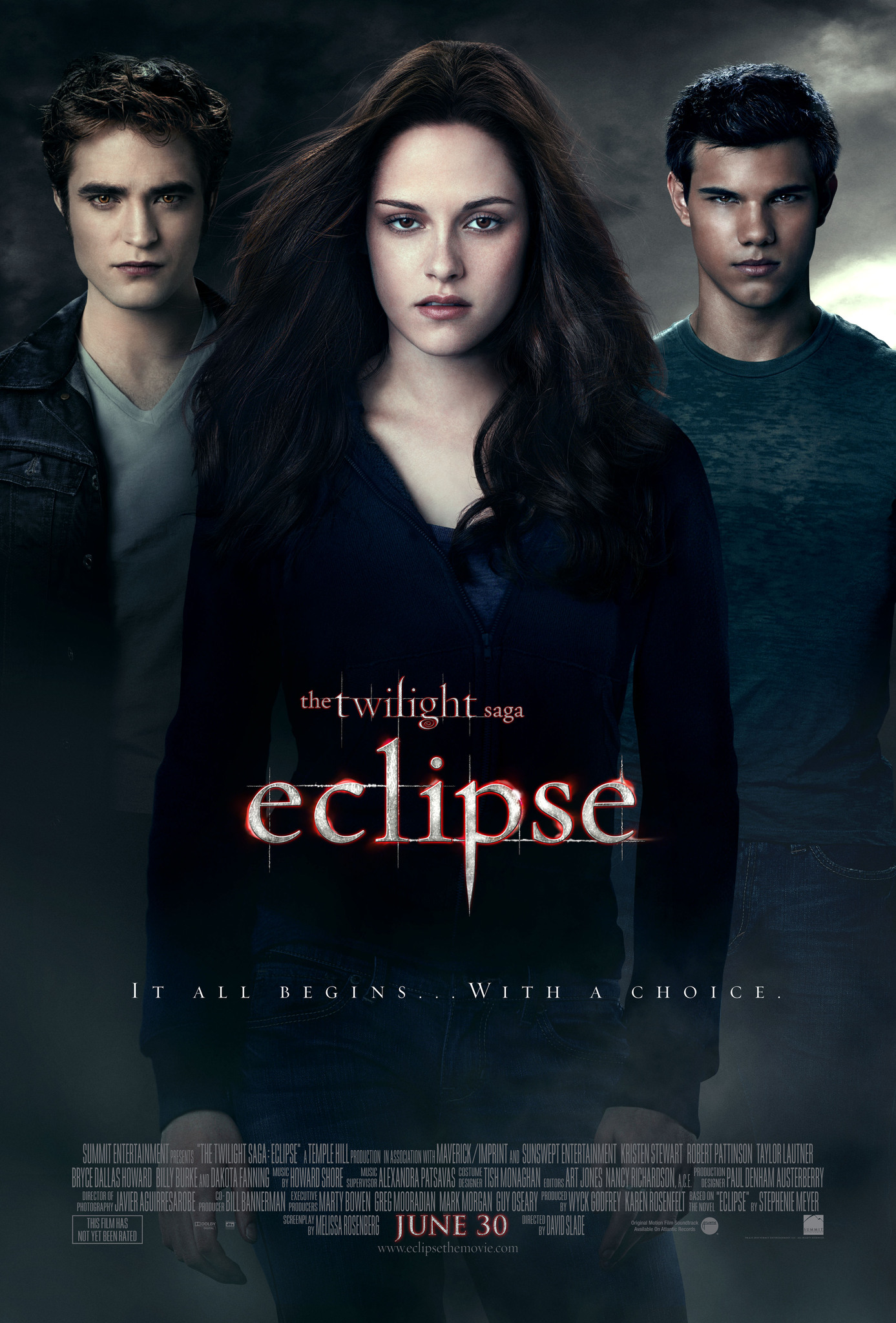
The third of the Twilight films. This extrudes the dramatic irresolution of the last film’s cliffhanger – should Bella marry Edward or does she really love Jacob? – with over-padded momentousness
This is a Canadian-made remake of the Alyssa Milano-starring erotic vampire film The Nosferatu Diaries: Embrace of the Vampire. For some reason, this is now minus the erotica and emerges as tepid
A surprisingly good work of vampire erotica made with some sensuality and apparent care by those involved, along with some quite imaginative touches of fantastique
Embrace the Darkness was a surprisingly good work of vampire erotica. This, the first of two sequels, seems more interested in being a horror film than erotica
One of the series of softcore Emmanuelle films based on an erotic memoir, which had led to some seventy films so far. Here the originally true-life character of Emmanuelle encounters Count Dracula
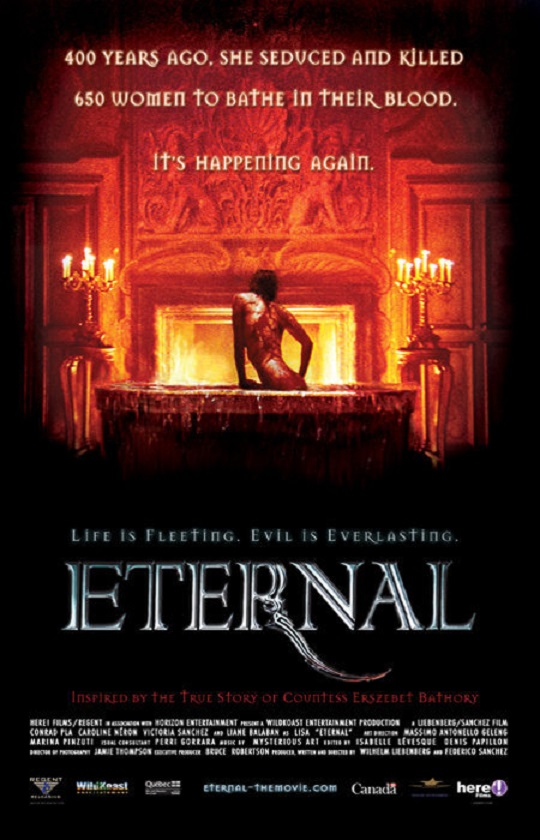
A film about Elizabeth Bathory living in the present day, this comes with the suggestion of erotic allure but disappointingly proves to be a pose without much substance
A gay vampire film set in a monastery. This suffers from a vague and confusing narrative and feels like a film that should have been more interesting than it is
The third in a trilogy of spookily eerie Japanese vampire films. This echoes the basics of Hammer’s Lust for a Vampire in being set at a girls’ boarding school, which is spun in interesting ways
A modern day vampire film that comes with the amusing idea of James Ransone as a vampire who lurks around AA meetings to find his prey
The first film from Spanish director Amando de Ossorio, later known for the Blind Dead series. A Euro vampire film starring Anita Ekberg, this proves dreary on all counts
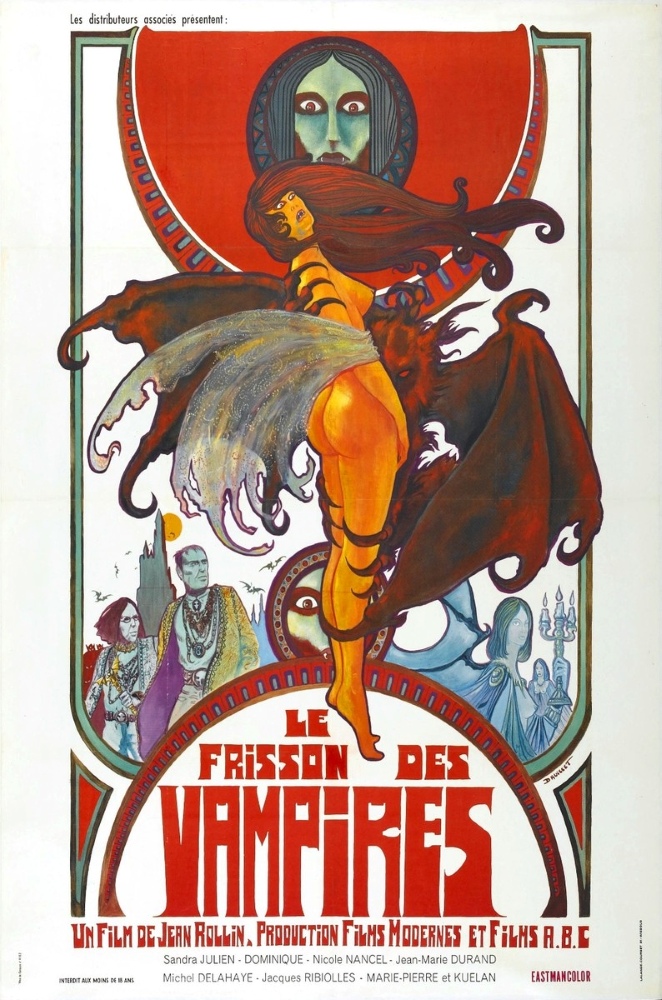
One of the films from cult French director Jean Rollin whose works always contained an arty mix of horror and erotica. This concerns mysterious blood-drinking rituals among a group of women at a chateau
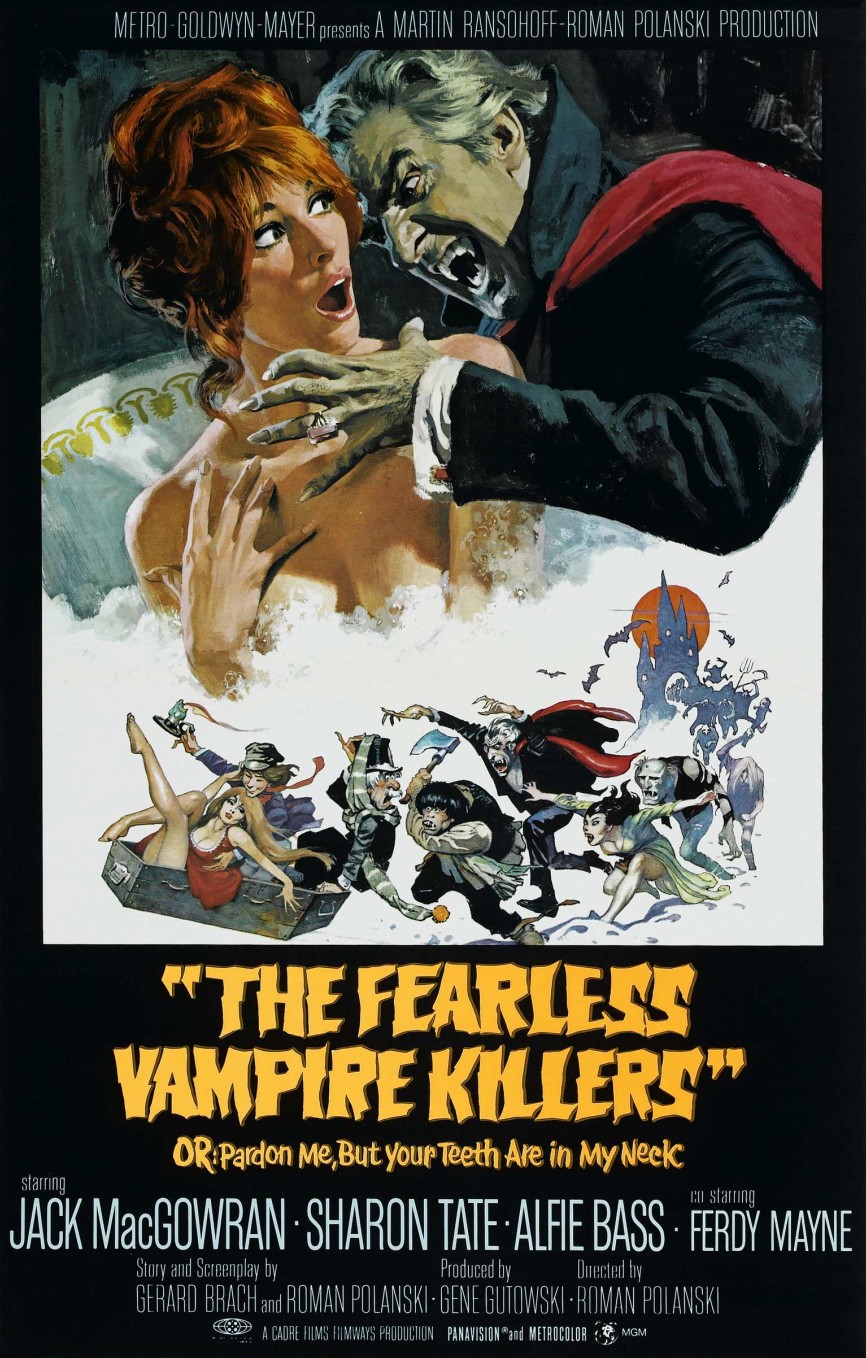
Roman Polanski misfired with this vampire comedy intended as a spoof of Hammer Films. Beautifully produced but comedy is not Polanski’s forte and the film seems to consists of much slapstick running around
Guy Maddin has perfected a blend of silent movie stylistics and hilariously surreal melodrama. This is a Guy Maddin film on acid, a sumptuously madcap fantasia of visuals wound around a tapestry of tall tales
From the underrated J.S. Cardone, a vampire film with a slick, kinetic action edge as a hitchhiker becomes drawn into the pursuit of a pack of vampires on the Texas backroads
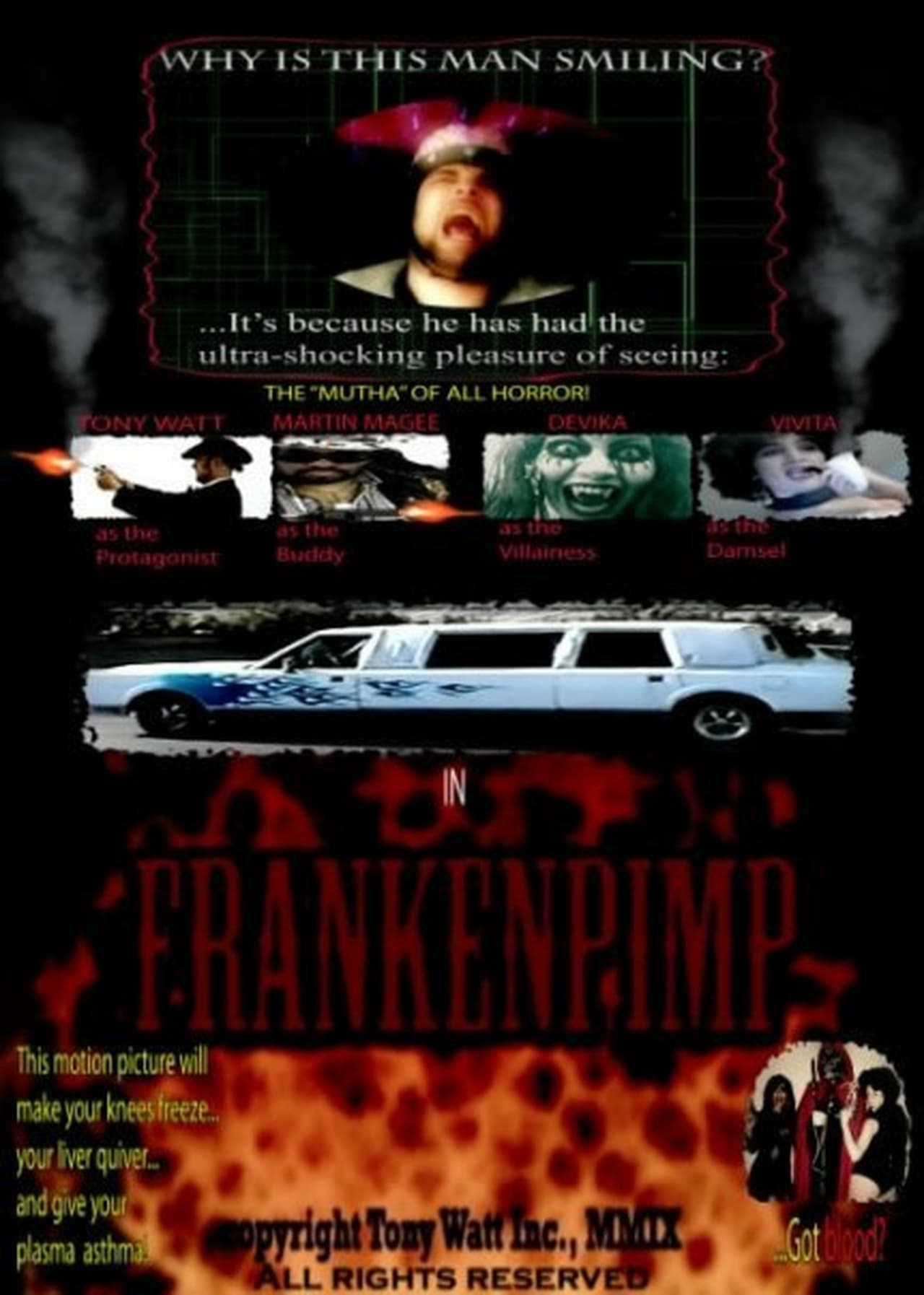
Possibly THE worst film ever made. Tony Watt throws an mash-up of exploitation elements together in an incomprehensible plot. A film that made me want to hammer a nail through my eyeball rather than keep watching
Not a Frankenstein film but a werewolf film. Spanish actor Paul Naschy debuts his signature role of the wolfman Waldemar Daninsky. Naschy would return to the role nine times, as well as play most of the classic horror characters
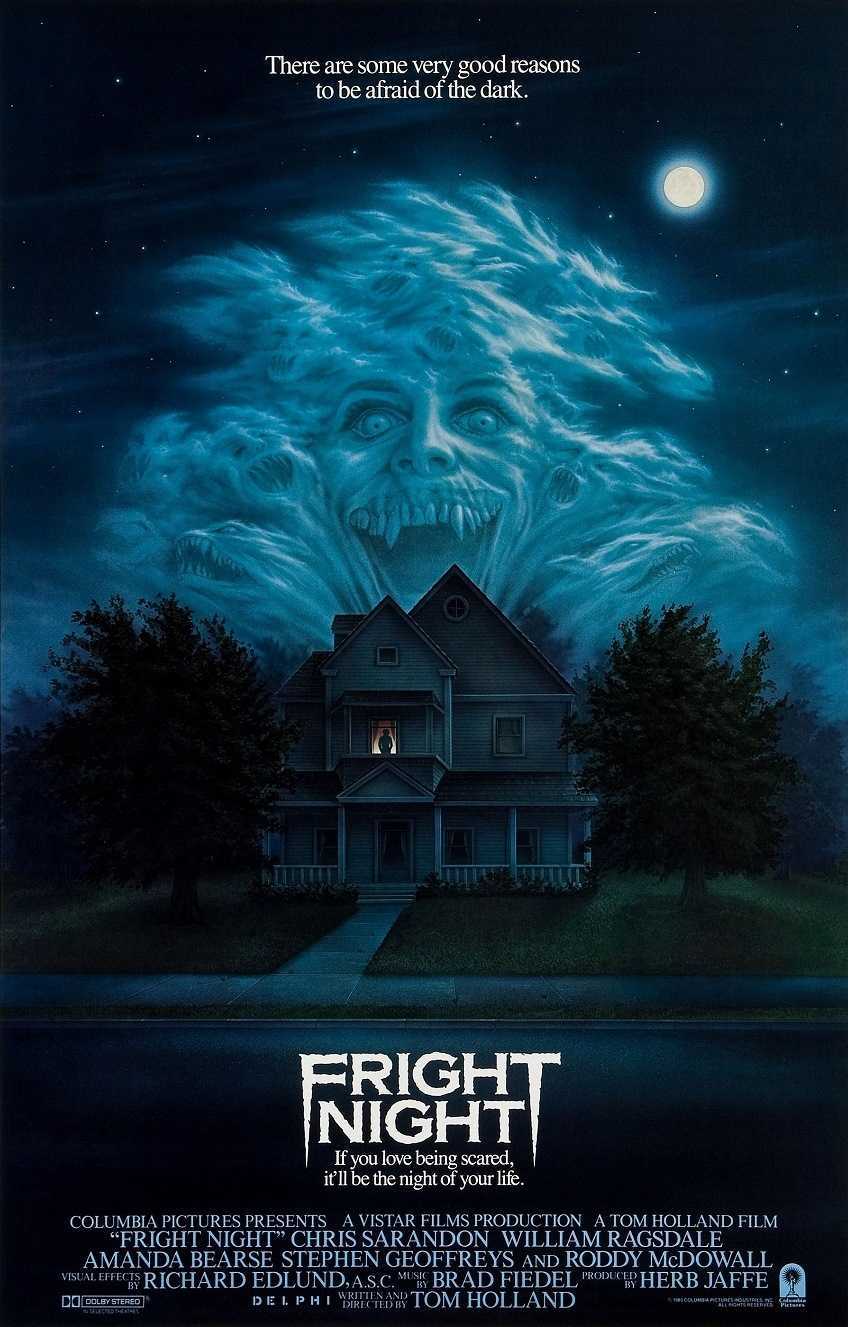
Slick well made film that successfully transplants the vampire to modern suburbia. Made with a top-drawer arsenal of effects, including taking a leaf from An American Werewolf in London and showing a detailed man into bat transformation
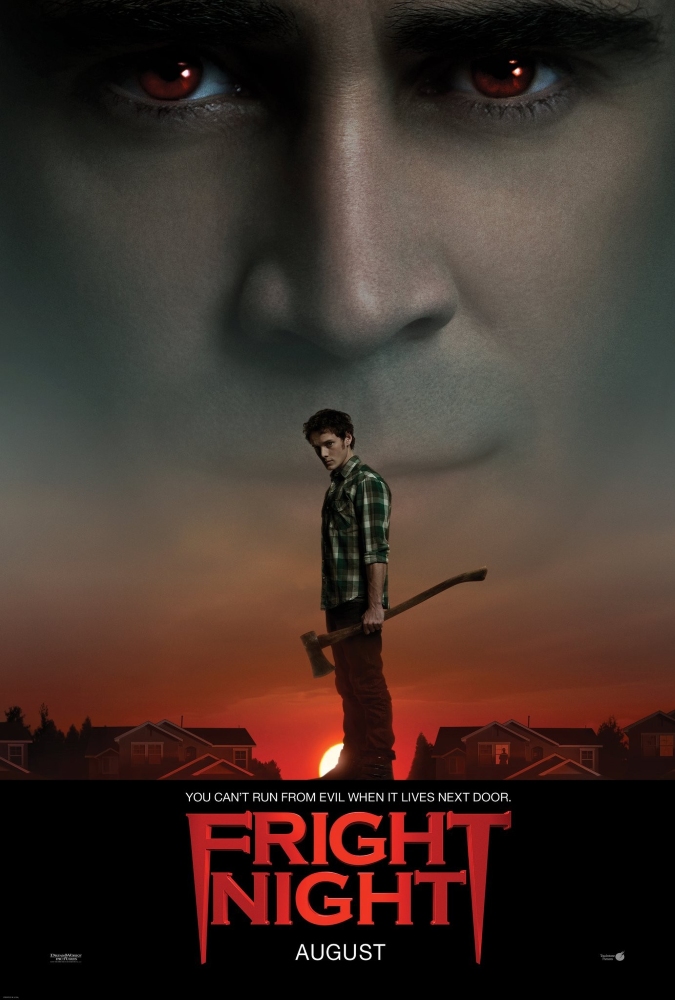
Another 1980s horror remake that resurrects and changes the original to little purpose. This fails to understand that what was original in 1985 lacks much when placed alongside contemporary vampire films
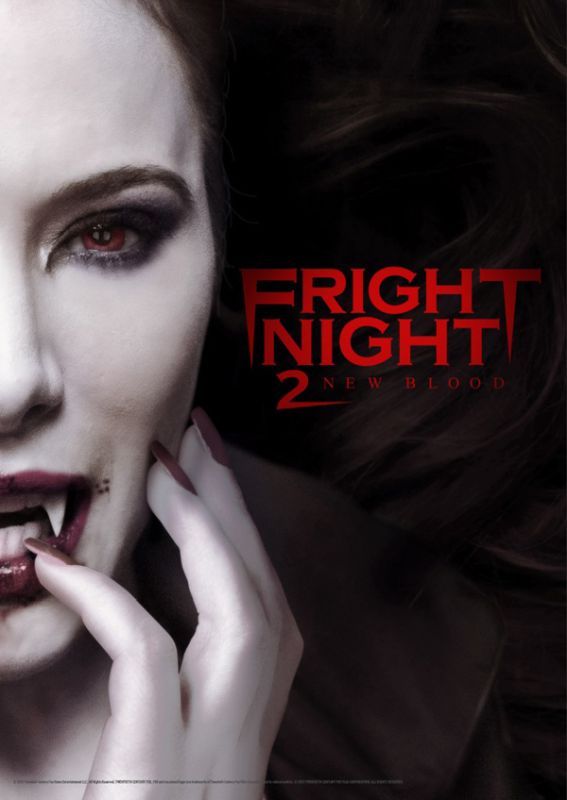
Supposedly a sequel to the 2011 Fright Night remake but more a loose reworking of the original. This conducts some novel variations such as making Jerry Dandridge into a woman, but is also one of the worst directed horror films in some time
Sequel to Fright Night, this basically rehashes what went before but introduces Jerry Dandridge’s sister. This does come with the benefit of some way-out stylistic effects from director Tommy Lee Wallace
One of the early films of French director Jean Rollin who gained a cult following for his vampire films that offer a near-plotless blend of artily surreal imagery and erotica
Robert Rodriguez and Quentin Tarantino combine forces on a film that begins as a getaway thriller and then abruptly morphs into a vampire film. This has a smart edginess to it but the vampire scenes have not dated well
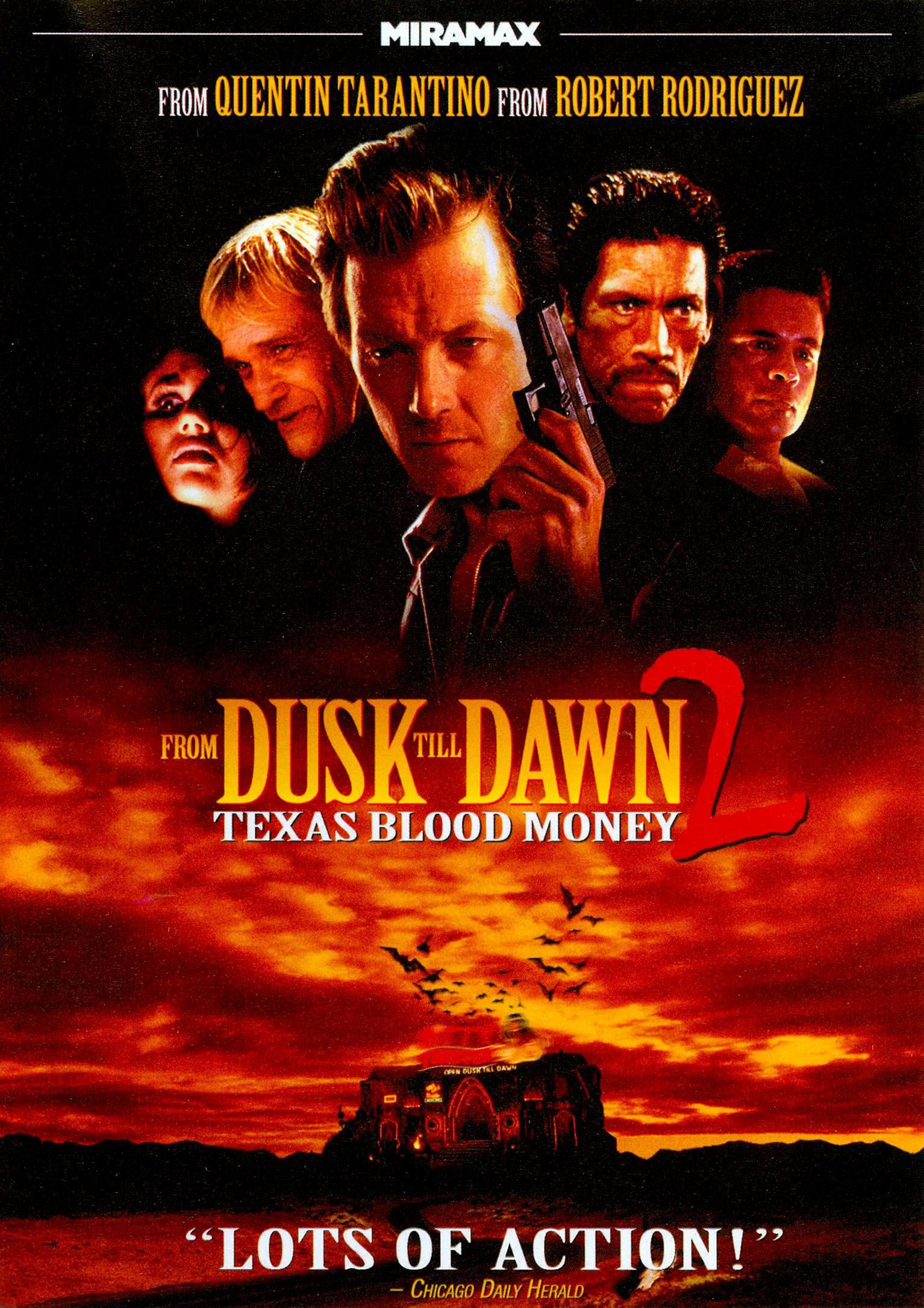
The first of two video-released sequels to From Dusk Till Dawn, this spins the premise to have a group of robbers at siege from police inside a bank vault as they are attacked by vampires
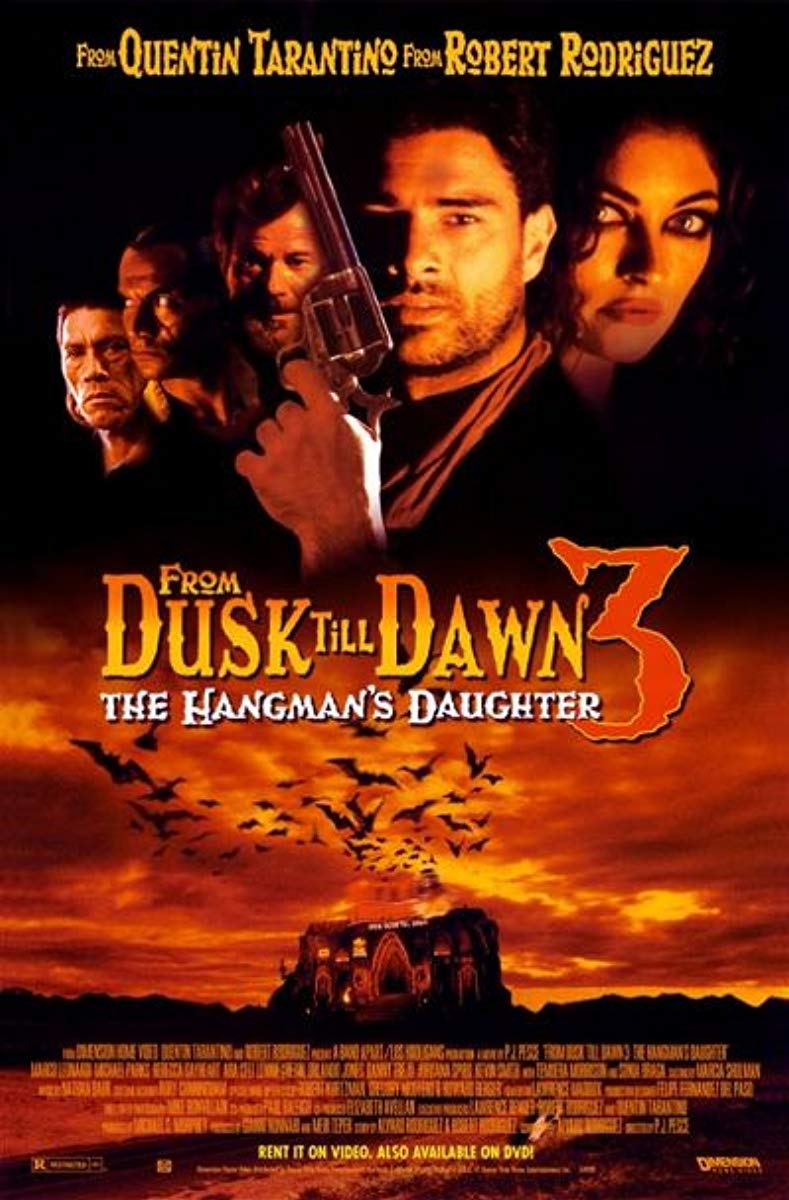
The second and best of the From Dusk Till Dawn sequels. This takes the story back and retells it in a Western setting where it offers some clever twists on the original
Kevin VanHook, otherwise a visual effects artist, directs a vampire hunter film that looks like a low-budget copy of better works like Blade and Vampires
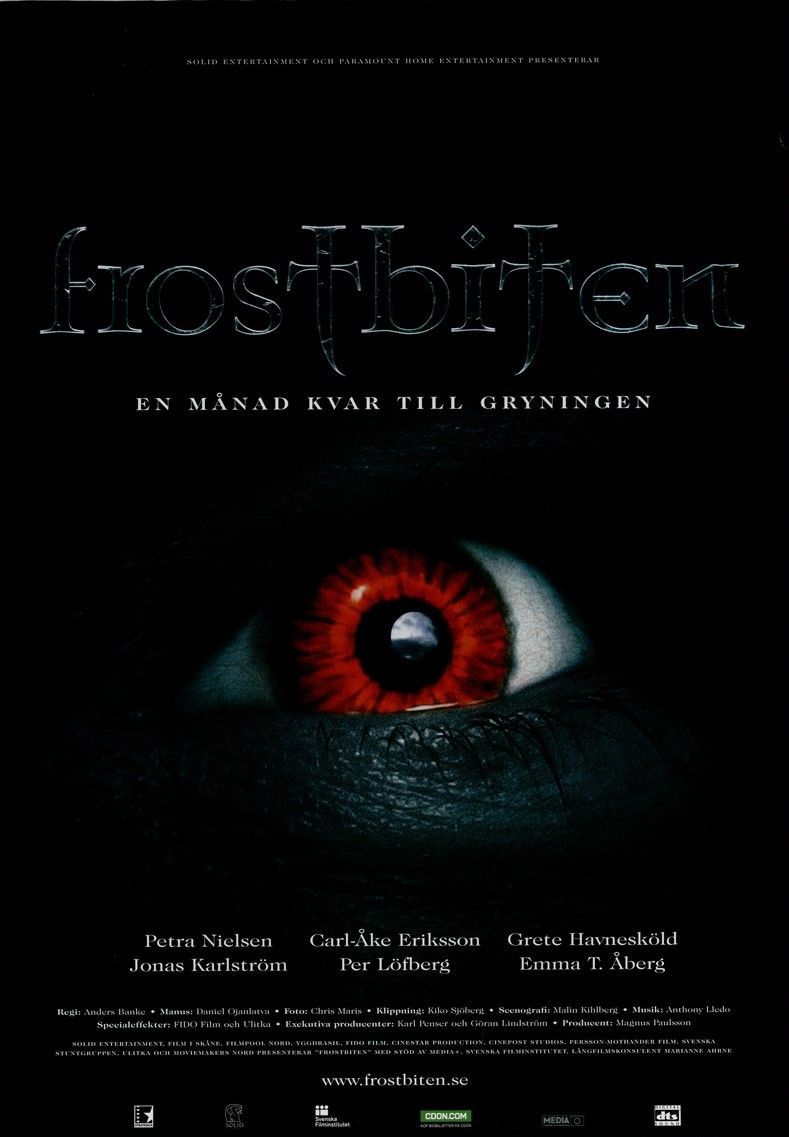
Swedish film about vampires at a smalltown hospital and vampire pills thought to be party drugs that spread around the town. This is made with an uneven sense of black humour
Fascinating Blaxploitation vampire film. In contrast to the more popular and cheesier Blacula, this is arty, oblique, almost an experimental film that manages to offer a unique take on the vampire film
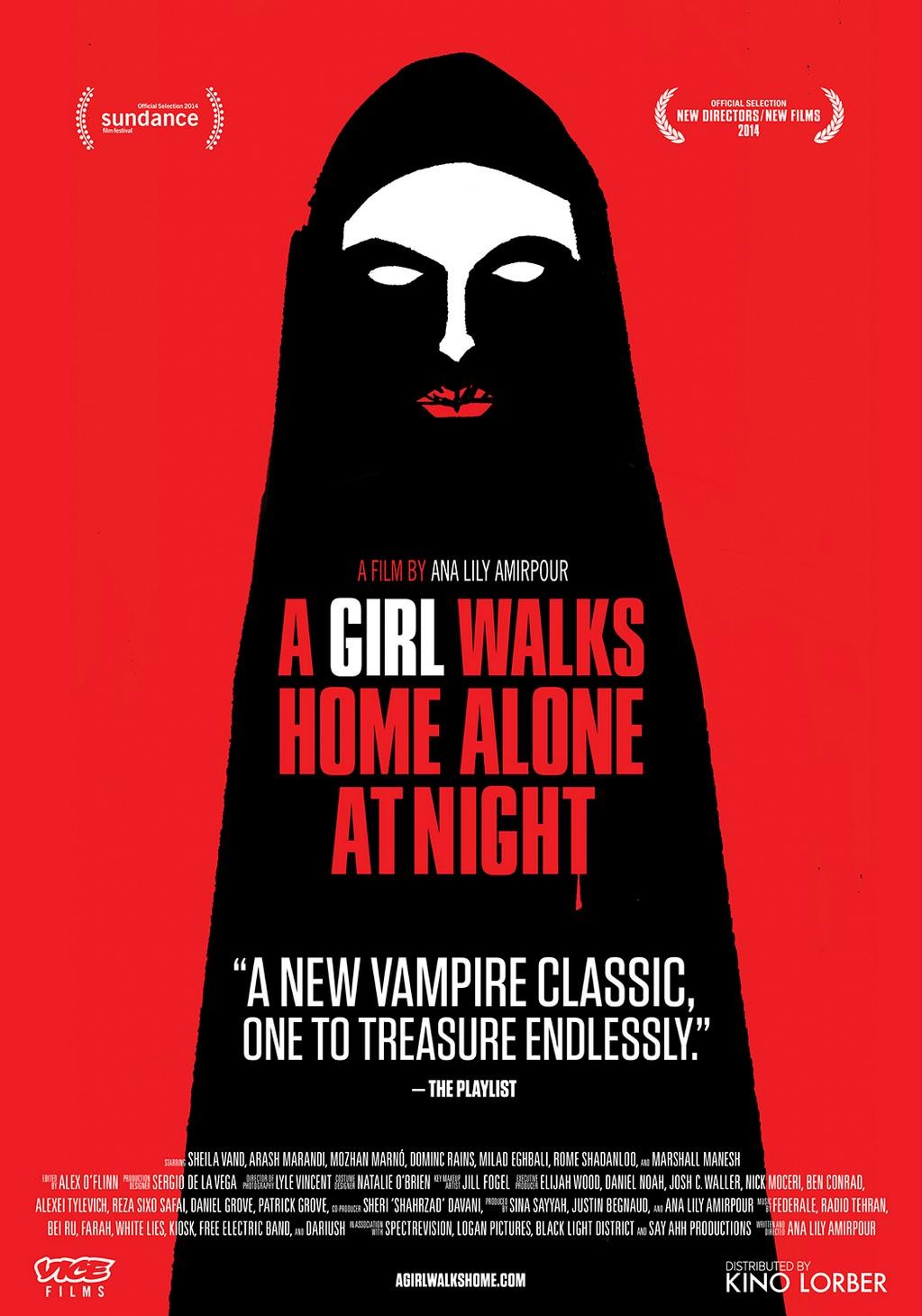
Claimedly the world’s first Iranian vampire film. Although not quite the case, this is an attention grabbing pitch. The film has the wonderfully haunted quality of a Nadja while inverting vampiric and Islamic imagery with sensational regard
Based on a short story by Fritz Leiber, this is a low-budget vampire film that quickly collapses amid its absurd artistic pretensions
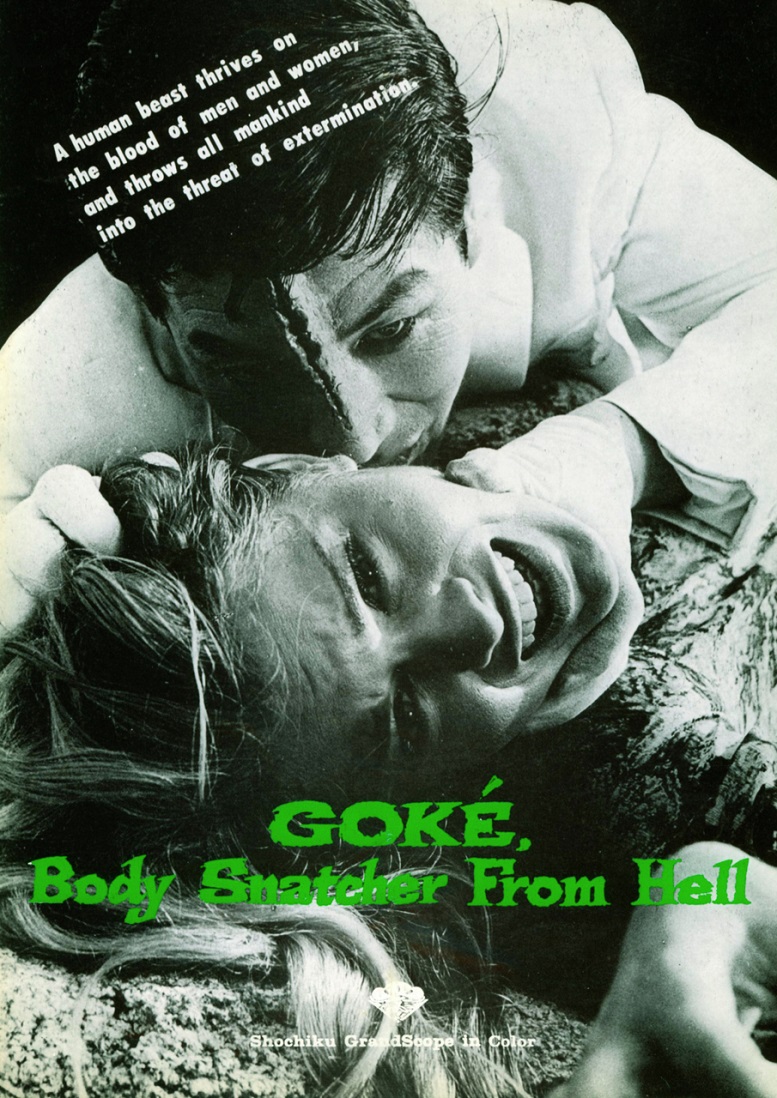
A thoroughly demented Japanese sf/horror film about passengers of a crashed plane being menaced by a body-snatching alien vampire. Quite unlike any other Japanese monster movie, the colour schemes alone leave you giddy
New Zealand director David Blyth’s children’s film starring Al Lewis (the grandpa from tv’s Te Minsters) as a grandfather vampire is a toothless oddity that fails to work
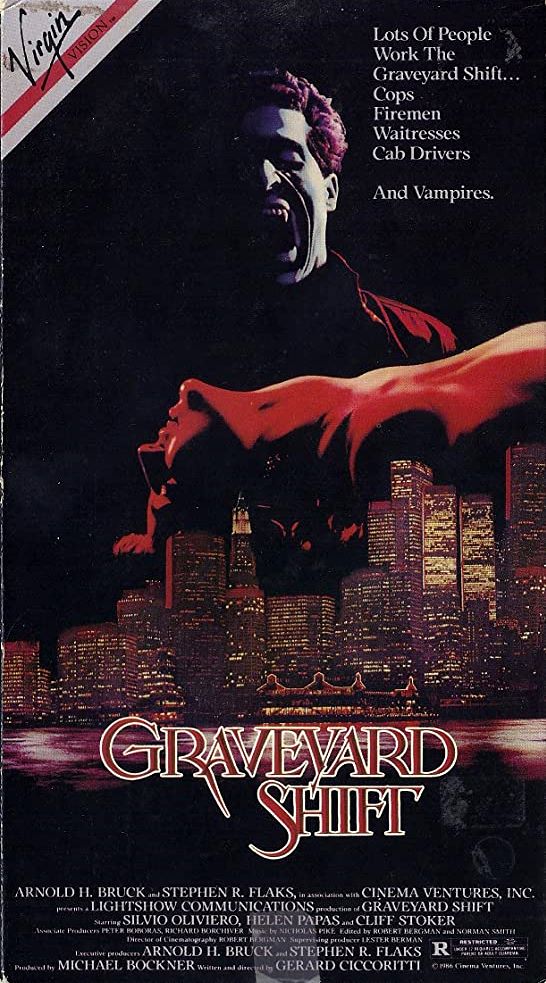
Stylish New Wave film about an existential vampire taxi driver meeting a woman film director who has received a terminal diagnosis. From the underrated Gerard Ciccoritti
A forgotten effort made during the 1960s/70s resurgence of the vampire film. One of the first films to depict Dracula in the present-day. The answer to the title question is that he is now running a nightclub in L.A.
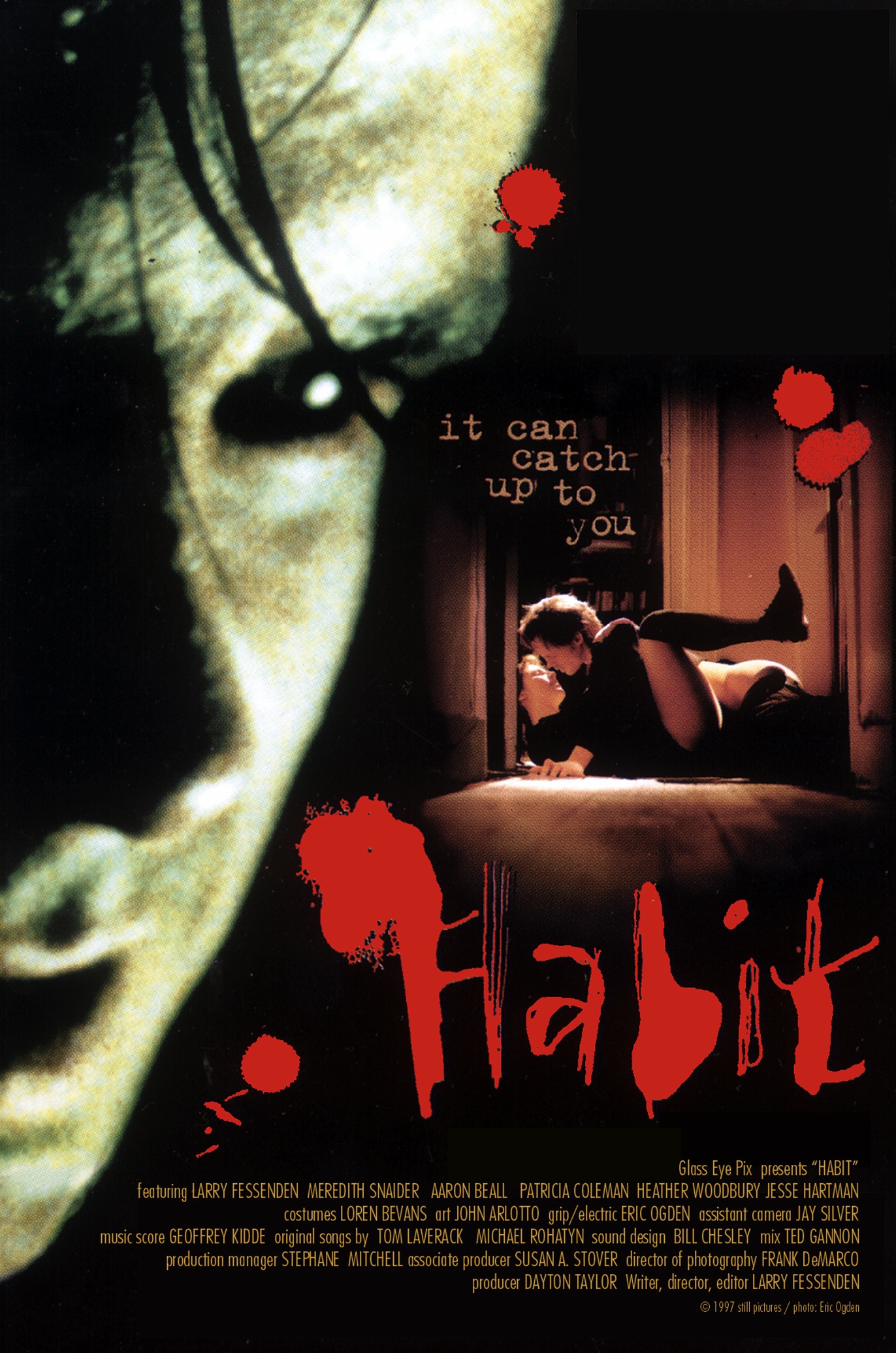
Larry Fessenden film in which he also plays a man who gets into a relationship with a vampire woman. Low key and with an emphasis on kitchen sink realism, leading to some quite striking scenes
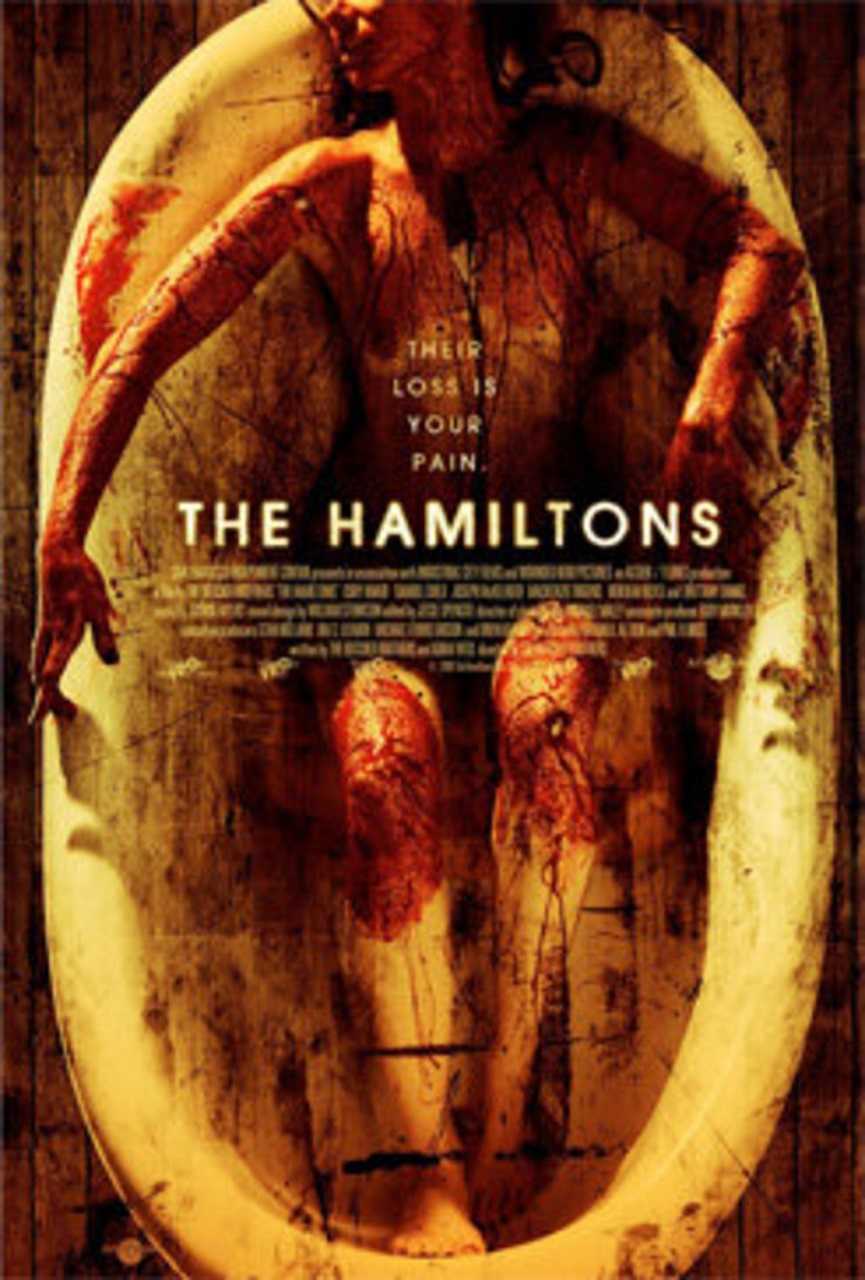
An indie horror film about a strange and disturbing family of adult children. The whole film hangs on an interesting mid-film conceptual revelation
A Euro vampire film that exists under several different titles. Andrew Prine goes to an island after the death of his father only to disturb the tomb of a vampire queen
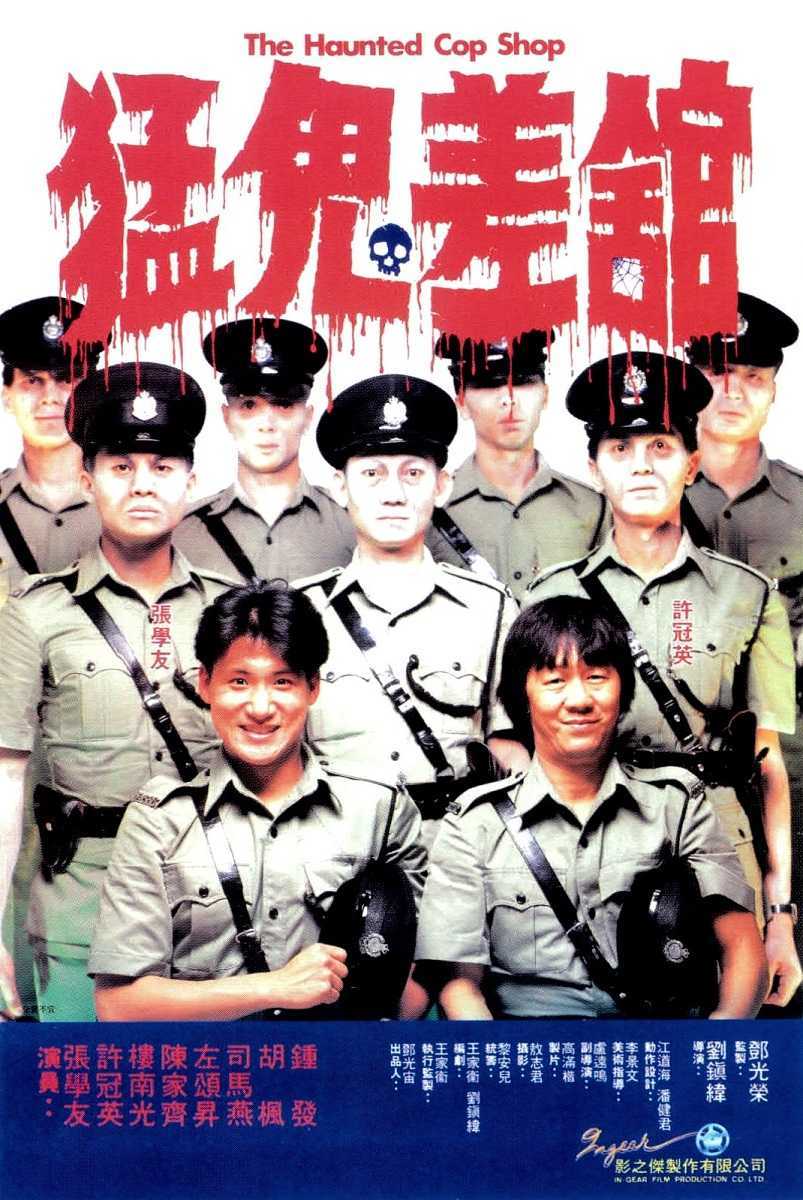
A madcap Hong Kong comedy that takes more than a few leaves from the Mr Vampire films with cops fighting off vampires in a haunted police station. A popular hit.
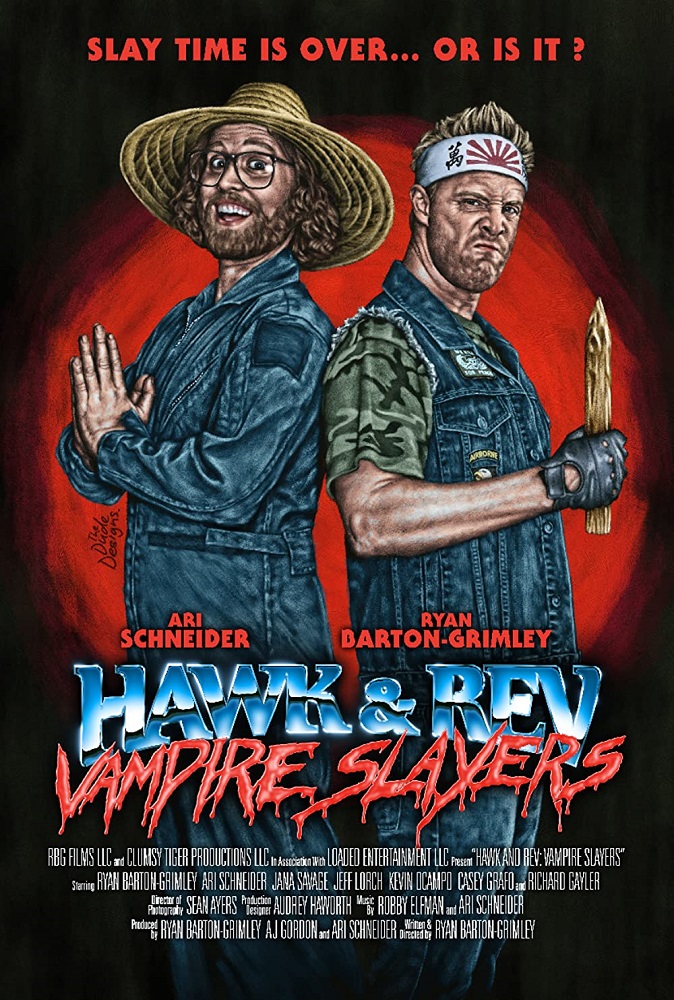
An appealingly witty comedy where two losers set out to become vampire hunters with fumblingly inept results. Written and played with a snappy, sarcastic appeal
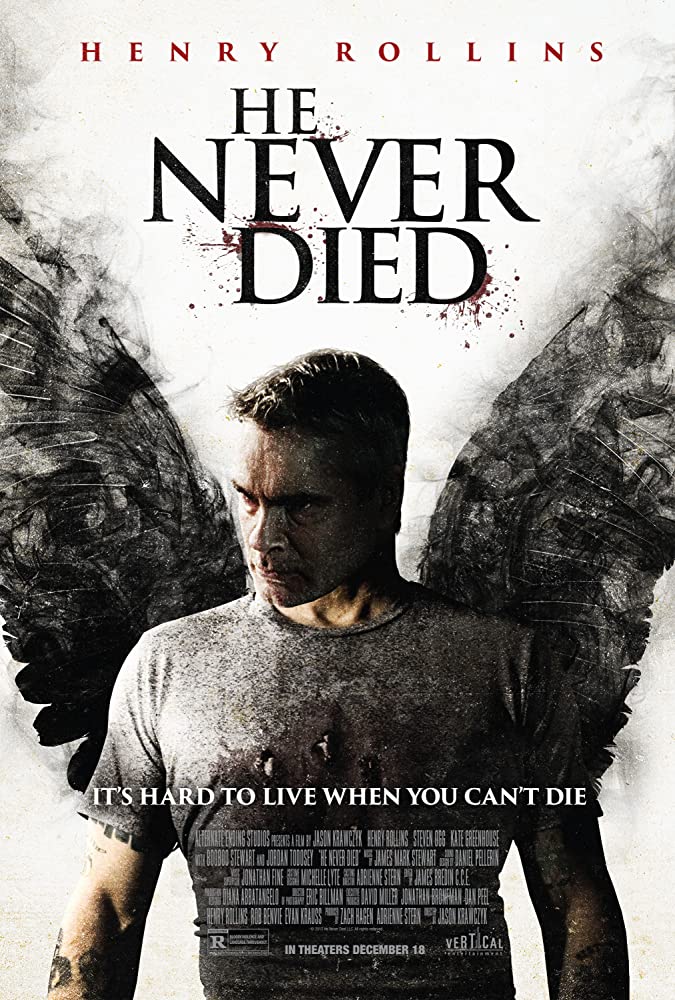
Henry Rollins is a man who may be immortal. Sort of like a dark version of The Man from Earth, this is made by the wittily phlegmatic indifference of Rollins’s performance and fascinatingly littered clues about who he might be
Reboot of the Hellboy series promisingly comes from Neil Marshall but is also made by Millennium Films who have a habit of buying up previously successful properties and churning out cheaper spinoffs
The second of two animated Hellboy spinoffs, this renders what might have been impressive superheroics had they been conducted in live-action down at the level of children’s animation
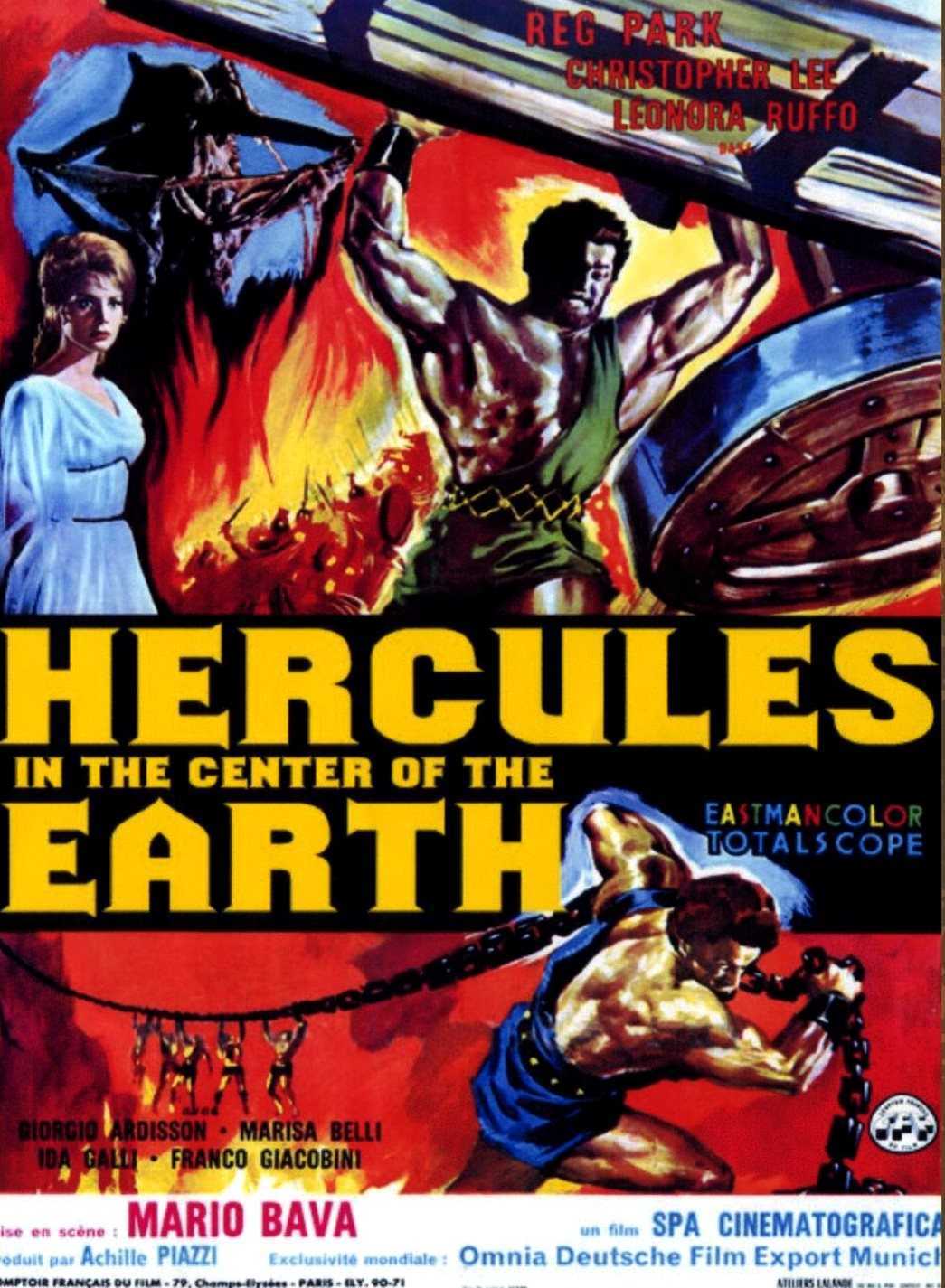
Known under a host of different titles, this is one of the better Italian Hercules films of the 1960s. The great Mario Bava adds vivid atmosphere. With Christopher Lee as the villain
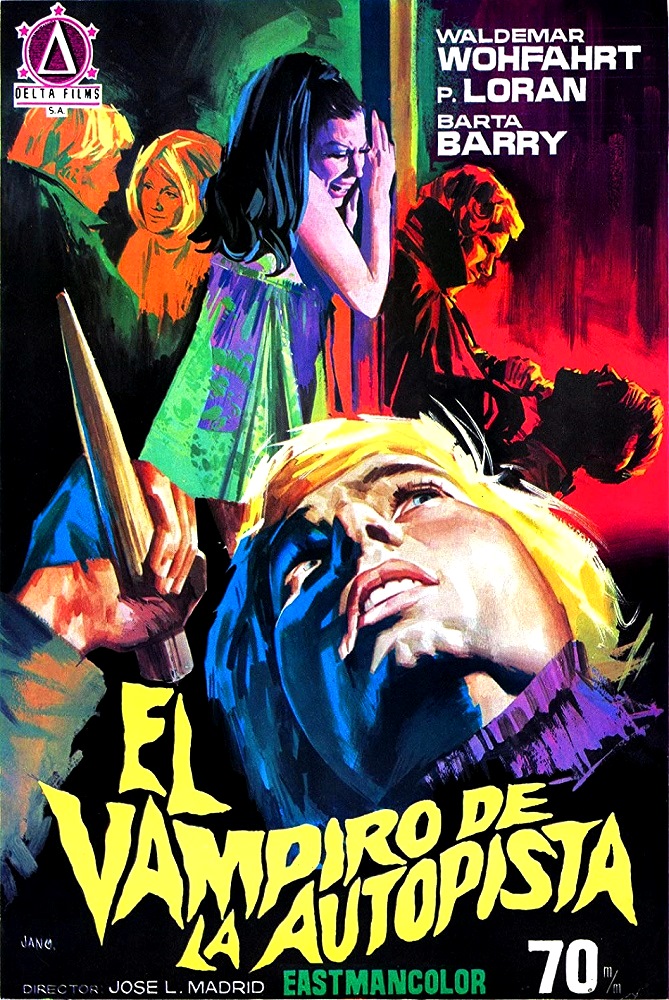
Work of 1970s Euro horror from Spain that comes influenced by the Hammer Dracula films. The rather dreary film on show belies the sensational promise of the English-language title
Film from Z-budget filmmaker Al Adamson. Most of this is reissued from a Filipino caveman film, along with a handful of filler scenes slung together from odds of Adamson’s other half-finished films
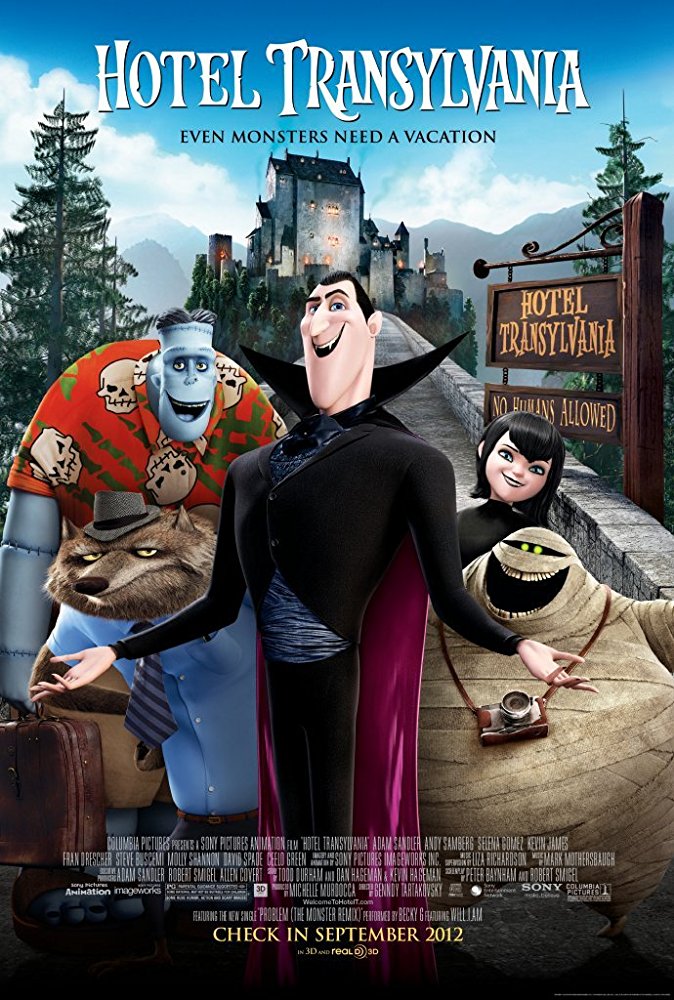
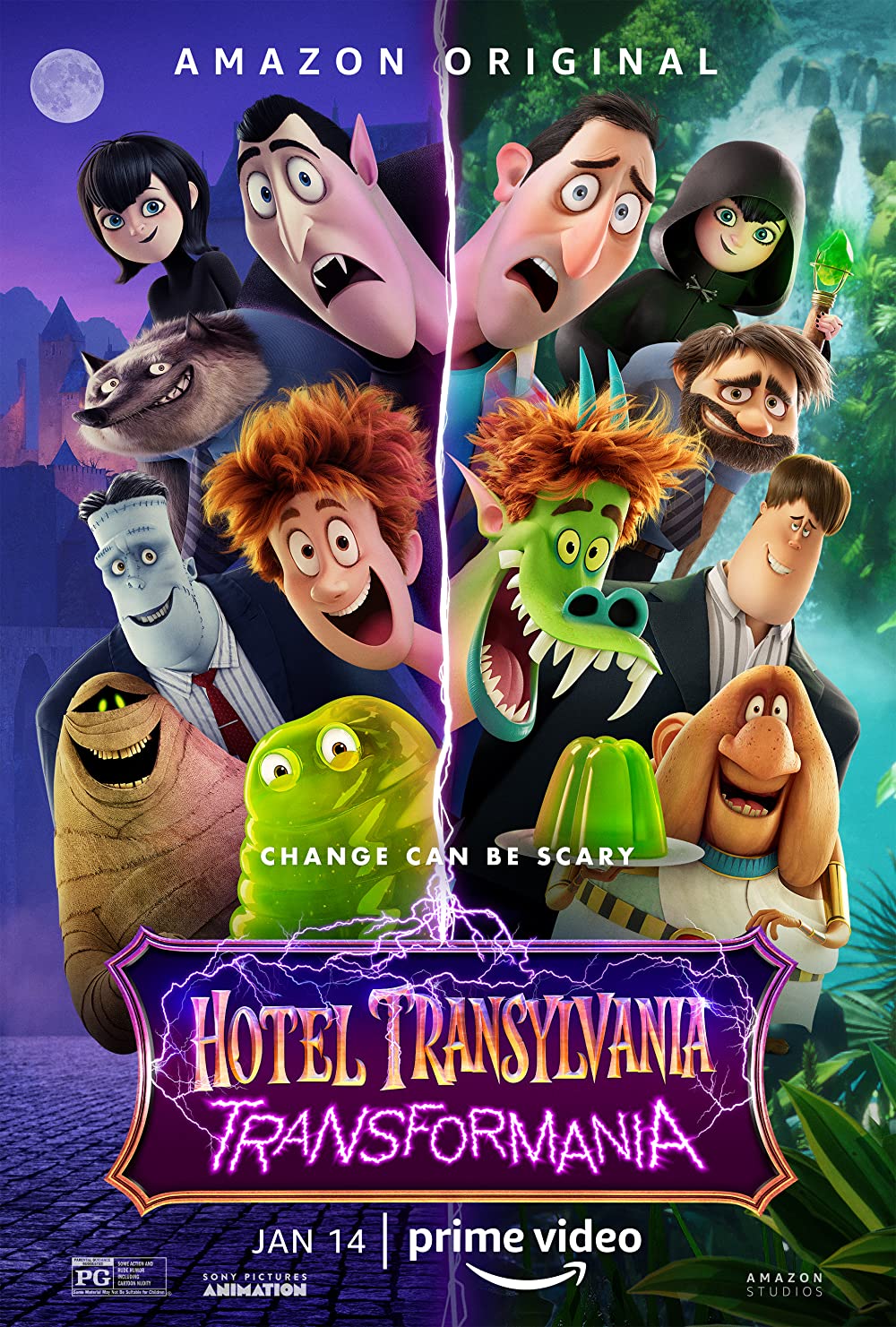
A variant on the much more charming Mad Monster Party?, an animated film featuring cute cuddly versions of the Famous Monsters (Dracula, Frankenstein’s monster, wolfman etc) with Adam Sandler voicing Dracula
I had little enthusiasm for this, I tend to like my classic monsters serious rather than defanged – these Hotel Transylvania films are so watered down, Dracula doesn’t even get to drink blood
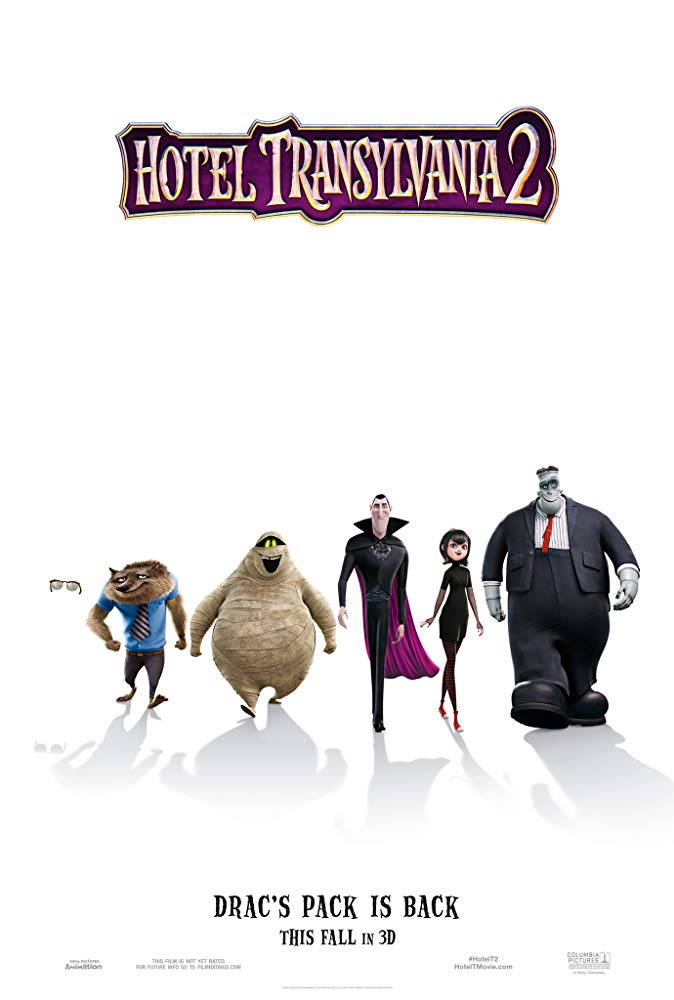
I’m not a fan of the Hotel Transylvania films and their reduction of the Famous Monsters to slapstick yocks. This is exactly the same as the preceding films, no better, no worse and with only minute plotting difference
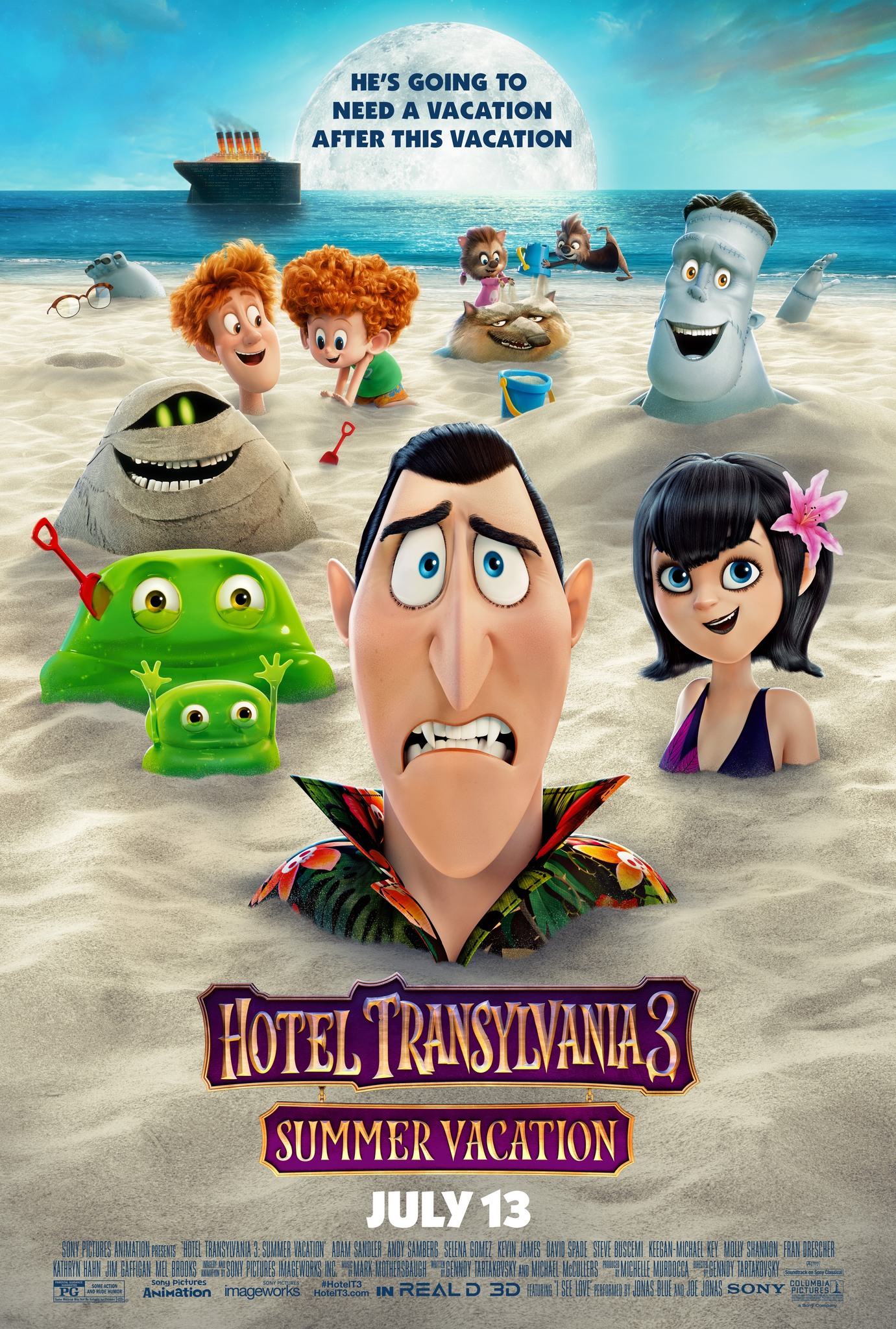
Minus Adam Sandler this time, the Hotel Transylvania series trots out a fourth entry. Here, in some search for novelty on what has gone before, the monsters are turned back into humans
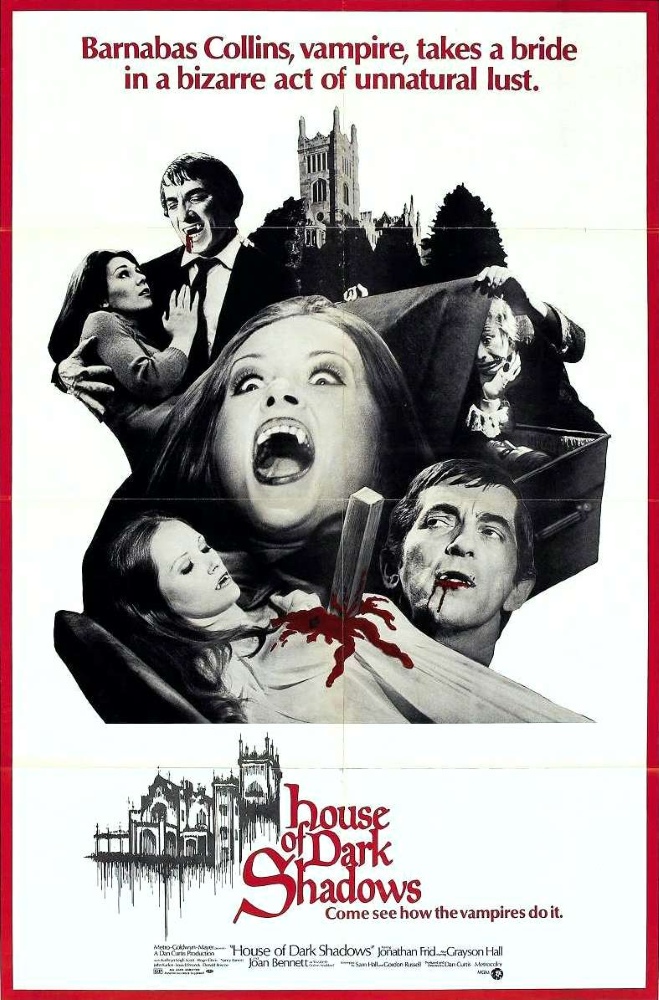
The first film based on the cult Gothic tv soap opera Dark Shadows, this is designed to highlight the series breakout character of Jonathan Frid’s vampire Barnabas Collins
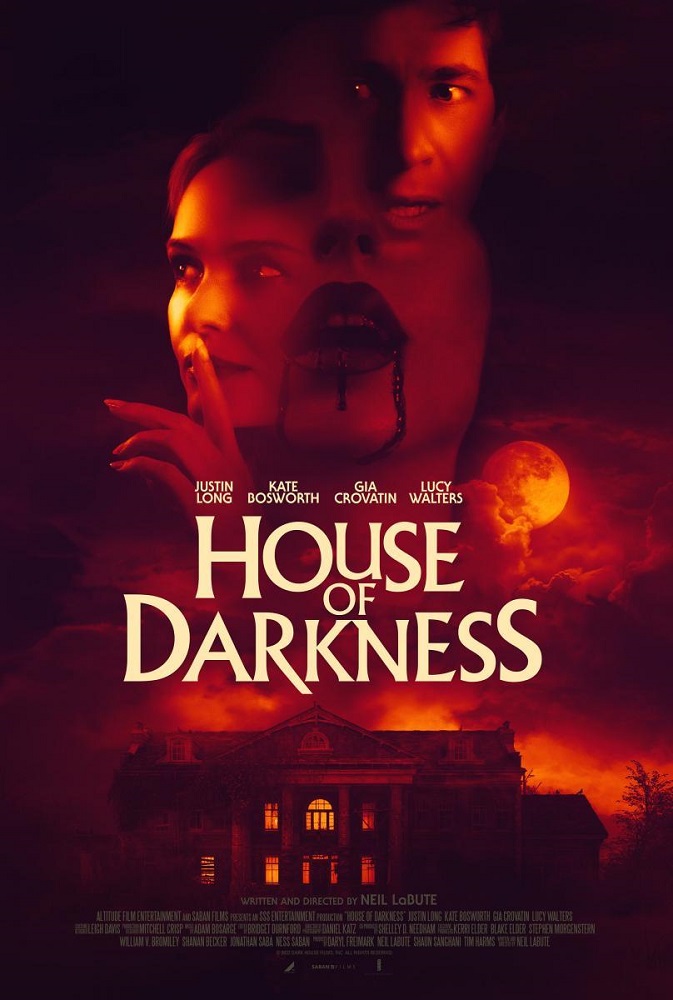
Neil LaBute conducts a vampire movie take on the war of the sexes that comes with a satisfying bite. Justin Long gets more than he bargained for when he accompanies the girl he picks up in a bar home
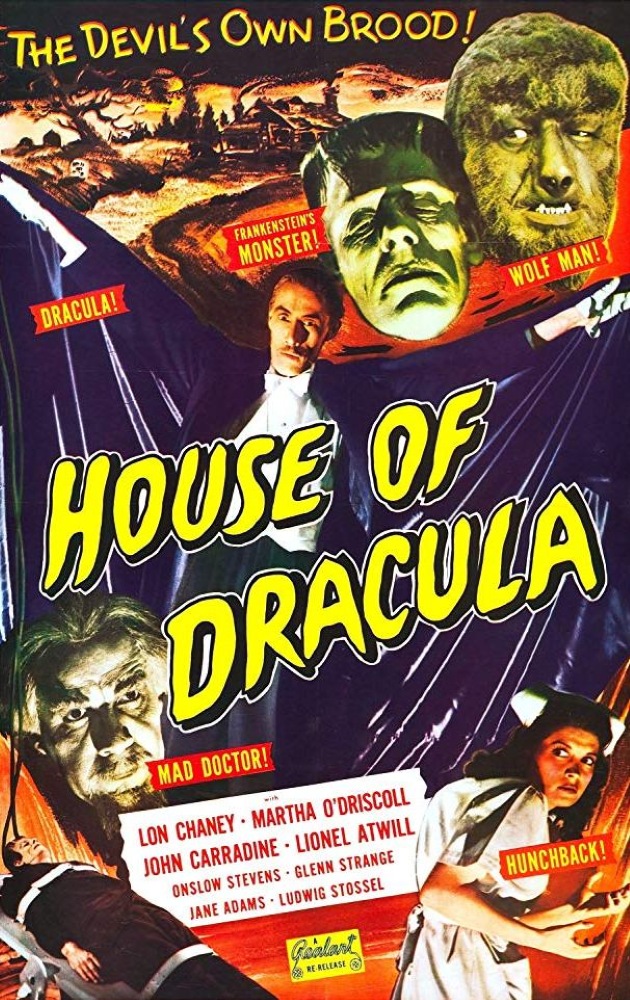
The third of Universal’s monster bashes, a successor to the previous House of Frankenstein. These Universal crossovers felt contrived in their reasons to bring the monsters together but this works better than the others
The second of Universal’s team-ups of their in-house monsters and superior to the first of these, Frankenstein Meets the Wolf Man. Despite some imaginative moments, the script has a stitched-together improbability
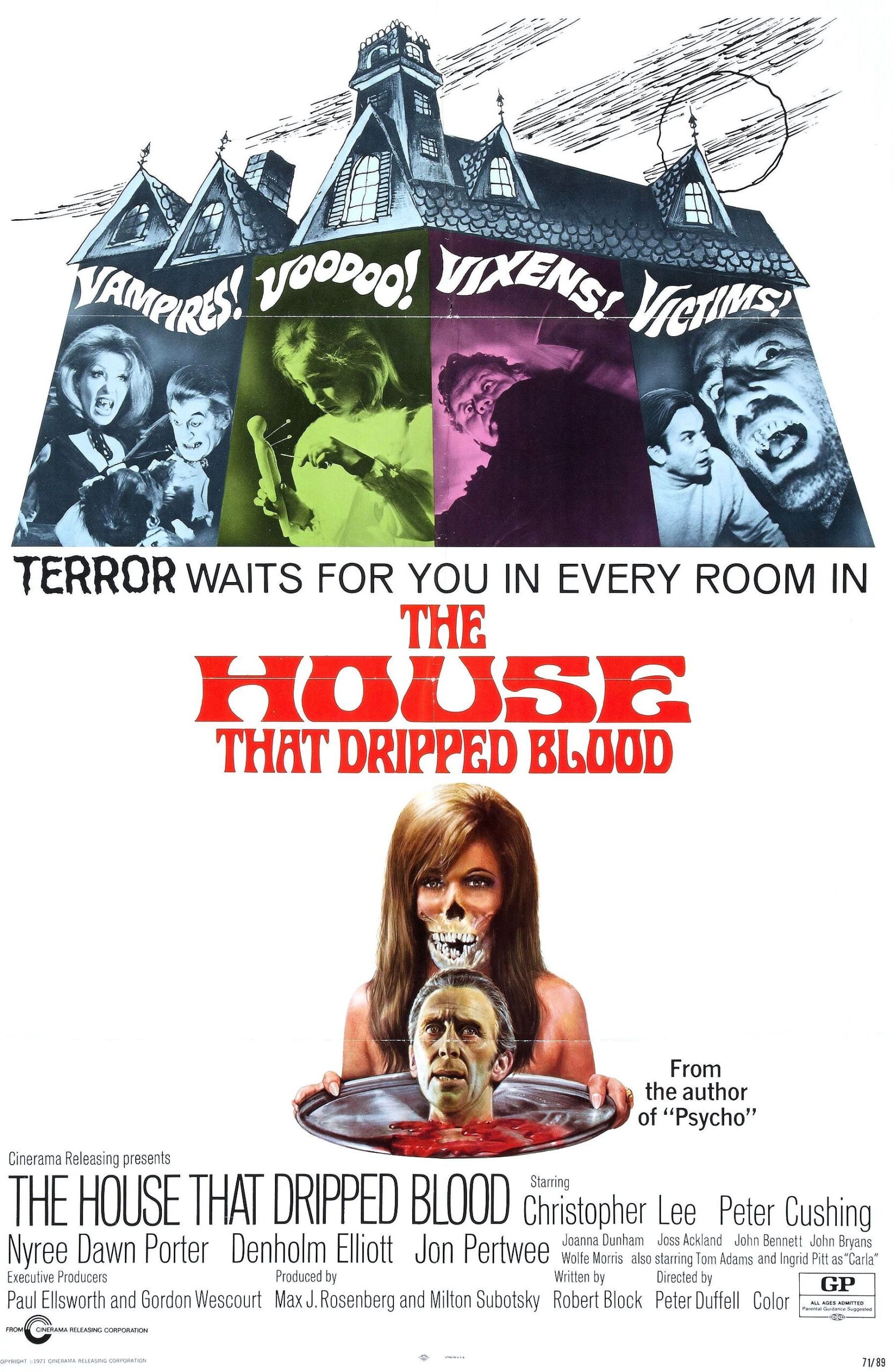
Another of the Amicus horror anthologies from a series of stories by Robert Bloch. An okay effort, mostly being remembered for Jon Pertwee’s turn as a comic vampire
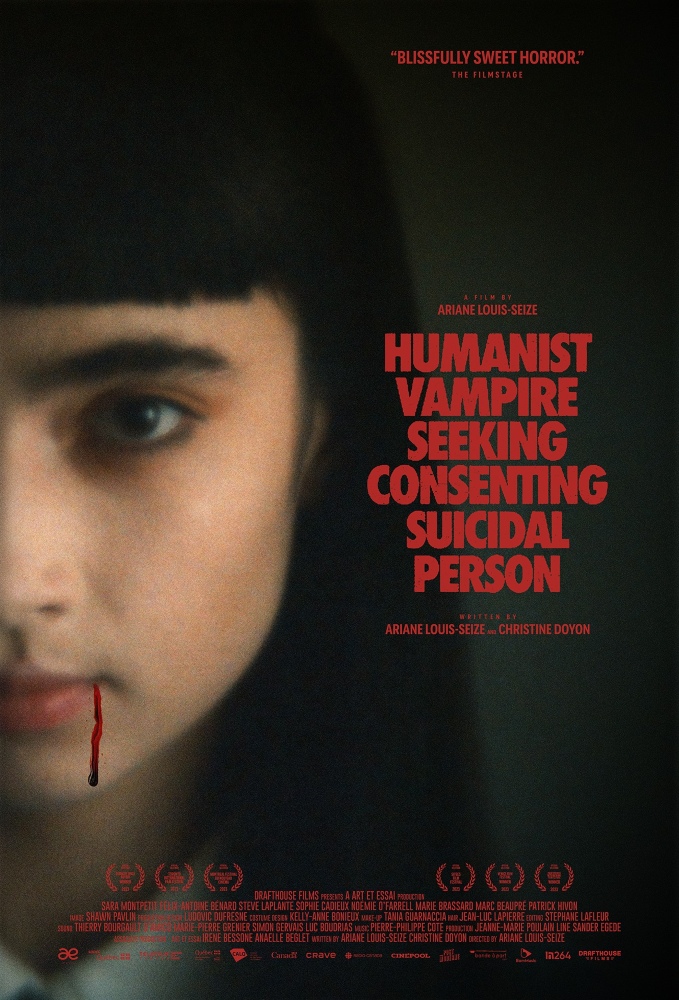
I was sold on this from the title. A droll Canadian (Quebec-made) vampire comedy about a vampire girl who cannot bring herself to kill and a suicidal teenager who becomes her willing victim
The debut film from Tony Scott was a commercial flop but is a sumptuous, elegant, beautifully filmed work that is often a case of style over substance. It is nevertheless a challenging attempt to create a modern day vampire film
From the director of Hellbound: Hellraiser II, this is an unfunny monster comedy that plays out like it is trying to be a live-action version of the Hotel Transylvania films
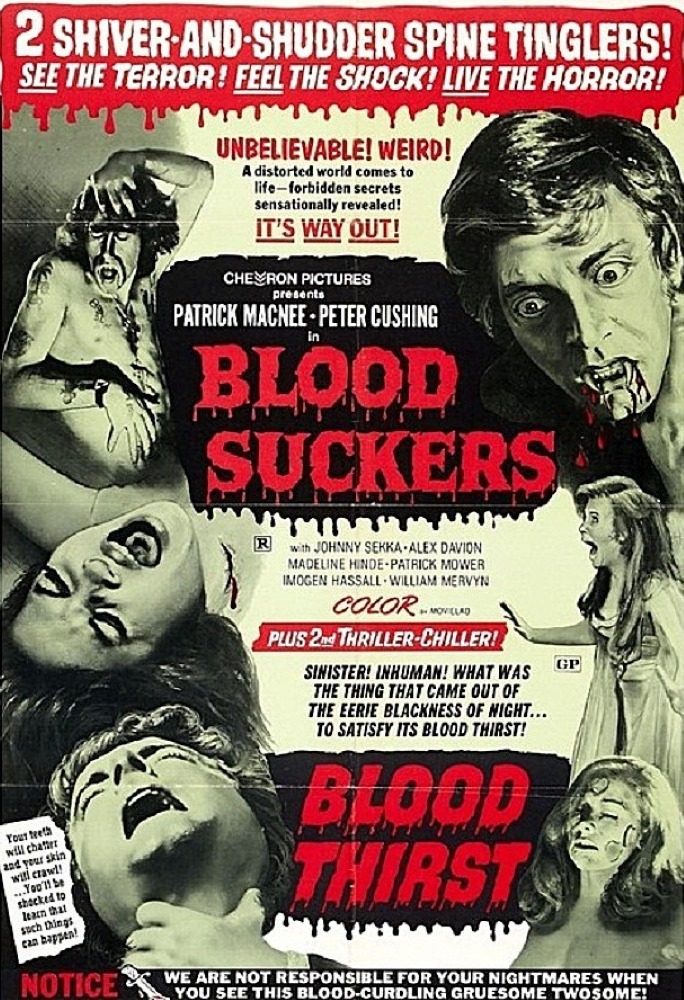
A British venture into the gonzo splatter film about a motorcycle that develops vampiric tendencies after blood is spilled in its tank in a Satanist ceremony. Beyond an amusing title, this is crude and heavy-handed
Odd film about 19th Century body snatchers that is like a low-budget version of a Burke and Hare story. This develops a sense of humour and starts to go in some very strange directions
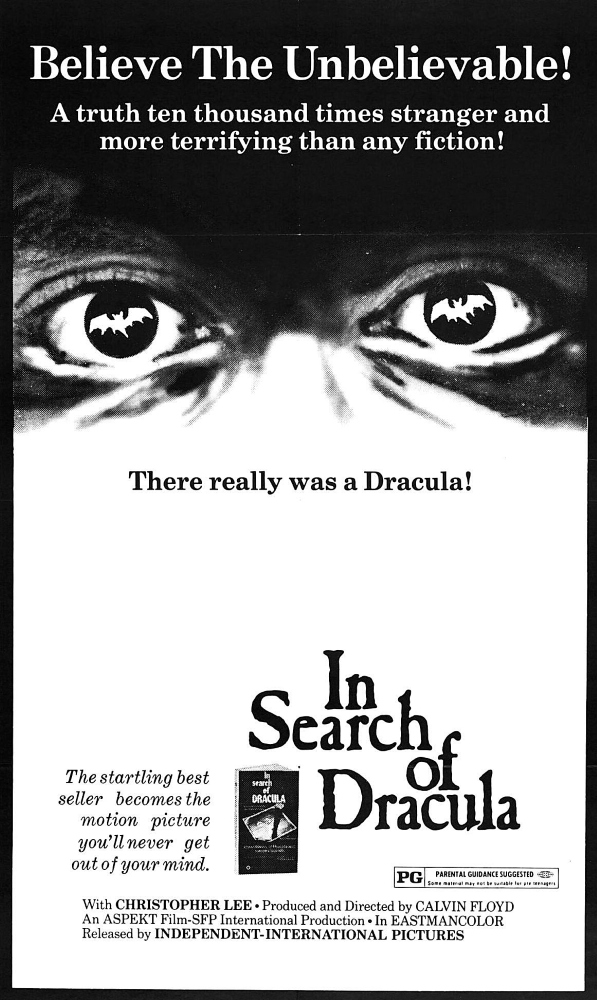
A documentary that explores Bram Stoker and the creation of Dracula, Transylvania and Vlad the Impaler. Narrated by Christopher Lee, who we see playing both Dracula and Vlad the Impaler
A striking variant on the vampire film full of rich metaphor. Set against the backdrop of Oxford university, this explains vampirism as a psychological condition brought on by sexual impotence and academic pressure
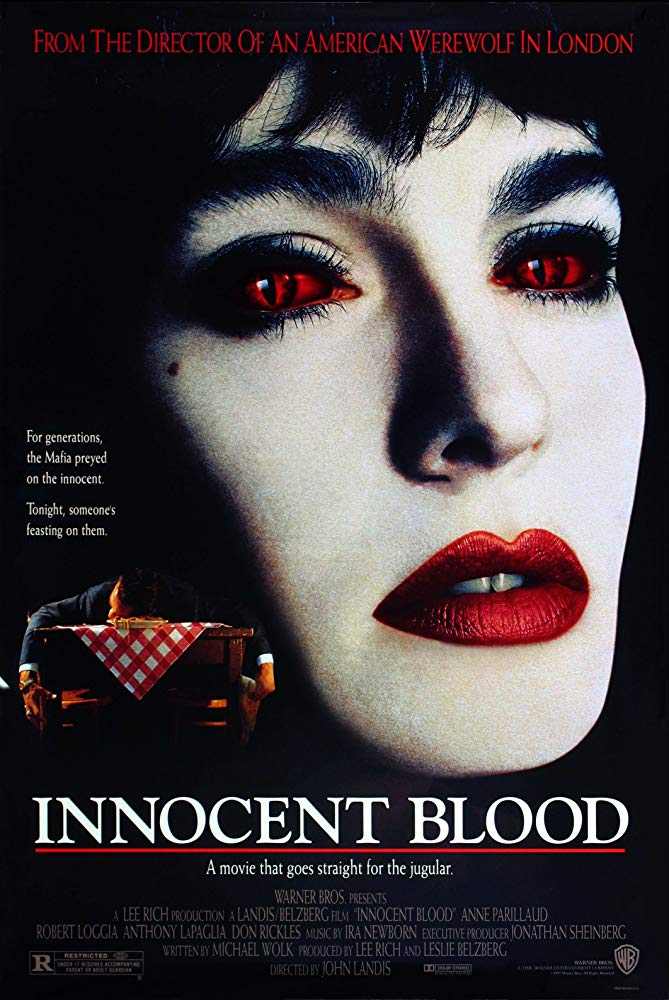
John Landis sets out to do for the vampire film what he did with the werewolf film in An American Werewolf in London, giving us Anne Parillaud as a vampire who preys on Mafia
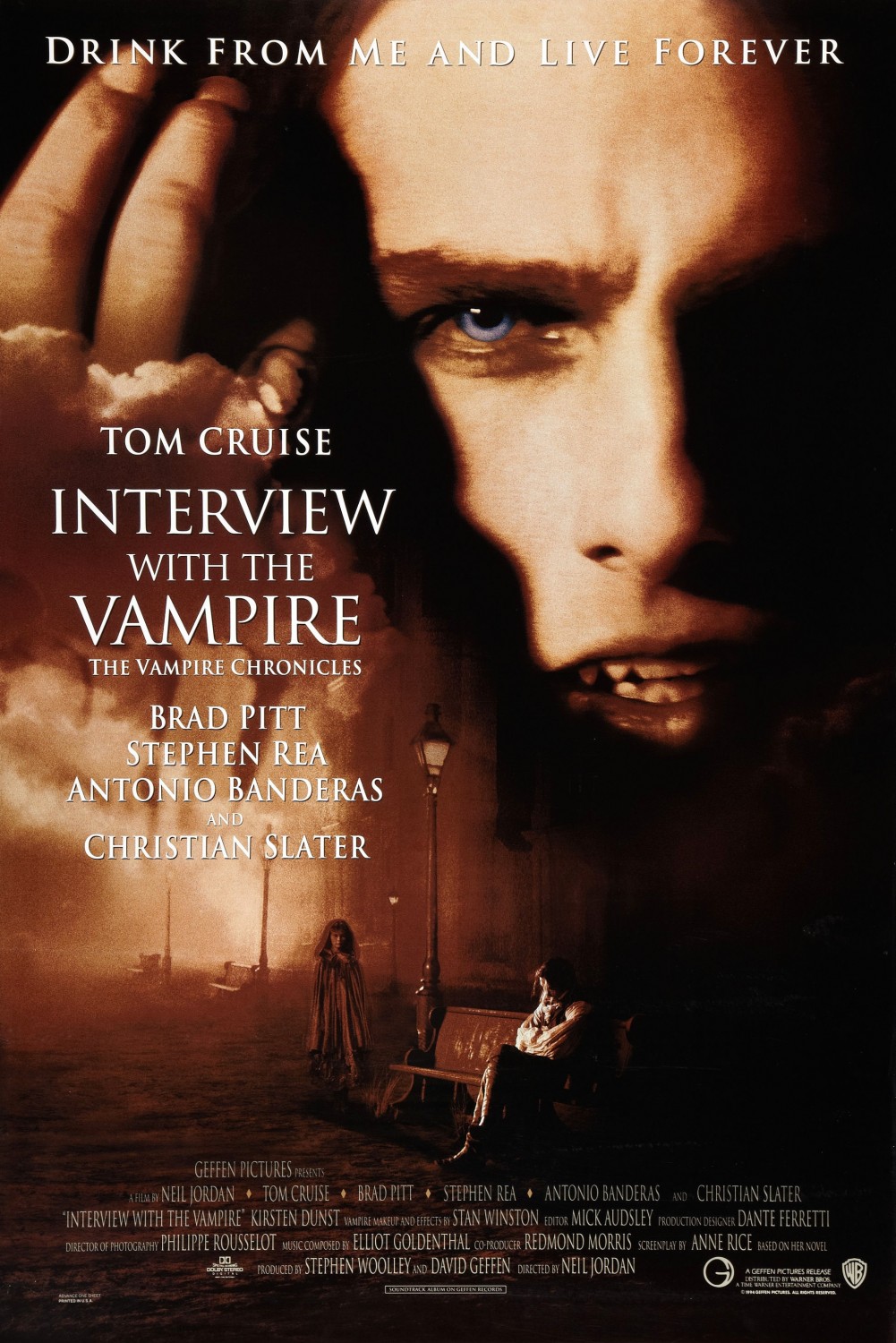
Most of the attention this drew at the time was over the controversy of casting Tom Cruise as the vampire Lestat; otherwise Neil Jordan conducts an excellent adaptation of the Anne Rice novel
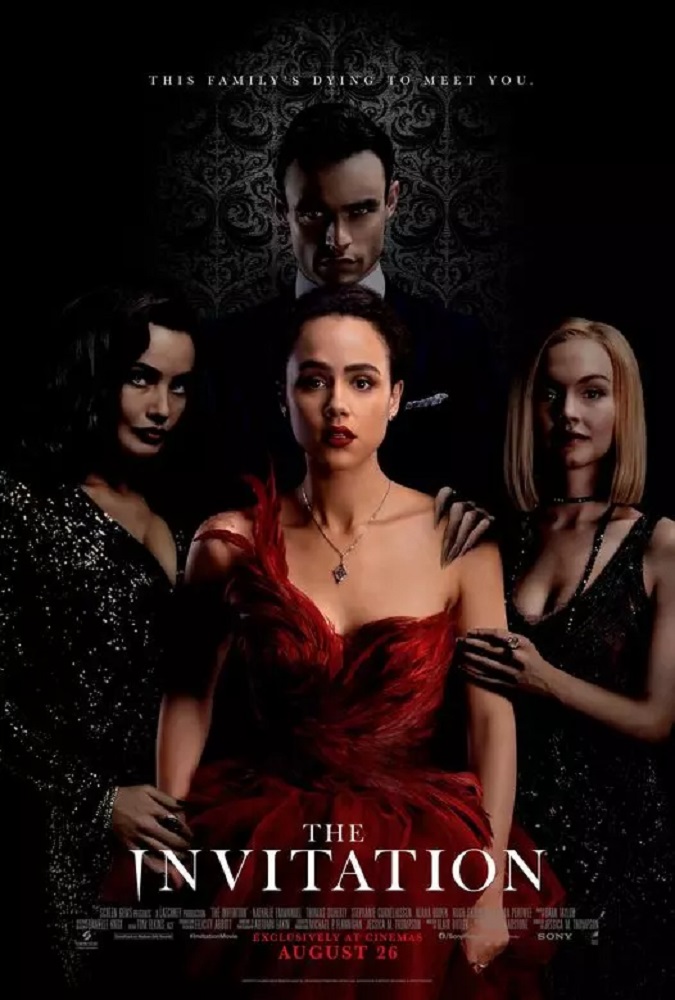
A woman discovers she is related to an aristocratic family but sinister secrets lurk. The film hangs on a big twist that is extremely obvious to anyone who has seen enough horror films
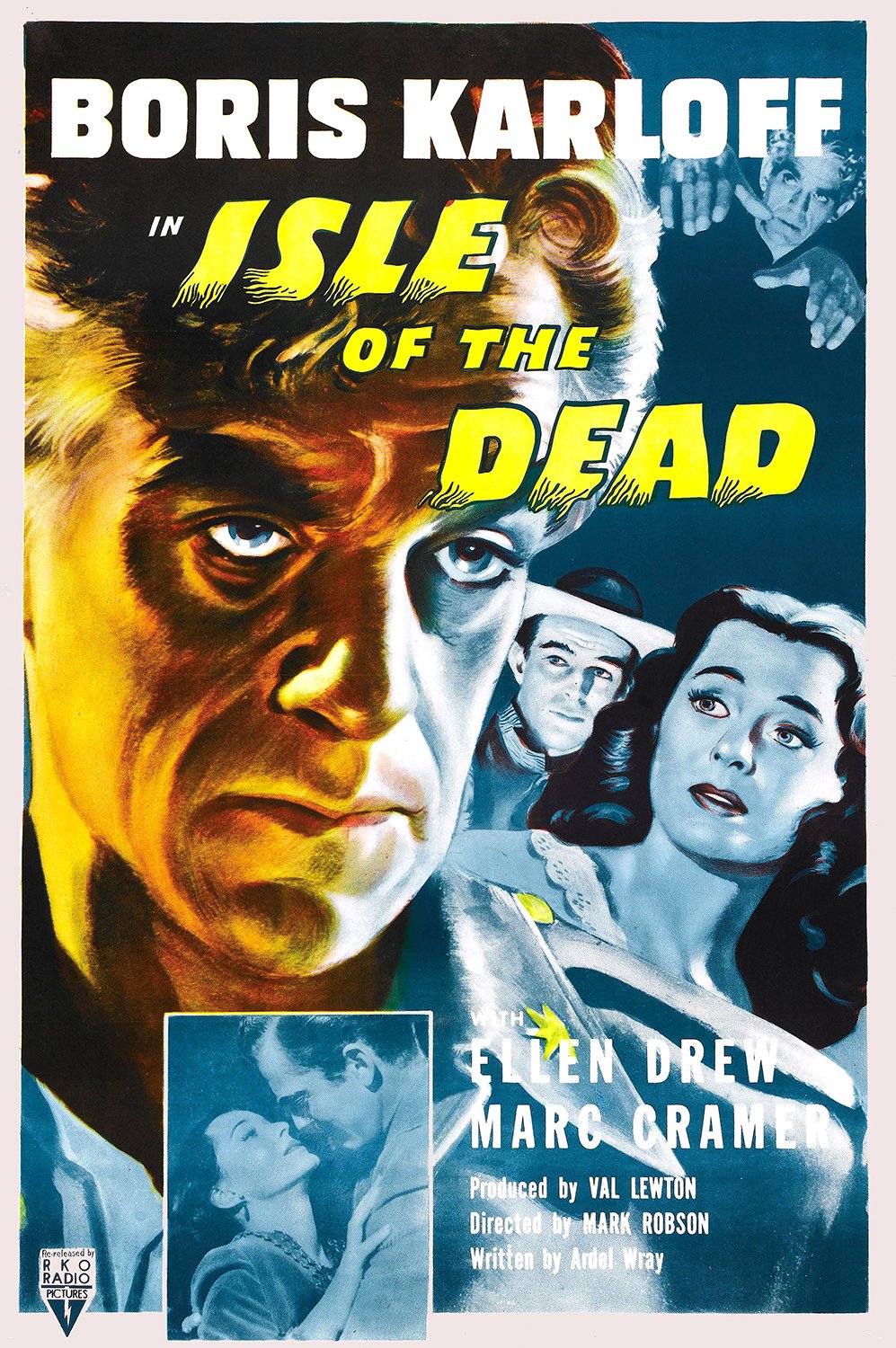
One of the classic psychological horror films from producer Val Lewton. This is a slightly less effective Lewton work featuring Boris Karloff on a plague-ridden island unsure if a vampire creature is responsible