
Killer Tongue (1996)

A giddy madcap, frequently over-the-top and entirely ridiculous Spanish film in which Melinda Clarke’s tongue is possessed by an alien whereupon the tongue starts killing people
Alien Cargo (1999)
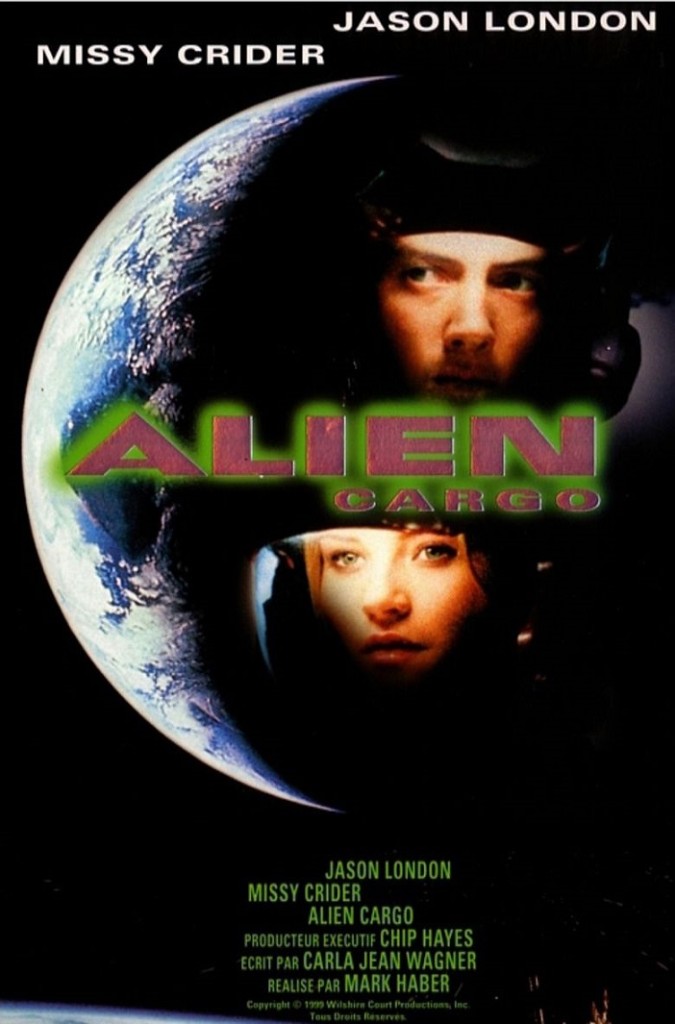
Alien crossbred with The Crazies. Jason London and Missy Crider are crewmembers on a spaceship affected by an alien contaminant that makes them turn homicidal
The Man Who Could Work Miracles (1937)
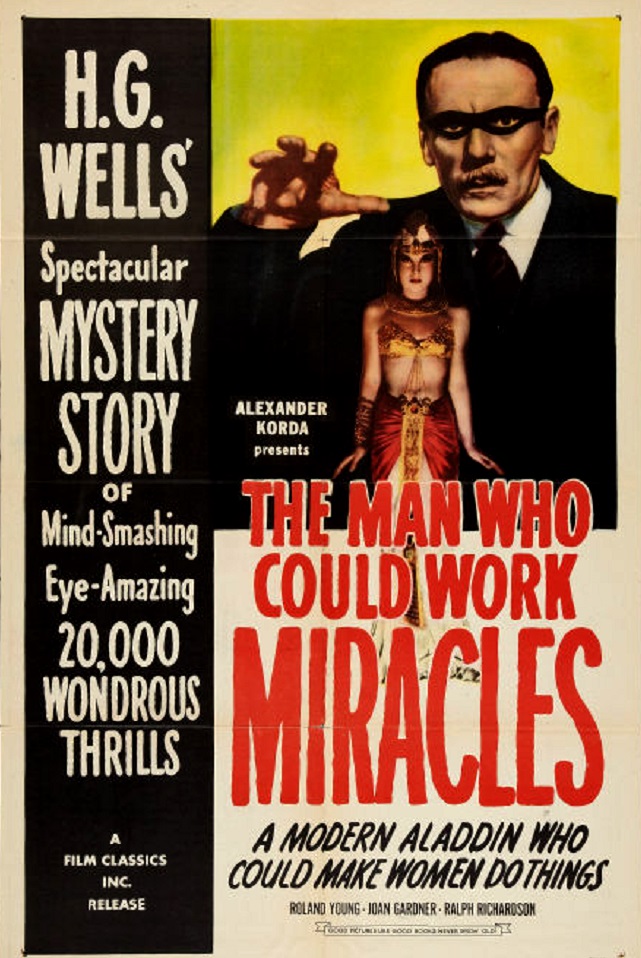
A film scripted by H.G. Wells film with Roland Young as an ordinary man who is selected by the gods and then suddenly discovers that he can perform miracles
Clash of the Titans (1981)
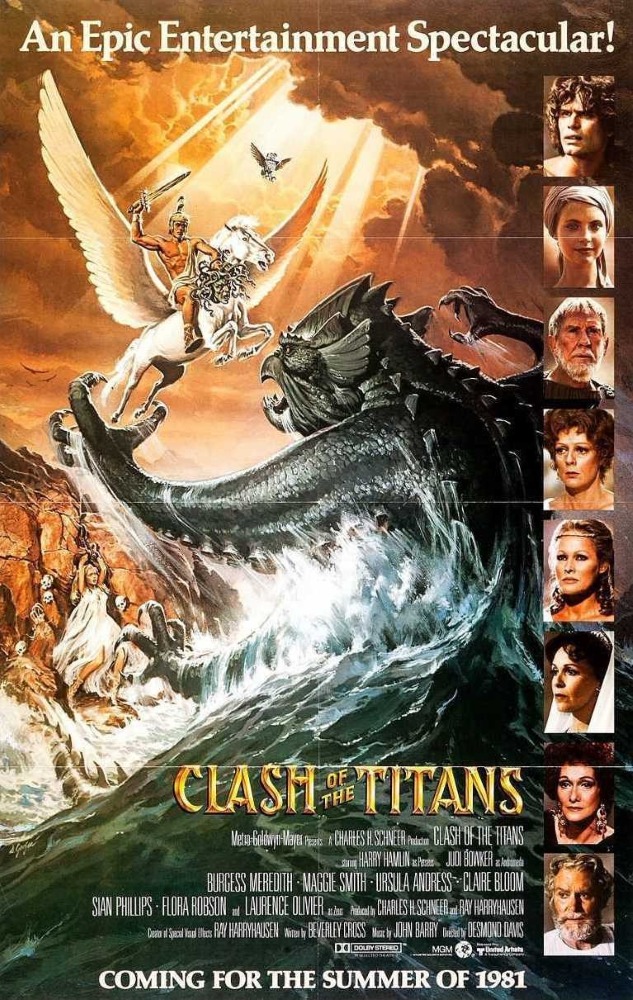
This would be the last of the films made by stop-motion animator Ray Harryhausen where he turns his creations towards conducting another Greek Mythology adventure. With an all-star cast playing the Greek gods.
Clan of the Cave Bear (1986)
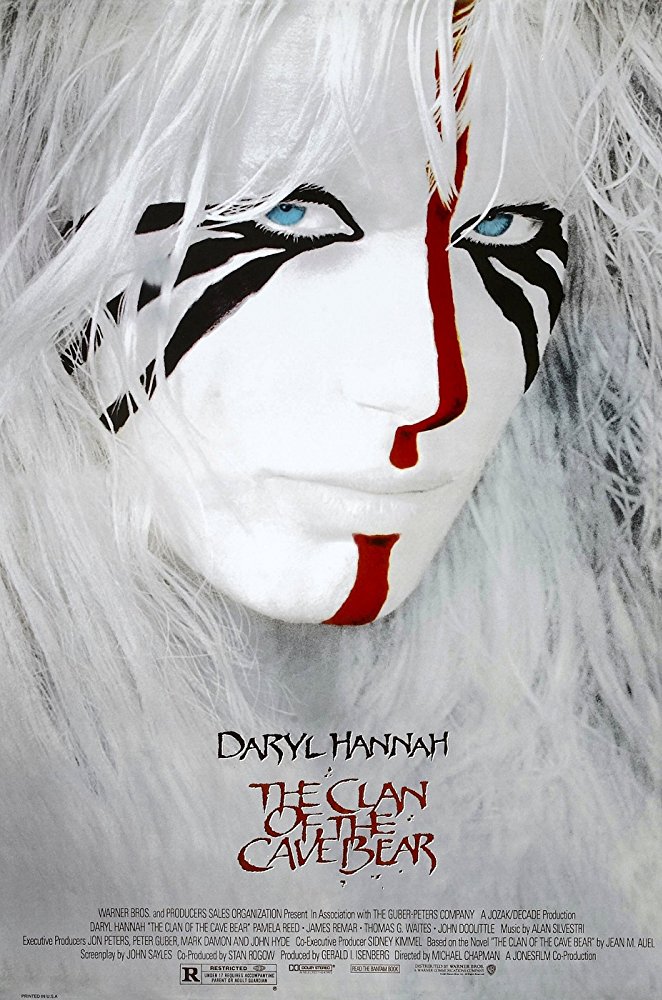
An oddly unconvincing adaptation of the first of Jean M Auel’s best-selling prehistoric books featuring Darryl Hannah as a more advanced Cro-Magnon cavewoman Ayla living among a Neanderthal tribe
Butterfly & Sword (1993)
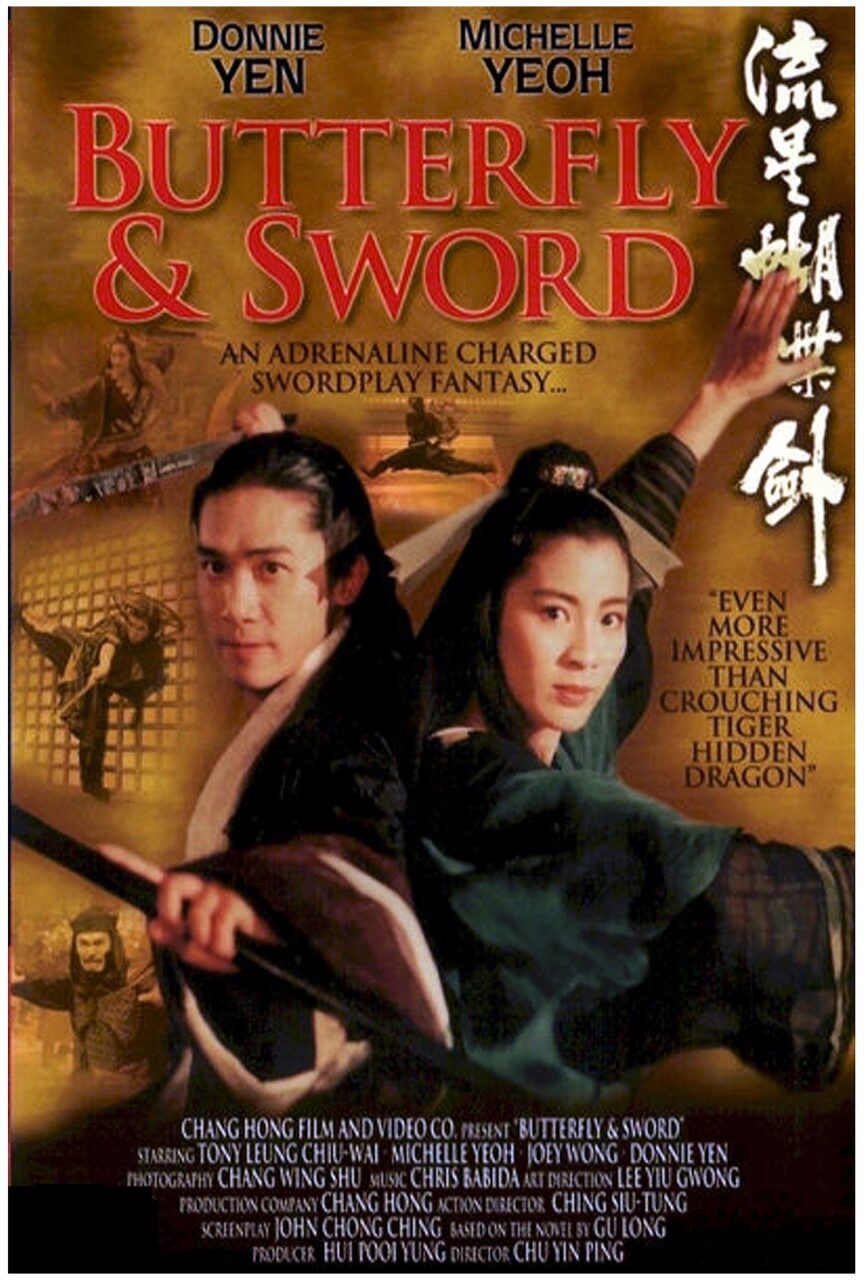
One of the most amazing of the Wu Xia (flying swordsman) films from Hong Kong in the 1990s, this explodes with out of this world fantastical action scenes
Chandu the Magician (1932)
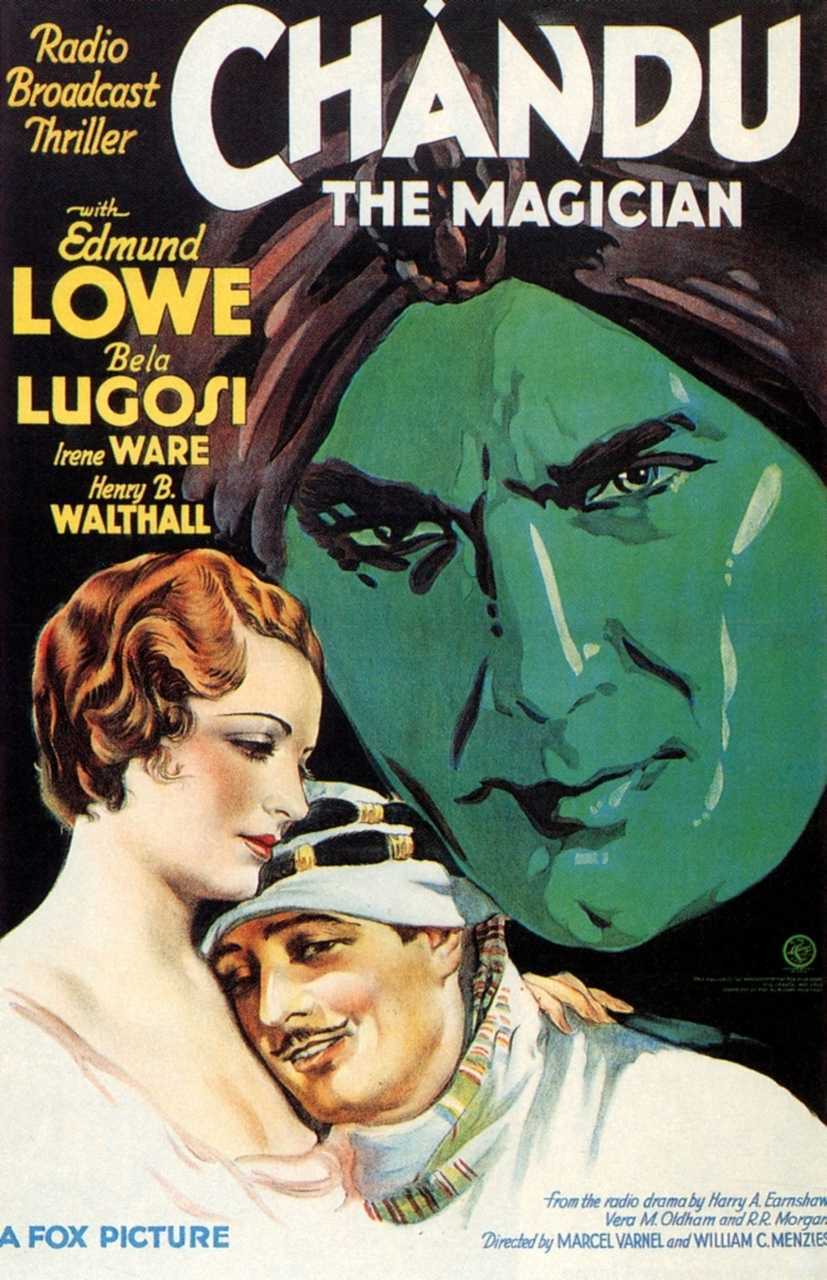
The film adaptation of a popular radio series about a Westerner who has trained in the Eastern mystic arts and uses his powers to create illusions in the fight against crime. One of the first screen superheroes.
Pokemon The First Movie: Mewtwo Strikes Back (1998)

The first film spun off from the popular Pokemon phenomenon and animated series, this is largely incomprehensible to anyone who is not familiar with the series
The Mighty Peking Man (1977)
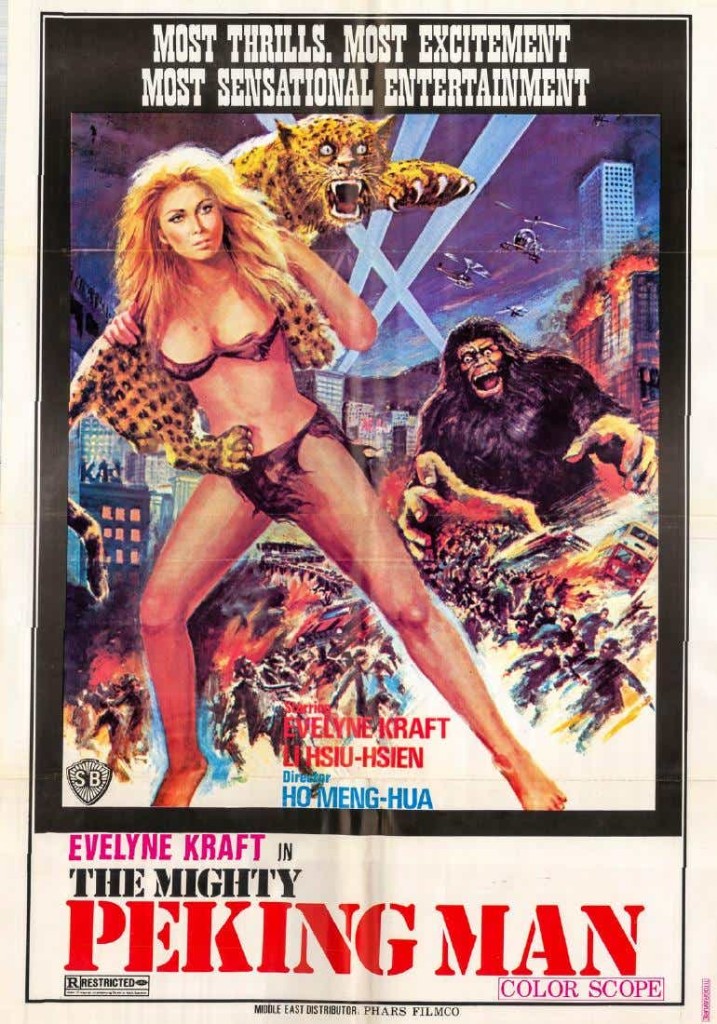
Cheap and ridiculous attempt to cash-in on the 1976 remake of King Kong made by Hong Kong’s Shaw Brothers. A classic bad movie on most counts
Wendigo (2001)
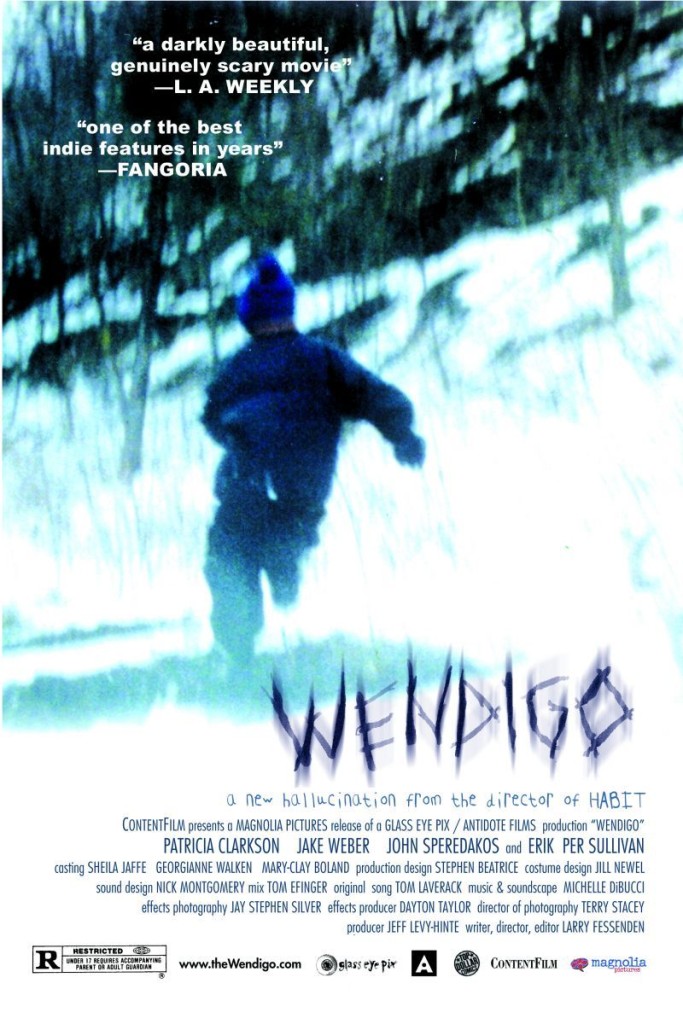
Early film from Larry Fessenden about a family and a Native American spirit. Much brooding build-up but not much payoff (*)
The Devil’s Envoys (1942)

Beautifully pure-hearted French Wartime allegory set during the Middle Ages about The Devil who has sent out envoys to tempt mortals into damnation via affairs of the heart
Dead & Buried (1981)
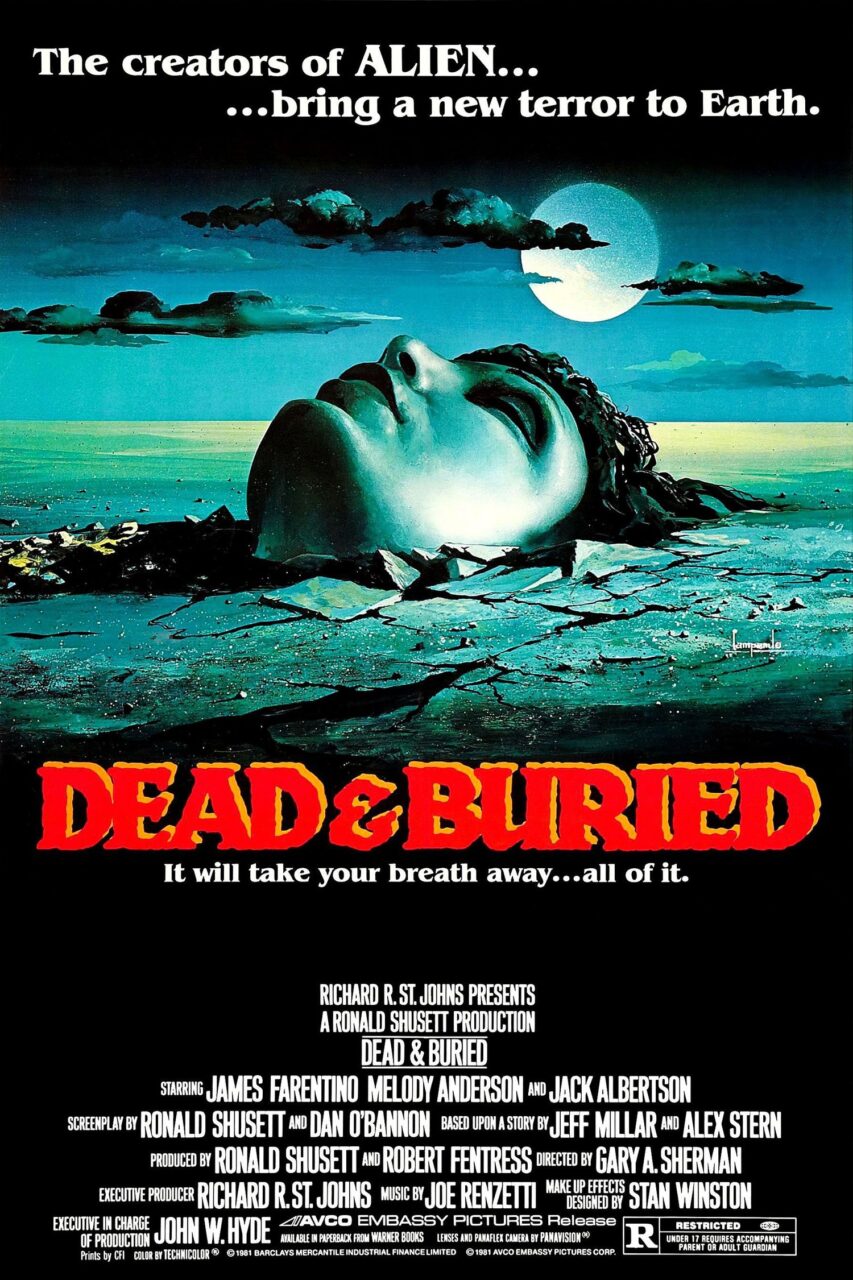
After writing the huge hit of Alien, Dan O’Bannon next went onto this strange zombie film in which the people of a small town fail to stay dead
Ghosts on the Loose (1943)
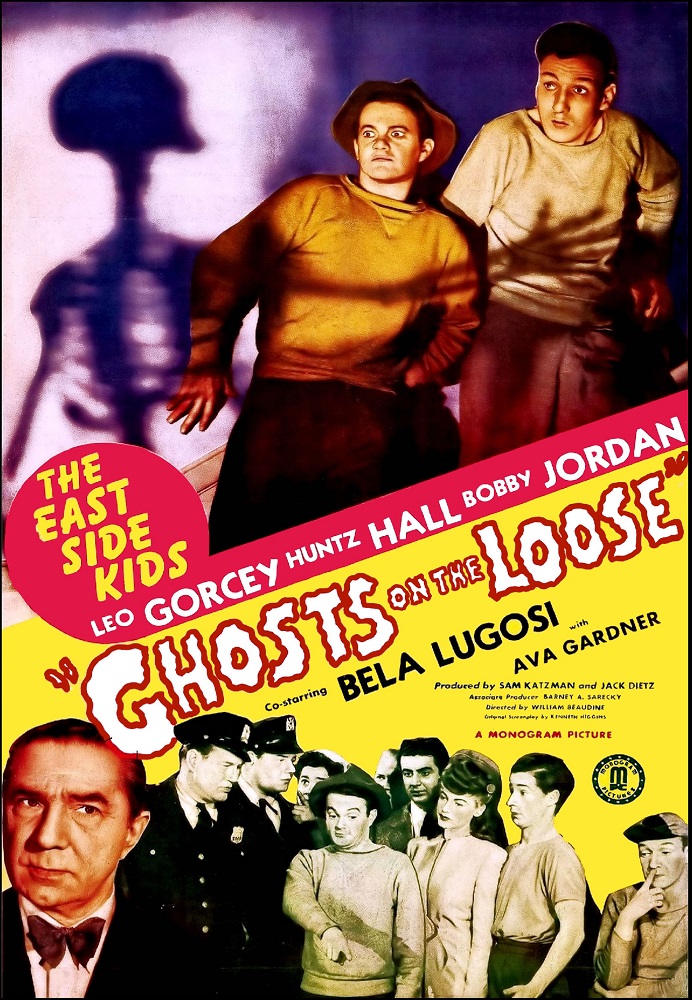
Comedy where the East Side Kids/Bowery Boys encounter Bela Lugosi running a Nazi fifth column operation from a haunted house, although the ghosts part eventually proves misleading
The Midnight Hour (1985)
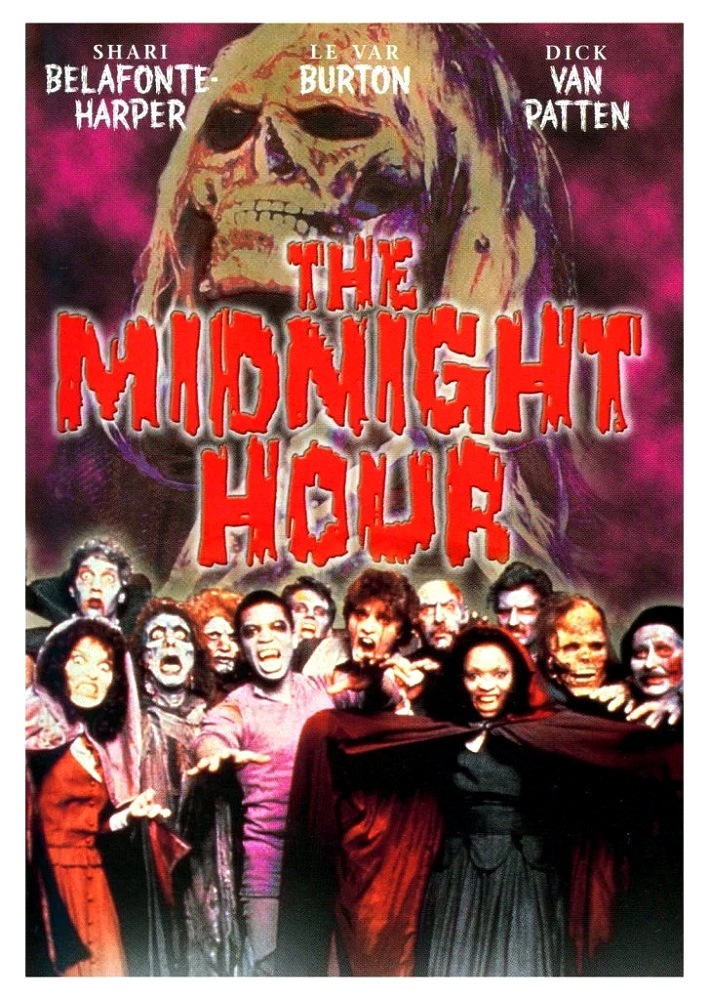
Classic Halloween tv special. As with most of its ilk, it places the focus on a light-hearted treatment where the monsters are no more serious than Halloween revelers
The Good Son (1993)
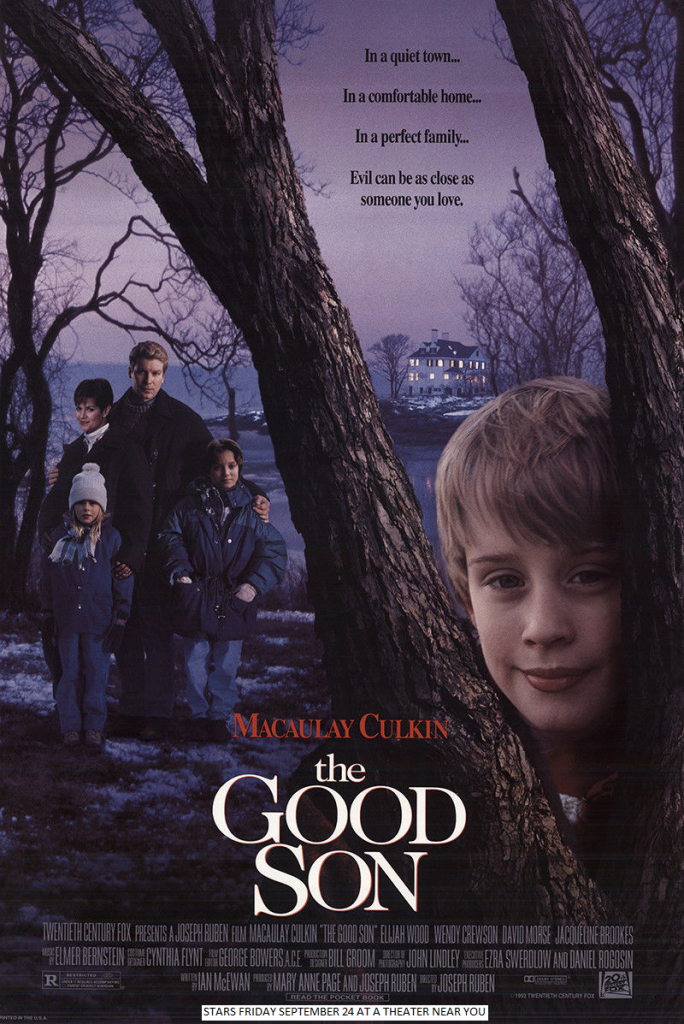
A variant on the evil child psycho-thriller, this seems set up specifically to allow Macaulay Culkin, the obnoxious cute kid from Home Alone, to trash his wholesome image
Abbott and Costello Meet the Mummy (1955)

Abbott and Costello’s fourth and final meeting with the Famous Monsters. However, this is a desultory outing where nobody seems to be making much of an effort
The Cassandra Crossing (1976)
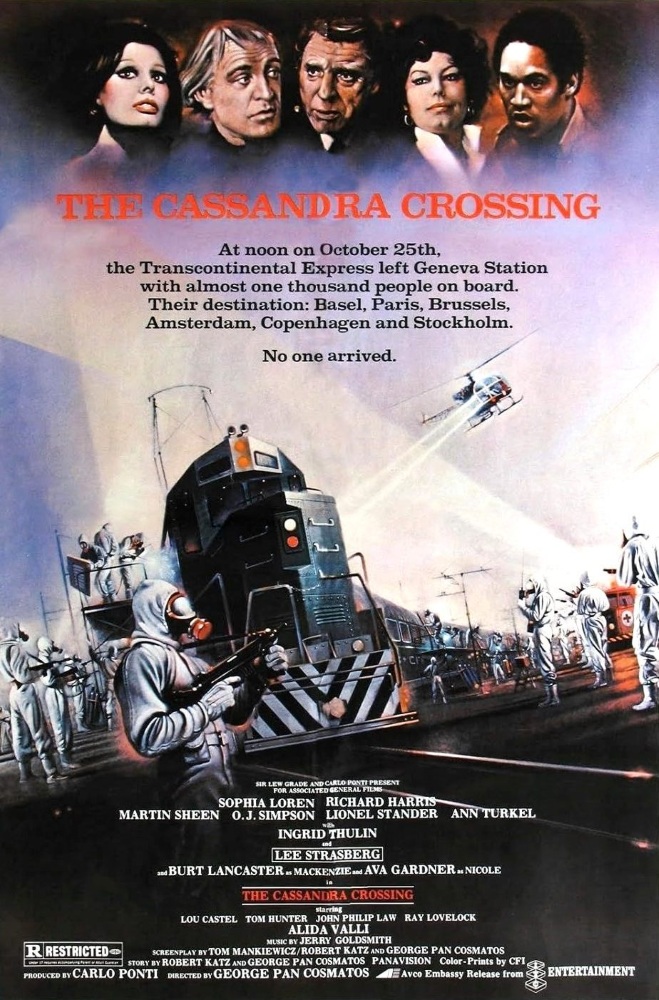
From the heyday of the disaster movie, an all-star cast head up a big scale drama about a train where a passenger is carrying a deadly plague, only for the train to be shunted all across Europe
Mark of the Vampire (1935)
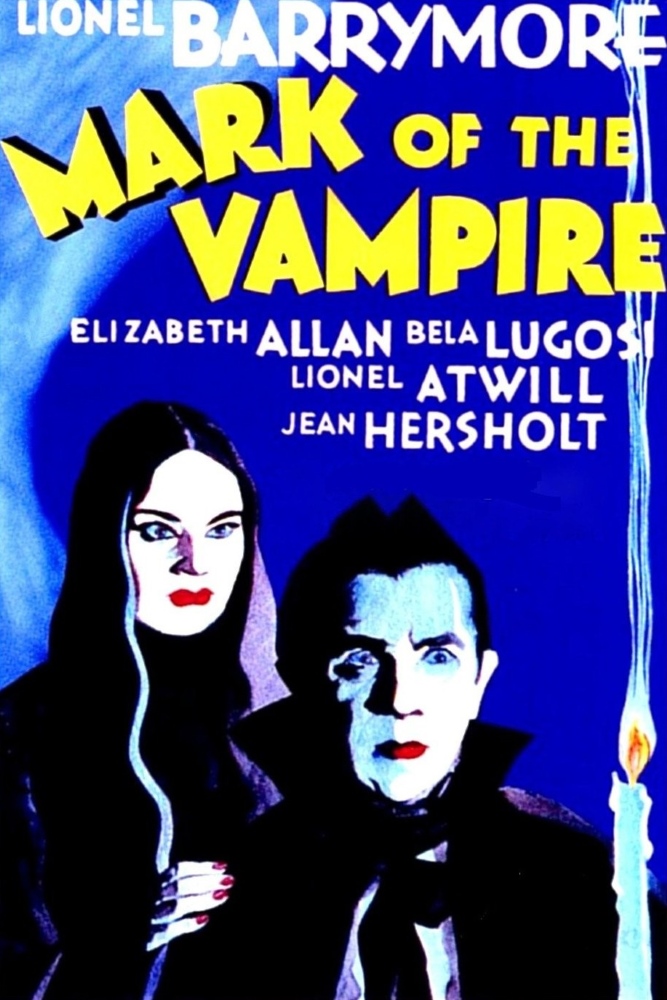
Dracula director Tod Browning reteams with Bela Lugosi in a remake of the silent London After Midnight. A vampire film that has much atmosphere but is ruined by a ridiculous ending
Embryo (1976)

Scientist Rock Hudson brings an unborn embryo to life as beautiful emotionless Barbara Carrera. Though it uses the trappings of modern science, this still has its feet in the creaky old mad scientist film
The Gorgon (1964)

One of few attempts to create an original movie monster by Hammer Films, which they take from the Medusa of Greek myth. The result is an exquisitely and beautifully made film
Dick Tracy (1945)
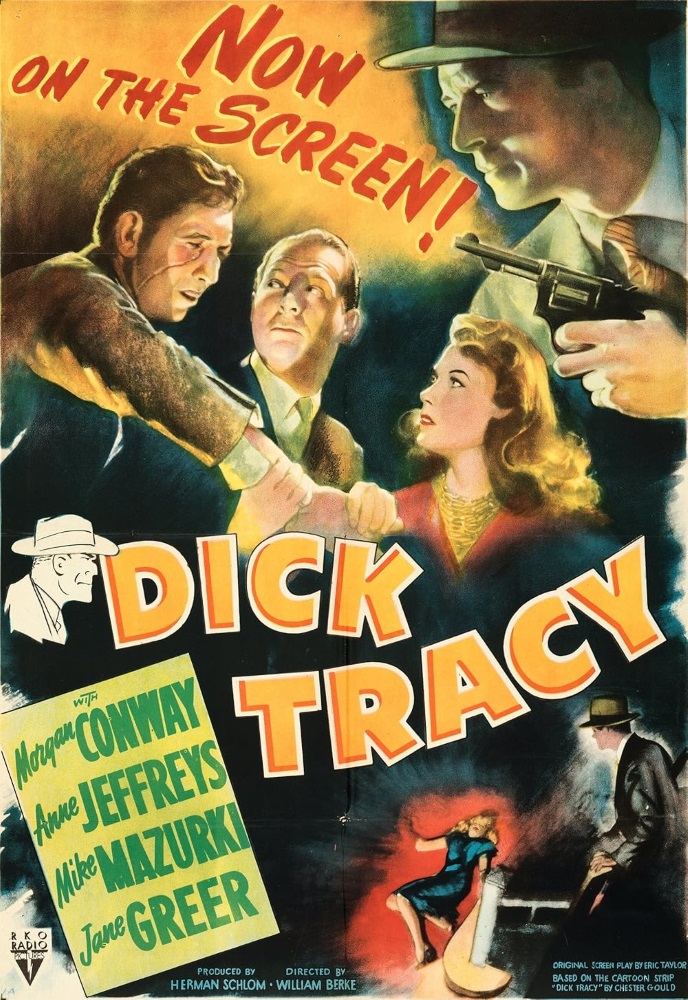
Feature film version of the popular comic-book detective that led to three sequels. Here the stylised look of the comic-book comes out resembling a regular crime drama but the film is not uninteresting
Modern Vampires (1998)
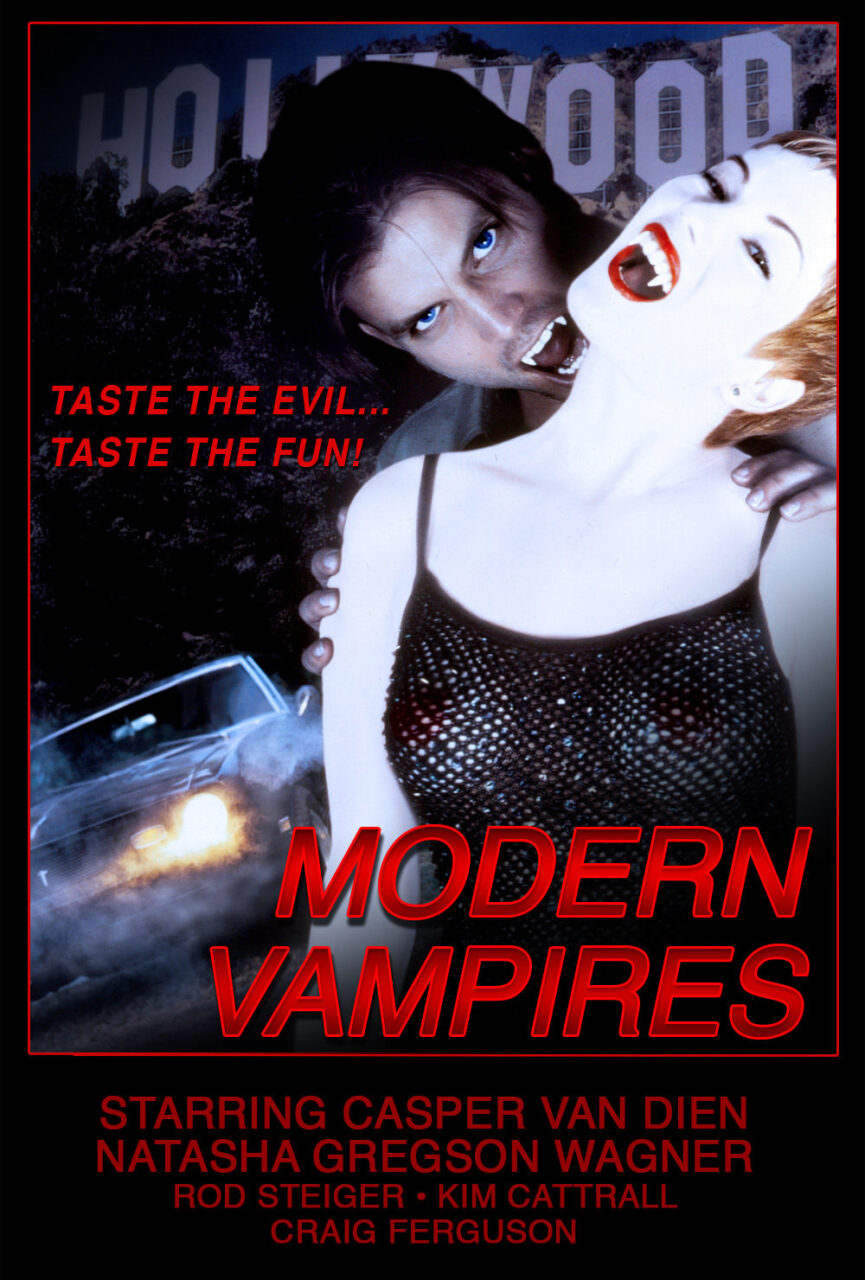
Richard Elfman film about chic vampires who have become an elite living in Hollywood. Despite promise and some interesting ideas, this is ruined by an atrociously overacting cast
Just Visiting (2001)

The US remake of the French time travel comedy Les Visiteurs. With a script by John Hughes, this imports the original film’s stars but misses its comedy charms by a mile
A Christmas Carol (1938)

A fine classic cinematic adaptation of the oft-filmed Charles Dickens tale about the redemption of a miser, starring Reginald Owen as Scrooge
Ladyhawke (1985)
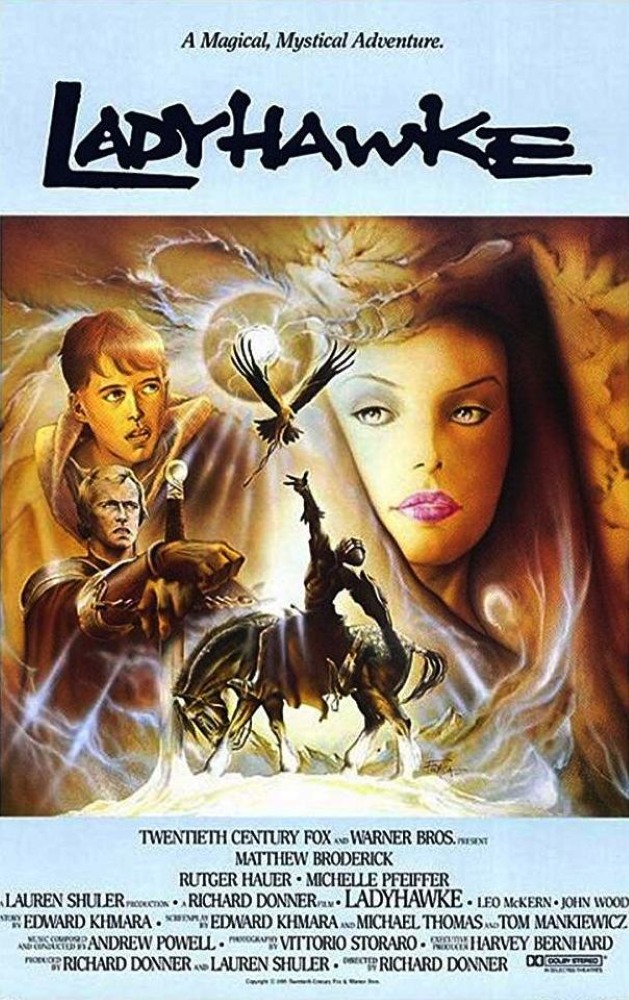
A beautifully made Richard Donner mediaeval fantasy with two lovers suffering a curse that transforms them into animals only able to touch in person for a second at dusk and dawn
Spellbinder (1988)
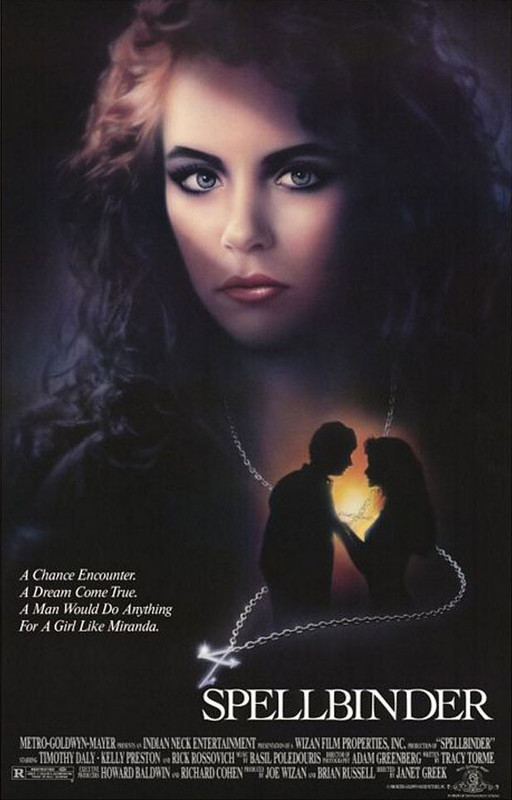
Modest 1980s video release that builds with some unnerving effect as Timothy Daly grants shelter to Kelly Preston only to earn the wrath of a pursuing Satanic cult
Dead of Night (1974)
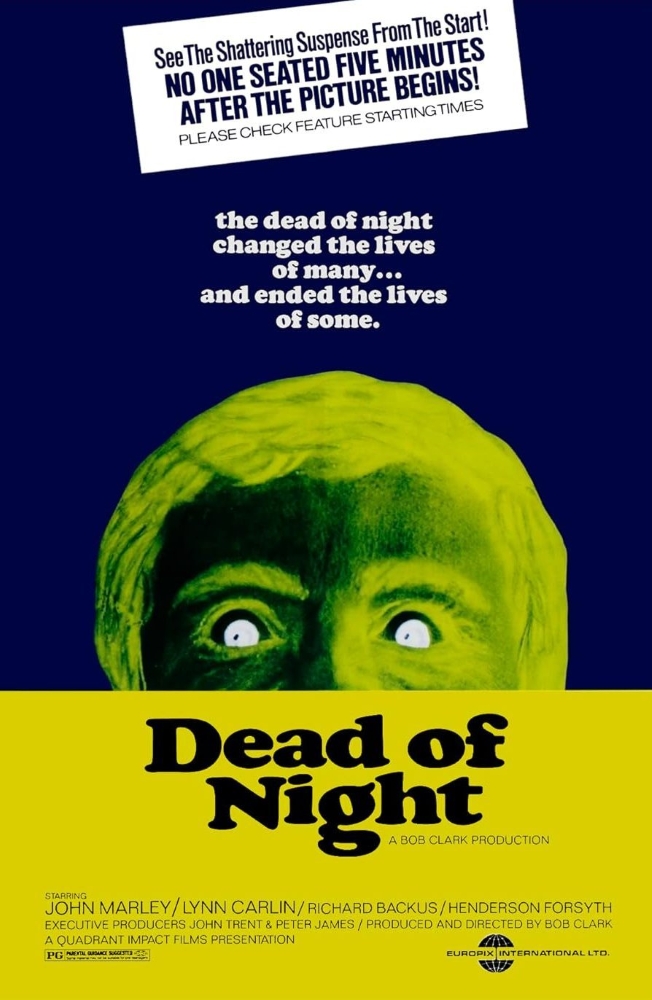
A very unique and unsettling variant on the zombie film wherein a soldier killed in combat in Vietnam is brought back from the dead by the pleading of his parents but returns not quite the same as before
Bram Stoker’s Shadowbuilder (1997)
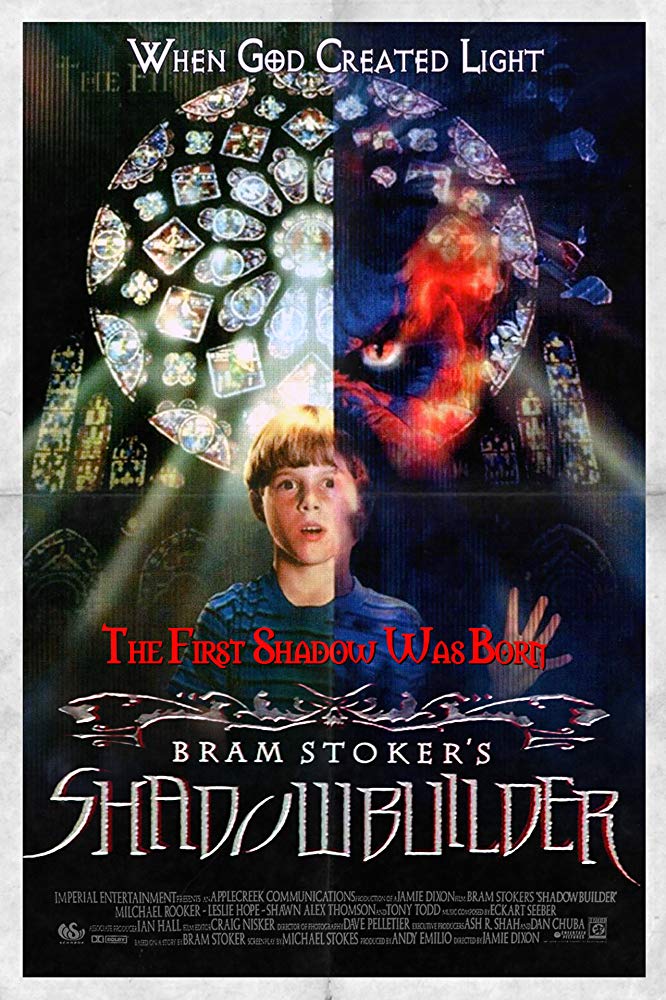
One of several films that came out after Bram Stoker’s Dracula claiming Stoker’s above their title despite slim or no connection. This is a modestly effective film about a demon that lives in the shadows
The Lost Platoon (1989)
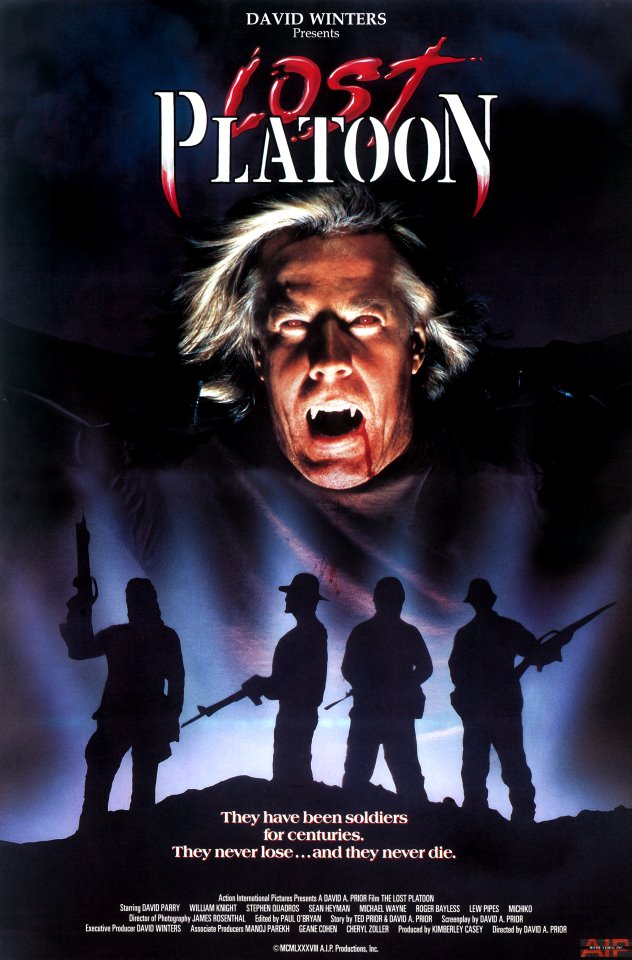
Low-budget action film about a group of immortal mercenaries. This would be interesting on a better budget, which it sort of became with The Old Guard
Zoltan … Hound of Dracula (1978)

aka Dracula’s Dog. Most people who hear the title think this is a joke but this is a real film and one that takes a ridiculous premise – the idea of Dracula’s dog – surprisingly seriously
The Secret of Roan Inish (1994)

John Sayles became one of the foremost independent American filmmakers. In a change of pace here, he makes a film about rural Irish culture and legends
Star Wars Episode V: The Empire Strikes Back (1980)

George Lucas’s first sequel to Star Wars and a work that holds up every bit as well as its predecessor, in many places betters it. The story darkens the mythos and introduces new characters, while the special effects sequences are the peak of the series
Dolls (1987)
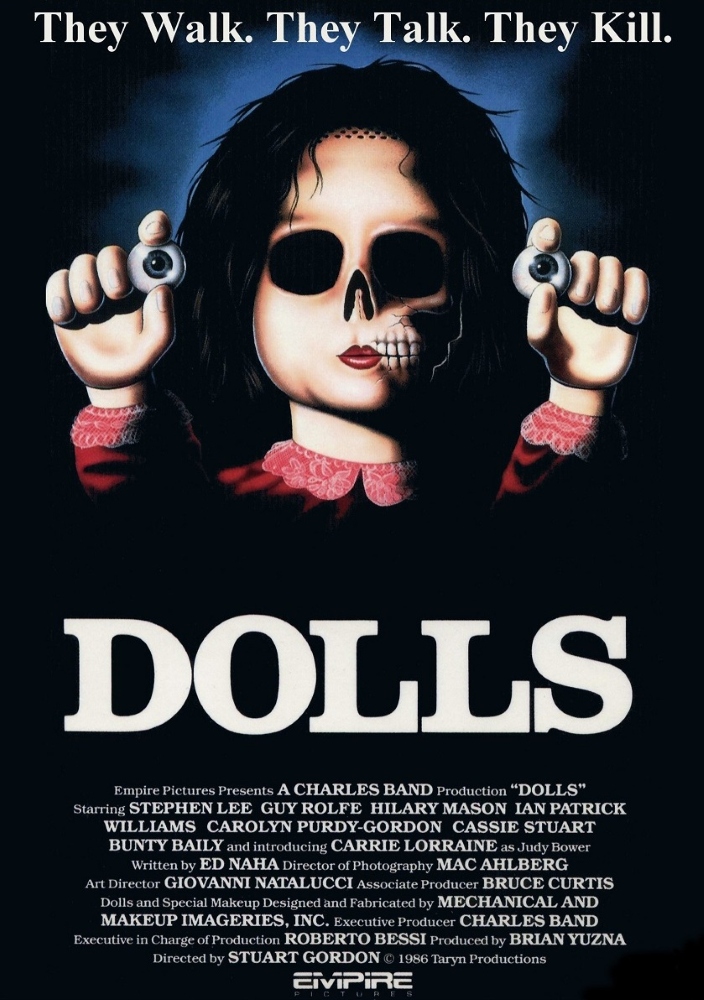
Following his success with Re-Animator, Stuart Gordon went on to make this film about a dollmaker and his malevolent dolls. The doll effects are eniably effective but the film’s appeal to a child-like fairytale morality is uneven
Everything You Always Wanted to Know About Sex * But Were Afraid to Ask (1972)
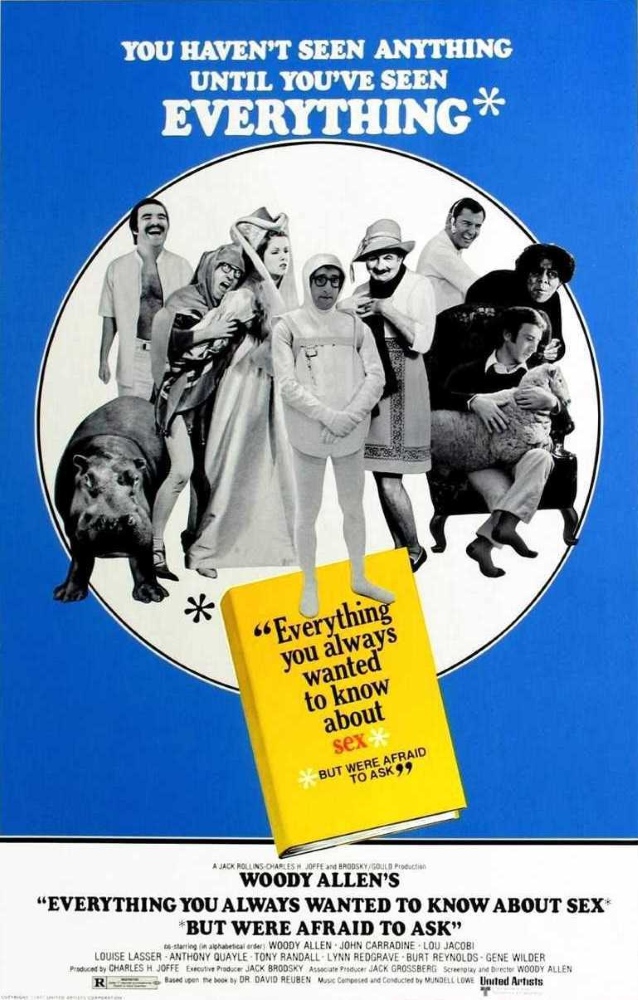
Woody Allen film that takes the title of the best-selling sex manual and spins it out as the basis of a series of hilarious sex-themed skits. Contains the famous episode with the giant breast run amok
Henry: Portrait of a Serial Killer (1986)
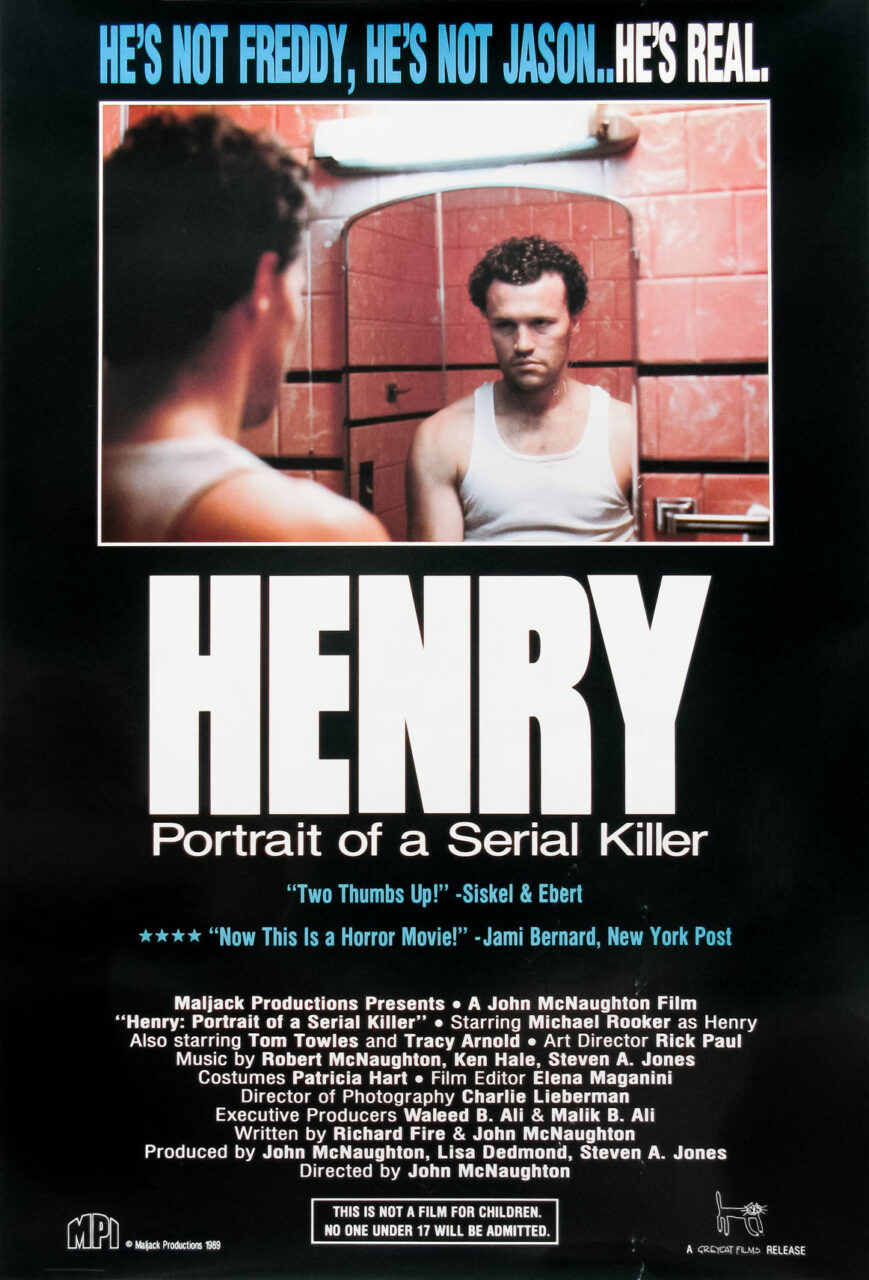
An immensely disturbing film loosely based on serial killer Henry Lee Lucas. John McNaughton directs with a chillingly understated ordinariness and Michael Rooker has never been better in a role.
After Alice (1999)

Kiefer Sutherland is a detective investigating a serial killer who finds he is having clairvoyant dreams. A fairly routine thriller on all counts.
Abbott and Costello Meet Frankenstein (1948)

The most well remembered of Abbott and Costello’s films. Universal had shuffled their Famous Monsters through several team-ups and here decided to play them for outright laughs. Undeniably likeable
Spy Kids (2001)

Robert Rodriguez has a huge amount of fun by recasting James Bond antics with kids. The film was a success that spawned several sequels
The Unnamable II: The Statement of Randolph Carter (1993)

A sequel to the earlier H.P. Lovecraft adapted film The Unnamable. Despite having a bigger budget, this is no more of an improvement over its predecessor
A Chinese Ghost Story (1987)

My introduction to Wu Xia – imagine some vision of Kwaidan as directed by Sam Raimi, filled with sensationally beautiful and out of this world imagery and completely nutsoid fantastical battles with ghosts and demons
C.H.O.M.P.S. (1979)
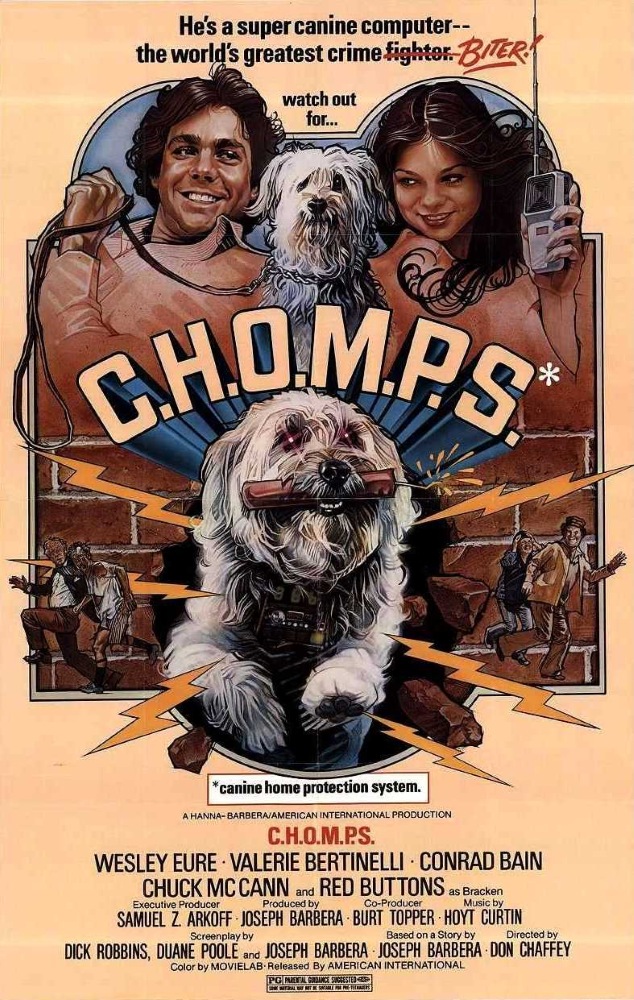
An excruciating and unfunny live-action Hanna-Barbera film in which an inventor creates a super-powered robot dog
The Collector (1965)
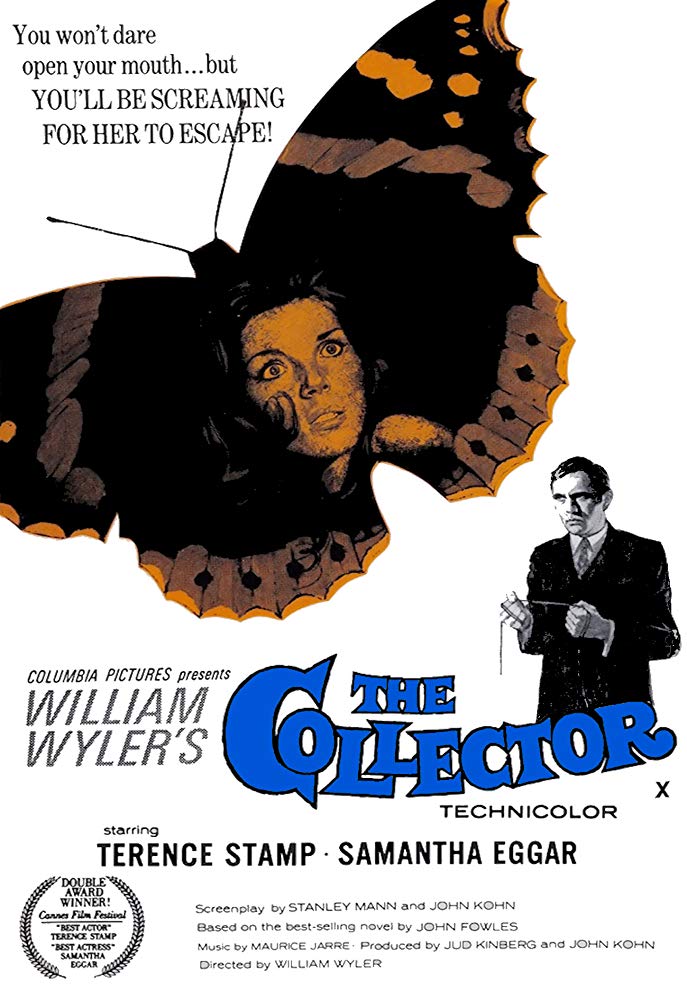
Adaptation of a John Fowles novel where shy Terence Stamp makes Samantha Eggar a prisoner so she can love him. Made not long after Psycho, this tries similar but becomes more of an Odd Couple comedy
Nadja (1994)

Beautifully moody black-and-white vampire film from Michael Almereyda. A modernised reworking of Dracula’s Daughter
Bio-Cops (2000)
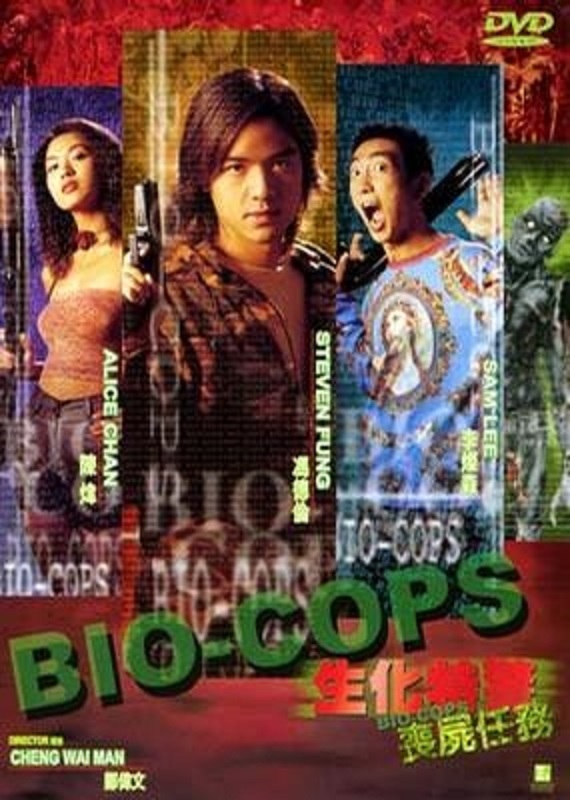
Hong Kong comedy with a police station under siege from zombies. The emphasis is more on comedy than the horror element
Babe: Pig in the City (1998)

For this sequel to the hit talking pig film, producer George Miller of Mad Max films fame steps into the director’s chair. However, the cuteness of the original promptly becomes buried under careening slapstick
Creatures the World Forgot (1971)
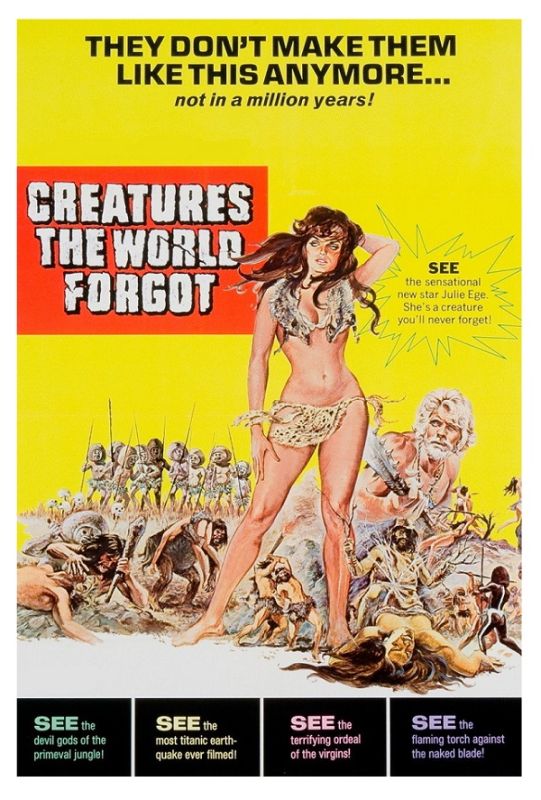
The fourth and final of Hammer Films’ cycle of prehistoric adventure films, this far less interestingly throws out stop-motion animated dinosaurs and opts for relative anthropological realism
Captain Kronos, Vampire Hunter (1974)

Interesting Hammer film than never quite succeeded where director Brian Clemens, creator of tv’s The Avengers, tries to blend the staple of the Hammer vampire film with a swashbuckler
The Comedy of Terrors (1963)

Droll black comedy with Boris Karloff, Vincent Price, Peter Lorre and Basil Rathbone as morticians who decide to drum up business by murdering people. This assembles much of the team behind the Roger Corman Edgar Allan Poe films
Spider-Man (1977)

The first big screen incarnation of the Marvel Comics character, the theatrically released pilot for a dreary tv series starring Nicholas Hammond that stripped Spider-Man down to being no more than a superpowered detective in a tv cop show
Spiderman and the Dragon’s Challenge (1980)
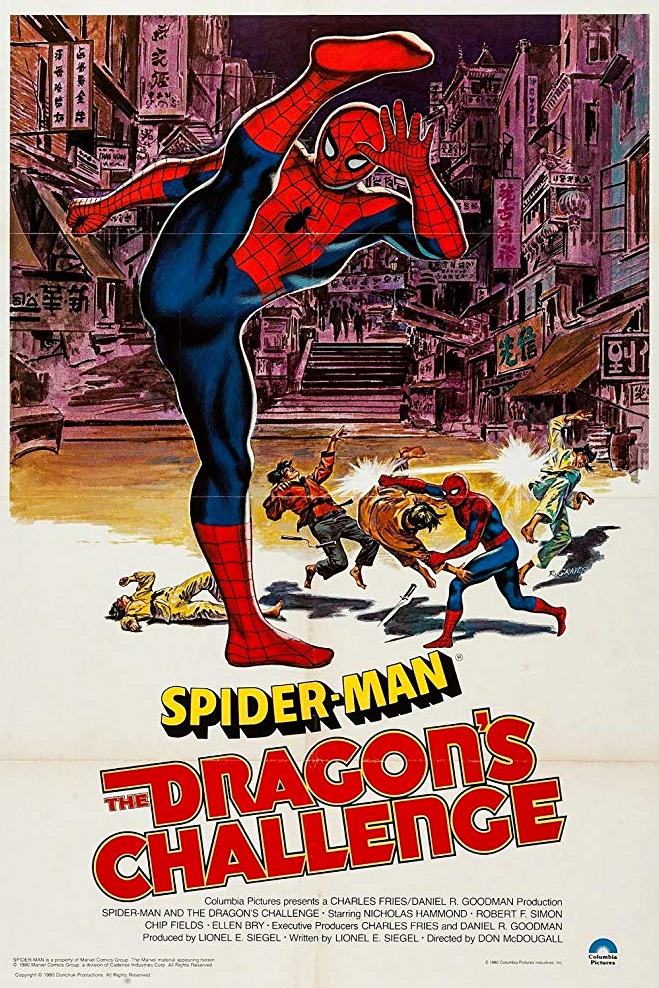
The third and last of the theatrically released films recut from the 1970s live-action Spider-Man tv series. The near sleep-inducing plot takes Nicholas Hammond’s Spider-Man to Hong Kong
Swordsman II (1992)
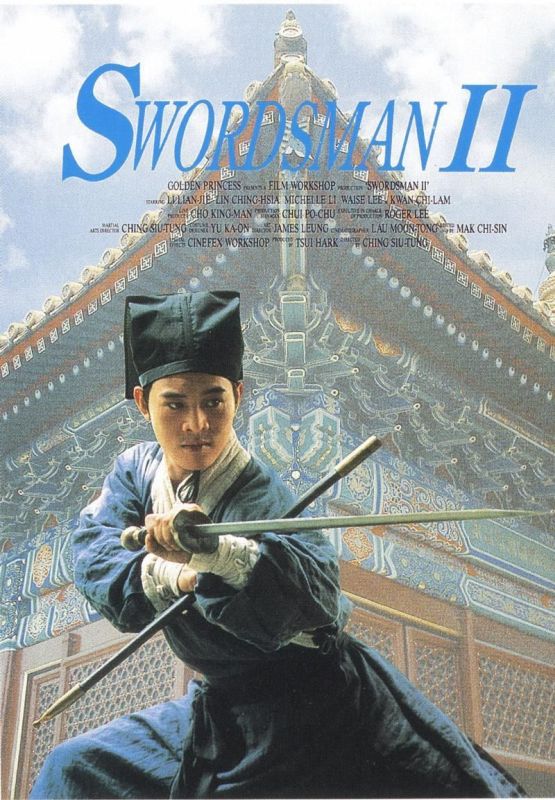
Sensational example of the Hong Kong Wu Xia/Flying Swordsman film. Ching Siu-Tung delivers an amazing series of martial arts battles with fantastical moves that are quite out of this world
Don’t Look Now (1973)
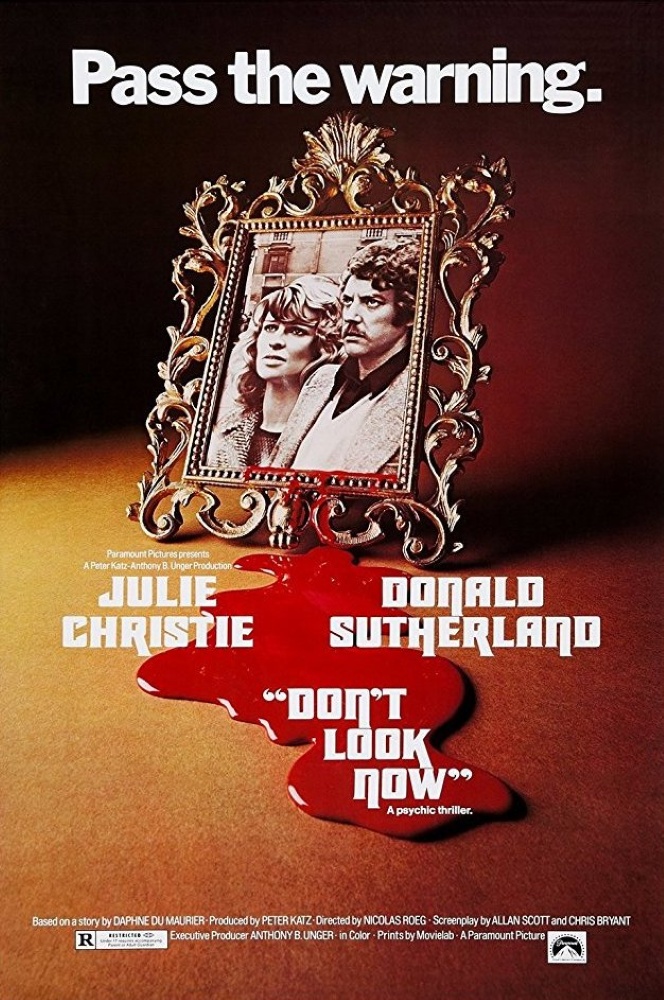
Nicolas Roeg’s masterwork. Ostensibly a film about grief and precognition, this is a film that exists as a series of taunting visual clues that constantly map over onto each other with a hidden geometry
Document of the Dead (1989)
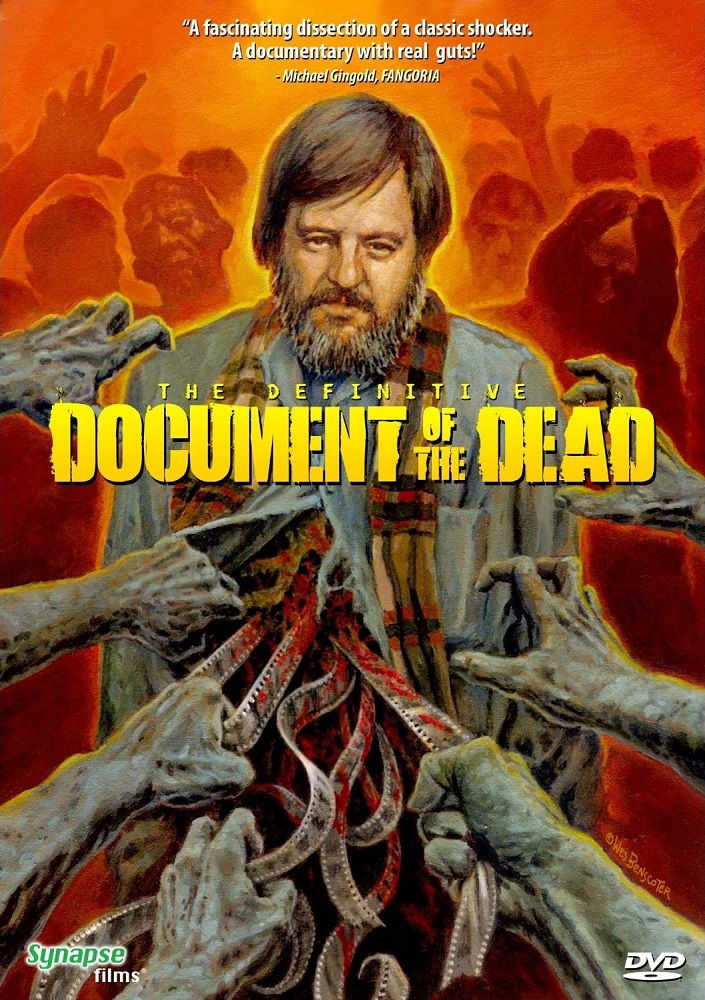
A documentary about George Romero that was filmed during the shooting of Dawn of the Dead. Originally made as a teaching aid for a film school class before being given commercial release
Camelot (1967)

The Arthurian legends become the basis of this filmed version of a musical by Alan Jay Lerner and Frederick Loewe. On screen with a name cast, the film is slow and stodgy
Timebomb (1991)
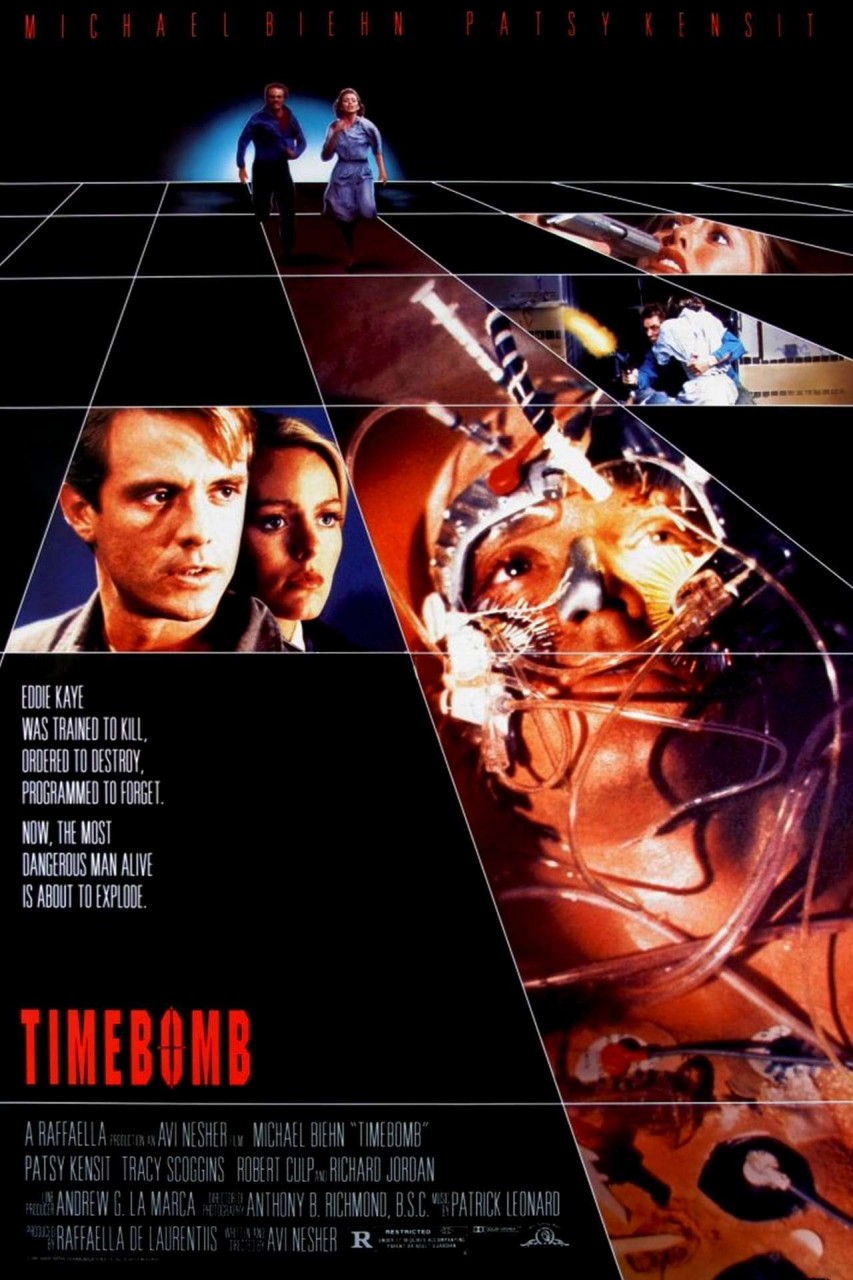
Action film from Avi Nesher that comes with a solid and satisfying punch. Michael Biehn is a mild-mannered clockmaker who suddenly discovers he is a brainwashed assassin
Servants of Twilight (1991)
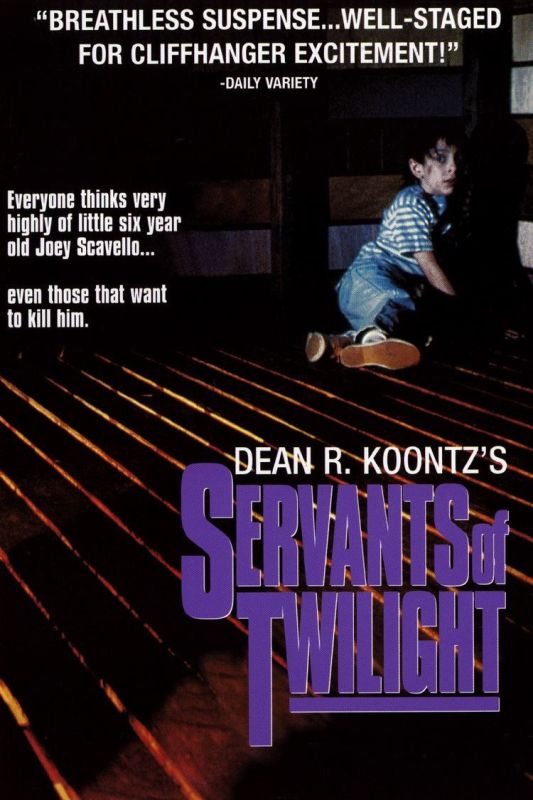
Dean R. Koontz adaptation with Bruce Greenwood as a private detective drawn into helping a woman protect her child from crazed cultists that believe he is the Antichrist
Disclosure (1994)

It is telling that the only film made about workplace sexual harassment up to this point is one that painted the male as a victim. This adaptation of a Michael Crichton book came mired in controversy
Tales from the Darkside: The Movie (1990)

Film spinoff from the Tales from the Darkside tv series, this is an anthology of three horror tales, the result is a surprisingly slick and well made film
Vamp (1986)

Very 80s film that feels like Martin Scorsese’s After Hours rewritten with vampires set around vampire nightclub. The comedy is uneven but there is is a striking performance from Grace Jones as the vampire
Star Wars Episode VI: Return of the Jedi (1983)
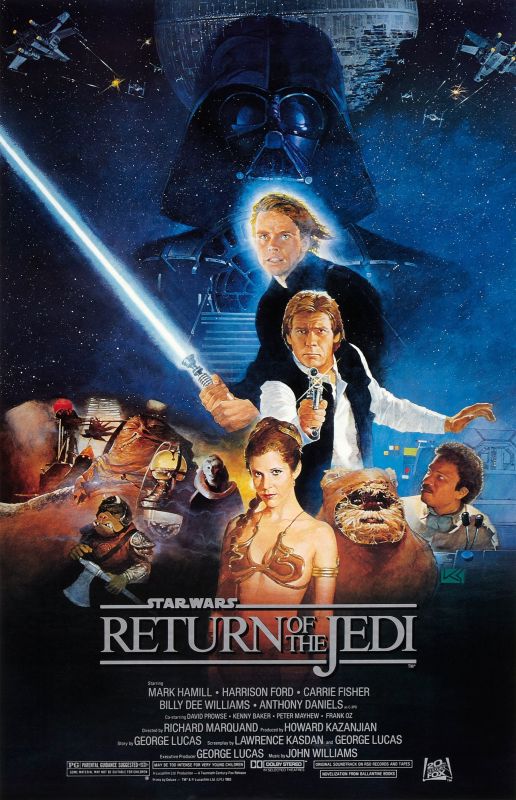
A disappointing end to George Lucas’s original Star Wars trilogy. The script lazily wraps up loose ends while sidelining the new characters introduced the last time and rehashes the climaxes of the two other films
Highlander II: The Quickening (1991)
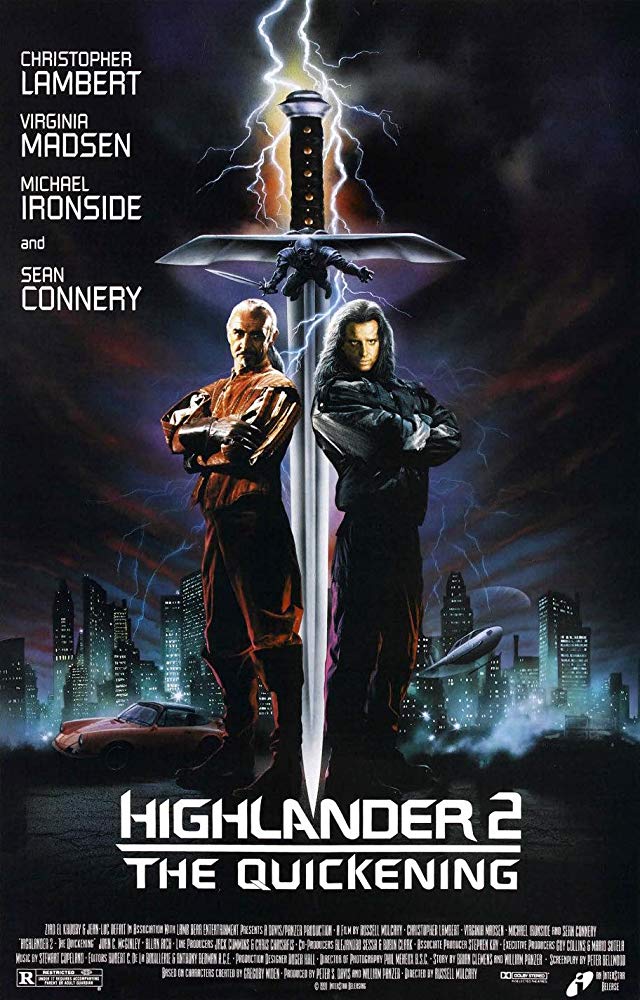
Probably THE worst sequel ever made. The script’s treatment of continuity to the first film is utterly incoherent, while director Russell Mulcahy and most of the cast go at it with unrestrained OTT excess
Cube (1997)
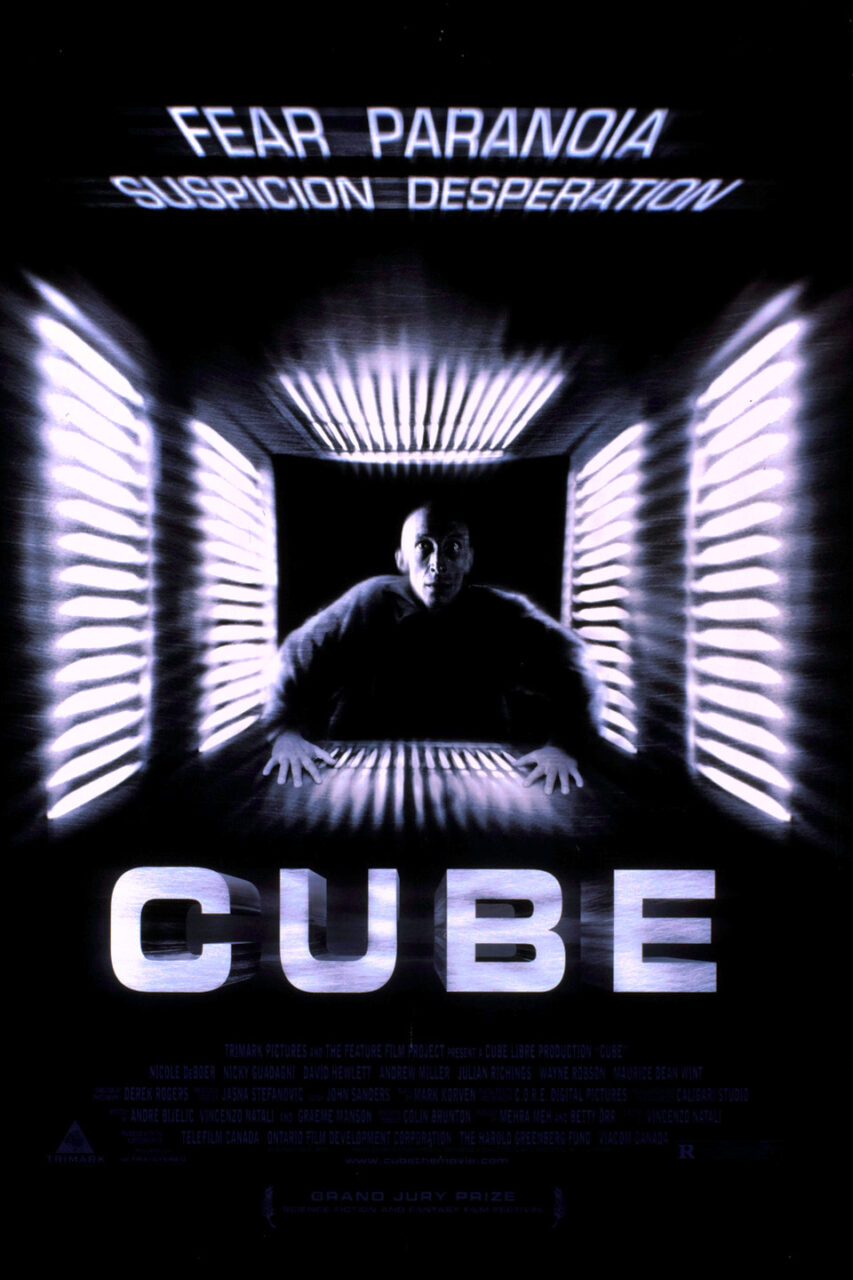
An excellent conceptual SF film, a directorial debut for Vincenzo Natali with six people trapped in a labyrinth of identical rooms some of which contain death traps where they must solve the puzzle to find the way out
Children of the Corn III: Urban Harvest (1995)
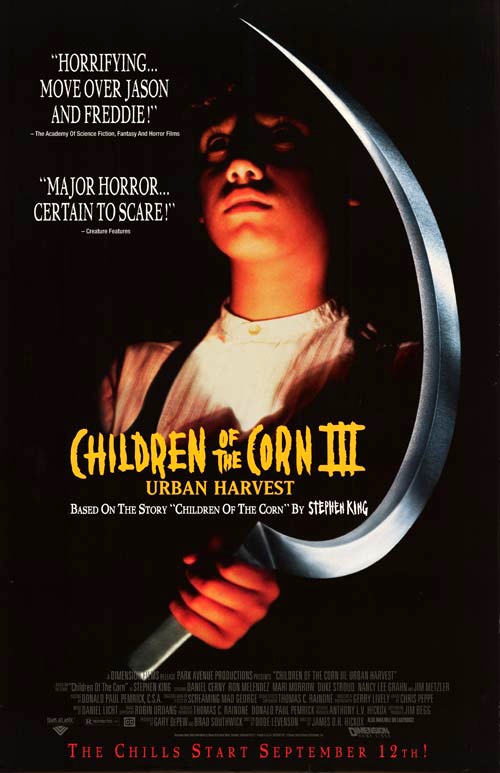
The third of the films based on the Stephen King short story, this moves the locale to the city but is otherwise based around a series of completely ridiculous makeup effects every few minutes
Tales from the Crypt Presents Demon Knight (1995)

Film spinoff from the popular Tales from the Crypt horror anthology tv series but with more gore effects, this is competently done but does nothing to distinguish itself
The Shining (1980)
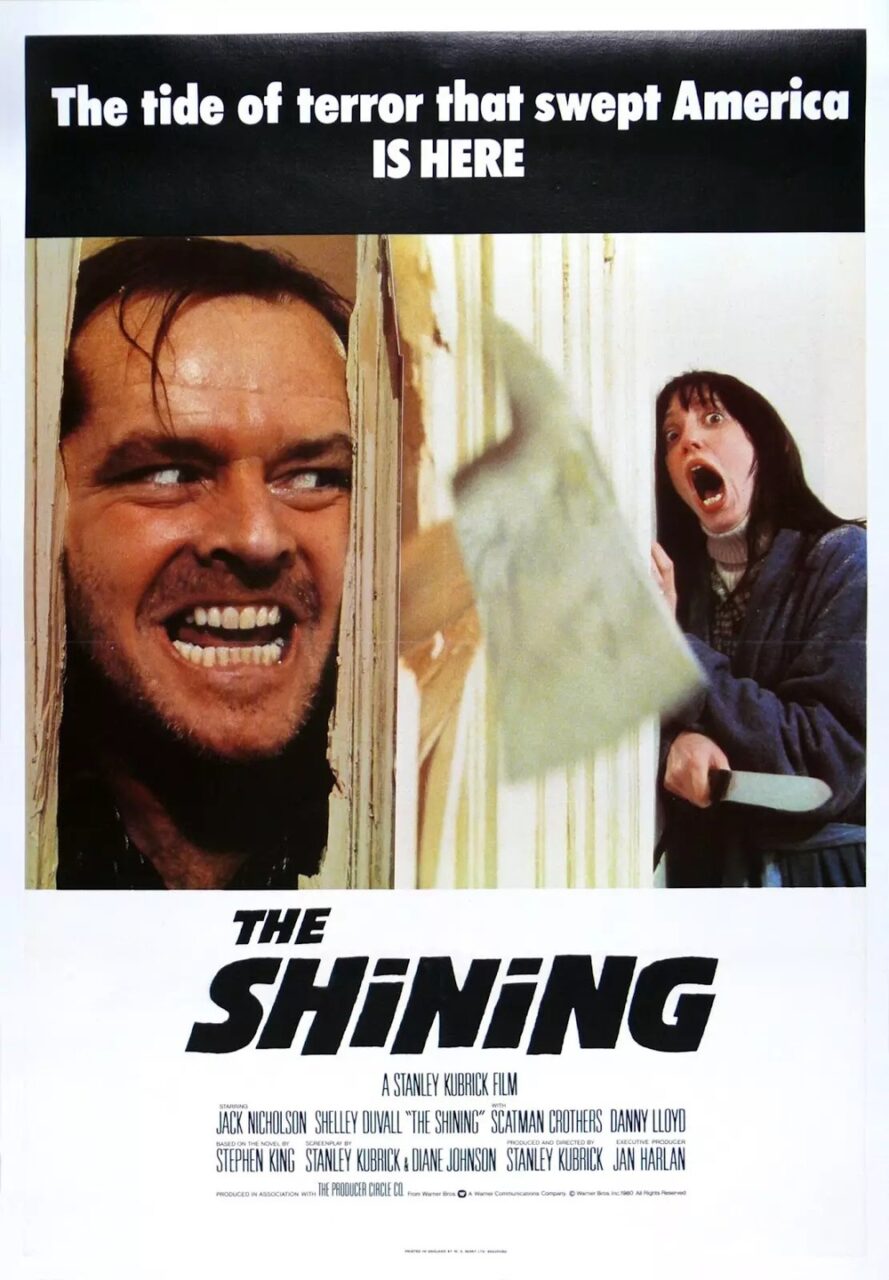
Stanley Kubrick’s adaptation of Stephen King’s novel throws much of the book out but has duly become a classic. Jack Nicholson goes grandly mad amid Kubrick’s stupendous production and unsettling set-pieces
Gamera 3: Revenge of Iris (1999)

An extraordinary reworking of the Japanese kaiju series with stunning CGI effects sequences. This set a new standard and is among the best of the modern Japanese monster movies
Goldfinger (1964)
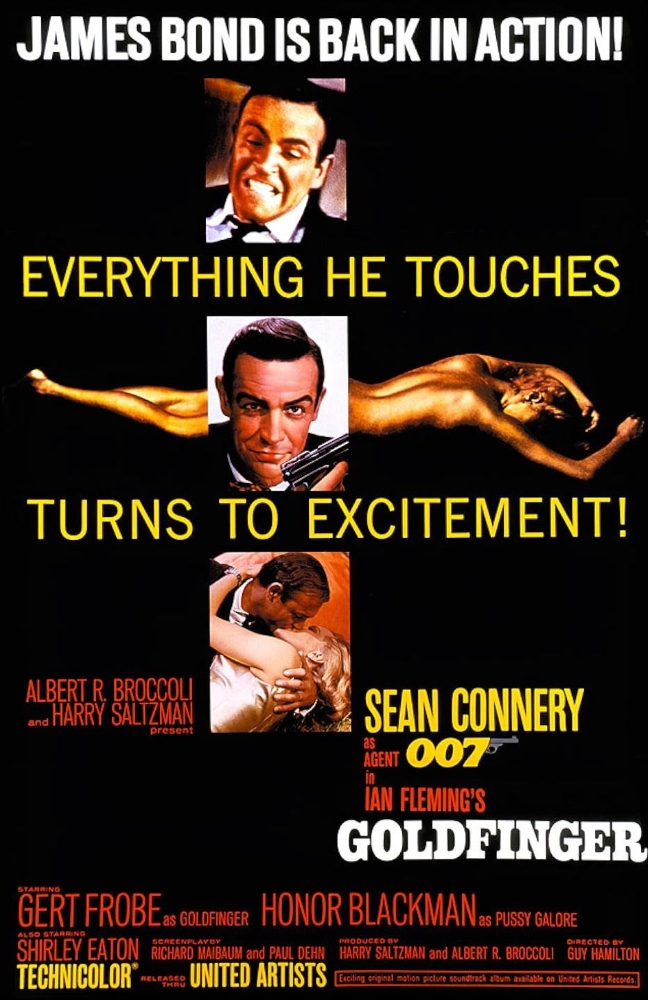
The third of the James Bond films and the point where everything that has been defined as the formula of the series – the gadgets, the villains, the henchmen, the cars, the world domination plots – falls into place perfectly
Mars Attacks! (1996)
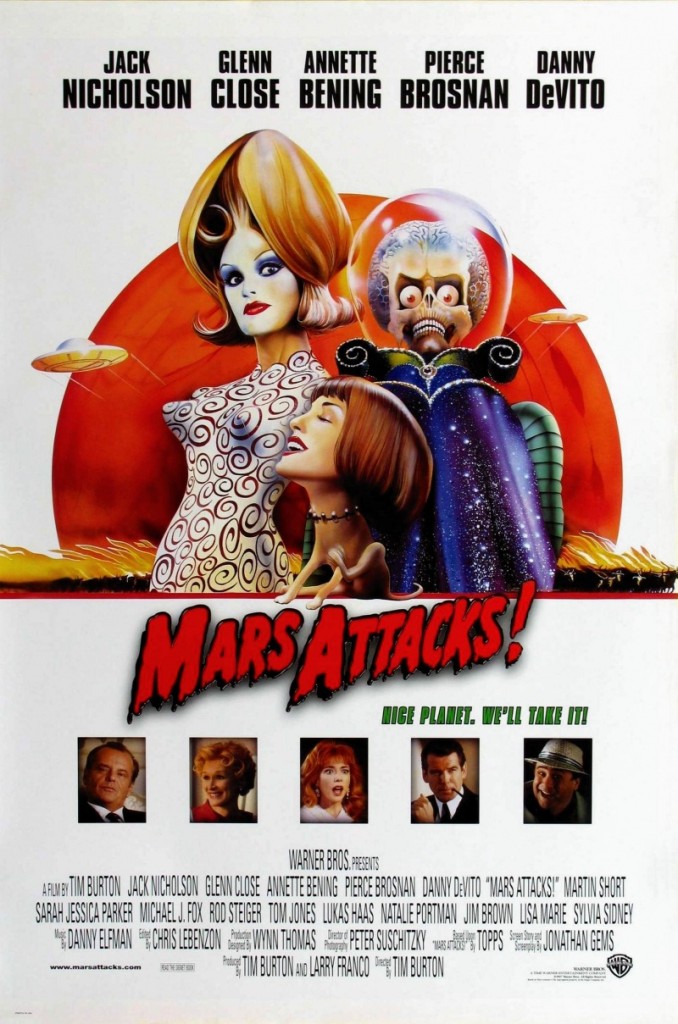
Tim Burton makes a film based on the old Topps bubblegum card series about Martian invaders, which becomes an affectionately goofy tribute to 1950s alien invasion cinema
The Horror of Frankenstein (1970)

The fifth and worst of Hammer’s Frankenstein films. In a play for younger audiences, Peter Cushing was dumped in favour of Ralph Bates in a retelling of the original and an unfunny comedic approach
Digimon: The Movie (2000)

The first film from Mamoru Hosoda based on a tv series that was a blatant attempt to copy the Pokemon phenomenon and concerning cute creatures that live on the internet
Chain Reaction (1996)
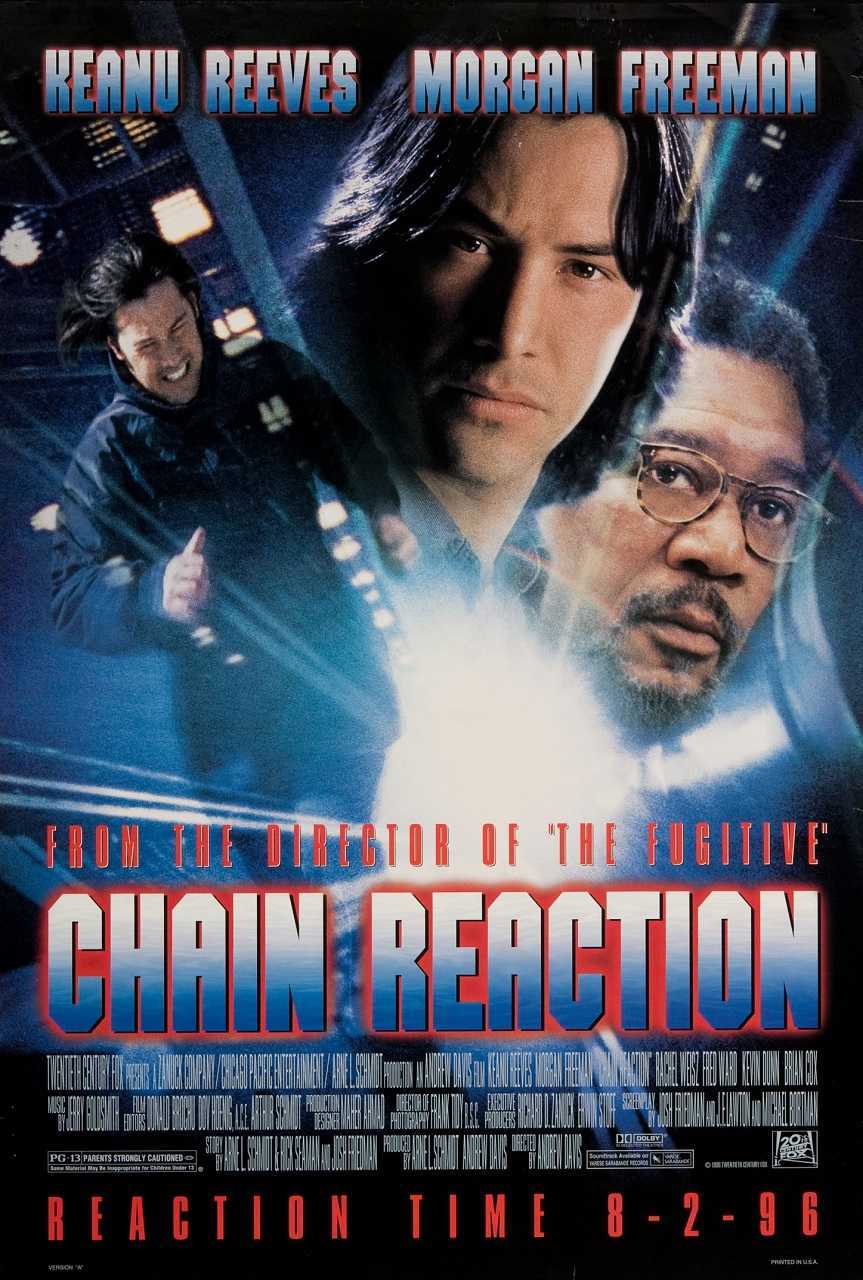
Thriller with Keanu Reeves wrongfully accused and on the run from authorities in the quest for a process that creates cheap energy from water. A rehash of director Andrew Davis’s The Fugitive mostly construed around its set-pieces
Dreams (1990)
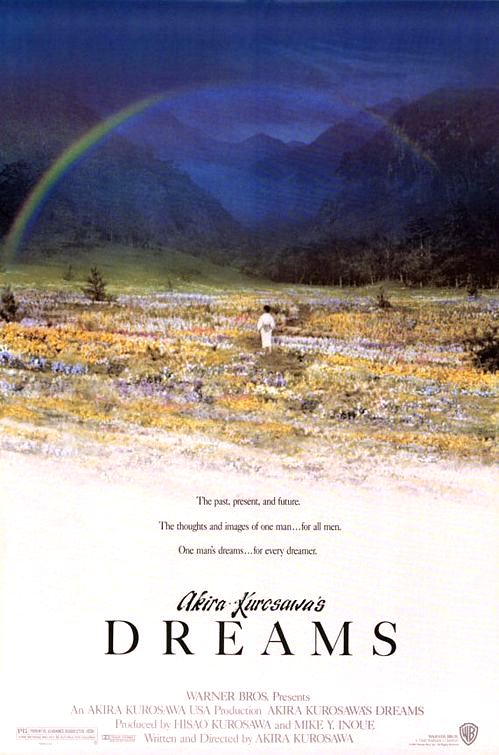
It is some surprise that Akira Kurosawa’s only full venture into fantastic cinema was with his penultimate film here. A beautifully filmed anthology of eight tales, including several ghost stories and two anti-nuclear parables
I.K.U. (2000)

Described as a cyberporn fantasy, a quasi-pornographic film set in a Cyberpunk future where androids are designed to consume sexual experience
Roujin Z (1991)

Katsuhiro Otomo written anime that functions as a parody of the school of Transformer robots as the artificially intelligent hospital bed of a geriatric becomes a giant ramshackle colossus rampaging through the city
Angels in the Outfield (1951)
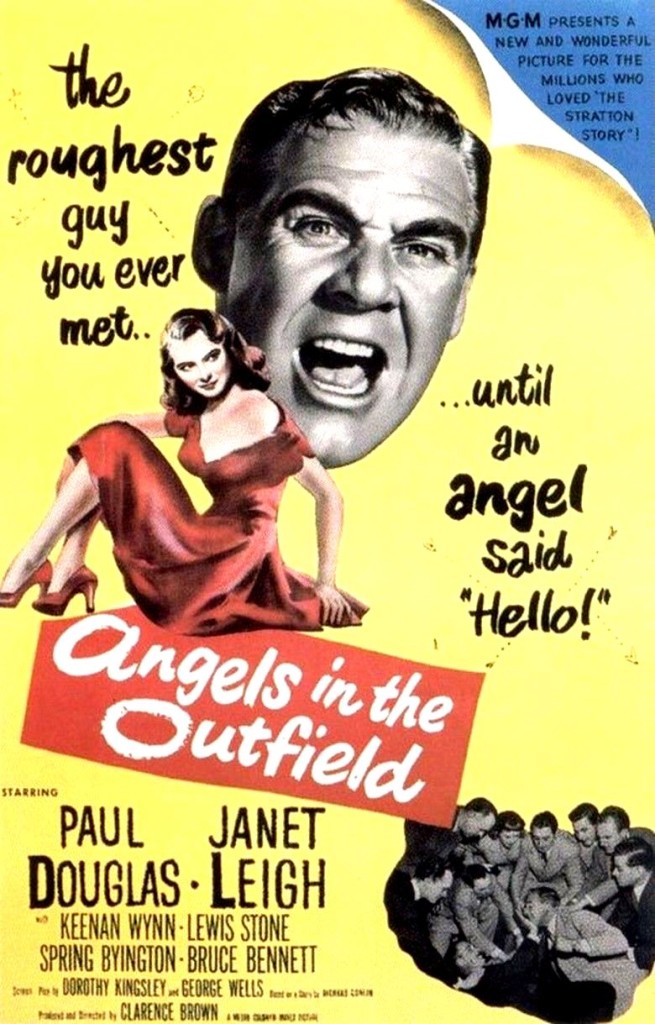
An amiable venture into the light fantasy films that were popular during this era., Here angels come down and intervene to aid a baseball team on a losing streak
Martin (1976)

George Romero’s vampire film is one of his most remarkable films. In contrast to the cliches, the vampire here is a pale teen with an unhealthy obsession contrasted with a religious extremist who demands he be exorcised.
Cruising (1980)
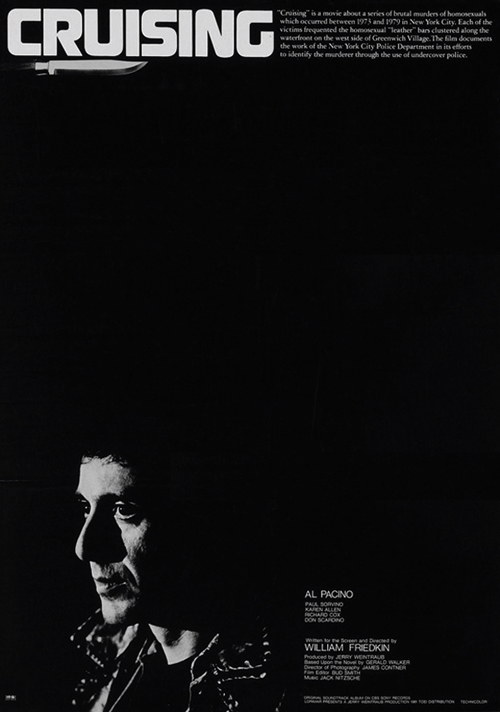
Controversial William Friedkin film in which Al Pacino plays a straight cop who must go undercover in New York’s gay leather and S&M community to hunt a serial killer. This holds back little in its portrayal of the scene.
Jesse James Meets Frankenstein’s Daughter (1966)
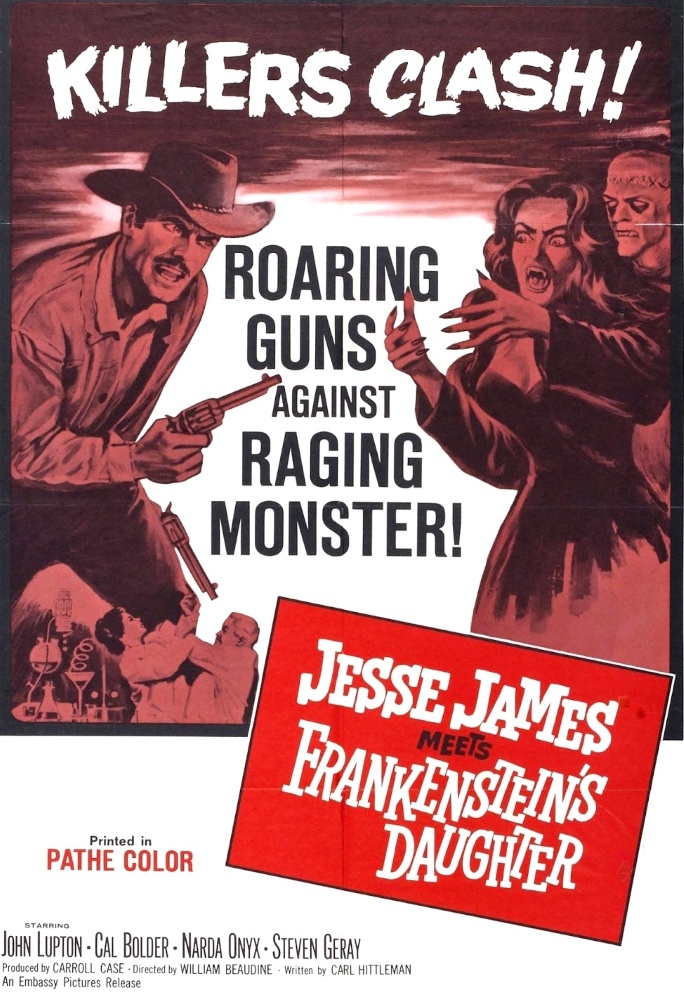
Notorious Z movie made as companion piece to Billy the Kid Versus Dracula in which the famous outlaw encounters Frankenstein’s granddaughter and her creations
Grim Prairie Tales (1990)

An interesting, if not completely successful, attempt to revive the horror anthology – in this case with four tales that all take place in a Western setting
Ghoulies IV (1993)
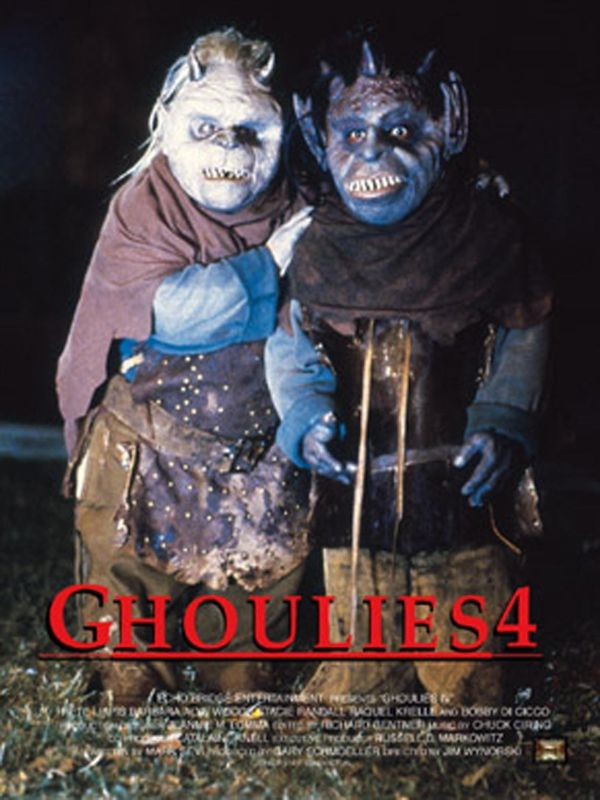
The fourth and final of the Ghoulies films. This one comes from B-budget hack Jim Wynorski who seems to not be taking any of the show seriously
Impulse (1984)

Reminiscent of George Romero’s The Crazies, this is a subtle, low key film about a small town as it is affected by a toxic waste leak that causes mass insanity
Millennium (1989)
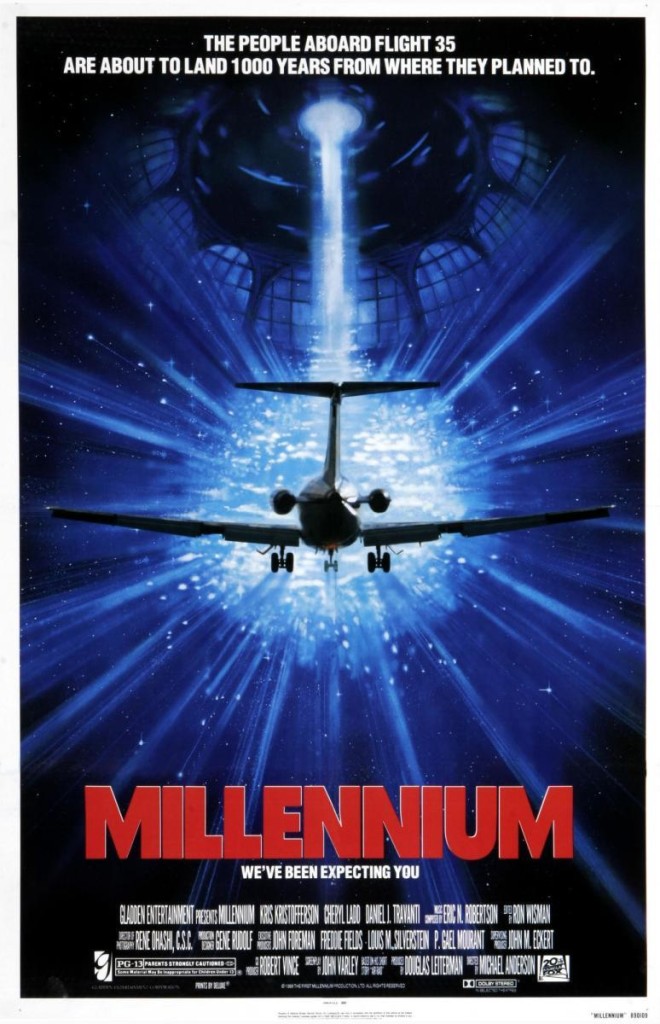
The long-planned film adaptation of a time travel novel by John Varley, one of the finest SF writers in the world, that alas ends up bluntening and dumbing the story down in the clod hands of Michael Anderson
The Whispering (1995)

Unremarkable and largely forgotten video release with former teen heartthrob Leif Garrett investigating appears of a mysterious figure that encourages people to suicide
The Fearless Vampire Killers (1967)

Roman Polanski misfired with this vampire comedy intended as a spoof of Hammer Films. Beautifully produced but comedy is not Polanski’s forte and the film seems to consists of much slapstick running around
Timerider: The Adventure of Lyle Swann (1982)
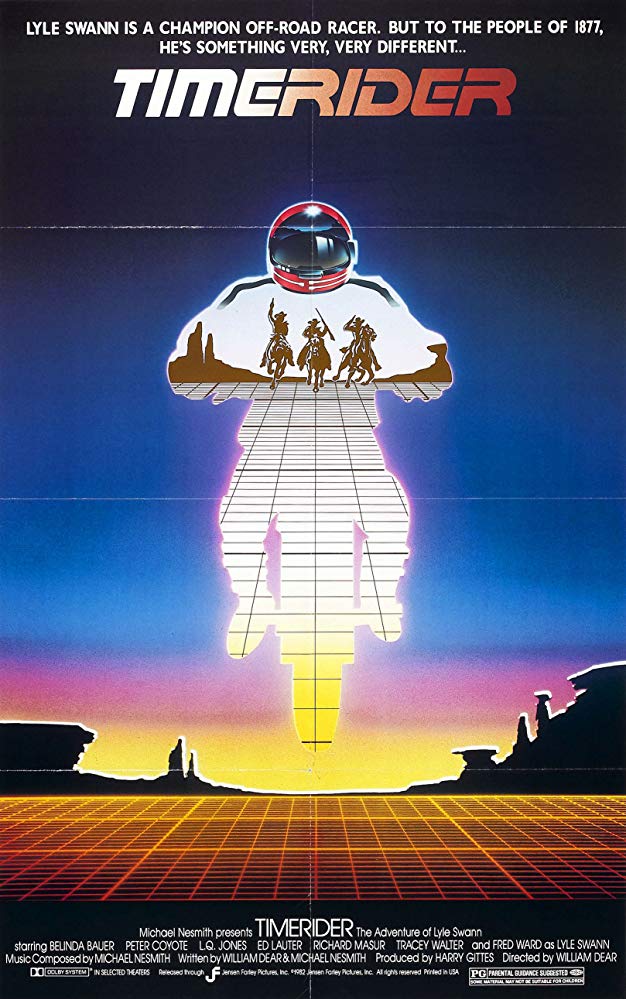
Rather slight film with the amusing concept of a present-day motorcyclist thrown back in time to the Old West
Eraserhead (1977)
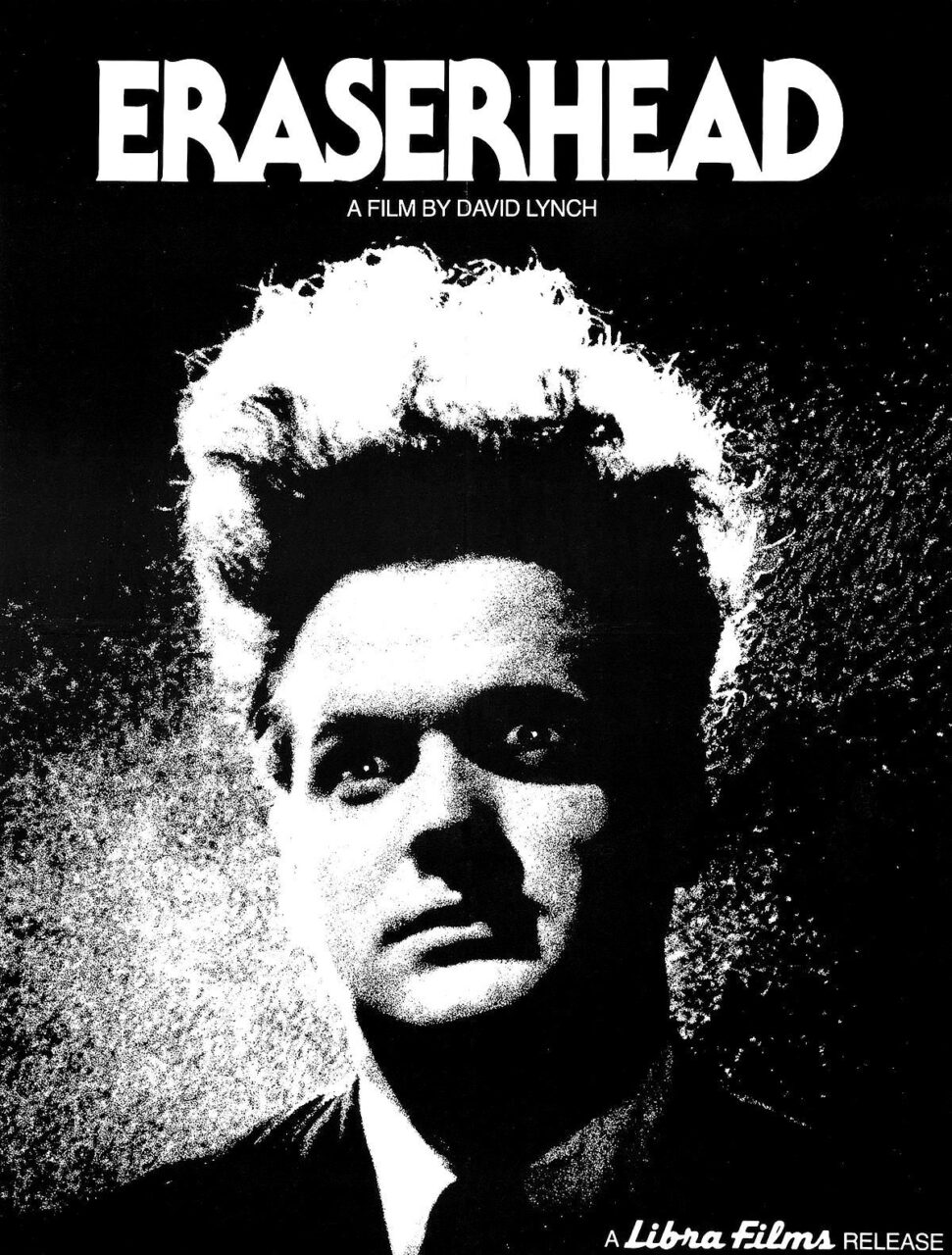
The first film from David Lynch, a surrealist work that is one the cult films of all-time. A masterpiece of mood that swims in an atmosphere of dream and Freudian symbolism of cryptically inscrutable meaning
Flight to Mars (1951)
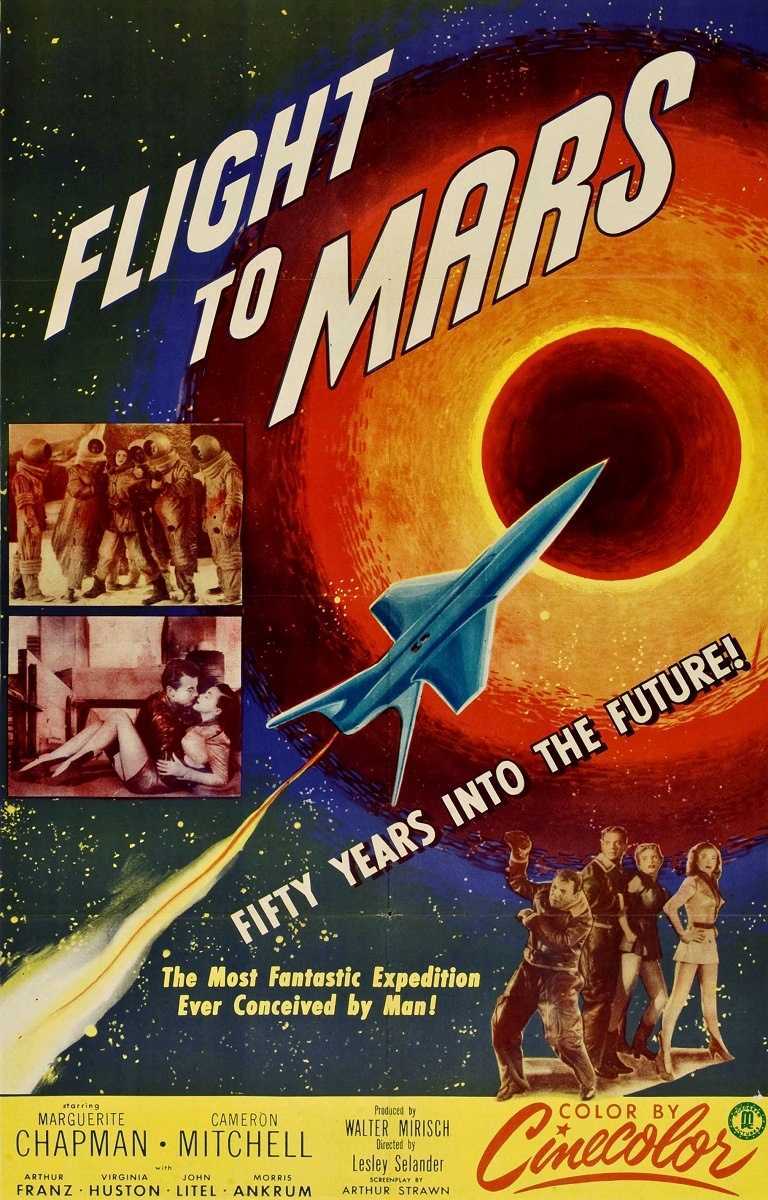
1950s SF film about an expedition to Mars. This fails to find anything interesting to happen once there where the astronauts do no more than engage in romances with the Martian women
The Phantom of the Paradise (1974)
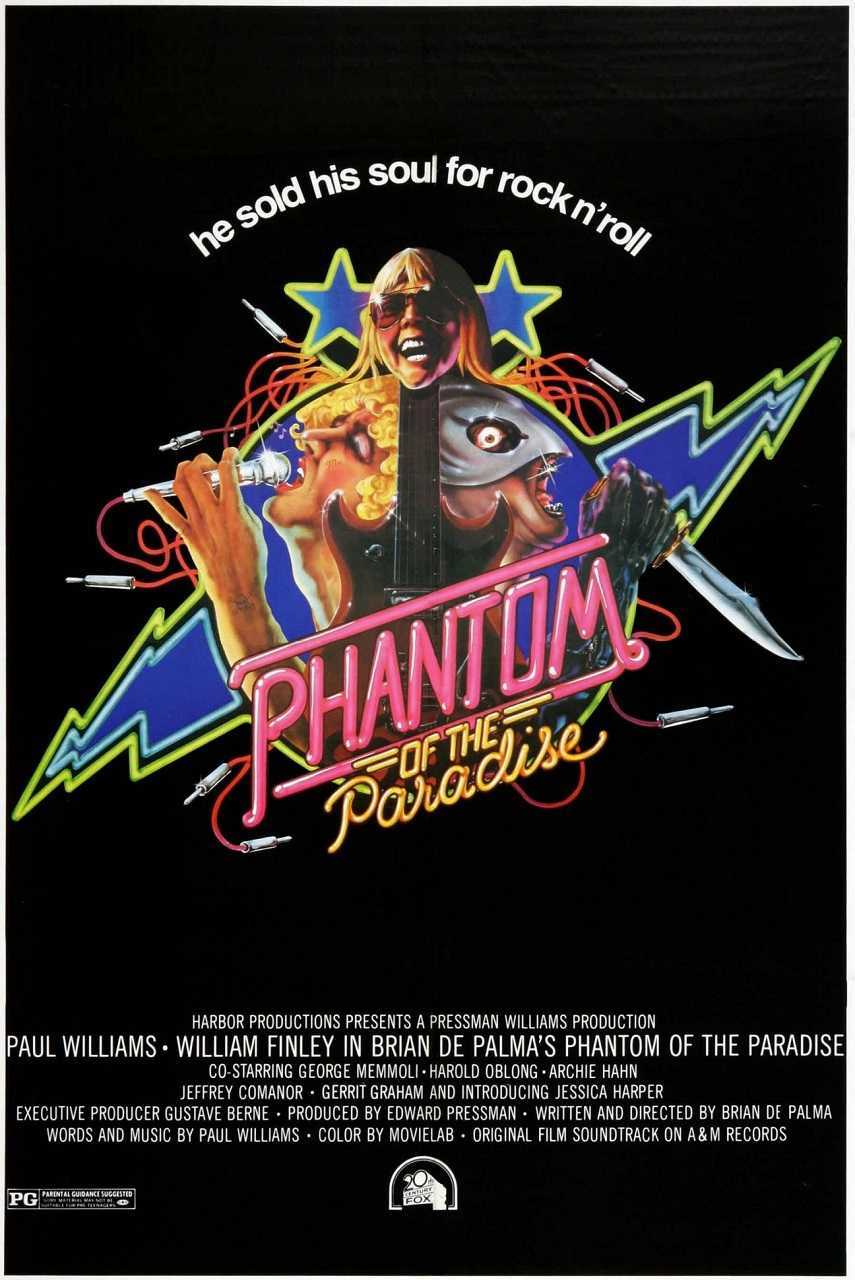
Predating The Rocky Horror Picture Show, Brian De Palma conducts a very funny parody of The Phantom of the Opera (and several other horror films) as a glitter rock musical
Day of the Dead (1985)
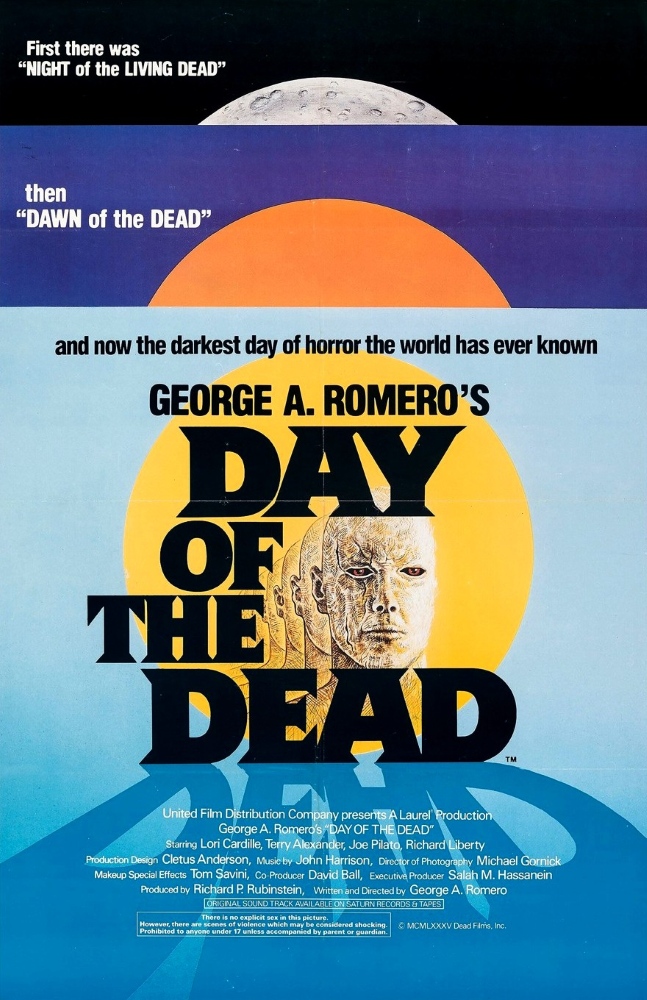
The third and most undervalued of George Romero’s original trilogy of zombie films, an explosively bared to the bone series of apocalyptic confrontations containing some of the best performances and writing in any of his films
A Midsummer Night’s Sex Comedy (1982)

One of Woody Allen’s slighter films, a sexual rondeau set at the turn of the 20th Century, although mostly riffing on Allen’s familiar sexual neuroses. Contains minor fantasy elements.
Orgazmo (1997)

An early work from South Park creators Trey Parker and Matt Stone about a Mormon who becomes a porn star and then turns superhero
Memories (1995)

An anthology made up of three short films all adapted from the works of Katsihiro Otomo of Akira fame, of which Otomo also directs one of the segments
Monster Island (1981)
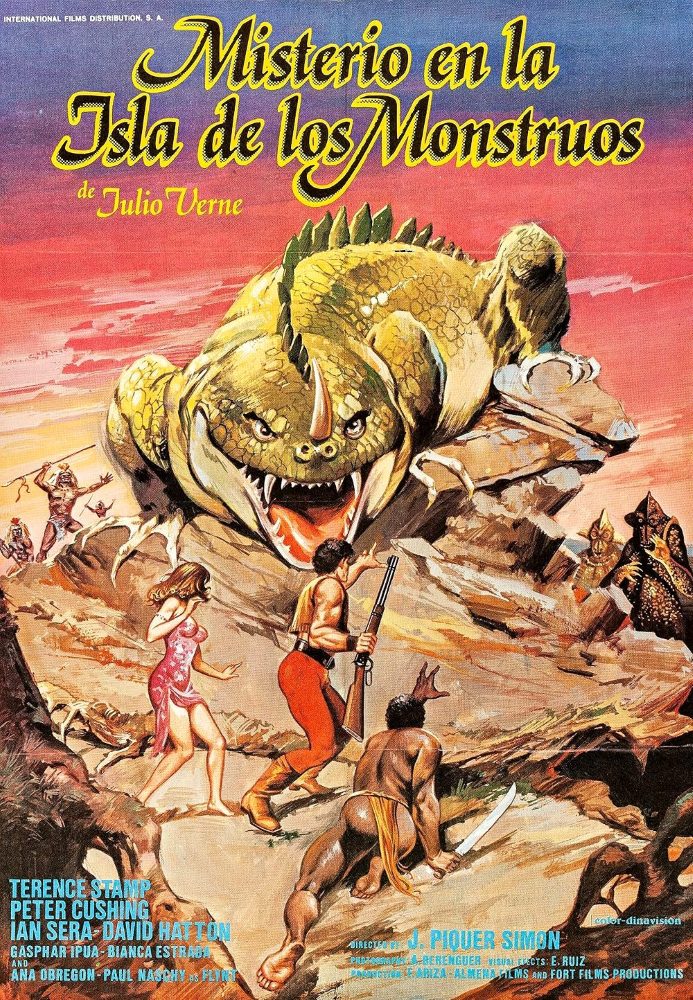
Supposedly an adaptation of Jules Verns’s Mysterious Island from low-budget Spanish director Juan Piquer Simon, one that gives the impression nobody actually read the book
15 Minutes (2001)

Thriller about two killers who become inspired by tabloid tv and decide to sell tapes of their crimes to tv. This becomes a heavy-handed, tub-beating rant of disgust against modern media
Death Becomes Her (1992)
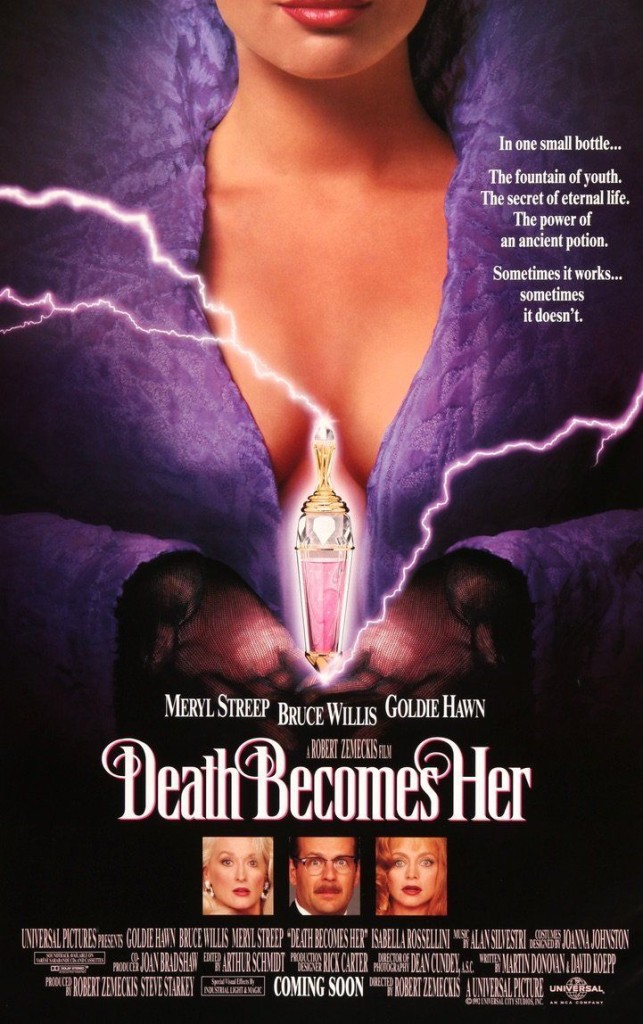
Robert Zemeckis film about an immortality treatment that digs a knife into Hollywood beauty treatments with a blackly funny knife. Meryl Streep and Goldie Hawn have huge fun playing to the gallery and upstaging one another
Black Magic Woman (1991)
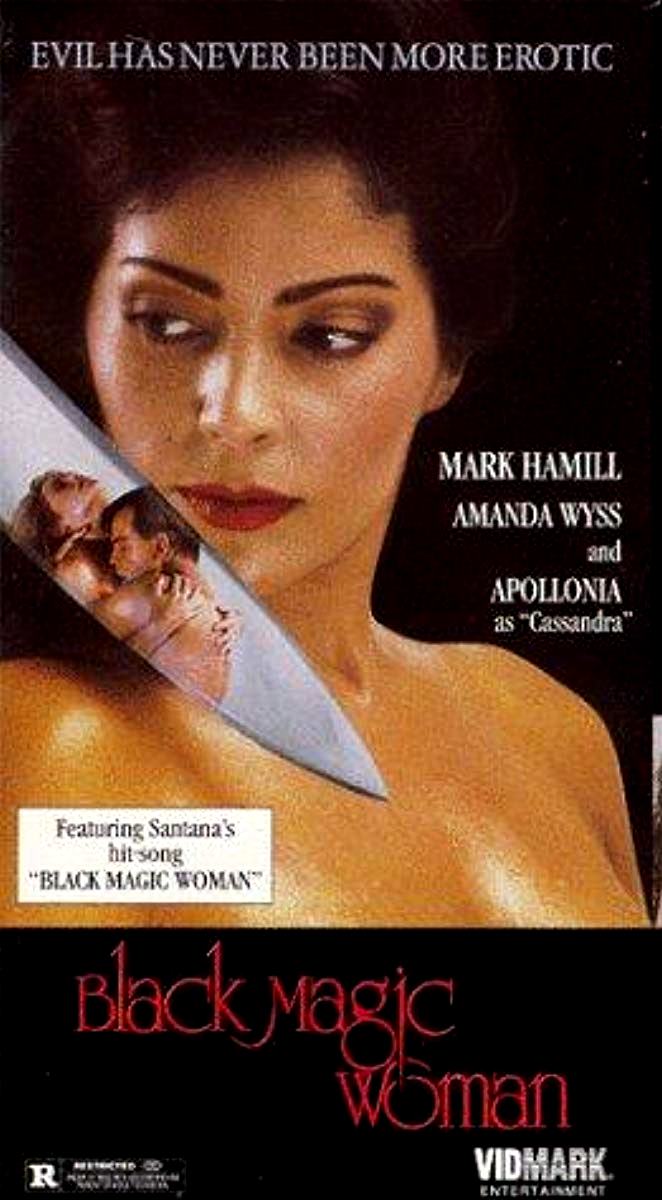
Essentially Fatal Attraction with voodoo in which Mark Hamill engages in an affair with Apollonia and breaks it off only to find a voodoo curse has been placed on him
BrainWaves (1982)
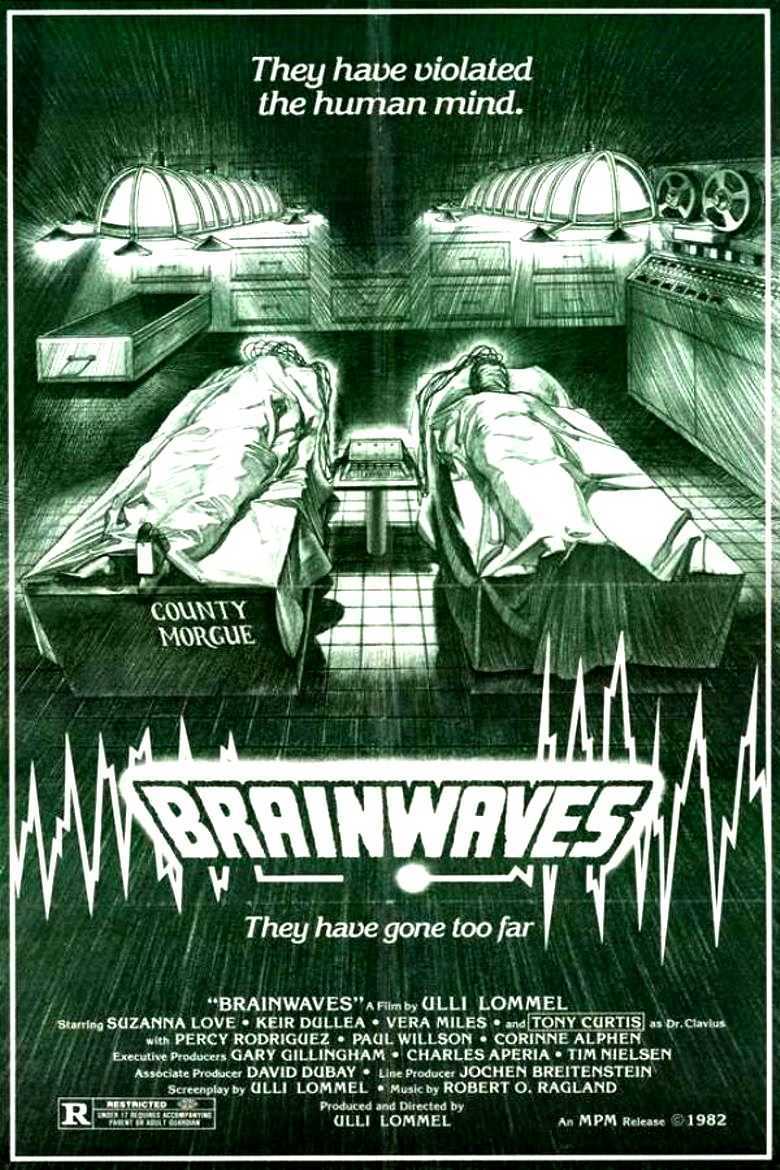
Ulli Lommel film in which Suzanne Love undergoes experimental brain surgery only to start receiving memories from the donor, a woman who was murdered
Creepshow II (1987)

The sequel to the hit George Romero-Stephen King horror anthology. This misses the original’s black humour by a mile and instead becomes overblown and filled with shrill unlikable characters
The Eternal (1998)
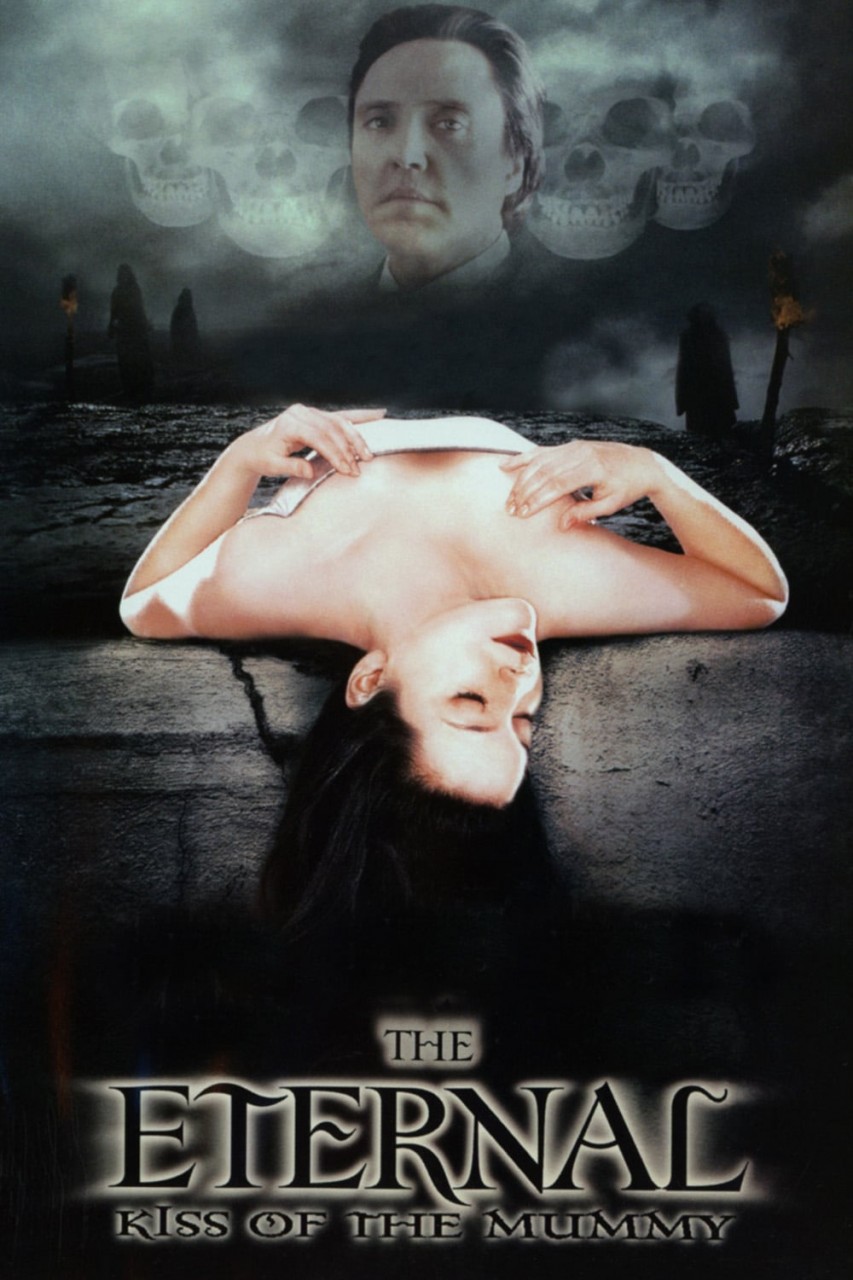
Michael Almereyda conducts a unique take on the mummy film dispensing with all the cliches in the eerie story of a Druidic mummy unearthed from an Irish peat bog
The Atomic Kid (1954)
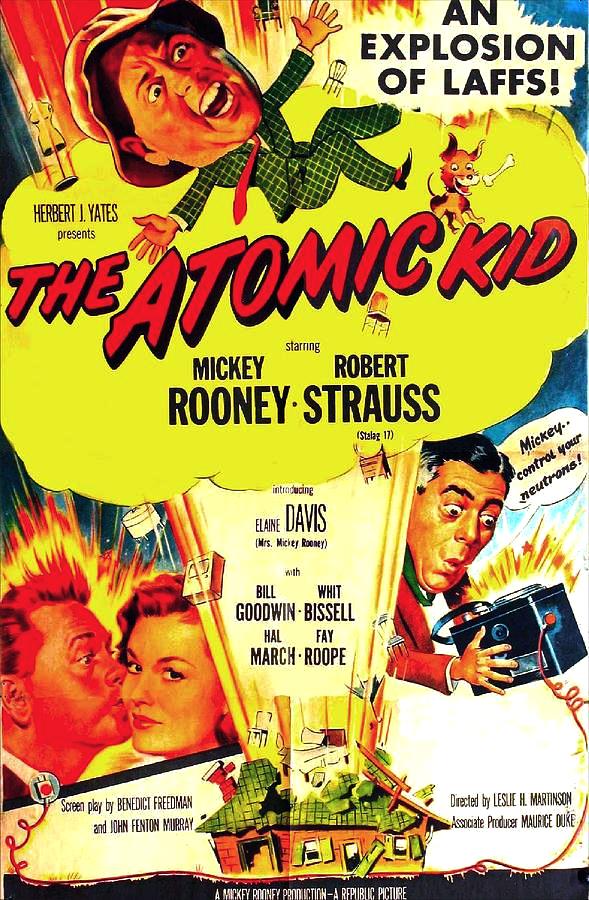
Perhaps the strangest film Mickey Rooney ever made, a comedy in which he is a prospector caught in an atomic explosion and afterwards gains the ability to cause things to explode